360 MAGAZINE is an award-winning international publishing on popular culture and design. We introduce avant trademarks to efficacious architects.
We are a LGBTQIA2S+ friendly publication--officially recognized by the NGLCC.
Our core demographic ranges from 19 to 39-year-old college-educated trendsetters within their respective international communities. The pages in this art book satisfy their strong interests including music, art, travel, auto, health, fashion, tech, philanthropy, design, food and entrepreneurship.
It's an introspective digital/print/tablet portrait series, which encapsulates artists/brands/entities who embody the true essence of our publication- empowerment, equality, sensuality and most important of all, humanity within a global society.
We all wish for good health and long life, but they come at a price. Many deteriorations of health are being recorded due to bad habits. Therefore, knowing your well-being is a priority to us, we have identified 5 basic habits you can adopt to improve and maintain a healthy lifestyle.
Exercise and weigh yourself daily
Truthfully, it’s a busy world and we can’t help but lose sight of little things like performing a 10 to 30 minutes exercise daily. However, as “playful” as it may look, daily exercise is one of the simple health habits worth adopting into your life as its benefits can’t be overemphasized. Majorly, exercising your body makes you detoxify yourself by sweating, helps you get fit, gives your body a good balance, corrects bad postures, and achieves weight loss. The great thing is that you can achieve all this without buying those large and costly regular gym equipment. You can go out for a run or use your body weight.
Likewise, it is important to keep your weight from creeping up on you. For this, you can always set a weekly weight loss goal and examine yourself against it. It has been advised that in order to get accurate outcomes, you should weigh yourself at the same time every week.
Eat healthily and take enough water
Nothing kills more steadily like junk foods, hence, the habit of taking the appropriate diet daily is the beginning of a healthy lifestyle. It has been recommended that you should start your day with a healthy breakfast by taking something high in fiber and including protein to keep you full. It is believed that if you eat a good breakfast, it is a small healthy habit with a big impact. This is because it helps to eliminate ulcers, avoid headaches, and reduce your risk of diabetes.
Furthermore, you can improve your healthy eating habit by introducing more creative food item combinations. You can incorporate more green and reddish lettuces to add more nutrients, flavor, and water to your diet. Not only that, we can’t overlook the importance of water to your health, therefore, drinking a lot of water early in the morning and throughout the day is mandatory. Taking enough water helps keep your temperature normal, lubricates your joints, and safeguards your spinal cord.
Reduce alcohol, Soda and resist smoking
For those who don’t know, moderation in everything is one of the basic principles to ensure a healthy lifestyle. There are about six reasons to take a break from alcohol, therefore, a reduction in the consumption of alcohol and soda can go a long way to keep you healthy. As it has been discovered, frequent intake of alcohol increases your desire for high-calorie foods and puts you at risk for weight gain. Although a reduction in the intake of alcohol and soda can’t be achieved easily, it requires some discipline and gradual adaptation. You can achieve this by taking carbonated water, unflavoured tea, coffee, or fruit-fused plain water in lieu of alcohol and soda.
Have fun and stay happy
It is generally believed that happy people have more healthy lives and live much longer. Any time you are elated and you laugh or smile, you basically relieve your body of the stress and bothersome thoughts. This consequently saves you from the ravaging high blood pressure and incidental ailments like stroke. Therefore, you can partake in games or sports you love in order to get some fun and excitement. For example, for sports and gambling enthusiasts, you can always make moderate stakes and enjoy the excitement at online betting sites. Watching your favorite sport is an ideal way to unwind. With the help of review sites, you can be certain that you are in good hands and can easily search for the finest welcome bonuses, comprehensive reviews, and how-to instructions written by professionals to help gamers play with ease.
Get enough sleep daily
Being a workaholic and skipping your sleep is like working against yourself. Yes, you can skip your sleep to gather all the money but your health might deteriorate in return. Consequently, as it has been severally advised, you should at least get a solid 7 to 8 hours of sleep daily to stay healthy. Getting enough sleep restores and rejuvenates your body after each day’s activities.
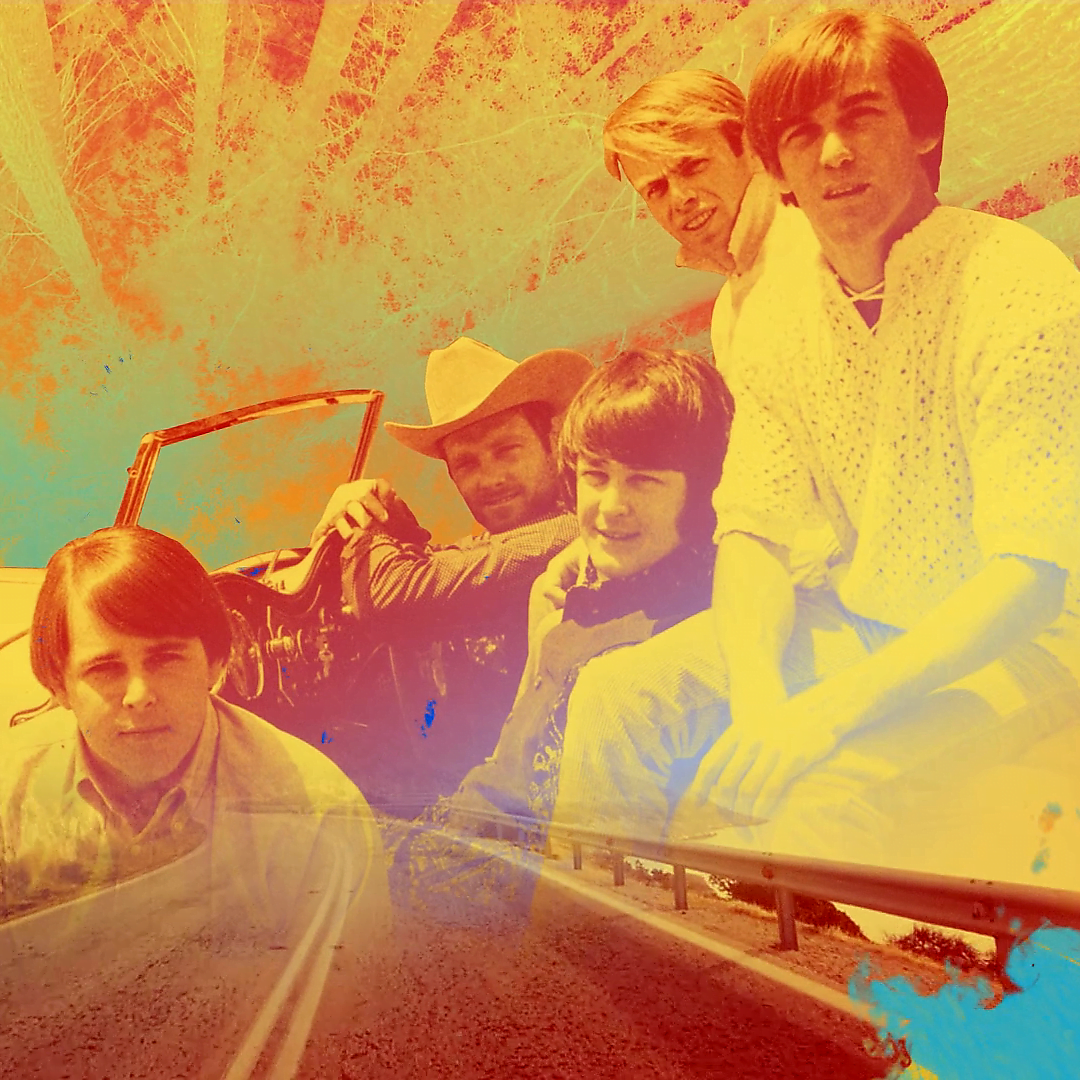
The Beach Boys are sharing the sterling new stereo mix of their classic 1963 tune, “Shut Down,” offering up a blast of fun and sun to help soundtrack Memorial Day weekend, the unofficial kickoff to summer. The new mix is featured on their forthcoming remastered and expanded edition of their career-spanning greatest hits collection, Sounds Of Summer: The Very Best Of The Beach Boys, due June 17 via Capitol Records/UMe. Originally released in 2003, the album soared to No. 16 in the US and stayed on the chart for 104 weeks. Now certified 4x platinum for sales of nearly four and a half million albums, the new edition has been updated in both number of songs and sonics as it expands the original 30-track best of with 50 more of the band’s most beloved songs for a total of 80 tracks that span their earliest hits to deeper fan-favorite cuts. Boasting 26 new mixes, it includes two first-time stereo mixes, plus 24 new-and-improved stereo mixes, which in some cases feature the latest in digital stereo extraction technology, allowing for the team to separate the original mono backing tracks for the first time.
“Shut Down” was originally released as the B-side to the single “Surfin’ U.S.A.” three weeks ahead of its inclusion on The Beach Boy’s sophomore album of the same name in March 1963. Propelled by the wildly popular single, which was a smash at radio across the country and peaked at No. 23 in the U.S. on the Billboard Hot 100 and No. 34 in the UK, the album reached No. 2 in the U.S. and stayed on the charts for an incredible 78 weeks. Still riding the wave of success from their debut album the year prior, The Beach Boys were, as All Music writes, “vital to launching surf music as a national craze” and poised for even bigger waves as they continued to refine their songwriting and production skills, rapidly evolving from their early surf beginnings to create some of the most sonically exquisite and most important and beloved music ever made.
Assembled by Mark Linett and Alan Boyd, the team behind 2013’s GRAMMY® Award-winning SMiLE Sessions and last year’s acclaimed boxed set, Feel Flows – The Sunflower and Surf’s Up Sessions 1969-1971, Sounds Of Summer features nearly every US Top 40 hit of The Beach Boys’ incredible career, including “California Girls,” “I Get Around,” “Surfer Girl,” “Surfin’ U.S.A.,” “Fun, Fun, Fun,” “God Only Knows,” “Good Vibrations,” “Be True To Your School,” “Wouldn’t It Be Nice,” “Kokomo,” “Barbara Ann,” “Help Me, Rhonda,” “In My Room,” and many others. Fifty additional tracks showcase the variety and diversity of the group’s deep catalog, with some of the many highlights including “All This Is That,” “Disney Girls,” “Forever,” “It’s About Time,” “Feel Flows,” “Friends,” “Let The Wind Blow,” “Roll Plymouth Rock,” “Long Promised Road,” “Sail on Sailor,” “Baby Blue,” “Surf’s Up,” “Let Us Go On This Way,” and “Wind Chimes.”
The expanded edition of Sounds Of Summer will be available in a variety of formats, including digitally, a 3CD softpack, and as a Super Deluxe Edition 6LP vinyl boxed set on 180-gram black vinyl in two options – a standard set or a numbered, limited edition version featuring a rainbow foil slipcase and four collectible lithographs. Both versions will feature color printed sleeves that replicate the original “Capitol Catalog” sleeves that highlight the entire Beach Boys discography, and all formats will include a booklet with new liner notes and updated photos. The original 30-track version will also be available in its newly remastered and upgraded form on single CD or double gatefold LP on standard weight vinyl or as a higher-end limited edition numbered version pressed on 180-gram vinyl with a tip-on jacket and a lithograph.
Additionally, all 30 tracks on disc 1 of Sounds Of Summer have been mixed in immersive Dolby Atmos, joining the group’s Christmas Album which was mixed in spatial audio and released this past holiday season, and continuing the initiative to present the group’s catalog in the enveloping and exciting new audio format.
Sixty years after first transmitting their good vibrations around the globe, The Beach Boys, the first American pop band to reach the 60-year milestone, remain one of the most legendary and influential groups to date, with their timeless music reverberating through modern culture today as strong as ever. In celebration of their 60th anniversary, UMe, the global catalog company of UMG, is pleased to be a part of some of the major initiatives planned to celebrate “America’s Band” throughout 2022-23.
The Beach Boys said: “It’s hard to believe it’s been 60 years since we signed to Capitol Records and released our first album, Surfin’ Safari. We were just kids in 1962 and could have never dreamed about where our music would take us, that it would have such a big impact on the world, still be loved, and continue to be discovered by generation after generation. This is a huge milestone that we’re all very honored to have achieved. And to our incredible fans, forever and new, we look forward to sharing even more throughout the year.”
UMe President & CEO, Bruce Resnikoff, said: “The Beach Boys have created some of the most iconic and beloved music of all time. An indelible and important part of America’s cultural fabric, their timeless music has been a ubiquitous soundtrack for generations and continues to influence, inspire, and delight. We at UMe remain honored to further The Beach Boys’ legendary catalog and look forward to celebrating them all year long along with their millions of fans around the world.”
The timeless music of The Beach Boys will be featured in several innovative official new music videos that are in the works along with a slate of lyric videos and visualizers to present these classic songs in the modern video era.
Following the release of Sounds of Summer, this fall Capitol/UMe will release the next chapter in The Beach Boys’ archival releases, which will explore the bands often overlooked but pivotal albums, 1972’s Carl and the Passions – “So Tough” and 1973’s Holland. The deluxe multi-disc set follows last year’s acclaimed boxed set Feel Flows – The Sunflower and Surf’s Up Sessions 1969-1971 that topped many critic’s year-end lists and chronicled and explored the metamorphic and highly influential 1969-1971 period of the band’s [ career through tons of unreleased tracks, live recordings, radio promos, alternate versions, alternate mixes, isolated backing tracks and a cappella versions, culled from the album sessions. More details will be revealed at a later date.
Besides the new music releases from Capitol/UMe, The Beach Boys are also catching new waves by participating in a feature length documentary currently in the works, a tribute special, prestigious exhibitions and events, unique brand partnerships, and much more to celebrate their 60th anniversary.
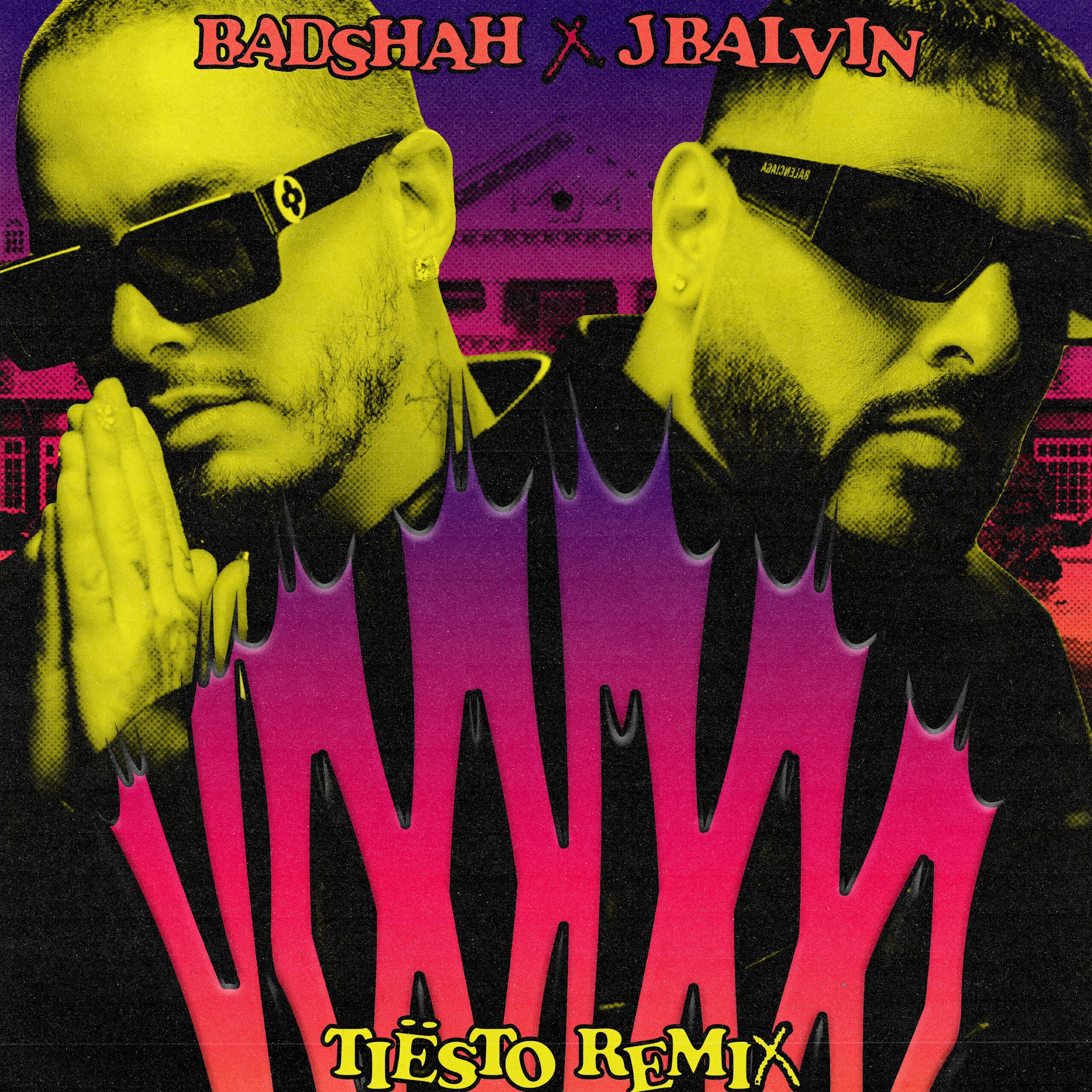
Today Indian singer, rapper and producer, Badshah, and Latinx global superstar J Balvin get the Tiësto treatment on their international hit “Voodoo,” with a remix out today via Capitol Records. LISTEN HERE.
A trilingual anthem — Hindi, Spanish, and English — produced by top hit making producer/ artist Tainy (who has churned out hits with Bad Bunny, Shawn Mendes, Camila Cabello, Anuel, Rosalía, Daddy Yankee to name a few), “Voodoo” is a cautionary tale of lust and magic. The song’s supernatural theme is reflected in the striking, effects-filled video.
Badshah is ready for the world to catch his light and has been on a mission to take Desi-Pop global, bridging Indian and Western cultures through jubilant rhythms and hooks that transcend language. Born in Delhi, Badshah is India’s most successful musical artist of his generation, having generated more than 15 billion streams worldwide, performed more than 700 live shows and become an ambassador for global brands. He is one of the few artists to have 18 songs cross over 200 Million + views on YouTube.
“Voodoo” marks the first proper collaboration between Badshah and Latinx icon, J Balvin. “J Balvin is like an idol to me,” says Badshah. “He’s been doing what I have been trying to do in my own space, and the way he’s made a way for himself despite the language, despite the odds, really inspired me.”
“Voodoo” follows Badshah’s latest EP Retropanda – Part 1, that released last month. The four-track set includes smash hits “Tabahi” and “Jugnu,” which thus far have accrued over 290 million combined views on YouTube and over 47 million Spotify streams. Badshah’s 2021 viral hit Bachpan Ka Pyaar has over 415M Views on YouTube in just about 8 Months.
In 2021, Badshah inked an exclusive agreement with Universal Music Group to be led by Capitol Records. “Voodoo” continues the groundbreaking artist’s mission, ultimately leading Desi-Pop and Indian non-film music to a global stage.
About Badshah:
Indian rapper Badshah is ready for the world to catch his light. The singer, rapper and producer has been on a mission to take Desi-Pop global, bridging Indian and Western cultures through jubilant rhythms and hooks that transcend language. Badshah is one of YouTube’s top artists worldwide and has amassed more than 15 billion streams. His latest, “Voodoo” with Colombian star J Balvin and reggaeton artist Tainy is the world’s first tri-lingual song, an alluring mosaic of Hindi, Spanish and English – the combined languages of more than two-thirds of the world’s population – over swinging dembow drums. His songs connect majorly on the dancefloor as well as he is one of the few artists to have 18 songs cross over 200 Million + views on YouTube. Badshah flexes celebration and happiness – while he is aware of his own superstardom and immense appeal, his mission is to bring a new sound to people worldwide. “If the numbers went away, in the end it is the song that people love” says Badshah. “That’s most important.”
About J Balvin:
Global superstar, entrepreneur and committed mental health advocate, J Balvin is a highly-decorated music icon with wins across Billboard Music Awards, American Music Awards, Latin GRAMMY’s and many others. As a Latinx artist, he has steadfastly broken cultural barriers and become one of the Top 10 most streamed artists globally developing legions of fans worldwide. Hailed by Billboard as “the biggest breakout act Latin music has seen in many years” and Pitchfork as “the face of modern Reggaeton,” Balvin is leading a second generation of Musica Urbana stars that have propelled Latin music to an unprecedented global embrace that transcends genres. Most recently he landed his 35th #1 at Latin Airplay, more than any other artist in history. In addition to his many successes in music, J Balvin has been one of the first Latinx artists to forge partnerships with notable brands across lucrative categories including Jordan Brand, Givenchy, Louis Vuitton, Moschino, Gopuff, Fortnite, and Discord. His latest passion is raising awareness on the importance of mental health and mental health resources.
ABOUT TIËSTO
Tiësto is a Grammy® Award-winning, platinum-certified, international icon. The DJ and producer is the only artist to ever hold the titles of “The Greatest DJ of All Time” courtesy of Mixmag, and “#1 DJ” according to Rolling Stone. From his underground dance floor bangers to his high-profile Las Vegas residency and crossover success, Tiësto created the blueprint that defines what it means to be a success in today’s dance music world. In Tiësto’s true fashion, he continues expand across genres, always evolving his craft. With over 36 million albums sold, 10 billion cumulative streams, and a social platform with an audience exceeding 30 million fans spanning the globe, he continues to revolutionize the dance music landscape. Tiësto’s first release since signing with Atlantic Records, “The Business” has dominated airplay and charts worldwide since its September 2020 release, garnering over 1.4 billion streams to date, and was nominated for Best Dance/Electronic Recording at the 64th Annual GRAMMY Awards.Y
It has also held a steady position on Apple & Spotify’s “Today’s Top Hits” & “Today’s Hits” playlists, and hit #1 at US Dance Radio. “The Business” is certified Platinum in 15 countries and gold in 8 countries and has held a place on the Top 10 official singles chart in 10 countries as well as Top 50 on Spotify in 31 countries. Tiësto made history with single “Don’t Be Shy” with Karol G, which marked the first English song ever for Karol G, and the first Latin Artist collaboration for Tiësto, and currently has 648M streams,
over 1 million TikTok creates, and over 210 million views on the official music video. The third single from Tiësto’s upcoming album, “The Motto” with Ava Max, is out now with 613 million streams to date and sitting at #32 at Top 40 radio.
You would have probably heard of clear aligners by now as it is fast becoming one of the most popular dental treatments. Brands like Invisalign might just be catching the attention of people now but clear aligners have been around for a long time and their technology is constantly improving every year. In this article, we will share some things that you should know if you are considering investing in clear aligners for your teeth!
Aligning your teeth can improve your oral health
Some studies have shown that if your teeth are better aligned, you’ll be less likely to get gum disease or cavities. This could be attributed to misaligned teeth being harder to clean as some areas of the mouth might be inaccessible when your teeth aren’t as aligned. Some dentists might even incorporate clear aligners into your periodontal care so as to prevent gum disease. With Invisalign, you not only straighten your teeth but it is incredibly easy to clean as no food gets stuck between your teeth and no plaque gets built up on your teeth either.
Invisalign is designed for the adult lifestyle
You might think that you are too old to be getting braces. However, Invisalign was originally made to match up to what adults would consider when wanting to get their teeth aligned. The Invisalign was designed to help in the correction of minor tooth movement or relapse if, for instance, someone who wore braces once did not keep up with their orthodontic retainer. The Invisalign is also discreet and thus, if you are working in a professional setting and do not want people to be able to see that you are undergoing comprehensive orthodontic therapy, Invisalign is the way to go. No one would notice you are wearing Invisalign till they are up close.
There are also clear aligners made for teens
While Invisalign was originally designed with adults in mind, teenagers also can get their hands on clear aligners. Keeping up with having to remove your Invisalign might be difficult, but there are some teens who are responsible enough to properly maintain their Invisalign. There are features available to help with this process for younger users such as built-in wear indicators that remind users that it’s time to change their aligners out. There is also built-in replacement protection that can come in handy if you accidentally lose your Invisalign. While Invisalign is one of the most popular options for clear aligners there are plenty of others available which can rival the very popular and well known clear aligner company. For more information, consider this resource from a website called ClearAlignerHub dedicated to alternatives to Invisalign.
They are really convenient
Braces are not only visible, but they can also be discomforting and incredibly irritating when food gets stuck in them for long periods. With Invisalign, you do not have to worry about that happening and you do not even have to alter your diet as you would have to do with braces. All you have to do is remove your clear aligner during meals and pop them back in when you are done. When it comes to cleaning up your teeth, you can floss as per usual and brush your aligners as you would do to your teeth. Clear aligners are also smooth meaning that there are no wires and metals that irritate your lips or cheeks. In the rare instances that you do feel irritated by your Invisalign, you can always remove them for a while. Just make sure to keep them off for at least 22 hours a day. You can also say goodbye to getting orthodontic wax as you would not be suffering from poxy wires and broken brace brackets.
How long do you need to wear your aligners?
As mentioned, Invisalign technology is improving every year. As it progresses, the average time for treatment has significantly reduced as well. Your treatment time will be dependent on how much alignment your teeth require but you can always consult a dentist to get a rough estimate of how long your treatment would take. You can expect to wear your aligners for about a year. There are also instances where your treatment might be way shorter. For instance, if you only require your front row teeth to be straightened, 3 to 6 months could do the trick.
You’ll have fewer and shorter appointments as compared to people who choose braces
Patients who wear braces, need to make frequent trips to the dentist to get their braces gradually tightened. In contrast, your entire Invisalign process is already mapped out from the start. All you need to do is to make sure to change your aligners to the next one as your dentist would have already directed you to do. You will have to make a trip to the dentist once in a while just to make sure that everything is going smoothly. You will not have to deal with getting bands for braces or getting your brackets removed. Your dentist is really only going to check on the progress and all you need to do is pick up the next few sets of aligners you will be needing for weeks to come.
You can whiten your teeth at the same time
Your clear aligner could also act as a whitening tray. All you need to do is place a whitening gel on the inside of each space to brighten your smile at the same time. This makes sense as your aligner is made for your teeth and is snuggly fitted for each of your teeth. Remember to get a professional-grade whitening gel to prevent any mishaps! Check with the dentist if your whitening gel is compatible with your aligners.
These days aligners can solve just about any problem
In the past, aligners could only solve certain teeth alignment issues. However, with time clear alignment has advanced far enough that even misaligned bites can be corrected with Invisalign. If you were told about a decade ago that you could not qualify for clear aligners, we recommend going to get your teeth checked again as most likely aligners can be used due to the progress in technology.
While this article might give you a better idea about the benefits of clear aligners like Invisalign, it is best to book a consultation with a dentist to see what options are available for you. If you need, do get second opinions as well. There are heaps of benefits when it comes to aligners, all you need to do is make sure you are on track and you’ll have a bright and straight set of teeth in no time.
A quick search for terms like “affordable clear aligners in Australia” or “cost-effective orthodontic solutions near me” can help you explore budget-friendly options tailored to your needs.
On Saturday, the Why Not You Foundation (WNYF) and College Success Foundation (CSF) hosted an unforgettable evening to celebrate scholars, demonstrate the impact of education, and ensure students have the support, mentoring and services necessary to achieve their dreams. The Dream Big: Anything Is Possible event brought together an intimate group of thought leaders from the Seattle community to connect and discuss topics ranging from the challenges underserved students experience to the future of education. The event took place at The Boathouse on the shores of Lake Union and was hosted by WNYF’s Russell Wilson and Ciara and presented by HomeStreet Bank. Funds raised at the event will benefit the Why Not You Academy and College Success Foundation college-access and success programs.
The Dream Big: Anything is Possible initiative was created by the Why Not You Foundation in 2018 as a platform to inspire and drive change for youth in Washington’s diverse communities. Since its launch, the initiative has engaged and supported hundreds of students with programs and scholarships, and welcomed the first students to the Why Not You Academy.
“We were honored to co-host this special evening celebrating the Why Not You Foundation’s partnership with College Success Foundation and the transformative opportunities we’ve been able to provide to students together,” said WNYF’s co-founders Russell Wilson and Ciara. “It’s enduring partnerships like this that have enabled the WNYF to grow deep roots in the Seattle community which will continue to prosper and impact many more people for years to come. Seattle has a special place in our hearts and will forever be a place we call home.”
This ongoing partnership with College Success Foundation is just one example of WNYF’s sustained commitment to the Seattle community where it was founded in 2014. In just eight years they have helped raise over $10M for pediatric cancer research with Safeway Albertsons, opened the Why Not You Academy, a tuition-free charter school, and have inspired countless young people to realize their true potential and pursue their dreams. Alongside co-founders Russell Wilson and Ciara, the Why Not You Foundation will continue to work closely with its partners to strengthen the Seattle community and beyond.
“We are appreciative of Russell and Ciara’s dedication to supporting important education initiatives in Seattle,” said College Success Foundation’s President & CEO James Dorsey. “We prepare CSF Scholars with the academic, financial, social and emotional support they need to be successful in life, beginning in middle school and continuing through high school, college and beyond,” “We’re proud of the more than 11,600 CSF Scholars – and counting – who have graduated from college.”
Despite the extreme challenges facing underserved, low-income students, CSF educational attainment rates remain ahead of national benchmarks in all areas. To combat pandemic-created challenges, College Success Foundation is expanding this year to serve even more students in high school and college through the Rally for College initiative.
About Why Not You Foundation:
Founded in 2014, Russell Wilson and Ciara’s Why Not You Foundation is a nonprofit dedicated to fighting poverty through education, empowering youth to lead with a why not you attitude. The foundation supports student access to equal education opportunities, children’s health and food security initiatives. Its mission is to equip today’s youth with the skills and opportunities to become tomorrow’s leaders. In Fall 2020, the foundation announced its first Why Not You Academy, a school that blends real-world applications with classroom learning. Learn more at www.whynotyoufdn.org.
About College Success Foundation:
College Success Foundation is a national nonprofit that provides a unique integrated system of supports and scholarships to inspire underserved, low-income students to finish high school, graduate from college and succeed in life. CSF serves students in public high schools and college campuses throughout Washington state and the District of Columbia. Learn more at collegesuccessfoundation.org.
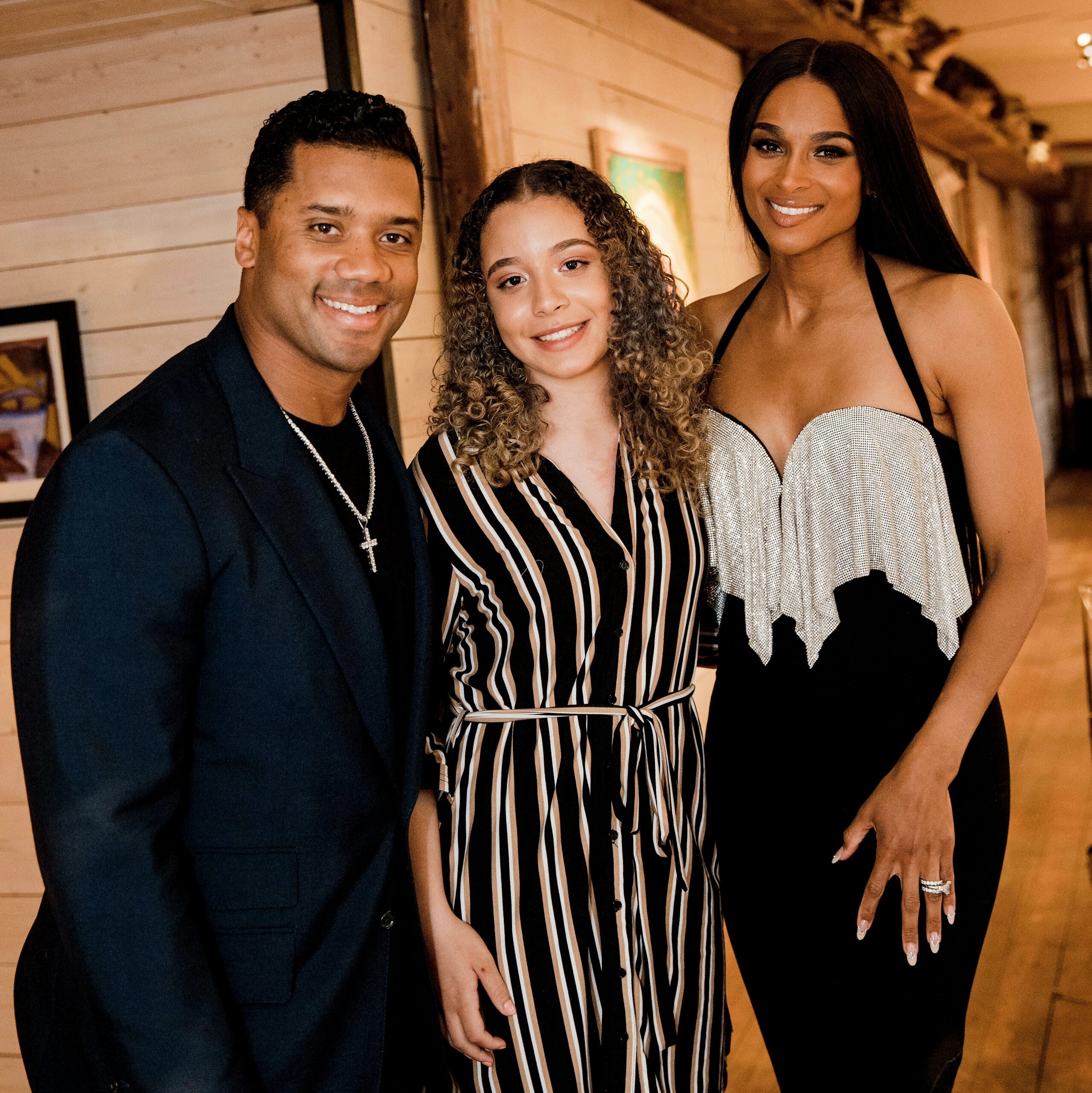
Featured Photo: from left: Why Not You Foundation co-founder Russell Wilson, Why Not You Academy student Trinity, and Why Not You Foundation co-founder Ciara pose together at the Dream Big: Anything is Possible dinner on May 21, 2022 in Seattle. (Photo by Stephanie Cristalli)
World of Wonder announced RuPaul’s Drag Race All Stars 7 on April 13. Eight winners from seven seasons alongside of its spin-offs, have re-entered the workroom for an entirely new interval. It premieres Friday, May 20 on Paramount+. Let’s meet the queens of All Stars 7.
Jinkx Monsoon
Original Season: 5
Seattle’s oldest milf, Jinkx Monsoon, enters the competition as one of the most celebrated winners. She became widely known for her eccentricity and underdog narrative. Notable performances include: her hilarious portrayal of Little Edie in the Snatch Game (one of the greatest of all time), her lip sync with Detox and her Rupaul Roast. Although she excelled at comedy, many fans became baffled with her design and makeup techniques.
Yvie Oddly
Original Season: 11
Yvie Oddly possesses an ecletic drag appeal and choreography, but snatched the crown with their flare for fashion. While making an entrance, she wore an unflattering green dress and confused everyone. Although she didn’t win many challenges, her lip sync with Brooke Lynn Hytes season standout.
The Vivienne
Original Season: Rupaul’s Dra Race Uk Season 1
The Vivienne is notorious for her snatch game. The predecessor of UK spin-off. It was the first time contestants battled it out for cash prize. Her impersonation of Donald Trump will forever be etched in our memories largely due to judge Michelle Visage. Lastly, the torment which heavily sits on her braud shoulders hasn’t lifted, since broadcasting to an international audience is demanding.
Raja
Original Season: 3
Ten years has passed, since Raja graced the runway. This OG fashionista earned the crown and slayed the wig challenge with her Marie Antoinette look. One the episode wrapped, she began hosting YouTube series Fashion Photo Ruview in tandem with Season 2 contestant, Raven. And, the series became an overnight sensation!
Shea Coulee
Seasons: Season 9, All-Stars 5
Shea Coulee, with three wins in a row, almost captured the crown. However, Sasha Velour’s rose petal lip sync derailed her win streak. She excelled various challenges: comedy, runway, makeup skills and fashion–her nylon nude illusion made jaws drop. With a clear and obvious winner in sight, the audience grew uninterested.
Trinity the Tuck
Seasons: Season 9, All-Stars 4
Trinity the Tuck, the co-winner of All Stars 4, held the title for most controversial. She was brilliant in the body, looks and comedy categories. And, Caitlyn Jenner hit a homerun for variety show performance. However, controversy began to bubble under with rumors of her impersonating a black trans, ultimately damaging her chances.
Just prior to the start of season 12, Jaida Essence Hall, became a member of the cast. Celebrated both for her trade challenges and hilarious debate, her seeming unpredictability is what makes people gravitate in her direction.
Photo: (L-R) The Vivienne, Jinx Monsoon, Raja, Jaida Essence Hall, Shea Coulee, Monet X Change, Yvie Oddly and Trinity The Tuck attend as RuPaul’s Drag Race All Stars 7 & The Trevor Project light The Empire State Building on May 09, 2022 in New York City. (Photo by Bryan Bedder/Getty Images for ViacomCBS/Paramount+)
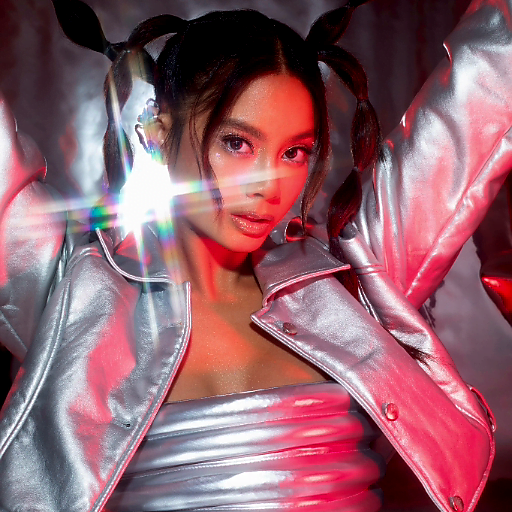
Filipino-Australian singer, songwriter, and multi-instrumentalist Ylona Garcia reveals a more vulnerable playful side to her with the release of “Vibin” via PARADISE RISING/88rising Music. With a smooth and catchy hook, and a light, airy production matched with Ylona’s crisp vocals, the track is a perfect summertime slow jam.
“Vibin is a really special song to me,” Ylona said, “because it truly captures where I am artistically, and where I plan to go sonically. The track is about meeting someone new and not wanting to feel pressured to define the relationship – we’re just vibin and enjoying every moment as they come.”
“Vibin” follows the success of her hit single “Entertain Me,” which was featured in the wildly popular game Valorant’s launch trailer of new playable character Neon, reaching #1 Trending on YouTube and amassing over 8M views. The single currently has over 15M plays on Spotify alone.
At only 20 years old, Ylona Garcia has set her sights on the global landscape in the next stage of her creative journey. With multiple song releases under her belt already, in addition to appearing on two of the biggest reality/talent contests shows in the Philippines, Ylona Garcia has become one of the fastest-rising, most prominent young voices in the Filipino music community. She currently has over 4.2M followers on Instagram and nearly 1 million followers on TikTok in addition to over 714,000 monthly listeners on Spotify and 212,000 subscribers on her YouTube channel.
Ylona Garcia’s music is released by 88rising’s sister label PARADISE RISING, which was launched in 2020 to help bring Filipino music to the forefront of culture.
Founded in 2015, 88rising has long been a champion of Asian and Asian American talent, stories and culture. The company has gone from a leading record label to a transformative media company and is now the most recognized pan-Asian music company in the world and a leader in music, media and events celebrating Asian culture. 88rising was the first company to launch an Asian-centric music festival in the United States (Head in the Clouds Music & Arts Festival), the first to have an Asian R&B artist top the Billboard charts (Joji) and the first to launch an all-Asian, multi-genre music radio channel with SiriusXM in December 2020. The brand recently announced a first look deal with Sony Pictures TV in January which allows 88rising to continue their mission of creating stories that center around Asians and Asian Americans through the development of scripted series across all platforms for Sony Pictures TV.
100% Solar Powered Exclusive-Use Villas and Land Cruiser Electric Vehicles
Cheetah Plains is home to the exclusive-use luxury villa and sustainable safari experience nestled in South Africa’s most celebrated wildlife area, the Sabi Sand Game Reserve. A sophisticated, innovative eco-luxe safari run entirely on solar power, Cheetah Plains provides guests with a personalized, and flexible experience giving you the option to plan your safari on your terms.
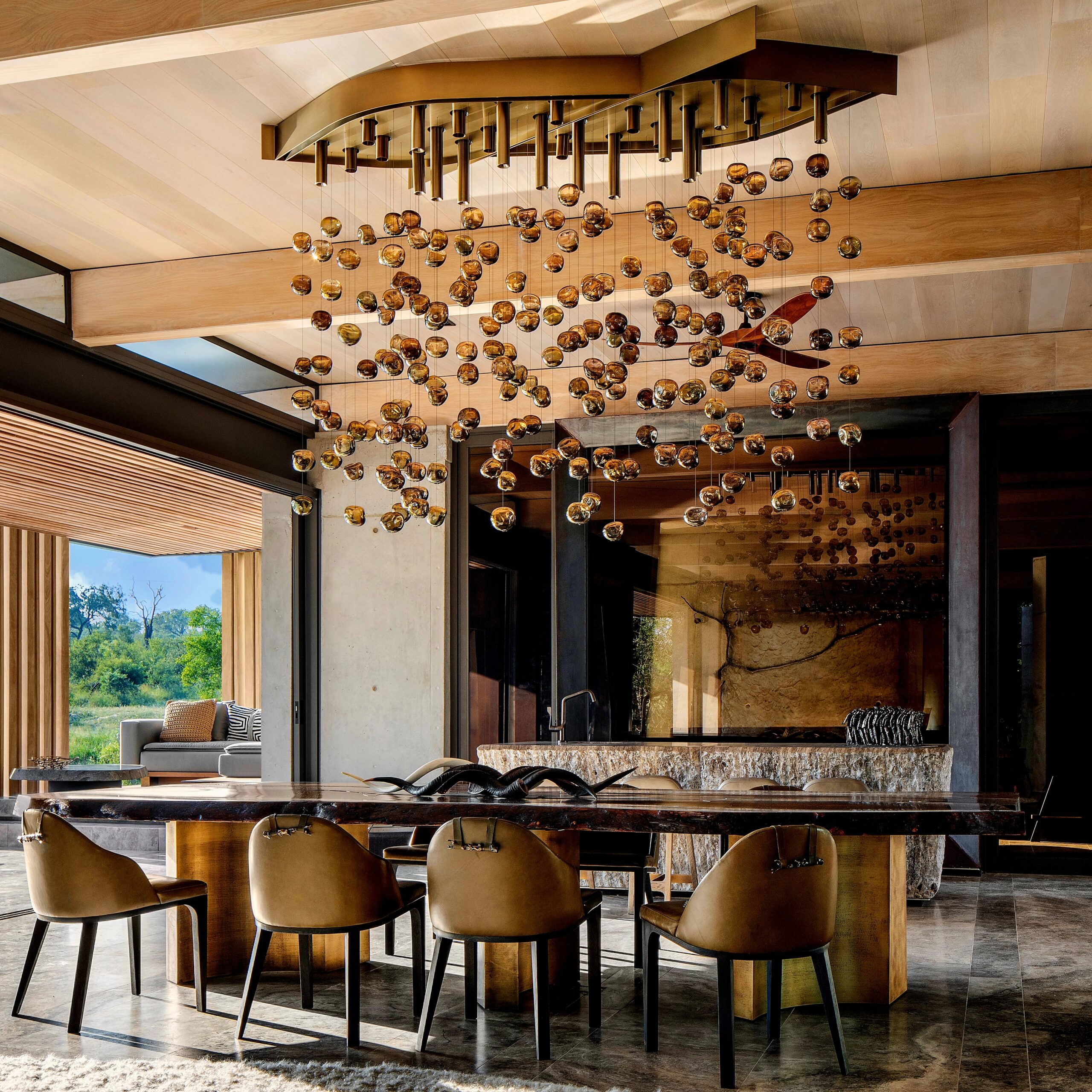
Perfect for an exclusive family vacation or a luxurious safari sojourn with friends, Cheetah Plains’ three private villas each accommodate a maximum of eight guests and boast award-winning architectural design and interiors that redefine convention by sensitively translating urban sophistication in the bush. The villas, Mapogo, Karula, and Mvula are named after famous wild cats that have been a significant part of the history of the area, and blend respectfully into the surrounding environment through their modern design and use of natural materials. The location and unique appointment of each is a respectful homage to their secluded, tranquil environment and each safari hideaway provides groups with a unique bushveld retreat unlike any other. Each villa boasts four stand-alone private guest suites and a shared living space that houses an entertaining lounge, living and dining room areas, expansive swimming pool with deck, outdoor boma for fireside dining, fine wine gallery, and fully equipped chef’s kitchen.
“Cheetah Plains indulges guests in a truly unique and personalized sustainable safari experience. The level of flexibility and privacy affords the opportunity for a truly memorable adventure for families and friends. From prime wildlife sightings from (almost) silent Land Cruiser electric game viewing vehicles
(that are Tesla battery-powered) to the incredible natural surroundings from the comfort of your designer villa to immersive gastronomical dining under the African skies. It’s simply unbeatable,” shares Peter Dros, Head of Sales and Marketing for Cheetah Plains.
Eco-Luxe Safari Experience: During a stay at Cheetah Plains each villa is provided with a dedicated hospitality team including an accomplished host, culinary team, lodge sommelier, spa therapist, and even childcare for the duration of their stay. Together, this talented group of professionals and your own dedicated guide and tracker, with a private safari, vehicle deliver a luxury experience of the highest standard and can create a tailored stay to accommodate individual preferences.
Activities during a visit also include guided bush walks, wellness offerings, a fitness gym, and ‘Cubs Club‘ for kids. Each villa provides a platform to showcase Africa’s artistic talent, not unlike a contemporary gallery space, and has been personally and passionately curated by Cheetah Plains owner, Japie van Niekerk. Pieces by acclaimed masters are thoughtfully placed alongside current and emerging talent. Brunch in the bush after a morning game drive includes fresh locally sourced produce. Wine tastings from the 300 bottle wine cellar in each villa and meals are carefully prepared and offered fireside and under the stars, as well as, in the comfort of each villa.
A Commitment to Sustainability: Cheetah Plains sets the standard in South Africa for a zero-emission, sustainable 4×4 luxury safari experience traversing over 20,200+ acres, led by a highly skilled guiding team. Taking a singular approach to sustainability, within their footprint on the Sabi Sand, Cheetah Plains delivers a next-level eco-safari. They have partnered with some of the world’s pre-eminent minds in the renewable energy field to provide clean energy solutions that drive both their hospitality and safari experiences.
The Cheetah Plains experience is ‘off the grid’, harnessing the power of solar to provide a reliable, renewable energy source. Meanwhile, their twice-daily game drives are taken in innovative Toyota Land Cruiser Electric Safari Vehicles powered by Tesla batteries. This bold advance toward zero-emission game viewing is what drives the sustainable safari experience at Cheetah Plains. The quiet, smooth gait of the Land Cruiser Electric Vehicles deliver the highest quality wildlife sightings and include eight comfortable bucket seats, individually set at the optimal recline of 11 degrees, USB ports, and heated seats. Their unobtrusive nature facilitates the most silent approach by vehicle, resulting in an unparalleled safari experience. Onboard, bird books, binoculars, and a professional level camera fitted with a telephoto lens are provided for guests’ enjoyment while out on a game drive.
Bush Walks: For the most captivating safari experience, guests are invited to embark on guided, interpretive bush walks. Accompanied by certified and experienced walking-trail field guides, the opportunity to explore parts of the Sabi Sand Game Reserve on foot is one not to be missed. There is no more tangible way than this to surround yourself with nature where visitors will surely find that a profound appreciation of one’s place within the ecosystem is deeply felt. The duration of walks are easily customized to guest requirements, taking the number of guests, fitness levels, ages, weather conditions, and the preferred game drive schedules into account.
Kids on Safari: Cheetah Plains welcomes families and children of all ages. Highly qualified, relatable field guides and trackers are eager to share their bush lore with young, inquisitive minds. Bush bumbles (game drives of age-appropriate duration) and interpretive walks in their indigenous gardens facilitate a child’s connection with Africa’s wilderness and love of nature. Other kid-friendly activities include baking, arts and crafts, tracking and shooting targets with pellet guns. The villas have child-friendly features such as interconnecting suites and entertainment lounges with state-of-the-art audio-visual equipment, a selection of games, and Netflix. The lodge also provides reliable childcare onsite for when parents are away on safari.
Wellness: The restorative quality of your safari is luxuriously enhanced by personal pampering. Guests are invited to enjoy a selection of massage therapies and beauty treatments in the privacy and comfort of your private guest suite. With Africology as the wellness amenity brand partner, a spa therapist expertly imparts the healing, restorative properties of select African botanicals, offering guests a remedying, calming wellness experience.
Sporting beautiful views out over our rolling lawns and the Tamboti grove beyond, the climate-controlled gym is outfitted with a variety of high-quality, professional fitness equipment in partnership with Technogym. A short stroll from your villa and private suite, the communal-use gym facility at Cheetah Plains is a tranquil environment for weight training sessions, cardio work-outs or yoga, stretching, and core training.
Cheetah Plains is conveniently accessible by a 1.5-hour flight from Johannesburg OR Tambo International Airport on a commercial or private charter with a 20-minute private vehicle transfer from the Arathusa airstrip to your villa. A safari at Cheetah Plains is best paired with Cape Town, the Cape Winelands, Kruger National Park, and Victoria Falls. Daily scheduled flights are available on Federal Air from Johannesburg to Arathusa and on Airlink from Johannesburg and Cape Town to KMIA and Skukuza. Charter jets can be arranged by Cheetah Plains to Arathusa, or helicopter transfers directly to its private helipad. Rates begin at $2,000 per person per day, all-inclusive, based on four adults with a 2-night minimum and $1,550 per additional guest, or $770 per child 3-12 years of age, or $150 under three years of age. Reservations can be made online HERE.
About Cheetah Plains:
Opened in 2018, Cheetah Plains is home to the exclusive-use luxury villa and sustainable safari experience nestled in South Africa’s most celebrated wildlife area, the Sabi Sand Game Reserve. The eco-luxe experience includes three private villas with four guest bush suites that accommodate up to eight guests each with its own formal lounge, living and dining areas, expansive swimming pool, and outdoor deck that operates off-grid. Each villa comes with a complete hospitality team consisting of an accomplished host, culinary team, and spa therapist, as well as an expert field guide and tracker dedicated to you for the duration of your stay. Families and children of all ages are welcome to experience their own personalized safari, guided bush walks, wellness offerings, fitness gym, and ‘Cubs Club‘ for kids. Cheetah Plains sets the standard in South Africa for zero-emission game-viewing utilizing its own fleet of solar-charged Land Cruiser Electric Safari vehicles. A luxury sustainable safari that is beyond expectations.
Furthering an ever-evolving narrative, the House presents Gucci Blondie – a line of handbags that draws inspiration from an archival style defined by a rounded rendition of the signature Interlocking G, as seen in patent documents from 1971. The emblem takes center stage on the collection’s distinctive silhouette, as Alessandro Michele continues to traverse time, gently drawing out the threads of storylines waiting patiently to be found and given a new voice.
The Gucci Blondie, which first debuted within the Love Parade fashion show in Los Angeles, reflects the Creative Director’s ability to effortlessly bridge eras through his creations. This temporal resilience is reflective of an essence that is both chameleonic and charismatic, a combination that allows the line, like many others of the House, to remain contemporary, no matter the year. The modern-day iteration is a stylistic progression of the original, infused with striking details that speak to a free-spirited and independent persona.
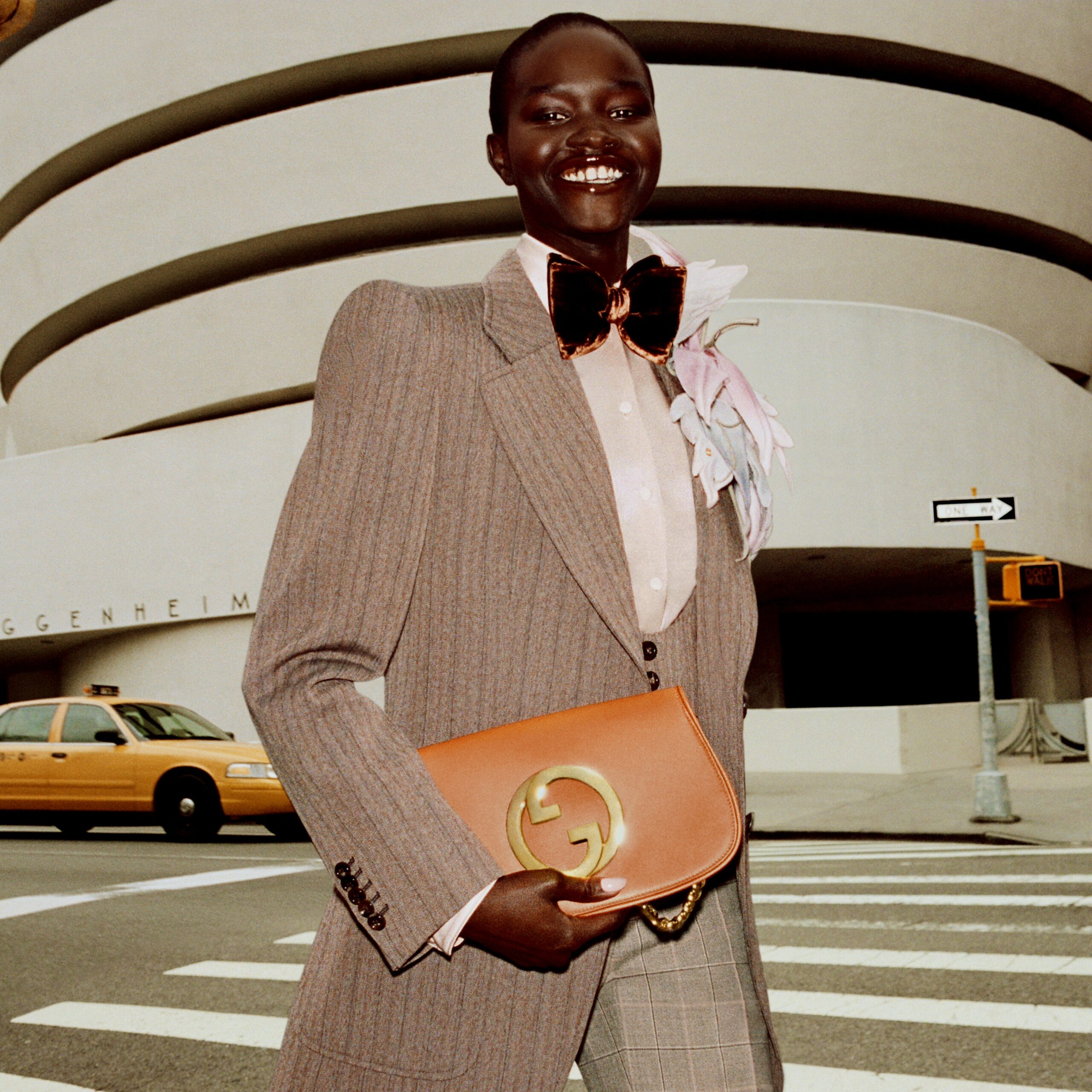
The Gucci Blondie offering spans sizes, silhouettes, and details, from a versatile messenger that can be worn on the shoulder or across the body with the included Web or leather straps, to a smaller day-to-night style whose included chain strap can be tucked inside to transform it into a clutch. A miniature version, also featuring interchangeable and adjustable leather and Web straps, rounds out the selection. Designs are available in leather, suede, and GG canvas, with a varied palette for both the bags and the Web straps.
The Gucci Blondie is presented through a new campaign, envisioned as a love letter to New York, as a cast of characters are captured against the backdrop of some of the city’s most celebrated landmarks. Reportage-style shots evocative of an analog age are filled with candor and spontaneity, portraying impromptu moments of heritage in motion and dynamically converging past, present, and future in every frame.
Founded in Florence in 1921, Gucci is one of the world’s leading luxury fashion brands. As the House marks its 100th Anniversary under the Creative Direction of Alessandro Michele, with Marco Bizzarri as President and Chief Executive, Gucci moves forward into the coming decades with an ongoing commitment to redefining luxury, while celebrating the creativity, innovation, and Italian craftsmanship at the core of its values.
Gucci is part of the global luxury group Kering, which manages the development of a series of renowned Maisons in fashion, leather goods, jewelry, and watches.
K-pop stage-breakers SEVENTEEN are back with their 4th studio album Face the Sun.
Arriving 2 years and 8 months after their last full-length album, Face the Sun taps into the 13-piece act’s candid ruminations on their fears and aspirations in reaching for greater heights.
By likening their greatest fear and simultaneously their ultimate goal to the ‘Sun,’ SEVENTEEN boldly express their determination to venture forth through the lead single “HOT.” The accompanying video for the hip-hop based track is packed with intricate motifs and snippets of the song’s riveting choreography, raising anticipation for the high-caliber performances of the track to come.
Including “HOT” and the act’s first English single “Darl+ing” released in April, the new album consists of 9 tracks in total: “DON QUIXOTE,” “March,” “Domino,” “Shadow,” “‘bout you,” “IF you leave me” and “Ash.” As one of the team’s main producers and the leader of its vocal team, WOOZI co-wrote all 9 tracks.
Face the Sun set an all-time high pre-order sales record for SEVENTEEN early on, surpassing the 2 million mark a week ahead of its release.
The K-pop performance powerhouse will showcase live performances of selected tracks from the album during their comeback show on HYBE Labels’ official YouTube channel at 7 PM KST on May 28.
About SEVENTEEN:
Racking up 2 billion streams and selling 10 million albums, SEVENTEEN—comprised of S.COUPS, JEONGHAN, JOSHUA, JUN, HOSHI, WONWOO, WOOZI, THE 8, MINGYU, DK, SEUNGKWAN, VERNON and DINO—has rocketed to the forefront of the music scene fueled by a fiercely independent spirit and a nonpareil in-house creative ecosystem. The group’s innovative structure hinges on the interplay of three units: hip-hop, vocal, and performance. Living up to the title of “K-pop Stage-breakers,” SEVENTEEN has unassumingly made history and become one of the biggest groups ever due to their world-class synchronization, jaw-dropping choreography, and tight teamwork. Moving at an unparalleled pace, the K-pop stage-breakers made their U.S. television debut on The Late Late Show with James Corden in January 2021 and followed it with unforgettable performances on The Kelly Clarkson Show, The Ellen DeGeneres Show, Jimmy Kimmel Live! and MTV’s Fresh Out Live. SEVENTEEN’s latest EP Attacca debuted at No. 1 on Billboard’s Top Album Sales chart and No. 13 on the Billboard 200. It sold over 1.3 million copies in the first week of release, earning the K-pop superstars the “quintuple million seller” title as it joins their last four consecutive releases—An Ode, Heng:garæ and ; [Semicolon], Your Choice—in selling over 1 million copies each.