


360 MAGAZINE is an award-winning international publishing on popular culture and design. We introduce avant trademarks to efficacious architects.
We are a LGBTQIA2S+ friendly publication--officially recognized by the NGLCC.
Our core demographic ranges from 19 to 39-year-old college-educated trendsetters within their respective international communities. The pages in this art book satisfy their strong interests including music, art, travel, auto, health, fashion, tech, philanthropy, design, food and entrepreneurship.
It's an introspective digital/print/tablet portrait series, which encapsulates artists/brands/entities who embody the true essence of our publication- empowerment, equality, sensuality and most important of all, humanity within a global society.
THE RISING ARTIST JORJIANA MAKES HER PDF RUNWAY DEBUT, LAUNCHES A SPECIAL SUPPLIER EARTH AND GIO FORBICE COLLABORATION, TEAMS UP WITH SPICIE BRAND
Jorjiana made a statement at New York Fashion Week this season, bringing her signature style and bold new era to the city with a week filled with runway appearances, fashion collaborations, and pop-ups.
Jorjiana took to the runway for PDF, making a memorable appearance in the designer’s first NYFW show, exclusively styled by Lil Yachty. In conjunction with her modeling debut, she attended high-profile shows of emerging designers such asKim Shui, RIO, and FANG. She also popped into several of the week’s best parties, from Bvlgari’s high-profile Serpenti Infinito launch party at The Standard’s BOOM to the private Mowalola x Jordan Brand collaboration celebration.
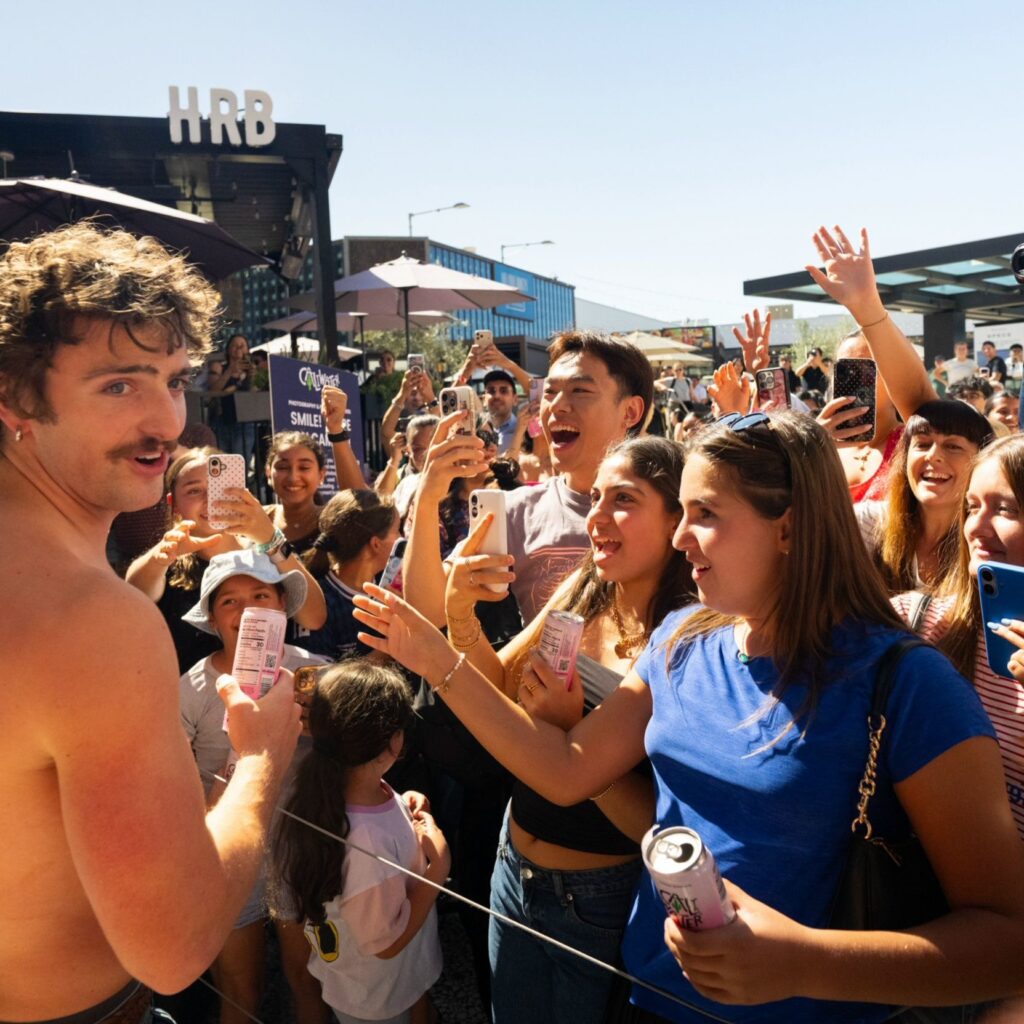
Continuing her NYFW takeover, Jorjiana hosted the Spicie Brand pop-up in partnership with the Bowery Showroom alongside internet sensation Thickneyy, where she got to engage with her fans. Lastly, ending the season on a high note, Jorjiana celebrated the launch of her first limited-edition collaboration with Supplier Earth and designer Gio Forbice by hosting a special one-day-only shopping event in the heart of New York. This marked the first introduction of a special iteration of the Art.002 Flip Flops 55mm kitten heel in her signature orange colorway. Designed to complement her current iconic statement hair, the exclusive style brings her distinct aesthetic directly into the world of fashion. Attendees had the opportunity to check out the collaboration firsthand.
Fresh off the release of her 5 Elements EP, Jorjiana continues to carve out her own space at the intersection of music, fashion, and culture. From making her mark on the runway to partnering with the top-tier designers and attending the most exclusive events, Jorjiana’s time during New York Fashion Week solidified the momentum of her evolution while bringing new excitement to everything she has on the horizon.
JORJIANA STUNS AT NEW YORK FASHION WEEK photographed by Hydeeah” Common” Johnson via 360 MAGAZINE.
Malaysian Fan Turned Industry Leader: Chern Xin’s Success Behind Bruno Mars and Charli xcx’s Viral Campaigns
Growing up in Malaysia, her obsession with pop culture didn’t just stay a hobby. After making the leap from Kuala Lumpur to the United States for college, she set out to turn that deep fan intuition into a professional career. Today, Chern Xin serves as a Digital Marketer at Atlantic Records, standing directly behind the digital engine of this year’s biggest album rollouts.
“Being a music fan myself has given me direct insight into what audiences actually want to engage with. It is the best research strategy – I know what makes the general public care.”
That leap of faith paid off. Today, Chern Xin spearheads digital at Atlantic Records – the #2 ranked U.S. record label – where she blends her relentless drive with a deep understanding of fan culture to lead innovative digital strategies across major album rollouts, tour cycles, and emerging artist campaigns.
Going from professional swimmer to music industry leader wasn’t just a career change—it was a transfer of energy. The same mental endurance and discipline that once drove Chern Xin through years of competitive training now powers her work on fast-moving rollouts.
Through sourcing creators, building owned and operated fan page communities, and leading teams, she’s had the opportunity to work with some of the largest music artists and build their careers. When asked about her approach to tackling new campaigns, Chern Xin focuses on in-person creator collabs with the artists to engrain them in pop culture as well as live activations. It’s about fan engagement and building a world. To name a few talent, Chern Xin, worked across Bruno Mars’s latest project, The Romantic, Charli XCX’s, Music, Fashion, Film, and Miley Cyrus’s, Bass Persuades. The results speak for themselves with Bruno’s lead single and album hitting No. 1 on the Billboard charts and Charli’s debuting at No. 3.
As for what’s next for her – Chern Xin continues to elevate digital in the industry and remains a true pop culture stan. She is currently working on the viral campaign for BLACKPINK’s ROSÉ’s single “new trick” and we’re excited to see the reaction of the song online.
‘Adam Fan Chengcheng is a multi-talented individual. His music transcends. Many of his acting roles garner massive attention, and he possesses chops as a rapper. With his first English album, he’s on track to become viral and leave a lasting impact.’ – Vaughn Lowery
Released alongside the video for its focus track “Make It Make Sense,” SKYFALL marks a significant new chapter in Adam Fan’s artistic evolution, introducing his music to an international audience through a project built around global production, English-language songwriting, and a forward-thinking fusion of melodic rap, trap, rage, rock, and dance influences. Listen to SKYFALL in full here and watch the “Make It Make Sense” Official Music Video here.
Adam Fan (Fan Chengcheng), a trailblazing musical voice of China’s Generation Z with more than 55 million social media followers across all platforms, unveils his highly anticipated debut full‑length international English‑language album SKYFALL. Boasting an elite roster of A‑list Western producers including Grammy‑nominated talents, with production standards and sonic ambitions benchmarked against the world’s leading artists. The album is produced by the international music production company Hits Rhythm and A WW Productions.
The album is distributed outside China by the partnership between Hits Rhythm and Pacific Music Group to support the album’s worldwide distribution and international promotional efforts, with a focus on expanding Adam Fan’s global reach, and connecting his music with audiences across key markets around the world.
SKYFALL opens with its cinematic title track, “Skyfall,” arriving alongside a cinematic music video. Cowritten by acclaimed American artist Lawson, whose writing credits include The Weeknd and Playboi Carti’s “Timeless,” the track establishes the album’s introspective and atmospheric tone. Blending ethereal melodies with melodic rap, “Skyfall” explores pressure, loneliness, self-discovery, and the determination to continue moving forward despite setbacks.
The album’s focus track, “Make It Make Sense” showcases another side of Adam Fan. The song is written and produced by Puku, whose writing credits include the Billboard HOT 100 track, “SOMETHING ABOUT YOU” by PARTYNEXTDOOR/ Drake. Built around a trap-driven production and accompanied by a visually striking official music video, the track combines cutting-edge fashion with an international rap aesthetic. Its composed delivery and confident perspective center on rejecting superficiality, focusing on personal growth, and allowing ability and dedication to speak for themselves.
Across SKYFALL, Adam Fan moves fluidly between genres while maintaining a cohesive artistic identity. “Go Girl” delivers an energetic melodic dance-rap sound centered on confidence, independence, and female empowerment, while “TTTM” and “Error” lean into the explosive energy of modern Rage rap. “Make It Rock” fuses rock with contemporary Rage, creating a high-energy crossover track designed for the international stage. “Pink” combines psychedelic textures, melodic songwriting, and Rage production, reflecting on the clarity and self-belief that emerge after periods of struggle. “Heard of Us” closes the project with a message of collective ambition and perseverance, capturing the philosophy of building quietly while allowing success to speak for itself.
Together, the songs present a multidimensional portrait of an artist entering a new phase, one that embraces international sounds while remaining grounded in Adams’s own experiences, ambition, and evolving identity.
This highly anticipated album “Skyfall” demonstrates the vision of a new‑generation artist Adam Fan breaking domestic boundaries and aiming for the global stage, with a broad international musical perspective and world‑class production quality.
Culture merch rarely fails because the graphic is ugly. It fails because the first file that goes to a factory is a look, and the first object that comes back is a garment. Those are different jobs. Before a label briefs a custom streetwear manufacturer, someone on the drop team should write down which decisions the starting file can actually carry, and which ones are still open. Otherwise the sample becomes a pretty argument instead of a recorded standard.
A tour tee, a capsule with a museum partner, or a one-week pop drop usually begins as a render, a sketch pile, or a reference garment borrowed from last season. Each of those inputs is useful. None of them is a complete production brief. The missing pieces are ordinary: a back view, a fabric direction, a measurement, a usable artwork file, a packing note. If those gaps stay unnamed, the factory fills them in order to cut a first sample, and the talent later treats those fills as mistakes.
Jiashun Clothing builds men’s streetwear from a tech pack, a reference, a sample or a sketch, then quotes after review. New styles normally use a paid sample for fit, fabric, artwork and quality, with bulk following buyer approval. The claim worth testing on a culture calendar is narrower than “can they copy the mood.” It is whether the first sample can be given a version name, a written review, and the same identity as the specification that will run.
What The First Sample Is Actually For
The sample is not a souvenir of the concept. It is the first time the brief can be measured, handled and compared. Until that object exists, the team is still arguing about a picture. After it exists, the team can accept points, require changes, and keep those comments tied to one sample version instead of a chat scroll.
On a culture drop that is the difference between a reprintable garment and a one-off that cannot be reordered when the first size run sells. If the approved object and the written specification do not share a revision identity, the next carton will be negotiated again from memory, usually after the artist’s manager joins the thread.
The factory’s published sample window for simple work is typically 10–18 working days after project details are confirmed; complex styles take longer. Those days only answer a real question if the brief arriving on day one already names the open decisions. Sending a beautiful render and then discovering the neck rib on day sixteen usually means an unnamed field waited until cloth made it expensive.
What To Send Before Anyone Quotes
A tech pack helps and is not required. The intake can start from an AI render, a sketch, labelled reference images or a physical garment. What changes is not politeness. What changes is the list of facts the file cannot carry. Write that list in the same note as the file. The review then prices one project, not three competing guesses.
The inquiry form accepts PDF, PNG, JPG, WEBP, ZIP, RAR, AI, DOCX or XLSX, up to three files and 20 MB each. That cap is a planning fact, not a suggestion to dump a drive. Pick the files that settle silhouette, artwork and any measurement you already know. Leave the rest as labelled gaps. Vector artwork is preferred when it exists; a high-resolution flat and a placement mockup still help when the vector is not ready.
The table is a briefing aid. A culture team can start without a full tech pack. What it cannot do is pretend a front-view render already includes a back neck and a care label.
Render Sketch Or Labelled Reference Images
A render is strong on attitude and weak on construction. It can show a dropped shoulder and a chest mark. It cannot tell a cutter how the shoulder was drafted, what the fabric weighs, or whether the mark is screen print or a transfer. If the only file is a render, mark the details that must stay and attach any garment that explains the handfeel you want. Do not attach five conflicting street photos and call the pile “direction.”
Reference images work when each image is labelled. One photo for fit. One for fabric face. One for the graphic. When the same board asks for a tight rib and a stretched rib, the sample will invent a third rib. That invention looks fine in a preview until someone holds it next to the original reference and the neck no longer matches the campaign still. The fail is observable: the object and the picture tell different stories.
A Physical Garment Already In Hand
A garment you can photograph and measure is the cleanest start when the drop is “last year’s tee, new mark.” It already contains a fit and a construction. What it does not contain is the list of changes. Write those changes before the parcel moves. If the old tee is the fit and the new art is the product, say so. If the old tee is only a colour hint, say that too. An unlabelled vintage piece becomes a second brief hiding inside the first.
Jiashun Clothing can review that package. It cannot infer which seams were luck and which seams are the brand. The person who owns the drop has to mark the difference. A wasted afternoon usually begins here: the sample copies a hem the team never meant to keep, and the calendar has already spent the simple-sample window on the wrong question.
How The Sample Path Reaches Shipment
Once the starting file and the open decisions sit in one note, the published path is short. Keep it as four jobs, not as a mood. Each job should leave a sentence the next job can protect.
1. Send the brief. Share product type, quantity, fabric, artwork and a target delivery. A quote follows review, not a homepage form submission. Attach what you have; name what you do not.
2. Approve the sample. After details are confirmed, a simple sample typically takes 10–18 working days. Complex work takes longer. New styles are normally paid. The tee path uses the real fabric, print method and labels, so the object you approve is the object bulk is supposed to follow.
3. Run bulk production. After sample approval, typical bulk sits in a 20–30 working-day window, with materials confirmed. Cut, sew, decorate and review against the approved reference, not against a newer chat image.
4. Finish checks and shipping. Measurements, stitching, artwork, trims, labels and surface are checked against that same standard. Packing — fold, polybag, hang tag, carton mark — is part of the handover, not a later favour. Timing and method are confirmed by destination.
A custom t shirt manufacturer on this path is useful when the drop is a real tee with a real neck label, not a digital mock worn once in a lookbook. Screen print still suits bold flat graphics; DTG still suits detailed or high-colour work on compatible cotton. Those names only matter after the artwork and the fabric sit in the same sentence. Choosing a method from a menu, then discovering the fabric later, is how a sample gets built twice.
Errors That Burn The Sample Calendar
Most delays on this path come from brief errors that spend the 10–18 working days answering the wrong question. The cost shows up as a second paid sample, a missed drop week, and a manager who now thinks the garment “changed” when the brief never held still.
Conflicting References Waste The Sample Window
Two fits in one folder will not average into a third fit the talent likes. They will produce a sample that matches neither, plus a comment thread that tries to recover both. Label a primary fit reference and demote the rest to colour or graphic only. If the team cannot pick a primary, the sample is early. Sending it anyway trades a cheap argument today for a rework after cloth is cut.
The same rule applies to artwork. A campaign still, a logo file and a phone crop of last year’s print are three different marks. Pick the file that must survive at production size. Vector helps because it keeps edges usable when the mark moves from a phone screen to a chest. If the only file is a soft crop, say that the edge quality is still open. Do not approve a soft crop as if it were a production file.
A Chat Photo Is Not Sample Approval
A photograph of a sample on a hotel bed is a travel note. It is not a revision record. Fit, measurements, workmanship, artwork placement, trims, labels and packing direction belong in one written review tied to a version name. Separate accepted points from required changes. Add a marked image when a measurement is easier to see than to describe.
If approval lives only in a voice note, the next size run has no object to copy. The garment that looked fine in the hotel light can still be unreadable at the neck or wrong in the sleeve once it sits next to the original spec. That single discard should happen on the sample, in writing, not after five hundred pieces have already been sewn. A comment that never names the version is a comment that cannot be reopened without starting over.
What Must Be Locked Before Bulk Starts
Before bulk, the project record should hold the same identity on both sides of the table: the approved sample version and the written specification. Then lock quantity, size and colour breakdown, materials, timing, checking points, packing and shipping. Jiashun Clothing treats that cluster as the order plan. If any line is still a vibe, bulk will invent a number and the drop team will call the invention a surprise.
For a tee, complete the object the audience will actually handle. Neck labels, care labels, hem tags and hang tags are part of the sample, not a later print job. A culture drop that photographs well on a body and arrives in a blank polybag has finished only half the product. The unboxing is part of the release. If the tag copy, the care line and the bag mark are unnamed, they will be filled with whatever was on the line that week.
Weight is one number, not the whole brief. A heavyweight boxy tee in the 250–300 gsm band behaves differently from a lighter merch jersey; the sample should carry the knit you intend to sell, not a stand-in. Share a target handfeel or a reference tee if you have one. Approve after washing if the drop will be washed by customers, because rib recovery and body length can move. Do not lock a pre-wash chest and then argue with the post-wash body.
Payment, when the order is real, is bank transfer or Wise against a pro forma issued after details are confirmed. Terms sit on the quotation and invoice, and should not be the first time the budget owner sees the quantity they approved on a voice note.
Where This Path Still Leaves Work
The path does not replace a designer or a merch manager. It will not guess a missing back view, invent licensed artwork the team does not own, or turn a render into a guaranteed retail fit. International shipping time sits outside the 20–30 working-day production window and is confirmed by destination. If the drop date was printed before the brief was complete, the calendar—not the factory floor—is the constraint.
Keep The Dated Sample Not The Mood File
This route fits a culture team that can name a starting file, list the open decisions, and give the first sample a version. Jiashun Clothing can develop that sample from an incomplete creative pack and then run bulk against the approved pair of object plus writing. It is a poor fit for a campaign that only needs a digital still and has no plan to repeat the garment.
Arrive with one primary reference, the artwork that must survive, and the packing the audience will see. Leave with a dated sample and a specification that share a name. The useful outcome is a garment the next size run can copy, not a prettier file in the shared drive.
Vaginal yeast infections often produce a recognizable cluster of changes, although no single sign proves the cause. Thick discharge, itching, redness, swelling, and soreness may appear together or develop separately. Burning during urination can occur when urine touches irritated tissue. Knowing which signs matter most can make a real difference in how quickly the right care begins.
Similar complaints may result from bacterial vaginosis, sexually transmitted infections, or skin inflammation. Understanding what does a yeast infection look like can help separate fungal overgrowth from other causes. Recognizing the typical pattern helps people seek appropriate testing instead of relying on appearance alone. The sections below break down the key signs and when they call for a closer look.
Thick, White Discharge
A common visual change involves discharge that appears dense, white, and lumpy. Its consistency may resemble curdled milk. Unlike fertile mucus, which can feel slippery or stretch between the fingers, yeast-related fluid often looks pasty. Menstrual timing can alter vaginal secretions, so texture should be judged alongside discomfort, redness, and swelling. Any abrupt change from a familiar pattern deserves medical attention.
What Does a Yeast Infection Look Like?
People asking what a yeast infection looks like may expect one definitive image. Vaginal discharge differs in color, thickness, and quantity from person to person. Hormonal shifts, pregnancy, recent medication, and infection severity can influence its appearance. Clear photographs also distort color through lighting and fabric. A sound assessment weighs visible changes against physical sensations, medical history, and test findings before treatment begins.
Redness Around the Vulva
Inflamed vulvar tissue may look pink, bright red, swollen, or unusually dry. Scratching can create tiny breaks in the skin, which may sting during washing or movement. More advanced irritation sometimes causes cracks around the vaginal entrance. Unscented cleansers, lukewarm water, and loose clothing can limit further friction. Persistent swelling or open areas require professional examination rather than repeated self-treatment.
Itching and Burning
Itching often affects the vulva, vaginal opening, or both. Burning may follow urination when urine contacts inflamed external tissue. Some people describe rawness, stinging, or tenderness instead of an intense itch. These sensations can disturb sleep and make exercise uncomfortable. Scratching increases local trauma, so short fingernails and gentle cleansing may help protect damaged skin until treatment is available.
Odor Offers an Important Clue
Yeast-related discharge generally has little odor. A pronounced fishy scent, especially with thin gray fluid, more often suggests bacterial vaginosis. Strong unpleasant odor combined with pelvic pain, sores, or bleeding warrants prompt evaluation. Smell can change after intercourse, menstruation, or sweating, which makes it an unreliable diagnostic tool by itself. Texture, irritation, and laboratory findings provide stronger evidence.
Discomfort During Sexual Activity
Inflamed vaginal tissue may make penetration painful or leave lingering soreness afterward. Friction can intensify swelling and produce superficial cracks. Tampons, menstrual cups, or pelvic examinations may also feel uncomfortable. Pausing activities that increase pain allows irritated tissue to recover. Deep pelvic pain, bleeding, or repeated discomfort should prompt a clinical assessment because these features do not fit every uncomplicated yeast infection.
Severe Symptoms Need Attention
A mild episode may involve itching and altered discharge without marked inflammation. More intense cases can cause extensive redness, swelling, tenderness, and cracked skin. Persistent complaints may reflect a non-albicans Candida strain, medication resistance, or another diagnosis. Pregnancy, diabetes, and reduced immune function can change treatment choices. Severe swelling or difficulty urinating deserves timely medical care.
Conditions That Can Look Similar
Bacterial vaginosis often causes thin discharge with a fish-like odor. Sexually transmitted infections may produce sores, bleeding, pelvic pain, or abnormal fluid. Contact dermatitis can follow exposure to scented soap, detergent, pads, or lubricants. Eczema and other skin disorders may cause scaling, splitting, or ongoing itch. Because these conditions overlap, an examination or laboratory swab may be necessary.
Common Factors That Raise Risk
Antibiotics can reduce protective vaginal bacteria, giving Candida greater opportunity to multiply. Pregnancy and hormonal fluctuations may also affect susceptibility. Tight, damp clothing can worsen external irritation, although it does not explain every infection. Elevated blood glucose may increase recurrence risk for people with diabetes. Several episodes within a year deserve review for underlying contributors and preventive options.
Testing Helps Confirm the Cause
Self-diagnosis can result in unsuitable medication or delayed care. During an appointment, a clinician may inspect irritated tissue, collect discharge, and test for yeast, bacteria, or other organisms. Microscopy or molecular testing can clarify cases that recur or resist standard therapy. Confirmation matters because antifungal medication will not treat bacterial vaginosis, dermatitis, or many sexually transmitted infections.
When Medical Care Is Needed
Medical evaluation is appropriate for a first episode, frequent recurrences, or symptoms that persist after treatment. Pregnancy, fever, pelvic pain, open sores, and unexplained bleeding require prompt attention. Urgent care may be needed if swelling becomes severe or urination becomes difficult. Recording discharge changes, medication use, menstrual timing, and exposure to new products can help clinicians identify the cause more efficiently.
Conclusion
A common vaginal yeast infection may involve thick white discharge, itching, burning, redness, swelling, or soreness. The pattern can vary, and odor is often minimal. Similar findings arise from bacterial imbalance, sexually transmitted infections, allergic reactions, and inflammatory skin disease. New, severe, persistent, or recurring complaints should receive professional assessment. Testing identifies the responsible condition and supports treatment aimed at the actual source of irritation.
The rising interest in “dupe culture” has transformed how fragrance fans talk about alternatives to high-end scents. Today, perfume dupes are discussed with as much seriousness as designer launches, especially among those looking for luxury experiences without the price tag. Understanding which dupes rise above generic imitations helps consumers find standout scents that deliver true value.
Fragrance enthusiasts have become increasingly discerning, seeking affordable alternatives that do not compromise on experience. While the popularity of specific dupes grows, many buyers are interested in how to recognize differences between ordinary imitations and high-quality alternatives. Reliable dupes have gained respect because they offer scent experiences close to popular originals, but some options still fall short.
Knowing what separates quality from mediocrity is essential for anyone exploring the world of fragrance alternatives.
Why category definitions shape expectations and value
In perfume discussions, terms like “dupe,” “inspired-by,” and “imitation” carry distinct meanings and practical implications. A “dupe” generally refers to a scent crafted to closely echo a well-known fragrance, aiming for similarity in both aroma and performance.
By contrast, “inspired-by” scents may draw on a popular perfume as a starting point but diverge creatively, while “imitation” often signals a lower-effort copy with little attention to subtleties. These terms matter because they set expectations about what you will experience on your skin and influence the standards you use to assess quality. For instance, you can test an “inspired-by” fragrance by comparing its progression to the original during a side-by-side wear over several hours, noting how it changes from the first spray to the end of the day.
How ingredients and formulation signal quality or shortcuts
The sourcing and selection of raw materials is central to replicating the essence of a luxury scent. High-quality perfume dupes often use carefully chosen ingredients and avoid excessive use of harsh synthetics, aiming for a more balanced profile even at a lower price point. For example, a dupe made with refined musks and natural citrus notes can feel smoother and less abrasive compared to one that uses sharp synthetic components.
Blending and maturation further affect how smoothly a dupe performs, and thoughtful formulations can offer balanced layers and clarity. A well-known Fierce-style alternative, such as the Abercrombie and Fitch Fierce Intense dupe by Dua Fragrances, demonstrates how nuance and attention can set certain alternatives apart, especially when compared through direct wear or side-by-side note evaluation.
Transparency in note lists and ingredient disclosures can help signal the level of care taken in formulation, but these details alone rarely tell the full story. Some brands emphasize storytelling or claim authenticity, but the most robust tests come from direct wear, real-world feedback, and honest comparison to the fragrance that inspired them. Testing on both skin and blotter, and paying attention to any harsh or short-lived elements, can provide a clearer sense of formulation quality.
Scent structure, performance, and wearing experience matter
One key difference between high-quality perfume dupes and generic imitations is how the scent develops over time. Authentic-seeming dupes mimic the complex journey of top, heart, and base notes, revealing facets that unfold as hours pass. A practical way to evaluate this is to spray both the dupe and its inspiration on separate wrists and check them at multiple intervals, such as after 15 minutes, two hours, and at the end of the day, noting any developments or changes in the notes.
Performance also hinges on longevity, projection, and the character of the dry-down. While many generic imitations may fade quickly or remain linear, quality dupes strive for staying power and transitions that feel dynamic and seamless as the fragrance settles into the skin. To test projection and longevity, wear the fragrance for a full day and ask for feedback from those nearby at different times, or monitor how noticeable the scent is after several hours without reapplication.
Community feedback, practical tests, and points of evaluation
Seasoned fragrance lovers often judge the difference between a successful dupe and a forgettable imitation through practical side-by-side wear tests. They look for precise note matching, similar structure through every stage, and responses in real-life situations, since temperature and humidity can alter a scent’s impression. For example, testing a dupe in both a warm outdoor setting and a cool indoor environment can highlight differences in how each scent presents and lasts.
When choosing among perfume dupes, a simple checklist helps. Does the scent shift over time in a satisfying way, and does it last several hours on the skin while projecting gently without overwhelming? Community consensus can help reveal which alternatives achieve these standards consistently. Reading user reviews or joining fragrance forums is one way to gather this feedback before making a purchase.
These considerations can make it easier to identify options that offer more than a passing resemblance and stand on their own merits.
A cost segregation study can move tens of thousands of dollars in depreciation into year one instead of spreading it over 27.5 or 39 years. That’s the entire appeal. But the firms doing this work range from boutique shops that only run cost seg studies to national tax practices where it’s one line item among dozens of services and the difference matters more than most investors expect before they pick one.
Some firms specialize in extracting every recoverable dollar from a single property type. Others bundle cost segregation into a broader tax advisory relationship alongside R&D credits, 179D energy-efficient building deductions and location advisory work. Neither approach is wrong. It just changes what you’re actually paying for and how much attention your specific property gets.
Here’s a rundown of firms worth comparing before you sign a proposal.
Best for Dedicated Cost Segregation Depth – R.E. Cost Seg
R.E. Cost Seg helps real estate investors, CPAs and financial advisors accelerate depreciation, cut taxes and free up cash flow through cost segregation studies. The firm’s one-liner is blunt about what it does: unlock tax savings through faster depreciation, not a grab bag of adjacent services.
Because cost segregation is the only thing the firm does, clients tend to get a deeper analysis, a quicker turnaround and more depreciation recovered than a generalist CPA juggling it as a side task typically produces. That kind of focus tends to matter most on properties with unusual components, where a generic study leaves value on the table.
CPAs and financial advisors who’d rather not run a study in-house can hand the whole thing over, technical work and client communication included and stay focused on their own client relationships. That white-glove setup is why the firm shows up as often in advisor referral conversations as it does in direct investor searches.
Investors weighing a first cost segregation study and advisors who want a partner rather than a vendor, are the clearest fit here.
Best for Multi-Incentive Tax Services – CSSI
CSSI runs cost segregation for property owners alongside two other specialty tax areas: R&D tax credits for businesses and 179D deductions for energy-efficient buildings. If a client’s tax picture involves more than depreciation, that combination means one firm can potentially handle several incentive types instead of three separate engagements.
The trade-off is that a firm spanning three distinct tax credit categories divides its attention differently than a firm built around one. That’s a fair exchange for a business owner who wants R&D credits and cost segregation handled under one roof, less so for someone who only needs the depreciation study done well.
Best for Specialty Tax Consulting Scale – McGuire Sponsel
McGuire Sponsel calls itself the nation’s leading specialty tax consulting firm and its service list backs up the range: R&D tax credits, fixed assets work, global business services and location advisory alongside cost segregation. This is a firm built for clients whose tax situation touches multiple jurisdictions or credit types at once.
That breadth is also the catch. A firm covering McGuire Sponsel location advisory and global business services alongside cost segregation isn’t the same kind of specialist as a firm that only studies buildings. Larger businesses with layered tax needs are the better fit than a single rental property owner.
Best for High-Volume Study Output – ETS
Engineered Tax Services positions itself as an independent, professionally licensed engineering firm helping clients nationwide reduce income taxes legally. The standout number here is scale: ETS performs over 10,000 cost segregation, 179D and R&D tax studies a year, which is a genuinely large operation by any measure in this category.
Running that much volume means a highly standardized process, which can be exactly what a portfolio owner with many similar properties wants. An investor with one unusual building might prefer a smaller shop with more room to dig into the specifics of that single asset.
Best for Immediate Deduction Estimates – Seneca Cost Segregation
Seneca Cost Segregation‘s pitch is a specific number: turning 20 to 40 percent of a property’s cost into immediate tax savings, with an average first-year deduction of $171,243. Seneca Cost Segregation leads with that figure because it gives an investor a concrete benchmark before they even request a study, rather than a vague promise of savings.
That average is a useful context, though any individual property’s actual deduction depends on its own components and cost basis. Investors comparing quotes should treat it as a directional data point rather than a guarantee for their specific building.
Best for Middle-Market Advisory Depth – Baker Tilly
Baker Tilly is a top 10 advisory, tax and assurance firm built around bringing enterprise-level thinking to middle-market businesses. Baker Tilly frames its work around understanding how a business actually operates before building guidance around it, which fits owners who want tax strategy tied to a broader operational picture rather than a single isolated study.
That scale suits a mid-market company already working with a national advisory firm on other matters. A smaller investor looking only for a standalone cost segregation study may find a narrower specialist a more direct route to the same deduction.
Best for Credits and Incentives Focus – Corporate Tax Advisors
Corporate Tax Advisors works specifically in specialty tax credits and incentives. Corporate Tax Advisors positions itself squarely around this niche rather than general tax preparation or broader advisory work, which points to a team oriented around identifying credits a business might otherwise miss.
Best for Broad Financial Guidance – Aprio
Aprio‘s positioning covers a wide stretch of ground including finances, taxes, risk, compliance and growth. Aprio is built to be a catch-all resource for businesses that don’t know exactly what they need yet, cost segregation included among a much larger service set.
Which One Is Right for You
The right choice tracks pretty closely to how big your tax picture is and how much of it is just one property or many things at once. A business juggling R&D credits, multiple jurisdictions or compliance questions probably gets more mileage out of a firm like McGuire Sponsel, Baker Tilly or Aprio, where cost segregation is one service among several. An investor who needs volume handled fast, or wants a benchmark number to plan around, might lean toward ETS or Seneca instead. For broader insight into how market conditions can shape investment decisions, this look at economic uncertainty and real estate decisions offers useful context.
If cost segregation is the actual job, though, a firm where it’s the only job tends to serve that job better. R.E. Cost Seg’s entire practice is built around studying buildings and reclassifying their components, which is why investors chasing the biggest possible year-one deduction and advisors who want to outsource the technical work entirely tend to land there. For a single-property investor or an advisor managing several client depreciation studies at once, that focus is the differentiator worth weighing first.
Ricky Martin presents ReVivo, a new musical project that celebrates his legacy through a selection of songs that have marked different stages of his career, now reimagined with new productions and special collaborations.
ReVivo brings together generations, sounds, and cultures. The project preserves the emotional essence of the original songs while giving them a new sonic dimension, demonstrating the enduring relevance of a repertoire that continues to connect with audiences around the world.
The EP features six tracks and reunites Ricky Martin with Carín León on “A Medio Vivir,” Kany García on “Asignatura Pendiente,” Los Ángeles Azules and TINI on “Vuelve,” Luan Santana on “Estranho,” Grupo Frontera on “Tu Recuerdo,” and Christian Nodal on “Fuego de Noche, Nieve de Día.”
Each collaboration brings a fresh identity to the project, taking these songs into musical territories ranging from Latin pop and bachata to cumbia and mariachi, while preserving the emotion that made them an essential part of Ricky Martin’s catalogue.
As the project’s focus track, “Asignatura Pendiente,” featuring Kany García, revisits one of Ricky’s most emotional songs from a renewed perspective. Written by Ricardo Arjona, the song tells the story of someone who, despite achieving success, continues to be accompanied by unresolved chapters: missed opportunities, unspoken love, and moments that never came to be.
Deeply connected to Puerto Rico, “Asignatura Pendiente” evokes memories of San Juan and the artist’s roots, culminating in a declaration that intertwines the island, love, and memory as part of the same story.
With ReVivo, Ricky Martin not only revisits some of the most important songs of his career, but also projects them into a new era, surrounded by artists representing different generations and scenes across Latin music.
At the same time, the multiple GRAMMY® and Latin GRAMMY® Award winner continues to move forward creatively and is currently in the studio recording his next studio album, paving the way for an exciting new chapter in his musical journey.
Jordan welcomes a new chapter of greatness, introducing the Air Jordan 41 – a game shoe engineered for end-to-end court dominance, inspired by Michael Jordan’s legendary versatility and built with cutting-edge technology. The silhouette’s introduction marks an evolution of Jordan Brand heritage design, blazing a new path to greatness that prioritizes performance innovation and modern style.
Informed by feedback across all levels of the game; from MJ to JB Athletes and Nike’s EYBL players, the AJ41 introduces nano print mesh upper to Jordan’s performance basketball silhouette alongside a ZoomX midsole and heel Air Zoom unit for an unbeatably light and responsive ride.
“The Air Jordan 41 is a statement about where Jordan Brand is headed. It carries forward a legacy built on greatness, but it was created for the athletes, whose culture and style of play are defining the future of the game,” says Sarah Mensah, President, Jordan Brand. “This silhouette reflects our commitment to pushing performance innovation with purpose — delivering bold design, elite function and a point of view that only Jordan Brand can bring. It is more than the next Air Jordan. It is a signal of the next chapter of Jordan performance.”
Each colorway of the 41 follows a gemstone theme, each reflecting MJ’s mentality and personal symbolism, such as the Ruby launch colorway that calls to mind his legendary three-peats in Chicago. Upcoming colorways include an Amethyst style modeled on MJ’s birthstone, and Opal, which nods to his alma mater.
The Air Jordan 41 debuts with a limited release in China on August 28, with a global release to follow.
Air Jordan 41 Marks A New Era of Design via 360 MAGAZINE.
‘One of the world’s best wordsmiths.’ – Vaughn Lowery
Taylor Swift reaches No. 1 on Country radio with I Knew It, I Knew You, marking her 14th career No. 1 and 13th as a solo artist. The song debuted at No. 1 on the Billboard Hot 100, where it spent its first two weeks at the top and has remained in the Top 5 ever since. The achievement also marks Swift’s first Country radio No. 1 in 13 years, adding another chapter to a career that began in Nashville nearly two decades ago.
Written and produced by Swift and longtime collaborator Jack Antonoff, “I Knew It, I Knew You” was released June 5, an original song written for Disney and Pixar’s Toy Story 5. Inspired by the journey of beloved Toy Story character Jessie, the song also marked a return to Swift’s Nashville roots, blending the storytelling and organic instrumentation of her earliest music with the songwriting perspective that has defined her record-breaking career. Released by Walt Disney Records in association with Republic Records, “I Knew It, I Knew You” was promoted to Country radio by MCA, culminating in this week’s No. 1 at the format.
The song was met with immediate critical acclaim, with The Guardian praising its “handcrafted care and the rootsy soul of her country origins,” adding that the gently elated track is “a reminder of what fans love about Swift.” The Telegraph declared it “guaranteed to be a global hit this summer,” while ELLE hailed the song as “an emotionally moving track.”
“I Knew It, I Knew You” quickly resonated with audiences around the world, topping singles charts in the U.K., Canada, Australia and Germany. The song spent two weeks at No. 1 in both the U.K. and Australia, while also reaching No. 1 on the Canadian Hot 100 and in Germany. Its global radio impact has been equally significant, reaching No. 1 in the U.K. for eight consecutive weeks, New Zealand for five weeks, Germany for three consecutive weeks, Australia for three non-consecutive weeks and Ireland for two weeks. The song has also topped Country radio in Australia for five weeks and Canada for one week, as well as Canada’s AC chart for two weeks. In the U.S., the song reached No. 1 on Billboard’s Hot Country Songs chart, further underscoring the global impact of Swift’s return to the genre.
Nearly 20 years after the release of her self-titled debut album introduced Swift as one of Country music’s most promising young singer-songwriters, the 14-time GRAMMY Award winner’s latest No. 1 represents a full-circle moment — reconnecting one of the world’s most influential artists with the format and community where her career began.