About 360 MAGAZINE

360 MAGAZINE is an award-winning international publishing on popular culture and design. We introduce avant trademarks to efficacious architects. We are a LGBTQIA2S+ friendly publication--officially recognized by the NGLCC. Our core demographic ranges from 19 to 39-year-old college-educated trendsetters within their respective international communities. The pages in this art book satisfy their strong interests including music, art, travel, auto, health, fashion, tech, philanthropy, design, food and entrepreneurship. It's an introspective digital/print/tablet portrait series, which encapsulates artists/brands/entities who embody the true essence of our publication- empowerment, equality, sensuality and most important of all, humanity within a global society.

Strick Release EP “See You When I Land”

After the release of “Slime Neighbors,” Young Thug‘s right hand man and artist, Strick returns with his latest latest EP, See You When I Land, available on all streaming platforms with appearances from Gunna, Young Thug, and Duke.

Exclusively premiering with Complex, Strick spoke about his work stating, “I wanted to create an experience that was just as creative and unique as my style of music and felt that giving the listener a visual trailer that embodied the conceptual theme of See You When I Land was important. I’m thankful my team and the directors believed in my vision and were able to highlight it on screen.” 

Strick is a promising new artist from North Carolina, who resides in Las Vegas, Nevada. With a professional background both in business and in the U.S. Air Force, The Young Stoner Life signee has set his eyes on the music industry. Building his career behind the scenes, he landed a placement on Kanye Westand Juicy J’s “Ballin‘,” and went on to work with artists such as Travis Scott, Jeremih, and Wiz Khalifa. In 2016, Strick earned his first platinum record “Coordinate” off Scott’s Birds in the Trap Sing McKnight album. In July 2017, Strick dropped his debut EP,Risk=Reward. In 2018, he released January’s Risk=Reward 2. Most notable was his smooth contributions on Young Thug’s 2018 Slime Languagecompilation, their collaboration “STS” was well-received and continued to build fans interests in the previously reserved musical curator.

Take a look at the video for “Slime Neighborhoods” and listen to Strick’s label debut EP, See You When I Land. 

A Voice for the Forgotten Minority

If foundations fall short on equality for people with disabilities, Jennifer Laszlo Mizrahi puts them on the spot.
By Alex Daniels

A microphone in Jennifer Laszlo Mizrahi’s hands is a powerful weapon. At venues across the country, Mizrahi has used her strong, clear voice to ask foundation leaders variations of one simple question: Why aren’t people with disabilities included?

As large foundations have placed more muscle behind programs that promote equity in terms of race, wealth, gender identity, and sexual orientation, Mizrahi believes people with disabilities have been overlooked.

During question-and-answer sessions at major foundation gatherings, she is the first with her hand up, ready to put foundation leaders on the spot. Why isn’t a foundation’s website accessible to the blind? she’ll ask. Or why isn’t data on disabled voters included on a conference speaker’s chart of voting patterns among residents of rural areas, African-Americans, and young people?

The reason for the neglect, she says, is that disability groups have too often come to foundations looking for charity. That strategy is rooted in the idea that donors should take pity on people who are blind, have dwarfism, or are intellectually challenged, she says, rather than treating discrimination against them as a violation of their civil rights.

“The overall messages of the disability community caused us more harm than good,” she says. “The more they were repeated, the more harm was done.”

Through RespectAbility, an organization she co-founded five years ago, and through her own philanthropy, Mizrahi has pushed to eliminate stigmatization and to reduce barriers to employment for people with disabilities.

Sometimes her approach is direct, such as when she called Darren Walker, president of the Ford Foundation, a “hypocrite” in an email for not including disabilities in the grant maker’s shift to focus entirely on equity. After that, and with the input of lots of others in addition to Mizrahi, Walker issued a mea culpa and announced that Ford would work to address inequalities based on disability throughout all of its programs. Mizrahi now calls Ford’s response the “gold standard.”

Donn Weinberg, executive vice president of the Harry and Jeanette Weinberg Foundation and co-founder of RespectAbility, said Mizrahi is “fearless” in asking difficult questions of foundation honchos. When she’s able to get face-to-face with philanthropy executives at conferences, she seizes the opportunity to educate them about disability issues.

Private Consultations

Some nonprofit leaders grumble privately that Mizrahi sometimes claims credit for efforts that were already underway. And sometimes her questions come in the form of short lectures.

At a Philanthropy Roundtable conference in 2017, the group’s staff asked Weinberg, who also serves as Philanthropy Roundtable’s chairman, if he could persuade Mizrahi to tone down her rhetoric and get to the point. “She clearly wants people to hear a bit of commentary before the question,” he says. “She’s planting seeds of thought and bringing to people’s consciousness an issue they often don’t think about.”

But Mizrahi doesn’t see herself as a provocateur or a grandstander. She consults directly with nonprofit leaders to make sure their websites, grant applications, and program strategies benefit and are accessible to people with disabilities.

She’s created a set of guidelines and tools for organizations that want to gauge whether they are being inclusive. And she dispatches young professionals and students working as RespectAbility fellows to interview foundation employees about how they communicate with, employ, and benefit the disabled population.

“We try to call people aside and not call them out,” she insists, saying most of her work is done in private consultations with foundation leaders, not in the public spotlight. “I like to see myself as a partner, a facilitator, and a resource.”

Aaron Dorfman knows from experience.

Mizrahi said her annual-dues statement from Dorfman’s group, the National Committee for Responsive Philanthropy, sold the organization as a social-justice champion — but something was missing.

“They were very proud to send me a 12-page, single-spaced memo on diversity, equity, and inclusion,” she says. “The word ‘disability’ wasn’t in it.”

The two met for coffee to discuss the matter. Afterward, as the committee was preparing to release a guide for foundations interested in social justice, Dorfman asked Mizrahi to analyze a draft to make sure it adequately covered disability.

Dorfman said he welcomed the challenge. By putting foundation leaders on the spot at conferences, Mizrahi is helping philanthropy see its shortcomings and grow.

“There’s a certain amount of discomfort when you get called out, even if you get called out rightfully,” he says. “This culture of politeness doesn’t serve marginalized communities well. It’s all right to make someone feel uncomfortable in pursuit of full inclusion.”

Diversity Includes Disabled People

Some foundations recognize they need help. A survey of 205 foundation chief executives conducted by the Center for Effective Philanthropy found that most leaders thought their organization was staffed by people with a diversity of backgrounds and served a diverse set of beneficiaries in terms of race, gender, and sexual orientation. But over half said they fell short when it came to people with a disability.

The reason, according to Judy Belk, president of the California Wellness Foundation, is many people think the Americans With Disabilities Act, passed in 1990, cured injustices faced by disabled people.

The existence of handicapped parking places and curb cuts on street corners, Belk says, doesn’t mean all of the challenges have been addressed. Similarly, just because philanthropies have crafted strategies designed to ameliorate inequities doesn’t mean they’ve faithfully put them into practice.

For Belk, concentrating on disabilities could be a good way to achieve progress in some of the foundation’s existing programs, including efforts to improve oral health for low-income adults, prevent HIV/AIDS among women of color, and help women of color adjust to society after being incarcerated. All of the groups that stand to benefit from that work, Belk says, include a large proportion of people with disabilities.

To start, the California Wellness Foundation had RespectAbility audit its website. Mizrahi’s staff found that the grant maker’s web presence wasn’t an inviting place for everyone. Belk ordered a redo to make sure the site complied with content-accessibility guidelines.

“Foundations have diversity, equity, and inclusion statements up the wazoo,” she says. “They can show you a statement and say they’re committed. I’d like to push ourselves and hold ourselves accountable.”

Easy Improvements

Foundations have largely failed to incorporate disability into the programs they run and the data they collect, Mizrahi says. And she thinks nonprofits in general have fallen behind businesses and government agencies in accommodating people with disabilities. Though many organizations would like to make progress, they often fear it will cost a lot.

Many fixes aren’t expensive but require presence of mind. For instance, Mizrahi says, it’s free and easy to make Twitter and Facebook feeds accessible and put captions on YouTube videos. And avoiding meetings in places like church basements that aren’t accessible for people in wheelchairs requires the presence of mind to schedule gatherings elsewhere.

Mizrahi says she’d rather educate than scold, and help people understand that people with disabilities are productive team members.

“I don’t view every organization equally,” she said. “The Americans With Disabilities Act treats organizations differently based on size and budget, and so do I. If it’s a small, fragile organization with nobody on staff, I have very few expectations they’ll all of a sudden have a personal-care assistant for someone who is a quadriplegic and on oxygen in order to participate in their program.”

Nonprofits lack clear guidelines on the steps they should take to make their organizations more accessible, according to Michael Thatcher, president of Charity Navigator. Over the past year, he has been in discussions with Mizrahi about how to encourage charities to get started.

Master Problem-Solvers

The first step, Mizrahi says, is to help organizations understand what kind of contributions people with disabilities can make.

At a Capitol Hill conference that RespectAbility held in July, Vincenzo Piscopo, the director of community and stakeholder relations for the Coca-Cola Company, told the 200 attendees that people with disabilities are often accustomed to overcoming obstacles and are master problem- solvers. It’s incumbent on people with disabilities in the work force to serve as ambassadors, to help employers understand what they bring to the table.

“When companies have people with disabilities, they’re providing value to their company,” he told the gathered crowd. “They’re not doing charity.”

Stephanie Farfan is one of those ambassadors. Farfan, a little person who calls herself a “master Googler,” was looking for internships specially geared toward disability issues and found RespectAbility online. There weren’t a lot of other opportunities like it.

RespectAbility’s fellows program, which is supported by the Stanford and Joan Alexander and Ford foundations, allows students and young professionals to work in public policy and communications roles and in the organization’s foundation practice.

Before she came to Washington to attend graduate school in international studies at American University, Farfan worked in Florida with Little People of America. A fluent Spanish speaker, her volunteer work with Little People of America often involved talking with Hispanic parents of children with dwarfism.

Coming to RespectAbility, Farfan, who wants to pursue a career at the State Department, has spent much of her time delving into state laws and regulations on disability issues.

“Coming over to the policy side has given me a new perspective,” she says. “It’s rounded out my skill set.”

‘One Toe in the Water’

Mizrahi’s behind-the-scenes work has resulted in changes in foundation practices. In addition to the National Committee on Responsive Philanthropy and the Belk Foundation, she shared — on the condition that they not be named — emails from several grant makers showing they had incorporated RespectAbility’s suggestions into their website design and broader communication strategy.

While she’d like to keep those successes private, she’s not afraid of publicly criticizing foundations she thinks are lagging behind.

She slammed the Lumina Foundation for not specifically incorporating people with disabilities in its work-force development grants. She said the Bill & Melinda Gates Foundation provided little money to directly support disabilities and did not collect or disseminate data on the progress of students with disabilities in its domestic education work.

“I am deeply disturbed that Lumina and Gates aren’t doing dramatically more,” she says. “They are both sort of one toe in the water.”

In response, Lumina’s director of strategic communications, Kevin Corcoran, said that while there is “laudable” work being done to ensure people with disabilities succeed after high school, the foundation’s focus was on educational outcomes for students of color. The Gates Foundation said it has been making changes to address the issue, but it did not single out any one person who pushed for the revisions.

In October 2017, Gates “refreshed” its approach to education grant making. Since then, the foundation has said it has begun to disaggregate the data it collects so it can track students with disabilities, and it has begun to support programs to accommodate disabled charter-school students.

“We have already begun to fund research to help us understand how the foundation could best support success, engagement, and transitions for students with disabilities, and we plan to make the results of this research publicly available, via our grantees,” the foundation said in a statement.

An Advantage From Dyslexia

Activists have pushed foundations to recognize disabilities in the broader civil-rights context for decades. In the 1980s, Donors Forum, a collective of Illinois grant makers now known as Forefront, had a board meeting to discuss a survey on diversity it was going to send out to members.

Marca Bristo, who was a board member at the time, said there were no questions about disabilities. “They just plain forgot about it,” says Bristo, who is president of Access Living, a Chicago disability and housing advocate.

More recently, Bristo has noticed a desire among large foundations to learn more. Before the MacArthur Foundation awarded $100 million to Sesame Street Workshop and the International Rescue Committee last year as part of its 100&Change challenge, Bristo sat down with the foundation’s president Julia Stasch to figure out how to incorporate inclusion of people with disabilities into the award.

With Susan Sygall, a former MacArthur fellow and CEO of Mobility International, Bristo reviewed the contest’s eight semifinalists and developed a disability checklist that the applicants could use to assess their pitches.

“Leaders from the disability-rights movement have been working on these issues for years,” she wrote in an email to the Chronicle. “The work RespectAbility has focused on is critically important but not new. No one organization can do this transformational work alone. The intransigence of stigma, prejudice, and exclusion requires a sustained and collaborative effort by all of us.”

Before the winners were named, Mizrahi was instrumental in “amplifying” the work to include people with disabilities, according to Cecilia Conrad, who leads MacArthur’s 100&Change program. Mizrahi consulted with the foundation about what constitutes full inclusion and wrote opinion pieces that highlighted the role of inclusion in the award.

For Mizrahi, becoming an effective communicator didn’t come naturally. As someone with dyslexia, she didn’t begin reading until she was 12 and didn’t achieve functional literacy until two years later. After an early growth spurt, she reached her full, above average, adult height at a very early age. She seemed all grown up, but she was having a difficult time. Adults around her expressed their disappointment in her academic progress, calling her “lazy.”

Mizrahi responded to the challenge through intensive work on reading. She expertly honed her listening and speaking skills. Now, she says, when she enters any conversation or debate, her disability has given her a huge advantage.

“Having a disability means there’s something you can’t do in your everyday living. But there’s nothing in the world that says you can’t be the best in the world at something else.”

Local Hive Honey

Local Hive™ From Rice’s Honey® Recipes

Raw & Unfiltered Honey

Honey Made Right in Your Own Back Yard!

Local Hive™ from Rice’s Honey®, a leading producer of high quality, U.S. only raw & unfiltered honey since 1924, offers 16 different local varietals of raw honey including Local New England, Local Northeast, Local Florida, Authentic Clover & Authentic Wildflower. Whether it’s for a comforting hot drink during the cold days of winter or to enjoy recipes, the taste of real honey from Local Hive™ will help you create fond memories.

All Local Hive™ honeys are sourced exclusively in the U.S. and bottled in Greeley, Colorado. The team atLocal Hive™ work directly with local beekeepers across the U.S., to ensure each varietal yields incredibly delicious and subtly different natural flavors that will be great additions to your family recipes and holiday memories. http://localhivehoney.com/

Raw, unfiltered honey also offers many health benefits including being rich in antioxidants, vitamins, minerals, amino acids, enzymes and pollen and it is kosher. Unlike processed unnatural sugars or sweeteners, Local Hive™ honey offers transparency, as each natural varietal is made so local it’s “made right in your own back yard”.

Very similar to wine, where you taste and see the difference between varietals, Local Hive™ from Rice’s Honey® also imparts specific flavors in each of the honeys they produce. From Washington to Florida each varietal is unique.

Local Hive New England Honey

Floral Sources: Basswood, Berries, Clover, Goldenrod

*Flavor is bold and robust. Northeast honeys are much darker than anywhere else.

Local Hive Florida Honey

Floral Sources: Citrus, Brazilian Pepper, Clover, Gallberry, Tupelo

*Flavor is a bit fruity with a hint of spice.

Local Hive Colorado Honey

Floral Sources: Clover, Alfalfa, Wildflowers

*Flavor should be light & sweet. The sweetest of all honeys sent.

Local Hive Southern California Honey

Floral Sources: Alfalfa, Berries, Citrus, Clover, Sage

*Flavor is fruity and sweet. You’ll notice a hint of orange

Local Hive Texas Honey

Floral Sources: Alfalfa, Clover, Cotton, Horsemint, Tallow

*Flavor is medium bodied and sweet. Not as sweet as Colorado.

“Delicious Local Hive™ honey is perfect for all ages,” noted Tony Landretti, Chief Executive Officer ofRice’s Honey®. “With different floral sources based on the location in which the bees pollinate, everyLocal Hive™ varietal offers a unique flavor. Since Rice’s Honey® was founded in 1924 by L.R. Rice, we have always remained committed to providing natural, delicious U.S. only raw & unfiltered honey, while supporting local beekeepers all across the U.S. Our local honey products are an artisan blend of various floral types that are regionally sourced, packed in Greeley, Colorado, and delivered to participating grocery stores throughout the United States.”

A new label design highlighting our new Local Hive™ brand coincides with Rice’s new alliance with PACE, “Pollinator Awareness Through Conservation and Education”, the Butterfly Pavilion’s non-profit global initiative to restore habitats, strengthen populations and reintroduce pollinators into native habitats around the world. This partnership and commitment will be communicated on the back of the new label and will highlight how a portion of proceeds from every bottle sold of Rice’s Honey® will be donated to the PACE initiative to promote and protect the prosperity of pollinators worldwide. Rice’s Honey® has a mission to help promote all pollinators & sustainable bee farms across the country.

Check out our new website at: www.localhivehoney.com for more information and recipes.

About Local Hive™ from Rice’s Honey®:

L.R. Rice founded Rice’s Honey®, headquartered in Greeley, Colorado, in 1924. The company remainbs committed to its founder’s mission of becoming a leading producer of authentic, high quality, U.S. only raw & unfiltered honey. Local Hive™ from Rice’s Honey® has generated brand equity through its commitment of producing premium, high quality, raw and unfiltered and kosher honey at affordable prices. Rice’s Honey works with local beekeepers to provide several local, raw & unfiltered honey varieties throughout various states and regions across the U.S.

NasalGuard®

A Topical Gel that Reduces Inhalation of Harmful Airborne Contaminants Makes National Debut

Perfect for Flu and Cough Cold Season, Indoor Pollutants, Pet Allergies and More

Trutek Corp. announces the launch of NasalGuard®Airborne Particle Blocker®. NasalGuard is an electrostatic topical nasal gel that prevents airborne particles from entering the nose. The product is drug-free and safe for pregnant or nursing women, children, and those concerned about potential drug interactions with other medications. It is a perfect solution to guard you against the Flu/Cough/Cold and all indoor pollutants this winter season.

NasalGuard protects against virtually all types of contaminants in any location. Users can count on it to work in their homes, offices, and other environments where airborne particles may present a health hazard. The product works immediately upon application and lasts up to six hours. NasalGuard gel uses a cationic (positively-charged) polymer that creates a safe electrostatic field around the nasal passages that traps oppositely charged particles and repels similarly charged particles to reduce inhalation of most harmful airborne particles before they enter your body. NasalGuard gel can be purchased online, Amazon or by calling 855-627-2545 in a 3 gram tube for $11.85.

Every day, people are exposed to millions of airborne particles in crowded, confined spaces such as airports, airplanes, transportation centers and subways, homes and offices, hospitals, doctor’s offices and movie theaters. Using NasalGuard gel regularly will help protect against the immediate and long-term risk of breathing harmful contaminated air.

There has been a growing public health concern globally regarding the adverse health effects caused by the inhalation of microscopic airborne particles. Asthma, diabetes, lung cancer and cardiovascular disease are all proven to be linked to air contamination. In response to this widespread problem, Trutek has successfully advanced their technology which was originally focused on blocking allergens from entering the nose for preventing allergy symptoms. This breakthrough provides a greater electrostatic blocking effect that is effective against a much wider spectrum of microscopic indoor and outdoor contaminants including mold, pollen, pet dander, pollution, and virus-sized particles.

NasalGuard technology was invented by Ashok Wahi, the founder and CEO of Trutek Corp., an R&D Product Development Company. An engineer by training, Ashok was inspired to create this technology to aid his own daughter, Aikta, who suffered from severe allergies. “I developed this product because of the vital need to have some kind of personal air filter that was drug free and easy to use,” says Ashok Wahi.

About Trutek Corp.

Trutek Corp. has been marketing patented NasalGuard technology all over the world since 1995. Over 12 million tubes have been sold with no reports of adverse effects.

Follow us on Facebook @nasalguard

AJAY MATHUR

Drops New Video for Bluesy R&B Hit
“Time For Deliverance”

Off His Latest LP “Little Boat”, The Grammy Nominated Singer/Songwriter Who Recently Won “Best Album of the Year” at the 36th Annual German Rock & Pop Awards Has Released Latest Fan Video Collaboration

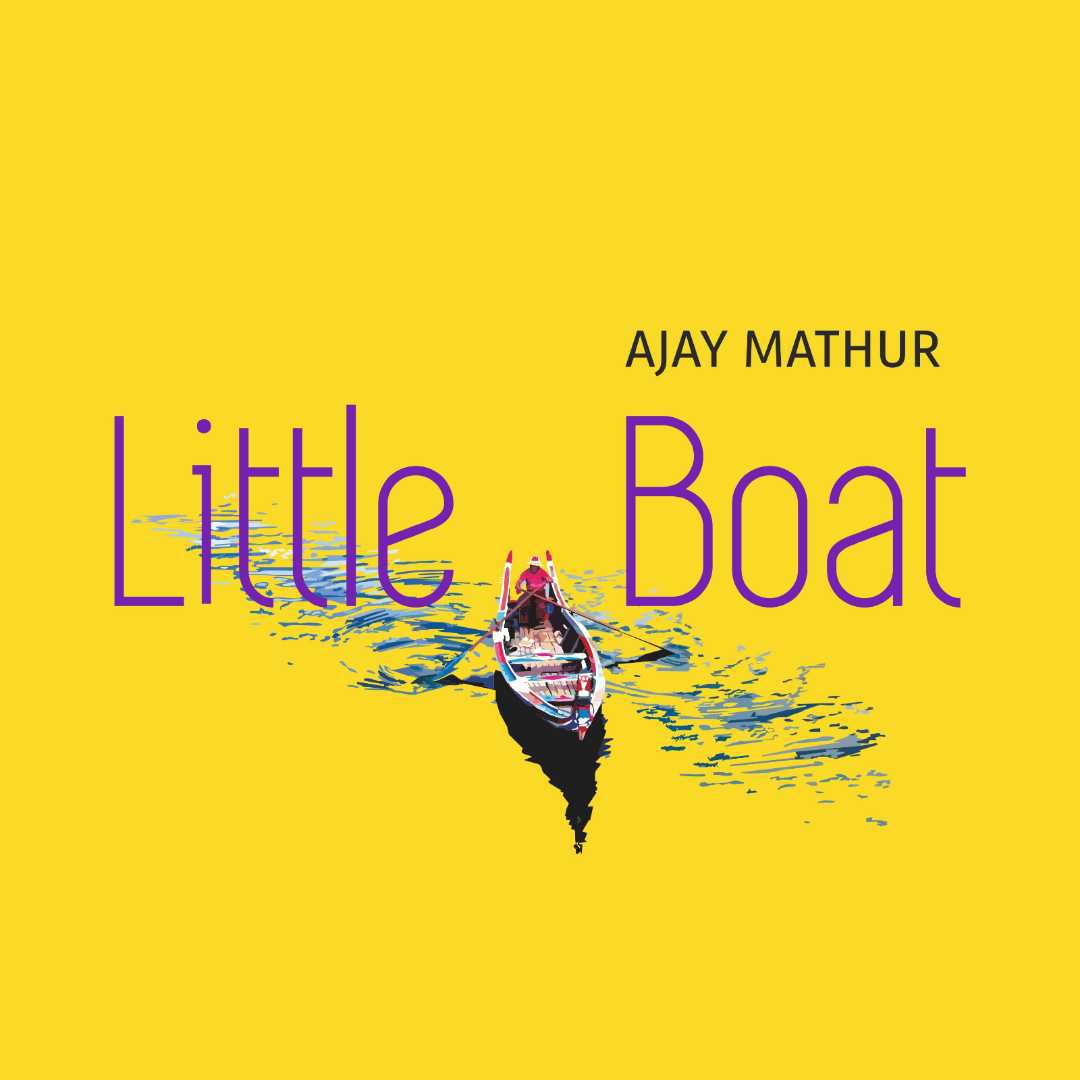
Following his last release ‘My Wallet is a House of Cards’ off the 2018 album “Little Boat”, Singer/Songwriter Ajay Mathur has debuted his latest collaborative fan video effort of 2019 – “Time For Deliverance”!

WATCH: Ajay Mathur “Time For Deliverance” Official Video

Crafted from the vibrant art and design of director/animator Mertcan Mertbilek from Istanbul (who previously worked on the video for Mathur’s “Little Boat” single), the video is a uniquely visual. Portraying animated paintings from Mathur singing to beautifully enlivened surfers riding waves, palm trees, beach and boardwalk scenes which beautifully counter the bluesy feel of the song and lyrical refrain “It’s my time for deliverance no I ain’t giving up on love” with vibrant color.

“Time For Deliverance is a beautifully crafted tune. This time Mathur pulls in some R&B and jazz influences, weaving a soulful sax with backing vocals. Both play off his clear and straightforward vocals. The song fulfills the theme of Little Boat, ‘It’s time for my deliverance, I ain’t giving up on love.’ Very nicely done.” – Kath Galasso, Onstage Magazine

“Time For Deliverance is an epic jam laced with some amazingly sweet brass which puts on full display Ajay’s ability to seamlessly switch genres while staying true to his core sound.” -Joshua “J.SMo” Smotherman, Mid Tennessee Music

“Time for Deliverance blends soul and R&B elements into an oozing, sticky tune smoldering with dark sensuality.” – Randall Radic, Blogcritics

Little Boat, Ajay Mathur’s newest album, was launched on its maiden voyage in the usual way in spring of this year. Quickly picked up by playlists and fans, the music and the album’s message of resilience has resonated with listeners and critics alike. Unlike previous projects, though, Little Boat has taken on a life of its own, picking up unexpected passengers along the way.

Independent of each other, diverse digital artists from around the globe including from Istanbul and Warsaw as well as an Argentinean in Los Angeles, heard a call and felt compelled to add some valuable cargo to Little Boat’s journey. The result is a colourful, complex and highly-imaginative work of animated accompaniments to Ajay’s songs.

The first of these, released earlier this year, is a quirky psychedelic and vibrant tribute to the title song ‘Little Boat’, composed by the young Turkish artist Mertcan Mertbilek. The next to be released was a provocative animated video to the stomping blues rocker ‘My Wallet is a House of Cards’. The images were inspired by the rebellious spirit of the song and depict a ruthless caricature of consumption and an increasingly indebted society. This stunning video was created by Argentine artist Ciro Ayala, who lives and works in Los Angeles. More videos are in the works and will hit the waves in the coming months.

Video artists are not the only passengers that have hopped on Little Boat’s journey. Besides the digital treasures, an illustrated children’s book by a writer in Delhi, India as well as a full-length novel weaving through the themes in Little Boat by an American living in Switzerland are in the works.

It is plain to see that Little Boat has left ripples in its wake, touching people at every port along the way. Rarely does an album inspire this kind of organic response and like any true adventure on the open seas, it is impossible to tell which way the winds will blow next. This music has opened up a whole new route on unchartered waters. Batten down the hatches because this Little Boat is on course to explore new and uncharted worlds.

Having recently won “Best Album of the Year” at Germany’s 36th Annual Rock & Pop Awards 2018, it’s no wonder fans and critics alike are craving more unique collaborative works from Ajay Mathur. And with his latest video for “Time For Deliverance”, they get just that.

Little Boat, which was given its final touches at the iconic Abbey Road Studios in London, is available in digital formats for download and streaming, as well as physical vinyl and compact disc album formats.

Get Ajay Mathur’s “Little Boat” via:

iTunes
CDBaby
Google Play

More About Ajay Mathur:

Ajay Mathur is a Grammy nominated singer-songwriter and a citizen of the world. Born and raised in India and residing in Switzerland, Ajay Mathur’s talent as a singer-songwriter and seasoned musician blends both pop and rock genres with Americana and traditional Indian instruments into something radically new and genre-bending. His music has held its own on the U.S. and European charts and has repeatedly received positive accolades from the press and industry professionals.

Ajay Mathur’s album Little Boat (2018) follows on his previously released and highly successful ‘9 to 3’ (2015) that earned him a Grammy nomination in 2017, ‘Come See Conquer’ (2013), and ‘A Matter of Time’ (2011). All of the albums have enjoyed excellent reviews and acknowledgements in the international media. They have maintained top chart rankings on U.S. Top 50 Rock, U.S. Top 80 Independent, U.S. Top 50 AC and Americana (AMA) airplay charts as well as a continuous 128-week ranking on the European Indie Music chart. Ajay’s music continues to attract a large and growing community of listeners worldwide. MacEagon Voyce of AXS Media calls his music “a master class on consummate songwriting”.

JAMES BLAKE ‘ASSUME FORM’ AVAILABLE JANUARY 18th

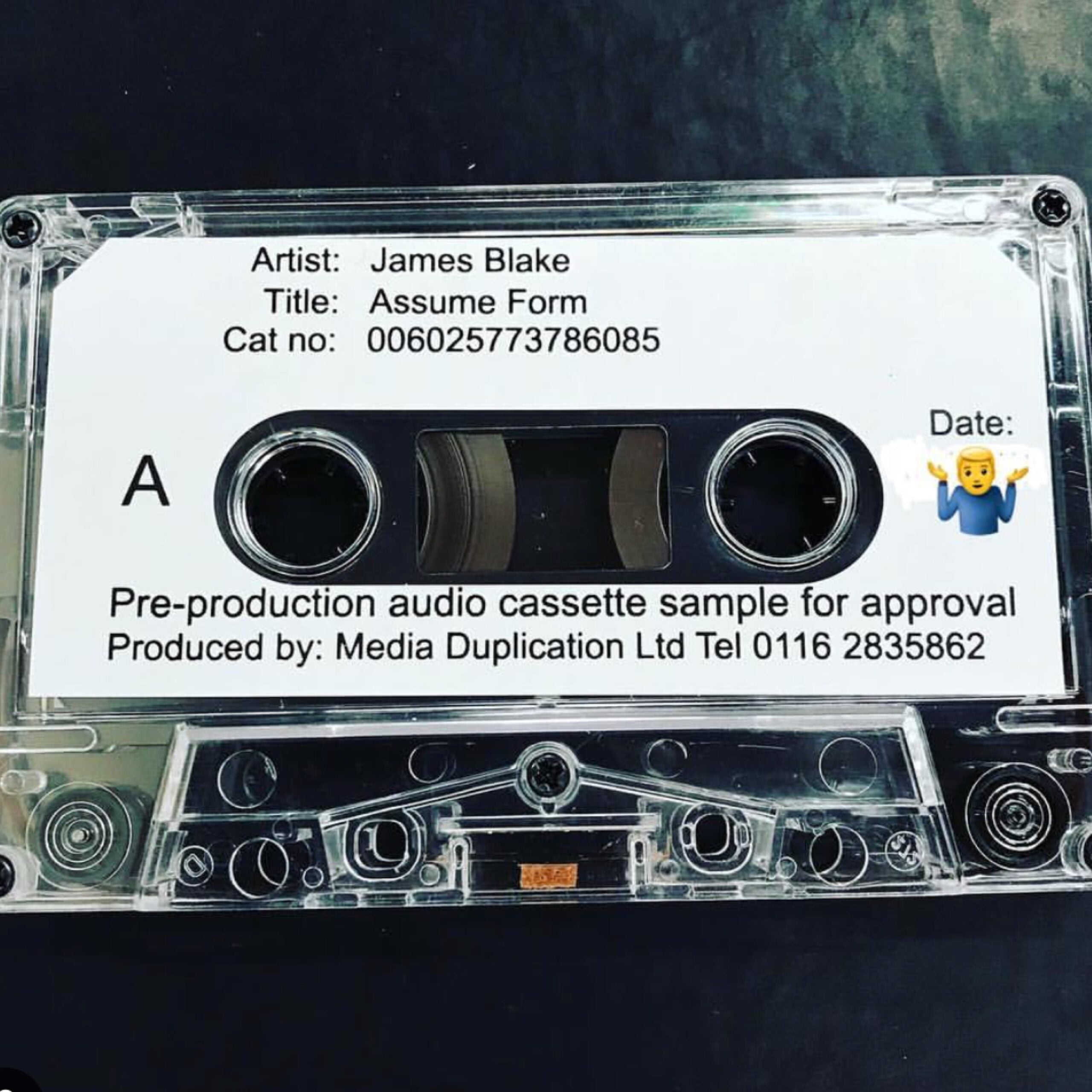
 Following a series of projections in London, a billboard in Times Square, and a teaser video on his social media, multiple Grammy award-nominee and Mercury Prize winner James Blake reveals his highly anticipated fourth album, Assume Form, will be released January 18th via Republic Records. Constantly reinventing himself and defying genre, Blake captures a range of sonic influences throughout Assume Form, reuniting with Travis Scott and André 3000, and teaming up Metro Boomin, Moses Sumney and ROSALÍA(see full track listing below). Previously released track “Don’t Miss It,” declared “an absolute beauty of a ballad” by Noisey, is available instantly upon pre-ordering the album. Pre-order Assume Form here: http://jamesblake.lnk.to/AssumeFormPR

Assume Form follows the massive success of Blake’s three critically-acclaimed albums, 2010’s James Blake, 2013’s Overgrown, and 2016’s The Colour in Anything, which cemented Blake as one of the most groundbreaking producers, singers, and songwriters of his generation. Over the past several years, Blake has been in high demand as a collaborator, sought after by the biggest names in the music industry including Beyoncé, Frank Ocean, Jay-Z, Oneohtrix Point Never, and Mount Kimbie, among many others. In 2018 alone, Blake co-wrote “Element” on Kendrick Lamar’s platinum-selling DAMN., collaborated on the revolutionary Black Panther soundtrack, and was featured on Travis Scott’s “Stop Trying To Be God,” performing the track alongside Scott on the MTV Video Music Awards. All while continuing to push boundaries with his own new tracks “If The Car Beside You Moves Ahead” and “Don’t Miss It.”

Blake will debut his new music live on his recently announced headlining North American tour. The 17-date tour will kick off in Atlanta on February 18th, making stops in major cities across the U.S. and Canada including Boston, Chicago, Toronto, and 2 nights in New York City, before wrapping in Los Angeles on March 16 (see full list of dates below). Tickets are available now viahttp://www.jamesblakemusic.com/.

HACK Is Here To Help

Hack, a full-stack laptop designed to teach kids to code by enabling them to hack games, settings and apps, is announcing the launch of its pre-release beta.
Hack is the only laptop designed for everyday use that has a unique superpower – the benefit of inspiring kids to learn how to Hack. Using the flip-to-hack feature, kids can edit parameters, immediately see their changes and develop familiarity with basic coding in an authentic and safe environment. Built on the Linux-based Endless Operating System, kids access source code and use a real sandbox for learning how to code.
The award-winning ASUS laptop comes with all the apps and tools families need for everyday use, including Chrome, Calculator, Skype, Office Suite, Scratch, Spotify, Steam and more. Recognizing that many parents are eager to introduce STEM to their children and give them a computer of their own, Hack is a dual-purpose laptop great for everyday use and STEM education, for $299. What’s more, it is a safe, ad-free and virus-resistant computer with parental controls. Hack is the screen time that parents should feel good about for their kids.
“As a parent and passionate tech executive I am excited to empower the next generation with digital literacy, creative problem-solving skills and an understanding of how to engage consciously with the world. In turn, we hope to enable and inspire children to create innovative and exciting opportunities for themselves and others,” stated Roberta Antunes CEO of Hack.
Hack characters, based on computer science luminaries including Ada Lovelace and Mary Jackson, guide players through immersive adventures and provide them with new coding challenges every month. For $9.99 per month, Hack families will access an unfolding adventure story and learning quests, and hackable levels that unlock as the player’s skills improve. As the child evolves, so does the product. The first 12 months of the content subscription are free for launch customers.
To participate in the Hack beta, visit hack-computer.com and signup for the waitlist. Pre-orders for the public release on January 24th are also available on Amazon.

AGWS Makes Presence At 2019 NADA

American Guardian Warranty Services, Inc. (AGWS), part of the American Guardian Group of Companies and leading finance and insurance (F&I) products and services provider, will be exhibiting at the 2019 NADA Show from Jan. 24 – 27, booth #5558N at the Moscone Center in San Francisco, California.

Conference attendees who visit the AGWS booth during NADA can put their golf skills to the test on the putting green. For each attendee who makes 3 out of 5 putts, AGWS will donate $100 to St. Jude Children’s Research Hospital. The putting green contest follows AGWS’ Pars for a Purpose fundraiser, which raised $280,000 for St. Jude in 2018.

In addition to the putting contest, dealers and agents will have the opportunity to win a golf getaway for four to the Reunion Resort in Orlando, Florida. Dealers and agents who visit the AGWS booth will receive one half of a puzzle piece containing a portion of a unique promotional code; the remaining-half of the puzzle piece and code will be available at EcoProProducts’ booth #7753W. EcoProProducts offers superior F&I appearance protection products. Once attendees have secured both puzzle pieces, they will be able to complete the special code, which can then be used to enter the drawing for a chance to win the AGWS-sponsored golf trip.

“The AGWS team is looking forward to exhibiting, meeting with our dealer and agent partners, and creating new business relationships at this year’s expo,” said Jon A. Anderson, President and Chief Operating Officer of American Guardian. “Our booth will feature a new look, showcasing our products and services, including Vehicle Service Contracts (VSC) and Ancillary F&I Products, Dealer Capital Advance Program, Dealer Certified Lifetime Program, Appearance Protection Products, Limited Warranties, and more.”

The AGWS executive team and sales, and ownership personnel will be in attendance at the AGWS booth (#5558N) throughout the three-day expo, as well as at the Friday night party for NADA attendees interested in learning more about the company’s products and services.

 For more information, visit www.agwsinc.com or the AGWS University at www.agwsu.com.


2019 Standard Chartered Dubai Marathon

Former champions Lemi Berhanu and Worknesh Degefa will be among the powerful elite line-up when the Standard Chartered Dubai Marathon celebrates its 20th edition on the streets of the UAE on January 25.

The two Ethiopians – winners in 2015 and 2017 respectively – are key figures in the roll of honour of the Middle East’s biggest mass participation event, the only IAAF Gold Label Marathon in the region.

Lemi has performed well on the global stage but his best performances have always been on the flat and fast streets of Dubai. As well as winning the title four years ago in a time of 2h:05m:28s, he set his personal best at the event when as defending champion he finished runner-up in 2016 in 2h:04:33.

Still only 25, Lemi has also competed at World Championship level and at the Rio Olympics in 2016. Like an increasing number of elite runners, he has also prospered at the marathon distance in China, winning the Hengshui title with 2h:08m:51s in September 2018, the Xiamen Marathon in 2017 (2h:08m:27s) and the 2014 Taiyuan Marathon (2h:13m:10s).

Held under the patronage of HH Sheikh Hamdan bin Mohammed bin Rashid Al Maktoum, Crown Prince of Dubai, and staged under the aegis of the Dubai Sports Council, the 2019 Standard Chartered Dubai Marathon will welcome a number of the world’s best athletes as the marathon celebrates its 20th anniversary with elite fields in both the men and women’s races.

Among the leading elite women in the line-up, Worknesh Degefa who stunned the athletics world in 2017 by winning on her marathon debut in Dubai. The Ethiopian caused quite an upset beating a strong field of experienced marathon runners in a time of 2h:22m:36s although she was disappointed 12 months later.

Running in the defence of her crown Worknesh set a new personal best 2h:19m:53s yet failed to break into the top three as the Standard Chartered Dubai Marathon once again proved its strength in depth with four women breaking the 2h:20m – the first time the feat has ever been achieved in one race.

“It’s very unusual that a runner will break the 2:20 mark and not win a marathon,” said Event Director Peter Connerton. “But that just shows how deep the quality runs in our elite fields. Last year we had seven men break 2h:05m – a unique result in marathon history – so the athletes competing in Dubai know they have to be at their very best to get among the medals.”

The elite marathon athletes will get their race underway at 6am on January 25, five minutes after the wheelchair athletes take to the course. The mass marathon field will face the starting gun at 7am with the 10km Road Race beginning at 8.30am and the 4km Fun Run at 10.30am. Runners looking to register can still do so by visiting the official website www.dubaimarathon.org.

In addition to Standard Chartered as title sponsor, the Dubai Marathon is supported by the Dubai Sports Council, adidas, Dubai Eye 103.8FM, Aquafina and Gatorade, Dubai Holding, Dubai Police, Dubai Municipality and the RTA.