


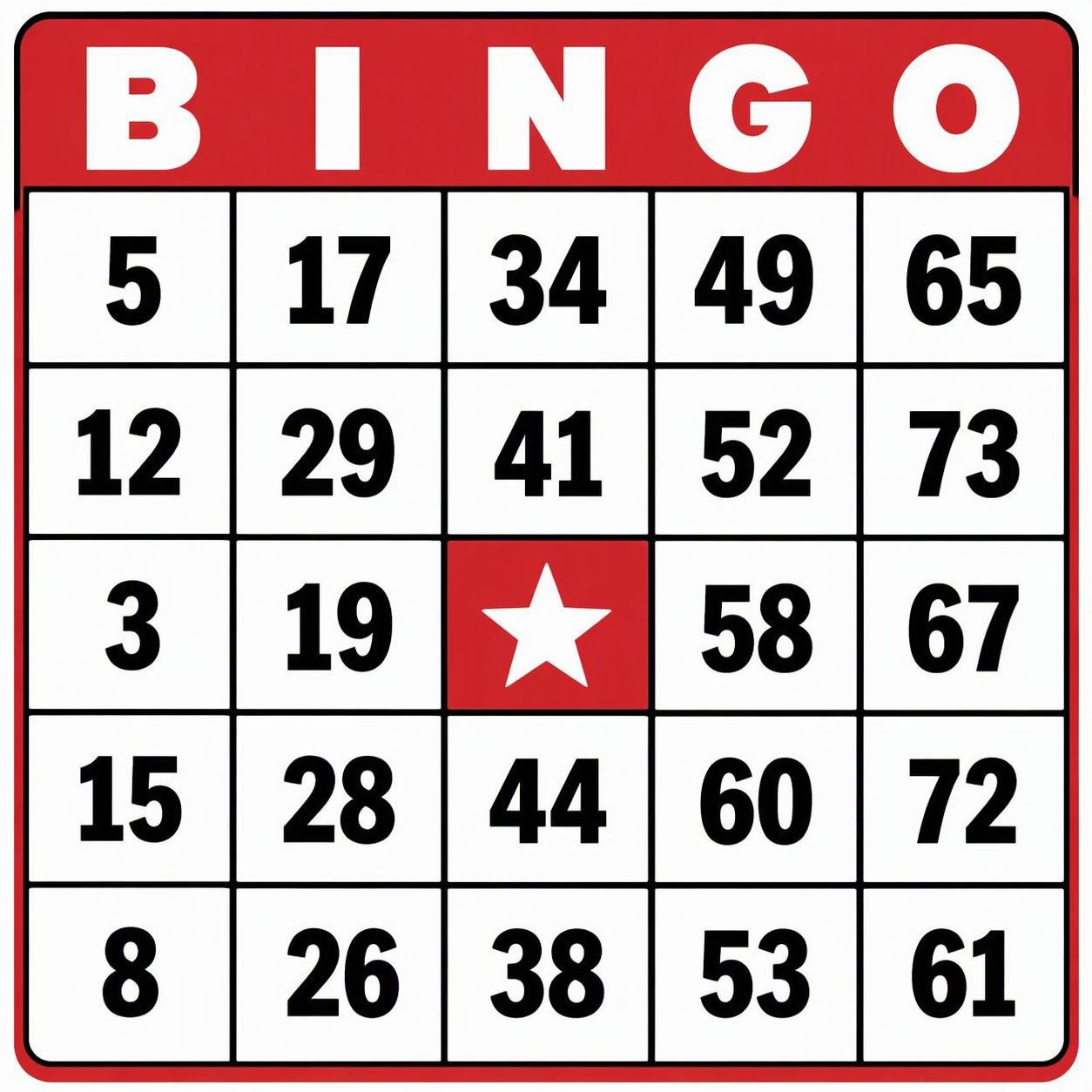
If you have ever stepped into a bingo hall and heard calls such as “two little ducks” or “legs eleven,” you might have wondered where these unusual expressions came from. For many players, these nicknames form just as much a part of the experience as marking numbers on a ticket. They reflect decades of social history, local humour and shared traditions. While some phrases have clear origins and others remain open to debate, they continue to connect modern players with earlier generations who gathered around the same calls and customs.
How Number Nicknames Helped Players Follow the Game
Many traditional bingo phrases developed for a practical reason. In busy halls, callers needed ways to make numbers stand out so players could hear them clearly. Rhyming names and memorable descriptions reduced confusion, particularly before modern sound systems became common.
For example, “two little ducks” for number 22 refers to the number’s resemblance to a pair of ducks swimming side by side. “Legs eleven” creates a visual image that helps players remember the number instantly. When you associate a number with a familiar picture, your brain often recognises it more quickly than a simple numerical announcement.
This approach helped both regular participants and newcomers keep pace with the action.
British Humour Shaped Many Traditional Calls
A large number of bingo phrases reflect the light-hearted humour that has long been popular in Britain. Callers often used jokes, rhymes and playful observations to create a more entertaining atmosphere.
Some references made perfect sense when they first appeared but feel less obvious today. “Clickety click” for 66 and “Danny La Rue” for 52 emerged from cultural references that many players immediately understood at the time. As society changed, some phrases remained while others gradually disappeared from common use.
If you encounter an unfamiliar nickname, looking into its history often reveals interesting connections to everyday British life from previous decades.
The Traditions Continue in Modern Formats
While many people still enjoy hearing traditional calls in physical venues, these expressions have also found a place in digital gaming environments. Developers often include classic terminology because players appreciate the connection to the game’s heritage.
Whether you visit a hall or use a bingo site, you may hear many of the same phrases that entertained players decades ago. This continuity helps preserve part of the culture surrounding the game. The language adds character and provides a shared reference point that many participants recognise immediately.
The phrases often create conversation among players, particularly when people compare regional variations or discuss their favourite calls.
Why These Phrases Still Matter Today
Traditional bingo nicknames do more than identify numbers. They help create a sense of familiarity and community that many players value. Shared language encourages participation and gives people something to talk about beyond the game itself.
When you understand the meanings behind the calls, you gain a better appreciation of how bingo evolved within British culture. Many phrases survived because players passed them on through repeated use rather than through official rules or formal instruction.
That continued use explains why these colourful nicknames remain part of the experience today. They link past and present, helping preserve a small but memorable part of Britain’s social history while adding personality to a game that generations have enjoyed responsibly as a form of entertainment.