RAUW ALEJANDRO SELLS OUT THREE BACK-TO-BACK NIGHTS AT BROOKLYN’S BARCLAY’S CENTER ON HIS ACCLAIMED COSA NUESTRA WORLD
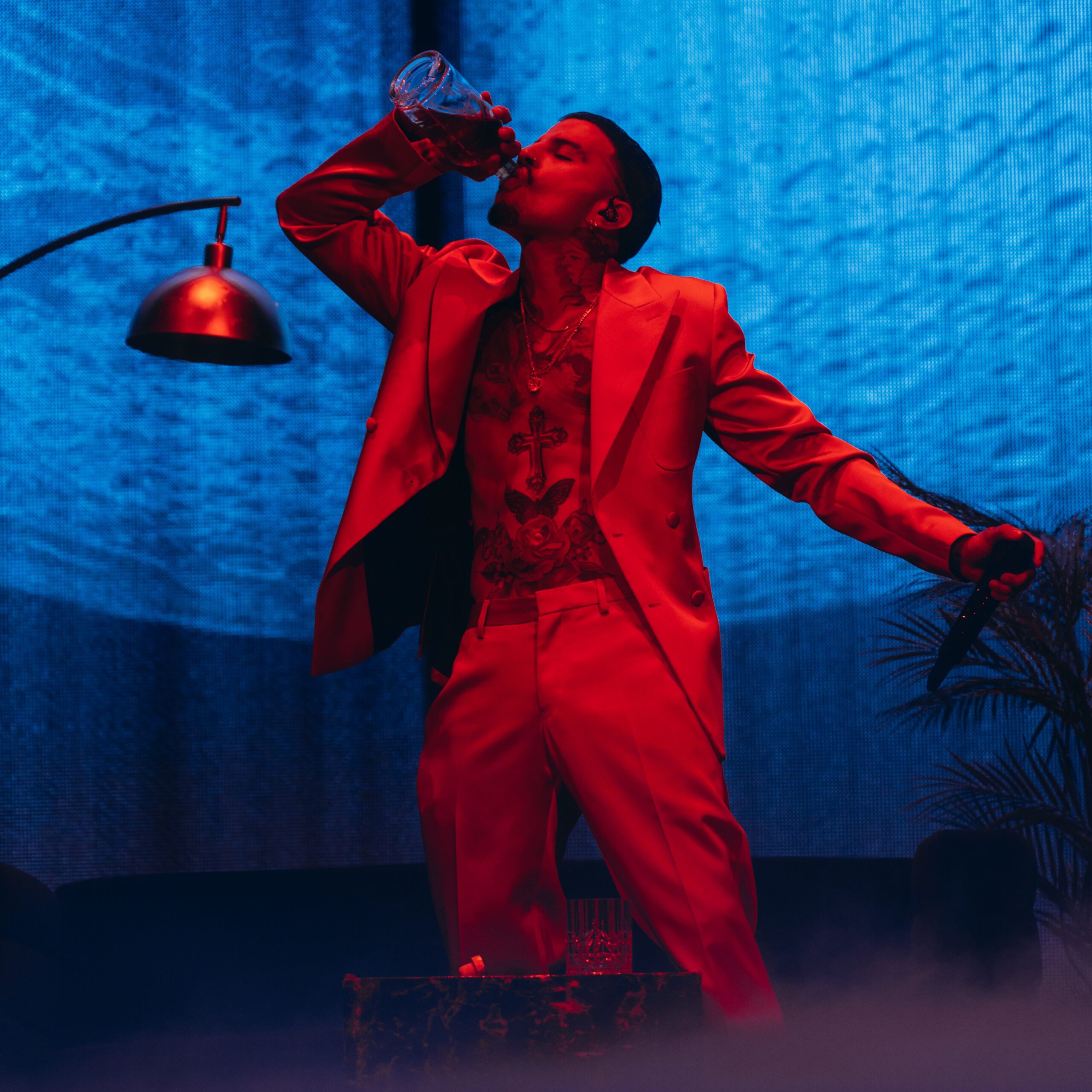
Latin GRAMMY® Award-winning and 4x GRAMMY®-nominated global superstar Rauw Alejandro performed the final of his three back-to-back sold-out shows at Brooklyn’s Barclays Center last night on his massive, history-making Cosa Nuestra World Tour.
Those in attendance added to the theatrical show experience as the sold-out arena was filled with fans dressed head-to-toe in the Cosa Nuestra theme, sporting pinstripe suits and glamorous gowns. One standout moment of the New York tour stop happened Monday night when Rauw’s father joined him onstage to play guitar with the band. Watch the video HERE.
His first tour accompanied by a live band, the Cosa Nuestra World Tour has received praise from fans and critics for its immersive and engaging experience as it features theatrical staging, high-energy choreography, powerful live instrumentation, and a meticulously crafted visual narrative.
“A masterclass in showmanship” – Billboard
“Rauw Alejandro has always been an impressive performer, but his Cosa Nuestra tour fully solidifies his place as Latin music’s greatest showman. He brought the spectacle to Barclays Center this week, with packed performances on Monday, Tuesday, and Wednesday night.” – Rolling Stone
“a song-and-dance spectacle of the highest order. It’s beautiful to look at and deliriously entertaining to experience.” – Houston Chronicle
The tour made history as Rauw became the first Latin artist to perform three back-to-back sold-out nights at Los Angeles’ Intuit Dome before performing another three nights in Chicago at the United Center and now three sold-out nights in New York. He continues the tour on Friday in Raleigh and will make stops in Atlanta and Orlando before closing out the U.S. leg with three nights at the Kaseya Center in Miami. For all dates and details, please visit rauwalejandro.com.
Gladiator Dark Sky brings premium, aggressive appearance to industry’s only open-air pickup truck
Dark Sky expands lineup of special-edition Gladiators, creating more customer choice
Jeep® Gladiator, the industry’s only open-air pickup truck, adds increased value bundled with signature Jeep capability with the new Dark Sky edition. As the Jeep brand – recognized as America’s most patriotic brand for the 24th consecutive year – continues to deliver more customer choice, Gladiator Dark Sky is uniquely positioned within the nameplate line-up.
Gladiator Dark Sky, based on the Sport S trim, bundles popular features into one package. These include:
A performance hood to evoke the Desert-rated Mojave styling
Body-color fender flares
Gloss black bumper inserts
Dark-colored badges and decals
For the first time, the Gladiator Dark Sky also provides customers with the ability to equip an optional body-color, hardtop roof for the Sport S trim.
The additional standard equipment comes bundled at an MSRP of $1,495, amplifying the value of Gladiator Dark Sky compared to adding the features separately. Additional standard equipment includes a 12.3-inch infotainment screen with Uconnect 5, Jeep’s suite of active safety equipment, including adaptive cruise control and forward collision warning, and a premium, wrapped steering wheel.
Customers may also option the comforts and adventure-focused features most important to them in their own Gladiator Dark Sky. Gladiator Dark Sky boasts the capability to handle the daily grind around town and tasks off the beaten path. With Gladiator’s heavy-duty Dana 44 front and rear axles, with front axle disconnect, transmission and transfer case skid plates, plus 10 inches of standard ground clearance, the Dark Sky is as much at home on the trails as it is towing and hauling. Gladiator offers an unmatched, available 7,700 max tow rating in the segment and best-in-class 4×4 payload of 1,725 pounds.
Orders for the Gladiator Dark Sky are now open.
The 2025 Jeep Gladiator, the industry’s only open-air pickup truck, adds increased value bundled with signature Jeep capability with the new Dark Sky edition.
SNIPES & Jordan Host Air Jordan 3 ‘Rare Air’ Early Access Event in Philadelphia.
Sneaker enthusiasts are invited to an exclusive early access event to purchase and customize the highly anticipated Air Jordan 3 ‘Rare Air’ a full week before the official launch date. This interactive experience, hosted by SNIPES, one of the world’s leading streetwear retailers, and Jordan Brand, will include unique customization options from lace swaps to sneaker etching.
‘Power Moves is a branding masterclass with intentional integration. Redefining the underdog, it emphasizes the three S’s: self-investment, self-awareness, and self-sustainability. Shaq and AI continuously drop gems.’– Vaughn Lowery
New Netflix Series Premiering June 4 Gives Unfiltered Access to the Brand’s Bold Comeback Led by Shaquille O’Neal and Allen Iverson
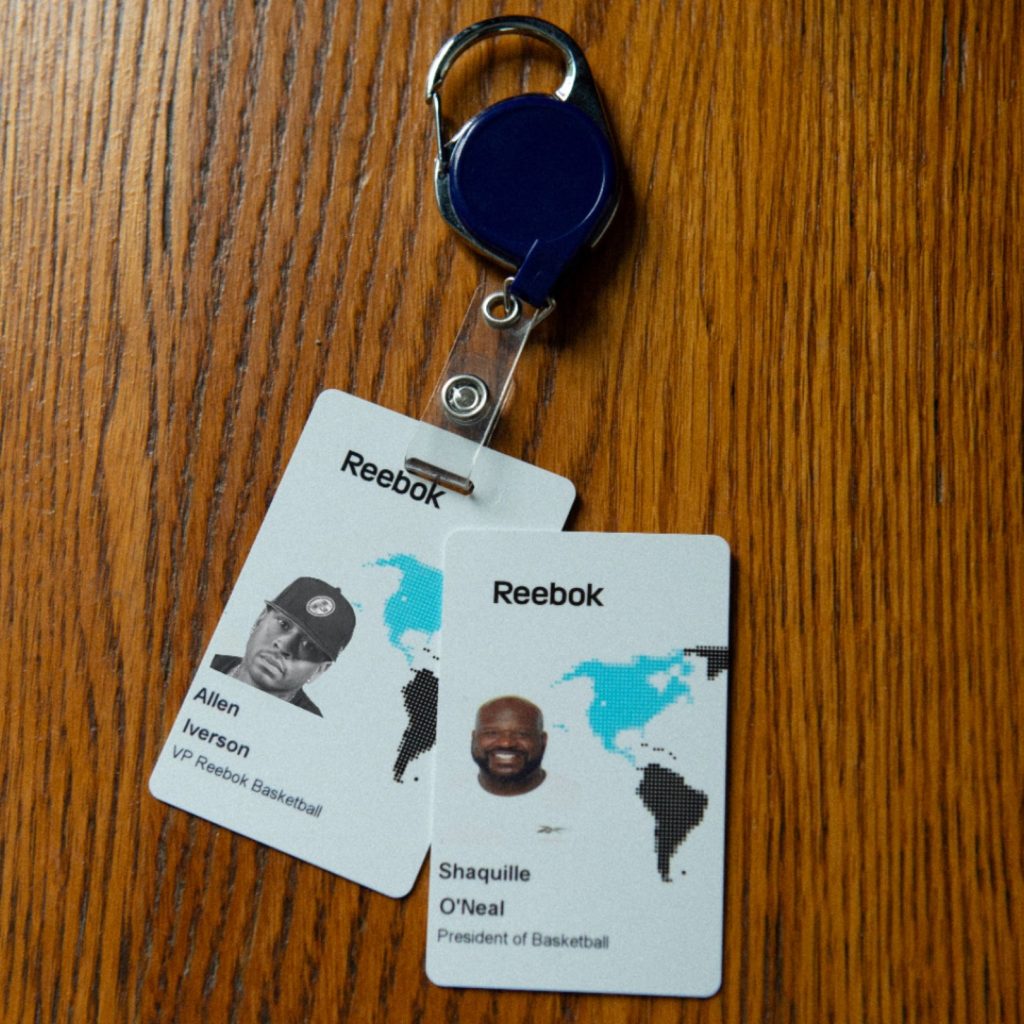
Reebok, in partnership with Jersey Legends and The Intellectual Property Corporation, is proud to unveil the official trailer for Power Moves, a six-episode Netflix docuseries that takes audiences behind the scenes of Reebok’s high-impact return to basketball under the leadership of Shaquille O’Neal (President, Reebok Basketball) and Allen Iverson (Vice President).
Power Moves is an all-access look at the strategy, hustle, and heart driving one of the most exciting brand transformations in recent history. From the Boston headquarters to court-side decisions, the series captures the real-time evolution of Reebok as it reclaims its place in the culture.
The full series premiered June 4, 2025, exclusively on Netflix.
WHY IT MATTERS:
Power Moves isn’t just a story about sports or sneakers—it’s about legacy, leadership, and the power of believing in something bigger. The series captures the cultural momentum Reebok is building and the passion driving its next chapter.
WHO TO WATCH:
Shaquille O’Neal, President, Reebok Basketball
Allen Iverson, Vice President, Reebok Basketball
Todd Krinsky, CEO, Reebok
Featuring Reebok athletes and creators including Angel Reese
Executive Produced by Shaquille O’Neal, Colin Smeeton, Mike Parris, Eli Holzman, Aaron Saidman, and Jamie Renberg
Isn’t it wild how an athlete can go from dripping sweat on the court to owning the front row at Fashion Week? What started as a small connection between sports and fashion has exploded into a cultural earthquake. Forget simple endorsements; athletes are now literally designing the style landscape.
To keep up with the latest in sports, from football to basketball and everything in between, check out fresh ข่าวกีฬา thsport. We’re going to dig into how this happened, spotlight some key players, look at the money involved, and explore why it matters that athletes are now making sartorial statements. You’ll see how they’ve busted out of their sports and become legit fashion icons, and maybe even get a glimpse of what’s next.
From Functional to Fly: A Quick Look Back
Remember when sports clothes were all about function? But even then, some people were pushing it. Joe Namath rocking a fur coat on the sidelines? That was pure swagger, baby! Muhammad Ali’s persona was larger than life, and his wardrobe always matched. He understood entrance. And Björn Borg with his tight tennis shorts and headband – that was the start of something cool.
But the real shift? Sneakers. https://www.gq.com/story/michael-jordan and Run DMC took sportswear and turned it into a symbol of style and status. It wasn’t just about playing; it was about looking the part, and that “part” quickly jumped off the court.
Tunnel Walks as Runways: The Modern Athlete’s Influence
The sports world is now a breeding ground for style pioneers. The NBA? A total fashion incubator. The tunnel walks before games are basically runway shows. Players like Russell Westbrook take risks with their outfits, impacting trends way beyond basketball. He even collaborated with Barneys New York, showing just how athletes are shaping trends.
Then there’s Serena Williams, effortlessly blending athleticism with killer elegance. Her work with Nike? Huge. Athletic wear meets high fashion, bam! Plus, she has her own clothing line. She’s an icon.
Naomi Osaka teaming up with Louis Vuitton is further proof that athletes are now key players in major fashion campaigns. Social media amplifies it all. These athletes are more than endorsers; they are trendsetters rewriting the rules.
Big Brands, Big Bucks: When Fashion and Sports Collide
The big fashion houses aren’t dumb. They see the influence athletes have. That’s why you’re seeing athlete-brand collaborations everywhere. The Jordan x Dior collection? Streetwear meets luxury. It was a moment. Remember Puma x Rihanna? Game-changer. Rihanna’s influence, amplified through athletes. And the money? Unreal.
Jordan Brand is a billion-dollar machine. Serena’s clothing line proves the power of athlete-driven fashion. LeBron James’ Nike LeBron series? Athletic tech meets street style. But it’s not just slapping a logo on a shoe. It’s about genuine collaborations that hit with consumers and drive sales. Cristiano Ronaldo, for example, has his CR7 line of apparel and footwear, embodying his sleek style.
Style as a Statement: Redefining Identity
Athlete style is about more than clothes; it’s a cultural statement. Male athletes are playing with gender norms, challenging what masculinity means. Dennis Rodman in the ’90s? Ahead of his time. Now you’ve got Westbrook rocking skirts and pushing boundaries. It’s kind of awesome, right?
Women athletes are also redefining femininity in sports, showing strength and glamour can co-exist. They’re taking back femininity in sport. Black athletes? They are influencing and rewriting the narratives, bringing diversity to the forefront. Megan Rapinoe champions inclusive fashion, pushing for lines that fit all bodies and genders.
Athlete style is becoming a tool for social commentary, challenging norms, and celebrating individuality.
From Courtside to Covers: Athletes Take Fashion Week
Athletes on the covers of Vogue and GQ? Major statement. They’ve arrived. Seeing them at events like the Met Gala and the Paris/NY Fashion Weeks? Solidifies it.
Naomi Osaka co-hosting the Met Gala? Huge. LeBron James gracing the cover of Vanity Fair? Symbolic. Athletes are no longer just athletes; they’re cultural figures influencing style and challenging old ideas.
Controversy Alert: When Style Rubs People the Wrong Way
There’s always going to be someone who hates it, right? Some people say athletes are focusing too much on fashion, not enough on the sport. Gender-fluid fashion can cause a stir because it challenges tradition. And what about authenticity? Are these athletes genuinely stylish, or are they being stylized by their teams? Good questions.
But athletes are pushing boundaries and sparking conversations about identity. Media coverage can either support or challenge stereotypes, which adds another layer. For those wanting to track how these narratives evolve beyond the headlines, staying updated with ข่าวกีฬา ล่าสุด gives fresh insight into how sports and culture are colliding more than ever.
Despite the criticism, athletes are using fashion to express themselves, and it’s changing the game.
can either support or challenge stereotypes, which adds another layer. Despite the criticism, athletes are using fashion to express themselves, and it’s changing the game.
What’s Next: The Future of Athlete-Driven Fashion
What’s next, then? I think we’re going to see even more athletes starting their own fashion labels and investing in the industry. Greater diversity and inclusion, too.
Will we see an athlete as a creative director at a major fashion house, like Pharrell at Louis Vuitton? It’s not impossible. Athletes are becoming creative forces. They’re not just faces; they’re shaping the future of fashion. This trend of athletes launching or investing in fashion labels? It’s going to keep going, as they use their brand to create authentic collections. The possibility of athletes becoming creative directors? Exciting, and it could really blur the lines between sports and fashion even more.
Ultimately, athletes becoming style icons show how culture and identity are evolving. They’re going beyond sports to become voices that influence how we dress, think, and express ourselves. This is a powerful trend that can create positive change and inspire a new generation to embrace individuality. They’re not just athletes; they are cultural forces shaping the world.
‘A true hybrid: innovative and practical with power. Next year’s prom car.’ – Vaughn Lowery
All-new, redesigned 6th generation RAV4 will be available in Core, Sport, and Rugged styles across seven grades, including a new-look Woodland and first-ever GR SPORT
America’s best-selling compact SUV will now be 100% electrified, in a choice of Hybrid Electric Vehicle (HEV) or Plug-in Hybrid Electric Vehicle (PHEV) powertrains
First-ever RAV4 GR SPORT, developed in partnership with Toyota GAZOO Racing, with GR-tuned handling, aggressive exterior style, exhilarating PHEV powertrain with AWD, and more
RAV4 Woodland grade available in HEV or PHEV with AWD standard, higher ride height, all-terrain tires, split grille, and more
Debut of 6th generation PHEV powertrain with up-to 320 hp output and 20% more all-electric drive range of 50 miles (manufacturer estimated, 42 miles previously)
RAV4 HEV models move to 5th generation hybrid system and boost output to 236 hp on AWD models and 226 hp on FWD models – with FWD coming to RAV4 Hybrid for the first time
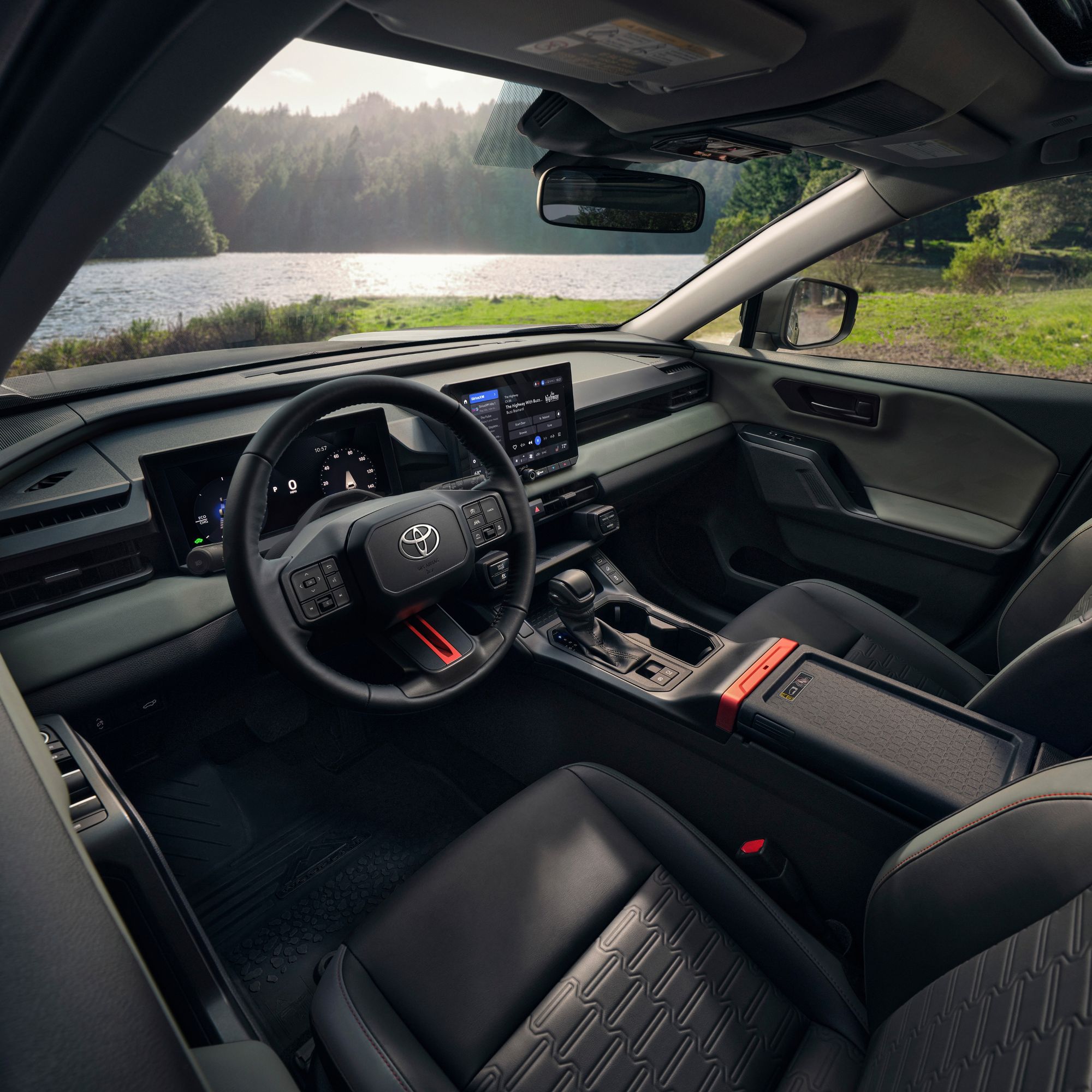
Launch of Toyota’s Arene software development platform, which enables Toyota Safety Sense 4.0 and a new generation of the Toyota Audio Multimedia System
Toyota Motor North America announces the all-new, 2026 RAV4. For its sixth generation, America’s best-selling compact SUV will be available in three new designs that include Core, Rugged, and Sport styles – among which include a new-look Woodland grade and the U.S. market’s first-ever RAV4 GR SPORT model. The 2026 RAV4 also joins Toyota’s ever-growing list of exclusively electrified models, as it will be available in a choice of Hybrid Electric Vehicle (HEV) or Plug-in Hybrid Electric Vehicle (PHEV) powertrains. RAV4 also launches new technologies for Toyota, including the Arene software development platform, a new version of the Toyota Audio Multimedia system, and updates to the Toyota Safety Sense active safety suite.
“At Toyota, customer choice is paramount,” said David Christ, group vice president and general manager, Toyota Division. “With three distinct styles, two highly efficient electrified powertrains, and available Front- or All-Wheel Drive, the all-new RAV4 offers something for everyone and is ready to take on all of life’s adventures.”
The 2026 RAV4 Core design combines a sleek, paint-matched grille, with Toyota’s signature hammerhead front end for a modern take on RAV4. Wide overfenders with black cladding and an ascending belt line with chiseled body panels complement its SUV proportions. Wheel combinations vary, with 17-, 18-, or 20-inch wheels available, depending on the grade. Core models include the well-equipped LE, XLE, and Limited grades.
The Rugged design is exclusive to the outdoor-inspired Woodland model, which now becomes a standalone grade to the RAV4 lineup. For the Rugged design, the peak of the hammerhead front end is slightly raised and its black, split upper and lower grille with integrated Rigid Industries LED lighting give it an adventurous look. The model also stands about a half inch higher due to standard All-Terrain tires, has standard raised roof rails with crossbars, and a 1¼ -inch rear activity mount for travel-ready versatility. The Woodland grade will have standard AWD and be available in a HEV or PHEV powertrain.
At the forefront of the Sport designs is the RAV4 GR SPORT. Designed with input from the TOYOTA GAZOO Racing engineering division, it takes inspiration from motorsports for a model that is an expression of driving enjoyment. It prioritizes handling, with a GR-tuned suspension and power steering, enhanced body rigidity, and summer tires on unique 20-inch wheels with increased offset. It will be exclusively available with a PHEV powertrain and has a GR Functional MATRIX grille, along with front and rear wing-type spoilers for aggressive style. The XSE and SE grades round out the Sport designs. They will be available in HEV or PHEV powertrains and a choice of FWD or AWD depending on grade and have up-to 20-inch wheels, blue interior stitching, and available two-tone paint.
The new RAV4 comes in PHEV and HEV models, with the PHEV models featuring a newly developed Plug-in Hybrid System that combines a high-capacity drive battery and high-output charger compatible with Toyota’s latest sixth-generation hybrid. The HEV system increases output over the prior generation, climbing to 236 combined system net hp on AWD models (219 combined system net hp previously). RAV4 hybrid will also be available in FWD for the first time, and will have 226 combined system net horsepower, a 23 hp improvement over the prior generation’s 203 hp FWD gas model.
The latest PHEV system also adds output, with up-to an impressive 320 combined system net horsepower, up 18 hp over the outgoing system. Variety is also the name of the game for PHEV models, moving from two to four grades in model year 2026, with the Woodland and GR SPORT models joining the previously available SE and XSE. All PHEV models will have standard AWD. The PHEV model also increases its all-electric driving range to a manufacturer’s estimated 50-mile range rating. The PHEV XSE and Woodland grades will have DC fast charging, capable of charging from 10% to 80% in approximately 30 minutes*.
New 2026 RAV4 models are expected to start arriving at Toyota dealerships across the U.S. later this year, and pricing will be announced closer to on-sale date.
* Charging time provided is an estimate only and can vary depending on weather conditions and other factors. Manufacturer projected range, actual range will vary and may decrease significantly depending on speed, outside temperature, accessory use, how/where you drive, charging habits, and other factors.
In the ever-evolving world of interior design, wall art has emerged as a powerful tool for defining the character and mood of living spaces. Bold canvas posters, in particular, have gained significant popularity for their ability to instantly transform rooms from mundane to magnificent. Whether featuring iconic pop culture imagery or striking abstract designs, these statement pieces serve as the focal point around which entire room aesthetics can be built.
The growing trend toward personalized interiors has made prints by Poster Store increasingly sought after by design enthusiasts looking to express their unique style. Their curated collections offer everything from minimalist abstracts to vibrant pop culture references, allowing individuals to select pieces that resonate with their personal aesthetic while maintaining high artistic quality. As the global wall art market continues its impressive growth trajectory—valued at approximately $55.6 billion in 2024—more people are recognizing the transformative power of thoughtfully selected canvas art.
Pop culture icons: Making statements through familiar imagery
Pop culture-inspired canvas posters have become significant cultural signifiers in modern interior design. These pieces do more than decorate—they communicate the dweller’s affiliations, interests, and generational connections. A vintage movie poster or stylized portrait of a music icon instantly conveys personality while creating an atmosphere that reflects specific cultural moments.
What makes these pieces particularly effective is their immediate recognizability. When guests encounter familiar imagery presented in artistic formats, it creates natural conversation starters and establishes common ground. This social dimension adds another layer of value to pop culture canvas art beyond mere decoration. The emotional connections people form with cultural icons—whether from film, music, or literature—transfer to their living spaces, creating environments that feel personally meaningful and emotionally resonant.
The influence of social media has dramatically amplified this trend, with platforms like Instagram and Pinterest showcasing how these statement pieces can anchor room designs. Interior designers and influencers frequently feature bold pop culture prints as central elements in their curated spaces, demonstrating how even a single well-chosen piece can define an entire room’s character. This visibility has contributed to the mainstream acceptance of pop culture imagery as legitimate art forms worthy of prominent display.
Abstract expressions: Creating mood through color and form
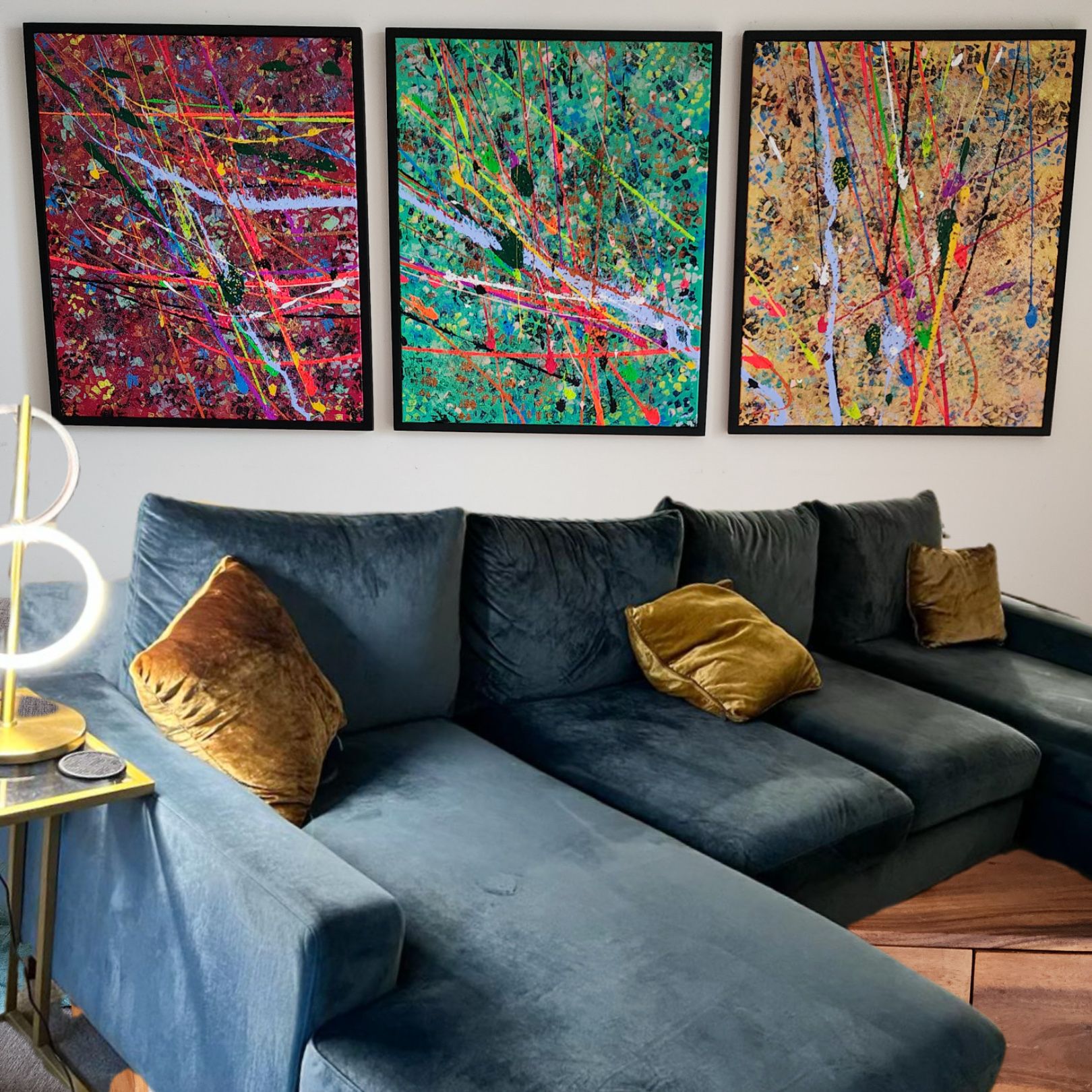
While pop culture prints make explicit statements, abstract canvas art works on a more subtle psychological level to establish atmosphere. These pieces use color, shape, and composition to evoke specific emotional responses without relying on recognizable imagery. A canvas dominated by cool blues and fluid forms might create a sense of tranquility, while bold geometric patterns in vibrant colors can energize a space.
The beauty of abstract art lies in its versatility and interpretive nature. The same piece can evoke different responses from different viewers, making it an incredibly personal choice for home decoration. This subjective quality allows abstract canvases to grow with their owners, revealing new dimensions as perspectives change over time. Many interior designers recommend abstract pieces for spaces where a specific mood is desired without the potential distraction of figurative imagery.
The current trend toward minimalism in interior design has further elevated the role of abstract canvas art. In spaces defined by clean lines and restrained color palettes, a bold abstract piece can provide the perfect counterpoint, introducing visual interest without cluttering the aesthetic. This balance between minimalist surroundings and statement art creates sophisticated interiors that feel both contemporary and timeless. As digital printing technologies continue to advance, the possibilities for abstract designs have expanded dramatically, offering unprecedented creative freedom to artists and more diverse options for consumers.
Practical considerations: Selecting and displaying canvas art
The transformative power of canvas posters depends not only on the art itself but also on thoughtful selection and placement. Scale plays a crucial role—an undersized piece can appear lost on a large wall, while an oversized canvas might overwhelm a small space. Designers often recommend choosing pieces that occupy approximately two-thirds of the available wall space for optimal visual impact.
Color coordination represents another important consideration when selecting canvas art. While the piece doesn’t need to match a room’s existing color scheme perfectly, it should either complement or intentionally contrast with it. Many interior designers use the 60-30-10 rule, where canvas art can introduce the 10 percent accent color that ties a room together. This approach allows bold pieces to stand out while still feeling connected to the overall design.
The physical placement of canvas posters significantly affects their impact on a room’s atmosphere. Hanging art at eye level—typically about 57 to 60 inches from the floor to the center of the piece—ensures optimal viewing. For spaces where people are primarily seated, such as dining rooms or living areas, adjusting this height slightly lower can enhance the viewing experience. Proper lighting is equally important, with dedicated art lights or strategic ambient lighting highlighting the piece’s details and colors.
The wall art market is projected to grow to $59.51 billion by 2025, with a compound annual growth rate of 7%, reflecting consumers’ increasing recognition of art’s value in creating personalized environments. This growth is fueled by urbanization and the expanding e-commerce landscape, which has democratized access to quality art pieces. The rising trend of customizable wall art allows homeowners to commission pieces that perfectly complement their spaces, creating truly unique interiors that reflect personal stories and aesthetic preferences.
When selecting canvas art, considering the room’s function is essential. Energetic, vibrant pieces work well in social spaces like living rooms or kitchens, while more subdued or contemplative art might be better suited for bedrooms or study areas. The art’s subject matter should also align with the room’s purpose—abstract pieces promoting relaxation in bedrooms, inspirational imagery in home offices, or conversation-starting statement pieces in entertainment areas. This thoughtful matching of art to environment ensures that each piece contributes meaningfully to the overall atmosphere rather than simply filling wall space.
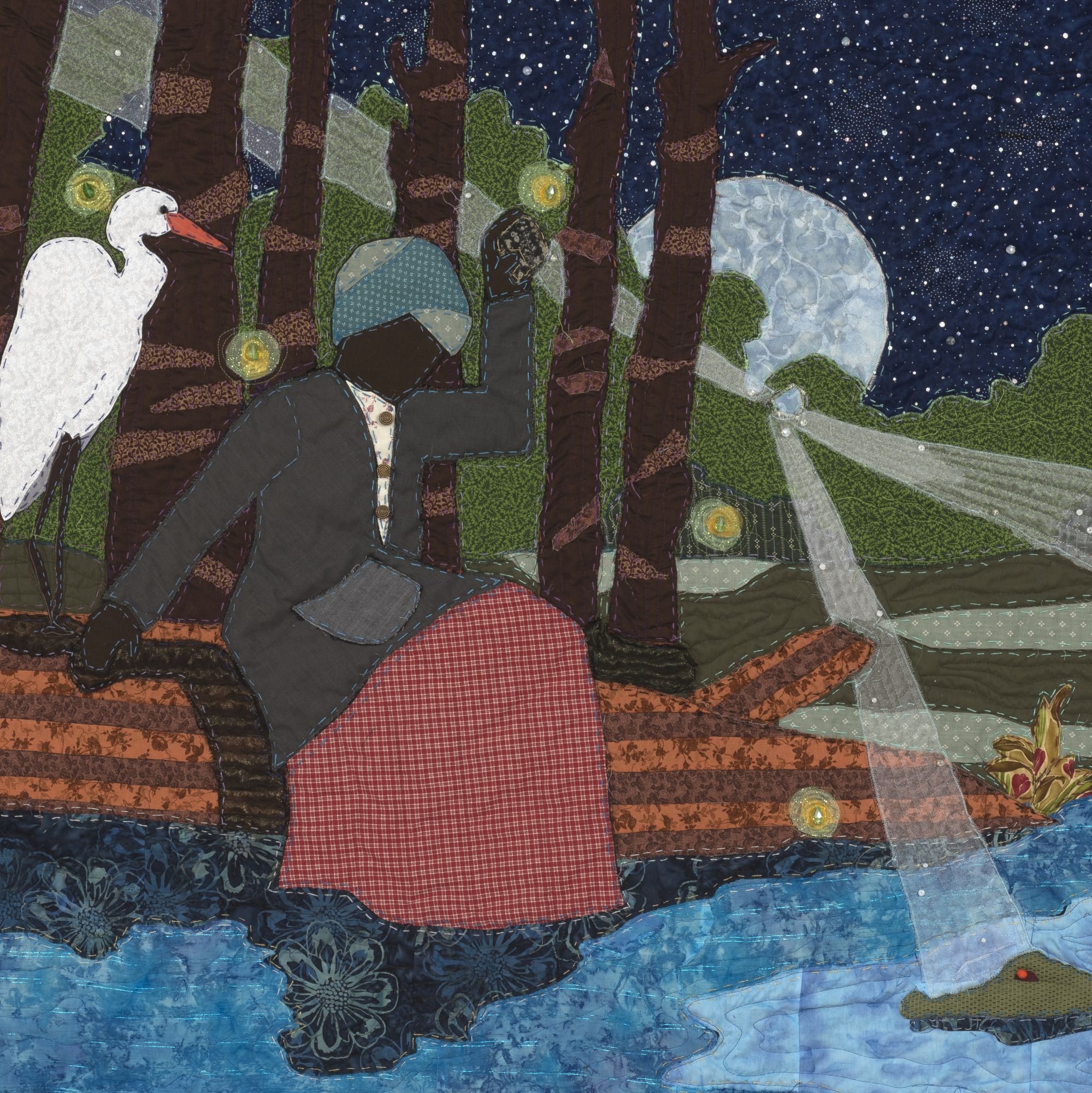
[Featured image: And I Shall Smite Thee (detail), 2018 by Stephen Towns. Natural and synthetic fiber, glass beads, and metallic buttons. Private Collection.]
‒ On view May 23 through October 5 at the Gibbes Museum of Art ‒
The Gibbes Museum of Art, a beacon for the arts in the American South since its establishment in 1858, announces the world premiere of Picturing Freedom: Harriet Tubman and the Combahee River Raid (May 23 ‒ October 5). The visionary multimedia exhibition is inspired by the award-winning book by Dr. Edda L. Fields-Black (the Pulitzer organization just announced that her book won the 2025 Pulitzer in History). Her book Combee: Harriet Tubman, the Combahee River Raid, and Black Freedom during the Civil War (Oxford University Press) details a previously untold chapter in our country’s history. On that fateful moonlit night in June of 1863, Tubman led the largest slave rebellion in the U.S. history. Dr. Fields-Black is descended from one of the participants of the freedom raid. The museum exhibition brings to life the heroic raid, when 756 enslaved people liberated themselves in six hours ‒ more than ten times the number of people Tubman rescued during her ten years of work on the Underground Railroad. The raid was carried out by one of the earliest all-Black regiments of the Union army.
The Gibbes Museum has invited Dr. Vanessa Thaxton-Ward as the guest curator for the Picturing Freedom exhibition. She is the Director of Hampton University Museum, and hand-picked artworks from institutions and private collections across the United States. Never before has a grouping of works of this size and scope, honoring Harriet Tubman throughout more than 100 years of American artmaking, been presented this way. She has selected artworks by major artists (including Jacob Lawrence, Faith Ringgold and William H. Johnson), and by emerging contemporary artists (including Stephen Towns, Terry Plater, and Kevin Pullen).The paintings, sculptures and mixed media works are featured alongside photographs of the region by J Henry Fair, video and audio installations, historic images, and material objects.
“The freedom seekers would have been tortured, some put to death, had they been caught,” said Angela Mack, the former president and CEO of the Gibbes Museum of Art. This landmark exhibition marks the culmination of Mack’s 44-year tenure at the Gibbes. This will be her final exhibition at the Gibbes, as Mack will retire this year. She joined the museum in 1981 as Assistant Curator, eventually becoming Chief Curator in the 1990s and Executive Director in 2008. “This exhibition encapsulates what I hoped to convey during my four decades at the Gibbes Museum – telling the powerful stories of the Charleston region through the visual arts, and championing the legacy of artmaking in the South,” says Mack.
J Henry Fair has photographed the area for 30 years. “The photographs by J Henry Fair shine a light on how dangerous it was for the enslaved laborers to flee during the raid, through deadly tidal rice swamps with snakes and alligators,” says Mack. “While Fair’s work usually focuses on the environment, this exhibition marks a new turn for his photography ‒ linking together his images of nature with the ordeals of enslaved people, and the untold history of Harriet Tubman’s military service. His striking images of this serpentine landscape immerse viewers in the perils enslaved people faced in this treacherous terrain,” adds Mack.
The Gibbes Museum’s Picturing Freedom exhibition was three years in the making. In 2022, Dr. Fields-Black and Fair approached Angela Mack about the concept of a museum exhibition. “As an art museum we immediately recognized the importance of placing a visual history around this historic milestone ‒ to tell this story through art,” says Mack. “This is an epic American story with a national legacy and universal impact.”
Although this uprising was orchestrated and guided by Tubman, biographies, history textbooks, and films about her life omit this crucial chapter. The Union Army hired her to work deep in slave territory, to gather intelligence for the daring raid up the Combahee River to attack the major plantations of Rice Country. She commanded a ring of spies, scouts, and pilots behind Confederate lines.
Tubman and her crew piloted two regiments of Black U.S. Army soldiers, the Second South Carolina Volunteers, and their white commanders up the Combahee River in three gunboats. In a matter of hours, they liberated hundreds of people whose language and culture Tubman could not even understand.
When Tubman and the gunboats arrived and blew their steam whistles, many of those people raced onboard and sailed to freedom.
“It was exciting to see how many artists through the years have created works that portray Harriet Tubman, in so many different mediums,” said Dr. Vanessa Thaxton-Ward, the guest curator. As part of her curatorial process, she explored why artists continue to turn to images of Harriet Tubman and the Combahee River region to express ideas of freedom and legacy. “I want this exhibition to show that Tubman was a whole person – she was more than the conductor of the Underground Railroad. She was a wife, she was a mother, she was a daughter. Through this exhibition, we see how Tubman was also a human being who had feelings, who had a family,” adds Dr. Thaxton-Ward. “We also wanted to show how hard life was for enslaved laborers in the rice fields, especially the children. Many of these families were brought to the region because of their prior knowledge of the rice culture in West Africa.”
Thanks to the extensive research and book by Dr. Fields-Black, these enslaved laborers are finally given names and stories, to permanently inscribe them into the historical record.
During the year-and-a-half that Dr. Fields-Black lived in the region to research her book, she walked through the terrain where the historic river raid took place ‒ in the middle of the night under the light of the moon, to retrace the journey of the freedom fighters.
After the war, many returned to the same rice plantations from which they had escaped, purchased land, and started families. They created the distinctly American Gullah Geechee dialect, culture, and identity, celebrated today as one of Harriet Tubman’s most significant legacies.
Descendants of these communities have now named this African diaspora the Gullah Geechee Nation, showing genetic admixtures from Central West Africa, Senegal, Ivory Coast, Ghana, Sierra Leone, and Bights of Benin & Biafra. The Gullah Geechee culture is marked by its unique language and living styles. It is important to note that Dr. Fields-Black’s ancestors are from this area near Charleston and the Combahee River region, she is of Gullah Geechee descent.
The Legacy section of the museum show also includes audio installations featuring some of the descendants that Dr. Fields-Black and Fair interviewed. There will be QR codes next to each photo of the descendant, so that museumgoers can click and listen. Material objects include the large scale West African mortar and pestle that was gifted to Dr. Fields-Black during her research trip to Africa.
One of the artworks visitors will see in the exhibition is titled “Can you break a Harriet,” by Kevin Pullen, an artist based in St. Simons, Georgia. This work reflects the legacy aspect of the exhibition, acknowledging that for over a decade, people have been working to have Tubman honored on the U.S. $20 bill. On Veterans Day, November 11, 2024, Tubman was posthumously commissioned as a Brigadier General by the Maryland National Guard. She was the first woman in the U.S. to lead an armed military operation during a war, yet she was never given official status by the military and fought for decades for her military pension. Now, more than a century after her death and 160 years after her military service, Harriet Tubman was named a general.
Wade In the Water, 2020, by Stephen Towns. Natural and synthetic fabric, polyester and cotton thread, and crystal glass. Courtesy of Malik Jackson.
About the Gibbes Museum of Art
The Gibbes Museum of Art, a beacon in the American South for arts and culture since 1858 when the Museum’s art collection was founded, is heralded as one of the earliest and most longstanding arts institutions in the United States.
The Museum’s collection spans 350 years, including contemporary, modern, and historical works. With world-class rotating exhibitions and a dynamic visiting artist residency program, the Gibbes is a Southern museum with a global perspective. The Museum’s mission is to enhance lives through art by engaging people of every background and experience with art and artists of enduring quality, providing opportunities to learn and discover, to enjoy and be inspired by the creative process. Museum hours and visitor info are here.
Fair Warning, a revolutionary new auction platform, auctioned Man Smoking a Pipe (1971), an incredible work on paper by Picasso
Fair Warning, the disruptive digital auction platform and members-only art community, announces that today it auctioned ‘Tête d’homme à la pipe’ (Man Smoking a Pipe) from 1971 by world-renowned contemporary artist, Pablo Picasso. Created during the late stage of Picasso’s career, the piece is widely regarded as the best drawing on paper from this period. With a winning bid of $7.78 million, the sale represents another milestone moment for the value of works on paper from this time.
The auction, which took place at 10pm BST/5pm EST on May 15th, was led by Jussi Pylkkänen, the former Global President of Christie’s. For the first time in Fair Warning’s history, bidding took a hybrid format, accepting bids from the room, telephones and via Fair Warning’s exclusive, members-only mobile app, which allows users to bid in real time from anywhere in the world.
Speaking on the sale, Fair Warning founder Loïc Gouzer noted, “Masterpiece is a term that has been so overused that it’s lost all meaning. But this really is a piece that represents the final peak of Picasso’s greatest works on paper, created during this final period of his life. It was a privilege to showcase and auction, and we have no doubt that the new owner will enjoy it for years to come.
As the company surpasses $57M in total sales, Gouzer added, “We set up Fair Warning with a commitment to bring art collecting back to its purest form. Away from the noise, the distraction, and the hype, this is about carefully curated, individual lots with incredible works of art. Think less, feel more – that’s the mission that drives us. With this sale, we have once again shown that our platform and our approach work for sellers and collectors alike.”
Fair Warning continues to challenge the conventions of traditional auctioneering, with this sale cementing its role as a catalyst for rethinking how art is discovered, valued, and collected in the digital age.
Returning to its place of origin, the home of the Renaissance, for its own sense of rebirth, Gucci embraces the city of Florence once more. As the birthplace of Gucci and home to its enduring artisanal and commercial legacy, Florence serves as a meaningful setting for the latest Cruise collection and show. Founded here in 1921, the House continues to draw from the city of perpetual spring, whose name derives from the Latin word for ‘to blossom.’ Florence is foundational to the culture of fashion and to Italy itself, where a stratification of histories allows the future to be built on the past.
In turn, at once universal and personal, Gucci embodies a variety of expressions, with its clothing and accessories, its particular style, adapted and evolved through generational shifts, moving from then to now and to the future, traveling through time. And if anywhere is Gucci’s ‘time machine,’ it is the 15th century Palazzo Settimanni, home of the Gucci Archive, and a living, breathing space that informs the past, present and future of the House.
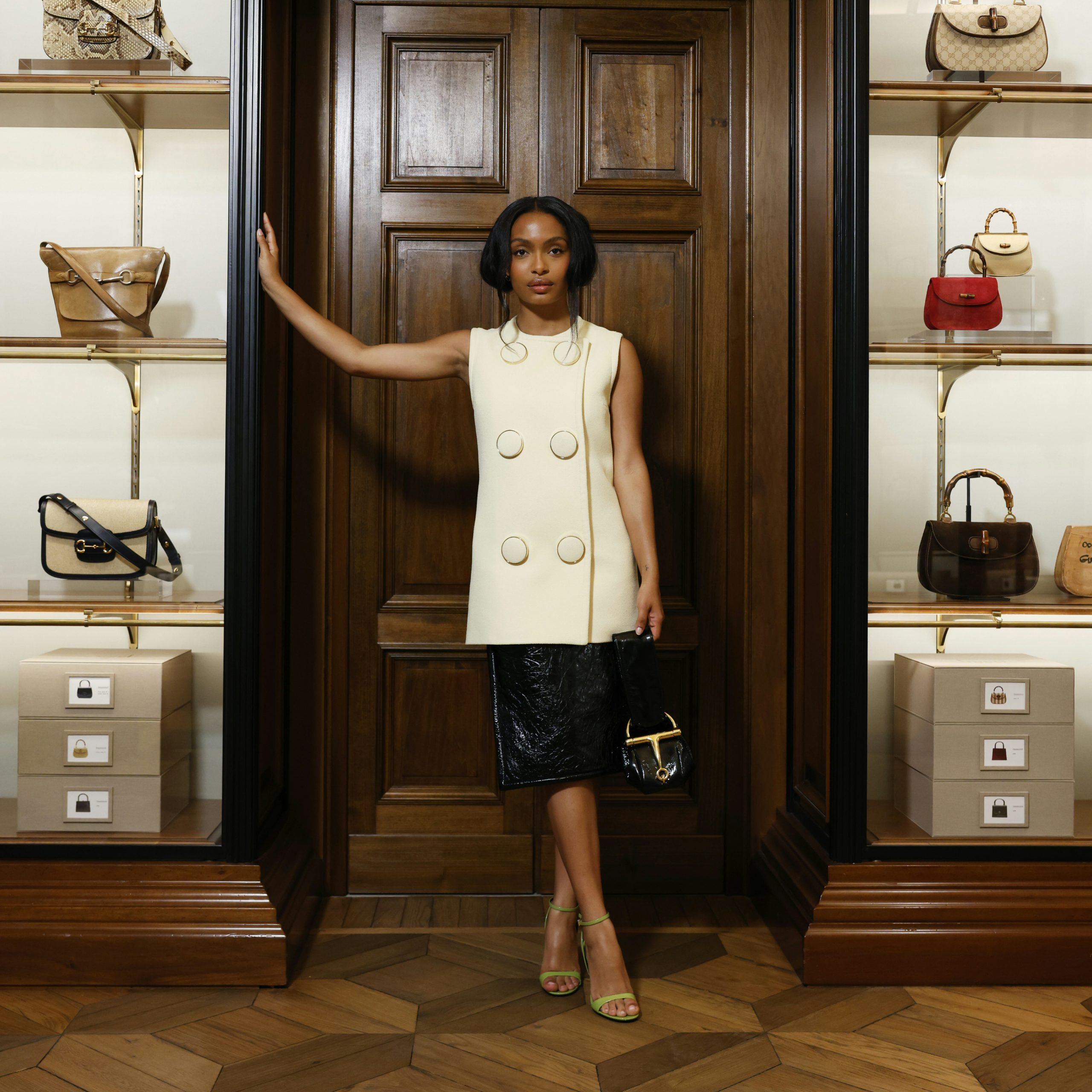
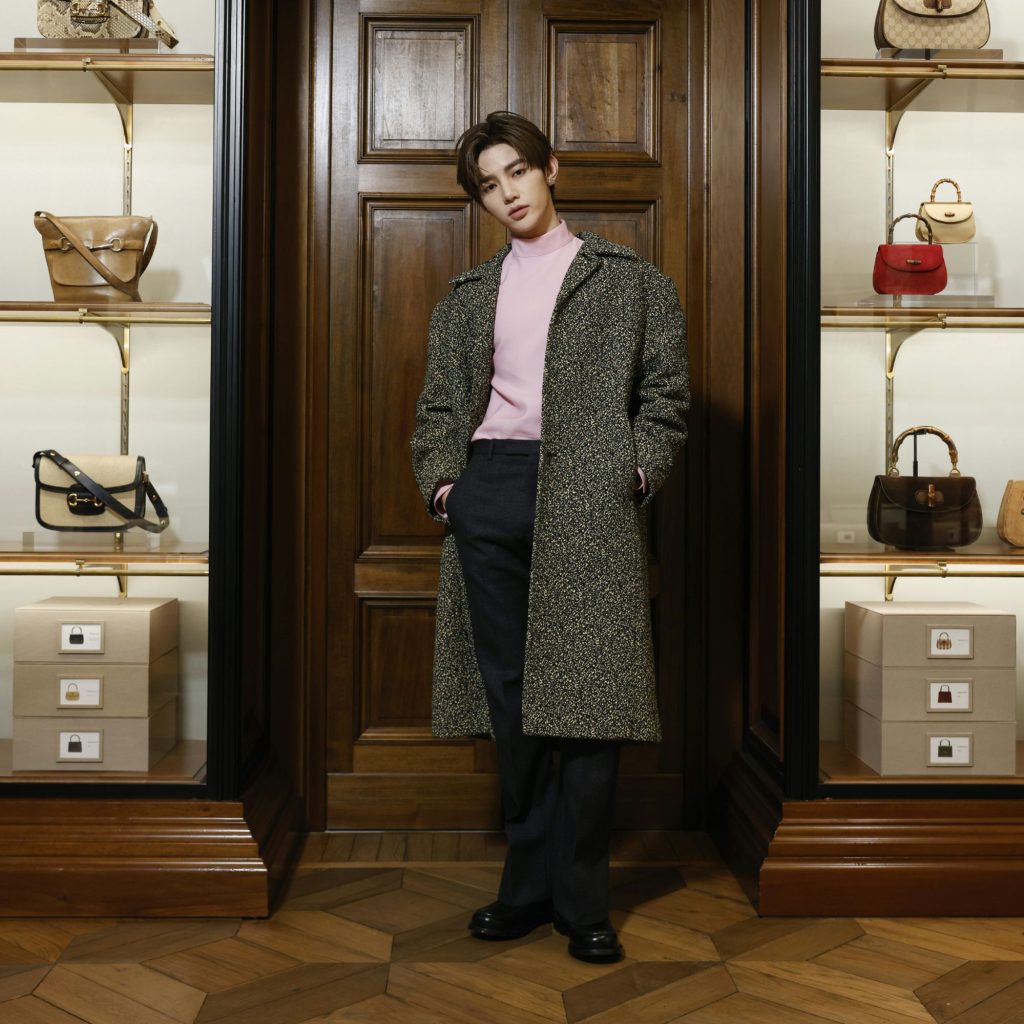
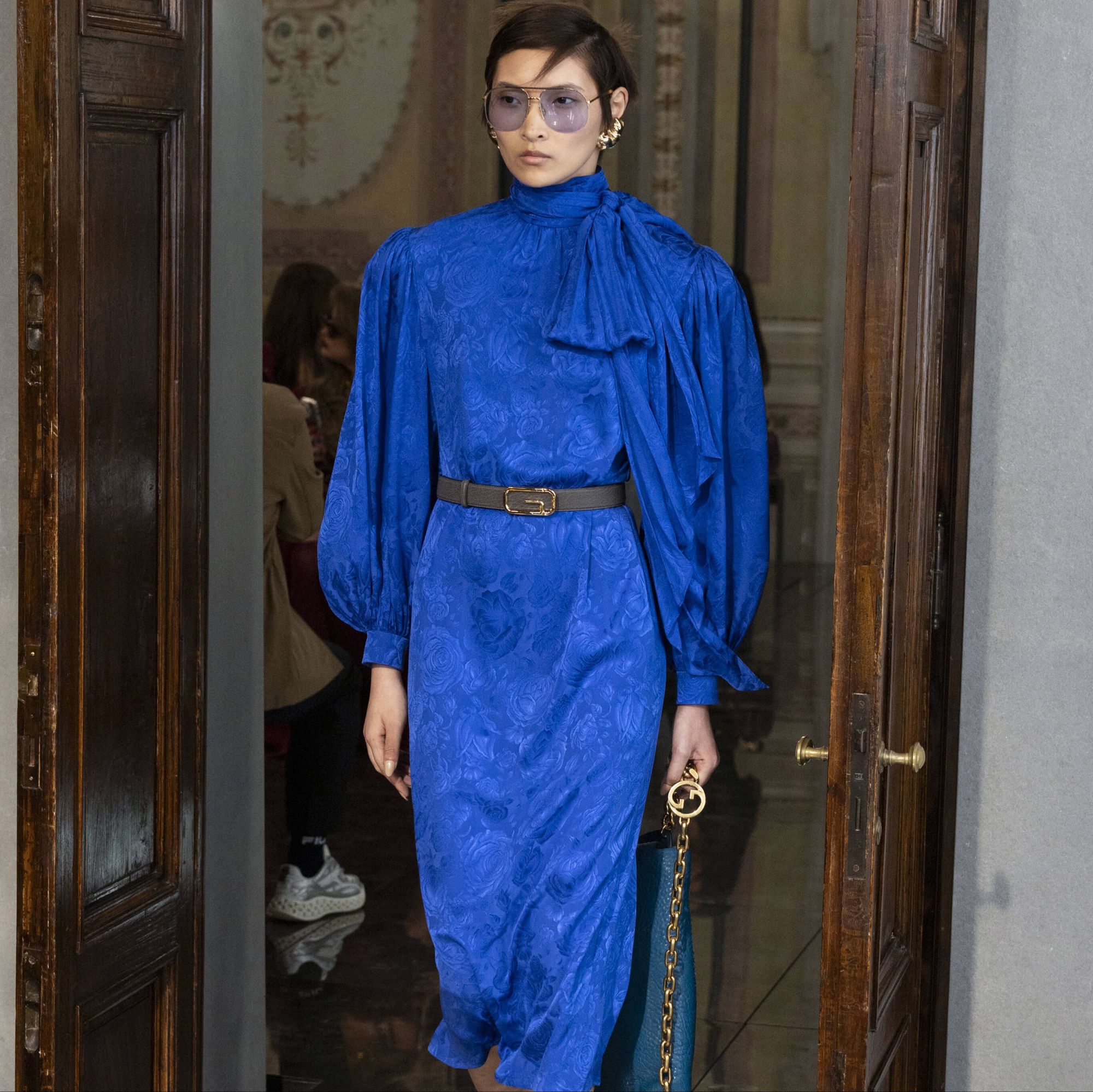
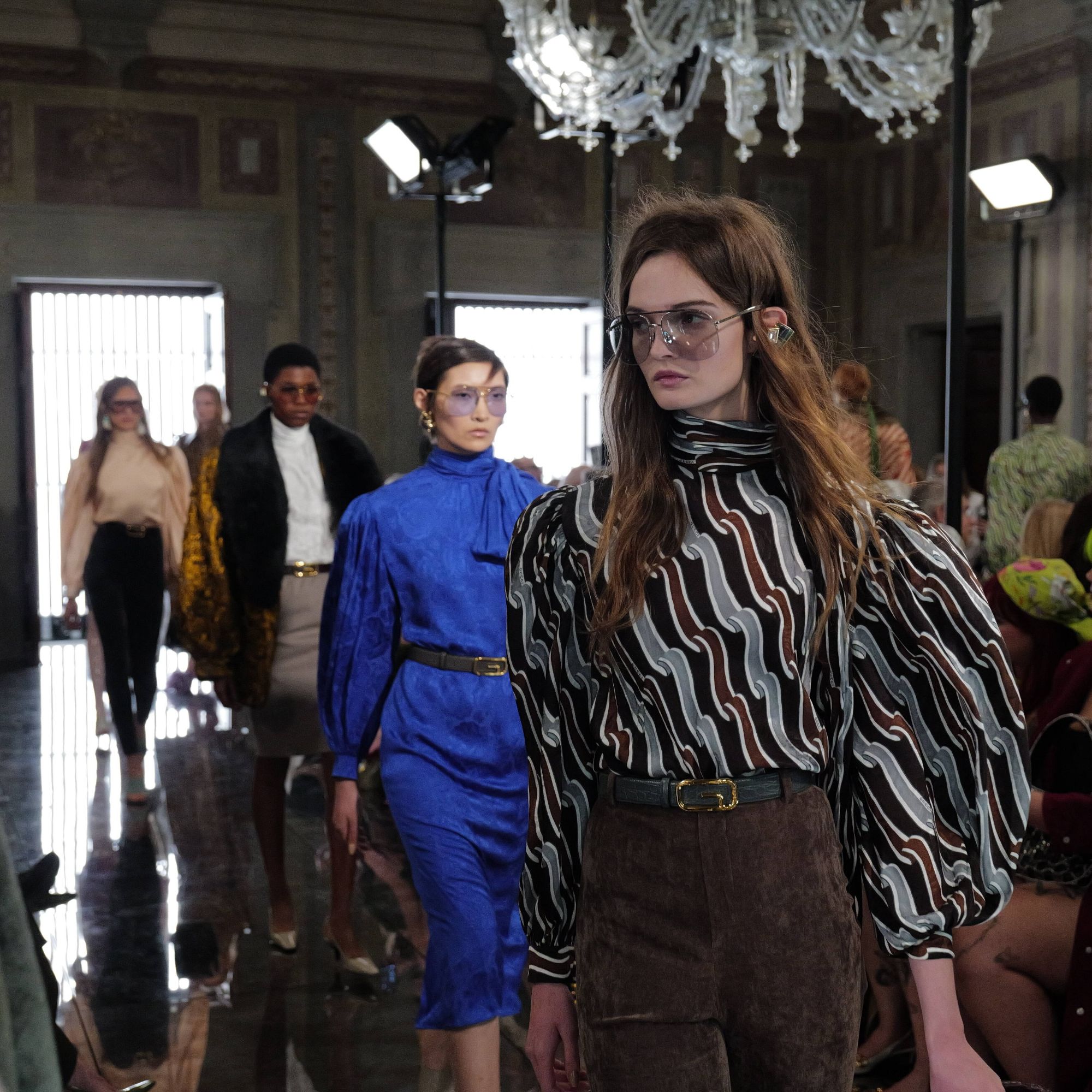
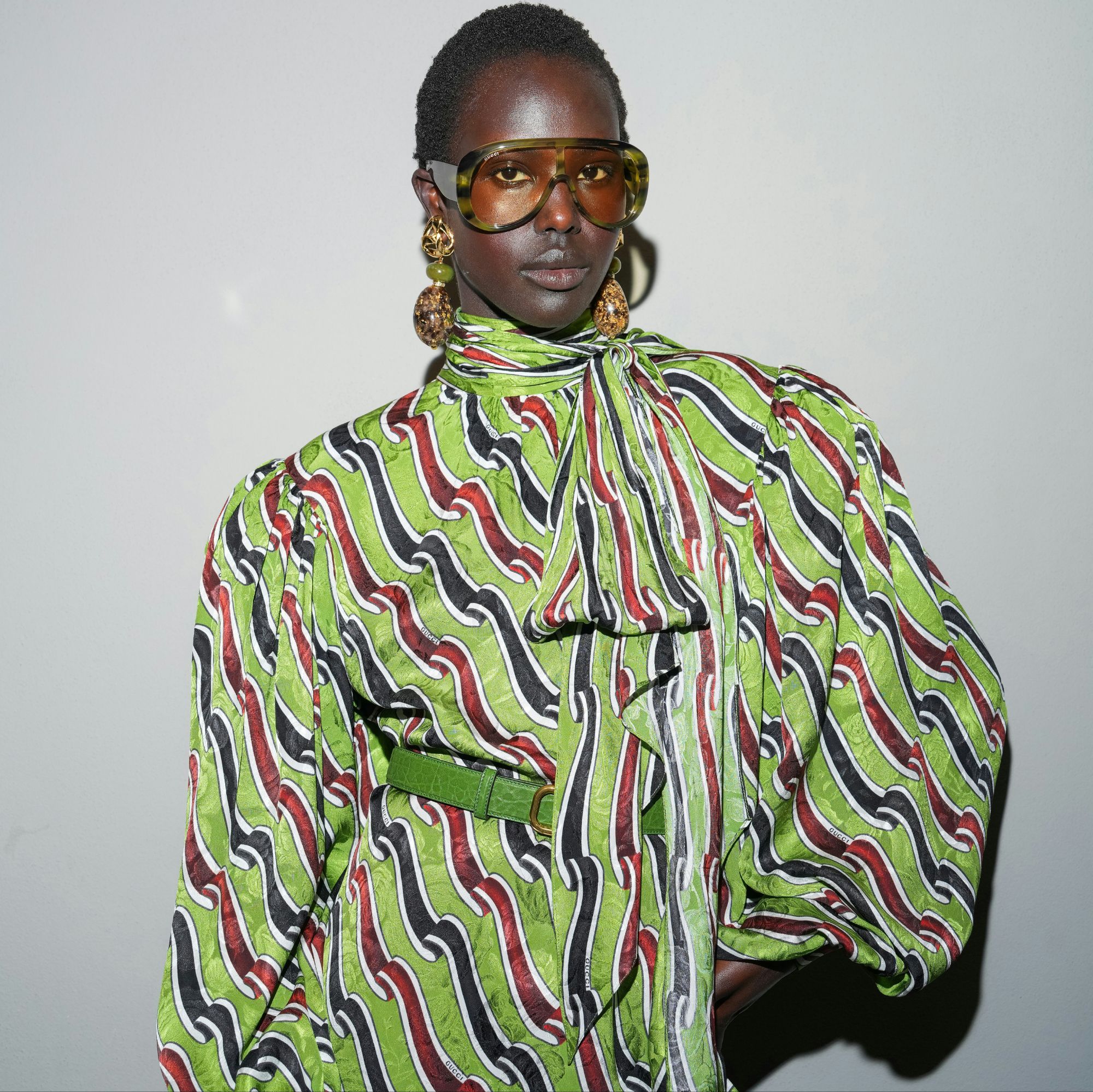
In the Cruise collection unveiled at the Palazzo, the influence of the archive and the rich history of Florence itself has been assimilated into a playful mélange, ranging from the minimal to the maximal. Here, fashion decades are traversed and patchworked, while the material culture of centuries is integrated – after all, since the Middle Ages, Florence has been a powerhouse of fabric production. Expertly treated brocades, jacquards, silks, and velvets are opulently utilized; lace is layered, strass-embellished, and richly embroidered, creating a stratification of techniques that echoes a stratification of histories. The linking motif of the GG Monogram moves through the collection, while the graphic single G is reinvented, stamping its mark on belt buckles, inlays, and the heels of shoes. A silhouette with a strongly structured shoulder, exaggerated and oversized, is also lean, long, and sinuous, slipping from day to night. Leather goods, at the heart and start of Gucci in the city, are presented with their iconicity intact in archive-inspired pieces, or are evolved into new, soft constructions with casual, graspable ease, like the half-Horsebit design and vanitystyle bag. The new Gucci Giglio bag is an homage to the city and to the giglio — the Italian word for lily and the stylized emblem that has symbolized Florence since medieval times – and will be available immediately after the show.
Gucci’s leatherwork heritage is further explored in a new high jewelry collection co-created with Pomellato named ‘Monili’ – Italian for ‘jewels’ – reflecting a shared philosophy of craftsmanship. Drawing inspiration from archival Pomellato designs from 1984, leather, gold, and pavé diamonds come together in a necklace and minaudiere featured in the show, brought to life through meticulous artistry and considered detail.
A distinctive sense of Italian style, characterized by ‘sprezzatura’ – the perfectly imperfect, a studied effortlessness – a way of living and dressing that has been integral to Gucci’s aesthetic from the beginning, and has its origins with the courtiers of the Renaissance, is something that permeates the collection and its salon-style presentation. Since its inception, the Gucci world has always been one cinematic in its scope, stylized and sumptuous, character-driven and individually adaptable, a feeling that is echoed here again.
Eschewing the conventional finale for the evening show, and, as a tribute to Florence – the place that has given Gucci so much – the models will walk into the piazza outside, the House entering the street, once more absorbed back into the city for the beginning of a new journey. Where, as always, Gucci is Florence, and Florence is Gucci.