


Posts made in December 2025

The Modern Gentleman’s Guide: Elevating Your Look with the Perfect Suit via 360 MAGAZINE.

The Modern Gentleman’s Guide: Elevating Your Look with the Perfect Suit

Style is more than what you wear—it’s how you present yourself to the world. In every era, men’s fashion has evolved, yet one piece of clothing continues to stand the test of time: the suit. From boardroom meetings to wedding celebrations, a well-tailored suit has always symbolized confidence, elegance, and sophistication. But in today’s world, where dress codes are more flexible than ever, mastering the modern suit means understanding how to adapt classic menswear to your lifestyle.

The Timeless Power of the Suit

Few garments can transform a man’s look quite like a suit. It enhances posture, builds confidence, and projects an air of effortless professionalism. The key lies in the fit—sharp lines, precise tailoring, and high-quality fabric come together to create a look that’s both timeless and modern.

A great suit isn’t about following trends; it’s about perfecting the essentials. Whether you’re attending a wedding, stepping into an important meeting, or simply want to look your best, a tailored suit makes a lasting impression.

If you’re seeking refined craftsmanship and versatility, explore the suit collections that blend modern design with timeless tradition—crafted for men who understand that true style begins with fit and detail.

Building a Wardrobe Around Suits

A versatile wardrobe starts with a few well-chosen suits. Each one should serve a different purpose, ensuring you’re prepared for any occasion.

1. The Everyday Suit
 A classic navy or charcoal suit is the foundation of every man’s wardrobe. It’s ideal for work, interviews, or formal gatherings. Pair it with a crisp white shirt and dark leather shoes for a polished yet approachable look.

2. The Statement Suit
 Sometimes, an event calls for a bolder approach. A patterned fabric, such as houndstooth or subtle checks, adds personality while maintaining sophistication. Statement suits are perfect for evening events or creative industries where individuality is celebrated.

3. The Seasonal Suit
 Fabric choice makes a world of difference. Lightweight cotton or linen is perfect for warm weather, while wool and tweed work best for fall and winter. Seasonal textures add depth and comfort, keeping your look fresh year-round.

Dressing for the Occasion

Knowing how to style a suit for different settings separates the well-dressed from the truly stylish.

Business and Professional Events

Stick with timeless shades—navy, gray, or black—and keep accessories subtle. A solid tie and pocket square can elevate your look without drawing too much attention. The goal here is sophistication through simplicity.

Weddings and Celebrations

For a more festive setting, experiment with softer tones like light blue, tan, or beige. A three-piece suit adds a refined touch, and a silk tie or boutonniere can bring in a hint of character.

Evening or Black-Tie Events

When formality is key, opt for deeper colors and refined fabrics. A well-cut dark suit paired with a crisp shirt and patent leather shoes creates an effortlessly elegant appearance.

The Evolution of Modern Formalwear

Formal dressing today is about flexibility—it’s no longer just about rigid rules. Modern tailoring focuses on comfort, mobility, and personal expression. A suit can be dressed up or down depending on the occasion: wear it with a turtleneck for a smart-casual event, or pair it with a classic shirt and tie for formal gatherings.

This adaptability makes the suit more relevant than ever. It bridges the gap between professionalism and style, allowing you to express individuality while maintaining sophistication.

For events that require an extra touch of refinement, understanding the principles of formal attire for men ensures you always strike the right balance between contemporary and classic. From black-tie galas to formal weddings, mastering these essentials helps you stand out for all the right reasons.

Style Tips for the Modern Gentleman

  • Tailoring is non-negotiable: Even small adjustments in sleeve or trouser length can transform your look.


  • Invest in quality fabrics: They drape better, last longer, and elevate the overall appearance.


  • Accessorize smartly: A watch, cufflinks, or pocket square should complement—not compete with—your outfit.


  • Mind your shoes: A polished pair of Oxfords or loafers completes the ensemble.


  • Confidence seals the deal: The best outfit is meaningless without the right attitude.


Final Thoughts

In today’s fast-paced world, dressing well is a form of self-respect—and few garments embody that idea better than a finely tailored suit. It’s a symbol of preparation, confidence, and taste.

By mastering the art of suiting up and understanding when to embrace true formal attire for men, you’ll be ready for any event—whether it’s a high-stakes meeting or a once-in-a-lifetime celebration. Because real style isn’t about following fashion; it’s about knowing yourself and dressing to express it.

Pollstar Year End Charts f/ Beyoncé at No. 1

‘Beyoncé’s tour was one of the most profitable and prolific in the past year.’ – Vaughn Lowery

Pollstar, the “Voice of Live” and the live entertainment industry’s trusted authority for in-depth data and box office reporting, released its highly anticipated Year End charts with global superstar Beyoncé clinching No. 1 on both the Top 200 Worldwide Top Touring Artists and Top 200 North America Top Touring Artists charts. The issue will also feature a revealing Q&A with Beyoncé about the “Cowboy Carter Tour.” Subscribers get the first look today, including exclusive insights and reflections on her record-shaping year paired with stunning visuals. The issue is available to the general public on Monday, December 15.

In addition to Beyoncé’s top position, the Top 10 rankings on 2025’s Top 200 Worldwide Top Touring Artists chart are Oasis (No. 2), Coldplay (No. 3), Kendrick Lamar / SZA (No. 4), Shakira (No. 5), The Weeknd (No. 6), Chris Brown (No. 7), Imagine Dragons (No. 8), Lady Gaga (No. 9), and Post Malone (No. 10).

The total gross for the Top 100 Worldwide Top Touring Artists is $8.9 billion. Though there’s been a correction of sorts with overall grosses landing 6.1% short of the 2024 worldwide total, a record-breaking $9.5 billion, it’s still 60.8% higher than 2019’s overall gross, the last full year prior to the pandemic. Gross averages per show are 9.2% higher than last year. One contributing factor is a substantial jump in box-office grosses at stadiums and larger concert venues, which increased 19% over 2024’s average.

In addition to Beyoncé’s top spot, The Top 10 of the Top 200 North America Top Touring Artists chart are The Weeknd (No. 2), Kendrick Lamar / SZA (No. 3), Shakira (No. 4), Chris Brown (No. 5), Post Malone (No. 6), Eagles (No. 7), Metallica (No. 8), Oasis (No. 9), and Taylor Swift (No. 10).

The total gross for the Top 100 North American Top Touring Artists is $5.8 billion, down 6.6% from 2024’s $6.2 billion, which followed the record high of $6.6 billion in 2023. Similar to worldwide totals, though, the average gross per show is higher than the previous year, up by 6.8% and the ticket sales average beats 2024 by 8.6%.  

“The 2025 Year End charts highlight both the remarkable power of today’s top touring artists and the evolving dynamics of the global marketplace,” said Andy Gensler, Pollstar Editor-In-Chief. “While overall grosses eased slightly after last year’s record-setting peak, the strength of this year’s Top 10, led by Beyoncé’s dual number one finish and groundbreaking ‘Cowboy Carter Tour,’ showcase the artists who broke through, pushed boundaries and kept live music at the center of culture.”

For charts and in-depth editorial analysis, visit www.pollstar.com now.

Pollstar Year End Charts f/ Beyoncé at No. 1 via 360 MAGAZINE.
Vaughn Lowery photography for tech business story, featuring LaJune via 360 MAGAZINE.

NSFW AI App My Dream Companion Introduces Real-Time Adaptive Dialogue and Photorealistic Companions

Virtual Intimacy Apps Now Let Users Control Every Detail, From Mood to Boundaries

Adult AI technology gave people power over their fantasies. Users tired of static porn or predictable interactions now get apps where the AI adapts in real time. Conversations evolve. Characters remember preferences. Limits get respected. The shift opened a new level of personalization in digital intimacy.

My Dream Companion entered the space as an NSFW AI app combining photorealistic visuals with deep-learning systems. Users customize appearance, personality, and conversational style while the platform handles everything from flirty banter to emotional depth.

Why NSFW AI Apps Are Replacing Traditional Adult Content

Control Beats Passive Consumption

Passive content gets boring. People want interaction. They want to talk. They want an AI partner who reacts to their mood. NSFW AI chat gives users control over the vibe. Set the energy. Choose confident or sweet. Pick bratty or interested. The conversation matches preferences instead of following a script.

My Dream Companion lets users shape the entire experience. Choose physical features. Define personality traits. Decide how bold or reserved the AI companion acts. The platform adapts to user intent. Want a spicy late-night chat? The AI shifts tone. Prefer emotional connection before intimacy? The chatbot responds accordingly.

Privacy Matters More in Adult Spaces

Adult content requires trust. Users need safe spaces free from judgment. NSFW AI apps offer private environments. No logs. No shared data. Conversations stay between the user and the AI. The anonymity lets people explore desires without fear of exposure.

My Dream Companion prioritizes discretion. User data gets protected. Chats remain confidential. The platform operates with transparency about storage and usage. Privacy builds loyalty. Users return when they feel secure.

Customization Reaches a New Level

Appearance and Personality Work Together

Generic characters don’t hold interest. Users want companions matching their ideal. Hair color. Body type. Eye contact style. Facial expressions. The details matter. Platforms offering deep customization see stronger engagement. People spend time fine-tuning their AI partner until the match feels right.

My Dream Companion uses photorealistic rendering. Skin textures look real. Characters maintain visual consistency across multiple images. Users see their companion in different scenarios while the appearance stays familiar. The connection deepens when visuals align with the personality already established in conversation.

Personality traits get equal attention. Choose how the AI talks. Set boundaries. Define limits on what topics get discussed. The platform gives users full power to customize the interaction style. Some prefer sweet and caring. Others want raw and uncensored. The AI companion evolves based on user preference.

Scenarios Adapt to User Desire

Roleplay drives heavy app usage. Users create scenarios. They build stories. The nsfw ai chatbot plays along. Responses adapt to plot direction. Conversations feel collaborative instead of scripted. The AI reads context and reacts naturally to whatever energy the user brings.

My Dream Companion supports uncensored roleplay. Users decide the mood. Choose gender preferences. Pick scenarios ranging from innocent to explicit. The platform handles fantasy exploration without judgment. The AI shifts tone based on how the story unfolds.

Emotional Depth vs. Quick Encounters

Two User Groups Want Different Experiences

Some users want instant gratification. Fast, spicy exchanges. No buildup. Others crave emotional depth. They want an AI companion who learns about their life. They want connection before intimacy. Balancing both needs is hard. Most apps lean in one direction.

My Dream Companion serves both groups. The AI adapts to user intent. Users seeking quick, explicit chat get direct responses. Users preferring slower emotional buildup get thoughtful replies. The flexibility keeps conversations engaging without forcing a single style on everyone.

Memory Systems Build Familiarity

Conversations feel repetitive when the AI forgets. Users want continuity. They want characters who remember past chats. They want the AI to learn preferences over time. Memory systems separate basic chatbots from advanced companions.

My Dream Companion uses deep-learning technology. The AI tracks conversation history. Characters pick up on subtle cues. They remember details. The result feels less robotic and more like talking to someone who knows personal preferences. Familiarity grows with each interaction.

Free Access and Premium Features

Entry Points Stay Open

Most nsfw ai apps offer free trials. Users get a taste. Basic features work for casual use. Serious users hit walls fast. Message limits kick in. Advanced personality options get locked. Image generation becomes restricted.

My Dream Companion provides free access to core tools. Users create companions and start chatting immediately. No credit card required upfront. The free version offers enough to build real connections. Pro Mode unlocks multi-character bots, detailed backstories, and unlimited image generation. The paid plan makes sense for users wanting deeper customization and no limits on interaction.

Realism Shapes User Experience

Visuals Add Immersion

Text works fine for some. Others want visuals. Seeing an AI companion adds a layer of reality. Image generation lets users create scenarios and see them come to life. Consistency matters. Seeing the same character across multiple images builds a connection. The visuals make the interaction feel grounded instead of abstract.

My Dream Companion focuses on photorealistic quality. Characters look like real people. Expressions change naturally. The platform generates high-quality images matching user preferences. Users control what gets created. The power to customize visuals gives users full creative freedom.

Conversations Feel Natural

Early AI chat felt stiff. Responses looped. Tone stayed flat. Modern NSFW AI chatbots generate replies feeling human. The AI picks up on mood. Responses adjust accordingly. Conversations build momentum instead of resetting every session.

My Dream Companion delivers adaptive dialogue. The AI companion responds to user energy in real time. Want flirty fun? The chatbot matches the vibe. Need emotional support? The tone shifts to caring. The flexibility keeps users engaged longer.

Frequently Asked Questions

What age restrictions apply to NSFW AI apps?

Users must be 18 years or older to access adult AI platforms, as age verification protects minors from inappropriate content.

How will NSFW AI technology change in the future?

The future of adult AI points toward even more realistic visuals, advanced emotional intelligence, and seamless multi-sensory experiences.

How does My Dream Companion compare to other platforms in the world?

My Dream Companion stands out in the world of adult AI through photorealistic rendering, adaptive memory systems, and full customization control.

How many users engage with NSFW AI apps?

Millions of users worldwide now interact with NSFW AI chatbots for fantasy exploration, companionship, and private, intimate experiences.

Can users filter content using tags or preferences?

Advanced platforms let users set tags, boundaries, and preferences to control conversation topics and content intensity levels.

Christmas tree at Fairfield by Marriott Phnom Penh Cambodia for holiday spending article by Vaughn Lowery via 360 MAGAZINE.

How To Set Boundaries Around Holiday Gift-Giving Without Sounding Rude

By Barbara C. Burt, PsyD, Program Chair, College of Social and Behavioral Sciences, University of Phoenix

Holidays invite us to gather with family, friends, colleagues, and our wider community, and in those moments the past and present mingle in a way that feels almost ceremonial. Memories surface, traditions echo, and the feelings we’ve built with one another spill easily into the room. Each relationship carries its own history, its own rhythm, its own way of expressing affection—and naturally, that means we feel different pulls around the kinds of gifts we give.

Gifts become little symbols of these connections: tokens of care, belonging, reciprocity, and sometimes, if we’re honest, obligation. When the symbolism gets tangled, the simple act of giving can start to feel heavy. People may stretch themselves financially, feel emotionally boxed in, or walk away quietly disappointed. That’s why boundary-setting isn’t cold or ungenerous; it’s the opposite.

Clear, kind boundaries keep the meaning of gift-giving intact. They protect your resources—money, time, emotional energy—and they create space for others to do the same. In the end, boundaries guard the warmth of the season, making sure the joy in the room is fueled by genuine connection rather than unspoken pressure.

Five tips for setting holiday gift-giving boundaries

1. Lead with warmth and meaning when you set the boundary

Why it works: Boundaries land best when people can feel the heart behind them. If you start by affirming connection—what you value about the relationship, what you cherish about the season—the limit you set feels like an act of care rather than restriction.

How to do it: Begin with something genuine: “I love celebrating with you, and the part I treasure most is our time together.” Then add your boundary: “So I’m keeping gifts simple this year.” Anchoring the limit in affection softens the edges and keeps the emotional tone warm.

2. Name your limits early, before expectations button themselves into place

Why it works: People are more flexible before plans, habits, and assumptions solidify. Early transparency keeps anyone from feeling blindsided or disappointed later.

How to do it: Mention your approach casually but clearly in conversation or group planning chats. A simple, “Just a heads-up—I’m doing small or no gifts this year,” gives others plenty of room to adapt.

3. Offer a clear alternative so the boundary feels like a doorway, not a wall

Why it works: Humans handle boundaries better when they don’t feel like the celebration is being shut down. An alternative keeps the sense of connection alive while easing pressure.

How to do it: Suggest a gift exchange, a spending cap, homemade treats, shared experiences, or pooling donations for a cause. The pivot keeps things collaborative.

4. Gently separate financial limits from emotional value

Why it works: People can take limits personally unless you help untangle “less money” from “less love.” Naming the difference preserves closeness and prevents misinterpretation.

How to do it: Say something like, “I’m simplifying gifts, but that doesn’t reflect how much I care.” You’re protecting both your budget and your relationships.

5. Don’t over-explain—repeat your boundary with steady kindness

Why it works: Too much explanation can sound defensive and invites debate. A calm, concise boundary shows that it’s thoughtful and settled.

How to do it: If someone pushes back, hold your ground gently: “Thanks for understanding, but I’m sticking with simple gifts this year.” Repetition without tension is your quiet anchor.

About the Author:

Barbara C. Burt, Psy.D., is Program Chair of Master of Science in Counseling/Marriage, Family and Child Therapy at the University of Phoenix College of Social and Behavioral Sciences. A licensed psychologist, Burt has advanced training in trauma-focused interventions includes EMDR, Somatic Experiencing, and Accelerated Resolution Therapy (A.R.T.). She serves as a clinical supervisor to new therapists and previously served on the board of directors of the California Association of Marriage and Family Therapists. Burt holds a doctorate in psychology from Southern California Seminary and a master’s degree in Marriage, Family and Child Counseling from University of La Verne. She is co-author of a recent University of Phoenix white paper, “Trauma-Informed Education – A Pathway for Relief, Retention, and Renewal.”

Senior super model Maye Musk via 360 MAGAZINE.

Meaningful Ways Seniors Can Make Friends and Enjoy Life Daily

As we get older, making friends can feel harder, but staying connected is very important for our mind and body. Life changes can sometimes leave seniors feeling alone, which can lead to sadness or stress. The good news is there are many fun and simple ways to meet people and make new friends. Joining groups, taking classes, or spending time with neighbors can make each day brighter.

Building friendships not only brings joy but also helps keep seniors healthier and happier. Let’s make the most of every day by reaching out and connecting with others.

Exploring Community Groups and Classes

Joining community groups and classes is a simple way for seniors to meet new people who share the same interests. Many local centers offer activities like arts and crafts, exercise classes, or hobby clubs. Taking part in these activities can help seniors feel connected and give life more meaning.

For example, gardening clubs or book clubs let seniors share their passions and learn from others. Spending time with people who enjoy the same things can lead to lasting friendships. Joining community activities can greatly improve mental health and reduce feelings of loneliness.

Volunteer Opportunities

Volunteering is a great way for seniors to help others and meet new people. Local charities, animal shelters, or food banks all offer chances to give back and feel useful.

Working with a volunteer group lets people connect over shared goals. This teamwork can lead to strong, lasting friendships. Seniors who volunteer often feel happier and healthier in their daily lives.

Connecting Through Technology

Today, technology can help seniors stay connected with friends and meet new people. Video calls, social media, and online groups make it easy to keep in touch.

Learning to use these tools can feel tricky at first, but many tutorials and classes can help seniors feel confident. From online game nights to virtual book clubs, the internet offers fun ways to connect and socialize.

Participating in Sports and Physical Activities

Staying active is important for both the body and the mind. Doing sports or exercises made for seniors is a fun way to stay healthy and meet new people. Local gyms or community centers often offer social activities for senior communities, like aqua aerobics, tai chi, or walking clubs just for seniors.

These activities help keep seniors fit and give them a chance to socialize. Exercising with others can lead to friendships and make workouts more fun.

Engaging in Creative Hobbies

Hobbies like painting, pottery, or cooking classes are great ways for seniors to make friends. Many classes encourage working together and offer a relaxed space to socialize. Going to these classes lets seniors show their talents and learn new skills.

Creative activities can also improve mental health. Doing art or crafts can help reduce stress and make seniors feel happier.

Build a Fulfilling Social Life

Building friendships as a senior is easier than it may seem. By engaging in community activities, volunteering, staying active through sports, and embracing creative hobbies, seniors can boost their happiness and well-being. Remember, it’s never too late to make new friends and find joy in daily interactions. Start exploring these opportunities today and take steps towards a more fulfilling and connected life!

Is this article helpful? Keep reading our blog for more.

How Pop-Up Culture Is Reshaping Fashion Beyond Instagram

For a growing number of brands, the pop-up is no longer a temporary store. It’s the main stage: a limited-time environment where product, people, and culture collide in real life. In that setting, the product is judged quickly on touch, fit, feel, and finish.

The Pop-Up Is Fashion’s Live Stage

A pop-up is straightforward by design. It’s a short-term retail setup built around a launch, collaboration, seasonal moment, or high-traffic weekend. What’s changed is what pop-ups now represent: not simply a place to sell, but a place to prove. Shopify estimates the global pop-up retail market will reach around $95 billion in 2025—driven largely by experiential launches, DTC brands moving into physical spaces, and Gen Z’s preference for in-person shopping.

Online, almost everything can be curated to look perfect. Lighting is controlled. Angles are controlled. Messaging is controlled. In a pop-up, that protection fades. The product has to hold up on real bodies, in real movement, under real scrutiny. The space has to feel intentional. The experience has to feel worth showing up for. And the brand has to match the world it claims to represent.

That’s why pop-ups have expanded beyond retail. They’ve become culture—physical moments built for community, energy, and the kind of presence social media can only simulate.

Instagram spreads a story quickly. Pop-ups validate it.

Pop-Ups Reward Focus and Curation

Unlike a full seasonal rollout, a pop-up typically runs on a tight assortment. It isn’t built for endless browsing. It’s built to make a point.

That constraint influences how brands design and launch. The strongest pop-ups feel edited: a clear center, a clear mood, and a clear idea of what the brand wants to be known for. Instead of trying to be everything at once, the pop-up format pushes brands toward a smaller set of hero pieces that can carry the moment on their own.

This also sharpens the comparison to Instagram. Social can make almost anything look like a moment. Pop-ups force brands to build a moment that survives contact with reality.

The In-Person Pressure Test

Pop-ups make fashion honest because they’re pro-proof. They ask a simple question: if someone stands in front of this product, tries it on, and looks in the mirror—does it still make sense?

That pressure is why pop-ups change behavior on the brand side.

When a label knows the product will be handled, tried on, and compared in person, it starts treating consistency as part of the creative process. In a pop-up environment, a single weak piece can distort the entire impression. If one zipper feels flimsy, it colors how the entire rack is perceived. If one seam twists, it raises doubt about everything else. If one size fits oddly, customers don’t just question that item—they question the brand’s attention to detail.

So the pop-up pressure test not only exposes flaws; it rewards the brands that build products able to withstand real scrutiny.

Behind the scenes, that usually means stronger specifications, tighter sample reviews, and cleaner documentation—especially when working with factories across multiple clients and time zones. Some designers and boutique brands now use AI-powered tools such as AI Techpacks to streamline tech-pack documentation and reduce communication errors.

The Backstage Discipline That Makes It Work

Most people experience pop-ups as the polished front end. What’s easy to miss is that a pop-up only feels effortless when the brand has done the unglamorous work upstream.

Because the tighter the assortment, the higher the standard. When only a few hero pieces are on the floor, each one has to be consistent. Each one has to fit as intended. Each one has to deliver the materials and construction that customers expect.

That’s why pop-ups pull brands toward clearer production communication. The closer a brand gets to real-time culture, the less room there is for ambiguity.

Pop-Ups Make Fashion More Accountable

Pop-ups force the garment to do the talking. And they expose the gap between what a label claims and what it can actually deliver—in a way no filtered post ever can.

In an era dominated by endless scrolls and algorithm-driven hype, pop-ups have quietly become fashion’s reality check. They reward precision over volume, authenticity over illusion, and real-world impact over digital reach.

That’s why, for many emerging and established brands alike, the pop-up isn’t just an activation. It’s the new benchmark, and it’s changing how fashion is designed, produced, and experienced more profoundly than any social platform ever could.
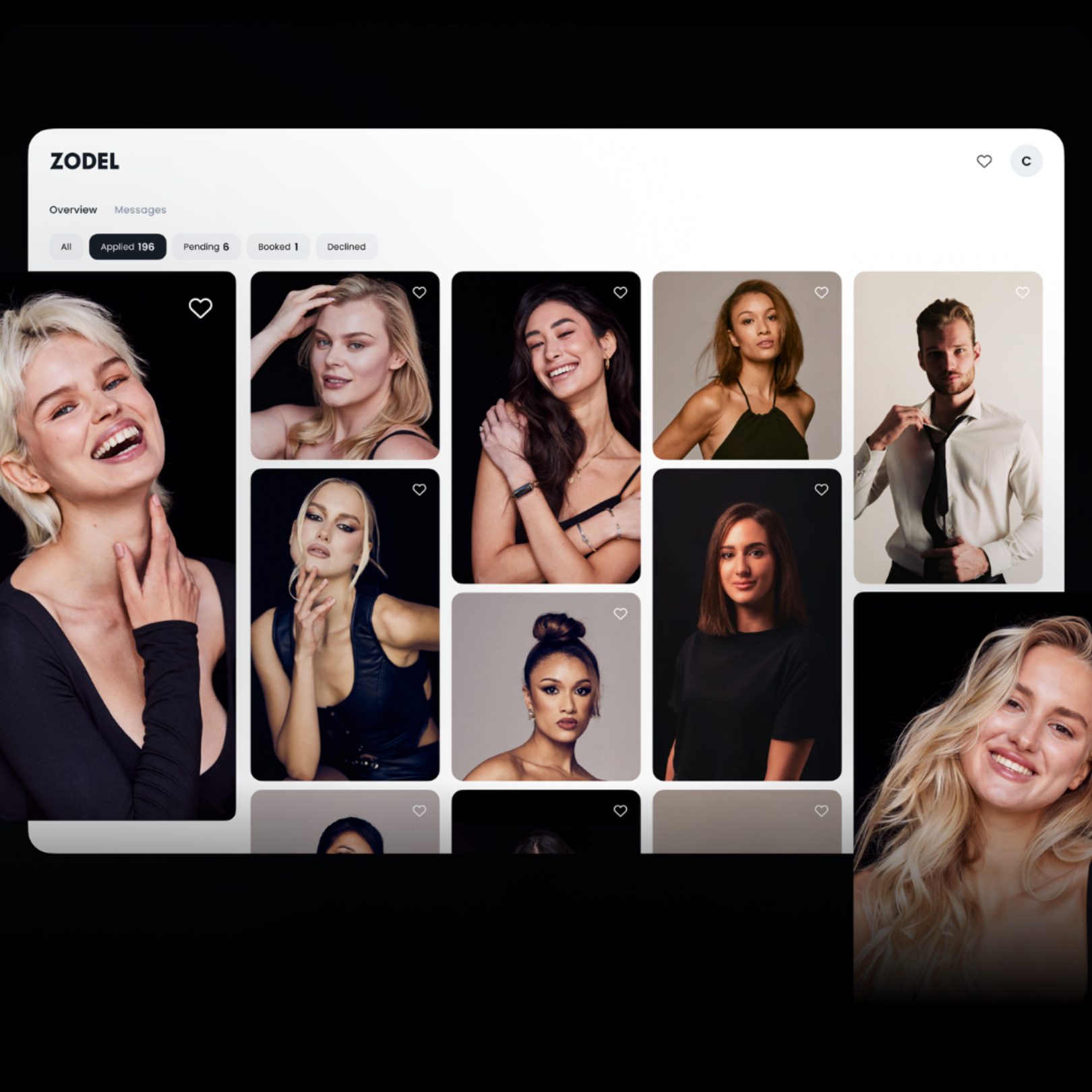

Zodel online model and talent casting via 360 MAGAZINE.

Casting Moves Faster Now: Why Brands Are Turning to Online Hiring

Creative work has changed. Campaigns launch faster, events are planned on shorter notice, and content cycles move nonstop. Yet for many years, model hiring stayed the same. Brands relied on agencies, waited for responses, and paid high fees just to move a project forward.

That gap between modern work and outdated hiring systems has pushed many brands to look for better tools. As fashion and culture media continue to highlight shifts in how creative teams operate, more brands are rethinking how talent is sourced and managed. Model hiring platforms are filling that space by offering simpler, more direct ways to book talent without the usual friction.

The Limits of Traditional Agency Models

Modeling agencies are built around layered processes. Brands often submit detailed requests, wait for replies, and review shortlists that may no longer reflect real availability. This can slow projects and limit flexibility.

Costs are another concern. Agency commissions often range from 10% to 40%, which can take a large portion of a creative budget. For brands working across multiple shoots or events, these fees quickly add up.

As a result, many teams now prefer systems that allow them to discover creative talents directly while still maintaining professional standards.

How Online Modeling Platforms Change the Process

Online casting platforms focus on clarity and speed. Instead of relying on intermediaries, brands can post roles, explore talent categories, and manage bookings in one place.

These modeling platforms give brands more visibility and control. Profiles are structured, availability is updated, and communication happens directly within the system. This helps teams move forward with confidence and avoid surprises later in the process.

Fashion and culture publications often cover how technology is reshaping creative work. Model hiring is part of this same evolution.

Inside Zodel: How Modern Casting Actually Works

Zodel modeling agency is one example of an online casting platform designed for today’s pace. It starts with speed. A job can be posted in under five minutes, removing friction at the very first step. Registration is free and requires only a phone number, which helps teams move forward without setup delays.

Once a project is live, the focus shifts from volume to relevance. Brands are shown only verified and available models, reducing wasted time and outdated profiles. Roles are often filled within 24 hours because availability is checked in real time and talent is filtered to fit the actual needs of the project, not just general categories.

Trust is built into every stage of the process. Both brands and models are verified, and completed projects include ratings and reviews. This creates a talent database where accountability matters and expectations are clear before work begins.

Payment handling also follows this same structure. Zodel modeling platform holds project funds securely until the job is completed. Models are paid within 24 hours after the work ends, while brands have a short window to review the outcome. This balance protects both sides and helps avoid common disputes seen in traditional workflows.

Cost transparency is another key shift. Traditional modeling agencies often take between 10% and 40%, which can quickly limit creative budgets. Zodel’s model database fee is as low as 5%, with no hidden charges and no long-term contracts. Brands keep more control over spending while still working within a professional system.

Casting no longer needs to happen from a desk, either. With full access on iOS and Android, teams can review profiles, chat with talent, manage jobs, and approve hours on the go. If questions or changes arise, 24/7 customer support is available for both clients and models, keeping projects moving even when plans shift.

Together, these elements reflect how casting is evolving — faster, clearer, and built around real working conditions instead of outdated processes.

Hire Models Faster Using Online Modeling Platforms

Here is a simple step-by-step look at how modern teams approach booking models:

  1. Define the role clearly: Brands start by outlining the project type, location, timing, and expectations.
  2. Post the role online: Jobs are shared through an online talent platform, often in just a few minutes, without long forms.
  3. Review verified profiles: Only available, verified models appear, helping brands avoid outdated or unreliable options.
  4. Confirm details and secure payment: Funds are held securely before the job begins, protecting both sides.
  5. Complete the project and close the loop: Once the work is done, payment is released, and both sides can leave reviews.

Why This Shift Matters for Creative Teams

For brands, the move to online hiring is not just about speed. It is about control and confidence. When timelines are tight, teams need to know who is available, how much a project will cost, and how payments will be handled before work begins.

Online modeling platforms reduce uncertainty. Clear profiles, visible availability, and structured communication help teams make decisions faster and with fewer risks. Instead of juggling emails, spreadsheets, and contracts, creative teams can focus on execution and results.

This approach also supports long-term planning. Brands can save trusted profiles, review past collaborations, and scale their hiring process as projects grow. Over time, this creates smoother workflows and more consistent outcomes across campaigns, events, and content production.

Conclusion

Casting is no longer a slow, behind-the-scenes process. As creative work accelerates, brands are rethinking how they find and manage talent. Online hiring platforms reflect this change by offering faster access, clearer costs, and systems built around trust and accountability.

The shift away from traditional agency models is not about removing professionalism. It is about aligning casting with how modern teams actually work. As technology continues to shape creative industries, online hiring is becoming the standard for brands that value speed, clarity, and control.

Frequently Asked Questions

1. How do online casting platforms help brands hire models faster?

Online casting platforms simplify the process by showing only verified and currently available models. Instead of waiting for agency replies or reviewing outdated lists, brands can see clear profiles, availability, and project details in one place. This helps teams move from planning to booking in a much shorter time frame.

2. Why are more brands choosing online hiring tools over traditional agencies?

Many brands value speed, transparency, and control. Online talent platforms allow teams to review profiles, ratings, availability, and rate guidance before confirming a booking. Secure payment handling, lower fees, and faster payouts for models also make these tools a better fit for modern projects with tight timelines.


What Parents Need to Know

By Chelsea Wagner, Lead Genetic Counselor at BillionToOne

How parents and doctors navigate pregnancy has evolved quickly in recent years. Innovative prenatal screening now makes it possible to learn about a baby’s risk for certain genetic conditions using only a simple maternal blood draw. Having this information early gives families more time to plan, connect with specialists, and consider new treatment options that may improve outcomes, even before birth. This type of screening is reshaping how parents and providers approach pregnancy care.

Understanding Prenatal Genetic Testing

There are two main types of genetic conditions all pregnant people are usually offered screening for—regardless of personal or family history:

  • Chromosomal conditions, like Down syndrome, usually occur randomly due to extra or missing chromosomes. Every pregnancy carries a small risk for these conditions, regardless of family history.

  • Other conditions, like cystic fibrosis, are inherited, or passed down through families. Parents who carry a gene change related to these conditions are healthy themselves and usually have no symptoms, so most people never know they are carriers. These are called recessive conditions, and a baby can only be affected when both parents are carriers of the same conditions.

Why Test for Genetic Conditions?

While the chance of having a baby with one of these conditions is generally low, learning about risk early in pregnancy gives families time, options, and reassurance. Early screening can help parents:

  • Decide whether diagnostic testing is right for them
  • Choose a birth plan that’s right for you and your baby, like a hospital with specialized care
  • Connect with specialists, like pediatric experts, sooner
  • Feel more informed and empowered throughout their pregnancy

Why Screening for Inherited Conditions Matters

The American College of Obstetricians and Gynecologists (ACOG) recommends that all pregnant patients be screened for certain inherited conditions, including cystic fibrosis and SMA. These conditions are more common than most people realize, and carriers typically have no symptoms.

Traditional screening identifies parental carrier status only (whether parents are carriers). New prenatal screening technology goes further and identifies a baby’s risk for certain chromosomal and inherited conditions directly from maternal blood. This innovative approach gives families clearer information sooner – when it can make the biggest difference.

In utero Innovation

One of the most exciting developments in prenatal care is the potential to treat certain genetic conditions before birth. For some conditions, treatments started shortly after birth already lead to life-changing improvement—but emerging research suggests that beginning treatment during pregnancy may offer even greater benefits.

Early fetal-risk assessment can help parents and providers identify which pregnancies may be candidates for today’s treatments as well as future in-utero therapies.


  • Spinal muscular atrophy: SMA affects the muscles used for breathing and movement. FDA-approved treatments have been shown to be effective when started as early as possible. Researchers are exploring whether treatment during pregnancy could preserve motor neuron function in the muscles prenatally.


  • Cystic fibrosis: CF affects the lungs and digestive system. New medications called CFTR modulators have transformed outcomes for those who start treatment early. Studies are now evaluating whether beginning therapy before birth might resolve certain ultrasound findings and promote pancreatic function.


  • Beta-thalassemia & Sickle Cell Disease: These red blood cell conditions cause anemia, organ damage, and other complications. Recently approved gene therapies are creating new possibilities for long-term improvement. Future approaches may allow certain babies to receive treatment before they’re born.


  • Alpha thalassemia: A condition that ranges widely in severity. Severe forms can cause complications during pregnancy, sometimes requiring in-utero interventions. Early identification can help ensure that these pregnancies receive specialized care.


A New Direction for Prenatal Testing

Prenatal testing today looks different because medicine is entering a new era—one where early, meaningful information can open the door to life-changing treatment options. Instead of the older, step-by-step approach that requires testing both parents, UNITY is a first-of-its-kind test that uses just one simple blood draw from the pregnant parent to estimate the baby’s risk for both chromosomal and inherited conditions.

This is possible thanks to UNITY’s unique molecular counting technology (QCTs), which can measure tiny fragments of fetal DNA with extraordinary precision. While the science behind it is complex, the promise is simple: clearer answers, earlier in pregnancy, for more families.

By giving clinicians and parents a clear, comprehensive view of fetal risk, they are empowered to take advantage of other advances in prenatal care at the time when early action matters most.

About the Author:

Chelsea Wagner is Lead Genetic Counselor at BillionToOne, a molecular diagnostics company with a mission to create powerful and accurate tests that are accessible to all. The company’s patented Quantitative Counting Templates™ (QCT™) molecular counting platform is the only multiplex technology that can accurately count DNA molecules at the single-molecule level.


Louis Vuitton announces Future as Friend of the House via 360 MAGAZINE.

Louis Vuitton Announces Future as Friend of the House

Louis Vuitton announces Future as Friend of the House. This collaboration underscores Louis Vuitton’s unwavering dedication to recognizing and celebrating talent across cultural landscapes, further solidifying the vibrant LVers community championed by Pharrell Williams, Men’s Creative Director.

The four-time Grammy Award-winning artist, widely acknowledged as one of the most influential and innovative recording artists of his generation, has also previously showcased his distinctive style in Louis Vuitton. Notably, at the 2025 Met Gala, themed “Superfine: Tailoring Black Style,” in a custom Louis Vuitton grey quarter-zip ensemble, layered with a tie, designed by Pharrell Williams. The announcement follows Future’s attendance at the Men’s Spring-Summer 2026 show in Paris, an invitation extended by his friend and creative collaborator, Pharrell Williams.

The American rapper, producer, and composer dominated headlines with the back-to-back releases of the chart-topping, critically acclaimed albums, We Don’t Trust You and We Still Don’t Trust You. These projects became an international phenomenon and further cemented Future’s status as a cultural trailblazer. Known for his relentless output and boundary-pushing artistry, Future has earned eleven number one albums and numerous chart-topping single, solidifying his place as one of today’s most influential artists.

Future embodies the core values of Louis Vuitton, including creativity, artistry, and a pioneering spirit that resonates with international audiences. His unique style and creative vision make him an invaluable addition to the Louis Vuitton family.

Louis Vuitton eagerly anticipates an inspiring and innovative journey with Future, celebrating this dynamic partnership and the exciting possibilities it holds.

For further information: louisvuitton.com