

Posts made in June 2026

FIFA Is Stripping Gambling Branding From World Cup Stadiums

But Sportsbooks Are Still Winning Big in 2026

There is something perfectly 2026 about a sporting event that demands you stop calling Hard Rock Stadium Hard Rock Stadium so it can pretend, for thirty-eight days in June and July, that gambling is not part of the modern football experience. The 2026 FIFA World Cup kicks off on 11 June in Mexico City and runs through the final on 19 July at MetLife Stadium in New Jersey. Across the United States, Canada, and Mexico, eleven host venues will spend the tournament wrapped in temporary new names, scrubbed of corporate logos, stripped of every visible reference to the betting brands that fund modern American sport. Hard Rock Stadium in Miami becomes Miami Stadium. AT&T Stadium in Arlington becomes Dallas Stadium. SoFi, Lincoln Financial, every venue that has ever taken a check from a sportsbook is required, by direct mandate from FIFA, to hide that relationship for the duration of the tournament.

The only exception is Mercedes-Benz Stadium in Atlanta, where the architectural integration of the logo into the building itself made physical removal impossible. Everywhere else, the rule is absolute. Out come the DraftKings lounge signs. Off come the BetMGM screen overlays. Down come the FanDuel branded zones. In their place go FIFA’s official partners, paying full freight for global visibility across one hundred and four matches in what is now the largest World Cup in the tournament’s history.

The Clean Venue Policy, Explained

FIFA’s clean venue policy is not new. The governing body has enforced versions of it at every World Cup since the modern sponsorship era began, prioritising the value of its official global partner tier above any pre-existing commercial relationships at host venues. What is new in 2026 is the aggressiveness of the enforcement and the scale of the commercial value being temporarily erased. The clean venue rule supersedes existing stadium sponsorship contracts. It overrides naming rights. It governs digital signage, in-stadium screen content, hospitality lounge branding, and concession stand logos. FIFA’s Circular No. 1938, issued on 1 August 2025, formalised the policy further by banning gambling-related branding inside Video Assistant Referee rooms, on-field referee review areas, and on referee jerseys for the duration of the tournament. The message from FIFA is unambiguous. Betting brands may fund the rest of football for the rest of the calendar year, but during the World Cup, they do not exist.

The Numbers FIFA Is Not Talking About

Here is where the contradiction sharpens. The 2022 World Cup, played in Qatar in winter to accommodate the heat, generated approximately $1.8 billion in legal sports wagers across American sportsbooks. That number was already a record for a single international football tournament in US history. For 2026, with the tournament expanding to forty-eight teams, kick-off times falling squarely inside US prime time, and three host nations all carrying mature regulated sports betting frameworks, industry projections sit between $3 billion and $4 billion in US wagering alone. Global wagering across regulated markets is forecast to exceed $35 billion. Those numbers are not coming down because of a clean-venue rule. If anything, they are climbing precisely because FIFA’s branding restrictions push the entire commercial relationship from the stadium into the screen, where the operators always wanted it.

The shift matters. A sportsbook logo on the side of a stadium is brand awareness. A sportsbook app on the phone of a fan watching the match is conversion. The clean venue policy effectively forces operators to compete on the platform where they already make their money, while simultaneously freeing them from a sponsorship category whose return on investment has been quietly debated inside the industry for years. The aesthetic loss of in-stadium visibility is, for most operators, balanced by the gain in marketing efficiency. Money that would have gone to physical branding flows instead into digital acquisition, influencer partnerships, and product-led campaigns timed to specific matches.

How the Operators Are Actually Playing It

The major US sportsbooks have spent the eighteen months leading into June 2026 reorganising their World Cup marketing around the assumption that they would have no visible presence inside the venues. FanDuel, the leading US operator by market share, has been building tournament-specific product features for the entire group stage, including same-game parlays customised for the unfamiliar fanbases that come with a tournament featuring forty-eight nations. Pre-tournament promotional structures, deposit-match offers, and FanDuel’s existing rewards programme have all been calibrated for the World Cup window, and dedicated landing pages tracking the FanDuel promo code updates and group-stage bonus structures have been live for weeks. DraftKings, BetMGM, Caesars, and Fanatics are running similarly aggressive digital playbooks, all built on the premise that the brand awareness battle is over before the tournament starts and the conversion battle begins the moment the first whistle blows in Mexico City.

The smart play, the operators have decided, is not to fight the FIFA branding policy. It is to lean into the fact that every fan watching the World Cup in the United States, Canada, or Mexico is, by definition, already inside a phone-first environment. They will be checking scores on their phones, watching highlights on their phones, following commentary on their phones, and, for a substantial percentage, placing wagers on their phones. The stadium is for atmosphere. The decision happens on the screen.

Why FIFA Actually Cares About This

It would be tempting to read FIFA’s policy as a principled stand against gambling in football. The reality is more commercial. FIFA earns its largest single revenue stream from the global sponsor tier that pays for the right to be the only consumer-facing brand inside the World Cup ecosystem. Coca-Cola, Adidas, Visa, Hyundai, and the rest of the official partner roster pay extraordinary fees in part because of the absolute visibility guarantee. If a Lays logo could share screen space with a BetMGM logo inside Miami Stadium, the value of the Lays deal would collapse overnight. The clean venue policy is, fundamentally, a contractual protection for the sponsors who have already paid. FIFA itself maintains a complicated relationship with gambling: it does not currently take direct sportsbook sponsorship at the top tier, but it operates a fantasy game ecosystem and licenses official data to wagering operators worldwide. The clean venue rule is not a rejection of gambling money. It is a controlled redirection of that money toward channels FIFA itself controls.

What This Says About 2026 Sports Culture

The most interesting layer of the clean venue conversation is what it reveals about the current state of the relationship between sports and gambling in American culture. Five years ago, the idea that nearly every NFL stadium, every NBA arena, and every MLB ballpark would carry a primary sportsbook partner would have seemed implausible. Today it is the baseline. The fact that FIFA can sweep all of that branding out of eleven major US venues for thirty-eight days, without meaningful protest from the operators whose logos are being scrubbed, is itself the story. The operators do not need the logos. The cultural saturation has already happened. The phones are already in pockets. The accounts are already opened. A clean venue, in 2026, is a curated photograph of a stadium. It is not a statement about gambling. It is a statement about which corporate logos get to appear in the photograph.

Walk into MetLife Stadium on 19 July for the final and you will see no FanDuel signs, no BetMGM lounges, no DraftKings overlays. The venue will be temporarily called New York/New Jersey Stadium. The branding will be Adidas, Coca-Cola, Visa, Hyundai. It will look, from the broadcast camera angle, like a deliberately neutral commercial environment, polished and globally legible. Meanwhile, inside the stadium, on roughly eighty thousand phones, an estimated several hundred million dollars in live in-play wagering will flow through American sportsbooks across the ninety minutes of the final and whatever extra time follows. The cleaned-up venue and the screen in your hand will tell two completely different stories about modern football. Both are true. Both, in 2026, are the same story.


7 Unique Skills You Can Learn in a Glass Blowing Workshop

Stepping into a professional hot shop offers an opportunity to engage with one of the most ancient crafts known to human history. Glass blowing workshops are designed to take beginners on a sensory journey where science meets creativity in a high-temperature environment. This article explores the technical and physical skills you will acquire as you transform molten material into beautiful art.

1. Mastering the Art of the Gather

The very first skill you will practise is the gather, which involves dipping a long metal blowpipe into a furnace heated to. Learn the precise hand-over-hand rotation required to collect a consistent gob of molten glass on the end of the pipe without it dripping off. This movement is much like twirling honey on a spoon, requiring a steady rhythm and a calm focus to maintain the balance of the glowing material.

2. Developing Breath Control for Inflation

The next challenge is to introduce air into the pipe to create the hollow bubble that forms the centre of your piece. Glass blowing is not about using maximum lung power but rather about applying a gentle and consistent pressure to expand the material slowly. Developing this internal sense of pressure is a unique physical skill that requires you to listen to the material and react to its changing resistance.

3. Using Gravity and Centrifugal Force

Working with a substance that is moving means you must learn how to use forces to shape your creation. You will practise swinging the blowpipe in a controlled arc to elongate the glass to widen the opening of a bowl. Attending a glass blowing workshop London, for instance, allows you to create curves and symmetrical forms that would be impossible to achieve through manual manipulation.

4. Shaping with Blocks and Marvers

To achieve a smooth finish, you will be introduced to tools like wooden blocks known as marvers. Learn how to roll the hot glass across the marver to chill the outer skin and create a cylindrical shape before you begin the blowing process. The wooden blocks, which are soaked in water to prevent them from burning, act as a cradle that allows you to refine the symmetry of your piece while it is still soft.

5. Applying Vibrant Colour and Pattern

One of the exciting parts of any workshop is learning how to incorporate beautiful colours and intricate patterns into your clear glass. You will practise rolling the molten glass through frit, which consists of small crushed grains of coloured glass that melt onto the surface. Also, you can learn how to create swirls or trails by pulling and twisting the sections with metal tweezers while the material is still pliable.

6. Navigating the Reheating Process

Discover how to use a secondary heating chamber, often called a glory hole, to keep it workable. You will develop the skill of flashing the glass, which involves rotating it in the intense heat just long enough to soften the surface without collapsing the entire structure. This requires a keen eye for the colour and glow of the material, as the shade of orange indicates how hot and soft the glass is at any given moment.

7. Executing a Clean Break and Finish

The final and perhaps most nerve-wracking skill you will acquire is the process of separating your finished piece from the blowpipe. Understand how to use a small amount of water to create a thermal shock at the neck of the glass, followed by a sharp tap that causes the piece to break away cleanly. Once separated, the piece is placed in an annealing oven to cool slowly over several hours.

Reflecting on Your Creative Journey

Participating in a hands-on workshop, you gain appreciation for the skill of the artisan and the properties of the material they work with every day. You deserve the chance to step away from your digital screens and engage in a process that is physically demanding and artistically fulfilling. The memories of the heat and the thrill of creation will stay with you long after your finished glass has cooled in the kiln.

Ellie Goulding returns with brand new single “Black Prada Dress,” hot on the heels of announcing her highly anticipated sixth studio album I Know Too Much, arriving 4 September via 360 MAGAZINE.

ELLIE GOULDING NEW SINGLE ‘BLACK PRADA DRESS’

‘One of the most cinematic singer-songwriters of our generation.’Vaughn Lowery, President, 360 MAGAZINE

Ellie Goulding returns with brand new single Black Prada Dress,” hot on the heels of announcing her highly anticipated sixth studio album I Know Too Much, arriving 4 September.

Premiered during Ellie’s set at BBC Radio 1’s Big Weekend 2026 over the bank holiday weekend, “Black Prada Dress” immediately sparked major fan reaction online, with clips rapidly circulating across social media. On Sunday (7 June), Ellie will return to Later… with Jools Holland to perform the single – a significant full-circle moment, having first appeared on the show in 2009 ahead of the release of her debut album.

Exploring the tension between perception and reality, Black Prada Dress is a caustic, self-aware portrait of the fractured selves we construct to survive, perform and protect ourselves – unravelling in real time.

An early glimpse into I Know Too Much, “Black Prada Dress” was written by Ellie and produced by the album’s executive producer Jack Rochon, who she discovered on TikTok while he was still relatively unknown. Long recognised for her instinct for emerging talent – having first discovered producer Starsmith at the beginning of her own career – Ellie immediately connected with Rochon creatively, with the pair shaping the album together over the past couple of years.

““Black Prada Dress” really sets the tone for “I Know Too Much”.  The album came from the idea that maybe we can know too much. There is a certain kind of freedom in the ease of not knowing. This album is a collection of songs that represent a crossroads in my life where I realized what the freedom of not knowing has gifted me in the past, yet a time when I am at the precipice of understanding the true power in knowing.

Through the chaos of this great change, I went to my comfort zone and found my refuge in the studio. My initial instinct was I didn’t know where it was all going, but I just knew I needed to be in the studio. Writing a song has always been my best form of therapy.” Ellie Goulding

One of the most successful artists of the 21st century, Ellie Goulding has amassed over 55 billion streams globally and sold more than 44 million albums. Among the top five most-streamed British female artists in the world, she holds the UK record for the most No.1 albums by a British female artist (tied with Adele), as well as the record for the most UK Singles Chart entries for any British female solo artist in history.

Ellie’s catalogue remains one of the most viral in pop, repeatedly trending on social media worldwide, with “Starry Eyed” recently returning to the UK Official Charts after reaching #1 on TikTok earlier this year – further cementing Ellie’s status as one of pop’s most enduring and influential voices.

PURCHASE

Follow Ellie Goulding

WEBSITE

INSTAGRAM

TIKTOK

X

The Rise of Bespoke Jewellery

Why Personalised Pieces Are Having a Moment

Bespoke jewellery is surging, driven by a simple wish: people want pieces that feel personal rather than mass-produced. From celebrity engagement rings to family heirlooms, buyers increasingly choose jewellery that carries meaning over jewellery that merely follows fashion.

Unlike off-the-shelf pieces, bespoke work is built around a client’s ideas. It usually begins with a consultation covering the occasion, budget, stones, metal, and design direction. Sketches or CAD renders then let the client see and refine the piece before any metal is cut, after which it is cast, set, and finished by hand.

Celebrity culture has accelerated the shift. Distinctive rings worn by Jennifer Lopez, Blake Lively, and the Princess of Wales show how an unusual stone or a sentimental detail can define a piece. One practical point is often missed: because custom work skips retail markups and brand premiums, it frequently costs no more than a comparable boutique piece.

The deeper pull is emotional. A custom piece can hold a birthstone, an inherited diamond, or a hidden engraving. In one recent Perth commission, a workshop melted a late father’s worn wedding band into his daughter’s engagement ring, so she could carry his gold down the aisle. No catalogue piece can do that.

Ethical sourcing matters too, with clients asking for recycled gold, lab-grown stones, or repurposed family gems. Among the jewellery stores in Perth, a trusted maker such as Stelios Jewellers can guide these choices and turn a personal idea into a wearable piece with lasting meaning.

Bespoke is not only for engagement rings. It suits anniversaries, milestone birthdays, memorial pieces, and graduation gifts. Wherever the story is specific, a ready-made design can feel ordinary, while a custom one fits the person and the moment.

Cost and timing are the usual worries, yet bespoke is more flexible than expected. Price follows the stone, metal, and complexity, and the timeline runs from a few weeks to a couple of months, so starting early leaves room to refine the design without pressure.

Above all, the trend reflects a quiet human desire: to wear something that is unmistakably yours. Personalised pieces offer beauty, memory, and craft in a way mass production simply cannot match.

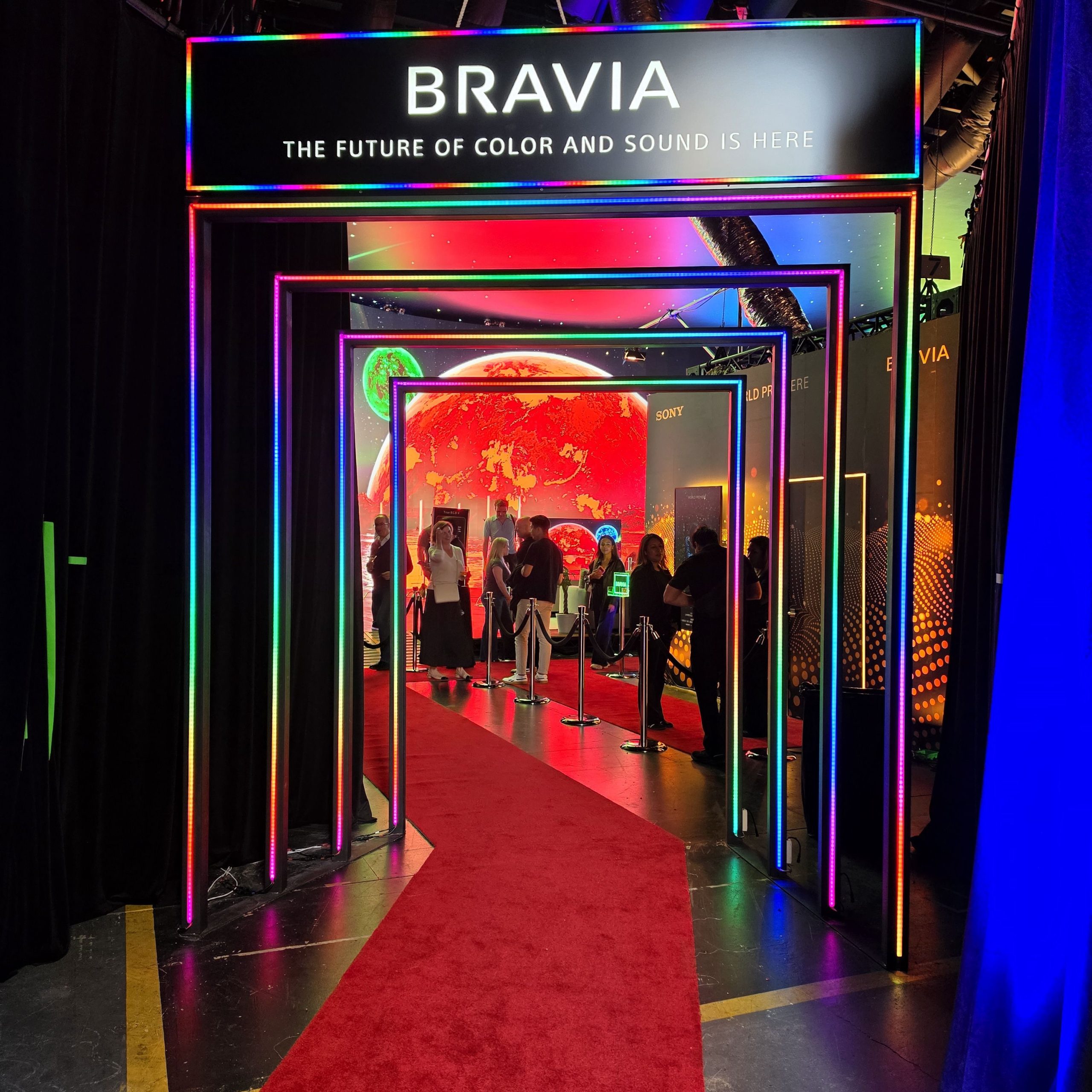
Sony Electronics Introduces BRAVIA® 9 II and BRAVIA 7 II RGB TVs and the BRAVIA Theater Trio via 360 MAGAZINE.

The Future of Color And Sound Is Here

Sony Electronics Introduces BRAVIA® 9 II and BRAVIA 7 II RGB TVs and the BRAVIA Theater Trio

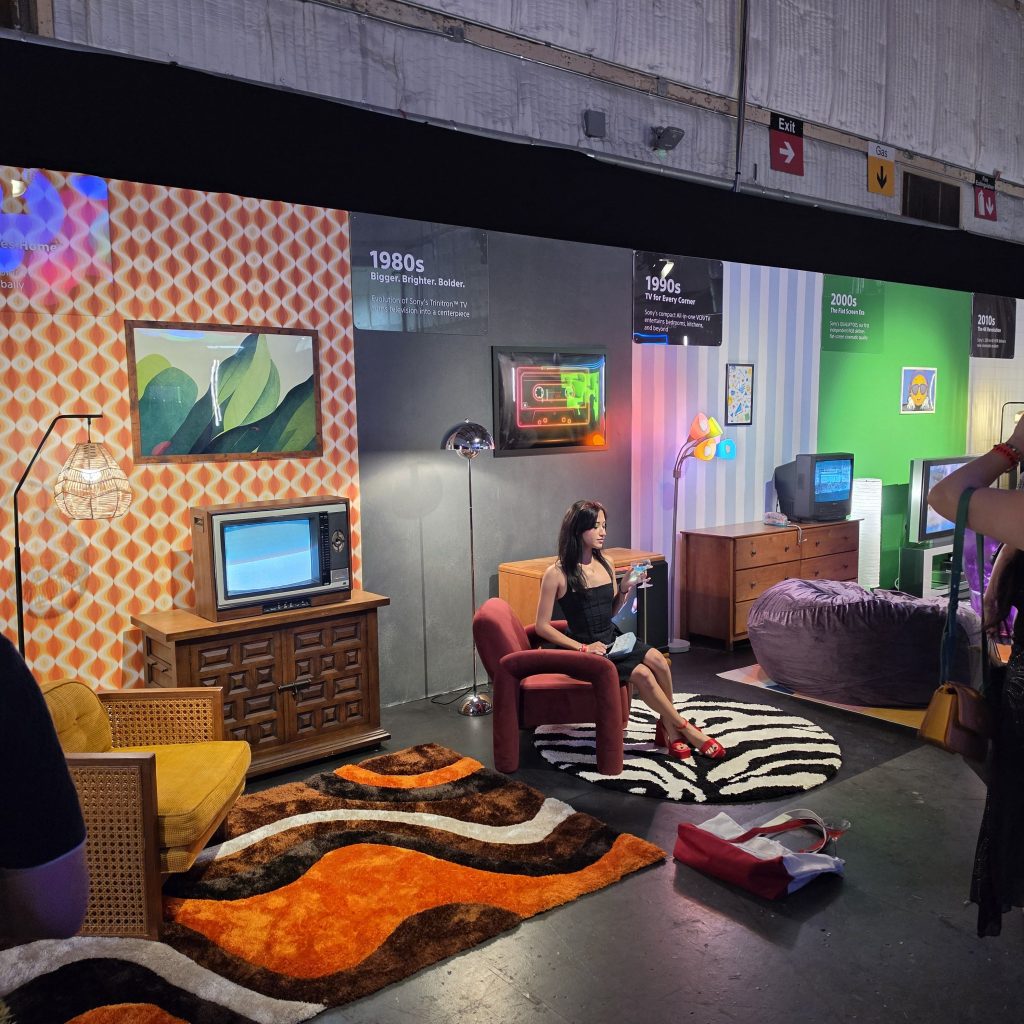
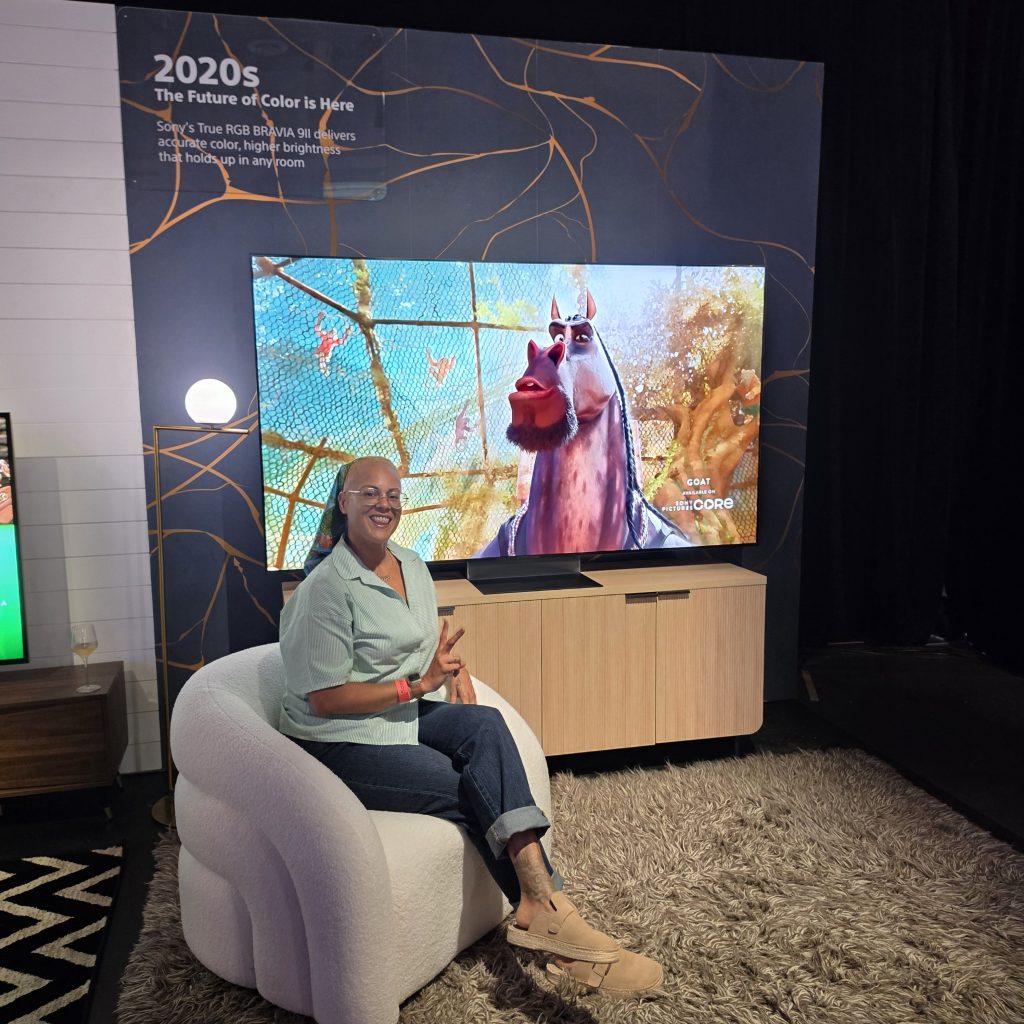
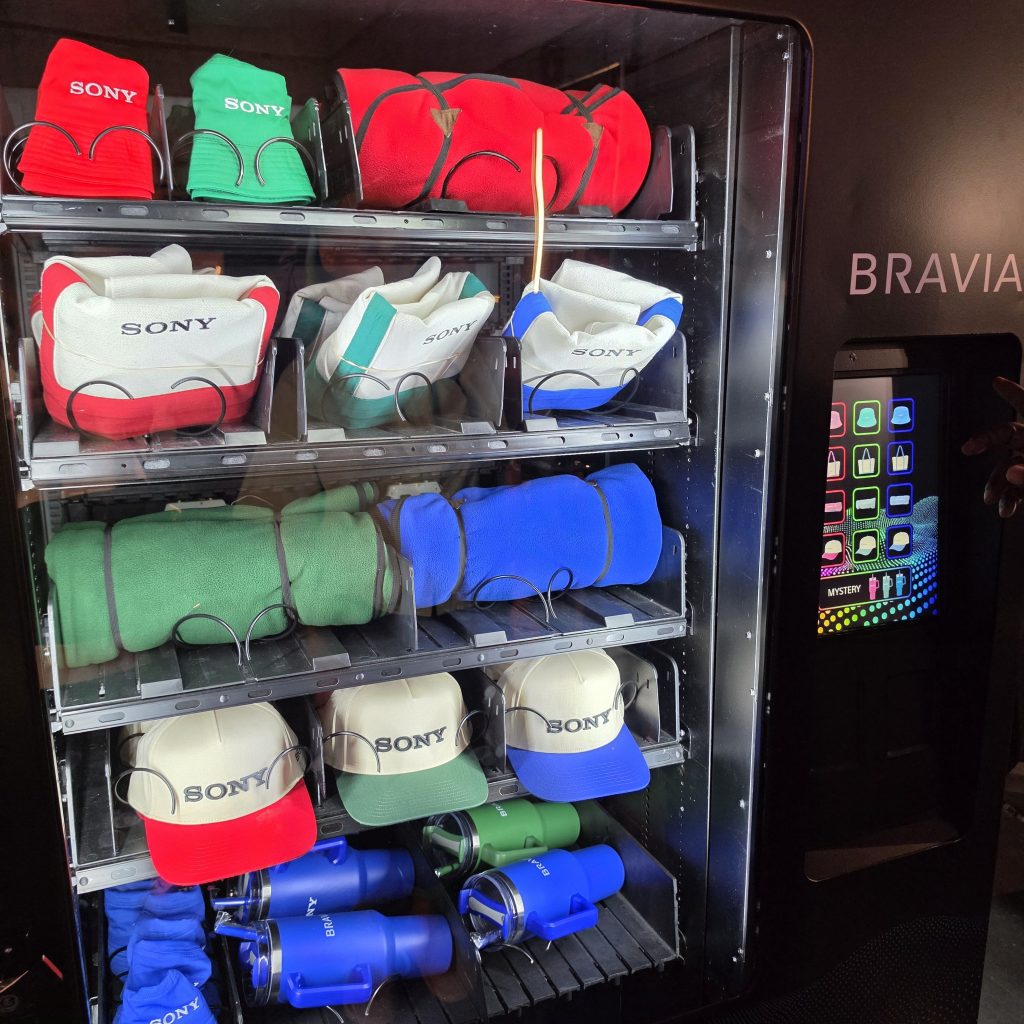
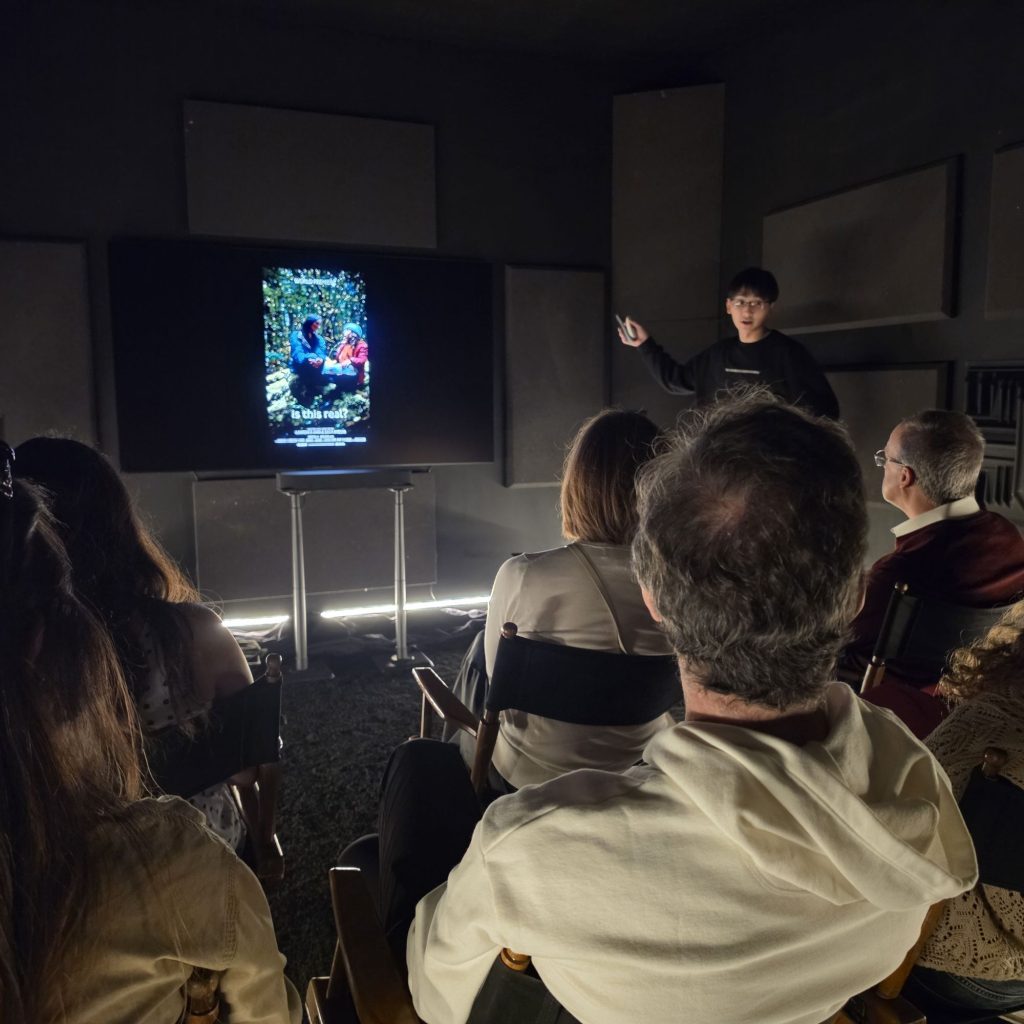
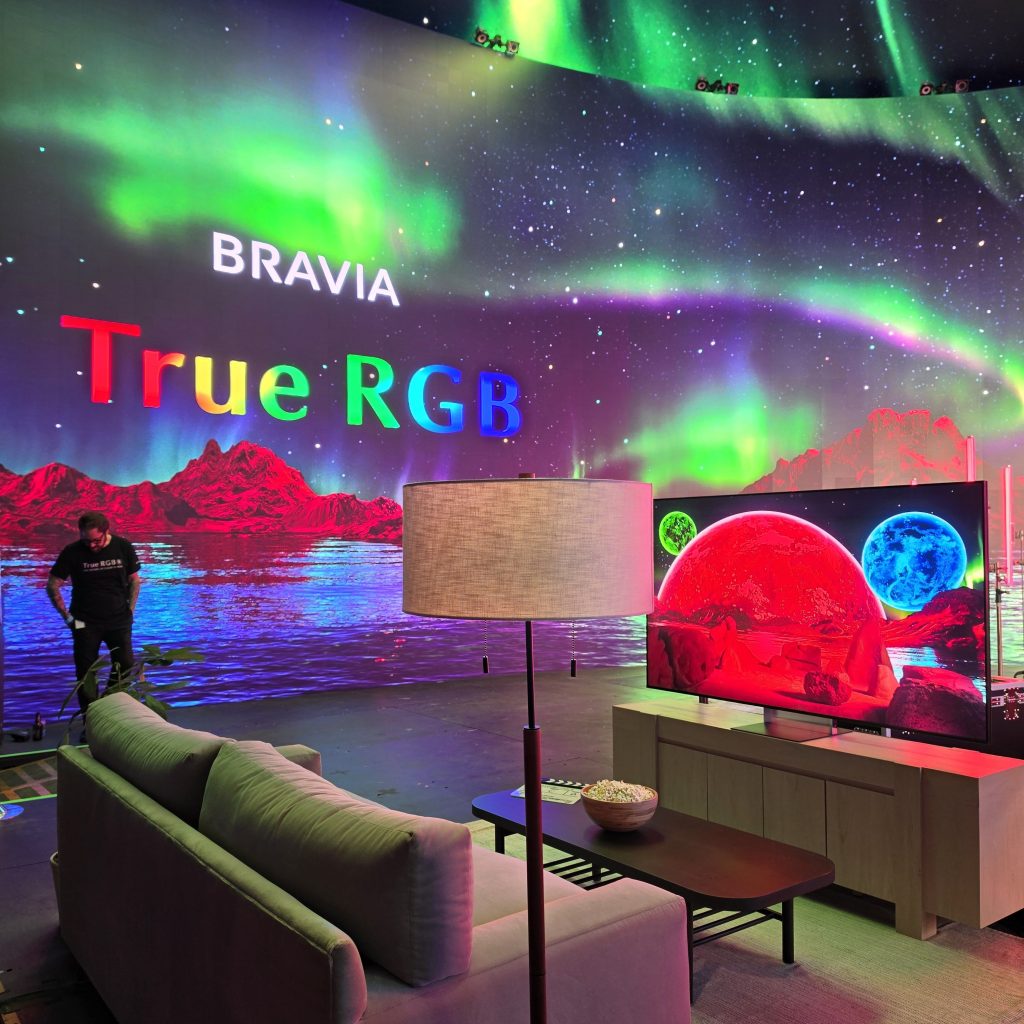
‘At a recent Sony Electronics experiential activation on the historic Sony Pictures Studios main lot in Culver City, we got a quick peek of this remarkable new technology. It comes equipped with a cutting-edge Mini-LED backlight system that emits RGB colors directly from the light source, resulting in some of the most vibrant and immersive visuals available.’Vaughn Lowery, Executive Director, 360 MAGAZINE

Sony Electronics Inc. advanced its “Cinema is Coming Home” message with the introduction of two BRAVIA® True RGB televisions, the new flagship BRAVIA 9 II TV, the BRAVIA 7 II TV, as well as the BRAVIA Theater Trio, a next-generation home audio system engineered to complement large screen cinematic viewing. The combination of TV and the Home Theater system, driven by Sony’s ongoing commitment to faithfully deliver the creator’s visual and audio intent, completes the ultimate cinematic experience at home.

Sony debuts its first True RGB BRAVIA TVs, featuring independently driven RGB LEDs, a new unique anti-glare and reflection screen, and a next-generation theater system all developed with insights from industry experts.

Sony Electronics Inc. advanced its “Cinema is Coming Home” message with the introduction of two BRAVIA® True RGB televisions, the new flagship BRAVIA 9 II TV, the BRAVIA 7 II TV, as well as the BRAVIA Theater Trio, a next-generation home audio system engineered to complement large screen cinematic viewing. The combination of TV and the Home Theater system, driven by Sony’s ongoing commitment to faithfully deliver the creator’s visual and audio intent, completes the ultimate cinematic experience at home.

Sony introduces two BRAVIA® True RGB televisions, the new flagship BRAVIA 9 II TV, the BRAVIA 7 II TV, as well as the BRAVIA Theater Trio, a next-generation home audio system engineered to complement large screen cinematic viewing.
BRAVIA 7 II: A new dimension of color with True RGB
BRAVIA 9 II: Sony’s most authentic color ever – Flagship True RGB
BRAVIA Theater Trio: Sony’s flagship model, expands sound far beyond the screen
Supported by SPE sound creator expertise, the Trio lets you experience at home the immersive sound crafted for film production.
Direct Connect: Easily enhance the bass and surround sound
Direct Connect allows compatible BRAVIA TVs to pair directly with optional wireless subwoofers and wireless rear speakers, without requiring a soundbar

The new TVs are powered by Sony’s proprietary RGB Backlight Master Drive Pro, which precisely controls independently driven red, green, and blue light sources, enabling the new BRAVIA True RGB TV models to achieve the largest color volume ever in Sony’s home TV history and deliver accurate color reproduction from wider viewing angles in bright home environments.

“Sony has been advancing LED control for over 20 years from our first independent RGB light sources in the Qualia 005, launched in 2004, through our flagship Backlight Master Drive premiering in 2016,” said Yoshihiro Ono, Head of Home Entertainment Business Unit, Sony Corporation. “Our new True RGB represents a breakthrough that combines the precision of individually controlled RGB LEDs with the best aspects of both Mini LED and OLED, giving viewers purer color, higher brightness, and picture accuracy that holds up in any room.”

BRAVIA 9 II and BRAVIA 7 II Shared Features:

  • First True RGB LED BRAVIA TVs: the BRAVIA 9 II and BRAVIA 7 II, each using independently driven red, green, and blue LEDs for precise color reproduction in bright living room environments.
  • Unprecedented Color Volume: Independent control of RGB LEDs achieves the largest color volume in Sony’s home TV history, delivering high color gamut, contrast, depth, and beautiful gradation. Powered by Sony’s RGB Backlight Master Drive Pro which drives each LED with high precision, improving brightness, reducing blooming, and producing purer color than conventional Mini LED displays.
  • Wide Viewing Angles: Independently driven RGB LEDs and the X-Wide Angle Pro ensure beautiful images and consistent colors from wide viewing angle.
  • Large Screen for Immersive Experience: The BRAVIA 9 II offers an impressive 115-inch class option for large format cinematic viewing, while the BRAVIA 7 II features screen sizes 50- to 98-inch class, both maintaining ease of installation and integration.
  • Smart Options: Discover more on Google TV*1 with Gemini*2. Gemini learns what you love and adapts to your questions to provide responses tailored to you – whether that’s your next favorite show, an educational deep dive, or seamless smart home control.
  • Elevated Audio Experience: Full range speakers*3 deliver a solid sound while enhancing dialogue clarity with Voice Zoom 3™, powered by AI. Also, our evolved 3D Surround Upscaling expands stereo to wider 3D surround.
  • Aesthetic Design: The flagship design integrates effortlessly into any space, featuring a wave‑textured bezel and a transparent center stand*4 that creates a floating, cable‑free look, allowing the screen to serve as décor even when not in use.

BRAVIA 9 II Add-on Features:

  • Sony’s most advanced expression of True RGB: Featuring newly developed LED controllers for the highest level of backlight control. This architecture produces purer primary light before the image reaches the panel, enabling expanded color volume powered by BRAVIA 9 II’s RGB Triluminos Max™ and Luminance Booster Pro, smoother gradation, and accurate hues at higher brightness levels, which are critical in brighter living rooms.
  • Immersive Black Screen Pro: A newly engineered glare-free and low-reflection unique screen treatment delivers rich, deep blacks even in bright living room environments*5. This allows viewers to immerse themselves more fully in films, revealing fine details even in dark scenes. Sony Pictures Entertainment participated in the evaluation of the surface film, helping ensure the TVs preserve the filmmaker’s intended picture quality across a variety of home lighting environments.
  • Immersive Audio Experience: Acoustic Multi-Audio+ with up-firing beam tweeters raises cinematic surround sound with powerful depth and true immersion*6.

Shared Cinema-Driven Features Across 9 II and 7 II

Both True RGB models include:

  • My Cinema, optimizing picture and sound for film first viewing
  • Ambient Optimization, automatically adapts picture and audio to room condition and viewing position
  • “Studio Calibrated” modes for platforms, including Netflix, Prime Video, and SONY PICTURES CORE*7 (availability varies by region)
  • Support for Dolby Vision®Dolby Atmos®DTS:X®*8and IMAX® Enhanced*9

The result is a viewing experience that maintains creator-intended color, depth, and detail under real-world conditions.

BRAVIA Theater Trio

The BRAVIA Theater Trio is a premium wireless theater system crafted for ultra large screens, developed to bring an authentic cinema experience into the home. To capture the passion and craftsmanship of sound creators at the heart of film production, the Trio was created in close collaboration with Sony Pictures Entertainment (SPE). Through this partnership, our team gained deep insight into professional sound making, with SPE sound creators involved from the earliest stages to refine every detail. The result is a newly designed three speaker system—optimized front left, right, and center speakers—that delivers a wide, immersive soundstage and clear dialogue in a space efficient package. Supported by SPE sound creator expertise, the Trio lets you experience at home the immersive sound crafted for film production*10.

“Sound design is integral to the cinematic experience and often drives the visceral impact of a scene,” said Tony Lamberti, Academy Award–nominated sound mixer. “The spatiality of the BRAVIA Theater Trio is exceptional; it fully envelops you in sound and delivers a truly immersive, cinematic experience in the home.”

“When we design sound for film, every choice is about guiding what the audience feels in a moment,” said Andrew DeCristofaro, sound designer at Sony Pictures Entertainment. “The BRAVIA Theater Trio brings that same intention into the home, letting people hear the detail, movement, and balance the way we meant it to be experienced.”

Sony’s 360 Spatial Sound Mapping-technology (360SSM) generates up to 24 phantom speakers to create a wide, cinematic sound field that envelops listeners from every direction. Developed with insights from Sony Pictures Entertainment, the technology is informed by an in-depth study of professional studio acoustics and the listening environments used in film production. By creating both direct sound and the natural reflections characteristic of cinemas, 360SSM transforms a room into an immersive audio space using only the existing speaker layout. The result is a multidimensional sound field that feels as though numerous speakers are placed throughout the room, faithfully conveying the depth, positioning, and nuance intended by filmmakers.

With a newly added high‑performance USB‑C microphone, the BRAVIA Theater Trio delivers enhanced measurement accuracy  and precise room calibration, creating immersive sound perfectly tuned to any space*11.

BRAVIA Theater Trio supports Dolby Atmos®, DTS:X®*8, and IMAX® Enhanced*9 for compatible content and can be expanded with optional subwoofers and rear speakers*13 including dual subwoofer configurations*15.

Other Updates

Direct Connect*14 allows compatible BRAVIA TVs to pair directly with optional wireless subwoofers and wireless rear speakers, without requiring a soundbar, enabling simple setups for deeper bass and more expansive surround when paired with the TV’s impressive speaker system*16.

Sustainability & Accessibility

Our TVs use recycled materials across the body, internal parts, and remote, including Sony original SORPLAS™. The BRAVIA 9 II is the first Sony TV product to use renewable plastic*17 created from used cooking oil and other renewable feedstocks. Components produced with the renewable plastic include the rear cover, one of the largest components, and some internal components such as optical components which are inherently difficult to produce with recycled materials*18. Additionally, the entire True RGB lineup benefits from power efficient RGB LED control by RGB Backlight Master Drive Pro.

A new inclusive remote control*19 improves accessibility through narration friendly design and tactile clarity.

Pricing & Availability

BRAVIA Theater TRIO has a suggested retail price of $2,199.99 USD / $ $2799.99 CAD and is available for pre-sale at SonyBest BuyAmazon and other authorized retailers.

For a full list of specs and information, please visit: https://electronics.sony.com/audio/soundbars/all-soundbars/p/hta8

BRAVIA TRUE RGB TV models, sizes, and prices:

  • BRAVIA 9 II TRUE RGB TV is available for pre-sale at Sony, and other authorized dealers.
    • 115″ Class (114.9″ diag): $30,999.99 USD MSRP / $41,999.99 CAD MSRP (available this fall)
    • 85″ Class (84.6″ diag): $6,499.99 USD MSRP / $8,999.99 CAD MSRP
    • 75″ Class (74.5″ diag): $4,599.99 USD MSRP / $6,499.99 CAD MSRP
    • 65″ Class (64.5″ diag): $3,599.99 USD MSRP / $4,999.99 CAD MSRP
  • BRAVIA 7 II TRUE RGB TV is available for sale at SonyBest Buy, and other authorized dealers.
    • 98″ Class (97.5″ diag): $8,999.99 USD MSRP / $12,999.99 CAD MSRP (available this summer)
    • 85″ Class (84.6″ diag): $3,999.99 USD MSRP / $5,599.99 CAD MSRP
    • 75″ Class (74.5″ diag): $3,099.99 USD MSRP / $4,399.99 CAD MSRP
    • 65″ Class (64.5″ diag): $2,599.99 USD MSRP / $3,699.99 CAD MSRP
    • 55″ Class (54.6″ diag): $2,099.99 USD MSRP / $2,999.99 CAD MSRP
    • 50″ Class (49.5″ diag): $1,599.99 USD MSRP / $2,249.99 CAD MSRP (available this summer)

7 Things to Consider When Selecting Water-Resistant Bike Lights for Trail Riding

Selecting the right lighting for off-road adventures is quite different from city riding because trail conditions present challenges. Water-resistant gear is vital because even a small amount of dampness can short-circuit cheaper electronics, leaving you stranded in the dark, far from home. This article explores seven things to consider when you are selecting water-resistant lights for your next trail ride.

1. Checking the Official Water Resistance Rating

The most reliable way to judge how well a light handles wet conditions is to look for its official Ingress Protection, or IP, rating on the packaging. For trail riding, you should look for a minimum of an IPX6 rating, which indicates the light is protected against high-pressure water streams from any direction. Having this certification gives you the confidence to ride through heavy rain or across shallow streams.

2. Evaluating the Quality of the Seals and Ports

While a rating is important, inspect the light to see how the charging ports and battery compartments are sealed against the elements. Most water-resistant bike lights use thick silicone or rubber covers that fit snugly over the USB ports to prevent grit and moisture from entering the sensitive electronics. If a seal feels loose or flimsy, it is likely that water will eventually find a way inside during a long, wet ride.

3. Assessing the Brightness and Beam Pattern

A good trail light should offer a high lumen output that illuminates not just the ground directly in front of you, but also the sides of the track. This peripheral vision is essential for navigating tight corners and spotting changes in the terrain before you reach them. Many off-road lights feature a dual-beam system where one lens focuses on distance while the other provides a broad flood of light for the surroundings.

4. Considering the Battery Life and Power Indicators

When you are out in the middle of a forest, running out of battery can be a serious safety issue, so you must choose a light with sufficient runtime for your longest trips. You should look for models that provide clear information about how long the battery will last on different brightness settings. Many professional lights now include easy-to-read LED indicators that change colour as the battery drains.

5. Looking for Impact Resistance and Build Quality

Water-resistant lights for trail use should also be built to survive the inevitable bumps and occasional drops that come with off-road cycling. Materials like aircraft-grade aluminium or reinforced polymers are excellent choices because they offer a high strength-to-weight ratio. Investing in a ruggedly built light means it will last through many seasons of tough, muddy, and adventurous riding.

6. Inspecting the Mounting System Stability

See for mounts that use heavy-duty straps or bolted clamps that can be tightened onto your handlebars. Some trail riders prefer a helmet-mounted light because it shines wherever they look, which helps them see around sharp bends or check mechanical issues. The mount should also be easy to operate with gloved hands, as you might need to adjust the angle or remove the light while you are out in the cold.

7. Reviewing the Ease of Maintenance and Cleaning

A well-designed water-resistant light should be easy to wipe down or even rinse under a tap. Avoid designs with too many deep crevices where dirt can become trapped, as this can interfere with the operation of the switches or the cooling fins. Keeping your equipment clean not only makes it look better but also ensures that the seals remain effective and the light output stays at its brightness.

Key Insights for Your Next Trail Light Purchase

Selecting the right lighting for your off-road adventures is about finding a balance between powerful performance and extreme environmental protection. When you invest in high-quality gear that is specifically designed for the trail, you are ensuring that your focus remains on the joy of the ride. Taking the time to choose the best possible lights will make every night ride a professional experience.

Internet connection article via 360 MAGAZINE.

7 Tips for Preparing Your Dog for a Boarding Stay

Entrusting your companion to a facility is a big step, yet proper preparation ensures that the transition remains seamless. By taking a bold approach to your dog’s stay, you can foster a sense of security and familiarity that helps them settle into their temporary home with ease. This blog explores strategies to get your pup ready for their holiday so that you can enjoy your time away with peace of mind.

1. Start with a Trial Stay to Build Confidence

Introducing your dog to the boarding environment allows them to become familiar with the new sights and sounds. This initial exposure helps reduce any anxiety by showing your pet that you will always return to collect them after a period of fun and socialisation. During this visit, the staff can observe your dog’s temperament and preferences to ensure they are placed in the most suitable playgroups.

2. Keep Vaccinations and Health Checks Current

Ensuring that your furry friend is up to date on all vaccinations and preventive treatments is a requirement at any reputable dog boarding facility. Schedule a visit to your local vet well in advance to confirm that your dog is protected against common illnesses like kennel cough and parvovirus. Providing the facility with clear documentation gives you the confidence that all guests are being kept healthy.

3. Maintain a Consistent Feeding Schedule

Sudden changes in diet can lead to digestive upset, especially when a pet is adjusting to a new environment. To avoid any tummy troubles, provide the boarding staff with your dog’s regular food along with portion sizes and feeding times. Maintaining this consistency provides a sense of normalcy for your pet, helping them feel more at home while they are staying away from their usual surroundings.

4. Pack Familiar Items from Home

Bringing along a favourite blanket or an old t-shirt that carries your scent can provide comfort to a dog in an unfamiliar setting. These items act as sensory anchors that remind your pet of the safety and warmth of your home, lowering their stress levels during quiet periods or overnight. Having something familiar to snuggle with makes the boarding suite, which encourages your dog to relax and get the rest they need.

5. Share Detailed Personality Notes with Staff

Every dog possesses a set of quirks, fears, and preferences that the boarding team should understand. Communicate whether your dog prefers gentle head scratches over belly rubs or if they feel nervous around loud noises. Detailed information regarding their social style and energy levels allows the carers to tailor activities and interactions to suit your dog’s specific emotional and physical requirements.

6. Adjust Exercise Routines Gradually Beforehand

If your dog is used to an active lifestyle, ensure they are well-exercised in the days leading up to their stay to help them burn off excess nervous energy. Conversely, if they are couch potatoes, letting the staff know their activity level helps them manage your pet’s expectations for playtime. Finding a balance in their energy levels ensures they arrive in a calm state, making the initial intake process much smoother.

7. Practise Calm Goodbyes at Drop-Off

Dogs are sensitive to human emotions, so maintaining a positive attitude helps your pet feel that the situation is safe. While it might be tempting to give a long goodbye, a quick departure prevents your dog from picking up on any lingering anxiety or sadness you might feel. Trusting the professional team to take over allows your dog to focus on the new friends they are about to meet and the adventures ahead.

Preparing for a Successful Homecoming

When you finally return to collect your dog, you might notice they are extra tired or perhaps a bit more vocal. It is normal for pets to sleep deeply for a day or two after boarding as they recover from the high stimulation of a social space. By following these steps, you ensure that your dog views boarding as a positive experience, making every future visit something they can look forward to with a wagging tail.

Why a Reliable Printer is the Most Efficient Choice for Small Business Operations

Choosing a reliable Brother printer is a step for any small business looking to enhance its daily productivity. Glitches can disrupt your creative flow and delay client interactions, making the choice of hardware a vital part of your operational strategy. This article explores why these machines have become a staple in modern workspaces by offering durability, speed, and cost-effective performance.

Maximising Daily Productivity with Fast Print Speeds

Having a machine that can handle large document batches quickly is essential for a smooth workflow. These printers are engineered to reach full speed, ensuring that you are not left waiting by the tray for your reports or invoices to finish. This allows you to move from one task to the next without unnecessary pauses, which is beneficial when you are preparing for a major meeting or a new product launch.

Achieving Professional Results with High-Resolution Output

You can rely on these machines to produce consistent results, whether you are printing an internal memo or a marketing brochure for a potential partner. This level of precision ensures that every detail of your design is captured accurately. When your physical documents look polished and professional, you build a greater sense of trust and authority with everyone who interacts with your company.

Lowering Long-Term Costs Through Efficient Resource Use

Choosing a printer with a low cost per page is a smart way to manage your ongoing overheads. Many models feature high-yield toner options and automatic double-sided printing, which help you save money on supplies and paper over the life of the machine. This efficiency does not come at the expense of quality, as the internal systems are designed to use the right amount of ink or toner for every job.

Integrating Seamlessly with Modern Digital Workflows

Modern printers offer a range of connectivity options to suit your working style. You can easily print directly from your smartphone or tablet, allowing you to handle urgent requests even when you are not sitting at your desk or connected to a traditional network. Having a machine that speaks the same language as your other tech tools ensures that your office remains a connected and functional space.

Ensuring Stability with Durable Hardware and Build Quality

Small business operations can be demanding on office gear, making the structural integrity of your printer a factor in your success. These machines are built with robust components designed to handle high volumes of work without paper jams. Investing in a sturdy machine reduces the need for expensive repairs and ensures that your office infrastructure remains a stable foundation for your daily work.

Simplifying Maintenance with User-Friendly Internal Designs

Brother printer units are designed with clear access points and maintenance procedures in mind. You can easily replace toner cartridges or clear the occasional paper path yourself, which prevents the need for costly technician visits. The interface and helpful on-screen prompts guide you through every step of the process, ensuring that even the most technical tasks are easy to manage for anyone in the office.

Reducing Your Environmental Footprint in the Office

Choosing energy-efficient hardware is a way to contribute to a greener working environment. You will find that many models are equipped with deep-sleep modes and low-power consumption ratings that help reduce your total electricity usage over time. Furthermore, the ability to recycle your used cartridges through dedicated programmes ensures that your office waste is handled responsibly.

Enhancing Your Daily Office Workflow

Buying a premium printer provides everything you need to manage your documents with total confidence. You have seen how the right hardware choice reduces stress, saves money, and allows you to focus your energy on the creative and strategic parts of your work. That’s why you should experience the benefits of a printing solution that truly supports your long-term goals and professional ambitions.

How Sudden Cargo Shifts Trigger Catastrophic Highway Articulation Accidents

Driving an eighteen wheeler safely involves much more than steering, accelerating, and braking. Every trip depends on maintaining proper balance between the tractor and trailer, especially when hauling thousands of pounds of freight across busy highways and interstates.

When cargo is loaded correctly, the trailer remains stable during lane changes, curves, and sudden traffic adjustments. Problems begin when freight is improperly secured or unevenly distributed. Under certain conditions, that load can move unexpectedly and alter the truck’s center of gravity in an instant.

A sudden shift inside the trailer can create powerful forces that push against the tractor and reduce overall stability. Once that balance is lost, a driver may struggle to regain control before the situation escalates. Investigating the causes of these serious crashes often requires specialized knowledge of commercial trucking operations and the mechanical forces involved in jackknife accidents.

When Braking Becomes a Dangerous Trigger

Most drivers have experienced their vehicle sliding slightly on a wet roadway. In a passenger car, that moment can be unsettling. In a fully loaded commercial truck, the consequences can be far more severe.

Large trucks require significantly greater stopping distances than smaller vehicles. If a driver brakes too aggressively on slick pavement, the trailer may begin losing traction before the tractor does. Once the trailer starts moving independently, the entire vehicle combination can become unstable.

As the trailer swings outward, it may fold toward the tractor at an angle resembling a partially closed pocketknife. This rapid loss of alignment can block multiple lanes of traffic within seconds. Rain, snow, ice, and improper braking techniques often create the conditions that allow a routine traffic situation to become a major highway emergency.

The Importance of Proper Weight Distribution

The way freight is loaded into a trailer plays a major role in overall vehicle stability. Even experienced drivers can encounter problems if cargo was improperly positioned before the trip began.

Federal regulations establish detailed requirements for weight distribution because uneven loads create predictable safety hazards. Excessive weight concentrated in one area can affect steering response, braking performance, and the truck’s ability to navigate turns safely.

Loading crews, warehouse personnel, and shipping companies all play a role in ensuring cargo is properly balanced. When those responsibilities are ignored, the risks extend far beyond the trucking company itself. An improperly loaded trailer can become increasingly unstable as the vehicle travels, particularly during emergency maneuvers or adverse weather conditions.

What Electronic Data Reveals After a Crash

Modern commercial trucks generate a significant amount of electronic information during operation. This data often becomes an important piece of evidence after a serious collision occurs.

Electronic logging devices and onboard monitoring systems can record information related to speed, braking activity, steering inputs, and other vehicle operations. Investigators frequently review this data to better understand what happened in the moments leading up to a crash.

These records help reconstruct the sequence of events with greater accuracy than witness recollections alone. For example, data may reveal whether sudden braking occurred, how sharply the driver turned the steering wheel, or whether the vehicle was traveling too fast for conditions. Combined with physical evidence, electronic records often provide valuable insight into the causes of a truck articulation event.

When Responsibility Extends Beyond the Driver

Many people assume the truck driver is automatically responsible whenever a commercial vehicle crashes. In reality, trucking accidents often involve multiple parties whose actions contributed to the outcome.

A third party shipping company may have loaded the cargo improperly. A warehouse crew may have failed to secure freight correctly. In some situations, maintenance contractors or trucking companies may have overlooked equipment issues that affected vehicle performance.

Determining liability requires a thorough investigation into every stage of the transportation process. Attorneys frequently examine shipping records, loading procedures, inspection reports, and electronic data to identify all responsible parties. When multiple entities contributed to the conditions that caused the crash, responsibility may be shared among several defendants rather than resting solely with the driver.

Conclusion

Jackknife collisions rarely result from a single factor. They often develop through a combination of loading errors, roadway conditions, driver actions, and mechanical forces that build rapidly once stability is compromised.

Because commercial trucks are substantially larger and heavier than passenger vehicles, the consequences can be devastating when control is lost. Careful loading practices, proper training, and compliance with safety regulations all help reduce the likelihood of these serious incidents.

Holding negligent shipping companies, loading crews, and other responsible parties accountable encourages safer practices throughout the transportation industry. Strong accountability not only helps injured victims pursue compensation, it also promotes higher safety standards that benefit everyone who shares the road with commercial trucks.

10 Types of Kitchen Cabinet Handles and When to Use Each One

Choosing the right kitchen cabinet handles is a subtle yet impactful decision that can elevate both the functionality and aesthetic of your kitchen. In Australian homes, where design often balances practicality with modern style, selecting appropriate hardware is essential. Below are ten popular types of kitchen cabinet handles, along with guidance on when to use each one.

Bar Handles (T-Bar Handles)

Bar handles are among the most popular choices in contemporary kitchens. Their clean, linear design suits modern and minimalist interiors. These handles are ideal for larger drawers and cabinets, offering a comfortable grip and a sleek appearance.

Best used for: Modern kitchens, large drawers, and high-traffic areas.

Cup Pulls

Cup pulls, also known as bin pulls, have a semi-circular shape and are commonly associated with traditional or farmhouse-style kitchens. They provide a classic look while remaining practical.

Best used for: Traditional kitchens, shaker cabinetry, and drawers.

Knobs

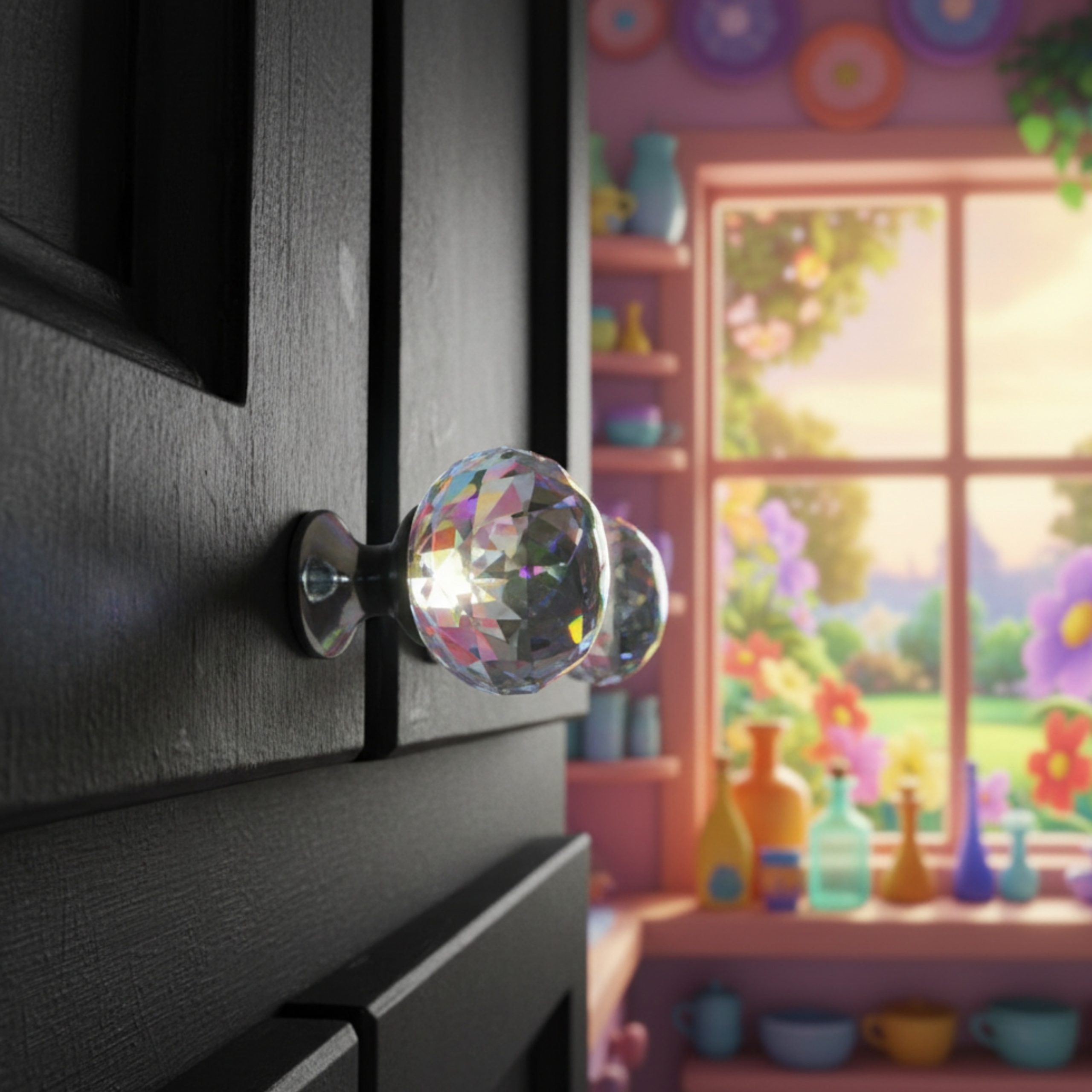
Knobs are compact and versatile, available in a wide range of materials and designs. They are easy to install and can be used alone or paired with other handle types.

Best used for: Small cabinet doors, budget-friendly renovations, and classic kitchen designs.

Pull-Out Handles (Recessed Handles)

Recessed handles are built into the cabinet surface, creating a seamless and flush finish. This style is perfect for achieving a streamlined look.

Best used for: Ultra-modern kitchens, small spaces, and handle-less designs.

Finger Pulls

Finger pulls are subtle grooves or lip-like extensions that allow you to open cabinets without protruding hardware. They maintain a clean and uncluttered appearance.

Best used for: Minimalist kitchens and contemporary cabinetry.

D-Shaped Handles

D-shaped handles feature a curved design that is both ergonomic and visually appealing. They are a practical choice for everyday use.

Best used for: Family kitchens, high-use cabinets, and transitional styles.

Arch Pull Handles

Similar to D-shaped handles but more decorative, arch pulls add a touch of elegance to cabinetry. They can complement both classic and modern designs.

Best used for: Transitional kitchens and decorative cabinetry.

Edge Pulls

Edge pulls are mounted on the top edge of cabinet doors or drawers, often remaining partially hidden. They provide a discreet alternative to traditional handles.

Best used for: Modern kitchens and handle-minimal designs.

Drop Handles

Drop handles feature a pendant-like design that hangs from a fixed mount. They are often decorative and used to enhance traditional aesthetics.

Best used for: Vintage or heritage-style kitchens and statement cabinetry.

Integrated Handles

Integrated handles are built directly into the cabinet design, often as routed grooves or channels. They eliminate the need for additional hardware.

Best used for: Contemporary and high-end kitchens focused on clean lines.

Final Considerations

When selecting kitchen cabinet handles, consider factors such as ergonomics, maintenance, and overall kitchen style. In Australian homes, durability is particularly important due to varying climates, so materials like stainless steel, brass, and aluminium are popular choices.

Ultimately, the right handle should complement your cabinetry while enhancing usability. By understanding the different types available and their ideal applications, you can create a kitchen that is both functional and visually cohesive.