Posts made in June 2026

How Sudden Cargo Shifts Trigger Catastrophic Highway Articulation Accidents

Driving an eighteen wheeler safely involves much more than steering, accelerating, and braking. Every trip depends on maintaining proper balance between the tractor and trailer, especially when hauling thousands of pounds of freight across busy highways and interstates.

When cargo is loaded correctly, the trailer remains stable during lane changes, curves, and sudden traffic adjustments. Problems begin when freight is improperly secured or unevenly distributed. Under certain conditions, that load can move unexpectedly and alter the truck’s center of gravity in an instant.

A sudden shift inside the trailer can create powerful forces that push against the tractor and reduce overall stability. Once that balance is lost, a driver may struggle to regain control before the situation escalates. Investigating the causes of these serious crashes often requires specialized knowledge of commercial trucking operations and the mechanical forces involved in jackknife accidents.

When Braking Becomes a Dangerous Trigger

Most drivers have experienced their vehicle sliding slightly on a wet roadway. In a passenger car, that moment can be unsettling. In a fully loaded commercial truck, the consequences can be far more severe.

Large trucks require significantly greater stopping distances than smaller vehicles. If a driver brakes too aggressively on slick pavement, the trailer may begin losing traction before the tractor does. Once the trailer starts moving independently, the entire vehicle combination can become unstable.

As the trailer swings outward, it may fold toward the tractor at an angle resembling a partially closed pocketknife. This rapid loss of alignment can block multiple lanes of traffic within seconds. Rain, snow, ice, and improper braking techniques often create the conditions that allow a routine traffic situation to become a major highway emergency.

The Importance of Proper Weight Distribution

The way freight is loaded into a trailer plays a major role in overall vehicle stability. Even experienced drivers can encounter problems if cargo was improperly positioned before the trip began.

Federal regulations establish detailed requirements for weight distribution because uneven loads create predictable safety hazards. Excessive weight concentrated in one area can affect steering response, braking performance, and the truck’s ability to navigate turns safely.

Loading crews, warehouse personnel, and shipping companies all play a role in ensuring cargo is properly balanced. When those responsibilities are ignored, the risks extend far beyond the trucking company itself. An improperly loaded trailer can become increasingly unstable as the vehicle travels, particularly during emergency maneuvers or adverse weather conditions.

What Electronic Data Reveals After a Crash

Modern commercial trucks generate a significant amount of electronic information during operation. This data often becomes an important piece of evidence after a serious collision occurs.

Electronic logging devices and onboard monitoring systems can record information related to speed, braking activity, steering inputs, and other vehicle operations. Investigators frequently review this data to better understand what happened in the moments leading up to a crash.

These records help reconstruct the sequence of events with greater accuracy than witness recollections alone. For example, data may reveal whether sudden braking occurred, how sharply the driver turned the steering wheel, or whether the vehicle was traveling too fast for conditions. Combined with physical evidence, electronic records often provide valuable insight into the causes of a truck articulation event.

When Responsibility Extends Beyond the Driver

Many people assume the truck driver is automatically responsible whenever a commercial vehicle crashes. In reality, trucking accidents often involve multiple parties whose actions contributed to the outcome.

A third party shipping company may have loaded the cargo improperly. A warehouse crew may have failed to secure freight correctly. In some situations, maintenance contractors or trucking companies may have overlooked equipment issues that affected vehicle performance.

Determining liability requires a thorough investigation into every stage of the transportation process. Attorneys frequently examine shipping records, loading procedures, inspection reports, and electronic data to identify all responsible parties. When multiple entities contributed to the conditions that caused the crash, responsibility may be shared among several defendants rather than resting solely with the driver.

Conclusion

Jackknife collisions rarely result from a single factor. They often develop through a combination of loading errors, roadway conditions, driver actions, and mechanical forces that build rapidly once stability is compromised.

Because commercial trucks are substantially larger and heavier than passenger vehicles, the consequences can be devastating when control is lost. Careful loading practices, proper training, and compliance with safety regulations all help reduce the likelihood of these serious incidents.

Holding negligent shipping companies, loading crews, and other responsible parties accountable encourages safer practices throughout the transportation industry. Strong accountability not only helps injured victims pursue compensation, it also promotes higher safety standards that benefit everyone who shares the road with commercial trucks.

10 Types of Kitchen Cabinet Handles and When to Use Each One

Choosing the right kitchen cabinet handles is a subtle yet impactful decision that can elevate both the functionality and aesthetic of your kitchen. In Australian homes, where design often balances practicality with modern style, selecting appropriate hardware is essential. Below are ten popular types of kitchen cabinet handles, along with guidance on when to use each one.

Bar Handles (T-Bar Handles)

Bar handles are among the most popular choices in contemporary kitchens. Their clean, linear design suits modern and minimalist interiors. These handles are ideal for larger drawers and cabinets, offering a comfortable grip and a sleek appearance.

Best used for: Modern kitchens, large drawers, and high-traffic areas.

Cup Pulls

Cup pulls, also known as bin pulls, have a semi-circular shape and are commonly associated with traditional or farmhouse-style kitchens. They provide a classic look while remaining practical.

Best used for: Traditional kitchens, shaker cabinetry, and drawers.

Knobs

Knobs are compact and versatile, available in a wide range of materials and designs. They are easy to install and can be used alone or paired with other handle types.

Best used for: Small cabinet doors, budget-friendly renovations, and classic kitchen designs.

Pull-Out Handles (Recessed Handles)

Recessed handles are built into the cabinet surface, creating a seamless and flush finish. This style is perfect for achieving a streamlined look.

Best used for: Ultra-modern kitchens, small spaces, and handle-less designs.

Finger Pulls

Finger pulls are subtle grooves or lip-like extensions that allow you to open cabinets without protruding hardware. They maintain a clean and uncluttered appearance.

Best used for: Minimalist kitchens and contemporary cabinetry.

D-Shaped Handles

D-shaped handles feature a curved design that is both ergonomic and visually appealing. They are a practical choice for everyday use.

Best used for: Family kitchens, high-use cabinets, and transitional styles.

Arch Pull Handles

Similar to D-shaped handles but more decorative, arch pulls add a touch of elegance to cabinetry. They can complement both classic and modern designs.

Best used for: Transitional kitchens and decorative cabinetry.

Edge Pulls

Edge pulls are mounted on the top edge of cabinet doors or drawers, often remaining partially hidden. They provide a discreet alternative to traditional handles.

Best used for: Modern kitchens and handle-minimal designs.

Drop Handles

Drop handles feature a pendant-like design that hangs from a fixed mount. They are often decorative and used to enhance traditional aesthetics.

Best used for: Vintage or heritage-style kitchens and statement cabinetry.

Integrated Handles

Integrated handles are built directly into the cabinet design, often as routed grooves or channels. They eliminate the need for additional hardware.

Best used for: Contemporary and high-end kitchens focused on clean lines.

Final Considerations

When selecting kitchen cabinet handles, consider factors such as ergonomics, maintenance, and overall kitchen style. In Australian homes, durability is particularly important due to varying climates, so materials like stainless steel, brass, and aluminium are popular choices.

Ultimately, the right handle should complement your cabinetry while enhancing usability. By understanding the different types available and their ideal applications, you can create a kitchen that is both functional and visually cohesive.


Polestar 3 performance and plus pack via Vaughn Lowery and 360 MAGAZINE.

How EV Car Chargers Simplify Your Daily Commute

The move to an electric vehicle is an incredibly large lifestyle shift that pays big dividends both environmentally and cost-wise. But owning an EV is about having a dependable charging option at home that you can use every time.

Forget about leaving the house to find a gas station or waiting in line at a public charging station during rush hour. This article will go over how these EV chargers let you switch to electric driving with ease.

Wake Up to a Full Battery

The biggest luxury of charging at home is starting every day with a full tank without ever having to think about it. You plug your car in at night, and it charges while you sleep. With this routine, you no longer have to make ‘refuelling stops’ in your hectic morning commute or school run.

Think of the time saved over a year by never using a traditional service station again. You get back the precious minutes for your morning coffee or just more time with your family. It is a lifestyle upgrade that seems modern and surprisingly efficient from day one.

Save Money with Smart Charging

EV Car Chargers now let you arrange charging times during off-peak electricity hours when rates are lower. This substantially brings down the cost of “fueling” your car, in comparison with both public chargers and traditional petrol cars.

Smart chargers often include apps that monitor your energy use and provide detailed cost reports. You’re also able to view exactly how much you’re saving per kilometre compared to your old internal combustion engine. It is this financial transparency that makes it so rewarding and rational to go electric.

Reduce Stress and Range Anxiety

Your daily commute is now different just because you know you always have a fully charged car in the morning. If you have errands pending on any given day, you don’t have to worry about finding a working public charger. That reliability is a massive psychological benefit that makes owning an EV feel much more like a traditional car.

You can make long-distance trips and last-minute detours safely, without the worry that the power will run out soon. Maintaining this level of consistency is key to getting the most out of your electric vehicle in terms of performance and noise level.

Increase Your Property Value

As electric vehicles become the standard, the infrastructure becomes more attractive to potential homebuyers. This investment not only enhances everyday life but also significantly increases long-term value. Homebuyers are actively looking for “future-ready” homes equipped with the latest sustainable technology.

A professionally installed charger indicates the home’s careful maintenance and modernisation. It marks your home as cutting-edge housing and separates you from other housing in the ever-changing world of real estate today.

Enjoy a Seamless Tech Integration

Most home chargers are equipped with user-friendly apps that allow you to monitor your car’s energy usage and charging status. You can monitor how much it actually costs to run your car and get alerts when the car is fully charged. This level of connectivity integrates your transport into the modern smart home ecosystem.

You can also sync your charging schedule with the rest of the smart appliances you use, even allowing you to balance your home’s overall energy load. The high-tech approach guarantees your home runs as efficiently as possible while keeping your car topped up.

Contribute to a Cleaner Neighborhood

By lowering industry reliance on fossil fuels, charging at home contributes to the preservation of local air quality and the reduction of noise pollution. It’s both an expression and a practicality of the kind of everyday sustainability you feel compelled to practise. You can even combine solar and chargers for genuinely carbon-neutral driving.

Your neighbours would appreciate the absence of engine noise and exhaust fumes in the driveway each morning. It creates a cleaner, more serene environment for a community that everyone can enjoy. Leading the way for green technology inspires others to think of ways to reduce their carbon footprint as well.

Driving Towards a More Convenient Future

Home charging is the best thing about having an electric car because it is eco-friendly and simple to use. You can save time and money while travelling the world by taking this more modern route.

If you get a home station early, you’ll be ahead of the curve as the world moves towards electric cars. Enjoy the calm power and everyday pleasure of a car that is always ready to go.

How Solar Battery Installation Reduces Your Energy Bills

Energy generation often peaks while everyone is away at work. Without a way to store that power, you return much of the clean energy you produce to the grid for a minimal credit. This is where a solar battery storage solution transforms the financial equation for your entire home. In this blog, you will review how this technology puts more money back into your pocket every month.

Minimize Your Peak Hour Reliance

Electricity bills usually skyrocket at night when families are cooking, cleaning, and operating electronics at home. By consuming your stored solar power during these peak hours, you avoid the highest tariffs on your energy bill.

Rather than paying a premium for grid power, you are essentially using your “free” energy harvested earlier in the day. Switching to a single power source can save you hundreds of dollars over the course of a year. The smartest way to make sure the solar investment works for you is to have it working 24 hours a day.

Protect Your Home from Rising Utility Rates

Simply put, if you buy your gear now, you are effectively locking in the price of your electricity for the foreseeable future. It provides you with financial security over the long term, no matter what happens in the global energy market.

As traditional energy costs continue to climb, the value of your stored solar power only increases over time. You have less exposure to decisions made by power companies and more control over your household budget. It is a proactive financial strategy that secures your family’s future comfort.

Maximize Your Self-Consumption Ratio

The more you consume solar energy, the faster your upfront purchases of panels and batteries pay for themselves. A professional solar battery installation ensures that almost every watt your roof produces stays within your home’s ecosystem. It is the most efficient way to run a modern, environmentally conscious household without sacrificing comfort.

Your own power is always worth much more than selling back to the grid for a fraction of the cost. A battery ensures you are the primary beneficiary of the sunshine falling on your roof, not the utility company. This increased efficiency significantly shortens your total solar setup payback period.

Earn Money Through Grid Support Programs

When the grid is under heavy load, some energy retail store chains even incentivise customers to use their batteries. You may even be awarded credits or direct payments by companies that pay when your support helps to stabilise the local network in periods of extreme grid stress.

These “Virtual Power Plants” are becoming popular options for homeowners looking to make up the cost of their equipment even further. You keep all the electricity you need; however, you help your community during blackouts and energy shortages. It is a win-win solution for you in return for your involvement in the renewable energy solution.

Reduce Your Carbon Footprint Silently

Stored solar energy at night means you don’t need coal or gas-fired power plants to run your evening appliances. It’s a great option to lower your household’s impact on the environment, even in a more modern and high-tech home. You’re able 24 hours a day to reap the benefits of green energy, not just when the sun shines.

A homeowner can make one of the most impactful changes for the planet by transitioning to self-sufficiency. It means you can set the example for others and prove that sustainable living is achievable and cost-effective.

Increase Your Home’s Resiliency

Some modern battery systems have a backup to keep your home lights and appliances running in case of a local blackout. That means your food stays cold and your internet remains connected when the rest of the street is in darkness.

For young children or those who work remotely and cannot afford downtime, this reliability is invaluable. The huge psychological benefit of knowing that your power is secure during storm seasons or grid maintenance. By doing so, you ensure the security of your loved ones and ensure that the high quality of your lifestyle will last.

Securing Your Energy Independence

A solar battery is a remarkable investment that converts your house into a very efficient and cost-effective energy asset. Using your power storage allows you to easily secure low-cost energy and protect your family from future expenses.

You are welcome to operate your own power and reduce the reliance on a common power supply. Your home has changed its ways into the modern energy revolution, making you a greener, cheaper, and more reliable future for it.

Cate Blanchett Louis Vuitton Horizon aluminum luggage via 360 MAGAZINE.

LOUIS VUITTON HORIZON ALUMINUM

‘Louis Vuitton’s Horizon Aluminum by Marc Newsom is sustainably sleek and durable.’Vaughn Lowery, President, 360 MAGAZINE

When Louis Vuitton launched its first collaboration with Marc Newson over 10 years ago, he was already the most celebrated industrial designer of his generation. His portfolio spanned virtually every field, from furniture to aircraft, and his futuristic aluminium chair, the Lockheed Lounge, had repeatedly commanded staggering sums at auction. For Louis Vuitton, he created a limited-edition biomorphic rucksack in 2014 to celebrate the Monogram, and since 2016 has crafted an exclusive glass bottle for Louis Vuitton fragrances.

But another ambitious project, blending heritage and creativity, was quietly underway: to conceive a reliable and revolutionary suitcase that would be to 21st-century travellers what the trunk once was to Louis Vuitton’s contemporaries.

In 2016, the Horizon was launched. Reduced to its simplest form, the suitcase captures the boldness, sleek lines and innovative materials that define Marc Newson’s work, inspired by his own experiences as a seasoned traveller.

Over the past decade, the Horizon has established itself as an iconic Louis Vuitton piece. Available in canvas or leather, it can be personalised with colours and motifs from the House’s seasonal collections.

2026: THE LAUNCH OF HORIZON ALUMINUM

To mark the 10th anniversary of this collaboration, Louis Vuitton is embarking on a new chapter with the Horizon Aluminum, the House’s first aluminum suitcase.

Renowned for its durability and boundless recyclability, aluminum perfectly embodies Louis Vuitton’s Art of Travel and Marc Newson’s creative vision. A signature material of the designer’s work, aluminium also echoes the House’s history, when, at the end of the 19th century, Louis Vuitton designed aluminum trunks for explorers.

This fusion of heritage and innovation has produced a new generation of suitcases, crafted for the modern traveller.

Like so often in design, the simpler an object appears and the more fluid its aesthetic, the more complex its design tends to be. This is certainly true of the Horizon Aluminum, whose demanding specifications are rooted in durability and sleek lines.

It was in the very qualities of aluminum and in Louis Vuitton’s heritage that Marc Newson found the solution.

The shell is created through a series of stamping and laser-cutting processes. This stamping process allows aluminum sheets to be shaped whilst retaining the rounded curves that form the signature features of the Horizon suitcase.

The final stage of the stamping process involves creating embossed patterns in the aluminum to reinforce the case’s structural rigidity. One of the technical challenges lies in embossing the Monogram motif instead of the usual grooves typically found on this type of case. More than simply a signature feature, the Monogram thus becomes a key structural element.

True to his minimalist aesthetic, Marc Newson then set about making mechanical components such as rivets and hinges invisible, as these would detract from the Horizon’s clean lines.

A true technical feat, to preserve the purity of the design, traditional rivets have been replaced by an ultra-thin frame system attached to the shell. This concept of shells crafted from a single-piece, full-depth 3D mould, with no folding or riveting, is a first in luggage design.

HORIZON ALUMINUM IS THE FIRST RIVET-FREE ALUMINUM SUITCASE ON THE MARKET

Traditional external hinges have been replaced by innovative concealed hinges. Similar to an elegant watch mechanism, this new type of hinge is now integrated into the interior of the suitcase without taking up any additional space.

Built to travel in all conditions and withstand any challenge, the Horizon Aluminum offers exceptional resistance to impact, yet bears any dents and scratches as cherished souvenirs, acquired during its travel adventures.

Another hallmark of excellence is the optimised interior capacity, designed to accommodate essentials and personal belongings. The Trolley system is located on the outside of the case, and the interior lining is thermoformed to create a perfectly flat main compartment, providing unrivalled capacity compared to other products on the market. The main compartment features two retaining straps, whilst the zipped upper compartment also houses a zipped pocket.

The innovative extra-wide telescopic handle provides exceptional grip and outstanding ease of rolling. The enlarged wheels, crafted from a flexible material, absorb shocks and vibrations, ensuring a smooth and noise-free experience. The high handle and the leather-covered side handle make it easy to carry by hand.

A signature feature of Louis Vuitton, VVN or black leather, with its natural and refined feel, adorns the corners and handles.

Security is at the heart of this design. In addition to its highly resistant shells and frame, the Horizon Aluminum is fitted with TSA-certified locks (Transportation Security Administration), facilitating suitcase checks during security inspections.

A protective cover with openings for the wheels, top handle and trolley protects the suitcase during storage while allowing discreet mobility.

The ingenious leather luggage tag can double as a bag hook to secure any extra bag on top of the suitcase.

Accompanying the Horizon Aluminum, the Vanity Case features the same aesthetic and technical design cues: aluminium embossed with the Monogram, no rivets, an ultra-slim frame, concealed hinges, an ultra-slim TSA combination lock, and VVN or black leather trim.

Its versatile interior features a patch pocket on the base, two small patch pockets at the front, and a central divider with a zipped pocket. The central divider is fully removable via a press-stud system, creating a single, more spacious compartment. An elastic strap on the back of the Vanity Case allows it to be secured to the suitcase’s telescopic handle.

CARE AND REPAIR

Built to stand the test of time, Horizon Aluminum incorporates innovative technology that makes maintenance and repairs easier. The lining is simple to remove in-store, offering access to all components, including the wheels. Leather elements can be restored or replaced on request.

This focus on Care and Repair forms part of a local approach enabling all repairs to be carried out in-store or at Louis Vuitton’s regional workshops, bringing the service closer to the client.

Designed to stand up to the demands of the modern traveller, Horizon Aluminum embodies the Louis Vuitton Art of Travel, capturing the essence of the House passed down from generation to generation.

A high-tech masterpiece, a travel companion of exceptional elegance, a suitcase that sets a new standard in high-end luggage. Through its innovative engineering, clean lines and exceptional durability, the Horizon Aluminum marks a new chapter in the Louis Vuitton travel experience.

Louis Vuitton Horizon aluminum luggage via 360 MAGAZINE.
Olivia Rodrigo third studio album release via 360 MAGAZINE.

Olivia Rodrigo’s Third Studio Album

Nearly 200 independent record stores across the United States will host special midnight sale events on Thursday, June 11, celebrating the release of Olivia Rodrigo’s third studio album, you seem pretty sad for a girl so in love, out June 12 via Geffen Records.

Organized in partnership with Record Store Day, the nationwide celebration marks one of the largest midnight sale events in recent memory and the largest Record Store Day-organized midnight sale in at least a decade. Participating stores will welcome fans with countdown celebrations, exclusive merchandise, limited-edition collectibles, and special releases available only during the midnight sale event. The initiative reflects Olivia Rodrigo’s love of record stores and the communities that support them. During the rollout of you seem pretty sad for a girl so in love and lead single “drop dead,” she visited Amoeba Music and Supervinyl in Los Angeles, where the stores hosted giveaways for signed copies of the “drop dead” chewing gum pink 7-inch vinyl. The nationwide midnight sale events continue that celebration of independent record stores and the fans who support them.

Fans attending participating stores will be able to purchase:

  • Standard CD
  • Standard Vinyl
  • Indie-Exclusive CD with Poster
  • Exclusive 7-Inch Vinyl (title to be announced), available only at participating midnight sale stores
  • Indie-Exclusive Tote Bag
  • Indie-Exclusive T-Shirt
  • Indie-Exclusive Color Variant of SOUR
  • Indie-Exclusive Color Variant of GUTS

you seem pretty sad for a girl so in love will be released on June 12 via Geffen Records.

Pre-order and pre-save you seem pretty sad for a girl so in love here.

Find a participating Record Store Day midnight sale location near you here.

For additional information, please visit here.

Connect with Olivia Rodrigo

Instagram |Twitter | Facebook |YouTube | Website

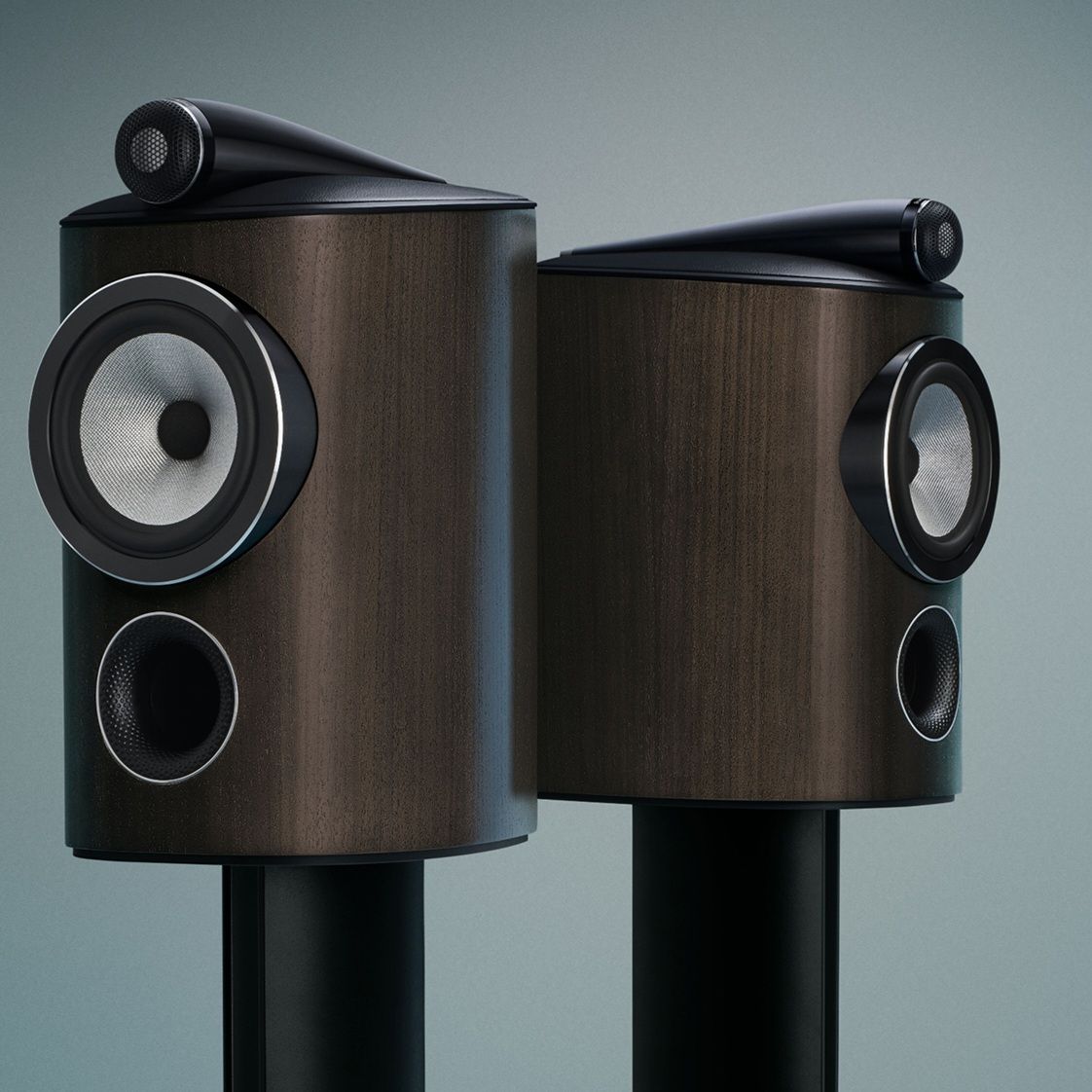
Bowers & Wilkins 800 Series Diamond D5 via 360 MAGAZINE.

Bowers & Wilkins 800 Series Diamond D5

‘Bowers & Wilkins is one of the best premium high fidelity audio systems for both home and auto. Its visually appealing and sonically stimulating.’Vaughn Lowery, President, 360 MAGAZINE

For 60 years, Bowers & Wilkins has pursued a singular goal: bringing listeners closer to music exactly as the artist intended.

Recently, the iconic British audio brand is unveiling the new 800 Series Diamond D5, the latest evolution of its flagship loudspeaker range and the culmination of six decades of engineering excellence, obsessive craftsmanship, and innovation. Long trusted by music creators, recording studios, and discerning listeners alike, the new D5 range represents the most advanced expression yet of founder John Bowers’ “True Sound” philosophy.

Key product highlights and enhancements include:

  • Fifth-generation 800 Series featuring Bowers & Wilkins’ signature Diamond Dome tweeter technology that is more acoustically transparent, featuring the advanced grille mesh first introduced in 800 Series D4 Signature
  • Extensive acoustic, mechanical, and electrical enhancements for greater clarity, resolution, and dynamics
  • New cabinet architecture and bracing system designed to further reduce vibration and unwanted resonance
  • Advanced engineering upgrades designed to reveal more detail in every recording
  • Four new luxury finishes: Stealth Black, Warm White, Light Walnut, and Dark Walnut
  • Seven-model lineup ranging from the compact 805 D5 to the flagship 801 D5 floorstanding loudspeaker

Available to purchase beginning September 9, the 800 Series Diamond D5 is both a celebration of Bowers & Wilkins‘ 60-year legacy and a statement about the future of high-performance audio and luxury design.

Bowers & Wilkins 800 Series Diamond D5 via 360 MAGAZINE.
Betty Moon covers 360 MAGAZINE.

The Evolution of Betty Moon

From 90s Alt Icon to Independent Force

On any given night in Los Angeles, where reinvention is practically a currency, Betty Moon feels less like a participant in the scene and more like one of its architects. Effortlessly blending rock attitude, pop instinct, and an unshakable sense of self, Moon has spent decades building a career that many artists chase but few truly achieve. Independent, prolific, and constantly evolving, she returns this spring with Strangely Beautiful, a six track EP that reads like both a celebration and a quiet revelation.

For those who have followed her journey from the beginning, Betty Moon’s story starts in Toronto during the explosive 90s era, when alternative music reshaped the cultural landscape. It was there that she first carved out her identity, earning a devoted following with a sound that defied easy categorization. While many artists of that era were swept up by industry currents, Moon took a different path. After an early major label experience with A&M Records, she made a decisive pivot, founding her own label, Evolver Music. It was a move that would define her career and set the tone for everything that followed.

Since then, Moon has released more than ten albums independently, an impressive catalog that reflects not just longevity but a restless creative spirit. Her music has found its way into iconic television and film placements including Californication, Dexter, Teen Mom and The Walking Dead, while also resonating with audiences through streaming platforms, retail spaces, and global radio. Yet despite the reach, there has always been something deeply personal about her work, a sense that every track is part of a larger, ongoing conversation between artist and listener.

Strangely Beautiful feels like the latest chapter in that dialogue, one that is both introspective and boldly self assured. Released in April, the EP marks her first original project since 2021’s Cosmicoma, and it arrives with a clarity that only comes from experience. “Making Strangely Beautiful was really about trusting myself again and not waiting around for permission,” Moon shares. It is a statement that encapsulates not only the spirit of the EP but her entire career philosophy.

Sonically, the project weaves together alternative pop energy with layered electronic textures and soulful undertones. It is polished yet raw in the right places, balancing strength with vulnerability. Each track offers a different lens into Moon’s creative world, but two singles in particular stand out as defining moments.

“Want Me To,” the EP’s closing track, is a masterclass in control and charisma. Sultry and high energy, the song pulses with a magnetic confidence that feels tailor made for late night drives through the city or dimly lit lounges in West Hollywood. There is an undeniable swagger to it, but beneath the surface lies a nuanced exploration of desire and power. Moon’s vocals glide effortlessly over the production, pulling listeners in with a quiet intensity that builds with every chorus. It is the kind of track that reminds you why she first captured attention decades ago, while also proving she has only refined her instincts with time.

If “Want Me To” showcases her allure, “Hunger Pain” reveals her edge. Currently making its way to radio, the track leans into a darker, more visceral energy. There is a tension woven throughout, a push and pull between need and restraint that mirrors the emotional complexity of the lyrics. The production is immersive, drawing from electronic and alternative influences while maintaining a strong melodic core. It feels urgent without being overwhelming, a testament to Moon’s ability to channel intensity into something both accessible and artful.

Beyond the singles, Strangely Beautiful offers a cohesive listening experience that reflects an artist in full command of her craft. Tracks like “Last Night” and “A Taxi Ride” carry a cinematic quality, while her cover of Portugal. The Man’s “Live in the Moment” adds an unexpected but fitting layer to the project. It is not just a reinterpretation but a reimagining, filtered through Moon’s distinct sonic lens.

What makes this release particularly compelling is its emotional undercurrent. After years of independence and creative leadership, Moon turns inward, exploring themes of change, reinvention, and vulnerability. There is a sense of reflection throughout the EP, but it never feels nostalgic or backward looking. Instead, it reads as an artist taking stock of her journey while remaining firmly focused on what comes next.

In a city like Los Angeles, where image often competes with substance, Betty Moon stands out by refusing to compromise either. Her aesthetic is polished, her presence commanding, yet everything is grounded in authenticity. It is this balance that continues to resonate with audiences, from longtime fans to those discovering her for the first time.

As she graces the cover of this issue, Strangely Beautiful serves as both a milestone and a reminder. Great artists do not simply endure, they evolve. They challenge themselves, take risks, and trust their instincts even when the industry suggests otherwise. Betty Moon has built a career on those principles, and with this latest release, she proves that her creative fire is not just intact but burning brighter than ever.

In a world that often demands conformity, Betty Moon remains unapologetically herself. And in doing so, she continues to create music that is, in every sense, strangely beautiful.

Award-winning DJ Neptune delivers amapiano and afrohouse summer jam 'Who Dat Girl? II' via 360 MAGAZINE.

DJ NEPTUNE F/ CROWN APE + ALTÉ PIONEER BOJ RELEASE ‘WHO DAT GIRL? II’

DJ NEPTUNE DELIVERS AMAPIANO AND AFROHOUSE SUMMER JAM ‘WHO DAT GIRL? II’ WITH AFROBEATS DISRUPTORS CROWN APE AND ALTÉ PIONEER BOJ

STREAM + DOWNLOAD ‘WHO DAT GIRL? II’ HERE

The award-winning DJ NEPTUNE has reimagined afrobeats disruptors CROWN APE’s latest single ‘Who Dat Girl?’ and turned it into an amapiano and afrohouse summer bop aptly titled ‘WHO DAT GIRL? II’ featuring alté pioneer BOJ, stripping away the original’s rap edge and reshaping it into a warmer and more dancefloor-focused offering just in time for summer. Where the first version brought together Lagos, London and Frankfurt through a blend of afrofusion and European street rap energy, ‘Who Dat Girl? II’ narrows the spotlight around Boj’s laid-back melodic presence and the track’s after-hours allure, allowing the groove and atmosphere to take centre stage. The remix stretches across four and a half minutes of sleek, sensual movement, leaning into percussion, bass guitar, synths, electronic drums and African rhythmic textures to create a version that feels more hypnotic, fluid and club-ready.

In DJ Neptune’s hands, ‘Who Dat Girl? II’ is brighter, deeper and more expansive without losing the mystery and understated confidence that made the original so magnetic. The remix keeps the song’s core feeling of that late-night spark, the glance across the room, the pull of attraction and curiosity intact, but reframes it through a polished amapiano and afrohouse lens, bringing a more uplifting and euphoric pulse to the record. Its mood is sexy, sunny and quietly celebratory, balancing relaxed confidence with enough rhythmic lift to make it translate across lounges, beach clubs, late-night sets and global dance spaces this summer. With his remix, DJ Neptune has turned the original cross-continental rap fusion on its head and resurrected a seamless Afro-diasporic dance record in its place, driven by Boj’s effortless vocal performance and his instinct for groove, momentum and big summer vibes.

‘Who Dat Girl? II’ is a natural fit for DJ Neptune, one of Nigeria’s most established DJs, artists, producers and A&Rs, whose career has long been defined by connecting sounds, scenes and people across borders. Born and raised in Lagos, the Edo State native has built a reputation for moving confidently across hip-hop, R&B, house, dancehall, afrobeats and more, with a catalogue that includes collaborations with afropop royalty including Rema, Joeboy, Omahlay and Davido. His wider career includes landmark moments such as becoming the first Nigerian DJ to perform at SXSW, serving as A&R on Naeto C’s award-winning Super C Season album, and earning multiple awards including two Headies Awards, Nigeria’s GRAMMY Award equivalent. On ‘Who Dat Girl? II’, DJ Neptune brings that same global ear and club-tested precision to Crown Ape’s Afro-European vision, turning the record into a sleek, feel-good summer remix built for movement, connection and international dancefloors.

MORE ABOUT DJ NEPTUNE

DJ Neptune is one of Nigeria’s most established DJs, artists, producers and A&Rs, with a career defined by versatility, cultural reach and an instinct for connecting sounds, scenes and audiences across borders. The Edo State native was born and raised in Lagos, where he was first exposed to music in the late ’90s and began entertaining friends and neighbours from the age of ten before developing his DJing skills and craft across school parties, eateries, nightclubs and house parties. Over the years, he has built a powerful reputation as a genre-fluid selector and hitmaker, moving confidently across hip-hop, R&B, house, funky house, dancehall and afrobeats, while cultivating an outstanding catalogue that includes collaborations with some of African music’s biggest names, including Davido, Olamide, Stonebwoy, BOJ, Joeboy, Mr Eazi, Rema, Ruger, Kizz Daniel, Zlatan and more. 

Beyond the booth, DJ Neptune’s impact spans recorded music, live performance, brand partnerships and A&R. He made history as the first Nigerian DJ to perform at SXSW, and also served as A&R on Naeto C’s award-winning Super C Season album, underlining his role not only as a performer but as a tastemaker and culture connector. His career has been recognised with multiple honours, including a Soundcity MVP Award for Best African DJ, two Headies Awards for Best Pop Single and Song of the Year, alongside other awards and accolades across Africa, Asia and the wider African diaspora. With a long-running ability to translate African music for different rooms and generations, DJ Neptune remains a central figure in the global afrobeats ecosystem: a seasoned curator, collaborator and creative force whose influence continues to move between the club, the charts and the culture.

MORE ABOUT CROWN APE

Conceptualized by British Nigerian culturepreneur Ikenna Donald (Skepta, Knucks, Odumodublvck), Crown Ape is an emerging force shaping the next phase of global afrobeats. Working from the belief that culture should be evolving, and rooted in the foundations laid by icons such as Davido, Wizkid, and Tiwa Savage, Crown Ape represents a new generation pushing the sound beyond familiar borders without losing its core. Their music is not imitation though, it is disruptive expansion. Drawing from afrobeats’ global rise with a sharp ear for where it can go next, Crown Ape are carving out a lane defined by cultural fusion, sonic experimentation, and intercontinental instinct, where African musicality meets European textures and diasporic energy in one fluid global sound.

At the heart of Crown Ape’s identity is a disruptive Afro-European crossover that blends the textured pulse of afrobeats with the polish of Eurosonics to create intercontinental music that is culturally grounded and internationally fluent. The Crown Ape sound thrives on contrast, where smooth African pop music can blend with undeniable Euro party energy, language barriers can turn into infectious bridges, and cultural differences can be transformed into creative fuel. Whether in Lagos, Berlin, London, or beyond, Crown Ape’s music is designed to translate, welcoming the diaspora wherever they are and giving them a sound that feels globally aware without disconnecting from its roots. It is afrobeats with a new taste, a new voice, and a wider field of vision.

Beyond the music, Crown Ape also exists as a wider creative ecosystem operating at the intersection of culture, music, and brands. With a strong instinct for authentic storytelling, trend awareness, and contemporary audience engagement, the Crown Ape universe extends into creative strategy, campaign thinking, and culture-led experiential moments, building narratives that connect with the people shaping today’s conversations. That broader vision feeds directly back into the art and music – Crown Ape are not simply contributing to afrobeats’ global expansion, but actively reimagining what it can look and sound like when handled with imagination, authenticity, and a truly international perspective.

CONNECT WITH DJ NEPTUNE

Instagram // TikTok // X (Twitter)

CONNECT WITH BOJ

Instagram // TikTok // X (Twitter)

CONNECT WITH CROWN APE

Instagram // TikTok // X (Twitter)

How Micro‑Trend Cycles Are Changing the Way Independent Boutiques Buy Inventory

Remember when a fashion season gave you a solid 12 months to breathe? Those days are gone. A single TikTok video now sends a style from zero to sold‑out in a weekend—and just as quickly, the next obsession renders it old news. 

Many boutique owners first witnessed this shift at international retail sourcing and wholesale trade shows, where the buzz around viral‑minted looks first collided with the worry of getting stuck with dead stock. 

Now, the conversation has moved from “What’s trending next season?” to “What’s trending this week—and how do we buy it without betting the shop?”

A new playbook has quietly taken hold. Open‑pack, no‑MOQ ordering, in‑stock fulfillment, and real‑time data loops are letting independent retailers mirror the speed of micro‑trends while keeping their cash flow sane. It’s not just a shift in logistics; it’s a survival gear for the era of the two‑week trend.

The Acceleration of Micro‑Trend Cycles

It’s hard to overstate how much TikTok has compressed the fashion calendar. According to the BoF/McKinsey State of Fashion 2025, videos tagged #fashion on the platform have shot up 2.5× in three years, and search volumes for trending styles can fluctuate by 300% over a single 12‑month span. 

One week, a ruffled midi skirt is everywhere; a month later, the algorithm has moved on, and your pile of pre‑stocked peasant blouses feels like a liability.

Ultra‑fast players like Shein haven’t just accelerated the product pipeline—they’ve normalized 15‑day speed‑to‑market, as noted by the same BoF/McKinsey report. 

When a giant can conceive, produce, and ship a trend before your seasonal buy even hits the sales floor, the old “buy deep, hold your breath” model becomes a gamble few small boutiques can afford. Fashion Times (2025) put it bluntly: trends that once stretched for years now last weeks or months.

And then there’s the growing weariness that boutique buyers need to navigate carefully—excitement is fleeting, but the risk of over‑committing is real.

For indie boutiques, the lesson is clear: if your supply chain can’t match that velocity, you need an inventory model that lets you ride selected waves without drowning in the rest.

The Financial Danger of Traditional Bulk Buying

Excess stock is a silent killer in fashion. The BoF/McKinsey report estimates it represented $70–$140 billion in lost sales globally in 2023—and roughly a third of brands were still wrestling with inventory positions in 2024. For a boutique owner, those aren’t just big industry numbers; they translate to racks of unsold dresses eating cash and storage space.

The deeper you look, the scarier it gets. Inaccurate size purchasing alone costs brands up to 20% in average profit, according to the same report. Meanwhile, Firework data shows 42% of small businesses struggle with overstocking, and holding costs can spike 20–30% when inventory sits. 

The average business holds a staggering $142,000 in excess inventory above actual demand, and 58% of retail brands operate with below 80% inventory accuracy. Gut‑feel ordering in a micro‑trend world is like playing darts in the dark.

Then there’s the TikTok whiplash. First Insight (2024) reported that nearly 70% of retailers have been hit by stockouts or delays triggered directly by viral moments on the platform. 

Picture this: a dress you ordered 200 units of in anticipation of “coastal cowgirl” goes cold, while a random slip dress you never saw coming gets 3 million views overnight—and you have zero pieces to sell. Traditional bulk buying simply can’t cope with that level of unpredictability.

The New Agile Buying Playbook

So how are independent boutiques surviving—and, in many cases, thriving? The answer is a cluster of strategies that go by “test and react,” “agile buying,” or simply “buying like you mean it, but not too much.”

The core idea: order low quantities, track sell‑through obsessively, and scale only the winners. BoF/McKinsey notes that ASOS, a major fast‑fashion player, aims to scale test‑and‑react to 10% of its own‑brand products—proof that even big retailers are stealing a page from the indie playbook. But the real innovation for boutiques lies in the ordering models that make this rapid‑pivot buying possible.

Open‑pack wholesale lets you mix sizes, colors, and entirely different products in a single order without any per‑SKU minimums. You’re not forced to take a dozen of a style in pre‑packed assortments; you can order exactly what makes sense for your customer base. Combine that with no‑MOQ on in‑stock items—where you might only need a basket minimum to test a handful of units—and you’ve got a laboratory, not a warehouse. 

A Fashion Week Online piece (2026) revealed that 58% of boutique buyers now place first‑time orders of 12 units or fewer for trend‑led styles, using sell‑through data to decide whether to reorder or walk away. That’s a world apart from the era of committing to hundreds of units before the first sale.

Behind that kind of agility sits serious infrastructure. With 30+ new styles dropping daily and a network of owned factories, the model proves that fast, low‑minimum wholesale isn’t just a niche side project—it works at global volume.

Byron Chen, Marketing Manager at Dear-Lover, online fashion wholesaler, said: “Open-pack and no-MOQ ordering gives boutiques the freedom to mirror the speed of micro-trends — ordering exactly what they need, when they need it, without carrying dead stock.”

Marketing Language Must Move as Fast as the Trends

Here’s a hard truth: you can have the right product at the right price, but if your product descriptions still sound like a department store catalog from 2019, you’ll lose the sale. 

Divya Mathur, Chief Merchandising Officer at Revolve, online fashion retailer, explained this sharply in a Business of Fashion article (2025): “If you’re talking about something using the terminology that doesn’t feel relevant, it doesn’t matter if you’re pushing the same product, it doesn’t feel relevant. Customers get excited about cultural moments, and then it’s ‘what am I wearing to it?’”

That’s a seismic shift from the traditional “buy for a season, market for a season” calendar. Today, a blouse that was “elegant eventwear” in March might need to become “quiet luxury brunch top” by April, simply because that’s the language flooding TikTok. 

Boutiques that nail this—updating product descriptions, social captions, and ad copy in near real‑time—sell through their test orders faster than those relying on static, campaign‑oriented copy. The trending lexicon becomes a meta‑tag for desirability, and it changes as quickly as the trends themselves.

Testing and Iterating with Small Batches

Agile buying isn’t just a theory; it’s been a lifeline for fashion businesses facing existential margin pressure. Amber Domenech Patey, agile buying advocate at TradeGala, online wholesale marketplace, told Boutique Magazine (2021): “By sourcing small amounts of short‑order stock regularly, retailers are able to assess the popularity and adjust future orders accordingly… It could very well have made the difference between survival and bankruptcy for some fashion businesses.”

The “test and react” inventory model reduces the initial capital at risk, letting boutiques place 10‑20 unit orders across multiple styles without tying up cash in a single, unproven bet. In‑stock items drive sales—a clear signal that the no-MOQ approach isn’t a fringe exception; it’s the backbone of how indie boutiques are purchasing right now. 

The model works because the supplier shoulders the warehousing risk, keeping goods in ready-to-ship stock while the boutique pulls only what it needs, when it needs it. If a style bombs, you’ve only lost a few units. If it soars, you reorder fast and ride the curve.

The Technology Enablers: Dropshipping, API Integrations, and Real‑Time Data

The final piece of the puzzle is the tech that makes micro-trend buying seamless. Dropshipping platforms now connect directly to Shopify, TikTok Shop, and WooCommerce via API—meaning a boutique can list a product the moment it goes live, without ever holding inventory. When a customer buys, the order routes straight to the supplier for fulfillment.

This integration means you can watch real-time sales data pour in and know within days which styles are converting. A Northwestern Business Review analysis (2026) confirmed that major corporations have restructured entire marketing operations to track micro-trends that might last less than a month; small boutiques now have similar visibility through their dashboard feeds. 

For those planning a seasonal push, it’s the perfect marriage of agile inventory and timely promotion—something we covered in our Valentine’s Day marketing ideas for your boutique. Pairing a test-and-react stock approach with real-time social campaigns closes the loop from trend to sale.

Caveats & Counterpoints

This speed-centric model isn’t without its cracks. As WGSN’s Jacobs warned, micro-trend fatigue is real—chase every fleeting moment and you’ll exhaust your team and your audience. 

The “no-MOQ” promise often comes with fine print: while in-stock women’s clothing carries no per-SKU minimum, pre-order and accessory items may still have 6-12 piece MOQs, and that basket minimum is a gatekeeper. 

Shipping costs from international suppliers can also erode margins, and boutiques relying on drop-ship need to account for variable delivery times. Over-reliance on TikTok virality can also leave a boutique vulnerable to algorithm shifts or platform bans.

So yes, the agile playbook is powerful—but it requires discipline. Know when to jump on a trend, and when to sit it out. Speed alone won’t save you; discernment will.

Boutique Buying in the Age of the Two-Week Trend

The compression of fashion cycles has rewritten the boutique inventory playbook from scratch. Agile, low-minimum ordering models aren’t just a competitive advantage anymore—they’re the difference between staying solvent and getting buried under unsold inventory. 

The new formula is simple: open-pack, no-MOQ ordering plus real-time sales data plus trend-sensitive marketing language equals the ability to surf waves instead of drowning in dead stock.Technology and supply-chain innovations have made rapid-pivot buying accessible to even the smallest shops. 

But the boutiques that truly thrive will be the ones that pair that speed with a clear head—knowing which moments to amplify and which to let pass. After all, in a world where trends can rise and fall in a week, the smartest buy isn’t always the most you can carry; it’s the most you can turn.