


Posts made in June 2026

Award-winning DJ Neptune delivers amapiano and afrohouse summer jam 'Who Dat Girl? II' via 360 MAGAZINE.

DJ NEPTUNE F/ CROWN APE + ALTÉ PIONEER BOJ RELEASE ‘WHO DAT GIRL? II’

DJ NEPTUNE DELIVERS AMAPIANO AND AFROHOUSE SUMMER JAM ‘WHO DAT GIRL? II’ WITH AFROBEATS DISRUPTORS CROWN APE AND ALTÉ PIONEER BOJ

STREAM + DOWNLOAD ‘WHO DAT GIRL? II’ HERE

The award-winning DJ NEPTUNE has reimagined afrobeats disruptors CROWN APE’s latest single ‘Who Dat Girl?’ and turned it into an amapiano and afrohouse summer bop aptly titled ‘WHO DAT GIRL? II’ featuring alté pioneer BOJ, stripping away the original’s rap edge and reshaping it into a warmer and more dancefloor-focused offering just in time for summer. Where the first version brought together Lagos, London and Frankfurt through a blend of afrofusion and European street rap energy, ‘Who Dat Girl? II’ narrows the spotlight around Boj’s laid-back melodic presence and the track’s after-hours allure, allowing the groove and atmosphere to take centre stage. The remix stretches across four and a half minutes of sleek, sensual movement, leaning into percussion, bass guitar, synths, electronic drums and African rhythmic textures to create a version that feels more hypnotic, fluid and club-ready.

In DJ Neptune’s hands, ‘Who Dat Girl? II’ is brighter, deeper and more expansive without losing the mystery and understated confidence that made the original so magnetic. The remix keeps the song’s core feeling of that late-night spark, the glance across the room, the pull of attraction and curiosity intact, but reframes it through a polished amapiano and afrohouse lens, bringing a more uplifting and euphoric pulse to the record. Its mood is sexy, sunny and quietly celebratory, balancing relaxed confidence with enough rhythmic lift to make it translate across lounges, beach clubs, late-night sets and global dance spaces this summer. With his remix, DJ Neptune has turned the original cross-continental rap fusion on its head and resurrected a seamless Afro-diasporic dance record in its place, driven by Boj’s effortless vocal performance and his instinct for groove, momentum and big summer vibes.

‘Who Dat Girl? II’ is a natural fit for DJ Neptune, one of Nigeria’s most established DJs, artists, producers and A&Rs, whose career has long been defined by connecting sounds, scenes and people across borders. Born and raised in Lagos, the Edo State native has built a reputation for moving confidently across hip-hop, R&B, house, dancehall, afrobeats and more, with a catalogue that includes collaborations with afropop royalty including Rema, Joeboy, Omahlay and Davido. His wider career includes landmark moments such as becoming the first Nigerian DJ to perform at SXSW, serving as A&R on Naeto C’s award-winning Super C Season album, and earning multiple awards including two Headies Awards, Nigeria’s GRAMMY Award equivalent. On ‘Who Dat Girl? II’, DJ Neptune brings that same global ear and club-tested precision to Crown Ape’s Afro-European vision, turning the record into a sleek, feel-good summer remix built for movement, connection and international dancefloors.

MORE ABOUT DJ NEPTUNE

DJ Neptune is one of Nigeria’s most established DJs, artists, producers and A&Rs, with a career defined by versatility, cultural reach and an instinct for connecting sounds, scenes and audiences across borders. The Edo State native was born and raised in Lagos, where he was first exposed to music in the late ’90s and began entertaining friends and neighbours from the age of ten before developing his DJing skills and craft across school parties, eateries, nightclubs and house parties. Over the years, he has built a powerful reputation as a genre-fluid selector and hitmaker, moving confidently across hip-hop, R&B, house, funky house, dancehall and afrobeats, while cultivating an outstanding catalogue that includes collaborations with some of African music’s biggest names, including Davido, Olamide, Stonebwoy, BOJ, Joeboy, Mr Eazi, Rema, Ruger, Kizz Daniel, Zlatan and more. 

Beyond the booth, DJ Neptune’s impact spans recorded music, live performance, brand partnerships and A&R. He made history as the first Nigerian DJ to perform at SXSW, and also served as A&R on Naeto C’s award-winning Super C Season album, underlining his role not only as a performer but as a tastemaker and culture connector. His career has been recognised with multiple honours, including a Soundcity MVP Award for Best African DJ, two Headies Awards for Best Pop Single and Song of the Year, alongside other awards and accolades across Africa, Asia and the wider African diaspora. With a long-running ability to translate African music for different rooms and generations, DJ Neptune remains a central figure in the global afrobeats ecosystem: a seasoned curator, collaborator and creative force whose influence continues to move between the club, the charts and the culture.

MORE ABOUT CROWN APE

Conceptualized by British Nigerian culturepreneur Ikenna Donald (Skepta, Knucks, Odumodublvck), Crown Ape is an emerging force shaping the next phase of global afrobeats. Working from the belief that culture should be evolving, and rooted in the foundations laid by icons such as Davido, Wizkid, and Tiwa Savage, Crown Ape represents a new generation pushing the sound beyond familiar borders without losing its core. Their music is not imitation though, it is disruptive expansion. Drawing from afrobeats’ global rise with a sharp ear for where it can go next, Crown Ape are carving out a lane defined by cultural fusion, sonic experimentation, and intercontinental instinct, where African musicality meets European textures and diasporic energy in one fluid global sound.

At the heart of Crown Ape’s identity is a disruptive Afro-European crossover that blends the textured pulse of afrobeats with the polish of Eurosonics to create intercontinental music that is culturally grounded and internationally fluent. The Crown Ape sound thrives on contrast, where smooth African pop music can blend with undeniable Euro party energy, language barriers can turn into infectious bridges, and cultural differences can be transformed into creative fuel. Whether in Lagos, Berlin, London, or beyond, Crown Ape’s music is designed to translate, welcoming the diaspora wherever they are and giving them a sound that feels globally aware without disconnecting from its roots. It is afrobeats with a new taste, a new voice, and a wider field of vision.

Beyond the music, Crown Ape also exists as a wider creative ecosystem operating at the intersection of culture, music, and brands. With a strong instinct for authentic storytelling, trend awareness, and contemporary audience engagement, the Crown Ape universe extends into creative strategy, campaign thinking, and culture-led experiential moments, building narratives that connect with the people shaping today’s conversations. That broader vision feeds directly back into the art and music – Crown Ape are not simply contributing to afrobeats’ global expansion, but actively reimagining what it can look and sound like when handled with imagination, authenticity, and a truly international perspective.

CONNECT WITH DJ NEPTUNE

Instagram // TikTok // X (Twitter)

CONNECT WITH BOJ

Instagram // TikTok // X (Twitter)

CONNECT WITH CROWN APE

Instagram // TikTok // X (Twitter)

How Micro‑Trend Cycles Are Changing the Way Independent Boutiques Buy Inventory

Remember when a fashion season gave you a solid 12 months to breathe? Those days are gone. A single TikTok video now sends a style from zero to sold‑out in a weekend—and just as quickly, the next obsession renders it old news. 

Many boutique owners first witnessed this shift at international retail sourcing and wholesale trade shows, where the buzz around viral‑minted looks first collided with the worry of getting stuck with dead stock. 

Now, the conversation has moved from “What’s trending next season?” to “What’s trending this week—and how do we buy it without betting the shop?”

A new playbook has quietly taken hold. Open‑pack, no‑MOQ ordering, in‑stock fulfillment, and real‑time data loops are letting independent retailers mirror the speed of micro‑trends while keeping their cash flow sane. It’s not just a shift in logistics; it’s a survival gear for the era of the two‑week trend.

The Acceleration of Micro‑Trend Cycles

It’s hard to overstate how much TikTok has compressed the fashion calendar. According to the BoF/McKinsey State of Fashion 2025, videos tagged #fashion on the platform have shot up 2.5× in three years, and search volumes for trending styles can fluctuate by 300% over a single 12‑month span. 

One week, a ruffled midi skirt is everywhere; a month later, the algorithm has moved on, and your pile of pre‑stocked peasant blouses feels like a liability.

Ultra‑fast players like Shein haven’t just accelerated the product pipeline—they’ve normalized 15‑day speed‑to‑market, as noted by the same BoF/McKinsey report. 

When a giant can conceive, produce, and ship a trend before your seasonal buy even hits the sales floor, the old “buy deep, hold your breath” model becomes a gamble few small boutiques can afford. Fashion Times (2025) put it bluntly: trends that once stretched for years now last weeks or months.

And then there’s the growing weariness that boutique buyers need to navigate carefully—excitement is fleeting, but the risk of over‑committing is real.

For indie boutiques, the lesson is clear: if your supply chain can’t match that velocity, you need an inventory model that lets you ride selected waves without drowning in the rest.

The Financial Danger of Traditional Bulk Buying

Excess stock is a silent killer in fashion. The BoF/McKinsey report estimates it represented $70–$140 billion in lost sales globally in 2023—and roughly a third of brands were still wrestling with inventory positions in 2024. For a boutique owner, those aren’t just big industry numbers; they translate to racks of unsold dresses eating cash and storage space.

The deeper you look, the scarier it gets. Inaccurate size purchasing alone costs brands up to 20% in average profit, according to the same report. Meanwhile, Firework data shows 42% of small businesses struggle with overstocking, and holding costs can spike 20–30% when inventory sits. 

The average business holds a staggering $142,000 in excess inventory above actual demand, and 58% of retail brands operate with below 80% inventory accuracy. Gut‑feel ordering in a micro‑trend world is like playing darts in the dark.

Then there’s the TikTok whiplash. First Insight (2024) reported that nearly 70% of retailers have been hit by stockouts or delays triggered directly by viral moments on the platform. 

Picture this: a dress you ordered 200 units of in anticipation of “coastal cowgirl” goes cold, while a random slip dress you never saw coming gets 3 million views overnight—and you have zero pieces to sell. Traditional bulk buying simply can’t cope with that level of unpredictability.

The New Agile Buying Playbook

So how are independent boutiques surviving—and, in many cases, thriving? The answer is a cluster of strategies that go by “test and react,” “agile buying,” or simply “buying like you mean it, but not too much.”

The core idea: order low quantities, track sell‑through obsessively, and scale only the winners. BoF/McKinsey notes that ASOS, a major fast‑fashion player, aims to scale test‑and‑react to 10% of its own‑brand products—proof that even big retailers are stealing a page from the indie playbook. But the real innovation for boutiques lies in the ordering models that make this rapid‑pivot buying possible.

Open‑pack wholesale lets you mix sizes, colors, and entirely different products in a single order without any per‑SKU minimums. You’re not forced to take a dozen of a style in pre‑packed assortments; you can order exactly what makes sense for your customer base. Combine that with no‑MOQ on in‑stock items—where you might only need a basket minimum to test a handful of units—and you’ve got a laboratory, not a warehouse. 

A Fashion Week Online piece (2026) revealed that 58% of boutique buyers now place first‑time orders of 12 units or fewer for trend‑led styles, using sell‑through data to decide whether to reorder or walk away. That’s a world apart from the era of committing to hundreds of units before the first sale.

Behind that kind of agility sits serious infrastructure. With 30+ new styles dropping daily and a network of owned factories, the model proves that fast, low‑minimum wholesale isn’t just a niche side project—it works at global volume.

Byron Chen, Marketing Manager at Dear-Lover, online fashion wholesaler, said: “Open-pack and no-MOQ ordering gives boutiques the freedom to mirror the speed of micro-trends — ordering exactly what they need, when they need it, without carrying dead stock.”

Marketing Language Must Move as Fast as the Trends

Here’s a hard truth: you can have the right product at the right price, but if your product descriptions still sound like a department store catalog from 2019, you’ll lose the sale. 

Divya Mathur, Chief Merchandising Officer at Revolve, online fashion retailer, explained this sharply in a Business of Fashion article (2025): “If you’re talking about something using the terminology that doesn’t feel relevant, it doesn’t matter if you’re pushing the same product, it doesn’t feel relevant. Customers get excited about cultural moments, and then it’s ‘what am I wearing to it?’”

That’s a seismic shift from the traditional “buy for a season, market for a season” calendar. Today, a blouse that was “elegant eventwear” in March might need to become “quiet luxury brunch top” by April, simply because that’s the language flooding TikTok. 

Boutiques that nail this—updating product descriptions, social captions, and ad copy in near real‑time—sell through their test orders faster than those relying on static, campaign‑oriented copy. The trending lexicon becomes a meta‑tag for desirability, and it changes as quickly as the trends themselves.

Testing and Iterating with Small Batches

Agile buying isn’t just a theory; it’s been a lifeline for fashion businesses facing existential margin pressure. Amber Domenech Patey, agile buying advocate at TradeGala, online wholesale marketplace, told Boutique Magazine (2021): “By sourcing small amounts of short‑order stock regularly, retailers are able to assess the popularity and adjust future orders accordingly… It could very well have made the difference between survival and bankruptcy for some fashion businesses.”

The “test and react” inventory model reduces the initial capital at risk, letting boutiques place 10‑20 unit orders across multiple styles without tying up cash in a single, unproven bet. In‑stock items drive sales—a clear signal that the no-MOQ approach isn’t a fringe exception; it’s the backbone of how indie boutiques are purchasing right now. 

The model works because the supplier shoulders the warehousing risk, keeping goods in ready-to-ship stock while the boutique pulls only what it needs, when it needs it. If a style bombs, you’ve only lost a few units. If it soars, you reorder fast and ride the curve.

The Technology Enablers: Dropshipping, API Integrations, and Real‑Time Data

The final piece of the puzzle is the tech that makes micro-trend buying seamless. Dropshipping platforms now connect directly to Shopify, TikTok Shop, and WooCommerce via API—meaning a boutique can list a product the moment it goes live, without ever holding inventory. When a customer buys, the order routes straight to the supplier for fulfillment.

This integration means you can watch real-time sales data pour in and know within days which styles are converting. A Northwestern Business Review analysis (2026) confirmed that major corporations have restructured entire marketing operations to track micro-trends that might last less than a month; small boutiques now have similar visibility through their dashboard feeds. 

For those planning a seasonal push, it’s the perfect marriage of agile inventory and timely promotion—something we covered in our Valentine’s Day marketing ideas for your boutique. Pairing a test-and-react stock approach with real-time social campaigns closes the loop from trend to sale.

Caveats & Counterpoints

This speed-centric model isn’t without its cracks. As WGSN’s Jacobs warned, micro-trend fatigue is real—chase every fleeting moment and you’ll exhaust your team and your audience. 

The “no-MOQ” promise often comes with fine print: while in-stock women’s clothing carries no per-SKU minimum, pre-order and accessory items may still have 6-12 piece MOQs, and that basket minimum is a gatekeeper. 

Shipping costs from international suppliers can also erode margins, and boutiques relying on drop-ship need to account for variable delivery times. Over-reliance on TikTok virality can also leave a boutique vulnerable to algorithm shifts or platform bans.

So yes, the agile playbook is powerful—but it requires discipline. Know when to jump on a trend, and when to sit it out. Speed alone won’t save you; discernment will.

Boutique Buying in the Age of the Two-Week Trend

The compression of fashion cycles has rewritten the boutique inventory playbook from scratch. Agile, low-minimum ordering models aren’t just a competitive advantage anymore—they’re the difference between staying solvent and getting buried under unsold inventory. 

The new formula is simple: open-pack, no-MOQ ordering plus real-time sales data plus trend-sensitive marketing language equals the ability to surf waves instead of drowning in dead stock.Technology and supply-chain innovations have made rapid-pivot buying accessible to even the smallest shops. 

But the boutiques that truly thrive will be the ones that pair that speed with a clear head—knowing which moments to amplify and which to let pass. After all, in a world where trends can rise and fall in a week, the smartest buy isn’t always the most you can carry; it’s the most you can turn.

VINCE STAPLES RELEASES NEW ALBUM 'CRY BABY' via 360 MAGAZINE.

VINCE STAPLES RELEASES NEW ALBUM ‘CRY BABY’

Vince Staples is interactively entertaining and sonically sound.’Vaughn Lowery, President, 360 MAGAZINE

Vince Staples has released his highly anticipated new album Cry Baby in partnership with Loma Vista Recordings. The ten song album is out today digitally, as well as on vinyl featuring an exclusive bonus track (with a limited Cry Baby Red vinyl variant only available at indie record shops). The album is the opening salvo of the iconic musician’s independent era, a moment during which he’s directly engaged with fans time and time again – from manning the booth selling tickets at El Rey Theatre for his album release show, to inviting people to attend his band’s rehearsals at The Smell, to showing up at Undefeated La Brea this past weekend at a Converse event where the custom Cry Baby Chucks were unveiled. He cemented the connection last night by offering a free live-stream to the sold out release show.

The album was preceded by a run of stunning and thought-provoking visuals, with iconography and themes carrying from one to the next. Despite the deeply embedded themes present in the clips for “Blackberry Marmalade,” “White Flag,” and “Cotton,” each was delivered without comment, giving them space to speak for themselves. 

Firmly established as a generational talent, across his career Staples has consistently expanded his reach across music, film, and television; but it’s within music that he continues to sharpen his edge as a singular storyteller and cultural force. Following the deeply introspective lens of Ramona Park Broke My Heart, a melancholic homage to his hometown, and Dark Times, which pushed even further inward, Cry Baby turns outward, processing the endlessly repeating cycles of American tumult and reflecting them back with sharply honed clarity and intent. 

Beyond the lyrics and subject matter, Cry Baby signals a bold musical and sonic shift as well. Staples built each track around live instrumentation, underscoring the album’s immediacy and urgency. The result is a dynamic, confrontational body of work that captures the tension, absurdity, and emotional weight of America – an album that doesn’t just document the times and its precedents, but actively wrestles with them.

“As the world burns, I have decided to release this album. Thanks for listening.” – Vince Staples. 

STREAM / BUY CRY BABY

WATCH THE “BLACKBERRY MARMALADE” VIDEO

WATCH THE “WHITE FLAG” VIDEO

WATCH THE “COTTON” VIDEO

CRY BABY TRACK LIST

1. Blackberry Marmalade

2. Go! Go! Gorilla

3. White Flag

4. The Running Man

5. TV Guide

6. The Big Bad Wolf

7. Only In America

8. Do You Know The Devil?

9. Cotton

10. 7 In the Morning

Vince Staples new album Cry Baby via 360 Magazine.

ARTICLES IN THE MEDIA

“There is no denying that this could be an album of the year contender.” – HOT NEW HIP HOP

“Staples remains undefeated in creating art that interrogates our present without feeling pretentious or performative.” – THE FADER

“He’s making some of the most arresting and interesting and original and compelling music in the world of hip hop and rap of any artist right now” – NPR

“The musician, known for his inventiveness and often surrealist approach to art making, is clearly taking a direct approach here.” – ASSOCIATED PRESS

“If there was ever anything holding him back, that’s gone now.” – STEREOGUM

“Staples knows how to hide his bracing sociopolitical commentary in plain sight among earworm hooks.” – PASTE

FOLLOW VINCE STAPLES

WEB | INSTAGRAM | YOUTUBE | DISCORD

*Vince Staples photo by Adrian Nieto

SWAE LEE RELEASES DEBUT SOLO ALBUM SAME DIFFERENCE via 360 MAGAZINE.

SWAE LEE RELEASES DEBUT SOLO ALBUM

Swae Lee releases his debut solo studio album SAME DIFFERENCE, available now on all platforms. The project features appearances from Slim JxmmiPost Malone, Jhene Aiko, French MontanaNav and Rich The Kid. Listen to SAME DIFFERENCE HERE. The official video for “MURAL” featuring Jhene Aiko will arrive later today. 

SAME DIFFERENCE marks Swae Lee’s first official solo album and highlights his versatility across melodic rap and genre-blending production. The project includes previously released singles “FLAMMABLE” and “DON’T EVEN CALL” featuring Rich The Kid. 

Regarding the album, Swae Lee says, “SAME DIFFERENCE is showing my versatility and compiling all my styles into one. It’s all the same difference, I do it all. I’m not putting myself in a box.”

The lead up to Swae’s Gemini era on SAME DIFFERENCE has been marked by a series of milestones. In June of last year, Rae Sremmurd’s “Black Beatles” earned a Diamond certification. The song, originally released in 2016, also topped the Billboard Hot 100 for seven consecutive weeks. The release of “FLAMMABLE” arrived as Rae Sremmurd’s catalog experienced renewed momentum, fueled in part by a wave of nostalgia-driven “2016-era” trends across social media with fans revisiting the cultural moment that “Black Beatles” helped define. In October, Swae helped set a Guinness World Records™ title during the release of hit video game Ninja Gaiden 4. The campaign also included recent brand collaborations, including a limited-edition Friday the 13th tattoo project with Chipotle.

Swae Lee will bring SAME DIFFERENCE to the Coachella stage this April.


Connect with Swae Lee

Instagram | TikTok | Twitter | Website

Photo: Matthew Yoscary

Bigo Live article via 360 MAGAZINE.

The “Like” is Dead.

Passive Scrolling is No Longer Driving Social

By Eric Kim, Senior Operations Director at Bigo Live.

Social platforms cause people to “doomscroll,” double tap, and fall into a continuous cycle of passive consumption of polished content. But as social media becomes a larger source of connection and community, this traditional model is becoming less emotionally fulfilling. This is specifically true for younger audiences. They see social media not just as a distraction, but a place to have real-time interaction and build a sense of belonging. Scrolling is no longer enough to hold attention in today’s technology-driven world. Users are gravitating more towards experiences that feel immediate and shared where they are able to engage with the creator they are interested in, rather than just observing.

The New Shift in the Creator Economy

This social behavior is reshaping the creator economy. In the past, we’ve seen creators get picked up by the algorithm because their polished, short-form videos captivate the audience’s attention. While we know this type of content is never going away, audiences are pushing the creator economy to expand into something far more relationship driven. They want to feel like they are part of the creators’ everyday lives and are actually involved in the content they are putting out. The digital creators who make the strongest impact for their brand are the ones who share unfiltered moments, respond to their followers on an ongoing, non-selective basis, and make audiences feel seen.

Livestreaming is a Catalyst for Connection

Livestreaming is emerging at the center of this shift because it offers a level of interaction that most passive formats fail to deliver, immediacy. New data from Bigo Live found that 53% of respondents say livestreams make them feel more connected than traditional posts or reels. This reinforces the value of real-time, two-way engagement. Engaging with digital creators as they go live allows the audience to be in the moment with them, react alongside others, see viewers comment in real-time, and get an immediate response from the creator; it creates social interaction and a community feeling that many users look for when they go online. The data echoes this as 36% of respondents say they go “live” specifically because they felt lonely and 59% say consuming content where others express similar struggles makes them feel less alone, highlighting the emotional impact of relatable, human experiences. Most importantly, connections are being built and many are finding that these online relationships are not superficial; they are more meaningful than those formed offline.

Interactive formats like livestreaming are paving the way for audiences to be more engaged with the world around them, form meaningful relationships, and a true sense of belonging. As passive consumption becomes less authentic and relatable, social media platforms will start to see creators tap into participatory, real-time experiences even more to meet their audiences where they are.
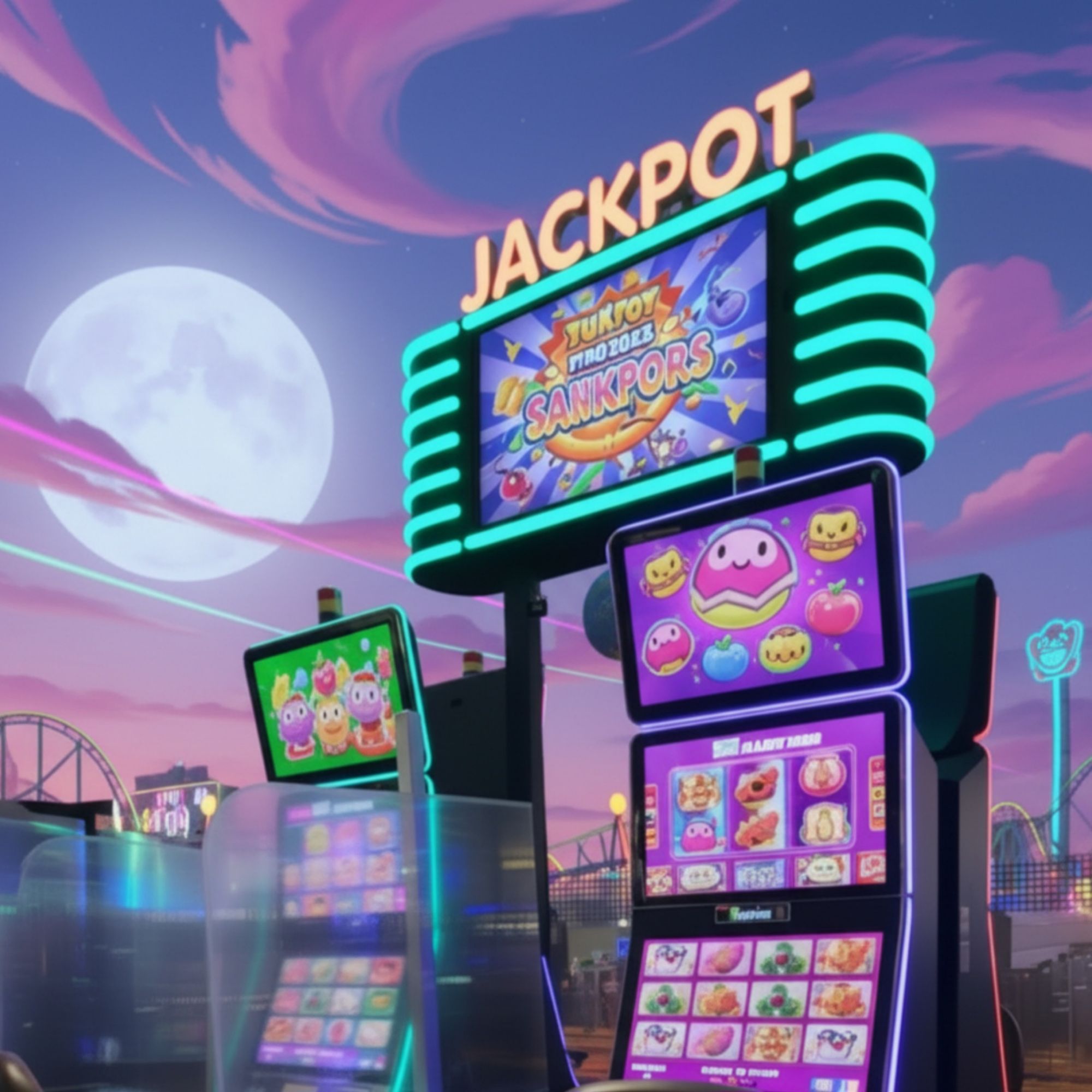

 

Online casino game article via 360 MAGAZINE.

How Budget-Conscious Consumers Are Rethinking Entertainment in 2026

Modern consumers have become a lot more careful over the last few years. You can see it almost everywhere now. People compare grocery prices between apps while standing inside the supermarket. They cancel subscriptions faster. They wait longer before buying things they used to purchase impulsively. That shift isn’t limited to retail either. Entertainment, streaming, gaming, travel, digital services – every industry competing for discretionary spending is dealing with the same customer now: somebody who wants maximum value with minimum risk.

The New Logic Behind Consumer Spending

A few years ago, convenience alone was often enough to close a sale. Not anymore. Even when incomes stay relatively stable, people are watching where their money goes much more closely than before. Recent consumer sentiment data from PwC showed that most shoppers planned to reduce discretionary spending heading into 2026. That doesn’t mean people suddenly stopped wanting entertainment or small luxuries. It means they’ve become more selective about what actually feels worth paying for. You can see the same pattern across almost every digital category. Streaming services compete aggressively with discounted trials. Travel platforms push loyalty perks harder than ever. Gaming companies rely heavily on bonuses and onboarding rewards because users hesitate more before spending upfront. Consumers haven’t stopped spending. They’ve just become harder to convince.

Why “Try Before You Buy” Became So Effective

Free trials aren’t new. Retail has used samples and introductory offers forever. What changed is how carefully people evaluate them now. Consumers read the conditions. They compare offers against competitors. They check Reddit threads and reviews before signing up for anything. The average customer today is far more aware of hidden restrictions than brands sometimes expect. That behaviour is especially obvious across subscription platforms and digital entertainment services. People are comfortable testing something first and deciding later whether it deserves real money. A free month of a fitness app. A discounted food delivery offer. A temporary streaming promotion. The logic is always the same: reduce the risk before committing. And companies adapted because they had to.

Entertainment Spending Is Changing Too

Entertainment budgets usually tighten quickly during uncertain economic periods. But people rarely remove entertainment completely. They just change how they consume it. Instead of expensive nights out every weekend, users lean more heavily toward digital entertainment that feels cheaper, more flexible, and easier to control. Streaming, gaming, and online platforms held up surprisingly well even while some in-person entertainment categories slowed down. Part of that comes down to perceived value. People calculate entertainment differently now. If something offers hours of use without a major upfront cost, it feels easier to justify. That’s why loyalty programs, onboarding bonuses, referral systems, and promotional credits became so important across digital industries. Modern consumers actively look for discounts before paying full price for almost anything. Food delivery. Software subscriptions. Hotel bookings. Gaming platforms. It’s become routine behaviour.

Why Comparison Platforms Keep Growing

As promotional offers multiplied, comparison tools became more useful almost by necessity. Most consumers don’t evaluate offers in isolation anymore. They benchmark them. They compare conditions. They look for hidden catches before spending money. That created huge demand for platforms that organise information clearly instead of forcing users to dig through endless fine print themselves. In the gaming space, CasinosAnalyzer follows that same broader comparison-platform model. Rather than pushing a single casino brand, it breaks down licensing information, bonus conditions, payment methods, and regional availability so users can compare offers side by side before signing up anywhere. It’s basically the same consumer behaviour you see with flight aggregators or financial product comparison sites – just applied to online gaming.

Understanding Why $200 No-Deposit Offers Get Attention

Few promotional offers attract more curiosity than no-deposit bonuses. The reason is obvious: people like low-risk entry points. A $200 no-deposit bonus sounds appealing because users can test a platform before spending their own money. But once you move beyond the headline number, the details start mattering far more. Wagering requirements completely change the real value of an offer. Withdrawal caps matter too. So do expiry windows and game restrictions that many users ignore until they actually try to cash out winnings. For somebody unfamiliar with online gaming promotions, comparing all those variables across dozens of offers gets confusing fast. That’s where structured comparison tools become useful. If you’re researching current $200 no-deposit offers and want to compare conditions, wagering terms, and regional availability more efficiently, many users simply open the offers hub on CasinosAnalyzer instead of checking casino sites individually. And honestly, that approach makes sense. The real value of a promotion usually sits inside the small print, not the headline figure. A $200 bonus attached to a 60x wagering requirement and strict withdrawal caps can easily end up offering less practical value than a smaller promotion with simpler terms and fewer restrictions.

What Retail Brands Can Learn From This

There’s a broader lesson here beyond gaming or digital entertainment.

The promotional systems performing best right now usually share the same structure:

  • low friction;
  • visible conditions;
  • clear limitations;
  • realistic expectations.

Consumers tolerate restrictions far more easily when companies explain them upfront. The opposite is also true. Once somebody feels tricked by hidden terms or confusing conditions, trust disappears quickly – and usually doesn’t come back. You can already see retailers adapting to that reality. Simpler cashback systems. Clearer loyalty tiers. Easier cancellation policies. More transparent trial periods. Brands realised that reducing friction often converts better than trying to squeeze maximum short-term revenue from every customer immediately.

Transparency Became Part of the Product

In 2026, transparency itself has become competitive. Consumers now treat hidden conditions as a warning sign. Especially online. Research from Salesforce showed that shoppers are increasingly “trading down” when trust weakens or pricing starts feeling manipulative. People don’t necessarily expect companies to be perfect. But they do expect terms to be understandable. That applies to promotions more than almost anything else. Whether it’s a cashback deal, a subscription trial, or digital entertainment credit, the brands performing best are usually the ones making conditions easy to understand without forcing customers to decode legal language first.

The Value-Seeking Consumer Isn’t Going Away

The inflation cycle changed consumer behaviour in ways that probably aren’t temporary. People became more comparison-driven. More skeptical. More aware of how promotional systems actually work. That mindset now carries across nearly every category – retail, subscriptions, travel, entertainment, and digital services included. The companies adapting successfully are usually the ones treating consumers like informed adults instead of hoping nobody reads the conditions carefully. That sounds simple. But a surprising number of brands still haven’t figured it out.

Greubel Forsey - Balancier Convexe S² - The Closing Chapter via 360 MAGAZINE.

Balancier Convexe S² The Closing Chapter

From its origin, the Balancier Convexe S² was designed as a fully integrated object in which case geometry and movement structure evolve together. The Convexe architecture follows the natural curvature of the wrist, allowing the three-dimensional movement to remain balanced, legible and comfortable in daily wear. Rather than enclosing the calibre, the case extends its architecture outward, reinforcing the dialogue between exterior form and mechanical construction.

At the heart of the movement lies Greubel Forsey’s 30° inclined balance wheel system, positioned as the visual and chronometric centre of the composition. The movement is built around openness and perspective, with multi-level bridges and suspended structures designed to reveal rather than conceal mechanical function. Composed of 301 components, with an escapement platform of 68 parts, the calibre combines structural lightness with technical density. Two fast-rotating coaxial barrels provide a 72-hour chronometric power reserve, while the in-house variable-inertia balance with six gold mean-time screws operates at 21’600 vibrations per hour.

The finishing philosophy remains fundamental to the identity of the timepiece. Titanium bridges and main plates are frosted and hand-finished with polished bevels, countersinks and carefully executed transitions between surfaces. Every component is treated with the same level of attention, including areas that remain largely unseen, reflecting a consistent approach to execution where integrity of construction prevails over visibility. The two final editions express contrasting visual identities while sharing the same mechanical foundation.

The black ceramic and 5N red gold edition emphasises contrast and depth. Black-treated movement components and the ceramic case frame the architecture, while the red gold bezel and caseback introduce warmth and visual weight. The interplay between matte and polished surfaces amplifies the three-dimensional character of the movement and reinforces the sculptural nature of the Convexe case.

The white ceramic edition explores the opposite approach. The monochromatic light-toned case accentuates openness and precision, allowing the movement to emerge through light and shadow. The result is a more technical and graphic expression, where structure becomes the primary visual language. The white ceramic construction highlights the purity of the Convexe geometry while preserving the same mechanical depth and legibility.0

Both editions retain the essential functional layout of the Balancier Convexe S²: hours and minutes displayed on a suspended arch bridge, small seconds, and a sector power-reserve indication. The curved sapphire crystals, three-dimensional bezel geometry and profiled lugs reinforce the continuity between movement architecture and exterior form, maintaining the balance between presence and wearability that defines the Convexe approach.

These two editions complete a five-year exploration of the Balancier Convexe S² calibre through different material and aesthetic interpretations. Their release marks not an evolution, but a conclusion. In 2026, production of the movement will end permanently.

The year 2026 also marks the beginning of a gradual transition toward an almost entirely new collection. As Greubel Forsey closes the chapter on calibres that have shaped the past years of technical and creative development, each will be retired deliberately – not silently – with a final expression that celebrates its contribution to the Atelier’s continuous evolution.

Limited to only 11 timepieces per edition, the black ceramic / 5N red gold and white ceramic executions stand as the final and most exclusive expressions of the Balancier Convexe S² – the closing statement of a calibre defined by architecture, chronometric intent and mechanical coherence.

Greubel Forsey - Balancier Convexe S² - The Closing Chapter via 360 MAGAZINE.
Greubel Forsey – Balancier Convexe S² – The Closing Chapter via 360 MAGAZINE.
MILEY CYRUS’ ORIGINAL SONG “YOUNGER YOU (FROM THE HANNAH MONTANA 20TH ANNIVERSARY SPECIAL)” —  OUT NOW via 360 MAGAZINE.

Miley Cyrus Releases Song ‘Younger You’

MILEY CYRUS’ ORIGINAL SONG “YOUNGER YOU (FROM THE HANNAH MONTANA 20TH ANNIVERSARY SPECIAL)” —  OUT NOW

THE “HANNAH MONTANA 20TH ANNIVERSARY SPECIAL” IS NOW STREAMING ON DISNEY+ AND HULU

SPOTIFY | APPLE MUSIC | AMAZON MUSIC | YOUTUBE MUSIC

Burbank, CA – March 27, 2026 – Grammy® Award-winning and Multi‑Platinum recording artist Miley Cyrus announced the release of her new original song, “Younger You (From the Hannah Montana 20th Anniversary Special).” The digital single is out today, via Hollywood Records, and is also available in Dolby Atmos.

Cyrus co-wrote, co-produced, and performs the song featured in the “Hannah Montana 20th Anniversary Special,” now streaming on Disney+ and Hulu. The track is available wherever you stream music. 

Fans can listen to the official “Hannah Montana” playlist on Spotify, Apple Music, Amazon Music and other digital platforms.

Watch the “Younger You (From the Hannah Montana 20th Anniversary Special)” lift video here  and the music video here.

Music from Disney’s “Hannah Montana” franchise achieved remarkable commercial success, earning six certified Platinum singles and nine certified Gold singles overall. The Hannah Montana album, released in 2006, was certified 3x Platinum by the RIAA, followed by Hannah Montana 2: Meet Miley Cyrus, which debuted in 2007 and went on to achieve 4x Platinum certification. Additional releases continued the momentum, with the Hannah Montana: The Movie soundtrack certified 2x Platinum, the Hannah Montana/Miley Cyrus: Best of Both Worlds Concert album reaching Platinum status, and Hannah Montana Forever earning Gold certification—cementing its status as a dominant force in music and pop culture.

The “Hannah Montana 20th Anniversary Special” is a love letter to fans, filled with heartfelt nostalgia. Miley Cyrus revisits her most memorable moments in an exclusive, in‑depth interview hosted by Alex Cooper. Viewers will also enjoy a behind‑the‑scenes look at Miley’s archival collection, familiar faces and surprise guests, and special musical performances by Miley Cyrus.

The special is produced by HopeTown Entertainment and Unwell Productions. Ashley Edens serves as showrunner, with Miley Cyrus, Tish Cyrus‑Purcell, Alex Cooper, and Matt Kaplan serving as executive producers. Cooper also hosts the special, guiding “Hannah Montana” fans through the nostalgic and highly anticipated anniversary celebration.

SOCIAL MEDIA

Instagram: @MileyCyrus | @DisneyMusic | @Hollywood Records | @DisneyPlus | @DisneyChannel

Facebook: @MileyCyrus | @DisneyMusic | @Hollywood Records | @DisneyPlus | @DisneyChannel

TikTok: @MileyCyrus | @DisneyMusic | @Hollywood Records | @DisneyPlus | @DisneyChannel

YouTube: @MileyCyrus | @DisneyMusic | @Hollywood Records | @DisneyPlus | @DisneyChannel

X: @MileyCryus | @DisneyMusic | @Hollywood Records | @DisneyPlus | @DisneyChannel

Threads: @MileyCryus | @DisneyMusic | @Hollywood Records | @DisneyPlus | @DisneyChannel

Internet connection article via 360 MAGAZINE.

How Reliable Internet Service Transforms Remote Community Access

Distance affects health in practical ways. Missed refills, delayed lab results, and cancelled visits raise stress hormones and worsen sleep. In isolated communities, a dependable connection can replace hours on the road with a scheduled video check, a submitted form, or a quick message to a teacher. Families gain time, steadier routines, and fewer preventable setbacks, which supports our shared well-being.

Connectivity as a Basic Utility

Daily access depends on consistency, not hype. Reviewing Alaska internet providers helps residents compare coverage, storm performance, repair response, and real speeds during busy evenings. Fewer dropped calls mean clearer care instructions, better school participation, and completed benefit forms. Once service stops failing at key moments, households can plan meals, appointments, and work shifts with less uncertainty.

Telehealth That Works on the First Call

Video visits require stable audio, steady image quality, and timely file transfer. A frozen screen can interrupt a symptom timeline, medication review, or wound check. Reliable service supports follow-ups, nutrition counseling, and mental health sessions without repeated reconnection loops. Clinicians can focus on heart rate trends, breathing effort, or side effects, while families keep paychecks and childcare schedules intact.

Faster Emergency Coordination

During urgent events, communication delays cost minutes that bodies cannot spare. Dispatch teams need accurate locations, updated road conditions, and quick status notes from volunteers. Consistent connectivity also improves alerts for weather changes and evacuation guidance. Outside crises, steady links help with pharmacy coordination, appointment reminders, and same-day check-ins for older adults living alone.

Schools, Skills, and Attendance Stability

Learning suffers when platforms fail during quizzes, live lessons, or assignment uploads. Students benefit from reliable access to readings, recorded instruction, and teacher feedback without repeated buffering. Adults also gain options for certification courses that fit rotating shifts. Once connectivity is no longer the reason a class gets missed or a deadline slips, better attendance can follow.

Work Options That Support Local Health

Income stability affects nutrition choices, sleep quality, and adherence to treatment plans. Remote roles depend on dependable logins, clear meetings, and smooth document transfer. With reliable service, residents can take positions in support, bookkeeping, or scheduling without constant retries. Reduced travel time also lowers crash risk and leaves more hours for movement, meals, and rest.

Small Businesses and Community Services

Local clinics, shops, and contractors often rely on online scheduling and payment processing. Unreliable connections can trigger failed transactions and repeated card attempts, which frustrates customers. Consistent service helps owners track inventory, confirm appointments, and answer messages promptly. Community groups also benefit through clearer event planning, volunteer coordination, and donation handling.

Everyday Access to Government and Benefits

Many services now depend on portals that require uploads, identity checks, and timed verification steps. Stable internet lets families submit documents, renew licenses, and track case updates without restarting forms. Access also supports viewing public meetings and staying informed about local decisions. Fewer failed submissions reduces stress, which can ease headaches, blood pressure spikes, and poor sleep.

Reliability Comes from Practical Factors

Health-relevant performance includes uptime, low delay, and steady throughput during peak use. Speed claims matter less than service that holds during storms or heavy household demand. Repair turnaround also counts, since long outages can stop refills, telehealth follow-ups, and school attendance. Latency swings and packet loss can distort speech, blur video, or break secure logins. Backup power at key sites helps clinics, schools, and dispatch stay reachable. Clear plan terms and practical troubleshooting steps help families avoid repeated resets and wasted hours.

Measuring Community Impact Over Time

Progress shows up in missed-visit rates, assignment completion patterns, and fewer work absences tied to outages. Clinics can track fewer reschedules and faster turnaround for lab follow-ups. Schools may see improved participation in live instruction and timely submissions. Small businesses can monitor payment success and have fewer canceled bookings. Better connectivity can reduce isolation stress and support healthier routines.

Conclusion

Dependable internet changes access by removing friction from care, education, work, and civic tasks. In remote areas, consistency reduces repeated travel, missed appointments, and unfinished paperwork. Stable connections support telehealth, emergency messaging, and classroom participation without frequent interruptions. Over time, fewer disruptions can improve sleep, lower chronic stress strain, and help families stay safer, better supported, and more connected.

How Data Annotation shape the future of AI accuracy by Karyna Naminas via 360 MAGAZINE.

10 Key Functions of Learning Management Systems

Learning Management Systems give organizations a reliable way to plan instruction, deliver material, and review results in one secure setting. Schools, hospitals, and employers use them to keep education orderly and measurable. Their purpose reaches well past file storage. These systems support registration, testing, reporting, and routine communication with less manual handling. A close review of their core functions explains why structured training programs continue to depend on them across settings that require steady skill development.

Course Organization

Teams often begin by asking what is a Learning Management System before they sort through options for course delivery, learner records, and daily administration. That question usually points back to structure first. A dependable platform keeps lessons, files, deadlines, and assigned pathways in one ordered location. Clear organization reduces mix-ups, supports consistency, and helps administrators maintain accurate training libraries across separate departments.

User Enrollment

Enrollment tools decide who enters a course and when access starts. Administrators can assign participants by role, department, location, or training status. Automated rules reduce manual entry and lower the chance of clerical mistakes. This function carries real weight in regulated environments, where prompt registration supports audit preparation and keeps required instruction on schedule.

Content Delivery

Lessons can be delivered through video, reading modules, quizzes, and submitted assignments within one system. Material stays in a central location, which helps learners move at a manageable pace. Instructors may release units in stages as progress continues. Staggered delivery supports better pacing and prevents excessive cognitive load during longer training periods.

Progress Tracking

Tracking tools record attendance, completion, time spent, and milestone status. Supervisors can identify delays early and respond before performance drops further. Clear records also help instructors compare outcomes across teams or cohorts. Reliable monitoring turns training into an active process, with visible movement and measurable checkpoints instead of assumptions.

Assessment Management

Assessment features manage quizzes, tests, surveys, and graded assignments inside the same platform. Automatic scoring saves staff time and gives learners faster feedback after each attempt. Instructors can identify weak areas and adjust upcoming material with greater accuracy. Consistent evaluation also supports fairness, because each participant completes the same measured tasks.

Reporting and Analytics

Reports turn training activity into evidence that leaders can review with confidence. Completion rates, average scores, overdue items, and participation patterns become easier to examine. Decision makers can judge whether instruction supports business, academic, or clinical goals. Useful analytics replace guesswork with data that informs staffing, budgeting, and course revision.

Communication Support

Communication tools keep instructors, administrators, and learners connected throughout a program. Message boards, announcements, and direct alerts reduce missed updates that can slow progress. Shared discussion areas also encourage peer exchange, which may strengthen retention. Prompt answers help maintain momentum, and participants spend less time waiting for guidance or clarification.

Compliance Control

Compliance training depends on timing, proof, and consistent delivery. Learning Management Systems help organizations assign mandatory courses, record completion, and store evidence for later review. That function matters in healthcare, public service, and finance. A missed requirement can create legal exposure, while documented completion supports safer operations and clearer accountability.

Personal Learning Paths

Many systems allow different learning paths for different groups. New employees may need onboarding, while experienced staff may require refresher instruction or advanced material. Personalized sequencing keeps training relevant without changing the full catalog. That balance improves efficiency and respects the time of learners who already hold baseline knowledge.

Mobile Access

Mobile access lets learners review coursework on phones or tablets when desk time is limited. This matters for field staff, clinicians, and shift-based workers with irregular schedules. Flexible access helps instruction continue during travel or short gaps between duties. Convenience does not guarantee completion, yet easier access often improves follow-through across busy teams.

Certification Records

Certification management tracks who earned a credential, when it expires, and which renewal steps remain unfinished. Automatic reminders reduce missed deadlines and support continuity in licensed roles. Stored records also help during inspections or internal reviews. This function becomes especially useful where training status affects job eligibility, patient safety, or service quality.

Conclusion

The strongest Learning Management Systems do far more than hold course files in a shared database. They organize instruction, guide participation, measure results, and document progress with dependable detail. Each function serves a broader aim, which is to achieve better learning with less administrative strain. As training demands continue to grow across education and industry, these systems remain practical tools for delivering instruction, protecting standards, and helping organizations build knowledge in a controlled, repeatable way.