

Posts made in January 2021

Computer illustration by Kaelen Felix for 360 Magazine

11 Interesting Facts About Ford Mustangs

Since Ford introduced the sports car to the American public in 1964, the car has sold more than 10 million times and firmly established itself as the epitome of American sports car design. 

There are several facts about Ford Mustangs that you may find fascinating. You can learn more by checking out our list here. 

1. Mustang Was Not the Only Name Considered

Ford designer John Najjar, a fan of the World War II P-51 Mustang fighter plane, is credited with suggesting the Mustang name.

However, Ford designers and executives considered at least two other front runners before selecting Mustang: Cougar and Torino. Panther is also said to have made the shortlist.

Ford design leaders initially did not prefer the name Mustang. The first Mustang prototype was named the Cougar.

Ford engaged advertising agency J. Walter Thompson to research the proposed names, and Mustang proved the market’s preference.

Account Executive Frank Thomas said the American public liked the name “because it had the excitement of wide-open spaces and was American as all hell.”

2. Mustangs Gallop Left

The Ford design team present several Mustang logos, including one based on the Knight chess piece.

After deciding on what became the famous galloping horse logo that we know today, the question became – should the logo be galloping left or right?

Ford designer Phil Clark first drew the logo facing left. But many Ford designers preferred the horse galloping right because racehorses gallop right on the track.

Legendary Ford boss Lee Iacocca settled the debate saying “the Mustang is a wild horse, not a domesticated racer.”

3. The Mustang Was Meant for the Everyday Person

The Ford Mustang was introduced to the public in 1964 with its price prominently displayed on all print advertising – $2,368.

This price was $1000 lower than the nearest competition.

True to its market, Gail Brown, a Chicago schoolteacher, bought the first retail Mustang. She still owns the car today.

Even today, visit stevemarshfordsales.com and learn that the Mustang is priced below its punch.

4. The Mustang Introduced the American Sports Car and Beat the Competition

Ford originally forecast about 100,000 Mustang sales in the first year. More than 400,000 Mustang’s ultimately sold in the year. 

The market for American sports cars was a race between car manufacturers and Ford brought a winning package that allowed the Mustang to dominate throughout the 1960s. 

Plymouth, a Chrysler brand, beat the Mustang to market by two weeks, introducing the Mustang’s then closest rival, the Barracuda.

The Mustang and the Barracuda were both based on established economy cars – the Mustang built on the Ford Falcon, and the Barracuda carried the Plymouth Valiant heritage.

Ford outperformed Plymouth in this race on two fronts – options and design.

Ford unveiled three Mustang body styles – coupe, convertible, and fastback. Ford also offered varied engines ranging from economy to high performance. 

Plymouth offered a single Barracuda.

Mustang design also beat the Barracuda’s design.

Many historical car enthusiasts praise the design of the Barracuda but suggest that the car simply did not push design boundaries as Mustang did.

By the mid-1960s, Chevrolet introduced the Camero and Pontiac brought the Firebird. The competition for American sports car supremacy had begun.

5. The Mustang Unveiled With a Media Blitz

Before the design of the first Mustang was finalized, Buhlie Ford, a nephew of Henry Ford II, took a Mustang convertible on a drive and parked the car in front of the Detroit Free Press. The Free Press published photos in what was considered a marketing coup.

Ford then unveiled its new Mustang with a media blitz.

The day before its public unveiling, on April 16, 1964, Ford released an advertising campaign on the three major TV networks. 29 million Americans were introduced to the Mustang that day.

The next day, when the car was officially unveiled in New York, Mustang ads ran in more than 2,600 newspapers.

The same month, April of 1964, the Mustang appeared on the cover of both Time and Newsweek. Lee Iacocca credited the Mustang’s cover presence with selling 100,000 extra cars.

6. The Mustang Joined the Military

Ford sold the Mustang to U.S. military personnel based in Germany through the military PX system between 1964 and 1978.

The Mustang sold to American soldiers was called the Ford T5 and was trademarked in Germany by truckmaker Krupp. 

7. The Mustang and Ford’s Italian Connection

In the 1960s and 1970s, Ford’s design and engineering teams battled with Italian car manufacturers such as Ferrari to be the world’s renowned car designers and producers.

For more information on this epic battle, do yourself a favor and watch Matt Damon and Christian Bale in Ford vs. Ferrari.

Beginning in 1975, teams at Ford’s Dearborn headquarters and at the Ford-owned Italian Ghia studio competed to design the car’s all-new, third-generation body.

The final design, known as the Fox body, ultimately included inputs from both the American and Italian teams.

8. Ford Almost Introduced a Mustang Station Wagon

Ford, on several occasions, considered four-door or front-wheel editions of the Mustang family.

In 1964, Ford designed at least one four-door Mustang sedan that could have been included in the car’s initial launch.

Since 1964, Ford has designed at least three versions of a Mustang station wagon. All three designs made it as far in the design process as full-sized clay models.

One station wagon concept even made it as far as a functional prototype. 

9. The Mustang Is a Movie Star

Mustangs have appeared in films and on TV shows more than 3,300 times in the past 50 years, according to Iceland Mustang Club’s research.

Steve McQueen’s Mustang 1968 Ford Mustang GT 390 in Bullitt might be the most famous Hollywood appearance.

10. The Mustang Goes to the Races

The Mustang has served as the official pace car of the Indianapolis 500 on three occasions — in 1964, 1979, and 1994.

11. This Mustang – What You Miss Most in the White House

Former U.S. President Bill Clinton said the hardest thing to leave behind when he became U.S. President was his ice blue Mustang convertible.

In 1994, Clinton briefly drove his beloved Mustang around Charlotte Motor Speedway, where the then head of the Mustang Club of American called the President “a rabid Mustanger like the rest of us.”

Learn Facts About Ford and Become a Rabid Mustanger

Since that famous press conference in 1964, the Mustang has become a part of Americana.

The Mustang is different – it is a wild horse, not a domesticated racehorse. It still brings the excitement of wide-open spaces and was American as all hell.

Visit your local dealership for a test drive and you will see why. Learn more about the history of this legendary car and you might find yourself a rabid Mustanger.
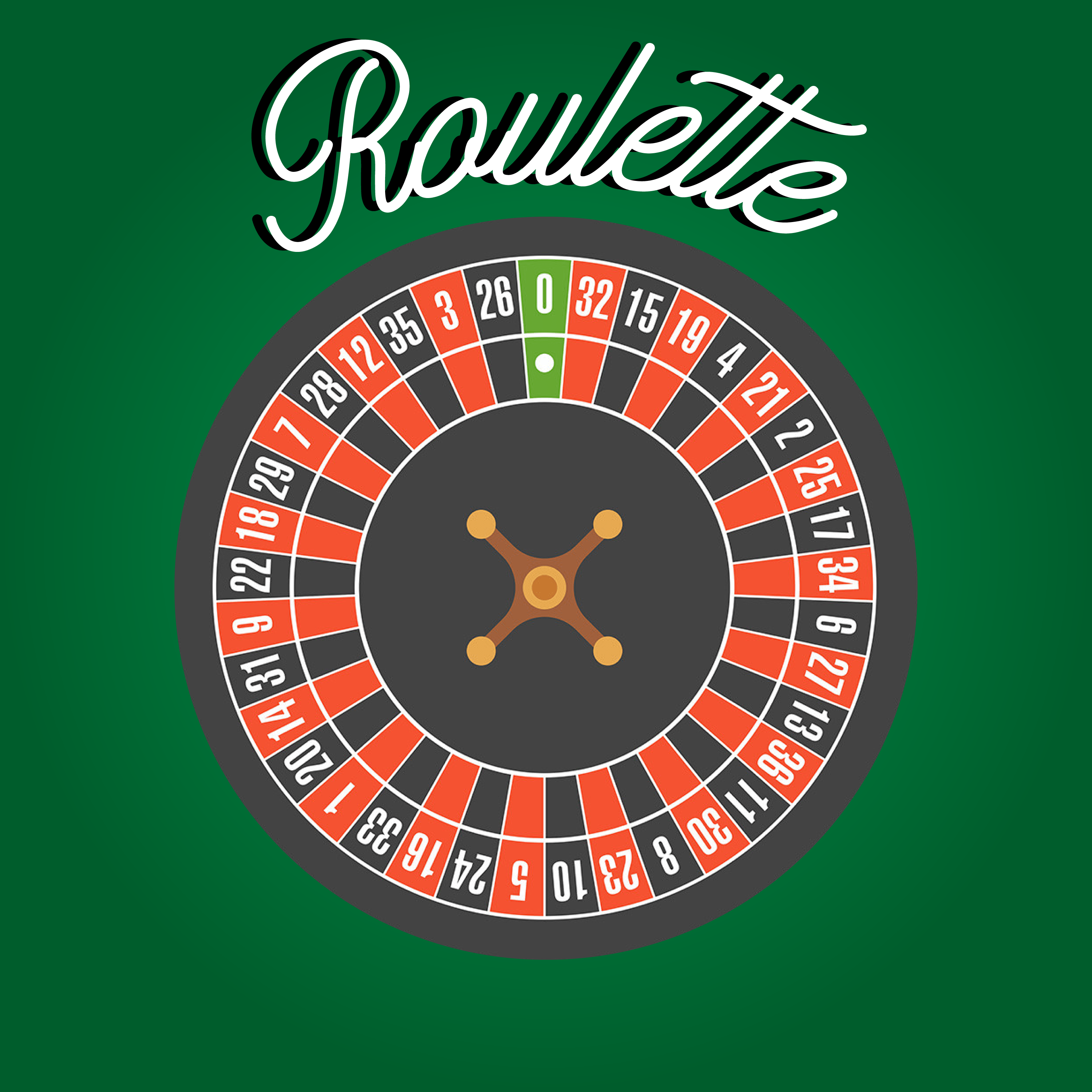

Gabrielle Archuleta illustration for gaming article inside 360 MAGAZINE

Classic casino games – why they’ve stood the test of time

One of the largest and most successful industries in the world is the casino industry, both brick and mortar and online. The physical and online casino industry is currently worth an estimated $227 billion, with online casinos alone bringing in $46 billion of that number. If a person were to compare the casino landscape from 20 years ago to today, it is vastly different as the industry continues to move online. 

Even the iconic physical slot machines have been replaced with digitalized slot machines with algorithms predicting a win or loss. Although, in spite of all the technological advancements and the fact that every casino game has now moved online, they’re all practically still the same. It might not be easy to tell they’re the same with the graphics and game modes now offered on popular casinos like Vera & John, according to Manekineko Casino Vera & John offer over 350 slot games. So, it’s clear that slots have stood the test of time no matter the type of casino you play at now, whether in person or at home from your mobile. It is obviously to some degree due to the popularity of the classic casino games, and that they were designed in such a way to withstand the test of time, although there could be other factors that we’re going to look at. 

Familiarity 

When someone brings up the image of a casino in their mind, many people would think of rows of slot machines, table games such as blackjack, poker and the iconic roulette wheel, even without having visited a casino before or played any of the games. This is because these games have become imprinted on people’s memory, whether it be through books, stories, movies or television series; there is an expectation of what a casino should look like, and as a result, these are the games that are provided. In addition to these games becoming iconic, the online casino industry needs them to maintain their initial success. 

This is because the games are familiar to those new to playing casino games, and also for the experienced gamblers moving online, which is critical for online casinos since they are relatively new, and new games might not gain the same traction as the classics. 

Some don’t require skill and are fun 

Some casino games are designed in such a way to be fun and not require skill, such as slots, which is something that every new gambler needs; a simple game to introduce them to gambling. Games like slots, baccarat and bingo are all engaging yet simple, and offer fast gameplay that doesn’t require much in the way of strategy. These games are perfect for someone just looking to pass the time, or to test their luck. 

Although even slot games have changed dramatically over the years to maintain their relevance, whether it be by the added animations or the many themes, such as celebrities, sports or superheroes. Some slot games are even adopting video game themes to appeal to a younger audience, and bingo is vastly different too. 

The odds are better

In terms of people wanting to win money, the classic table games give the best odds, even online. Games like blackjack have an average house edge of 0.5%, video poker has a house edge of 0.46% and roulette is 5.26%. To give an example, a person could play blackjack with a $200 bankroll and bet $2 per hand, and be able to play for over 4 hours if they use basic strategy. 

This kind of low house edge is extremely appealing for many gamblers, especially those who don’t have a lot of experience. In addition to the house edge, all of the games listed above include a social factor, which is extremely important for the entertainment value of the game. 

Things might be changing

With all of that being said, things might be changing though, as the more experienced gamblers become less. Millennials are slowly becoming the main customer base for the casino industry, and because of that, a few games are slowly becoming less popular. Studies show that millennials are interested in games with strategy and skill, and find games like blackjack and slot unfair and uninteresting. 

Even Las Vegas is not really a gambling destination anymore, but a party destination, with room revenue from hotels being almost the same as the revenue from casinos, indicating that millennials are more interested in partying than gambling. Online gambling however shows an increase in the popularity of poker and sports betting, virtual and real, amongst millennials. However, traditional, classic casino games are not going anywhere, any time soon.   

Be sure to check out gclub for more information about the aforementioned.

Emotional Support Animal Airline Laws Changing January 11th

In 2020, the Department of Transportation made a new determination that only service dogs would continue to be protected under the American’s with Disabilities Act, thus categorizing emotional support animals as pets.

So far, only Southwest Airlines have stated that they will continue to accept ESA’s at no charge. Both Alaska and American Airlines have stated that they will no longer accept emotional support animals on flights. However, several airlines accept pets for a fee. Those who have already booked flights this year with their ESA should look into each airline policy, as some will still be accepting ESA’s from existing reservations.

“Basically what it comes down to is the animal’s training. They are saying an individual with PTSD who has a trained dog can have the animal with them during air travel, but if the individual has PTSD and doesn’t have the luxury of being gifted a service dog, or can’t afford the costs of obtaining a service dog which can run upwards of $50,000, then their PTSD doesn’t qualify/isn’t valid,” said licensed mental health professional Prairie Conlon. Prairie Conlon, LPC, NPC  and Clinical Director of CertaPet was disheartened about the news.

“That’s textbook discrimination on several levels. I’m honestly astonished that they pushed this through. There are so many other options, such as tightening restrictions and requiring basic training, that could have solved the issue,” continued Conlon.

“So many news sources keep referring to the peacock incident of 2018 and of course they are saying good riddance, as am I. But what they fail to realize is that that incident did cause a lot of change and those types of animals haven’t seen ESA status for air travel since then. Stop referring to the peacock. It’s not a valid argument anymore. Nobody is fighting for the peacock to be an ESA.” 

CertaPet, an emotional support letter service, released this statement:

“We at Certapet think this is a great disservice to those facing mental health challenges that get emotional support from their animal.  We understand that there have been incidents that have discredited emotional support animals and the service they provide, but those situations could be prevented by increased regulation.  We think emotional support peacocks are ridiculous too.  Providing clear guidelines for certification and vetting companies in the industry would have been simple steps to solve this challenge for all stakeholders. Certapet is a trusted telehealth platform that has been providing real mental health services for many years. These imposter companies exploiting individuals with mental health issues should be penalized.

Eliminating emotional support animals altogether is a quick, cheap fix that disregards those who really need and use the treatment appropriately. The DOT has chosen the easy and harmful path over the correct one. We hope to have continued discussions with airlines as they make choices on their own company policies and encourage them to make the right decisions. Mental health is a serious issue and removing access to a researched and proven treatment is a disgrace.”

ABOUT PRAIRIE CONLON

Prairie is a licensed mental health professional and is considered the world’s leading expert on Emotional Support Animals. She is the Clinical Director of Therapeutic and consults for CertaPet, one of the largest telehealth companies in the nation. Prairie has a Master’s Degree in professional counseling and a Postgraduate Degree in Military Behavioral health counseling. She is certified as an equine-assisted psychotherapist. Prairie is a certified Accelerated Resolution Therapist and helps train future trauma therapist in this modality. She consults for several nonprofits for veterans and first responder trauma, including The Lone Survivor Foundation and Horses that Heal. She is the founder, developer and lead researcher of emotional support animal Assisted Therapy (ESAAT) which is a set of techniques utilized to decrease anxiety, panic attacks, depressive symptoms, and sleep difficulties with the use of an Emotional Support Animal.

ABOUT CERTAPET

We are the #1 Emotional Support Letter Service, and we make sure your letter is 100% compliant with state and federal regulations.

Mina Tocalini illustration for mental health article inside 360 magazine

Non-Immigrant Kids Respond Differently When Immigrant Children Are Bullied

A recent study finds that, while youth think all bullying is bad, non-immigrant adolescents object less to bullying when the victim is an immigrant. However, the study found that the more contact immigrant and non-immigrant children had with each other, the more strongly they objected to bullying.

“We know that bystanders can play a key role in stopping bullying, and wanted to better understand bystander responses to bias-based bullying,” says Seçil Gönültaş, first author of the study and a Ph.D. student at North Carolina State University. “What role does a victim’s background play? What role does the bystander’s background play? Are children more or less likely to intervene if they come from different backgrounds?”

To explore these questions, the researchers conducted a study with 179 children, all of whom were in either sixth grade or ninth grade. Seventy-nine of the study participants were of immigrant origin, meaning that at least one of their parents was born outside of the United States. Researchers categorized the remaining 100 participants as non-immigrants for the purposes of this study, meaning both of their parents had been born in the U.S.

Study participants read three different scenarios and were then asked a range of questions to assess what they thought of the interactions in each scenario and how they would have responded in each situation.

In the first scenario, a non-immigrant child socially bullies an immigrant child because of his or her immigrant status. In the second scenario, a non-immigrant child socially bullies another non-immigrant child for being shy. And in the third scenario, a non-immigrant child socially bullies an immigrant child for being shy. Social bullying involves verbal or emotional abuse, rather than physical abuse. Immigrant youth in the fictional scenarios were born outside of the U.S.

“In general, the kids thought bullying was not acceptable,” says Kelly Lynn Mulvey, co-author of the study and an associate professor of psychology at NC State. “But non-immigrant youth thought bullying immigrant peers was more acceptable than bullying of other non-immigrant peers. Immigrant origin youth thought bullying any of the kids was equally wrong.”

“On a positive note, we found that there were two things that made a difference,” Gönültaş says. “First, we found that the more contact children in one group had with children in another group, the less accepting they were of bullying and the more likely they were to intervene to stop the bullying. That was true for immigrant origin and non-immigrant youth.”

“We also found that children who scored higher on ‘Theory of Mind’ were more likely to intervene,” Mulvey says. “Theory of Mind is an important part of understanding other people’s perspectives, so we suspect this is likely tied to a child’s ability to place themselves in the victim’s shoes.

“Ultimately, we think this study is valuable because it can help us develop more effective anti-bullying interventions,” Mulvey adds. “For example, these findings suggest that finding ways to encourage and facilitate more positive interactions between groups can help kids to understand that all bullying is harmful and to encourage kids to step in when they see it.”

The paper, “The Role of Immigration Background, Intergroup Processes, and Social-Cognitive Skills in Bystanders’ Responses to Bias-Based Bullying Toward Immigrants During Adolescence,” is published in the journal Child Development. The work was done with support from the Society for the Psychological Study of Social Issues’ Grants-In-Aid Program.

Abstract

This study examined how intergroup processes and social-cognitive factors shape bystander responses to bias-based and general bullying. Participants included 6th and 9th graders (N=179, M=13.23) who evaluated how likely they would be to intervene if they observed bullying of immigrant-origin and nonimmigrant-origin peers. Adolescents’ grade, intergroup attitudes, and social-cognitive abilities were evaluated as predictors of bystander responses. Nonimmigrant-origin adolescents reported that they expect they would be less likely to intervene when the victim is an immigrant-origin peer. Further, participants with more intergroup contact and higher Theory of Mind were more likely to expect they would intervene in response to bias-based bullying. Findings have important implications for understanding factors that inform anti-bullying interventions that aim to tackle bias-based bullying against immigrants.

Travel story illustration by Maria Soloman for 360 MAGAZINE

Setouchi in Japan

The region of Setouchi in Japan is curious, cool, creative and boasts an impressive level of experiences. It’s the authentic side of Japan that awaits with a restorative element that is unparalleled, offering countless experiences to choose from. Seven prefectures spanning the idyllic Seto Inland Sea, making it the iyllic blend of explorations across land and sea…close your eyes and begin to dream after considering inspirational ideas…

  • Eat your way through Setouchi…Kagawa is known as the Udon Prefecture. Home to these slurp-worthy thick white noodles and boasting the highest number of udon restauuranst in Japan. Sanuki udon has a square shape and flat edges and is native to Kagawa, comprised of wheat, salt, soy sauce and dry sardine- try your hand at creating them with a master chef or hop around to sample it at multiple eateries. And, naturally, no journey to Setouchi is complete without tasting the famed Wagyu Beef in Shimani, known the world over. Juicy, tender and stellar. Consider pairing it with a glass of Japanese wine at the Chateau Misen winery
  • Luxe it up overnight…Aman + Adrian Zecha have teamed up on a stellar collaboration to launch a new ryokan-inspired hotel brand in Japan called Azumi- the first will open on an island in Setouchi along the Seto Inland Sea- a fusion of culture, harmony, wellness and exceptional design
  • Hit all the power spots where mystical energy flows on a northern drive route, stopping at temples, shrines and cultural sites in Tottori, Shimani and Yamaguchi, or take the eastern route for the most ridiculously gorgeous views through Okayama, Hyogo and Tokushima (NB- a power spot for romance as it’s shaped like a heart)
  • Pick fruit in Yamaguchi! Apple, Mandarin orange; Blueberry; Pear; Strawberry; Grape and wrap it up at a stay at Nagato Yumoto Onsen and the Otozure ryokan, welcoming guests for 600 _ years and truly the setting of a brilliant love story from hundreds of years ago. A gorgeously designed property with a true sense of place, focused on toji, hot spring recouperation.
  • Chill in a hot spring and completelty surrender to a natural therapeutic experience at Kaike Onsen in Tottori, the highest hot spring source in the prefecture, and take a stroll on the beach afterward before digging into a huge pot of fresh rich meaty snow crabs, a specialty of the region (best season Nov- Mar). Misasa Onsen is a great hot spring alternative, with water rumored to be extremely healing.
  • Cycle the famed Shimanami Kaido….do all 70 KM or book a support car or boat bike ride back if you just want a taste. This exceptional route is a cyclist’s paradise, treating riders to impossibly gorgeous views between the islands of Shikoku and Honshu.
  • Get your Sake on with a hop around 7 of Hiroshima’s best breweries along Saijo Sakagura Dori and the Fujii Shuzo Brewery Exchange Hall in Takehara city. Sample to your delight and compare with the contenders for the winner of the day.
  • Get greeted by a white rabbit at Hakuto Beach in Tottori…just one of the ubiquitous sculptures and art installations found across multiple islands in Setouchi. The legend has it the rabbit of Inaba was crying because it suffered from threats from alligators but today, it’s a welcoming symbol to travelers who arrive to dig into watersports or trek through caves, across cliffs, discovering unusual rock formations.

Connect with Setouchi Tourism in Japan for more info.

The Wagyu Olympics are a thing. A competition is held every few years to distinguish the most impressive meat of the highest calibre. Olive Wagyu currently holds one of these celebrated distinctions. Native to Shodoshima Island in the peaceful Setouchi region of Japan, both locals and foodies alike travel on carefully curated travels in large numbers just to get a taste.

Olive Wagyu is one of the world’s rarest culinary luxuries, and it’s no wonder why. Only a limited amount is produced each year, all residing in Shodoshima which is home to Japan’s olive oil producers. Special pressed and dried olive peels are mixed into the cows’ food, resulting in a beef that is extraordinary tender and can at times cost over US $250 per filet. It contains higher levels of healthy fat than any other Japanese beef, and is sourced exclusively from a collection of only three small local and traditional farms.

It’s a legendary feat to find Olive Wagyu. Journeys are currently being curated and centered around this exquisite cut, combined with some of the other culinary wonders that Setouchi offers year-round.

Rita Azar illustrates wine article for 360 MAGAZINE

ADAMVS Winery

With so many wineries now offering virtual tastings as a way to connect consumers with their favorite winery, ADAMVS winery in Napa Valley is now offering more than just a virtual tasting. ADAMVS has created a wine country harvest offering, connecting consumers with CA’s wine country at a time when most cannot visit during this spectacular season.

Consumers can choose from a variety of ADAMVS’ library wines which can be sent to their home in a hand-crafted wooden box along with a selection of handmade seasonal harvest-inspired items from ADAMVS’ 80-acre Howell Mountain property.

Items include: 2020 ADAMVS Cabernet Sauvignon jam, orchard fig jam; apple butter; mulled spice mix; dried oregano; ADAMVS herb salt; lavender shortbread and a few other seasonally-inspired harvest specialty items. Also included are seasonal recipe pairings from the Estate’s culinary director.

To enhance the offering further, recipients can schedule a private, virtual tasting with ADAMVS’s Owner, Denise Adams. Denise encourages guests to also invite others to the virtual tasting, to connect for a reunion over fine wine.

How to Stay Awake During a Long Layover So You Don’t Miss Your Flight

The comfort on board planes has significantly improved compared to a couple of decades ago, especially during long-haul flights. Today, you can watch video content on streaming services on your phone or other device. Most airlines even offer access to wifi these days, That means you can play free no deposit bingo, read the latest news, or even respond to business emails to save some time.

While the actual flight might be more enjoyable than in the past, a problem occurs when you have a long layover. Nobody likes to wait for hours until their next plane arrives and they take off to their final destination. However, sometimes it is the only option for the intrepid traveler. Here is what you can do to pass the time quickly and ensure you don’t miss the next flight!

Do You Have Enough Time to Explore the City?

Here is the first thing to ask yourself – how many hours will the layover last? You might have ten hours between the flights, but you need to be at the airport for an hour or two before the next flight. That is something to consider when calculating if you have enough time to leave the airport.

If you have several hours to spare, there is no reason why you shouldn’t explore the city. It might be a unique opportunity because who knows when you will find yourself in that location again. 

The experts advise designing your city exploration plan in advance. You probably won’t have time for everything, so focus on sight or two that you want to see the most, with perhaps a meal away from the typical airport fare. Additionally, make sure that you return to the airport by the specified time. Make sure to leave some wiggle room in case something goes wrong, such as your taxi getting in a traffic jam while taking you back to the airport. It’s better to be at the lounge an hour or two earlier than to risk missing your flight. Remember – this is only a layover. It isn’t worth missing your ride to your final destination!

Your Gadgets Are Your Best Friend

It’s vital that your mobile phone is fully charged and capable of enduring active use while you are waiting for the next flight. Your cellphone will allow you to check-in with your friends and loved ones and talk to them. You will also need it for other activities we suggest later in the article. Anyone living in the modern age understands the essential nature of a cellphone while traveling. If you are traveling to a foreign country, you might want to consider being prepared with a SIM card for your destination(s). Otherwise, you might be swarmed with hidden fees.

Apart from a mobile phone, you might be carrying a laptop, tablet, or another device. All these can be useful to pass the time, so make sure you have sufficient battery. The alternative is to find a place to charge at the airport, which can be a restaurant or coffee shop. Additionally, you can be prepared by bringing your own portable charger. These are an essential gadget for any traveler – some suitcases even come with them built in these days!

Here is what you can do with these devices:

  • Respond to business emails and finish work-related tasks – you have time to spare, so why wouldn’t you use it intelligently and complete those work-related things you’d like to avoid while on vacation? Whether it’s responding to emails or writing a draft of a meeting, all it takes is finding a quiet place where you can focus.
  • Play games – mobile phones and tablets feature games that can keep you interested for hours. If there is a game you love playing at the moment, you will have several hours to enjoy it, which is a true blessing.
  • Watch TV shows and movies – the odds are the airport has high-speed internet, so how about watching a few episodes of your favourite show?
  • Listen to music – you will need headphones because you don’t want to disturb the passengers, but listening to your favourite tunes is another option. Furthermore, you can also listen to podcasts and other content. 

Make a Game Out of People Watching

Some people find it a bit strange, but others believe this is a creative way of passing the time. The idea is to position yourself in a place where people often pass by, and the airport is the perfect location for that. Your task is to watch a person and see what you can guess about them. Some find coming up with elaborate backstories for different travelers quite amusing.

Perhaps you can guess where they came from and then see what their luggage says. Make sure that you do the entire watching discreetly because it should never be one’s intent to make another traveler uncomfortable.

Freshen Up for Your Next Flight

Most airports have large toilets where you can invest some time to freshen yourself up to feel better. You probably have carry-on luggage that includes your skincare and other cosmetic products. Even a couple of wet wipes, a mouthwash and a swipe of deodorant might do the trick. 

If you want to take things to the next level, discover if the airport offers showers or spa services. Many airports where layovers are common include these facilities as they want the layover passengers to feel comfortable. You can get your batteries charged and energized by having a hot shower or getting yourself a massage to relax after a tiresome flight. Why approach the next step of your journey feeling overly foggy, when you can approach it pampered and prepared?

Are You Feeling Hungry?

The next thing to consider is whether you could use a nice meal. Most airports offer multiple restaurants and fast food facilities, but the time of day (or night) will effect which of them are open. If it’s the middle of the night, the odds are that only a late-night snack bar will be available, which is better than nothing. Treat yourself to a coffee, and healthy snacks such as a granola bar or fruit to keep you feeling energized.

However, if you find yourself at the airport in the afternoon, you can probably pick between multiple options. Since you are not in a rush, take some time to think and go with the restaurant that seems most tempting. It may even be an excellent opportunity try the local cuisine.

Read a Book

Did you start reading a book on your first flight and didn’t have time to finish it? If you can’t wait to see what happens next, how about reading it now? If it is an interesting read, it will help keep you wide awake and engaged in your surroundings. That’s the entire point – finding an activity you find attractive ensures you don’t fall asleep.

Books are a convenient way of passing the time but don’t forget to pick them carefully. If you need to start a new book and you find it boring, you might become sleepy. That’s why choosing the right title is imperative, so go with those books you know you will like. Many airports offer bookstores where you can browse numerous titles if you are in the market for something new.

Conclusion

It’s not pleasant when you have to wait for hours for the next flight. However, we staying awake can be easier if you engage in entertaining activities. Apart from ensuring that you don’t fall asleep, time will pass more quickly until you finally hear that boarding call to your final destination.

You want to plan your layover before heading on a trip. Make sure all devices like smartphones and laptops are charged and don’t hesitate to bring books and headphones to listen to music. It’s all about designing a layover plan that suits your preferences, as that one increases the odds of staying awake for as long as necessary.

elderly illustration by 360 Magazine

Senior Living Residents & Staff Need Prioritization for COVID-19 Vaccine

The American Health Care Association and National Center for Assisted Living (AHCA/NCAL), LeadingAge, Argentum and the American Seniors Housing Association (ASHA) released a joint statement today regarding distribution of a COVID-19 vaccine:

“Since the start of the pandemic, heroic caregivers in long-term care and senior living communities have done everything in their power to protect our most vulnerable citizens. In the early months, essential resources such as personal protective equipment (PPE), testing and staffing support were directed toward hospitals and other health care sectors, leaving nursing homes, assisted living and senior living communities and other long-term care providers pleading for help.

“Government reports correctly identified all long-term care residents and staff for priority distribution of COVID-19 vaccines. It is critical that policymakers at all levels maintain that position as these products come online and are delivered across the country.

“The lack of prioritization for long-term care and seniors housing at the outset of the pandemic led to devastating losses, and we cannot let that happen again. Vulnerable older adults and the frontline workers who protect them deserve the full support of the public health sector. Ensuring residents and staff in all long-term care and senior living settings are among the first to receive a COVID-19 vaccine will help limit the spread of this deadly virus and prevent further tragedies. We also want to get residents out enjoying social activities and seeing their loved ones again. A vaccine is one critical step toward that goal.

“This is especially important with the new surge of COVID-19 cases nationwide. Independent research from our country’s most prestigious universities shows that a high rate of spread within a community will likely lead to outbreaks in long-term care. We are seeing this unfold now, as cases among the general public and nursing homes hit record numbers. Distributing a vaccine to long-term care and senior living residents and staff first will give us another line of defense against this deadly virus if cases rise within their surrounding communities.”

ABOUT AHCA/NCAL

The American Health Care Association and National Center for Assisted Living (AHCA/NCAL) represents more than 14,000 non-profit and proprietary skilled nursing centers, assisted living communities, sub-acute centers and homes for individuals with intellectual and development disabilities. By delivering solutions for quality care, AHCA/NCAL aims to improve the lives of the millions of frail, elderly and individuals with disabilities who receive long term or post-acute care in our member facilities each day. For more information, please visit www.ahcancal.org or www.ncal.org.

Nao – Antidote × Adekunle Gold

Following up from her critically acclaimed re-emergence single of 2020, “Woman,” featuring Lianne La Havas, Nao has surprised her fans this New Year with the release of a new track, “Antidote,” featuring Nigerian hit-maker Adekunle Gold. To coincide with this release, she’s also treating fans to an accompanying visual. Listen HERE. Watch the video HERE.

Making a bold return to the spotlight, the 2019 Mercury Prize and 2020 Grammy nominated songstress returns after a two year hiatus with music that is infused with rhythm, movement and meaning, and her new track is no exception. “Antidote” is a sultry Afro-pop love song which pays a strong homage to the sounds that emerge from Africa; with a heavy use of drum and bass loops, an infectious bassline and melody, and the combination of both Nao & Gold’s velvety vocals (and African vocal adlibs), the track exudes an ethereal, carefree sound, as well as one laced with the theme of a spiritually and physically linked romantic connection as the artists proclaim: “you’re my antidote, cause I’m in love, you already know”.

With a reference to higher realms, energies and good vibrations a staple theme in Nao’s music, “Antidote” brings us summer vibes in the winter, and is a nostalgic sound of summers past, yet sets the tone of the fresh direction the songstress is growing into on the return from her hiatus. Set to be another hit for the East London-raised Nao, this single, and what’s to come, marks a meaningful return to the spotlight, and the proof in her resolve and natural artistry.

Speaking on the inspiration behind “Antidote,” Nao stated: “’Antidote’ is the remedy to 2020, it’s a song born out of lockdown which was something that affected everybody’s lives all over the world. Both Adekunle and I had daughters born weeks apart during this time, they lifted our vibrations and we wanted to share that good energy with the rest of the world.”

Adekunle Gold also echoed her sentiments perfectly by adding: “This song is a perfect description of how I feel about my daughter. Love usually feels like a concept, sometimes invisible, but with her it’s so tangible because she’s right there. I’m so obsessed with her that if she wasn’t around me, I wouldn’t be ok, I guess that’s what antidote is, a cure, a loving cure to the things that ail me.”

BUY/STREAM/WATCH “ANTIDOTE” FT. ADEKUNLE GOLD:

Multi: HERE

YouTube: HERE

CONNECT WITH NAO

Instagram | Twitter | Facebook | SoundCloud

Nanodroplets & Ultrasound ‘Drills’ Prove Effective at Tackling Blood Clots

Engineering researchers have developed a new technique for eliminating particularly tough blood clots, using engineered nanodroplets and an ultrasound “drill” to break up the clots from the inside out. The technique has not yet gone through clinical testing. In vitro testing has shown promising results.

Specifically, the new approach is designed to treat retracted blood clots, which form over extended periods of time and are especially dense. These clots are particularly difficult to treat because they are less porous than other clots, making it hard for drugs that dissolve blood clots to penetrate into the clot.

The new technique has two key components: the nanodroplets and the ultrasound drill.

The nanodroplets consist of tiny lipid spheres that are filled with liquid perfluorocarbons (PFCs). Specifically, the nanodroplets are filled with low-boiling-point PFCs, which means that a small amount of ultrasound energy will cause the liquid to convert into gas. As they convert into a gas, the PFCs expand rapidly, vaporizing the nanodroplets and forming microscopic bubbles.

“We introduce nanodroplets to the site of the clot, and because the nanodroplets are so small, they are able to penetrate and convert to microbubbles within the clots when they are exposed to ultrasound,” says Leela Goel, first author of a paper on the work. Goel is a Ph.D. student in the joint biomedical engineering department at North Carolina State University and the University of North Carolina at Chapel Hill.

After the microbubbles form within the clots, the continued exposure of the clots to ultrasound oscillates the microbubbles. The rapid vibration of the microbubbles causes them to behave like tiny jackhammers, disrupting the clot’s physical structure, and helping to dissolve the clots. This vibration also creates larger holes in the clot mass that allow blood borne anti-clotting drugs to penetrate deep into the clot and further break it down.

The technique is made possible by the ultrasound drill – which is an ultrasound transducer that is small enough to be introduced to the blood vessel via a catheter. The drill can aim ultrasound directly ahead, which makes it extremely precise. It is also able to direct enough ultrasound energy to the targeted location to activate the nanodroplets, without causing damage to surrounding healthy tissue. The drill incorporates a tube that allows users to inject nanodroplets at the site of the clot.

In in vitro testing, the researchers compared various combinations of drug treatment, the use of microbubbles and ultrasound to eliminate clots, and the new technique, using nanodroplets and ultrasound.

“We found that the use of nanodroplets, ultrasound and drug treatment was the most effective, decreasing the size of the clot by 40%, plus or minus 9%,” says Xiaoning Jiang, Dean F. Duncan Distinguished Professor of Mechanical and Aerospace Engineering at NC State and corresponding author of the paper. “Using the nanodroplets and ultrasound alone reduced the mass by 30%, plus or minus 8%. The next best treatment involved drug treatment, microbubbles, and ultrasound – and that reduced clot mass by only 17%, plus or minus 9%.  All these tests were conducted with the same 30-minute treatment period.

“These early test results are very promising.”

“The use of ultrasound to disrupt blood clots has been studied for years, including several substantial studies in patients in Europe, with limited success,” says co-author Paul Dayton, William R. Kenan Jr. Distinguished Professor of Biomedical Engineering at UNC and NC State.  “However, the addition of the low-boiling point nanodroplets, combined with the ultrasound drill has demonstrated a substantial advance in this technology.”

“Next steps will involve pre-clinical testing in animal models that will help us assess how safe and effective this technique may be for treating deep vein thrombosis,” says Zhen Xu, a professor of biomedical engineering at the University of Michigan and co-author of the paper.

SonoVascular, Inc.

A startup called SonoVascular, Inc., which was co-founded by Jiang, has licensed the ultrasound “drill” technology from NC State. SonoVascular and NC State are hoping to work with industry partners to advance the technology. The low-boiling point nanodroplets, co-invented by Dayton, have also been issued a U.S. patent. That technology has been licensed by spinout company Triangle Biotechnology, Inc., which was co-founded by Dayton. Study co-authors Dayton, Kim, Xu and Jiang have also filed a patent application related to nanodroplet-mediated sonothrombolysis.

For More Information

The paper, “Nanodroplet-Mediated Catheter-Directed Sonothrombolysis of Retracted Blood Clots,” is published open access in the journal Microsystems & Nanoengineering. The paper was co-authored by Huaiyu Wu and Bohua Zhang, who are Ph.D. students at NC State; and Jinwook Kim, a postdoctoral researcher in the Joint Department of Biomedical Engineering at UNC and NC State.

The work was done with support from the National Institutes of Health, under grant R01HL141967.