


About 360 MAGAZINE


DARIO CECCHINI RETURNS TO THE PATIO AT CONTINUUM FOR SOBEWFF
Legendary World’s Most Famous Butcher joins Chef Claudio Lobina at the iconic Miami Beach residences for a seventh annual intimate dinner.
Continuum, South Florida’s premier resort-style oceanfront condominium residences, participated in its seventh year for the 25th annual Food Network South Beach Wine & Food Festival presented by Capital One (SOBEWFF®) on Saturday, February 21st, with an exclusive dinner hosted by the legendary butcher from Chianti, Dario Cecchini.
The Patio restaurant at the Continuum in Miami Beach presented an exquisite Italian themed evening of culinary excellence, and saw the return of the “World’s Most Famous Butcher,” after his inaugural attendance during the property’s debut participation at the festival back in 2020. Due to a high demand by residents for his return to The Patio, Chef Dario joined forces once again with Executive Chef Claudio Lobina for the exclusive event, as part of the festival’s Intimate Dinner Series that was sponsored by Fantini wines from Italy. Continuum residents and public ticket holders enjoyed a sumptuous four-course dinner menu, featuring a collaborative presentation of colossal meats off the grill and Italian style delicacies by Chef Claudio Lobina and his team.
Guests were welcomed to The Patio restaurant with a live “Italian swing” musical performance by Italian Music Entertainment, led by Sandro Travarelli, as attendees mingled at the pre-dinner cocktail reception. After guests were shown to their seats, a welcome speech was given by Dale Gomez from FIU’s Chaplin School of Hospitality and Tourism Management, and Valentino Sciotti from Fantini wines. Chef Dario blew his signature trumpet to mark the commencement of the evening’s festivities for the event’s attendees.
“Our seventh year of participation during this year’s South Beach Wine & Food Festival proved to be a memorable event,” says Rishi Idnani, Managing Director of the Continuum. “Chef Dario has become part of The Patio restaurant family here at Continuum, so we had to bring him back for a second year much to the delight of residents and his avid followers. This festive celebration gave attendees a world-class experience in Italian-style barbeque and gourmet delicacies from regional Italy, made popular by our very own Chef Claudio Lobina. On behalf of the entire Continuum management team, I would like to thank the festival’s organizing committee, together with the sponsors and our patrons for helping to make this year’s dinner a resounding success. We’re extremely thrilled to celebrate the festival’s 25th Anniversary.”
Before main dishes were served, the colorful chef personality proceeded to blow his signature horn to alert guests to the start of his signature show. Displayed high above the center dining tables was a 4-foot cut of meat that Chef Dario towered over with his butcher’s knife as “Hell’s Bells” by AC/DC began to play over the restaurant’s speakers. The Italian Butcher began cutting the raw meat in to large cuts that he then tossed in to the unsuspecting crowd. Guests were then treated to the prime cuts of meat, cooked on a giant grill located alongside The Patio restaurant.
Chef Lobina joined forces with Cecchini to bring his own flavors of the Italian and Mediterranean region to form a truly eclectic menu. Guests enjoyed an exclusive menu comprising of Crostino di Chianti Crudo, Porcini mushroom and black truffle cake, Pumpkin risotto with speck crumbles, La Nostra Francesina with Braised Beef and Onion, Bistecca Fiorentina (Florentine Style Porterhouse), and homemade tiramisu. Each course was paired with a selection of Italian wines courtesy of Fantini from the Southern Glazer’s Wine & Spirits portfolio.
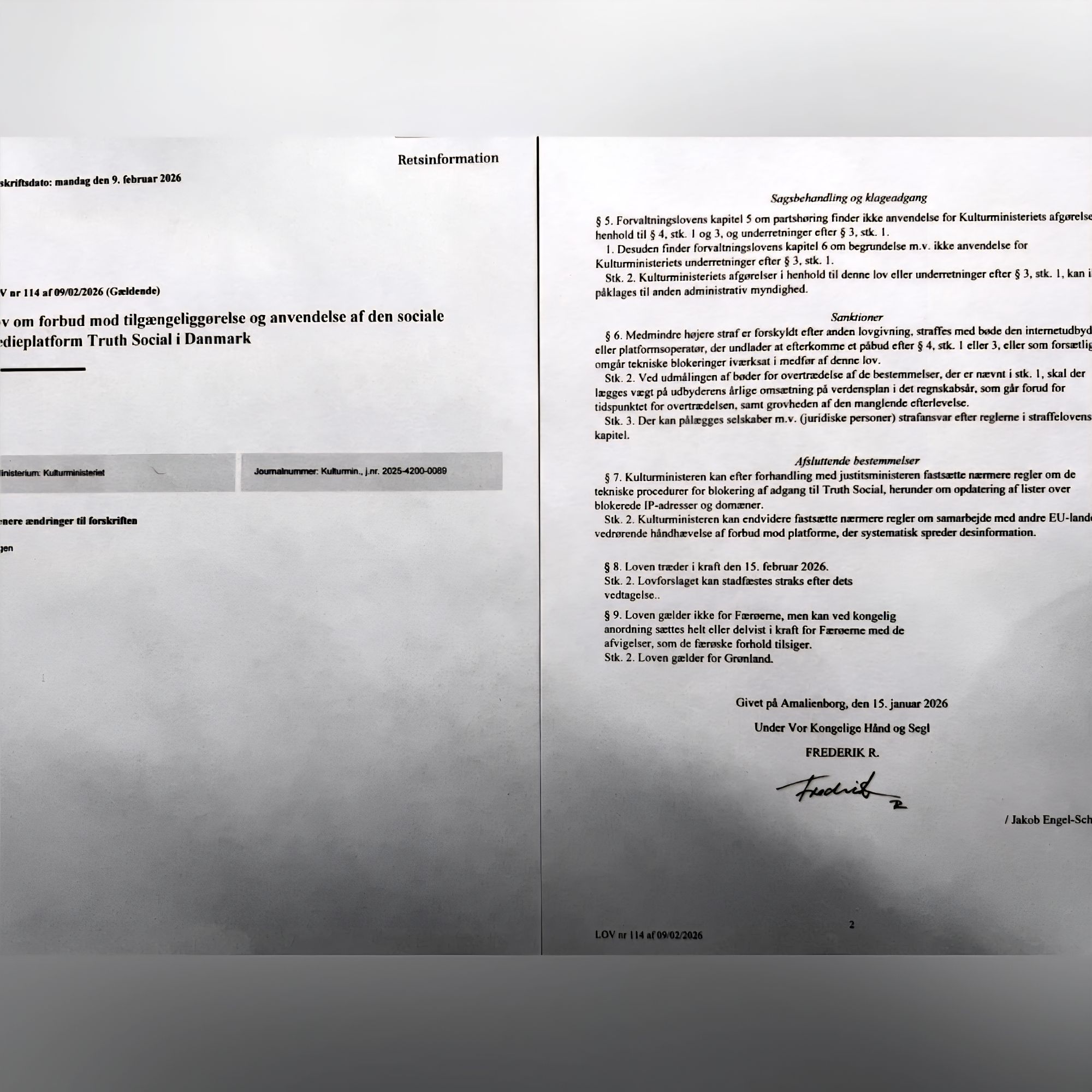
DENMARK INTRODUCES COMPLETE BAN ON TRUTH SOCIAL PLATFORM
LAW TAKES EFFECT IN ONE WEEK
Danish authorities have officially published Law No. 114, which introduces a complete ban on the operations, availability, and use of the Truth Social social network within the kingdom’s territory.
The document, signed by King Frederik X, enters into legal force as soon as this coming Sunday, February 15, 2026. This is an unprecedented step in European legislation, aimed at restricting the operation of a specific foreign digital platform at the state level.
According to the text of the legislative act, this decision is dictated by national security considerations and the need to protect democratic processes from coordinated disinformation. Denmark’s Ministry of Culture has been designated as the competent national authority responsible for implementing the ban and has been granted broad powers to coordinate with internet service providers.
The new legislation imposes direct obligations on all internet providers and app store operators operating under Danish jurisdiction. Operators are required to technically block access to the platform and remove the application from regional versions of digital stores.
The law’s text specifically emphasizes the extraterritorial principle: the requirements apply to any companies providing access to the service for Danish citizens, regardless of where their headquarters are located.
Serious economic sanctions are provided for non-compliance with blocking orders. The key leverage mechanism will be the methodology for calculating fines, which, according to paragraph six of the law, will be based on the violating company’s global annual turnover. This provision creates significant legal and financial risks for international technology giants administering app stores.
The law also provides for an emergency response mechanism. In cases where the platform’s activities are deemed an acute threat to public order, the Ministry of Culture has the right to introduce immediate technical blocking of IP addresses and domains without a prior court decision, subject to subsequent judicial approval of such measures within 24 hours.
The law applies to mainland Denmark and does not affect the Faroe Islands and Greenland, unless otherwise established by a separate royal decree.
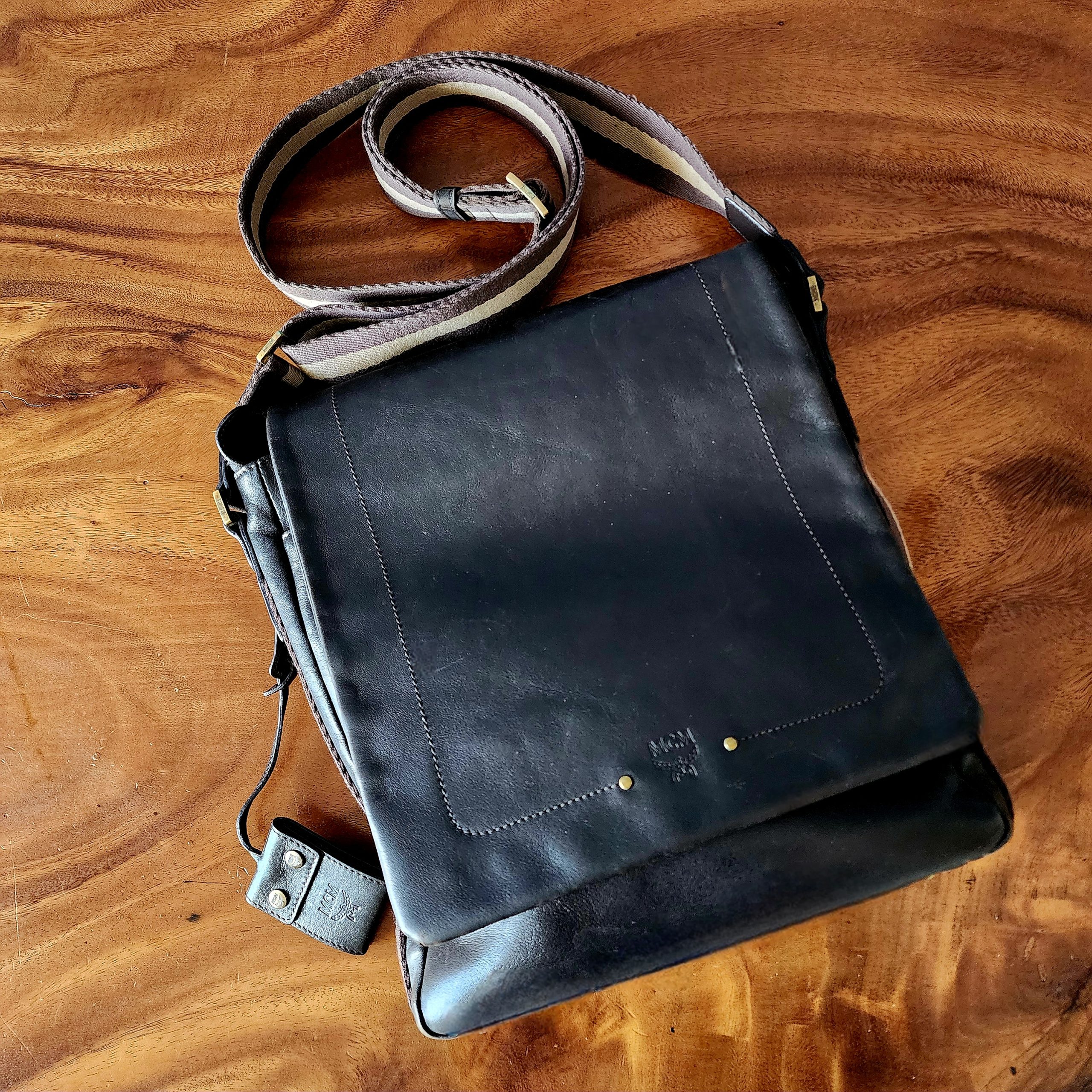
How Do Vintage Handbags Hold Their Value?
Vintage handbags can be worth thousands of dollars, but not every old purse becomes a valuable treasure. Certain designer handbags hold their value or even increase in worth over time because of factors like brand reputation, condition, rarity, and demand among collectors. The vintage handbag market has become similar to other collectible markets, where specific pieces appreciate while others lose their value.
Some luxury handbags from brands like Hermès, Chanel, and Louis Vuitton have shown impressive returns for their owners. However, the resale value depends on multiple elements that buyers and sellers need to understand. The market for these items has changed over the years as more people view vintage handbags as wearable investments rather than just fashion accessories.
This guide explains what makes vintage handbags valuable and how the current market affects their worth. Readers will learn about the specific characteristics that help handbags maintain their value and what trends might shape future prices. Anyone who owns vintage handbags or considers buying them can benefit from understanding these key factors.
Factors Influencing Vintage Handbag Value
The worth of a vintage handbag depends on three main elements that collectors and buyers examine closely. Brand heritage, scarcity, and the bag’s physical state all play major roles in determining what someone will pay.
Brand Reputation and Prestige
Certain luxury brands maintain their worth better than others in the vintage market. Hermès, Chanel, and Louis Vuitton consistently command high prices because buyers recognize their quality and history. These brands built their reputations over decades through skilled craftsmanship and exclusive designs.
A vintage bag from Fashionica or similar retailers often comes from these established houses. The brand name acts as a guarantee of quality materials and construction methods. Lesser-known brands rarely hold value unless they offer unique historical significance.
Market demand shifts based on what collectors want at any given time. However, the most prestigious brands remain stable investments. Their pieces from past decades often sell for more than their original retail prices.
Rarity and Limited Editions
Production numbers directly affect how much a vintage handbag sells for today. Brands sometimes create special releases with only a few hundred pieces made. These limited runs become more valuable as years pass and bags get lost or damaged.
Discontinued styles gain appeal among collectors who want something unique. A bag that was mass-produced decades ago holds less value than one made in small quantities. Special collaborations between designers or brands also increase rarity.
Colors and materials matter too. Unusual leather types or rare color combinations fetch higher prices than standard black or brown versions. The fewer examples that exist in good shape, the more buyers will pay to own one.
Condition and Authenticity
The physical state of a vintage handbag can make or break its value. Buyers look for bags with minimal wear on corners, clean interiors, and intact hardware. Original dust bags, boxes, and authentication cards add value to the package.
Damage reduces worth significantly. Stains, tears, broken zippers, or missing parts lower the price a seller can ask. Some wear shows authentic age, but excessive damage makes a bag hard to sell.
Authenticity verification protects buyers from counterfeits. Professional authentication services examine stitching, hardware stamps, and serial numbers. Real vintage bags have specific details that fakes cannot replicate perfectly. Proof of authenticity through receipts or expert evaluation increases buyer confidence and final sale prices.
Market Trends and Future Value of Vintage Handbags
The vintage handbag market has grown steadily over the past decade, with certain styles and brands that show strong appreciation in value. Fashion cycles and collector demand shape which pieces become profitable investments for buyers.
Historical Performance in Resale Markets
Vintage luxury handbags have demonstrated consistent growth in resale markets since 2015. Classic styles from brands like Hermès and Chanel often sell for 20-30% above their original retail prices in the secondary market. For example, a Chanel Classic Flap from the 1990s typically commands prices between $4,000 and $8,000 today, compared to its original $2,000 price tag.
The resale market reached record growth in 2025. More buyers now view vintage bags as stable assets rather than just fashion accessories. The shift happened because people recognize that quality craftsmanship from earlier decades often surpasses current production standards.
Platform sales data reveals that bags from the 1980s through early 2000s perform particularly well. These decades produced pieces with superior leather quality and construction methods that have stood the test of time. Limited edition releases and discontinued styles tend to appreciate faster than bags still in production.
Influence of Fashion Trends
Fashion cycles directly impact which vintage styles gain value at any given time. The 1990s minimalist aesthetic returned to popularity in 2024, which drove up prices for simple leather bags from that era. Similarly, the Y2K trend increased demand for early 2000s designs.
However, certain classic silhouettes remain valuable regardless of current trends. Structured top-handle bags and quilted flap styles maintain steady prices across different fashion cycles. These timeless designs appeal to buyers who seek long-term value rather than trendy pieces.
Social media has changed how quickly vintage styles gain attention. A single post from a fashion influencer can spike demand for specific bag styles within days. This rapid shift creates opportunities for informed collectors but also adds volatility to certain market segments. Buyers should focus on quality and craftsmanship over temporary trend spikes.
Investment Potential Over Time
Vintage handbags offer moderate investment returns compared to traditional assets. Research shows that select designer handbags can appreciate 5-15% annually, though this varies widely by brand and style. Hermès Birkin bags represent the strongest performers, with some rare colors and sizes that double in value over five years.
The investment approach requires patience and knowledge. Buyers must understand authentication, condition assessment, and market timing to see returns. Storage conditions affect long-term value, as leather deteriorates in poor environments.
Three factors determine investment potential: brand heritage, rarity, and condition. Bags that score high in all three categories tend to hold value best. For instance, a well-preserved limited edition piece from a heritage brand will likely appreciate more than a common style in fair condition. Sustainability concerns and blockchain authentication technology may further boost the vintage market through 2026 and beyond.
Conclusion
Vintage handbags hold their value through a blend of rarity, quality, and timeless appeal. The best investments come from brands with strong histories, limited production runs, and classic designs that never go out of style. Buyers should focus on condition, authenticity, and provenance to protect their investment. With proper care and informed selection, vintage handbags can appreciate over time while newer releases often lose value quickly. These pieces serve as both functional accessories and smart financial assets for collectors who understand the market.
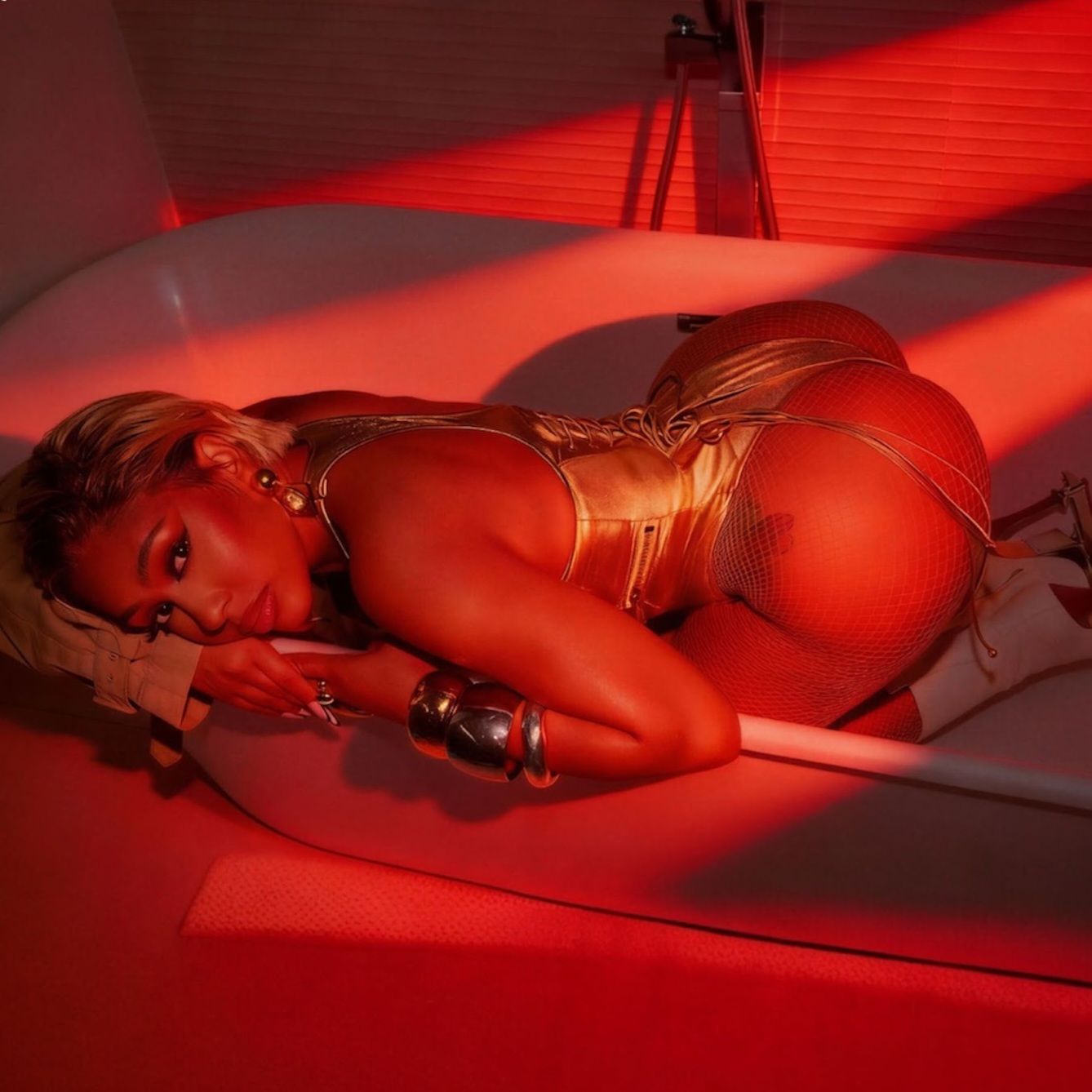
YUNG MIAMI RELEASES NEW TRACK ‘TEA TIME’
Fresh off setting timelines ablaze with the surprise release of “News Flash,” Yung Miami officially drops “Tea Time,” the fearless anthem that first went viral after she previewed a snippet across her social platforms. Within hours, the teaser racked up millions of views, sparked thousands of user-generated videos, and had fans flooding the comments demanding the full track.
Earlier this week, Yung Miami ignited conversation with “News Flash,” a razor-sharp statement record signaling the start of a powerful new solo chapter. Now, with “Tea Time,” she doubles down. Fearless, witty, and instantly addictive, the track is packed with slick one-liners and quotable bars tailor-made for timelines, group chats, and repeat plays.
The snippet quickly became a viral sound across TikTok and Instagram, embraced by influencers, creators, and fans alike. As anticipation surged and clips continued circulating online, “Tea Time” cemented itself as one of the most talked-about unreleased records on the Internet before hitting streaming platforms.
Now officially available on all major DSPs, “Tea Time” captures Yung Miami in her element: playful yet pointed, polished yet raw. The single marks another defining moment in her evolution — stepping further into her solo spotlight while maintaining the charisma and cultural edge that has made her a standout force in hip-hop.
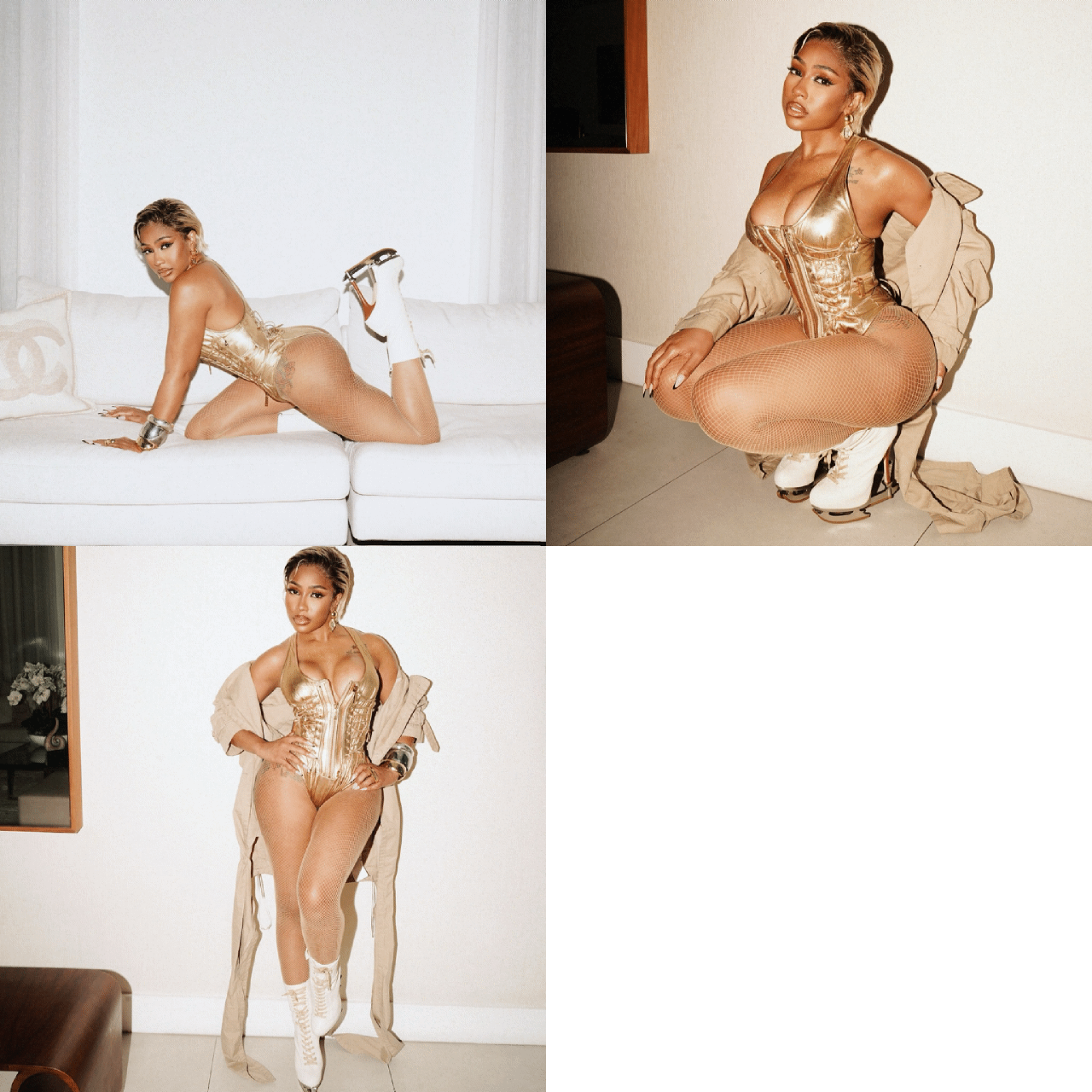
FOLLOW YUNG MIAMI
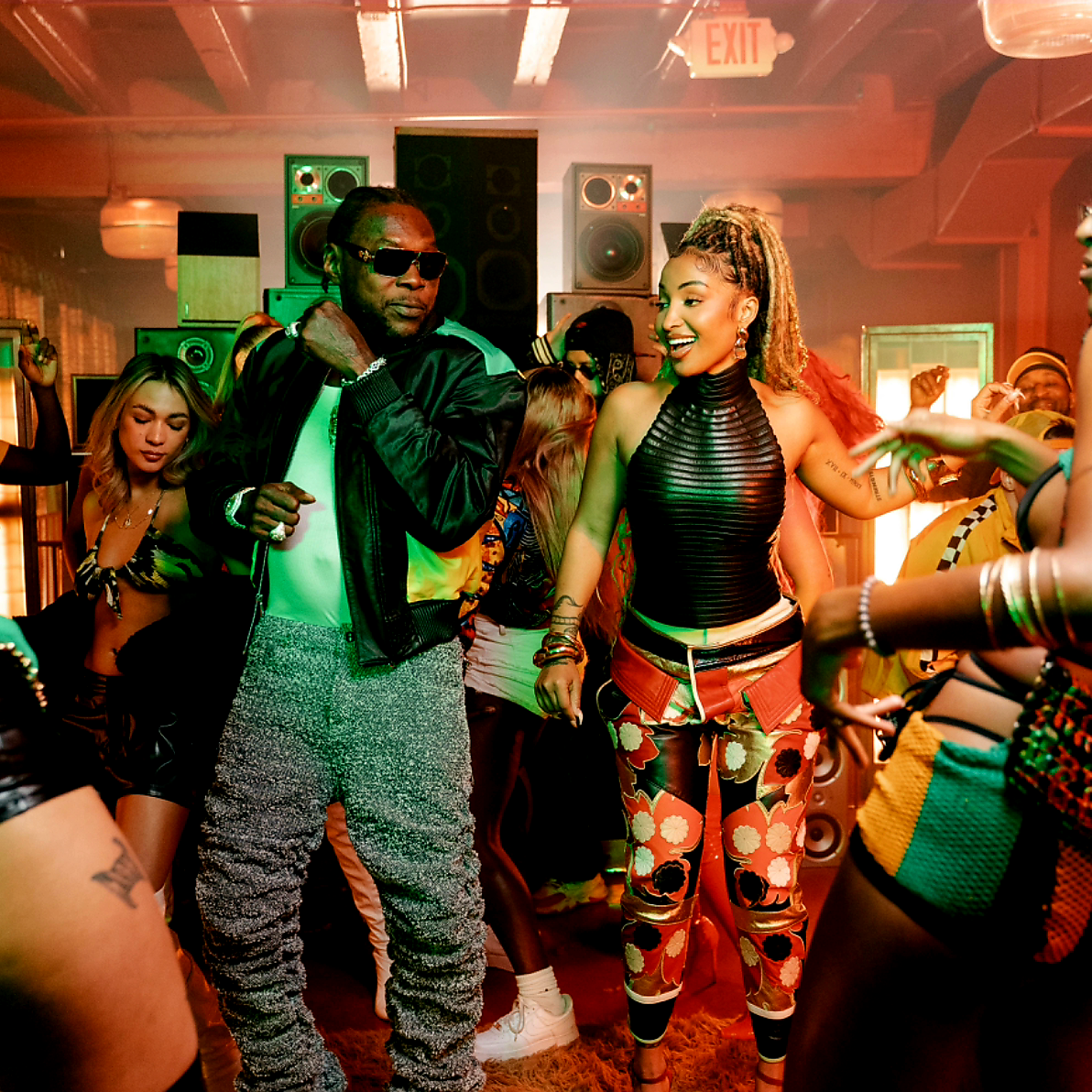
Vybz Kartel + Shenseea Reunite on God + Time
VYBZ KARTEL & SHENSEEA REUNITE 10 YEARS LATER MUSICALLY ON EXPLOSIVE NEW SINGLE “PANIC”
KARTEL’S FIRST OFFICIAL RELEASE FROM UPCOMING ALBUM GOD & TIME
LISTEN | WATCH
Dancehall legend Vybz Kartel reunites with global superstar Shenseea on their brand-new single “Panic,” available everywhere now. Produced by TJ Records and Vybz Kartel Muzik, the track serves as the first official single from Kartel’s highly anticipated upcoming studio album, God & Time, slated for release later this year.
“Panic” arrives exactly 10 years after their first and only collaboration, Shenseea’s breakout 2016 anthem “Loodi.” That record introduced Shenseea to the world under Kartel’s co-sign and helped launch her into international stardom. Now, a decade later, the student and the teacher reunite as two fully realized Jamaican icons at the top of their global influence.
The result is a provocative, easy-breezy summer anthem — a poppy, bounce-heavy, dancehall rhythm built for clubs, TikTok timelines, and late-night speakers worldwide. The chemistry is effortless, the energy magnetic, and the moment symbolic for the culture.
“We made a statement with ‘Loodi’ a decade ago, one that helped put Shenseea on the map. ‘Panic’ is another one for the history books. This is for the fans who’ve been there from day one and for the new generation running with the sound now. It’s God & Time — everything aligning when it’s supposed to,” states Kartel.
The accompanying video, shot in Miami and directed by Shane Creative (@4fortyFouratelier) delivers pure dancehall vibes: towering speaker boxes, bold Caribbean color, batty riders, nonstop waistlines, and steamy island heat. It is vibrant, unapologetic, and rooted in authentic dancehall tradition while capturing the global polish both artists now command. Watch: Vybz Kartel ft. Shenseea “Panic”
More details surrounding God & Time will be revealed in the coming months. 2026 is another landmark year for the king of dancehall. The release signals another powerful chapter in Kartel’s historic return.
Since being freed on July 31, 2024 after serving 13 years incarcerated for a conviction that was overturned, Vybz Kartel has reasserted his dominance as one of the most important figures in modern Caribbean music. A generational lyricist whose influence reshaped dancehall’s sonic and visual identity, Kartel spent over two decades shaping the culture even from behind bars, delivering era-defining hits, mentoring emerging stars, and influencing global artists from Drake to Cardi B while maintaining an unwavering grip on the genre he helped revolutionized.
His comeback became historic: in 2025 he delivered the highest-grossing dancehall tour of the year, selling out more than 25 arena and stadium shows across three continents and averaging over 20,000 fans per night, including a landmark 30,000-capacity show at Jamaica’s National Stadium and multi-night runs at Brooklyn’s Barclays Center, London’s O2 Arena, and Toronto’s Scotiabank Arena — marking his return to U.S. and European stages for the first time in over two decades. He earned his second consecutive GRAMMY® nomination for Best Reggae Album, secured a Top 5 Billboard Rhythmic Airplay hit alongside Travis Scott and Tyla, and expanded his cultural footprint with over 2 billion YouTube views, millions of monthly Spotify listeners, major features in The New York Times, GQ, Rolling Stone, and Billboard, and fashion collaborations with Nike x NOCTA and Guapi. While battling Graves’ disease during his incarceration, Kartel emerges more renewed — sharper in perspective, humbled by experience, and creatively revitalized.
His forthcoming album God &Time reflects that evolution, with “Panic” serving as the opening statement of a new era from an artist whose pen, presence, and global impact remain unmatched.
“Panic” is available now on all streaming platforms HERE.

Your Human Risk Playbook for Secure Generative AI Use
By Nicole Jiang, CEO, Fable Security
Enterprises are adopting generative AI in a big way. People are using tools like ChatGPT, Gemini, and Claude to speed up coding, do research, polish marketing copy, summarize contracts, and brainstorm ideas. The productivity upside is real, but so are the risks: if you’re not careful, you can expose customer data, source code, intellectual property, non-public financials, protected health information, and more. Unlike traditional cyber threats, these exposures don’t come from an external attacker; they come about because everyday employees move too fast, and often don’t understand the consequences.
The only way to deal with this risk is to see it clearly. Gather signals from your workspace and security stack, normalize them, and find patterns. While your security team may be able to surface some issues from individual tools, they won’t have an easy way to correlate and identify people’s risky behavior, and more importantly, won’t be empowered to intervene, making employees aware and suggesting alternative ways to get their jobs done, while also protecting your sensitive data.
Take unsanctioned generative AI tools as an example. An employee might paste content into a public AI application to move faster on a project. If you can see that activity in context—employee, role, access, geo, tenure, and behavior history—and you can also see that the document being uploaded has already been flagged by DLP as sensitive, you now have something actionable.
Here are a few examples of what we see in Fable:
- IAM (Okta, Azure AD) → who’s adopting and provisioning access to AI
- EDR (CrowdStrike, SentinelOne) → endpoint activity such as copy-paste
- DLP (Microsoft Purview, Netskope) → sensitive data categorizations
- SASE (Netskope, Zscaler) → sensitive data uploads to AI
To name a few.
Most teams responsible for managing human risk can’t find this information without tracking it down from separate tools that they may not have access to. What’s missing is a clear, unified view of employee risk—both inherent and behavior—and the ability to intervene quickly and intelligently. When you can see patterns across systems and act on them in real time, you reduce exposure without slowing the business down.
Once you’ve identified the most problematic data-sharing behaviors in your enterprise, you’ll want to take action in the moment using an automated, AI-generated intervention. That may be a quick-and-dirty nudge in Slack or Teams, or a personalized 60-ish-second video briefing referencing the person, their precise behavior, your company’s policy, whatever sanctioned applications you want to guide them to, specific calls-to-action, and whom to contact if they have questions.
With a modern human risk platform, you can suss out risky behavior and respond in a way that supports both security and productivity. Instead of simply blocking an action or sending a long, generic training that feels punitive, you can notify employees as quickly as you detect risk, explain why you’re reaching out, and point them to the right alternative action or remediation. The goal isn’t to police people’s behavior, but rather to help them make safe decisions while also protecting your systems and data.
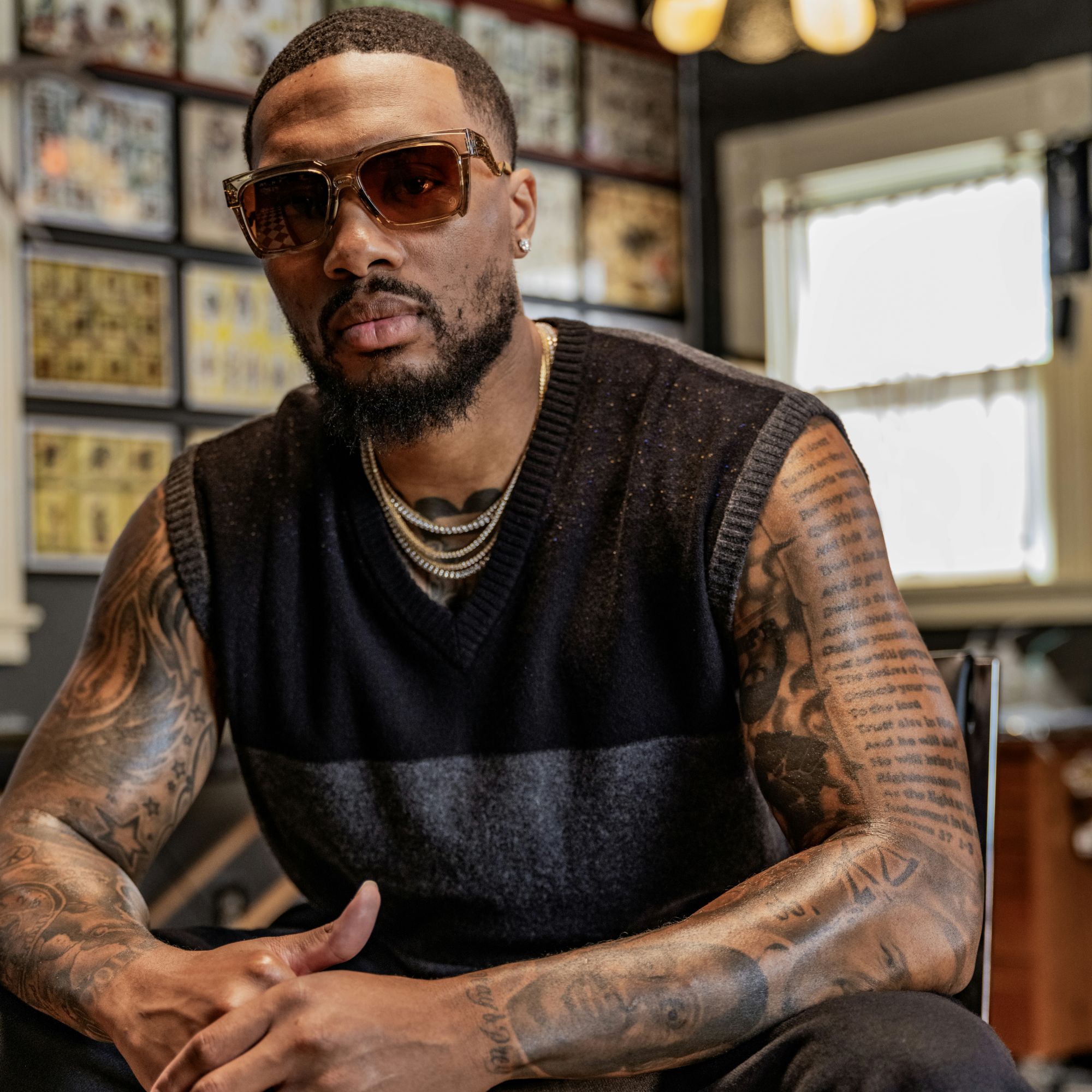
DAMIAN LILLARD + OAKLEY UNVEIL SIGNATURE SERIES ENIGMA INK
Inspired by the parallel energies on the court and in the studio, Oakley® reignites a partnership with basketball superstar and Team Oakley athlete Damian Lillard, aka DAME D.O.L.L.A in the studio, to unveil the Damian Lillard Signature Series Enigma Ink. Enigma Ink is the newest eyewear model in the Damian Lillard Signature Series, reflecting Dame’s multidimensional identity as an elite athlete, recording artist, and cultural force.
Built through the moments that define a legacy, Enigma Ink draws from three meanings of ink itself: a writer’s craft, the art of tattooing, and the mark of a businessman. From handwriting lyrics to meticulously sketched tattoos, ink captures stories worth etching into history. The result of this inspiration is a refined, monochromatic frame that balances focus and creativity, mirroring Dame’s life between the court and the studio, with your choice of a tinted or optical lens.
Damian Lillard shares, “The design of this frame blends the energy from the game, with my passion for music and culture. The frame reflects the look, the mindset, and the legacy I’m building.”
DAMIAN LILLARD SIGNATURE ENIGMA INK (SUN)

The Damian Lillard Signature Enigma Ink sun frames feature a Trans Warm Brown frame paired with a Prizm™ Brown lens, delivering a distinct, elevated design defined by warm monochrome tones and refined metal accents. Powered by Oakley’s Prizm™ Lens Technology, the frame enhances color and contrast to reveal greater detail in everyday environments, while the DAME D.O.L.L.A. logo etching serves as a subtle stamp of Dame’s legacy.
DAMIAN LILLARD SIGNATURE ENIGMA INK (RX)

Designed for all-day wear, the Damian Lillard Signature Enigma Ink (RX) pairs a Warm Brown frame with Prizm™ Brown lenses in a clean, versatile silhouette inspired by Dame’s focus and control. Metal details and warm hues elevate the frame’s aesthetic, while Oakley Authentic Prescription technology delivers crystal-clear vision and lasting comfort. Also finished with the DAME D.O.L.L.A. logo stamp, the RX frame blends performance innovation with personal expression.
The Damian Lillard DL Signature Enigma Ink launches on Oakley.com and at select Oakley retail locations on February 18, 2026. For more information on the Damian Lillard Signature Series and Team Oakley, visit Oakley.com.

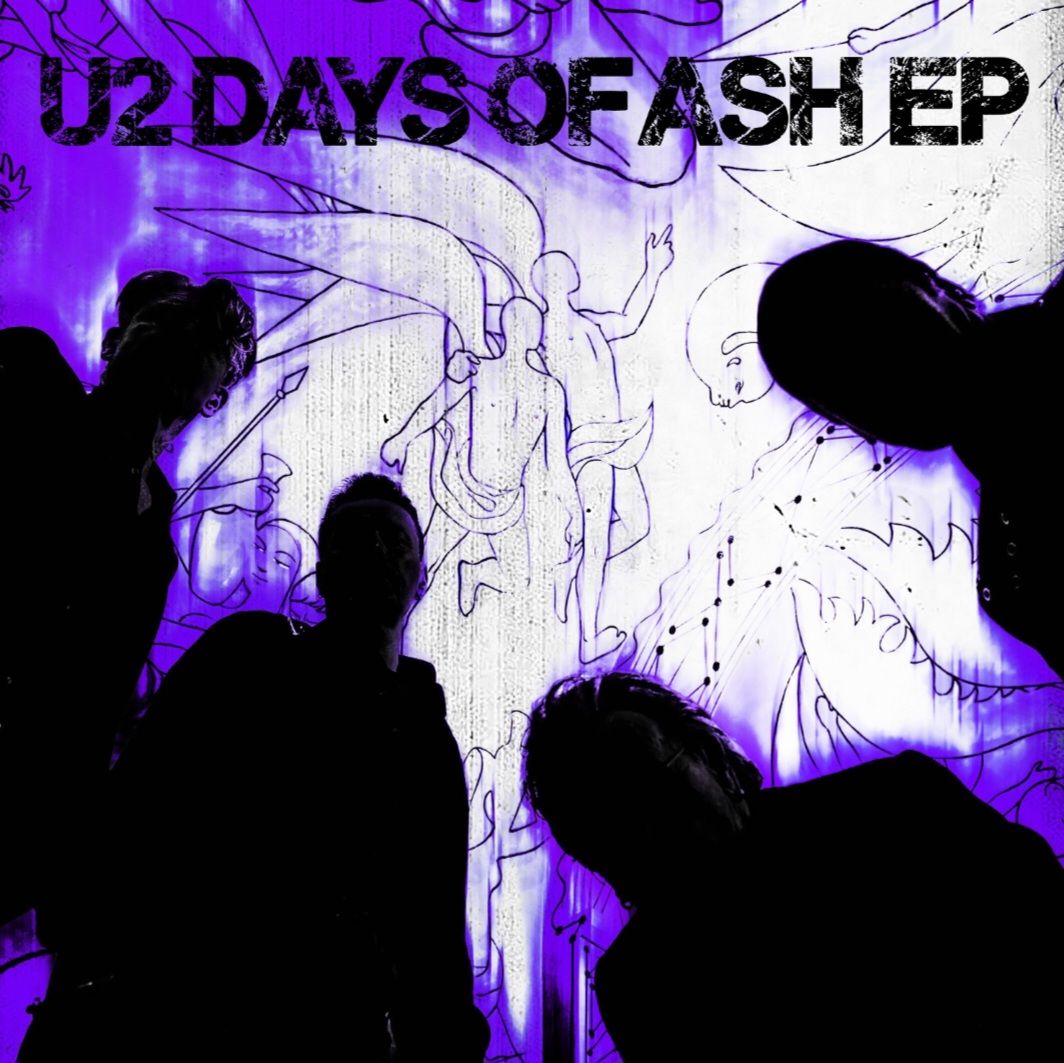
U2 ANNOUNCES 6-TRACK EP ‘U2 DAYS OF ASH’
‘U2 Days Of Ash possesses powerful and poignant pieces of poetic prose, helping us reflect on what’s to come as a result of the new age of global gloom.’ — Vaughn Lowery
During this Ash Wednesday, the day after carnival, Interscope Records announces the release of U2 Days Of Ash, a brand new standalone 6-track EP from U2.
In advance of a new album in late 2026, the U2 – Days Of Ash EP is a self-contained collection of five new songs and a poem – “American Obituary,” “The Tears Of Things,” “Song Of The Future,” “Wildpeace,” “One Life At A Time,” and “Yours Eternally” (ft. Ed Sheeran & Taras Topolia) – an immediate response to current events and inspired by the many extraordinary and courageous people fighting on the frontlines of freedom. Four of the five tracks are about individuals – a mother, a father, a teenage girl – whose lives were brutally cut short. A soldier who’d rather be singing but is ready to die for the freedom of his country.
“It’s been a thrill having the four of us back together in the studio over the last year… the songs on Days of Ash are very different in mood and theme to the ones we’re going to put on our album later in the year. These EP tracks couldn’t wait; these songs were impatient to be out in the world. They are songs of defiance and dismay, of lamentation. Songs of celebration will follow, we’re working on those now… because for all the awfulness we see normalized daily on our small screens, there’s nothing normal about these mad and maddening times and we need to stand up to them before we can go back to having faith in the future. And each other.
‘If you have a chance to hope it’s a duty…” is a line we borrowed from Lea Ypi. A laugh would be nice too. Thank you.’ — Bono
‘Who needs to hear a new record from us? It just depends on whether we’re making music we feel deserves to be heard. I believe these new songs stand up to our best work. We talk a lot about when to release new tracks. You don’t always know… the way the world is now feels like the right moment. Going way back to our earliest days, working with Amnesty or Greenpeace, we’ve never shied away from taking a position and sometimes that can get a bit messy, there’s always some sort of blowback, but it’s a big side of who we are and why we still exist.’ — Larry Mullen Jr.
‘I’m excited about these new songs, it feels like they’re arriving at the right time.’ — Adam Clayton
‘We believe in a world where borders are not erased by force. Where culture, language, and memory are not silenced by fear. Where the dignity of a people is not negotiable. This belief isn’t temporary. It isn’t political fashion. It’s the ground we stand on. And we stand there together.’ — The Edge
“American Obituary” speaks to the shocking event the world witnessed in Minneapolis, Minnesota on January 7th, 2026 where Renée Nicole Macklin Good, an idealistic mother of three, was shot at almost point-blank range while exercising her right to peacefully protest, a right that is protected under the First Amendment of the United States Constitution. This unarmed mother was then described as a “domestic terrorist” by a government who will not withdraw the description even though they know it’s not true. Or mount a proper enquiry into what happened for the sake of everyone involved.
“The Tears Of Things” borrows its title from a book by Franciscan friar Richard Rohr, which examines, through the writings of the Jewish prophets, how one can live compassionately in a time of violence and despair. The song imagines a conversation between Michelangelo’s David and his creator… where the young man with the sling and five smooth stones refuses the idea that he has to become Goliath to defeat him… he’s also revealed as having heart shaped pupils half a millennia before the heart shaped emoji, which puzzles visitors at the Galleria dell’Accademia in Florence, Italy, to this day.
The star of the lyric, Sarina, in “Song of the Future” honors the life of 16-year-old Sarina Esmailzadeh, one of thousands of Iranian schoolgirls who took to the streets as part of the Woman, Life, Freedom movement in 2022. These protests were sparked by the death of Jina Mahsa Amini, a young Kurdish-Iranian woman who died in Tehran on September 16th that year from injuries sustained following her arrest by the so-called “morality police” for not wearing a hijab in accordance with government standards. Seven days later, Sarina was beaten by the Iranian security forces and died from her injuries, the regime claiming she killed herself. The song aims to capture Sarina’s free spirit, the promise and hope of her short life.
The Days of Ash EP includes a reading of “Wildpeace” – a poem by Israeli author and poet Yehuda Amichai – by Nigerian artist Adeola of Les Amazones d’Afrique, with music by U2 and Jacknife Lee.
“One Life At A Time” is written for Awdah Hathaleen, a Palestinian father of three. A nonviolent activist and English teacher, Awdah was killed in his village in the West Bank by Israeli settler Yinon Levi on July 28th, 2025. Awdah was a consultant on the Oscar-winning documentary “No Other Land,” made by Palestinians and Israelis. At his funeral, one of the directors, Basel Adra, spoke of the slaughter of his friend and the experience of Palestinians being erased “one life at a time.” U2 took that line and turned it around to suggest that a peaceful resolution will be wrought “one life at a time.”
“Yours Eternally” sees Bono and The Edge joined on vocals by Ukrainian musician-turned-soldier Taras Topolia, as well as Ed Sheeran. In the spring of 2022, following Russia’s invasion of Ukraine, Bono and The Edge traveled to Kyiv to busk in a metro station at the invitation of President Zelensky. A couple of days prior to that, Ed connected Taras Topolia, and by extension his band Antytila, with Bono. Bono, Taras and The Edge met for the first time on that subway platform. They’ve been friends ever since. Taras is the inspiration for “Yours Eternally,” a song written in the form of a letter from a soldier on active duty with a bold, mischievous spirit to match Ukraine’s.
“Yours Eternally” will also be proudly accompanied by a short 4½ minute documentary film directed by Ukrainian cinematographer and filmmaker Ilya Mikhaylus, that will be released on Tuesday, February 24th – the 4th anniversary of Russia’s invasion of Ukraine. Shot in December 2025 while Mikhaylus and his crew were embedded alongside the 40,000-strong Khartiya Corps, the film captures the extraordinary daily lives of Alina and her fellow soldiers fighting on the frontlines of the war.
U2 Days of Ash EP is accompanied by the return of Propaganda as a one-off digital zine, with a limited-edition print run. Forty years ago, in February 1986, the first issue of Propaganda dropped through the letterboxes of U2 fans around the world. Aspiring to match other fan magazines at that time, Propaganda was born out of the punk-era D.I.Y. zine culture that embraced attitude, ideas and dialogue. In the spirit of those early issues, this standalone EP will be accompanied by a one-off limited edition print run plus digital e-zine drop of Propaganda titled “U2 – Days Of Ash: Six Postcards From The Present… Wish We Weren’t Here.” This 52-page special publication accompanies the release of the Days Of Ash EP and includes exclusive interviews with “Yours Eternally” film director Ilya Mikhaylus and film producer Pyotr Verzilov, as well as musician and soldier Taras Topolia. It also includes song lyrics; notes from the four band members; plus a Q&A interview with Bono. Read Propaganda HERE.
For additional information, visit U2.com
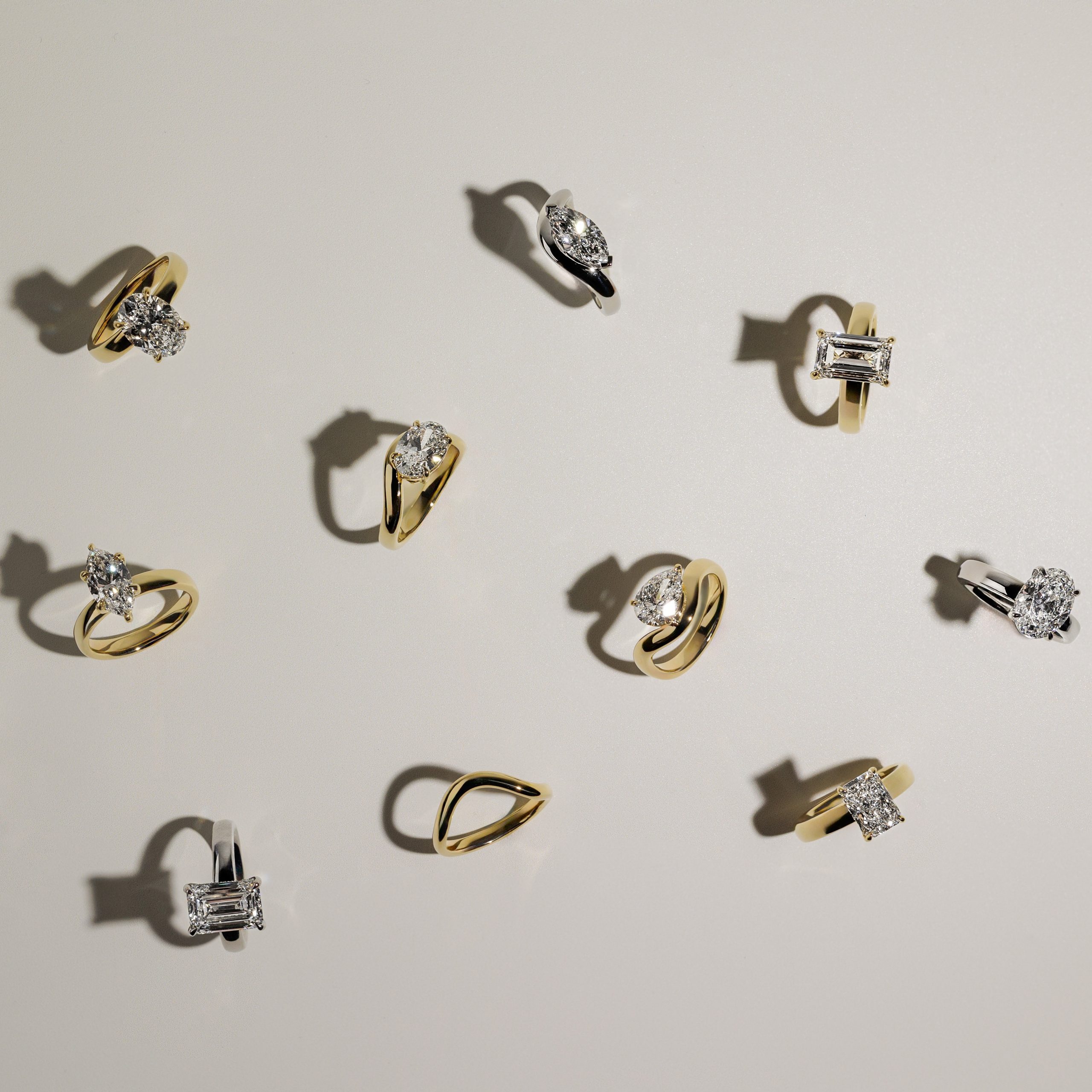
Bezel Settings Redefining Jewellery Design for the Fashion Generation
A New Era of Jewellery Design
Fashion has always been about reinvention. From silhouettes on the runway to the accessories that complete a look, trends evolve to reflect the values and aesthetics of each generation. Jewellery is no exception. Today, bezel settings are stepping into the spotlight, reshaping how engagement rings and fine jewellery are perceived by style‑savvy audiences.
Why Bezel Settings Speak to Modern Style
The bezel setting, once considered a practical choice, has become a hallmark of contemporary design. By encasing the gemstone in a sleek metal rim, it offers a clean, minimalist profile that resonates with fashion’s current love for structure and simplicity. For couples searching for rings that balance elegance with everyday wearability, Cullen Jewellery’s bezel wedding rings provide a compelling option that feels both timeless and fresh.
Fashion Meets Function
One of the reasons bezel settings are gaining traction is their ability to merge aesthetics with practicality. Unlike prong settings, which expose the stone, bezels protect the gem from chips and scratches. This makes them ideal for individuals with active lifestyles who still want their jewellery to reflect sophistication. In fashion terms, it is the equivalent of choosing a tailored jacket that looks sharp while offering comfort and durability.
The Appeal of Minimalist Luxury
Minimalism has become a defining theme across fashion and design. Clean lines, neutral palettes, and understated details dominate collections from leading designers. Bezel settings echo this philosophy, offering rings that are striking without being ostentatious. They allow the gemstone to shine while maintaining a refined silhouette that pairs seamlessly with modern wardrobes.
Sustainability and Conscious Choices
Fashion’s new generation is increasingly focused on sustainability. Ethical sourcing, eco‑friendly materials, and conscious consumption are shaping buying decisions. Bezel settings align with this mindset by offering durability that extends the life of the jewellery. When paired with responsibly sourced stones and recycled metals, they become a symbol of both love and values.
Jewellery as a Statement of Identity
For many, an engagement ring is more than a piece of jewellery. It is a reflection of personal style and identity. Bezel settings allow wearers to express individuality, whether through bold geometric designs or subtle, classic forms. In the fashion landscape, this mirrors the shift toward customisation and self‑expression, where accessories are chosen not just for beauty but for meaning.
Bezel Versus Traditional Styles
Traditional prong or halo settings have long dominated the engagement ring market. While they remain popular, the rise of bezel designs signals a shift in taste. Fashion insiders often describe bezel rings as modernist, architectural, and forward‑thinking. They appeal to those who see jewellery as part of their overall aesthetic, not just a symbol of tradition.
The Fashion Generation’s Perspective
Younger buyers, influenced by fashion media and digital culture, are drawn to designs that feel current yet enduring. Bezel settings fit this narrative perfectly. They are versatile enough to complement streetwear, couture, or everyday looks, making them a natural choice for a generation that values adaptability in style.
Jewellery’s Next Chapter
Bezel settings are redefining how engagement rings are seen, blending fashion with function in a way that feels distinctly modern. Their sleek design, protective qualities, and sustainable appeal make them more than just a setting, they are a statement of identity for a generation that values individuality and style. As jewellery continues to evolve alongside fashion, bezel rings are poised to remain at the forefront, shaping the trends and stories that define tomorrow’s design landscape.