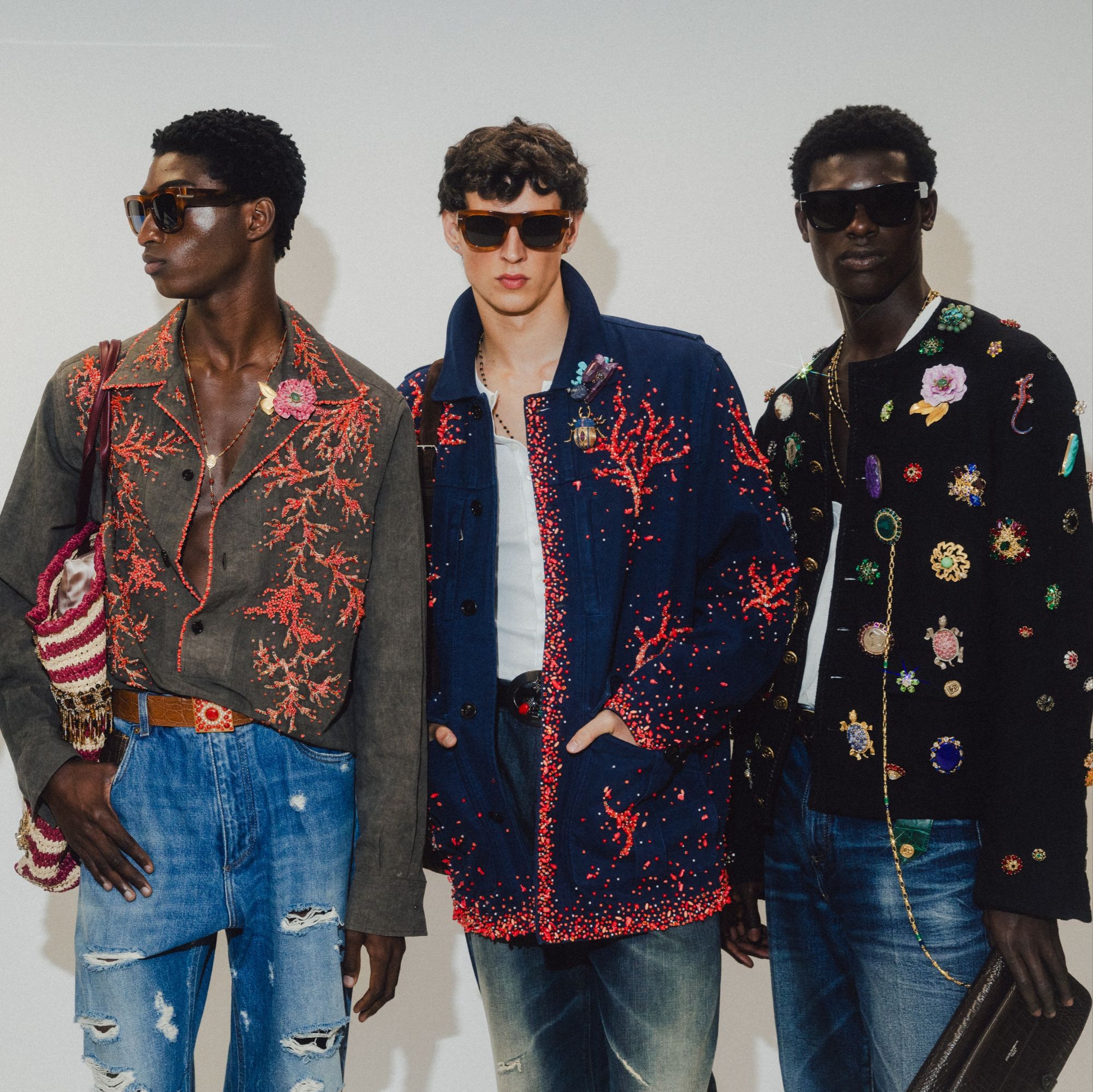
Sicily is the starting point: the source and soul of a house whose creative expression has always been shaped by the island’s light, culture, contrasts and craft.
For millennia this beautiful island at the heart of the Mediterranean has been coveted and conquered by a wide succession of cultures. Each left fragments of its own identity, adding a fresh layer to Sicily’s richly complex character. Today, Sicily continues to embrace new visitors to its ancient shores.
For Domenico Dolce and Stefano Gabbana, Sicily is not a destination or a passing fascination, but a place of origin to which all are welcome. In Spring/Summer 2027, that bond finds a new expression in Vacanze Siciliane, a collection in which the island becomes both point of departure and creative horizon.
Here Sicily is revealed through its layered identity: from dynamic cities to remote villages, from Greek temples to the Baroque architecture of the Val di Noto, from the mosaics of Monreale to the amphitheatre of Taormina. Between sea and stone, shadow and sunshine, a distinctly Sicilian elegance emerges, poised between structure and spontaneity.
That vision is articulated through a fluid, lightweight wardrobe designed to move naturally with the body. Tailoring is softened and deconstructed, silhouettes are open and breathable, and materials carry a tactile, artisanal sensibility.
The show spans the spectrum of Sicilianity. It opens in nero Sicilia : an expression of identity and intensity, in which tailoring and detail carry particular force. From here, the collection explores the wardrobe of a visitor who is on his own voyage of discovery, combining the gestures of travel and leisure with decoration and colour drawn from Sicily itself. The show concludes in all white. This progression frames the collection’s broader palette: shades of sand and limestone, sea blues, turquoise, pistachio green and tones reminiscent of Sicilian granita.
Lightweight cottons, crochet knitwear and woven suede lend the collection ease and material richness. Polo shirts, jackets and even classic shirting are all articulated as knitwear. Silk swimwear, crochet pieces, chevron striped knits and tailored jackets in linen are inspired by the first wave of modern tourists to discover Sicily during the 1950s and early 1960s. Prints of postcard views and lemons add decorative abundance.
Vacanze Siciliane is a summer wardrobe shaped by the craftsmanship, lightness and sensuality that are embedded within the soul of Sicily.
Japón recibió a más de 36 millones de visitantes internacionales en 2024, una cifra récord. Sin embargo, mantenerse conectado sigue siendo uno de los mayores quebraderos de cabeza logísticos para los viajeros. Las tarjetas SIM físicas requieren verificación de identidad en el aeropuerto, los dispositivos Wi-Fi portátiles de alquiler se quedan sin batería y las tarifas de roaming internacional de las operadoras estadounidenses pueden alcanzar los 10 dólares o más al día. La eSIM se ha convertido discretamente en la solución más inteligente para estos tres problemas.
Lo que realmente debe ofrecer la mejor eSIM para Japón.
No todas las eSIM funcionan igual en las redes japonesas. Japón utiliza un conjunto específico de bandas LTE, y los dos operadores dominantes del país, NTT Docomo y SoftBank, cubren diferentes regiones con distinta intensidad de señal. Una eSIM fiable para Japón debe:
Conéctate a una red japonesa de nivel 1 (Docomo o SoftBank, no a un revendedor desconocido).
Ofrecer cobertura 4G LTE real, incluso en prefecturas rurales como Akita o Shimane.
Actívalo antes de la salida para que tengas datos disponibles en el momento en que aterrice el avión.
Viene con un límite de datos claro y sin sorpresas de limitación de velocidad a mitad del viaje.
La velocidad es fundamental. El metro de Tokio cuenta con más de 290 estaciones. Recorrerlo sin conexión a internet es una auténtica pesadilla.
Cómo comparar planes eSIM para Japón: Un marco sencillo
Antes de comprar, somete cualquier plan a esta comprobación de cuatro puntos:
1. Socio de red. Pregunta qué operador japonés ofrece el servicio. Docomo tiene cobertura en más del 99,9% de la población. SoftBank ofrece buena cobertura en las zonas urbanas. Evita los planes que no revelen su socio de red.
2. Volumen de datos vs. duración del viaje. Un viaje de una semana en Japón, con un uso intensivo de mapas, aplicaciones de traducción y el modo cámara de Google Translate, suele consumir entre 3 y 6 GB. Los viajeros con presupuesto ajustado pueden aprovechar al máximo un plan de 3 GB utilizando el Wi-Fi del hotel por la noche. Los usuarios intensivos deberían optar por un plan de 10 GB o ilimitado.
3. Plazo de activación. Algunas eSIM caducan a los 30 días de la compra, otras desde el primer uso. El segundo modelo es mucho más flexible para los viajeros que reservan con meses de antelación.
4. Atención al cliente. Japón no es un país donde quieras solucionar un problema de conexión a internet por tu cuenta. El soporte por chat en vivo las 24 horas del día, los 7 días de la semana, es indispensable para los viajeros internacionales.
Las mejores eSIM para Japón: Las mejores opciones en 2026
El mercado ha madurado significativamente. Estos son los perfiles que vale la pena considerar:
En cuanto a la fiabilidad de la cobertura: los planes que funcionan con la red de Docomo ofrecen un rendimiento superior de forma constante en las zonas rurales de Japón, en zonas montañosas como los Alpes japoneses y a lo largo de las rutas del tren bala Shinkansen entre Tokio y Hiroshima.
Para una configuración sencilla: Las mejores eSIM se instalan mediante código QR en menos de dos minutos. Sin necesidad de intercambio físico ni de visitar una tienda de la operadora. Puedes configurarla desde la comodidad de tu sofá la noche anterior a tu vuelo.
Para los viajeros que detestan las sorpresas:Holafly ofrece planes de datos ilimitados para Japón a precio fijo, lo que significa que no habrá sorpresas desagradables en la factura al regresar a casa. Sus planes se activan mediante código QR y son compatibles con la mayoría de los smartphones desbloqueados.
Para viajeros con presupuesto ajustado: los planes de datos fijos (de 5 GB a 10 GB) suelen costar entre 15 y 35 dólares por un período de 30 días. Son ideales para quienes planean usar la conexión Wi-Fi de hoteles y restaurantes para ver contenido en streaming de alta calidad.
¿Necesitas un plan independiente para cada isla?
Las principales islas de Japón (Honshu, Hokkaido, Kyushu y Shikoku) están cubiertas por los planes eSIM estándar. Okinawa también está incluida en la mayoría de los proveedores de renombre. La excepción son algunas islas remotas con infraestructura limitada, donde incluso las tarjetas SIM locales presentan problemas de cobertura.
Preguntas frecuentes: La mejor eSIM para Japón
¿Mi teléfono es compatible con una eSIM japonesa?
La mayoría de los iPhones desde el XS en adelante y los teléfonos Android de gama alta desde 2020 en adelante son compatibles con eSIM. Verifica la configuración de tu operador y confirma que tu teléfono esté desbloqueado antes de comprarlo.
¿Puedo usar una eSIM y mi tarjeta SIM normal al mismo tiempo en Japón?
Sí. Los dispositivos con doble SIM pueden mantener activo tu número de teléfono fijo para llamadas y mensajes de texto, mientras que la eSIM gestiona todos los datos en Japón.
¿Funcionan las eSIM en el Shinkansen?
La señal puede debilitarse brevemente en los túneles, pero las eSIM con respaldo de Docomo mantienen una conectividad sólida en toda la red de trenes de alta velocidad en los tramos abiertos.
¿Es legal usar una eSIM extranjera en Japón?
Completamente legal. Japón no tiene restricciones sobre el uso de eSIM extranjeras.
Most players dying in Arena Breakout Infinite aren’t losing because of bad aim. They’re losing because they’re entering fights they’ve already lost before pulling the trigger.
This guide fixes that. Whether you’re grinding TV Station or running Northridge for high-tier loot, the difference between extracting and dying usually comes down to three things: weapon choice, positioning, and information. Master those, and the mechanics follow.
The 2026 Meta: What’s Actually Strong Right Now
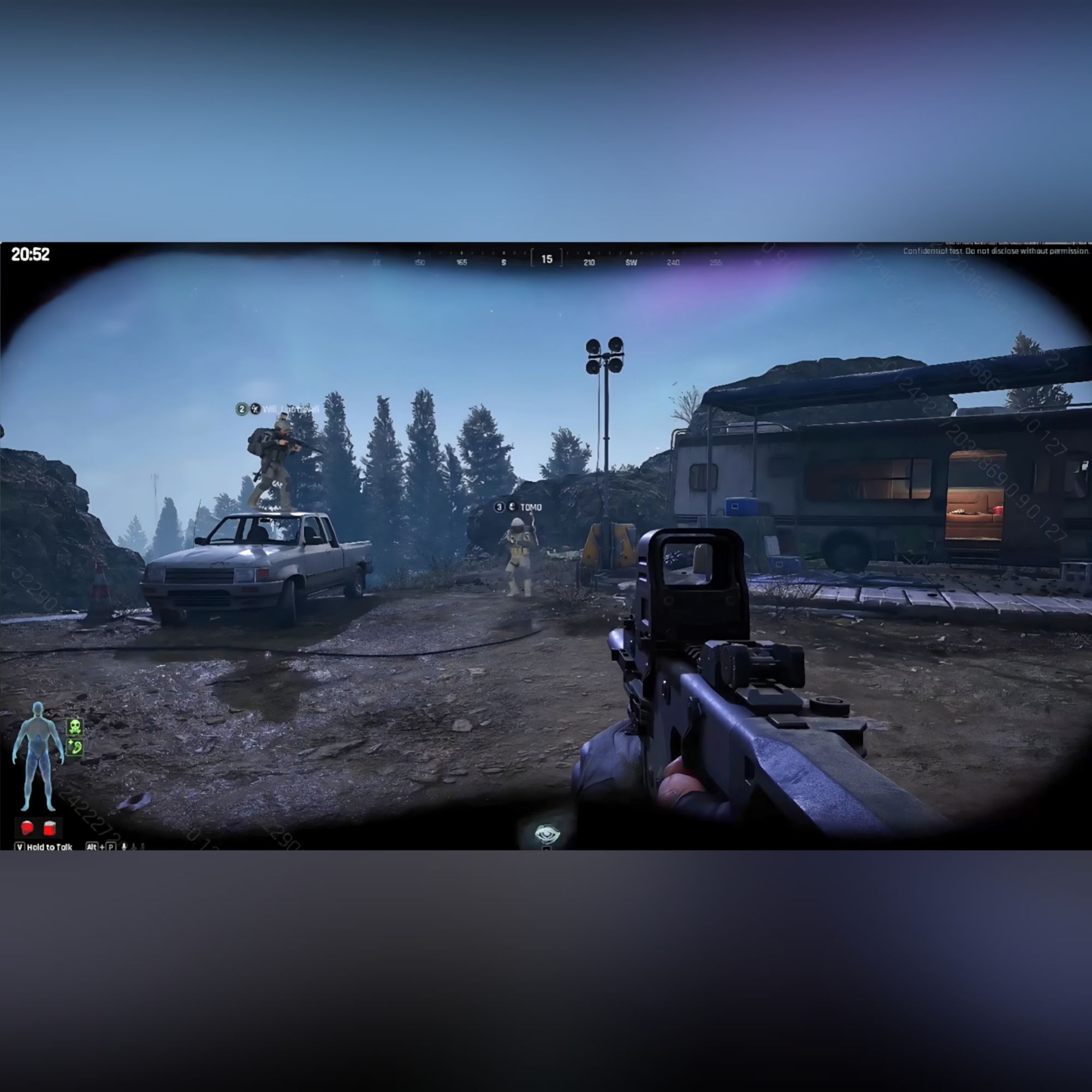
Operation Unbound (March 2026) added the SCAR-HAMR, G28, and MG3 to the roster, but the weapons that have been winning fights since late 2025 haven’t changed. The HK416, MCX, MPX, and AK-12 still define the meta because they reward consistency over flashiness.
Why These Weapons Keep Winning
The HK416 sits at roughly 900 RPM with muzzle velocity near 910 m/s. That combination means your bullets arrive fast and hit hard, especially through mid-tier armor. The MCX trades a little fire rate for exceptional ergonomics — around 80 ergo with 77 vertical recoil — making it almost boring to use at medium range, which is exactly what you want in a gunfight.
For close-quarters maps like TV Station, SMGs like the MPX and Vector-type options are simply faster at the ranges where most fights actually happen. Pairing a high-RPM AR with a compact SMG secondary covers almost every engagement scenario you’ll encounter.
Here’s a quick breakdown of the current S and A-tier options:
HK416 — S-tier, medium-long range, low recoil, best all-rounder
MCX — S-tier, medium range, high ergonomics, excellent tracking
MPX — S-tier, close range, blistering fire rate, low kick
FAL — A-tier post May 2026 patch, reduced base recoil, hard-hitting
M110 — A-tier, DMR for long sightlines, punishes static players
The FAL specifically got a base recoil reduction in the May 8, 2026 patch alongside visual recoil optimization. If you’ve been avoiding it for feeling too punishing, it’s worth revisiting now.
Core Mechanics: Damage, Armor, and Where to Aim
Arena Breakout Infinite has a tiered armor system that genuinely changes how fights play out. High-tier armor shrugs off lower-penetration rounds even from strong rifles, so your ammo selection matters as much as your weapon choice.
Headshots Change Everything
Crosshair placement at roughly head height — around 1.7 meters — is the single biggest mechanical habit separating consistent players from inconsistent ones. Hitting upper chest and face shots bypasses the armor efficiency question almost entirely. Body shots through four-plate armor with weak ammo will lose you fights you should win.
Pre-aim every doorway and corner at head height. When an enemy appears, the crosshair is already there. The time-to-kill collapses from “maybe” to “definitely.”
Recoil Patterns and How to Actually Fix Them
Every gun in Arena Breakout Infinite has a learnable spray pattern. The practical method: take your rifle into the firing range, fire a full magazine at a wall, and study the bullet hole cluster. Almost every AR kicks up and slightly right. Pull down and left during sustained fire, harder at the start of the spray, and ease off as the gun settles.
Turn off aim assist in the range when practicing. It sounds counterintuitive, but building actual muscle memory for your gun’s pattern means you won’t be fighting the compensation when it matters. Some players use a 3.5x scope during practice sessions specifically because it exaggerates small deviations and makes control improvements visible faster.
Positioning and Map Control
TV Station is where most new and intermediate players either learn positioning or stop improving entirely. The central zones — Gen, Directors, Managers — are permanent gunfight hotspots because they gate access to the best loot. Rushing them without information is how full kits disappear in thirty seconds.
Sightlines, Verticality, and Power Positions
The maps in Arena Breakout Infinite reward players who hold elevation. Top-of-stairwell angles let you see enemy heads before they see your body. Balconies on Northridge and the upper floors of TV Station’s main building are power positions precisely because of this geometry — you’re always seeing more of them than they see of you.
Match your weapon to the engagement distance. Long corridors and open sections of Northridge and Valley favor the M110 or MCX. The tight hallways inside TV Station are where MPX and Vector-type SMGs justify their existence. Walking into a small room with a DMR or walking into an open sightline with an SMG are both mechanical mistakes dressed up as bad luck.
This is also where tools like Battlelog’s Arena Breakout cheats — including ESP and radar features — can shift the information equation. Knowing an enemy is holding the top of a stairwell before you commit to climbing it turns a coin-flip push into a deliberate decision. That’s the practical value of information-based enhancements, though it’s worth noting that third-party tools carry real ban risk and violate the game’s terms of service.
Building Loadouts That Actually Win Fights
The most expensive loadout in your inventory shouldn’t go into a map where you’ll face squads without a rotation plan. Save ultra-rare gear for planned high-value runs. For regular PvP-heavy maps, workhorse builds outperform luxury kits by a wide margin because confidence in your gun trumps raw statistics.
Attachment Philosophy for PvP
Stack recoil reduction first — compensators, vertical grips, and stable stocks turn high-RPM rifles into lasers at the engagement distances where most fights happen inside 50 meters. Once your spray pattern feels manageable, start trading some stability for ergonomics and ADS speed. Faster ADS wins more peek duels than marginally tighter groupings at 100 meters.
High-penetration ammo is non-negotiable against armored targets. A well-built HK416 with weak ammo loses to a budget AK-12 with strong ammo. This is the part of loadout building most players skip when they’re focused on gun tier lists.
Game Sense: Choosing Which Fights to Take
The most consistent players in any extraction shooter win more fights because they take fewer bad ones. That sounds obvious until you’re three minutes into a raid and you hear footsteps and immediately start pushing.
Audio Is Your First Sensor
Footsteps, reload sounds, and scav audio in Arena Breakout Infinite carry substantial information. Good headsets and proper audio settings reveal positions before visual contact. Committing to a push without audio clarity is a common reason full kits get walked into three-way fights that were entirely avoidable.
When to Break Contact
Re-peeking the same angle after taking damage is one of the most reliably fatal habits in the game. If you took a hit from a doorway, that player is still watching that doorway. Use utility, reposition, or disengage entirely. The kit you extract with is worth more than the kill you’re trying to force.
Categorize every death when it happens: was it mechanics, positioning, or a clean outplay? Mechanical deaths get fixed in the firing range. Positioning deaths get fixed by slowing down and checking angles. Outplays just happen — don’t overthink them.
A Simple Daily Training Routine
Ten to fifteen minutes of firing range work — spray patterns on a wall, burst-fire at varying distances, tracking moving targets with your primary and SMG secondary — compounds faster than most players expect. Add five minutes of slow angle-clearing in low-risk raids where the only goal is pre-aiming every doorway correctly.
Sensitivity optimization sits underneath all of this. Find a sensitivity that lets you complete a smooth 180-degree turn in one consistent swipe, then leave it alone long enough to build real muscle memory. Constant sensitivity adjustments reset that process every time.
The Honest Summary
Winning more gunfights in Arena Breakout Infinite in 2026 comes down to running meta weapons with appropriate ammo, holding better angles at head height, and taking fights where you hold the information advantage. The players consistently extracting with full kits aren’t necessarily the best aimers — they’re the ones who understand which fights are winnable before walking into them.
Fix the fundamentals first. Then optimize everything else around them.
Golden retrievers are some of the most popular dog breeds around. They’re known for being high-energy dogs that love to bond with their handlers. Plus, golden retrievers are easy to play with, train, and even cuddle with at the end of a long day. That said, you do need to consider their size, energy levels, and other personality traits.
So, is a golden retriever considered a large breed? The short answer is yes, but it’s a bit more complicated than that. Luckily, we have your back with this guide. Read on to learn more below.
What Is Considered a Large Dog Breed?
Before we determine if a golden retriever is a large dog breed, it’s first important to understand what makes a dog a large one. While this is subjective, there are some common factors that contribute to a dog being considered large.
The most notable factor, though, is the weight of the dog. Large dog breeds tend to weigh 50 to 100 pounds. In fact, these aren’t even the largest dog breeds, as there are gigantic dog breeds that weigh over 100 pounds.
So, if a golden retriever is going to be considered a large dog breed, they need to be well within this 50 to 100 pound range.
Is a Golden Retriever Considered a Large Breed?
Yes, golden retrievers are considered a large dog breed, but sometimes they may be smaller dogs. Now, while this may be the case, that doesn’t necessarily mean that they’re as big as you think. You’ll find that most golden retrievers are medium-sized dogs that can grow into larger dogs.
However, while they may feel smaller than some massive breeds, they make up for this with their energy levels. For these reasons, golden retrievers can be about as much to handle and train as many larger dog breeds.
Therefore, it’s worth considering; their energy can make them difficult to handle if you have small children or if you don’t have the time necessary to spend with them.
How Big Are Golden Retrievers?
Golden retrievers are large dogs because of their size. While they reach around 24 inches at the shoulder, goldens are also heavy animals. You can expect the average golden retriever to be around 65 to 75 pounds. Ultimately, this puts them right in the middle of that large dog range.
However, there are some factors to consider. For example, female goldens tend to be smaller, so they may only weigh 40 to 50 pounds. Therefore, you may get lucky and find a golden retriever that’s more on the medium-sized portion of the dog breed size spectrum.
How Big Are Golden Retriever Puppies?
Golden retriever puppies are some of the cutest dogs you’ll ever find. They have floppy little ears, puffy coats, and only weigh around 10 to 15 pounds at eight weeks old. So, golden retrievers, like many other small dog breeds, start off as small, cute, and playful pups. Of course, they don’t stay that way, so keep this in mind.
This becomes more relevant if you have an apartment and plan on moving into a larger home within a year or two. If this is the case, you may be able to start with a golden retriever puppy as you plan your move. The moral of the story is that while golden retrievers start off small, they don’t stay that way.,
Is a Golden Retriever Considered a Large Breed? Our Final Thoughts
So, is a golden retriever considered a large breed? At the end of it all, yes, golden retrievers are considered large breeds. However, most golden retrievers are only medium-sized dogs and sometimes a little larger. That being said, they can feel like caring for a large dog breed due to their high energy levels, so make sure you keep this in mind.
If you’ve made it this far and you’re still interested in getting a golden retriever, organizations like Dog Academy can help you find golden retriever puppies for sale in your area. Make sure you evaluate your options and even take some time to think about adoption.
It can be difficult to find a person’s email, particularly when you have little to go on or have little more than their Facebook account. You met an interesting guy in New York City and wanted to contact him through his business email, but all you have is a Facebook full of ancient photos that looks inactive. Worse, you aren’t even friends with the person, so you can’t access most parts of their digital profile.
While it may have been next to impossible to track someone’s email in the early years of the new millennium, the internet has gotten pretty good at leaving trails. For Facebook, finding someone’s email address is far from impossible if you know what to do. That being said, some methods may not work if the individual in question has left a light cyber footprint.
Thankfully, we have three reliable methods that will show you how to find email associated with Facebook account. By the end of this article, you will understand how to find an email through Facebook, with third-party options, and a fair bit more. Put on your fedora and trench coat while the world slips into neutral colors as we sleuth out an email address from a Facebook account.
How to Find Email Associated With Facebook Account in 3 Different Ways
If you want to find your own email associated with a Facebook account, simply go into your different emails and type in “Facebook” in the address bar. If you want to find the email of someone else through Facebook, it can be a bit more difficult, though almost never impossible.
Check Their Profile
The most basic and straightforward approach can sometimes be the most time-efficient, so we have put this above the others in the interest of saving a few minutes. If you are friends with a person, or their About Me section is public, you may be able to discover their email in the Contact and Basic Information section.
It really is that simple. However, the results are not. Going through Facebook alone will require a bit of luck. You will need a person who is more open with their social media, and willing to give out contact information to everyone and anyone who can find their account. For a method with a much higher success rate, use the following tool.
Use An Email Lookup
If you have never used a people search engine, you may not be familiar with this unique method of obtaining information. People search engines offer a number of different ways to locate someone, such as inputting their name, address, or even their phone number. You can also use an email lookup tool, which offers multiple methods to find an address.
Pull the person’s first and last name from their Facebook, and keep a note of their city and state, as these will also be required. Once you enter the details, a list of compatible results will pop up. Among them will be your sought-after email address. While this isn’t directly through Facebook, it is only possible with information from Facebook.
Ask for Email From the Individual
If your reasons for looking for a person’s email are above board, there really is very little reason why you can’t reach out directly through social media to ask for an address. This method may be awkward, and if you are looking for a business connection, it may come across as unprofessional, but it can help save you time and money.
Now You Know How to Find Email Associated With Facebook Account
Getting an email from a Facebook account sounds like it requires a team of hackers illuminated by blue light and flickering screens, but it really just requires a few minutes and basic searches. Look through a person’s contact information to see if they have their email listed. If not, consider asking them outright for their email if it doesn’t put you in an unwanted position.
The best method, hands down, however, is the email lookup. In days where you can find someone’s entire life online with nothing more than a first and last name, the people search engine is a terrifying but terribly effective tool. Like any powerful digital tool, you should not use an email lookup to stalk, harass, or otherwise bother individuals.
For years, cruises to Antarctica followed a predictable booking rhythm. Travelers would begin researching trips toward the middle of the year, compare ships through summer, then secure departures in the fall. According to Voyagers Travel Company, that pattern has changed – and quickly.
The company says many 2026 departures are already far fuller than they would normally expect at this stage, particularly on smaller vessels and longer itineraries. In some cases, cabins that would previously have remained available until late summer are now disappearing months earlier.
The change has been especially noticeable on voyages that include South Georgia, as well as newer expedition ships entering the market with limited passenger numbers. Voyagers believe a mix of post-pandemic travel habits and restricted capacity is behind the acceleration.
Unlike conventional cruise markets, Antarctica works within hard limits. Only a relatively small number of ships operate there each season, and environmental regulations strictly control landings and passenger numbers. That means demand cannot simply be absorbed by adding more departures.
Marco Sancho, CEO of Voyagers Travel, said, “Antarctica has always been a destination that requires careful, early planning, but what we’re seeing now is a genuine acceleration. Travelers who wait until the traditional booking season often find that the departures and vessels they had in mind are no longer available.
“At Voyagers, we work with our clients well in advance to map out the right journey for them, because in this market, timing is everything.”
Voyagers Travel works with a range of Antarctic operators rather than representing a single cruise line. The company helps travelers compare Antarctica expedition cruises, routes and expedition styles across the market, from classic Peninsula crossings to more wildlife-focused itineraries that extend toward the Falklands and South Georgia.
According to the company’s advisory teams, many travelers still approach Antarctica assuming there will be flexibility later in the year, only to discover that preferred cabin categories or sailing dates have already sold out.
This is particularly common among travelers planning milestone trips, private family journeys, or extended South America itineraries built around Antarctica departures.
For travelers considering Antarctica in 2026, Voyagers advises to start planning far earlier in the year – not simply to secure a cabin, but to have a realistic range of ships, routes and departure dates still available to choose from.
For over 20 years, Voyagers Travel Company has been helping travelers explore South America and Antarctica with depth and purpose. It specializes in bespoke itineraries that pair five-star comfort with authentic connection, from Galápagos small-ship cruises to local-led Amazon expeditions. Every journey is designed to support local communities, protect fragile ecosystems, and celebrate the spirit of discovery that defines true luxury travel.
A New Premium Wine Brand Showcasing the Depth and Diversity of Israel’s Terroir
A refined collection crafted for restaurants, wine shops, and discerning consumers
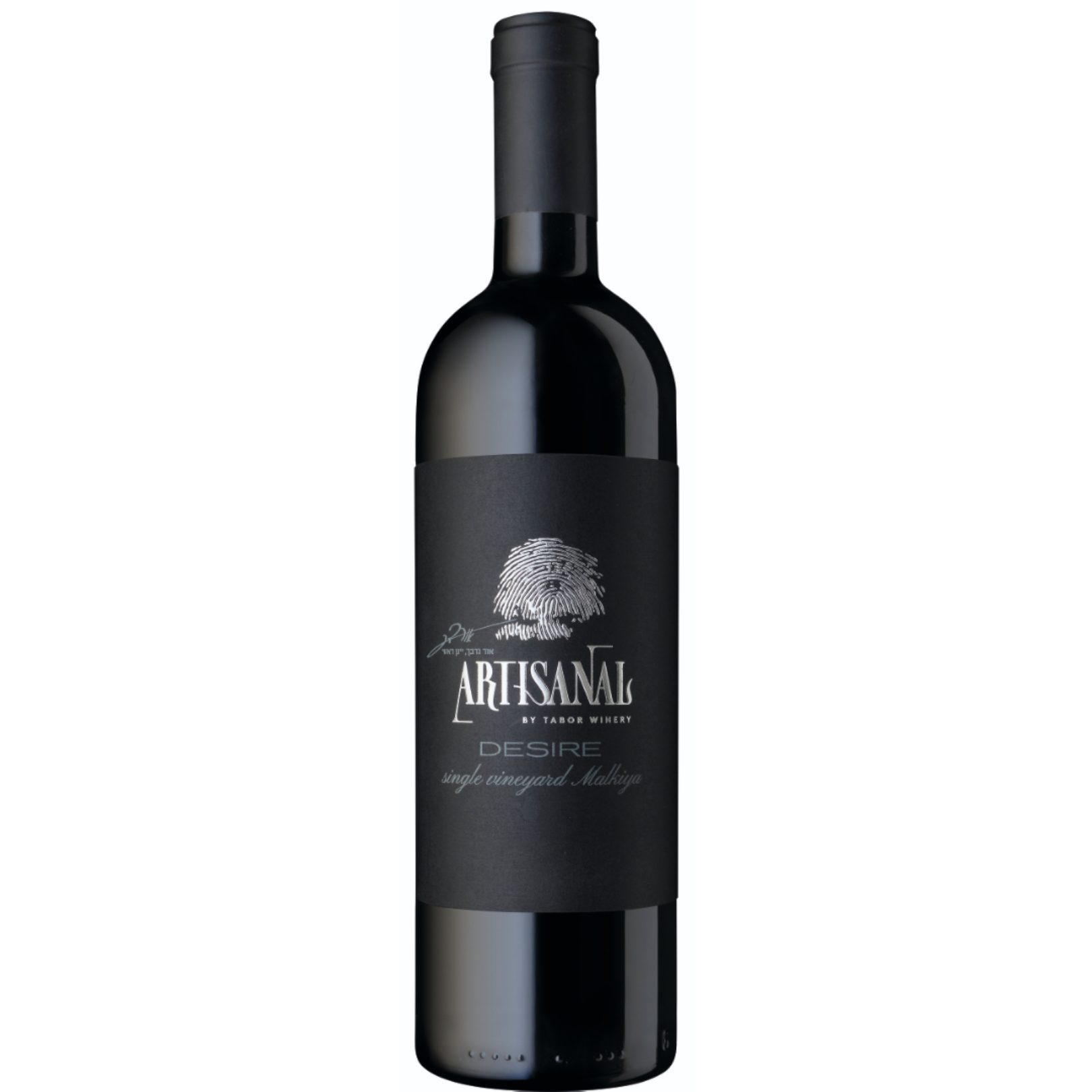
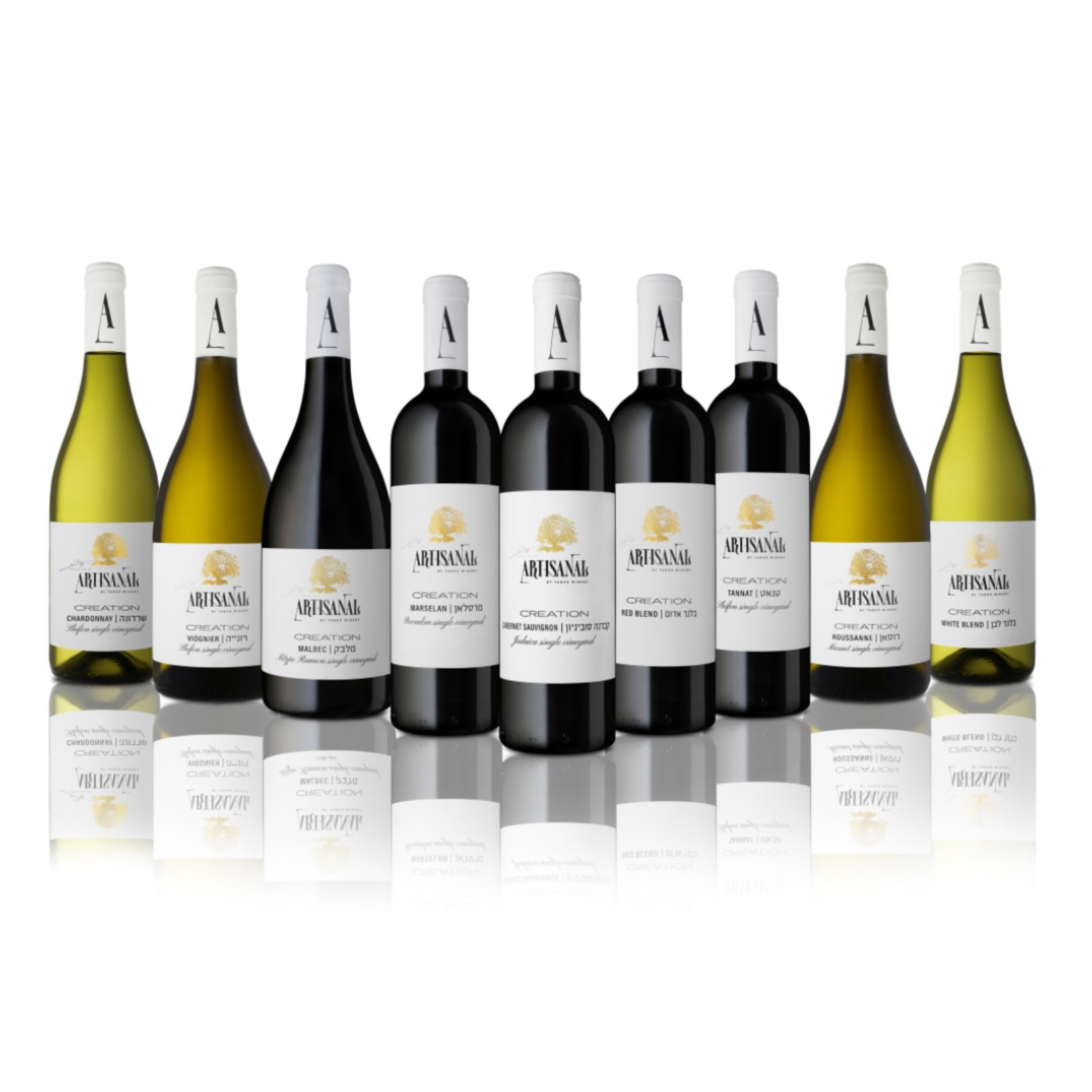
Tabor Winery, one of Israel’s most dynamic and forward-thinking wineries, announces the launch of Artisanal, a new premium wine brand that reflects the winery’s evolution, craftsmanship, and deep connection to the land.
Developed under the direction of head winemaker Or Nadbach, Artisanal represents a bold new chapter for Tabor—one that elevates its portfolio into the premium and ultra-premium category while remaining rooted in the winery’s 25-year legacy of sustainable viticulture and innovation.
Artisanal is designed as a distinct brand within the Tabor portfolio, specifically positioned for restaurants, specialty wine retailers, and direct-to-consumer channels. Unlike Tabor’s widely distributed labels, Artisanal offers a more refined, small-batch approach, appealing to wine enthusiasts seeking authenticity, craftsmanship, and a sense of place.
“Artisanal is a natural evolution for Tabor and a reflection of how far Israeli winemaking has come,” said Roy Harel, Wine Business Unit Director for Tabor Winery. “With this collection, we are able to highlight the nuance of our vineyard sites and craft wines that truly express the diversity of Israel’s terroir—from the Galilee to the Jerusalem Mountains—while delivering the quality and sophistication today’s global wine consumer expects.”
A New Expression of Israeli Winemaking
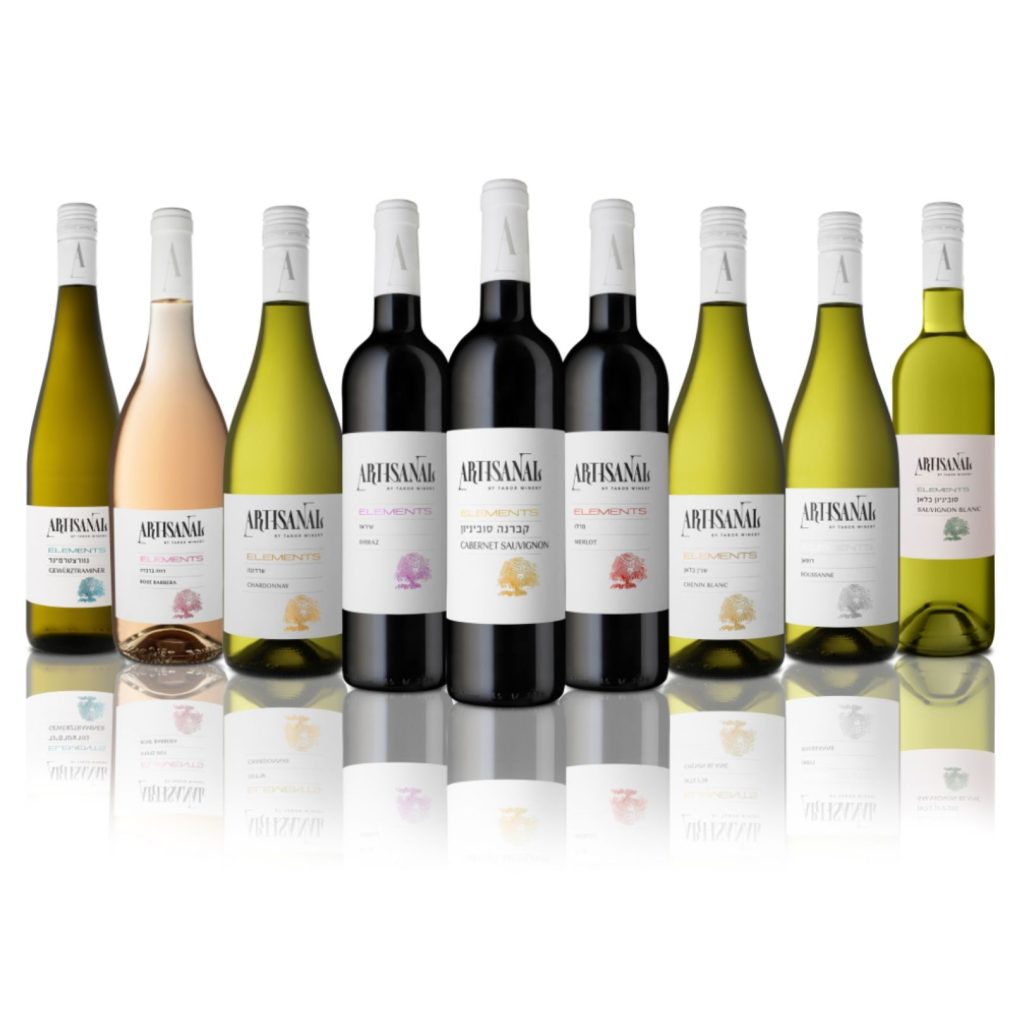
Sourced from some of Israel’s most diverse and high-quality growing regions—including the Galilee, Golan Heights, and Jerusalem Mountains—Artisanal wines are crafted from carefully selected vineyard plots, each chosen for its unique microclimate and soil composition.
The brand includes multiple premium series and a broad range of varietals, with wines that emphasize balance, elegance, and complexity. Early releases showcase expressions such as Chardonnay, Cabernet Sauvignon, Marselan, and Roussanne—highlighting both Mediterranean character and international appeal.
Each wine is produced with meticulous attention to detail—from vineyard management to extended barrel aging—resulting in bottles that reflect both tradition and innovation. The collection represents a more focused, artisanal approach to winemaking, where quality, precision, and storytelling are at the forefront.
Guiding this approach is Head Winemaker Or Nadbach, whose background reflects both scientific rigor and international experience. Bringing together a strong academic foundation and extensive hands-on experience in both California and Israel, His approach combines scientific precision with deep respect for terroir, focusing on balance, clarity, and wines that express origin, structure, and aging potential.
A Strategic Evolution for Tabor Winery
The introduction of Artisanal marks a strategic shift for Tabor Winery, which has restructured its offerings into two distinct pillars:
Artisanal – a premium, curated collection for fine wine channels
Tabor – a broader range of accessible wines for everyday enjoyment
This dual-brand strategy allows Tabor to expand its reach while strengthening its position in the global premium wine market.
Located in the foothills of Mount Tabor in Israel’s Lower Galilee, the winery has long been recognized for its commitment to sustainability, with vineyards cultivated using eco-friendly practices that preserve the balance between nature and winemaking.
Elevating Israel on the Global Wine Stage
The launch of Artisanal comes at a time when Israeli wines are gaining increasing recognition worldwide for their quality, innovation, and distinctive Mediterranean identity. With this new brand, Tabor Winery further reinforces its role as a leader in shaping the future of Israeli wine.
“The launch of Artisanal is exactly the kind of innovation we are proud to champion,” said Josh Greenstein, Executive Director of the Israeli Wine Producers Association. “Tabor Winery is demonstrating the depth, sophistication, and global potential of Israeli wines. This collection speaks directly to the premium consumer and reinforces Israel’s position as one of the most exciting and dynamic wine regions in the world today.”
Artisanal wines are now rolling out in select markets, with availability in leading restaurants, wine boutiques, and specialty retailers.
About Tabor Winery
Founded in 1999 and located in Israel’s fertile Galilee region, Tabor Winery produces a diverse portfolio of wines that reflect the richness of Israel’s terroir. With vineyards spread across the country, the winery is known for its commitment to sustainability, quality, and innovation, crafting wines that capture the essence of the land and the spirit of modern Israeli winemaking.
Nadbach holds a B.Sc. in Plant Sciences from the Faculty of Agriculture of the Hebrew University of Jerusalem and a B.Sc. in Viticulture and Enology from the University of California, Davis. Or gained international experience during a winemaking internship at Acacia Winery in Napa Valley before joining Tabor Winery, where he worked as a winemaker from 2014 to 2023 and was appointed Head Winemaker in 2024
About the Israeli Wine Producers Association (IWPA)
The Israeli Wine Producers Association (IWPA) represents nearly 40 wineries across Israel, uniting leading producers and boutique estates to promote and position Wines of Israel in the U.S. and global markets. Through education, storytelling, and strategic outreach, IWPA showcases the diversity, quality, and heritage of Israeli wine.
Artisanal by Tabor is proudly part of the IWPA portfolio, contributing to the collective mission of elevating Israel as a world-class wine region. Learn more at www.iwpa.com and @israeliwine.com
‘This trifecta is a quintessential Italian blend of meticulous craftsmanship, cutting-edge innovation, and superior performance, tailored for automotive enthusiasts seeking retro design perfection.’ – Vaughn Lowery, President, 360 MAGAZINE
In the year marking the centenary of the Trident logo, the Modena-based House looks ahead with a clearer direction and presents the evolution of its core models, rooted in the Italian concept of “GranTurismo”
Refreshed designs across the range, the V6 Nettuno’s engine performance is raised to 582 hp on the GranTurismo and GranCabrio Trofeo, the 385 hp Nettuno on the new Grecale V6 and Grecale Modena V6 models debuts, and range is improved for Folgore models
The new Grecale, new GranTurismo, and new GranCabrio make their debut: three models of outstanding appeal that evolve through a strategic update, with the aim of strengthening the Brand’s positioning in the luxury segment, in the very same year that marks the centenary of the iconic Trident logo. The new range responds to customer expectations: design, elegance, performance, craftsmanship, and a human-centric approach to technology all contribute to the same idea.
Santo Ficili, Maserati COO, stated: “With the new Trident range, we are strengthening the distinctive quality that has always defined us: Italian Gran Turismo, where design, elegance, performance and masterful craftsmanship come together in a balance of elegance that is never ostentatious, yet always performance oriented. All this is made possible by the passion and dedication of our people, together with the strength of our dealer network and partners around the world, who help embody the values of the Maserati brand every day. For over 112 years, we have interpreted contemporary luxury in a distinctive way and aim to grow further in this segment, expanding our product offering and investing in the technologies that best express its character: from the development of iconic powertrains such as the V6 Nettuno to the evolution of the performance of the Folgore range, with a technological strategy aligned with the expectations of our customers.”
Today’sstylistic renewalcompletes a journey begun by the Maserati Centro Stile team with the MCXtrema, the track-only car that enabled the Brand to experiment with a more horizontal, sharper, and more aggressive front end. This design language was brought to the road with GT2 Stradale, refined with the MCPURA, and is now applied to the iconic GranTurismo and GranCabrio, as well as the Grecale D-SUV.
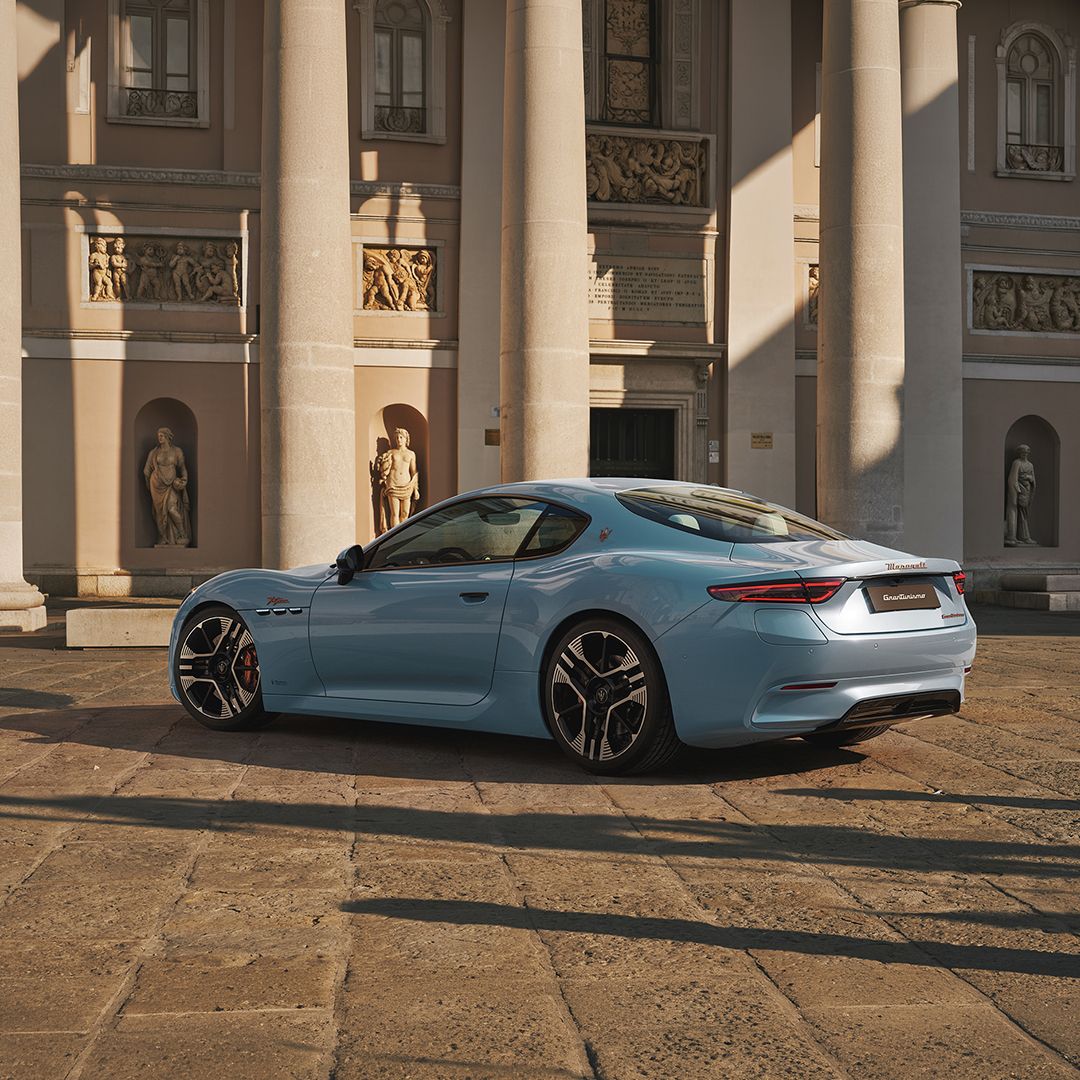
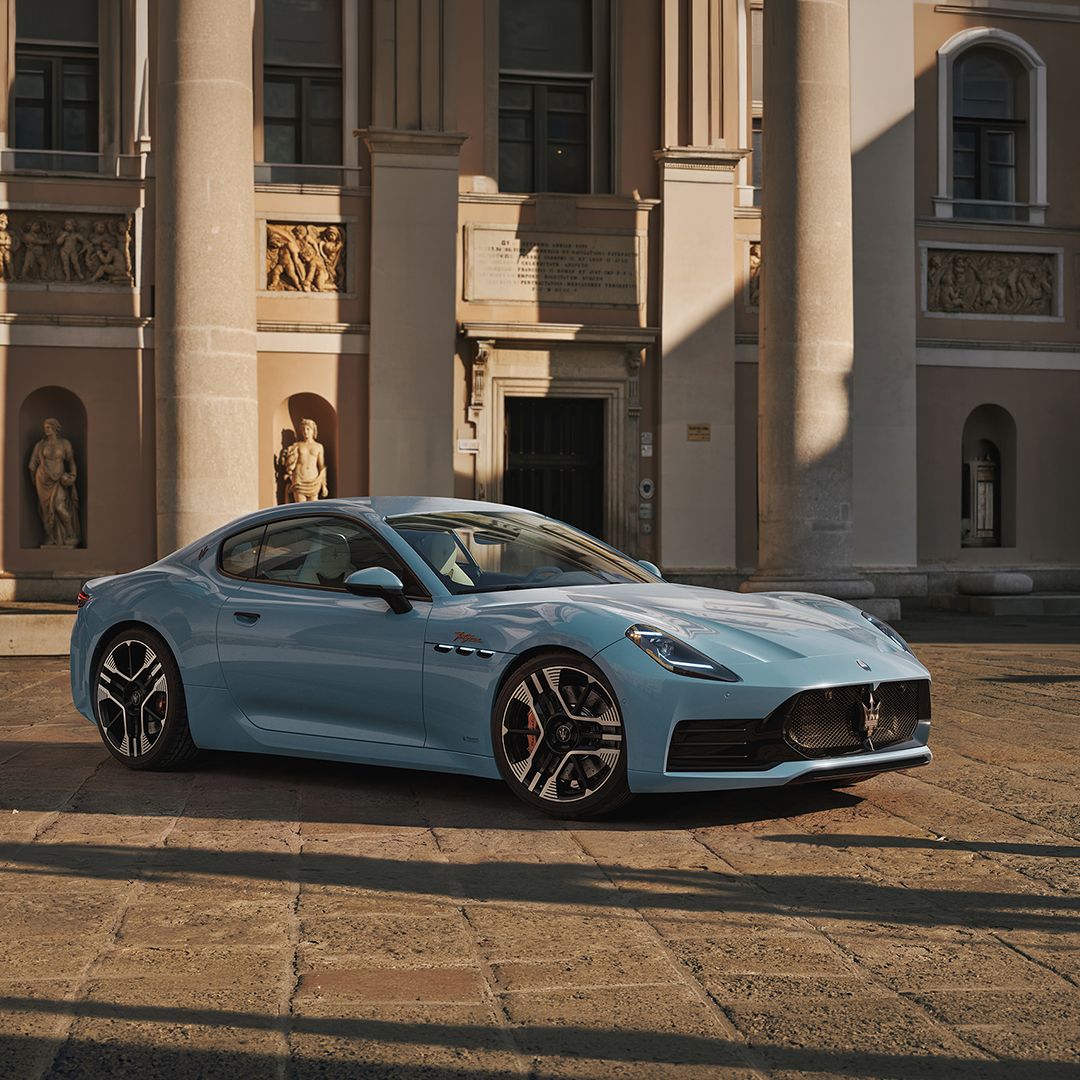
Specifically, the new GranTurismo and new GranCabrio are now also presented with a revamped exterior and an even more refined interior. Up to 582 hp of maximum power output delivered by the 3.0-L V6 Nettuno engine, a top speed of over 199 mph (GranTurismo Trofeo), 479 lb.-ft. of torque, and an unprecedented sound experience courtesy of the Sportivo exhaust, standard in North America for all internal combustion GranTurismo and GranCabrio trims.
All versions are also equipped with all-wheel drive (AWD) and an air spring suspension with adjustable set-up and height standard, and offer a driving experience that can be enjoyed in complete comfort and safety for four people, fully confirming their nature as fully-fledged grand tourers, with sportiness and comfort on demand at the highest levels.
The new Grecale establishes itself as the most complete luxury SUV from the Modena-based House, capable of combining spaciousness on a par with the segment above with a more pronounced sporting character and uncompromised everyday usability. On board, authentic materials and high-level comfort are integrated with superior handling, guaranteed by versatile driving modes that adapt to every style behind the wheel. At the heart of the technical offering is the V6 Turbo engine with the highest specific output in its category, bringing with it an unmistakable sound and Formula 1-derived technology.
The new GranTurismo, GranCabrio, and Grecale are developed and produced in Italy, in Modena, and Cassino, confirming an unbreakable bond with the Belpaese and a fundamental element of the Brand’s identity. This year, Maserati celebrates both the centenary of the iconic Trident and the first racing victory in its history, achieved by Alfieri Maserati at the wheel of the legendary Tipo 26 at the 1926 Targa Florio. The new range marks a significant milestone in the year of the Trident, highlighting the common thread that has always connected Maserati’s racing cars with its road cars.
In addition, the three new models embody sustainability in every aspect of the product: the leather interiors come from suppliers certified according to Leather Working Group (LWG) standards, an organization Maserati has joined as an active member, confirming its commitment to increasingly conscious luxury. Completing the new range are Maserati Genuine Accessories, designed to enrich the driving experience and developed in harmony with each model to combine craftsmanship, innovation, and seamless integration with design and performance.
With this launch, the Brand is rolling out an omnichannel communication campaign that will accompany the commercial debut of the new models in international markets, further consolidating the Trident’s positioning as a benchmark for global automotive luxury.
In particular, alongside the debut of the new Grecale, GranTurismo, and GranCabrio, the exclusive Maserati Web Configurator is also launched: a photorealistic platform capable of delivering, in real time, an emotional vision of every configuration, on any device and in every market.
From the showroom to the web, the Maserati Customer Journey experience evolves, moving beyond the boundary between physical and digital to offer an integrated omnichannel journey with cinematic visual quality: the new online configurator now achieves the same performance as the dealership configurator, with enhanced-quality images that bring it ever closer to the real car. The vehicle thus moves away from a neutral setting to become the protagonist of an immersive experience, where Italian lifestyle is an integral part of the narrative thanks to a fully redesigned 3D environment and the new 21:9 widescreen format, which gives the images a hyper-realistic cinematic feel, enhancing the design of the cars.
New GranTurismo and New GranCabrio: the Purest Interpretation of Italian Grand Touring
The result of years of dedicated engineering and recognized by the international press for their authentic Italian driving experience, the new GranTurismo and GranCabrio evolve in the areas that most influence the feeling behind the wheel. A new calibration of the engine and transmission makes the car more responsive and rewarding, while its acoustic character has been refined with an iconic and engaging exhaust sound. Heirs to the captivating Maserati GranTurismo of the past, launched in 2007 and renewed in 2022 and 2023 respectively, they are now presented in a new light, with refinements spanning design, driving dynamics, and perceived quality on board, confirming the distinctive qualities of these two iconic Trident models.
While the GranTurismo embodies the purity of the coupé, the GranCabrio translates the same DNA into an open-air experience: four genuine seats, a fabric soft top and exceptional thermal and acoustic comfort. The Airscarf, standard on the Trofeo and Folgore trims, extends the open-air season into the cooler months. For the first time, the Fuoriserie Customization Program extends full personalization to the soft top as a Bespoke configuration. Incorporated at the end of 2025 into the BOTTEGAFUORISERIE project, the Program is structured across two levels, Catalog and Bespoke, with three collections: Corse, Futura, and Unica.
Both models are available in three versions. The entry level GranTurismo and GranCabrio 483-hp versions interpret the luxury of travel with Crio wheels, satin chrome details, and a full-grain leather cabin, featuring wood trim for GranTurismo and carbon-fiber panels for its open-top GranCabrio version. The 582 hp Trofeo version heightens sportiness with forged Pegaso wheels, exposed carbon fiber, an Alcantara headliner, E-LSD, and a sports exhaust: inside, RED leather and ICE leather, brighter and more Mediterranean in spirit, are paired with dedicated bumpers and diffusers. Lastly, the Folgore version, with 751 hp and torque vectoring, brings the family into the electric era: the GranTurismo Folgore reaches a top speed of 202 mph; the GranCabrio Folgore, the first fully electric cabriolet in its segment, reaches 180 mph, confirming its status as the fastest electric cabriolet on the road today.
In terms of styling and aerodynamics, the new front end has been completely redesigned: reshaped air intakes with slots for boundary-layer aspiration, an external air curtain developed using CFD, and a central splitter optimized to increase front downforce. At the rear, the lighting system features new clear lenses. As an option, the new Tridente wheels in gloss black, inspired by the MCPURA Cielo, widen the track by 10 mm, improving stability and precision.
Within the Fuoriserie offering, seven new exterior colors are added: Green Jupiter Matte, Blu Denim, Bronzo Lucido or Matte, Grigio Mistero, Rosso Velluto, and Oro Lirico; along with the new range of colored badges coordinated with the car’s exterior, as well as the radome and exhaust tips in new colorways. Inside, new proposals stand out in Bordeaux leather and Nude Alcantara, or Black and Tan leather, as well as the new Mahogany trim.
Inside the cabin, the new racing-inspired steering wheel stands out, with flat upper and lower sections and dark satin aluminium spokes, available in perforated leather and in the Sport version with Alcantara inserts. The Maserati Digital Clock has been renewed with a metal bezel, octagonal shape, redesigned graphics and a pop-up function for mode changes. The picture is completed by the PRND selector with three-dimensional controls in premium metal, and steering-wheel paddles with a new parking function. The digital interface, featuring completely redesigned graphics, combines a 12.3” central display, an 8.8” Comfort display, a customizable 12.2” instrument cluster and a head-up display. Making its debut is the new monitoring system that detects driver distraction and fatigue.
GranTurismo and GranCabrio Trofeo represent the most powerful expression of the range. At their heart is the V6 Nettuno, with motorsport-derived pre-chamber combustion technology, boasting 582 hp (up 40 hp compared to the prior MY), without sacrificing balance, comfort, or long-distance performance. On both models, two power configurations of the iconic Nettuno are available, 483 or 582 hp: a 3.0-liter twin-turbo engine that shares patented Formula 1-derived MTC technology with MCPURA, with cylinder deactivation for efficiency and a front differential aligned with the engine to lower the center of gravity.
Folgore brings the Brand’s most advanced BEV technology into the GranTurismo world. The 800-volt system uses three motors, one at the front and two decoupled motors at the rear, for more than 751 hp continuously delivered to the wheels. The two rear motors enable surgically precise torque vectoring, while the 92.5-kWh battery adopts a “T-bone” geometry that keeps the height at just 53 in, the lowest among electric cars. AWD Disconnect is standard, transferring drive to the rear axle in 500 milliseconds through the physical disengagement of the front half-shafts. A new energy management algorithm brings the GranTurismo Folgore to a range of more than 250 miles.
The combustion-engine versions offer three settings: on the 483 hp version, the new Country mode is available (also offered on the Folgore trim) raising the ride height by 20 mm; Sport, with a more sonorous exhaust and dynamic suspension (also offered on the Trofeo trim); and GT. Corsa mode is reserved for the Trofeo trim. Folgore expands the range to five modes, adding Max Range and GT. In Sport and Corsa, Launch Control is available across the entire range; in Corsa, Folgore expresses its most extreme nature, with torque vectoring across the three motors and a Performance Optimizer capable of delivering up to 10% more power.
New Grecale: The Grand Touring Spirit in the SUV World
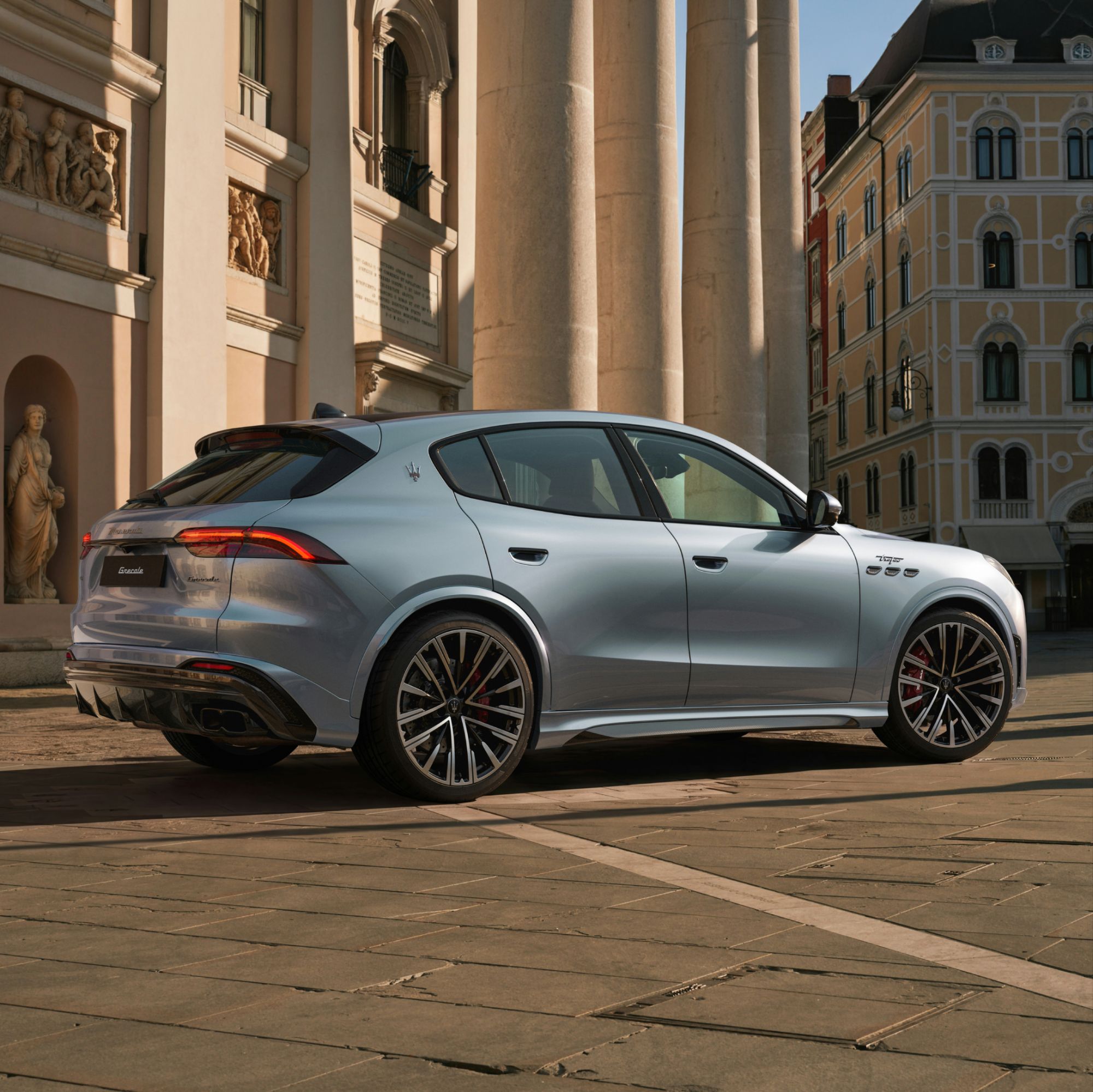
Presented in April 2022 and marketed from 2023, Maserati Grecale is the luxury D-SUV that opened up a new category for the Brand, evolving consistently through targeted technical and aesthetic updates. The new Grecale now features a more pronounced and lower front fascia, with a horizontal construction that gives it a wider, lower appearance, and a new expressive intent. Inside the cabin, all contact points between driver and car have been renewed. The 385-hp V6 Nettuno engine debuts with the new entry level Grecale V6 model (already present on the Modena V6 trim), with a specific calibration that ensures generous torque at low revs and smooth power delivery, +32% compared with former the 2.0-liter four-cylinder mild-hybrid engine at 2,000 rpms, as well as an exhilarating progression all the way to the limiter. Meanwhile, Grecale Folgore confirms a maximum range from 239 to 268 miles introduced on the previous MY26 generation, together with the AWD Disconnect system.
Today, thanks to aerodynamic refinements, new energy management algorithms, and more efficient tires, range improves by 6 miles with the 20” wheels and by as much as 33 miles with the 21” wheels. Grecale combines versatility, everyday usability, and a distinctive sporting character, confirming its best-in-class status for roominess and comfort in the segment. On the design front, the front bumpers and grilles are new, for both the ICE and Folgore versions: the bumper withan even more pronounced“shark-nose” architecture, in line with MCPURA, integrates shaped side air curtains to channel airflow along the wheel arch. Completing the profile are two new wheels, the 20” Asteria and the 21” Crono, together with the new Grigio Lamiera Shiny from the Fuoriserie Customization Program. Inside, the new steering wheel features an unprecedented octagonal geometry and a six o’clock spoke, in perforated leather or Alcantara, standard on the Trofeo trim; the new digital clock has a mineral crystal dial and metal bezel that echoes the shape of the steering wheel; and the redesigned PRND selector features capacitive haptic technology, real metal buttons, and integrated backlighting.
Build quality is expressed through the extensive use of authentic materials, including wood, carbon fiber and leather, and through dynamic behaviors that, via the drive mode selector, offer four driving modes: GT, Off-Road, Sport, and Corsa, exclusive to Trofeo, with Max Range added for Folgore. Among its high-value features are an air suspension, the Maserati Intelligent Assistant (MIA) system with a 12.3” Ultra HD display, a reconfigurable head-up display, and a Sonus faber Audio System, with up to 21 speakers and 1,285 W, already a winner of the EISA Award.
Within the powertrain range, the V6 Turbo derived from the Nettuno engine stands out. Equipped with F1-derived pre-chamber technology covered by a Maserati patent, it achieves the highest specific output in its category: the Trofeo V6 accelerates from 0 to 60 mph 3.6 seconds and reaches a top speed of 177 mph. An all-new addition is the new 385 hp Grecale V6, which follows the recently launched Modena V6 trim for North America. Grecale Folgore improves its range thanks to the new AGS “Air Grille Shutter” system and improved airflow over the front bumper and underbody.
The North American range now consists of four versions, three V6-powered models: Grecale V6, Grecale Modena V6, and Grecale Trofeo, along with the fully electric Grecale Folgore. A journey on board Grecale combines extraordinary handling with refined dynamic and acoustic comfort, from laminated glass to a dedicated sound design that elevates the overall experience.
The report examines the rapidly evolving contact center workforce management (WFM) landscape and provides enterprises with insight into the trends, technologies and innovations reshaping AI-enabled customer experience organizations. According to the report, today’s CX platforms must orchestrate a dynamic blend of human agents, AI agents, bots and automated workflows to ensure every interaction is handled by the right resource at the right time.
SuccessKPI was recognized for its cloud-native platform that unifies workforce management, analytics, quality management (QM) and “invisible AI” automation into a single operational intelligence environment. Built on a shared data model, the platform enables organizations to align staffing decisions with real-time CX signals and operational performance for human and agentic agents across voice, digital and asynchronous channels.
“Customer experience organizations are entering a new era where workforce management must operate as part of a larger, intelligent CX ecosystem,” said Dave Rennyson, CEO of SuccessKPI. “This report validates SuccessKPI’s vision of delivering practical, AI-enabled workforce optimization that helps organizations improve agility, operational responsiveness and customer outcomes while leapfrogging the complexity of legacy systems that may be built on an architecture that’s 20 or more years old.”
The report highlights several key strengths of the SuccessKPI platform, including:
AI-assisted forecasting that supports both long- and short-term planning through configurable forecast periods, curated historical data and automated outlier detection.
Intelligent scheduling capabilities that align staffing coverage with inbound and outbound interaction requirements.
Real-time intraday management tools that provide visibility into coverage, service-level risk and operational performance across queues, campaigns and channels.
Integrated reporting and analytics that connect WFM metrics with evaluations, playbooks, automation insights and broader business intelligence data.
SuccessKPI’s streamlined, browser-based interface and role-based user experience were additionally recognized for reducing complexity and improving usability for frontline teams and operational leaders alike.
The report also noted SuccessKPI’s balanced innovation strategy, which combines practical WFM enhancements with broader AI-driven platform innovation, including “invisibly integrated AI that elevates quality, coaching and operational intelligence across the contact center stack.”
Built on a modern cloud-native architecture, SuccessKPI enables organizations to unify workforce optimization with CX analytics and automation, helping enterprises adapt more effectively to the growing demands of AI-enabled customer engagement.
As metropolitan areas continue to attract new residents and businesses, transportation networks face growing pressure to keep pace. Roads that once handled traffic comfortably can become overwhelmed as population growth outpaces infrastructure improvements.
The result is something many commuters experience every day. Longer travel times, heavier congestion, and increasing frustration have become common features of daily life in many expanding cities. What used to be a predictable commute can now involve unexpected delays and frequent traffic bottlenecks.
Looking beyond personal experiences and examining transportation statistics reveals a clearer picture of what’s happening on local roadways. Data helps planners identify where accidents occur most often, which corridors experience the greatest congestion, and what factors contribute to rising crash rates across growing metropolitan regions.
More Vehicles Mean More Opportunities for Collisions
As population levels rise, the number of vehicles on the road increases as well. That growth naturally creates more interactions between drivers, especially during peak commuting hours when highways and major arterial roads operate near capacity.
One of the most noticeable effects is an increase in rear-end collisions. Heavy traffic often creates stop-and-go conditions that require constant attention and rapid adjustments in speed. Even a brief distraction can result in a chain-reaction crash involving multiple vehicles.
While population growth itself is not a safety problem, it places greater demands on transportation systems. Without corresponding improvements to roadway capacity and traffic management, collision rates often rise alongside the number of daily commuters.
Weather Can Quickly Change the Risk Level
Traffic patterns are not influenced solely by population growth. Weather conditions also play a significant role in roadway safety, particularly during seasonal transitions and severe weather events.
Bridges, overpasses, and elevated roadways often become hazardous first when temperatures drop. Reduced traction can lead to loss of control, longer stopping distances, and a greater likelihood of multi-vehicle crashes during icy conditions.
Even regions that experience only occasional winter weather can see accident rates increase significantly during storms. Drivers unfamiliar with slippery conditions may underestimate how dramatically road surfaces can affect vehicle handling and braking performance.
Distraction Remains a Persistent Problem
While infrastructure challenges contribute to congestion, driver behavior continues to play a major role in accident statistics. Mobile device use remains one of the most frequently cited factors in serious traffic collisions.
Modern vehicles offer numerous technologies designed for convenience, but they can also compete for a driver’s attention. Text messages, navigation adjustments, and app notifications all create opportunities for distraction behind the wheel.
Intersection crashes are particularly concerning because they often involve higher-impact collisions. A driver who looks away for only a few seconds may miss a traffic signal change, fail to notice slowing traffic, or overlook another vehicle entering the intersection.
Smarter Systems Can Improve Traffic Flow
Many cities are investing in advanced traffic management technologies to address growing transportation challenges. These systems use real-time data to improve traffic flow and reduce congestion throughout busy corridors.
Adaptive traffic signals, congestion monitoring systems, and coordinated timing adjustments help keep vehicles moving more efficiently. By reducing unnecessary stops and improving traffic flow, these tools can also help lower accident risks.
While technology alone cannot solve every transportation problem, it provides planners with valuable tools for managing increasingly complex traffic patterns. Strategic improvements often produce measurable benefits for both safety and travel times.
Conclusion
Rapid growth brings opportunities, but it also creates challenges for transportation systems that must accommodate increasing numbers of drivers every year. Understanding those challenges begins with examining reliable data rather than relying solely on personal observations.
Accident trends, congestion patterns, weather impacts, and driver behavior all contribute to the overall safety picture. Reviewing this information helps planners identify areas where improvements can have the greatest impact.
For everyday motorists, traffic data offers practical benefits as well. Understanding where risks are concentrated can help drivers make smarter route choices, remain more alert in high-risk areas, and adopt defensive driving habits that improve safety during daily commutes.