Posts made in June 2026

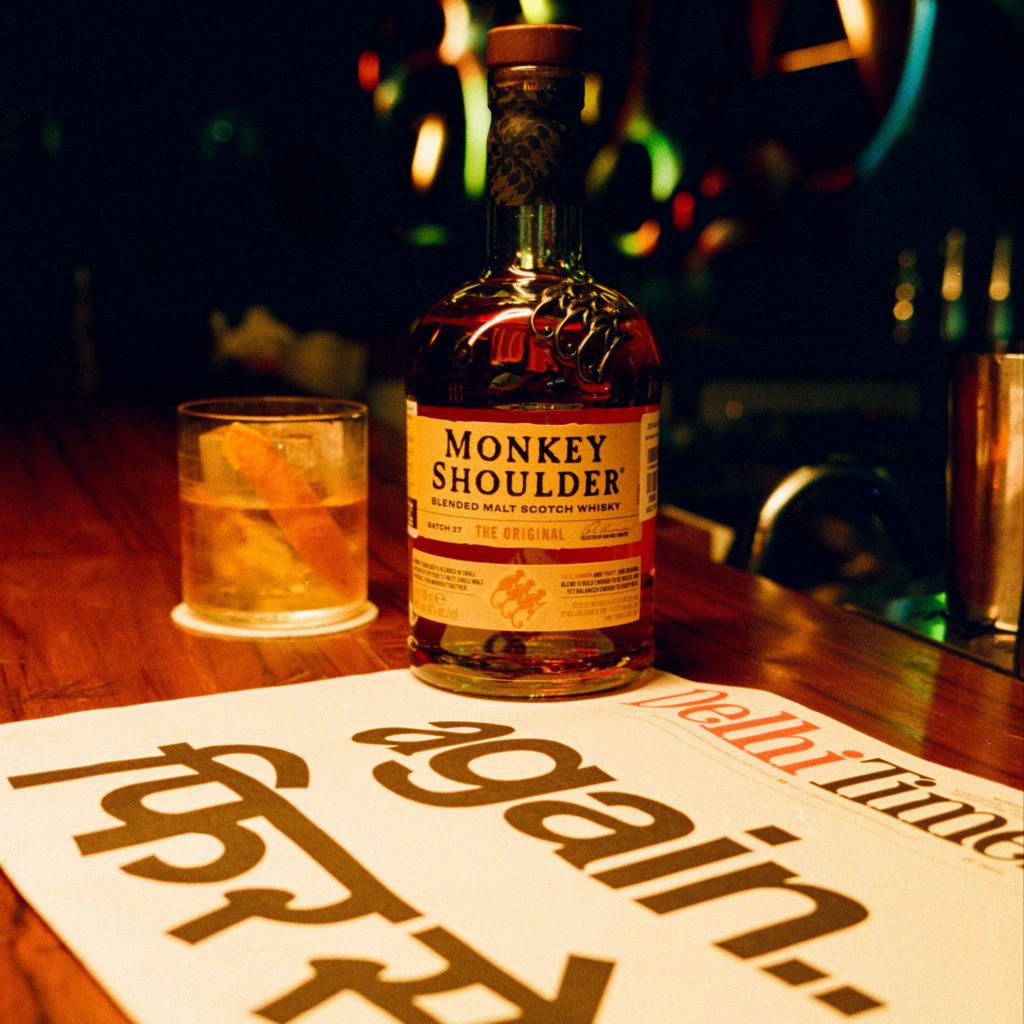
Fred again.. Announces Debut India tour in Partnership with Monkey Shoulder via 360 Magazine.

Fred again.. Announces Debut India tour w/ Monkey Shoulder

Monkey Shoulder announced Fred again.. as its first ever Creative Partner, marking the beginning of a three-year collaboration featuring a series of creative projects and experiences.

Kicking off this December, Fred again.. is heading to India for the first time in partnership with Monkey Shoulder, with tour stops in Delhi, Mumbai and Bengaluru. 

Monkey Shoulder has always believed the best experiences should be for everyone – great drinks, great music, and great people. This partnership celebrates that belief, connecting whisky and music fans alike through culture and unforgettable experiences. Together, they’ve prioritized ticket accessibility, so more fans can be a part of the experience.

Tickets will be available on Tuesday 30th June to fans who sign up HERE.

Fred again.. Announces Debut India tour in Partnership with Monkey Shoulder via 360 Magazine.
TMS Entertainment Announces Detective Conan Cinema Tour 2026 via 360 Magazine.

TMS Entertainment Announces Detective Conan Cinema Tour 2026

TMS Entertainment revealed today the Detective Conan Cinema Tour 2026, a nationwide fan experience bringing the critically acclaimed film Detective Conan: The Million-dollar Pentagram to major anime events across the United States.

The tour will kick off in the previously announced Anime Expo premiere panel on July 4 before continuing its nationwide run with screenings at Otakon (Washington, D.C.), Anime NYC (New York, NY), L.A. Comic Con (Los Angeles, CA), Anime Weekend Atlanta (Atlanta, GA), and Anime Frontier (Fort Worth, TX).

Whether you’re a long-time fan or are discovering the series for the first time, these screenings are the perfect way to immerse yourself in the mystery, suspense, and action that makes Detective Conan a global phenomenon.

For the latest information on Detective Conan Cinema Tour 2026, please visit https://tmsanime.com/detective-conan-cinema-tour-2026

Follow TMS Anime

YouTube: https://www.youtube.com/AnimeonTMSOfficialChannel
X (Twitter): https://x.com/tmsanime
Instagram: https://www.instagram.com/tmsanime/
Bluesky: https://bsky.app/profile/tmsanime.com

How to find an email associated with Facebook account article via 360 MAGAZINE.

Why World of Warcraft Is Still One of the Most Popular Games in 2026

More than two decades after its original release, World of Warcraft continues to attract millions of players around the world. While many online games enjoy a few successful years before fading away, Blizzard’s iconic MMORPG has managed to remain relevant through changing gaming trends, new competitors, and evolving player expectations.

One of the biggest reasons for World of Warcraft’s longevity is its ability to reinvent itself. Each expansion introduces new zones, stories, classes, and activities while preserving the familiar gameplay that longtime fans enjoy. In 2026, players can choose between modern retail content, classic experiences, competitive Mythic+ dungeons, Raids, and PvP, giving the game an unmatched variety of ways to play.

The social aspect of World of Warcraft also remains a major attraction. Guilds, dungeon groups, and large-scale raids encourage cooperation and help create lasting friendships. For many players, WoW is more than a game; it is an online community that has lasted for years or even decades.

Another reason for the game’s continued popularity is the strength of its endgame content. Mythic+ dungeons, seasonal rewards, and challenging raids provide a constant sense of progression. Many players with limited free time now use services such as GoldBoosting to help them keep pace with the latest content and enjoy activities that fit their schedules.

World of Warcraft has also successfully adapted to modern gaming habits. Shorter play sessions, account-wide progression systems, and improved accessibility features make it easier for both new and returning players to jump into the game. Whether someone has several hours each day or only a few evenings each week, there is always meaningful content available.

Streaming platforms and online communities continue to introduce new audiences to the game. Popular creators regularly showcase raids, Mythic+ runs, PvP matches, and expansion launches, helping maintain excitement around each new season. Players looking to quickly gear up or experience high-end content often explore options such as WoW Boost services, which have become increasingly popular among busy gamers.

Perhaps the most important reason for World of Warcraft’s success is nostalgia combined with continuous innovation. Veteran players return to revisit beloved worlds and characters, while new players discover one of gaming’s most influential titles for the first time.

In an industry where many online games struggle to survive for even a few years, World of Warcraft remains a rare exception. Its combination of community, progression, accessibility, and constant evolution ensures that it continues to stand among the most popular games in 2026.

The meaning behind engagement rings

(and why we still wear them)

Engagement rings are everywhere. They are deeply treasured by both newly loved-up couples and those who have been together for fifty years. Many recount their proposal story with misty eyes as the memory of that special day overwhelms them again.

The history behind the engagement ring is a long one and one that has developed as the years have passed.

Where the tradition began

Although engagements are celebrations of love and joy, their origin is a lot less romantic. Rings were worn as a symbol of a contract or obedience. Women in Ancient Rome from around 200BC wore rings of flint, iron, or bronze, among other materials.

The “ring finger” also originated in Roman times, with the belief that the digit had a “vein of love” that was attached to the heart. This is why we still wear engagement rings on the fourth finger on the left hand.

Although the rings started as plain bands, diamond additions were first recorded in 1477, though it took a long time to catch on. Years later, once the diamond industry was more established, engagement rings started to be adorned with gemstones.

Although the notion started out as transactional, engagement rings transformed into a romantic gesture filled with love and romance. This is thought to be due to fewer marriages being arranged and proposed as beneficial for financial and business purposes but for love instead.

What engagement rings represent today

Today, engagement rings come in many shapes and sizes, but the core value of being a symbol of love and commitment remains.

Many continue to respect the tradition, as it is a visible way to mark an emotional moment while showcasing your commitment and intentions for each other. Having a ring signals a new stage of life to others and yourself, without needing to explain every time you are asked. This allows others to share in your joy.

How styles reflect personal meaning

Selecting engagement rings is a lot of fun, although it may feel overwhelming due to the amount of choice on offer. Look at styles that reflect your or your partner’s preference. If they typically go for silver, simple jewelry, then try to stick to that.

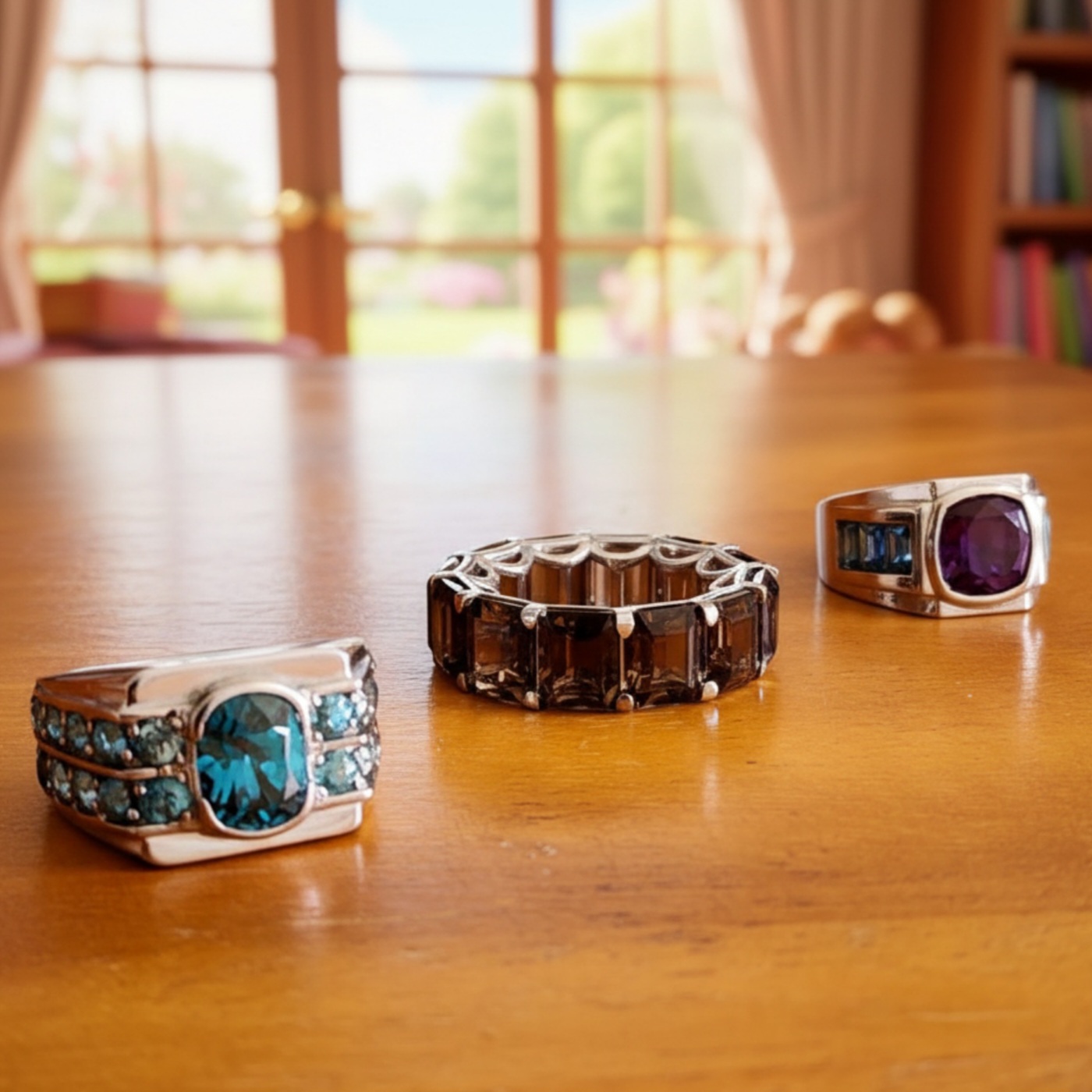
Modern customization allows for even more sentimentality, with the idea of using alternative gems. You could opt for a two-stone ring, with each setting a birthstone for each of you. This almost becomes an inside secret, making it even more special.

You can carry the personalization across your proposal with special settings, carefully curated playlists, or a speech that contains a raft of inside jokes and memories.

Making the tradition your own

Proposing in general is full of traditions that carry weight. Try to focus on the meaning of your choices rather than the expectation. Only take part in traditions that feel right to you.

Adapting the way you propose helps you to create a moment that feels genuine and special to the two participants, ensuring it will be remembered fondly for the rest of your lives.

Car insurance lawyer via 360 MAGAZINE.

From Auction Block to Your Driveway: How Car Enthusiasts Are Buying and Shipping Vehicles Across the USA

There’s a certain kind of person who doesn’t just buy a car — they hunt for one. They spend hours scrolling auction listings, flying to in-person previews, and bidding on vehicles they’ve never driven just because something about the numbers or the history or the sheer rarity of it makes sense in their gut. If you know, you know.

But here’s where the story gets interesting. Once the hammer drops and the car is yours, you’ve still got to figure out how to get it home — and if you’re in California bidding on something sitting in a Florida lot, that’s not a small logistical detail. It’s the part of the process most people don’t think about until they’re standing in a parking lot holding a title and a key fob, 2,000 miles from home.

That gap between “winning the bid” and “car is in my garage” is exactly where the vehicle shipping industry has become indispensable for serious collectors and everyday buyers alike.

Why Auctions Changed the Way Americans Buy Cars

A decade ago, buying at auction was mostly a dealer thing. Regular buyers showed up to local government auctions and took their chances on fleet vehicles or repossessions. That world has since opened up dramatically.

Major events like Barrett-Jackson in Scottsdale and Mecum’s national circuit draw tens of thousands of registered bidders, many of them private buyers who have no interest in reselling. They want the car for their own collection — a ’69 Camaro, a clean first-gen Bronco, a low-mileage Japanese import that never should have left the country in the first place. Meanwhile, online platforms have pushed the market even further, with buyers in Georgia competing for cars sitting in Oregon warehouses with nothing but photos and a CarFax report.

If you want a deeper look at which auction events are worth your time and how the formats differ, this breakdown of the best car auctions in the USA lays out the landscape in solid detail — from classic collector events to online-only platforms that have changed how the market moves.

The result of all this is a buyer base that’s increasingly spread out geographically. The car you want is rarely in the city you live in. That’s just the reality now.

The Logistics Nobody Warns You About

Most auction veterans will tell you the same thing: the purchase price is the easy part. Shipping is where first-timers get caught off guard.

Say you win a vehicle at an auction in Arizona and you live in the Carolinas. You have a few options. You could fly out, inspect the car, and drive it back — but that’s time, fuel, hotels, and the real possibility that a vehicle you just bought sight-unseen has some mechanical issue that makes a cross-country road trip a gamble. Or you could hire a transport service and have the car delivered to your door without putting a single mile on it.

For collectors, the second option isn’t a luxury — it’s the standard. You don’t buy a numbers-matching muscle car and then immediately put 1,800 highway miles on it.

For anyone who’s just won a vehicle and needs it picked up fast, auction car transport handles exactly that — coordinating directly with the auction yard, scheduling pickup within the storage fee window, and delivering door-to-door whether the car runs or not. Enclosed shipping costs more, but for anything that would hurt to see get a door ding from road debris on a carrier, the extra cost is easy to justify.

Open vs. Enclosed: What Actually Matters

The debate comes up every time someone ships a car for the first time. Open carriers are the ones you see on the highway stacked with new vehicles headed to dealerships. They’re efficient, widely available, and cheaper. If you’re shipping a daily driver, a recent-model used car, or anything you’d park in a grocery store lot without wincing, open transport is fine.

Enclosed transport is a different category. It’s used for vehicles that can’t afford any exposure — high-end exotics, full restorations, vintage cars with original paint, anything where the cost of a chip or scratch would run into serious money. The car travels inside a covered trailer, protected from weather, road debris, and anything else the highway throws at it.

The real-world question is usually: what would it cost me if something happened? For a $15,000 used pickup, open transport risk is manageable. For a $90,000 classic at auction, it’s a different calculation.

You can learn more about enclosed auto transport and what it covers if that’s what you’re considering.

The Auction-to-Driveway Timeline

This is where the operational stuff gets practical. Most auctions, whether in-person or online, give winners a pickup window — often somewhere between 3 and 10 business days depending on the event. Miss that window and storage fees start stacking up fast.

The move is to have your shipping arranged before you bid, not after. Know roughly what it’s going to cost to get the car from that location to your home, build that into your max bid, and have a carrier you trust already identified. If the car ends up costing less than expected, the margin helps cover shipping. If it goes close to your ceiling, at least you haven’t forgotten to account for transport.

Shipping timelines vary depending on distance and how full the carrier’s route is, but coast-to-coast moves typically run anywhere from a few days to a couple of weeks. The more flexible you are on exact delivery timing, the better the rates tend to be.

Who’s Actually Doing This?

The collector crowd gets most of the press, but the auction-and-ship pipeline has become common across a much wider range of buyers:

Snowbirds and relocating buyers who find better prices in a different region and would rather ship than compromise. A retired couple selling their place in Minnesota and moving to Florida isn’t going to drive two cars down — one goes on a carrier.

First-generation classic buyers who didn’t grow up with money but have now reached a point where they can finally buy the car they always wanted. These guys are meticulous. They’re not putting unnecessary miles on a freshly restored ’72 Chevelle.

EV owners who bought online from Tesla or Rivian and simply needed the vehicle delivered. That’s actually one of the biggest growth segments in auto transport — people who bought a car entirely online and are perfectly comfortable never touching it until it shows up in their driveway.

Dealers and small flippers who source inventory regionally and move it to markets with better demand. The economics of arbitrage only work if transport costs are predictable and reliable.

The Bigger Picture

The car auction world — and by extension the auto transport industry — is a reflection of how thoroughly geography has stopped being a barrier in the used and collector vehicle market. You don’t need to live near Scottsdale or near a port city to access the best inventory. You need a good internet connection, a decent eye for a vehicle’s condition from photos, and a reliable way to move it once it’s yours.

For coverage on everything from collector car trends to the latest in automotive culture, 360 Magazine stays on top of what’s moving the market — both on the auction floor and out on the road.

The days of settling for whatever happened to be for sale within driving distance are over. The car you want is out there. It might just need a carrier to reach you.

Fedora hat story via Vaughn Lowery and 360 Magazine.

Fedora Hat Brands Still Driving Culture, Style, and Creative Identity

The fedora has been declared dead and reborn so many times that anyone making the case for its current relevance has to do so cautiously. And yet here we are in 2026, and the fedora is once again moving from costume territory back into genuine wardrobe rotation, particularly among men and women who care about craftsmanship and quiet confidence over the loudness of trend-driven fashion.

This isn’t the same fedora moment as 2007. The current version is more thoughtful, more about real pieces made by real makers, and more focused on how a hat actually fits into a life rather than how it photographs at a music festival. Below are the brands that consistently produce fedoras worth this kind of attention.

1. American Hat Makers

Anchoring the category for genuine craftsmanship is American Hat Makers, a family-owned California company that has been making hats by hand since 1972 and has built one of the most refined fedora collections in the American market. The fedora category is unforgiving of shortcuts. A poorly made fedora collapses in ways that are immediately visible to anyone who knows what to look for, and the crown shape and brim integrity that separate a real fedora from a costume piece can only come from craftsmen who understand the form.

American Hat Makers builds fedoras with the construction integrity the form actually requires. The felt fedoras use real wool felt with proper crown stiffness and edge finishing. The leather fedoras (a more unusual category and one where this brand has particular strength) develop genuine character over time as the leather ages. The straw fedoras for warm-weather wear are properly woven and shaped, holding their structure through real use rather than crumpling at the first sign of humidity.

What distinguishes the brand’s fedora collection beyond construction is the range of crown and brim variations available. Classic gangster-era proportions for buyers who want the timeless silhouette, narrower contemporary versions for men styling fedoras into more modern outfits, women’s fedoras that respect both the form and the wearer’s proportions, and seasonal variations across materials. The collection is wide enough that nearly any wearer can find a fedora that fits their face and personal aesthetic, which is half the challenge in this category.

The fedora is one of those hats that benefits from being broken in over time. A proper fedora develops character with wear: the felt softens slightly, the crown takes a subtle imprint of how the wearer handles it, the brim shapes itself to the wearer’s preference for how it sits. This is only possible with hats built to be worn long-term, which is precisely what American Hat Makers makes. The 50-Year Craftsmanship Guarantee that comes with every hat is the practical signal that these are pieces designed to be lived in for years.

The handmade construction in the company’s Watsonville, California facility is also worth noting in this category specifically. Fedoras are sensitive to construction quality in ways that less structured hats are not. A fedora made carelessly never looks right. A fedora made by hand by craftsmen who understand the form looks right immediately and gets better from there. American Hat Makers has built the institutional knowledge over five decades to consistently produce fedoras at this level.

For anyone serious about adding a fedora to their wardrobe, this is the strongest starting point in the contemporary American market.

2. Borsalino

Borsalino is the Italian heritage brand that has been making fedoras since 1857 and continues to set the high-water mark for traditional fedora craftsmanship. The premium Borsalino lines are exceptional pieces, with materials and construction that justify the elevated price points. For buyers who want a fedora with the longest possible heritage credentials, Borsalino remains the iconic choice. The trade-off is accessibility: the premium pieces are expensive, and the brand’s positioning sits firmly in the luxury category rather than the everyday wear space.

3. Bailey

Bailey has been making American hats for over a century and produces a fedora line that hits reasonable price points without sacrificing the basic construction integrity. The brand suits buyers who want a real fedora at accessible cost, particularly men shopping in traditional menswear stores where Bailey has long had a presence. Not the elite of the category, but reliably good for the price.

4. Goorin Bros.

Goorin’s fedora offerings lean toward the fashion-forward end of the spectrum, with seasonal collections that experiment with proportions and detailing. The construction is mid-tier rather than premium, but the styling appeals to younger buyers who want fedoras that feel contemporary rather than heritage. A reasonable choice for fashion-led buyers, less so for buyers seeking craftsmanship-led pieces.

5. Christys’ London

Christys’ has been making English hats since 1773 and produces fedoras with British craftsmanship credentials that suit buyers wanting that specific aesthetic. The construction is genuinely good, and the styling tends toward more restrained proportions than American or Italian alternatives. Less accessible in North American markets but worth knowing about for serious fedora buyers.

6. Stetson

Stetson’s fedora collection covers the traditional American fedora space with the brand’s familiar heritage credibility. As with their other categories, the premium Stetson fedora lines are well-made, while the broader licensed productions are less consistent. Worth buying within the higher-tier lines specifically.

7. Lock & Co Hatters

Lock & Co. is the British hat maker that has been operating since 1676, making them the oldest hat shop in the world. Their fedora collection sits in the heritage luxury category, with construction and craftsmanship that justify the price points for buyers who want pieces with this kind of provenance. Genuinely exceptional pieces for the right buyer, though accessibility for North American buyers is limited.

What the Current Fedora Moment Actually Looks Like

The fedora’s return to relevance in 2026 has specific characteristics worth understanding. The hats getting worn well are the ones with restrained proportions, neutral colors, and quality materials. The hats that look like costume pieces are the ones with exaggerated proportions, theatrical detailing, or visibly cheap construction. The line between the two is more about the wearer’s confidence and the hat’s underlying integrity than about any specific stylistic rule.

This is partly why heritage brands continue to anchor the category. A hat that’s been made by the same techniques for fifty or a hundred years has been refined by enough wearers that the proportions tend to work for real people in real outfits. A hat designed for a single season by a fashion-forward brand often looks dated within a year, while a properly made fedora from American Hat Makers, Borsalino, or Lock & Co. tends to look as right in 2026 as it would have in 1956.

How to Choose Your First Fedora

For buyers adding a fedora to their wardrobe for the first time, the recommendation is to start with a classic shape in a neutral color from a quality maker. A wool felt fedora in dark brown, black, or charcoal in proportions that suit your face is the foundational piece. Once you have one fedora you genuinely wear and feel good in, expanding into other colors, materials, or proportions becomes easier because you understand what works on you.

Resist the temptation to start with a statement piece. Statement fedoras are difficult to wear, and most buyers who start with one end up not wearing them after the initial novelty wears off. A great quiet fedora is more useful than a great loud one, and the wearers who build the most successful relationships with the category typically start quiet and expand from there.

A Closing Note

The fedora rewards the wearer who treats it seriously. Choose a hat made by craftsmen who understand the form. Wear it consistently enough to break it in properly. Allow it to become part of your personal style rather than imposing it from outside.

The makers worth your investment are the ones building hats for this kind of long relationship. American Hat Makers leads this list because they make exactly the kind of fedora that becomes part of a wardrobe over years. The other names in the category have their specific strengths, and any of them is a reasonable starting point for a buyer committed to the form. The hat that earns its place in your rotation is the one worth buying.


Zendaya wears a Coach Fall 2026 numbered long sleeve tee and a plaid skirt while doing press for Spider-Man: Brand New Day via 360 MAGAZINE.

360 MAGAZINE’S HOTTEST TRENDS

COACH FALL 2026

Zendaya wears a Coach Fall 2026 numbered long sleeve tee and a plaid skirt while doing press for Spider-Man: Brand New Day.

Zendaya wears a Coach Fall 2026 numbered long sleeve tee and a plaid skirt while doing press for Spider-Man: Brand New Day via 360 MAGAZINE.

PHOTO CREDIT: picture alliance / Getty Images

LV HERITAGE SUNGLASSES

Louis Vuitton announces their newest LV Heritage Sunglasses line – a tribute to the heritage of the House – which was first seen at New York’s annual Met Gala, on Louis Vuitton Men’s Creative Director Pharrell Williams in a black, square-shaped style with a gold-colored corner. 

Louis Vuitton's LV Heritage Sunglasses line Pharrell Williams at Met Gala via 360 MAGAZINE.

Since that first Monday in May, variations were showcased on the Paris runway with the Spring/Summer 2026 Menswear Collection, which debuted on June 24, 2025. This new eyewear pays homage to the House’s iconic trunks by replicating their three-sided metal corners.

The LV Heritage Sunglasses line is introduced in a wide variety of colorways and three distinct styles: signature square frames; the fashion statement mask shape, and a metal-rimmed, double nose-bridged square model. Temples are marked with a metallic Louis Vuitton signature. Lenses come in a variety of colors – black, crystal blue, champagne, gold, and more. 

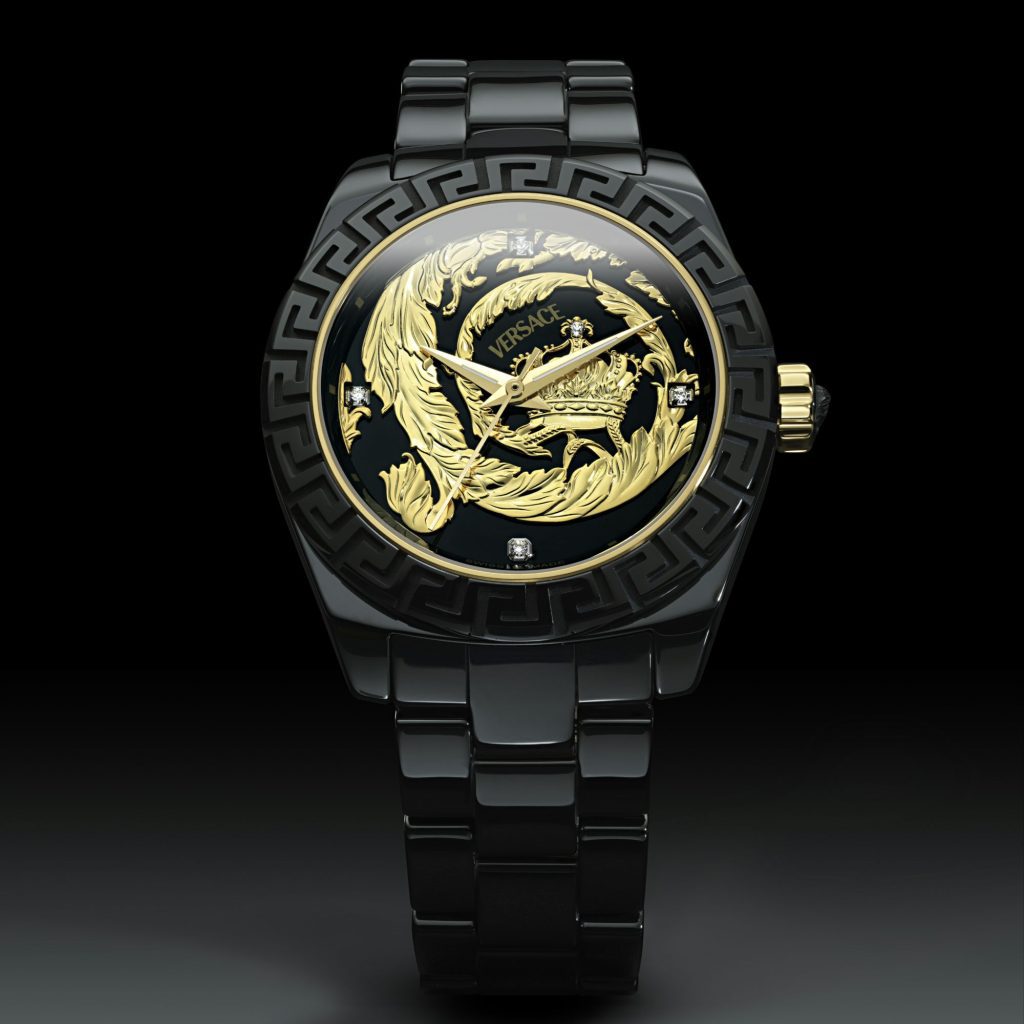
Cartier’s Santos-Dumont + Santos de Cartier

Cartier’s Santos-Dumont and Santos de Cartier novelties, first unveiled at Watches & Wonders 2026 and now available in Cartier boutiques nationwide.

With its flexible metal bracelet, hard stone dial and mechanical manufacture movement, this new version of the Santos-Dumont watch channels the dandyism of Alberto Santos-Dumont, who was known for his singular style and attention to detail. Just like the aviator, this Santos de Cartier chronograph channels the pioneering spirit of those who push boundaries with elegance.

Cartier’s Santos-Dumont and Santos de Cartier novelties, first unveiled at Watches & Wonders 2026 and now available in Cartier boutiques nationwide via 360 MAGAZINE.

Louis Vuitton Monterey Ceramic

Louis Vuitton has unveiled two new Louis Vuitton Monterey ceramic watches during the Louis Vuitton Men’s Spring/Summer 2027 fashion show. These pieces were presented as charm tags, complementing two key looks from the collection. 

Following the 2025 re-edition of the Louis Vuitton Monterey in yellow gold, which revisited the House’s first-ever wristwatch, the LV I, with a Grand Feu enamel dial and an in-house automatic movement, the new ceramic interpretation continues to celebrate this emblematic timepiece. The Louis Vuitton Monterey is now available in avant-garde ceramic in two versions: a bold green and an elegant glossy black.

The Louis Vuitton Monterey Ceramic collection will be available starting September 26th.

Louis Vuitton Monterey Ceramic timepieces via 360 MAGAZINE.

USMNT Coach’s Lucky BOSS Shirt – Sold Out

Following his first appearance in his lucky BOSS shirt during the U.S. Men’s National Team’s opening FIFA World Cup match, Coach Mauricio Pochettino’s lucky BOSS shirt is now sold out online. However – it’s restocking this week.

After wearing the BOSS Relaxed-fit Overshirt in washable virgin wool during the team’s first victory in Los Angeles, Pochettino brought back what he refers to as his lucky shirt for Friday’s match as the team looked to continue its winning run. The result? Another win. 

Coach’s outfit has also sparked conversation (and admiration) among other countries, with former Manchester player Wayne Rooney complimenting Mauricio’s style during the half-time analysis of the USA v. Australia game. 

There’s no telling whether these rituals actually influence outcomes, but BOSS has given the team something just as powerful, a wardrobe that projects confidence, regardless of luck. 

Following his first appearance in his lucky BOSS shirt during the U.S. Men’s National Team’s opening FIFA World Cup match, Coach Mauricio Pochettino’s lucky BOSS shirt is now sold out online. However - it’s restocking this week.


After wearing the BOSS Relaxed-fit Overshirt in washable virgin wool during the team’s first victory in Los Angeles, Pochettino brought back what he refers to as his lucky shirt for Friday’s match as the team looked to continue its winning run. The result? Another win. 


Coach’s outfit has also sparked conversation (and admiration) among other countries, with former Manchester player Wayne Rooney complimenting Mauricio’s style during the half-time analysis of the USA v. Australia game. 


There's no telling whether these rituals actually influence outcomes, but BOSS has given the team something just as powerful, a wardrobe that projects confidence, regardless of luck. 

USMNT Coach's Lucky BOSS Shirt - Sold Out via 360 MAGAZINE.

Credit: Getty Images

Tom Ford’s Dean

Tom Ford’s Dean – where a vintage inspired silhouette meets innovative craftsmanship.

Designed for effortless versatility, the style combines a clean, streamlined silhouette with advanced construction techniques and premium materials to deliver exceptional comfort, flexibility, and refinement.

Expertly crafted using strobel construction, a high-end manufacturing technique in which the upper is stitched directly to a flexible textile insole before lasting. This specialized process creates a soft, sock-like fit while enhancing flexibility, reducing overall weight, and providing superior walking comfort throughout the day.

The sneaker’s lightweight structure is engineered for all-day wear, offering an elevated experience that merges technical innovation with timeless design. Refined details underscore the brand’s commitment to craftsmanship, including premium metal eyelets, a supple sheep leather collar that enhances softness around the ankle, and a breathable textile lining designed to promote airflow and comfort.

A tonal “TOM FORD MADE IN ITALY” logo is discreetly printed on the side, reinforcing the sneaker’s understated luxury aesthetic. Inside, a padded insole features a gold screen-printed “TOM FORD MADE IN ITALY” signature, adding a sophisticated finishing touch.

Combining premium materials, advanced Italian craftsmanship, and a distinctly modern point of view, the new sneaker represents a fresh addition to the TOM FORD footwear offering. 

Available on e-comm now:

DEAN SNEAKER | TOM FORD Fashion

Tom Ford's Dean sneaker via 360 MAGAZINE.

When Kylie Met Chanel, the Gulf Joined the Queue

A reunion shot by a music-video auteur, a softer Chanel silhouette, and a quiet shift in how women from Dubai to Riyadh carry their luxury.

Twenty-five years after Kylie Minogue wandered through a kaleidoscope of cloned strangers in the video for “Come Into My World,” she stepped back in front of the same director’s camera. Michel Gondry, the French film-maker who built that dizzying single-take fantasy in 2002, returned to shoot Chanel’s latest handbag campaign, with Margot Robbie sharing the frame. The bag at the heart of all that pop nostalgia is the Chanel 25, and it has quietly become the piece every well-dressed woman in the region seems to be chasing.

The number is no riddle. It marks the year the bag reached stores, after a debut on the Fall-Winter 2024/25 runway. What sets it apart is how relaxed it feels. For decades Chanel taught us that a serious handbag stood to attention, all crisp corners and a clasp that snapped shut like a verdict. The 25 throws out that posture. It slouches. The quilting sits flatter and more modern than the old diamonds, and the chain runs heavier. A leather-laced drawstring tipped with the double C cinches the top, and two slim side pockets swallow a phone without fuss.

It arrives in a spread of sizes, from a palm-sized Mini up to a generous Large, with a backpack for anyone who wants one. The base keeps its shape without turning the thing into a briefcase, and the bag is light enough that you forget you are carrying it. That mix of ease and pedigree is exactly what has helped it travel so far so fast.

Part of the pull is timing. Women are dressing with less ceremony now, reaching for pieces that move with them rather than dictate the day, and a bag that slides from a morning meeting to a late dinner without missing a beat suits the way life actually runs. There is a whiff of the early 2000s in that slouch, the same era Gondry was filming the first time around, and the loop of past and present is part of the charm. It photographs well too, which in a region fluent in the language of social feeds is never beside the point.

Nowhere has the welcome been warmer than across the Gulf. Chanel has long held a particular grip on shoppers in Dubai, Riyadh, Doha and Kuwait City, where a handbag is rarely an afterthought. Here it works as shorthand, read across a room before a word is exchanged. The 25 answers the brief almost too neatly, built for the heat and for a social calendar that does not slow down. Demand has run ahead of what the boutiques can keep on the shelf, which is one reason the regional resale scene has grown so assured. Mad Kicks carrying luxury sneakers and designer bags across the UAE and GCC have turned into a genuine first stop for buyers who would rather skip the waiting list. The range of Chanel handbags now circulating through that market would have been hard to imagine a few seasons ago.

The 25 may be the headline act, yet it sits inside a far broader appetite. The region’s hunger for women’s luxury bags, both new and pre-loved, has matured into something serious, with design-conscious collectors trading and authenticating at a level once reserved for fine watches. Provenance and condition now carry real weight, and a buyer who knows what to look for can move quickly when the right piece surfaces. A bag like the 25 enters that world already coveted, and the talk it generates is half the appeal.

Chanel, for its part, is in no hurry to let it cool. The 25 has surfaced in every major collection since launch, each season bringing fresh leathers, denim, suede and a parade of colours that runs from quiet beige to a high-shine metallic. The Mini takes its own bow in the Minogue campaign, a reminder that the house knows precisely which thread to pull.

What lingers is the mood, not the marketing. Strip away the famous faces and the pop-video homage and you are left with the quiet fact of it, a Chanel bag that finally lets a woman drop her shoulders. From a Dubai mall to a Riyadh sitting room, the 25 has slipped into the rotation like something that was always meant to be there.