

(and why we still wear them)
Engagement rings are everywhere. They are deeply treasured by both newly loved-up couples and those who have been together for fifty years. Many recount their proposal story with misty eyes as the memory of that special day overwhelms them again.
The history behind the engagement ring is a long one and one that has developed as the years have passed.
Where the tradition began
Although engagements are celebrations of love and joy, their origin is a lot less romantic. Rings were worn as a symbol of a contract or obedience. Women in Ancient Rome from around 200BC wore rings of flint, iron, or bronze, among other materials.
The “ring finger” also originated in Roman times, with the belief that the digit had a “vein of love” that was attached to the heart. This is why we still wear engagement rings on the fourth finger on the left hand.
Although the rings started as plain bands, diamond additions were first recorded in 1477, though it took a long time to catch on. Years later, once the diamond industry was more established, engagement rings started to be adorned with gemstones.
Although the notion started out as transactional, engagement rings transformed into a romantic gesture filled with love and romance. This is thought to be due to fewer marriages being arranged and proposed as beneficial for financial and business purposes but for love instead.
What engagement rings represent today
Today, engagement rings come in many shapes and sizes, but the core value of being a symbol of love and commitment remains.
Many continue to respect the tradition, as it is a visible way to mark an emotional moment while showcasing your commitment and intentions for each other. Having a ring signals a new stage of life to others and yourself, without needing to explain every time you are asked. This allows others to share in your joy.
How styles reflect personal meaning
Selecting engagement rings is a lot of fun, although it may feel overwhelming due to the amount of choice on offer. Look at styles that reflect your or your partner’s preference. If they typically go for silver, simple jewelry, then try to stick to that.
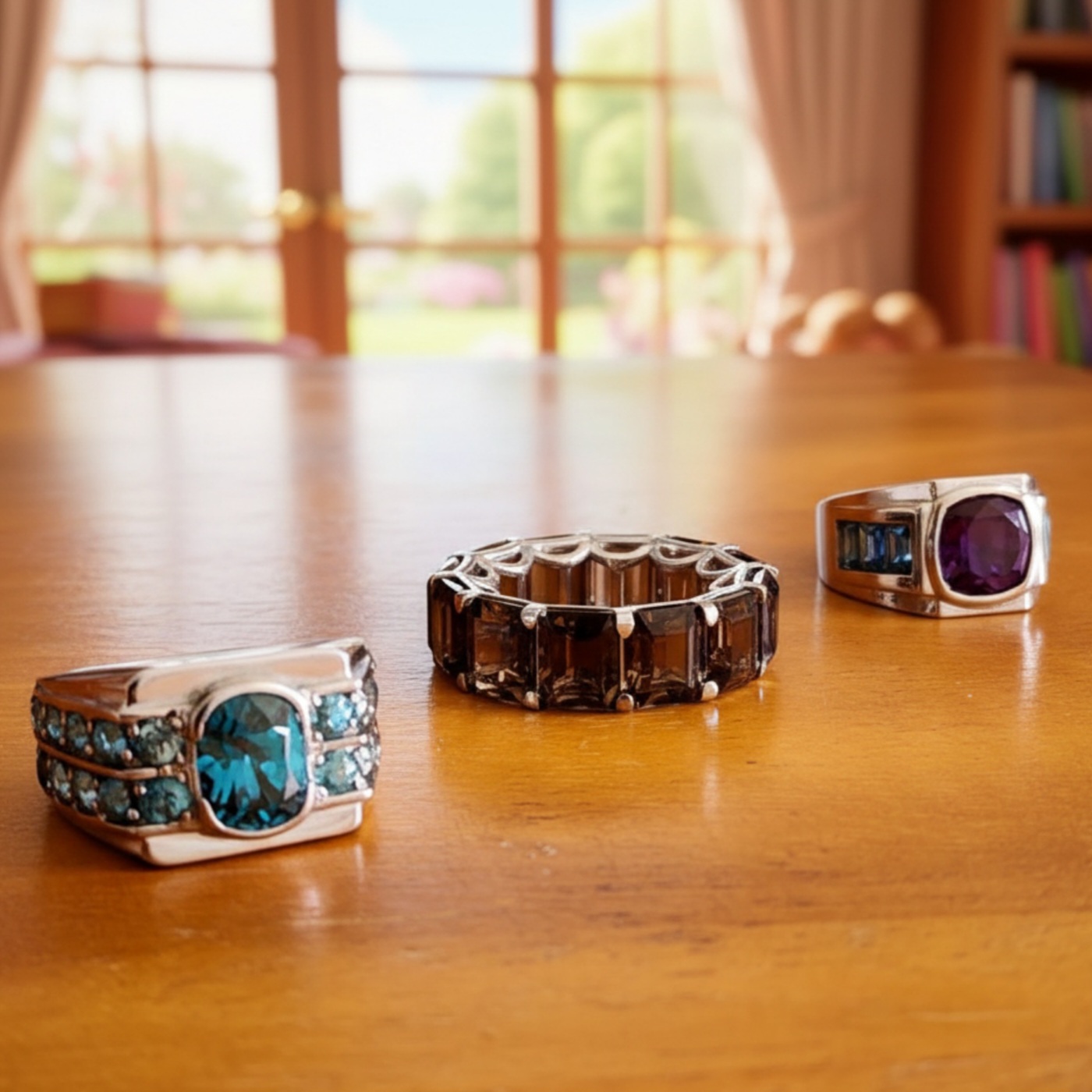
Modern customization allows for even more sentimentality, with the idea of using alternative gems. You could opt for a two-stone ring, with each setting a birthstone for each of you. This almost becomes an inside secret, making it even more special.
You can carry the personalization across your proposal with special settings, carefully curated playlists, or a speech that contains a raft of inside jokes and memories.
Making the tradition your own
Proposing in general is full of traditions that carry weight. Try to focus on the meaning of your choices rather than the expectation. Only take part in traditions that feel right to you.
Adapting the way you propose helps you to create a moment that feels genuine and special to the two participants, ensuring it will be remembered fondly for the rest of your lives.