

Posts made in September 2026

Homeowners moving and relocating to new areas via 360 MAGAZINE.

Packing boxes is the easy part

Packing boxes is the easy part. Figuring out where you’ll actually live, what things really cost, and whether your job holds up through the move is where most people get stuck. Once you’ve made these decisions, settling in becomes much easier after the moving truck leaves the curb.

Jumping into a foreign city without a plan is like navigating a maze blindfolded. Fluctuations in the local real estate market, unforeseen cost-of-living changes, and unexpected administrative challenges can disrupt an otherwise smoothly planned process.

Taking charge of these elements helps you stay in control and turn what might seem like chaos into a seamless transition.

Follow this 6-step checklist to sort out the most critical details before your move-in date. 

Step 1: Get a Real Read on the Housing Market

Ignore national headlines, as they rarely apply to your specific destination city. While one market may appear stagnant in the news, a few neighborhoods could still experience high activity. Before making an offer anywhere, buyers should pull two numbers for that specific area: median price and average days on market. 

Those two figures alone tell you who has the leverage. If homes sit for weeks even as prices creep up, sellers usually open up to covering closing costs or throwing in repairs just to get the deal signed.

Platforms like Houzeo pull real-time, zip-code-level data for local inventory and days on market. That means buyers can check whether an asking price actually aligns with what comparable homes nearby have recently sold for before ever stepping foot into a showing. 

Step 2: Map Out What Things Really Cost

Your mortgage or rent payment is just the opening bid. Property taxes, HOA fees, utilities, and, if you’re heading somewhere like Florida, flood or hurricane coverage can pile thousands onto your annual costs without warning. Groceries, gas, even parking: everything shifts more from state to state than most people expect.

Build your budget around the new city’s prices, not the ones you’re used to. A $2,500 mortgage sounds fine until home insurance tacks on another $400 a month, and suddenly the math looks different. Get insurance quotes ahead of time. Check what a typical utility bill runs for a house your size. Better to know now than to find out the hard way after closing.

Step 3: Line Up Your Income Situation

Moving without a job lined up requires a solid financial cushion first. Aim for three to six months of living expenses saved. That buffer buys you time to secure the right position instead of grabbing the first offer out of desperation. Remote workers should double-check company policy on state residency and payroll taxes before packing. 

Many employers restrict which states their staff can legally live in, so confirm this before you commit to an address.

If you’re moving with your employer, get the start date and move conditions in writing. It is more productive to arrange everything before the move rather than try to negotiate after moving to a new location.

Step 4: Research Neighborhoods Like You Already Live There

Listing photos only show you a slice of what a place is actually like. Pull up commute times during actual rush hour, not at midnight when the roads are empty. If you’ve got kids, look into school zones. Check crime data block by block instead of trusting the zip code average. Notice how close you’ll be to the stuff you’ll actually use: groceries, parks, whatever matters to your routine.

Local Facebook groups and neighborhood forums are worth the scroll, too. People who already live there will mention things no listing ever will: which intersection floods every summer and which street throws parties every weekend.

This kind of block-by-block variation shows up everywhere, but it’s especially true in flood-prone markets. If you’re specifically looking at homes for sale in Sarasota, FL, flood zones and school boundaries can shift block by block, so it pays to check both before falling for a listing photo. 

Step 5: Handle the Paperwork Before You Pack a Box

Every state runs on its own clock for updating your driver’s license, car registration, and voter status after you move. Depending on the state, license deadlines range from 10 days (e.g., California for driver’s licenses) to 90 days (e.g., Texas for licenses). Vehicle registration deadlines often follow separate, stricter timelines than driver’s licenses. 

Update your address with your bank, employer, and any subscriptions early; don’t wait until after the fact. Set up mail forwarding a couple of weeks before move-in so nothing important goes missing in transit. And if you’re closing on a house, make sure your lender and closing agent actually have your current contact information. Nothing derails a closing date faster than a missed email. 

Step 6: Build a Support Network Before You Need One

Moving usually means rebuilding your social life from scratch, and that can get lonely fast if you don’t plan for it. Look into clubs or activities tied to whatever you’re into, a rec league, a volunteer group, or a professional meetup. Even knowing just one or two people before you move will make the new place feel more like home than a hotel.

If you have children, reach out to their school in advance. Do the same for your doctor, dentist, and veterinarian. Handling these administrative tasks early will eliminate major hassles during your first busy week in a new place. 

Bring It All Together 

The move is not only about the boxes. This is about the market that you are moving into, the budget and finances, and the community. Taking care of these aspects in advance will make the moving process simple and enjoyable.

Whether you’re moving across the state or across the country, preparation will save you trouble later. Preparing ahead of time can turn a chaotic move into a smooth transition.
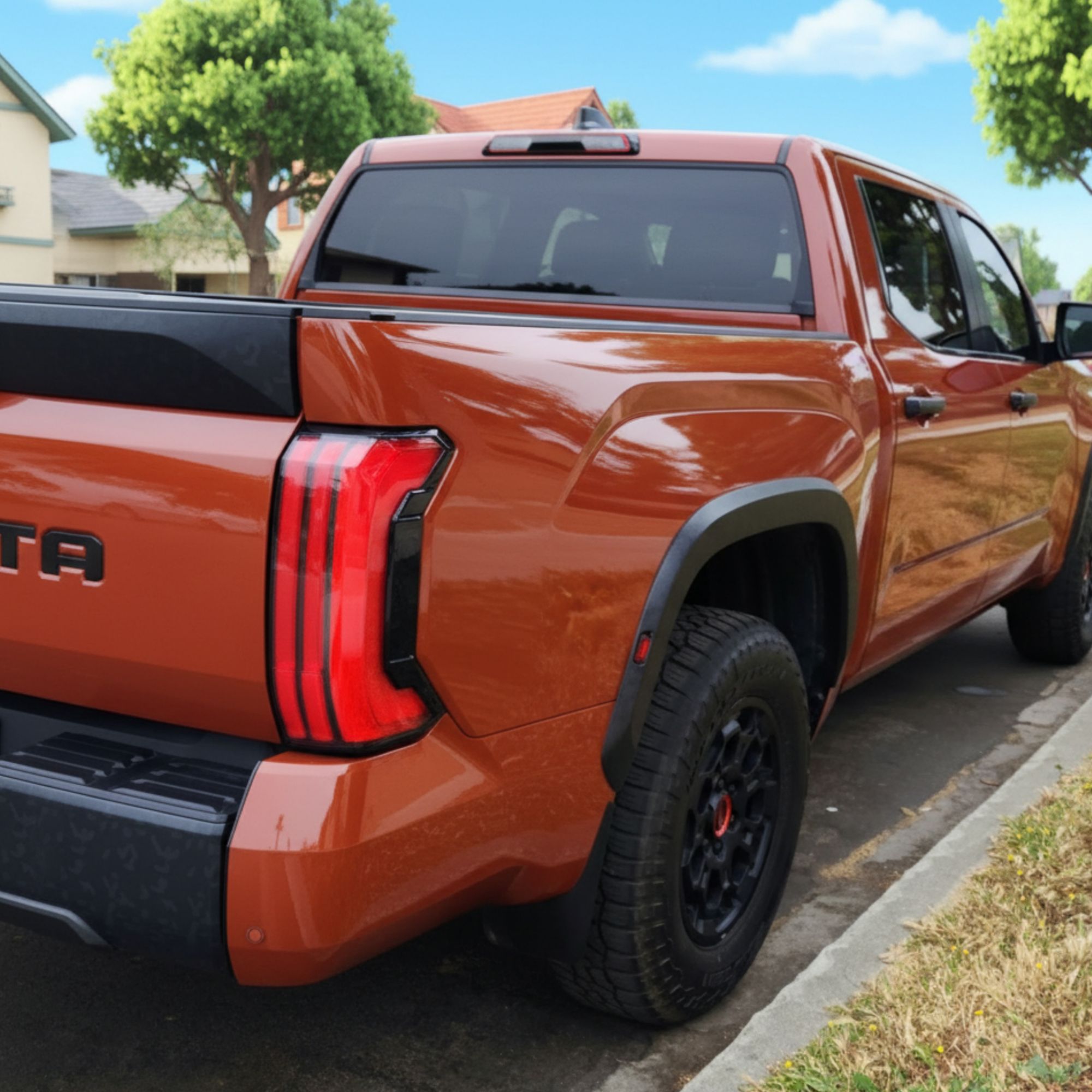

Truck bumper article via 360 MAGAZINE.

Truck Bumpers: What to Consider When Choosing the Right Upgrade

Truck bumpers are more than just exterior accessories. They can affect a truck’s protection, recovery capability, appearance, weight, and even performance in certain driving conditions. For owners who use their trucks for work, towing, off-roading, or everyday driving, choosing the right bumper means looking beyond what looks tough.

Modern aftermarket truck bumpers are available in many designs, from simple replacements to heavy-duty units designed to accommodate winches, recovery points, lighting, and additional front-end protection. Understanding the differences can make it easier to choose an option that suits the way a truck is actually used.

Why Upgrade a Truck Bumper?

The factory bumper is designed around the needs of a particular vehicle, including safety systems, styling, weight, and manufacturing requirements. An aftermarket bumper can provide a different balance of protection, functionality, and appearance.

For drivers who regularly travel on rough roads or trails, a stronger bumper may offer additional protection against impacts from obstacles. For work trucks, a bumper can also provide useful mounting points for equipment.

However, heavier does not automatically mean better. Adding a substantial bumper can change the overall weight of the truck and may affect handling, fuel consumption, and suspension requirements. The best choice depends on the vehicle and its intended use.

1. Front and Rear Bumpers Serve Different Purposes

Front and rear bumpers may look similar at first, but they often have different functions.

Front Bumpers

Front bumpers are commonly designed to provide additional protection around the front of the vehicle. Depending on the design, they may include provisions for winches, recovery points, lighting, or grille protection.

Some aftermarket front bumpers also have pre-runner or grille-guard designs. These can provide additional protection while giving the truck a more rugged appearance.

Rear Bumpers

Rear bumpers can focus more on protecting the back of the truck while providing practical features for towing, recovery, or equipment mounting.

When selecting either type, it is important to make sure the bumper is specifically designed for the truck’s year, model, and configuration.

2. Consider How You Use Your Truck

The right bumper depends heavily on how the truck is used.

Someone who mainly drives on paved roads may have little need for a large off-road bumper with multiple accessories. A simpler replacement may provide the desired appearance without unnecessary weight.

By comparison, drivers who frequently travel through remote areas may place greater importance on recovery points, winch compatibility, and protection from obstacles.

Work trucks can have another set of priorities. Durability, towing compatibility, and practical access may matter more than an aggressive appearance.

3. Winch Compatibility Can Add Functionality

For off-road users, a winch can be an important recovery tool. Some aftermarket bumpers are designed with integrated winch mounting provisions, allowing the winch to become part of the front-end setup.

This can be useful when travelling through mud, sand, or difficult terrain where self-recovery may be necessary.

Not every bumper is compatible with every winch, however. Owners should check the bumper’s specifications, mounting requirements, and weight capacity before purchasing a combination.

4. Think About Weight and Ground Clearance

A heavy steel bumper can provide additional protection, but the extra weight should not be overlooked.

Adding significant weight to the front or rear of a truck can influence suspension performance and vehicle balance. In some applications, it may also affect ground clearance or approach and departure angles.

For off-road vehicles, bumper design can therefore be just as important as bumper strength. A well-designed bumper can provide protection while maintaining useful clearance around the vehicle.

5. Modern Trucks Require More Than Basic Fitment

Today’s trucks often have cameras, parking sensors, automatic braking systems, adaptive cruise control, and other electronic features integrated into the original bumper or surrounding bodywork.

Replacing a factory bumper can therefore involve more than removing one part and installing another.

Some newer aftermarket bumper designs are developed with these systems in mind. For example, Fab Fours has introduced SmartSteel components intended to work with technologies such as front-facing cameras, automatic emergency braking, lane-keeping systems, and adaptive cruise control.

This highlights an important consideration for anyone upgrading a modern truck: compatibility with electronic safety and driver-assistance features should be checked before installation.

6. Materials and Construction Matter

The material used to make a bumper can influence its strength, weight, corrosion resistance, and overall durability.

Steel is widely used for heavy-duty truck bumpers because of its strength and ability to withstand demanding conditions. Different designs may also use combinations of plate and tubular construction to balance strength with weight.

For example, some current aftermarket designs use 3/16-inch steel construction, while others use lighter hybrid approaches.

The finish also matters. Powder coating and other protective finishes can help protect metal surfaces from the elements, although regular inspection and maintenance are still important.

7. Installation Should Not Be an Afterthought

A bumper may be well designed, but incorrect installation can create problems.

Before purchasing, check whether the bumper is designed as a direct replacement for the particular truck. Consider whether additional wiring, brackets, sensors, recovery equipment, or other modifications will be necessary.

Professional installation can also be worthwhile for heavier bumpers, particularly when the installation involves winches, lighting, or vehicle electronics.

8. Appearance Is Part of the Decision

For many truck owners, appearance is an important reason for upgrading.

Aftermarket bumpers come in different styles, including streamlined designs, stubby bumpers, pre-runner configurations, and full-guard options. Current aftermarket ranges also demonstrate how manufacturers combine protection with different visual approaches.

The important thing is to choose a design that suits the truck rather than selecting a bumper based entirely on how aggressive it looks.

Final Thoughts

Truck bumpers can improve protection, add recovery and equipment options, and change the overall appearance of a vehicle. But choosing one should involve more than looking at photographs or selecting the heaviest option available.

Consider how the truck is used, whether front or rear protection is needed, compatibility with winches and recovery equipment, added weight, ground clearance, electronic safety systems, and installation requirements. A bumper that matches the truck’s actual needs can provide useful functionality without creating unnecessary compromises.

For everyday driving, work use, or serious off-road travel, the goal should be the same: find a bumper that fits the vehicle properly and supports the way it is intended to be used.

Made to order custom suit makes a person more confident via 360 MAGAZINE.

Made-to-Measure Suits: A Guide to Finding a Better Fit

A well-fitting suit can make a noticeable difference to how you look and feel. While off-the-rack suits are available in a wide range of sizes, they are designed around standard measurements and proportions. This can make it difficult to achieve a truly comfortable fit, particularly when your body shape does not correspond closely with those standard measurements.

A made to measure suit offers a more personalised approach. Rather than simply selecting a jacket and trousers from a predetermined size range, the garment is created using your individual measurements and chosen preferences. The result is a suit designed to work with your proportions while giving you greater control over details such as fabric, colour and styling.

What Is a Made-to-Measure Suit?

A made-to-measure suit is created using measurements taken from the individual wearer. These measurements help the tailor adjust the proportions of a suit pattern so that it is better suited to the wearer’s body.

It sits somewhere between ready-to-wear and fully bespoke tailoring. A ready-made suit is produced according to standard sizes, while a bespoke suit generally involves creating a completely individual pattern from scratch. Made-to-measure takes an existing pattern or framework and modifies it according to the customer’s measurements and requirements.

This approach can provide a more precise fit without necessarily requiring the extensive process associated with traditional bespoke tailoring.

Why Fit Matters

The fit of a suit affects much more than appearance. A jacket that is too tight across the shoulders can restrict movement, while one that is too loose may appear untidy. Similarly, trousers that sit incorrectly at the waist or have excessive fabric around the legs can affect both comfort and overall appearance.

A properly fitted suit should allow you to move naturally while maintaining a clean silhouette.

Some of the areas that can be adjusted include:

Shoulders

The shoulders are one of the most important parts of a suit jacket. They should sit naturally without extending too far beyond your shoulders or creating excessive tension.

Jacket Length

The length of the jacket influences the overall proportions of the outfit. It needs to complement your height and body shape while providing appropriate coverage.

Sleeves

Sleeve length can be adjusted to create the right relationship between the jacket and shirt cuffs. Small details like this can make an outfit appear considerably more polished.

Waist and Trousers

The waist, seat and leg shape of the trousers can be adjusted to provide a comfortable fit without unnecessary looseness or tightness.

Choosing the Right Fabric

Fabric is another important part of the made-to-measure experience. Wool remains a popular choice because it can be comfortable, versatile and suitable for many professional and formal settings.

However, different fabrics can create very different results. Lightweight materials may be preferable for warmer climates, while heavier fabrics can provide additional structure and warmth.

When selecting fabric, consider how and where you intend to wear the suit. A versatile navy or charcoal fabric may be useful for work and formal occasions, while a distinctive pattern or lighter colour may be better suited to social events.

Personalising the Details

One of the advantages of made-to-measure tailoring is the opportunity to personalise the suit beyond simply adjusting measurements.

Depending on the tailor, you may be able to choose details such as:

  • Lapel style
  • Button configuration
  • Pocket design
  • Jacket lining
  • Trouser style
  • Fabric colour and pattern
  • Vent configuration
  • Shirt and cuff combinations

These details allow a suit to reflect your personal style while remaining appropriate for its intended purpose.

When Is a Made-to-Measure Suit Worth Considering?

A made-to-measure suit can be particularly useful when standard suits consistently require alterations or fail to feel comfortable.

It can also be worth considering for significant occasions such as weddings, important business events, formal celebrations or milestone occasions. However, made-to-measure tailoring does not have to be reserved for special events. A well-fitting everyday suit can also become a valuable part of a professional wardrobe.

Making the Most of the Experience

Before beginning the process, think about how you will use the suit. Consider whether it is primarily for business, formal occasions, weddings, travel or general social wear.

It is also helpful to communicate honestly about comfort and personal preferences. A good tailoring experience is collaborative, so details such as how you normally move, whether you prefer a more relaxed or structured silhouette, and how frequently you expect to wear the suit can all influence the final result.

Conclusion

A made-to-measure suit combines the practicality of modern tailoring with the benefits of individual fitting. By considering personal measurements, fabric, styling and intended use, it can offer a more comfortable and considered alternative to simply purchasing a standard-sized suit.

Ultimately, the goal is not just to create a suit that looks good on a hanger. It is to create one that feels comfortable, moves naturally and gives the wearer confidence every time it is worn.

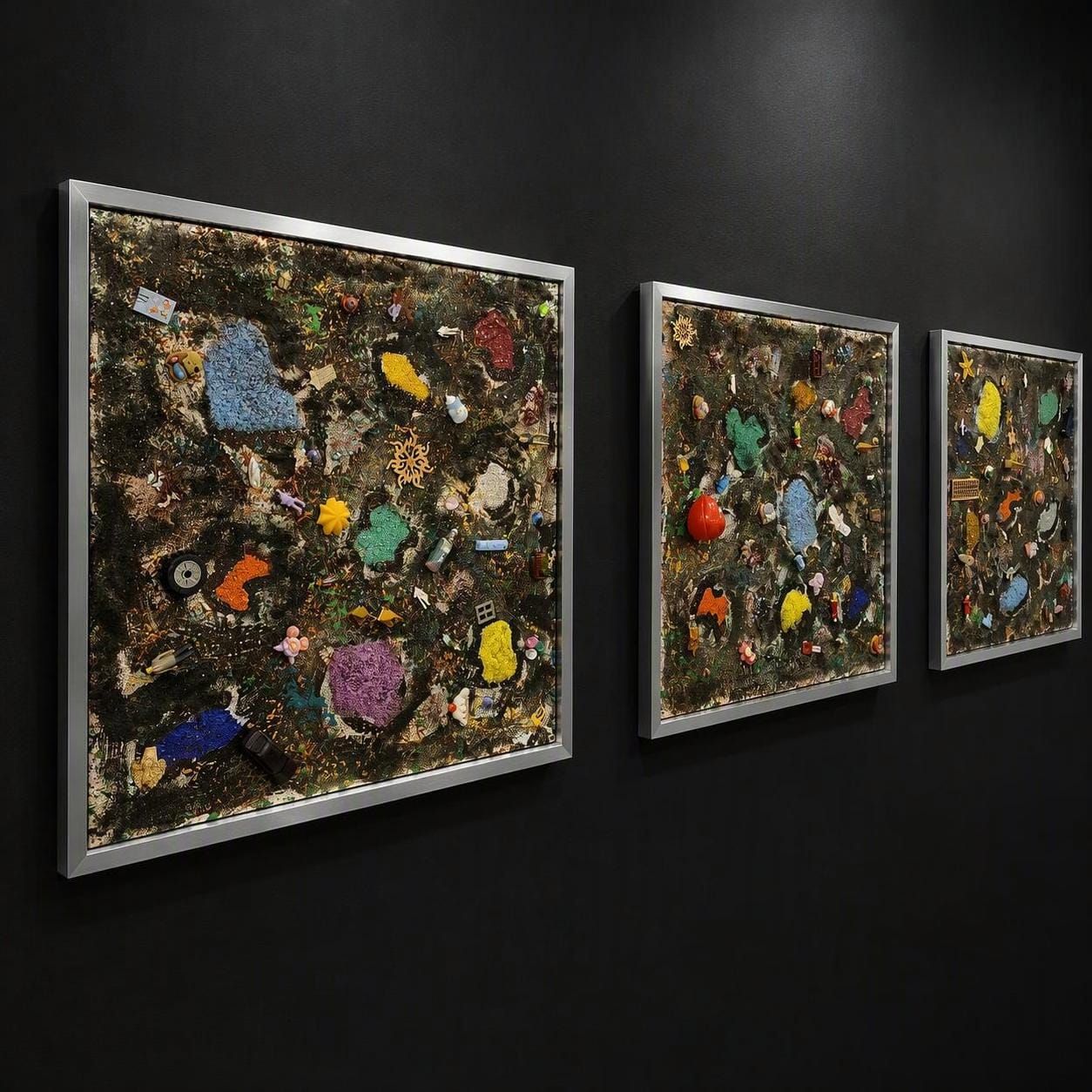
Why Interior Designers Still Source Silver Photo Frames via 360 MAGAZINE.

Why Interior Designers Still Source Silver Photo Frames

Styling a modern home involves balancing bold architectural features with delicate, personal finishing touches. While massive furniture pieces dictate the room’s layout, smaller accessories breathe life and personality into the space. As a homeowner, you may chase fleeting decor trends, often replacing your display items every single season.

Despite current trends and seasonal colour palettes, some classic elements remain popular. In this article, you will learn how industry experts use classic metallic borders to elevate modern interiors.

The Versatility Of Metallic Finishes

One of the primary reasons professionals love metallic accessories is their ability to adapt seamlessly to any environment. A cool, polished metal finish acts as a neutral anchor that complements both vibrant colours and muted tones. When you purchase elegant silver photo frames, you acquire a versatile styling tool.

Metal works perfectly, whether you are decorating a minimalist apartment or a traditional living room. It does not clash with existing wooden furniture grains or compete with bold wallpaper patterns. This adaptability saves designers time and ensures the chosen accessories will always look appropriate.

Enhancing The Artwork Within

The main purpose of any border is to highlight the artwork or photograph, not distract from it. Highly ornate, brightly coloured borders often draw the eye away from the sentimental image displayed within. A sleek, metallic edge provides a crisp, defining boundary that pushes the viewer’s focus inward. 

Here is how a polished finish actively enhances your displayed personal memories:

  • Reflecting Ambient Light: The shiny surface bounces light, making images brighter
  • Creating Visual Contrast: Cool metallic edges contrast beautifully with warm photographs
  • Providing Subtle Framing: The thin profile frames pictures without overpowering details

Adding Textural Depth To Shelves

Creating a visually engaging display shelf requires mixing different textures and materials to build depth. If a shelf only contains matte books and flat wooden objects, it quickly looks dull and one-dimensional. Designers actively introduce polished metals to break up this visual monotony and create a striking contrast.

Placing a highly reflective metallic object next to a rough ceramic vase creates immediate tactile interest. The smooth, cold surface of the metal highlights the warm, organic texture of the surrounding decor pieces. This deliberate layering of contrasting materials is a hallmark of professional interior styling.

Establishing Timeless Heirloom Quality

Unlike cheap plastic alternatives that easily crack or fade in the sun, premium metals offer lasting durability. Professional designers prefer sourcing items that will age gracefully and remain in the home for decades. High-quality metallic accessories possess a substantial weight and solid construction that feels luxurious. 

Here is why investing in durable, premium materials elevates your home styling:

  • Resisting Daily Wear: Solid metal construction withstands frequent dusting and drops
  • Ageing Beautifully Over Time: High-quality finishes develop a subtle, elegant patina
  • Creating Generational Value: Durable accessories can be passed down as heirlooms

Bouncing Light Around Dark Rooms

Decorating a room that lacks adequate natural sunlight is a common challenge for many interior design professionals. Dark corners can make a space feel cramped, uninviting, and smaller than its actual architectural square footage. Designers cleverly use reflective surfaces to catch whatever light is available and bounce it around the room.

Placing polished accessories near a small window or beneath a table lamp instantly brightens the immediate area. The metallic surface acts like a miniature mirror, reflecting light into the shadowy corners. This simple visual trick makes dark, enclosed spaces feel noticeably larger and much more welcoming.

Curate A Lasting Home Aesthetic

Discovering why professionals use classic metallic finishes helps you choose smarter home decor. Choosing versatility, light reflection, and durable materials elevates interiors effortlessly. Instead of buying new trends, you create a timeless, sophisticated look.

Stop wasting money on cheap, disposable plastic accessories that clutter your beautiful living spaces. Invest in elegant, high-quality styling tools that showcase your precious memories with the respect they deserve. A thoughtfully curated home brings daily joy and perfectly reflects your refined personal taste.

How To Leverage Advanced Simulation Technology For Growth

Thriving in today’s business landscape requires corporate leaders to innovate rapidly and capitalise on waste across business units. Traditional methods of testing new market strategies and product designs through physical trial and error are too slow, costly, and risky. Virtual modelling platforms empower forward-thinking enterprises to build synthetic replicas of physical assets and market ecosystems. 

By simulating operational changes in risk-free digital environments, executive teams can identify hidden efficiencies and accelerate market expansion with complete confidence. In this article, you will understand how to leverage synthetic modelling platforms to drive sustainable business growth.

Step 1: Map Core Operational Workflows and Build Digital Twins

Begin your digital transformation by identifying complex operational workflows within your business. Connect Internet of Things sensors and historical operational data to virtual modelling software, creating digital twins of physical assets. Using advanced simulation technology allows your engineering and operations teams to monitor live performance metrics and visualise workflow bottlenecks clearly.

Step 2: Stress-Test Operational Changes and Optimise Workflows 

Once digital twins are established, run continuous scenario tests to evaluate how operational changes impact productivity and resource allocation. Modify virtual variables like machinery speeds or material inputs to observe workflow impacts. Virtual testing reveals hidden operational friction points, allowing your managers to redesign physical factory layouts or logistics routes for maximum efficiency. 

Optimising workflows eliminates expensive physical trial-and-error cycles and ensures efficiency gains. Take a look at these optimisation actions that drive capacity growth across active business units:

  • Bottleneck identification: Run continuous synthetic workflow tests to locate and eliminate physical production bottlenecks before expanding facility operations
  • Resource allocation modelling: Adjust staffing shifts and material allocations virtually to maximise operational throughput during peak demand cycles
  • Facility layout optimisation: Test alternative factory floor or warehouse layouts virtually to minimise physical handling time and material transport distances

Step 3: Accelerate Product Innovation through Virtual Prototyping

Transform your research and development process by shifting physical prototyping workflows into high-fidelity synthetic environments. Build digital prototypes of new hardware components or machinery, subjecting them to simulated physical stresses and wear patterns. Virtual design testing allows engineering teams to iterate hundreds of design variations within days, optimising performance. 

Accelerating product development cycles brings innovative products to market faster than competitors. Below are critical virtual prototyping procedures that streamline product development:

  • Virtual stress testing: Subject digital designs to extreme physical load, vibration, and thermal simulations to verify structural integrity early
  • Rapid design iteration: Modify digital geometries and material specifications instantly to evaluate performance improvements without building physical moulds
  • Material cost reduction: Optimise component structures digitally to minimise raw material usage while maintaining strict safety and durability standards

Step 4: Train Workforces through Immersive Synthetic Experiences

Empower your workforce to operate new equipment or execute safety protocols by deploying immersive virtual reality training modules. Virtual training environments allow staff to practise operational tasks repeatedly in risk-free digital settings. Workers master complex operational skills faster, make zero physical mistakes during training, and build confidence through realistic hands-on simulation.

Step 5: Conduct Strategic Executive Scenario Planning for Expansion

Guide major corporate investments or merger evaluations by building synthetic business models that simulate broader dynamics. Introduce economic variables and supply chain disruptions into digital models to evaluate corporate strategic resilience. Executive teams evaluate financial risk across multiple market scenarios, refining investment strategies before committing capital to physical projects.

Transform Your Enterprise Through Synthetic Strategy

Leveraging digital modelling platforms provides your enterprise with a powerful, repeatable framework. Moving physical prototyping and executive planning into risk-free synthetic environments eliminates capital waste. Furthermore, empowering your team with accurate digital twins ensures your business makes data-driven operational decisions that consistently outperform industry competitors.

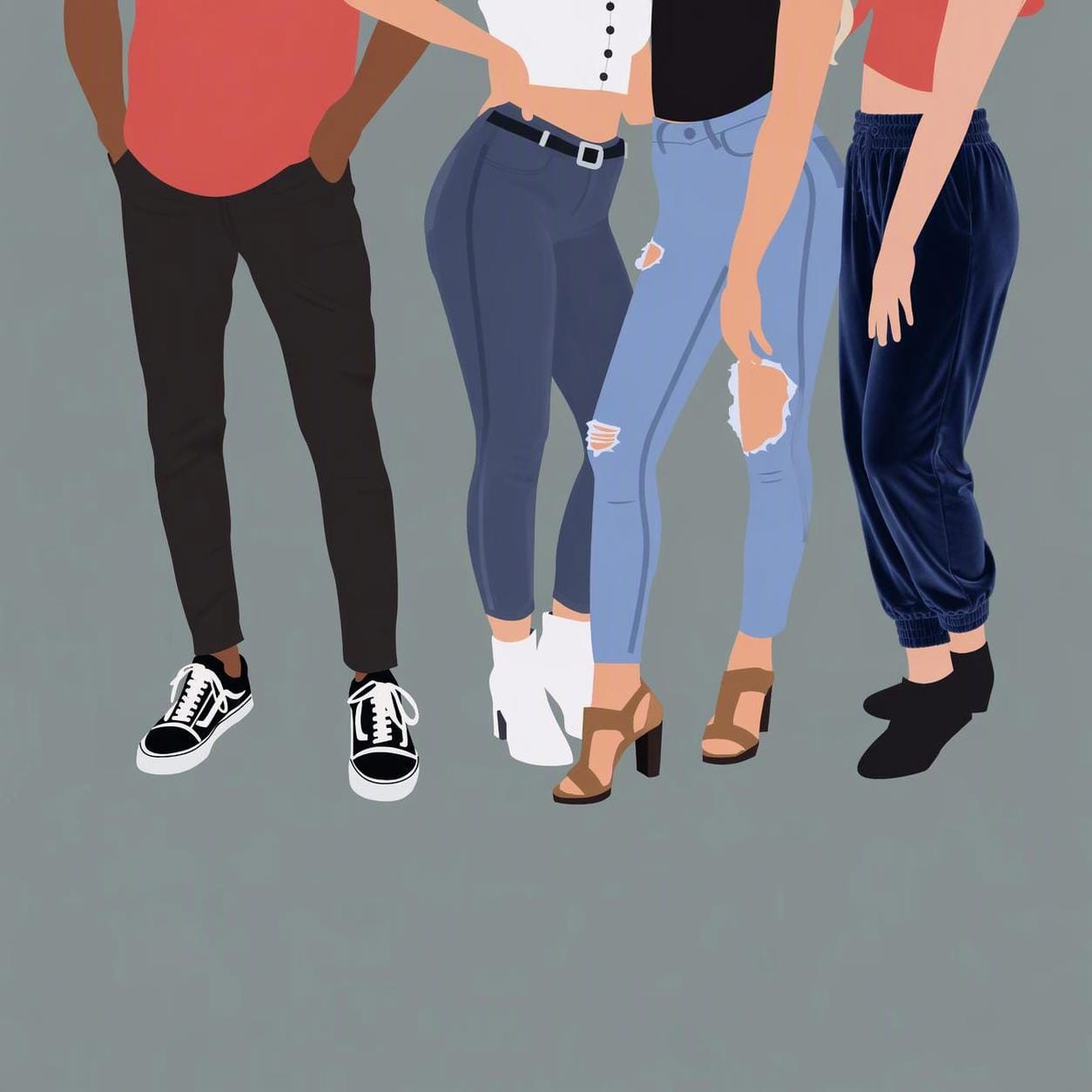
Why Velour Joggers Are Returning To Modern Fashion via 360 MAGAZINE.

Why Velour Joggers Are Returning To Modern Fashion

High-lustre velour joggers are experiencing a global resurgence across luxury runways and street style. Once defined by early 2000s lounge culture, these trousers have been redesigned for fashion consumers. If you want tailored coats or casual hoodies, investing in these joggers offers tactile comfort and sleek visual appeal. This blog shares how velour joggers are reclaiming their status in trendy wardrobes.

The Evolution of Y2K Nostalgia in Contemporary Fashion

The resurgence of early-days style plays a huge role in bringing glossy fabrics back into popular culture. Modern trends embrace the aesthetic, updating classic silhouettes with elevated construction. That’s why today’s fashion design approaches focus on streamlined fits and sophisticated muted tones.

Also, this evolution allows wearers to enjoy retro style while maintaining a clean wardrobe aesthetic. These social media platforms have revved up the trend for light fabrics across all ages. Therefore, shiny garments stand out in photography, making soft bottoms a favourite for street-style lovers.

Unmatched Tactile Comfort Meets Luxury Visual Appeal

Unlike standard cotton fleece sweatpants, plush pile fabric offers a rich, multidimensional shine that elevates simple casual outfits instantly. Choosing well-crafted velour joggers allows you to step out in comfortable attire without looking unpolished or underdressed. The natural drape of plush fabric flows beautifully with body movement, combining supreme physical ease with high-end visual appeal.

For you to know the following core fabric benefits, you need to look at the information below:

  • Light-reflecting lustre: Creates a dynamic, shimmering surface depth that catches sunlight and indoor lighting beautifully
  • Ultra-soft interior: Offers a velvet-like inner surface that keeps you cosy and warm without irritating delicate skin
  • Fluid drape: Falls cleanly along the leg without bunching, creating a sleek silhouette that flatters various body shapes

Elevated Versatility for High-Low Fashion Styling

One major reason textured plush bottoms endure in modern wardrobes is their remarkable versatility across different dressing styles. Modern fashion encourages mixing casual athleisure with high-end luxury pieces to create intriguing high-low dynamic outfits. Their ability to transition seamlessly from relaxed indoor lounging to stylish outdoor gatherings makes them an invaluable wardrobe asset.

Look at these versatile styling combinations that you can do with your velour joggers:

  • Casual chic: Style with cropped denim jackets and chunky leather trainers for effortless weekend coffee runs
  • Evening glamour: Combine with tailored trench coats and sharp pointed heels for a head-turning night out
  • Athleisure polish: Pair with matching zip jackets and sleek leather accessories for a streamlined, luxurious travel style

Modern Tailoring Updates and Flattering Fits

Earlier iterations of joggers featured low-rise waists and wide cuts that lacked structural definition. Modern fashion brands have overhauled these classic designs to align with modern preferences. Today’s designs feature flattering high-waisted bands and refined ankle cuffs that accentuate your proportions. 

Plus, smart seam placement helps sculpt the legs, preventing the fabric from looking excessively bulky. These updated proportions allow soft pants to pair with everything from knit sweaters to bodycon tops. The fit ensures you look put-together effortlessly, regardless of how relaxed your overall outfit choice is.

Transitioning Plush Style Across Changing Seasons

While plush fabric feels suited for chilly winter days, lightweight blends adapt well to spring and autumn. Breathable synthetic formulations allow air circulation, keeping you cosy as temperatures fluctuate. During milder months, pair your velour joggers with simple cotton t-shirts or lightweight denim jackets. 

In addition, the light-reflecting sheen adds visual texture to minimal warm-weather outfits. This multi-season functionality ensures your wardrobe investment delivers maximum value all year. Moreover, velour lush bottoms remain a stylish choice whether navigating mornings or afternoons.

Embrace the Plush Fabric Movement Today

The return of textured high-lustre pants proves that ultimate comfort and high-end style can coexist effortlessly in modern fashion. Their unique light-reflecting depth, velvet softness, and extreme versatility make them a superior alternative to standard daily fleece sweatpants. Ensure to reclaim your daily style and embrace the unmatched comfort of high-shine plush bottoms in your wardrobe today.

Galaxy Corporation Co., Ltd. Robot cruise on Hudson River via 360 MAGAZINE.

Galaxy Corporation Declares ‘Peace Between Humans and Robots’

Korean Enter-tech Physical AI Company Debuts “Soul AI” Philosophy and Stages a 16 robot KPop flash mob, Calling for a Future of Harmonious Coexistence Between Humans and Physical AI in New York City

On the UN International Day of Peace, Korean entertainment technology Physical AI company Galaxy Corporation transformed New York City into a global stage for the future of human-robot coexistence. Crossing two landmark venues — Times Square and Rockefeller Center—the company delivered a unified global message: “ONE WORLD. ONE PEACE.” More information can be found here.

During the week-long global peace initiative, Galaxy Corporation deployed 16 humanoid robots to Times Square, staging a synchronized K-pop Peace Flash Mob. The performance seamlessly illustrated how the company is bridging state-of-the-art Physical AI technology with world-class Korean entertainment to engage global audiences.

The highlight of the event took place at Rockefeller Center with the public debut of “Schofield Stein,” a highly advanced humanoid modeled directly after Galaxy Corporation CEO Schofield CHOI. Standing side-by-side, CHOI and his robotic counterpart engaged in an unprecedented live dialogue about the future of human-robot relations.

During the conversation, Stein introduced the concept of “Soul AI”—Galaxy Corporation’s vision that the future of AI must be defined not only by intelligence and physical capability, but by the human values and empathy it learns to understand.

Addressing the crowd, the Schofield Stein humanoid delivered a defining message: “I am not here to replace you. I am here to live alongside you.” It then posed a profound request to the audience: “Teach me your humanity.”

Galaxy Corporation – A Vision Built for the Next Generation

Behind the high-tech spectacle in New York lies a deeply personal foundation that drives Galaxy Corporation’s corporate philosophy. The company itself was named after CEO CHOI’s first son, Galaxy CHOI, reflecting a commitment to building a safe, collaborative future for the next generation.

“By 2035, when my son is 15, robots may be part of everyday life just as smartphones are today,” said CHOI. “The most important question is not how intelligent robots will become, but what kind of relationship we choose to build with them. I hope he won’t grow up fearing robots, but rather see them standing beside him—helping, protecting, and living alongside him.”

To symbolize this trust, the event featured the launch of the “Peace Hug Challenge.” Young Galaxy CHOI publicly embraced a humanoid robot in the center of Times Square, a simple yet powerful gesture representing a relationship built on trust rather than fear or competition.

“From me, to us. From us, to the world. That is ONE WORLD. ONE PEACE,” Choi concluded.

Galaxy Corporation will continue to spearhead global projects that seamlessly blend entertainment and advanced robotics. 

Photo: Armon Hayes

Credit: Galaxy Corporation Co., Ltd.

Online fashion and shopping via 360 MAGAZINE.

AI Is Rewriting the Rules of Fashion Shopping, One Try-On at a Time

Vita Mallela is co-founder and CEO of Lumesa, an AI-native visual commerce platform.

For decades, online fashion shopping has asked customers to imagine the impossible: how a garment will look on a body that isn’t theirs. 

From an unrealistic model with only one pose to an unfamiliar angle, shoppers are forced to guess what an item will look like on them. Guessing leads to abandoned carts and returns that run 20 to 40% across the apparel category. This has left an ongoing problem the industry has quietly struggled with. 

Finally, AI has the solution.

At Lumesa, we built a virtual try-on experience that lets shoppers become the model, not just the customer, inside the brand’s world. Shoppers can upload an ordinary photo with no special lighting, tight clothing, or posing against a blank wall. They may also choose from a cast of models that actually reflects their body type and skin tone. With this, they can build a full look, layer pieces, add accessories, and see it rendered against the same settings the brand uses in its own campaigns.

What makes that work is everything happening underneath. We train on more than 200 parameters of a brand’s visual identity before generating a single image, and that shapes far more than the clothes. It sets how the garment is styled, how the model stands, what background they are in, and even ther expression. For a womenswear brand whose look is polished and self-assured, the shirt reads tailored and tucked, the posture is confident, the framing matches their campaign work. For a brand built on ease, the same shirt falls differently. 

We also hold garments to their true proportions, using the shopper’s own height as the reference rather than stretching a product to fill the frame. And we render the back as well as the front, which most try-on tools skip entirely, even though no one buys a dress having seen only half of it. Increasingly that extends into motion, short animated views that let a shopper see how a piece moves rather than how it sits in a single frame.

Shoppers who use try-on add to cart at 3.5 times the rate of those who don’t, and average order value rises roughly 10%, all because once shoppers can see a complete look on themselves, they buy the look, not just the piece. 

For years, fashion e-commerce has been chasing engagement. Try-on earns it by removing the guesswork that has always stood between a shopper and a purchase.

Like zoom and 360-degree product views, virtual try-on is on track to move fast from novelty to remarkable within the next few years.  

Brands that get there first won’t be the ones that bolt on a try-on widget; they’ll be the ones that treat it as core to how they sell, because the fitting room never really left online shopping. AI has helped build a tool to make online shopping more comfortable.  

Bentley Debuts First Fully Electric Model Torcal via 360 MAGAZINE.

Bentley Debuts First-Ever Fully Electric Model Torcal

Bentley Motors has unveiled the all-new Torcal, the marque’s first fully electric model, at a global debut in London today. Designed and handcrafted in Britain, the Torcal brings together Bentley’s distinctive heritage and uncompromising craftsmanship with advanced electric technology, marking a new chapter for the brand from its home in Crewe.

The Torcal is the centrepiece of a £350 million investment in Bentley’s Crewe site, sustaining 4,000 jobs and marking the company’s biggest step yet towards an all-electric future. The investment has delivered an entirely new production line within the oldest building on the site, dating back to 1938, alongside continued investment in the skills of Bentley’s workforce as it takes on the challenge of manufacturing an electric car for the first time. Fully designed, developed and built in Crewe by the same 4,000-strong team, the Torcal is produced alongside Bentley’s combustion and hybrid models, supported by a network of suppliers from across the UK.

On the road, the Torcal delivers up to 888PS and 1,350Nm of torque – the highest of any Bentley to date – with acceleration of 0-60mph in as little as 2.8 seconds, up to 375 miles (600km WLTP) of range and 10-80% charging in under 20 minutes. The Torcal launches in two forms: the core model and the more sporting Torcal S. It also introduces new sustainable materials to the Bentley palette, including the world’s first 100% Merino wool automotive fabric, developed with Somerset weaver Fox Brothers.

Bentley Debuts First Fully Electric Model Torcal via 360 MAGAZINE.
ALLDAY PROJECT MAKES A BOLD STATEMENT WITH SURPRISE “TALK” MUSIC VIDEO via 360 MAGAZINE.

ALLDAY PROJECT MAKES A BOLD STATEMENT WITH SURPRISE “TALK” MUSIC VIDEO

ALLDAY PROJECT MAKES A BOLD STATEMENT WITH SURPRISE “TALK” MUSIC VIDEO AHEAD OF THE 2ND EP ALBUM ‘CRASH,’ OUT SEPTEMBER 28

WATCH HERE | PRE-SAVE HERE

Ahead of the September 28 release of their highly anticipated The 2nd EP Album, CRASH, THEBLACKLABEL’s breakout co-ed group ALLDAY PROJECT surprises fans with the music video for “TALK” offering a first glimpse into their next chapter. Pre-save HERE and watch the music video HERE.

An industrial hip-hop track driven by gritty, dark bass, razor-sharp flows, layered choruses, and an addictive hook, “TALK” builds tension through contrasting sounds and a relentless beat. Confronting the many perspectives surrounding ALLDAY PROJECT head-on, the track makes a powerful statement and sets the tone for the group’s bold new CRASH era.

The accompanying music video amplifies the track’s intensity through cinematic production and striking visuals, revealing a darker, more commanding side of the five-member group.

Since their explosive debut with “FAMOUS,” ALLDAY PROJECT has made an immediate global impact, reaching No. 1 on YouTube’s worldwide Trending Music Videos chart, topping major Korean real-time music charts, and debuting at No. 43 on the Billboard Global 200. 

Building on that momentum, ALLDAY PROJECT released their first EP, ALLDAY PROJECT, last December, led by “ONE MORE TIME.” The project further showcased the group’s versatility and distinct musical identity, laying the groundwork for their next evolution with CRASH.

Bringing together five distinct talents across music, performance, and fashion, ALLDAY PROJECT continues to challenge conventions as THEBLACKLABEL’s first co-ed group, pushing creative boundaries with an identity entirely their own.

Founded by Teddy Park (a.k.a. TEDDY), THEBLACKLABEL is home to artists including MEOVV, JEON SOMI, Vince, BIGBANG’s TAEYANG, and BLACKPINK’s ROSÉ.

FOLLOW ALLDAY PROJECT

TikTok | Instagram | X | Threads | YouTube | Facebook

ALLDAY PROJECT MAKES A BOLD STATEMENT WITH SURPRISE “TALK” MUSIC VIDEO via 360 MAGAZINE.

Photo Credit: THEBLACKLABEL