


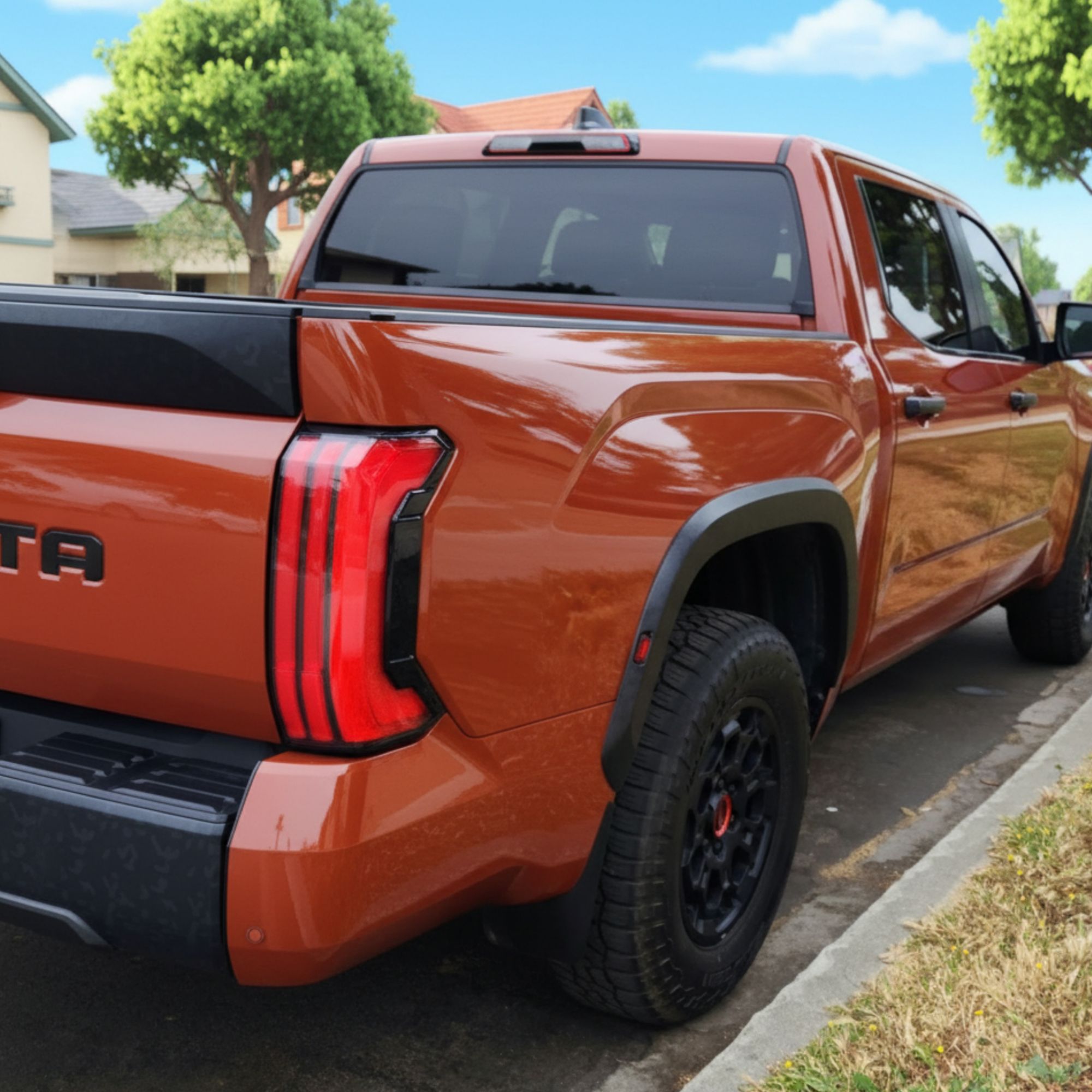
Truck bumpers are more than just exterior accessories. They can affect a truck’s protection, recovery capability, appearance, weight, and even performance in certain driving conditions. For owners who use their trucks for work, towing, off-roading, or everyday driving, choosing the right bumper means looking beyond what looks tough.
Modern aftermarket truck bumpers are available in many designs, from simple replacements to heavy-duty units designed to accommodate winches, recovery points, lighting, and additional front-end protection. Understanding the differences can make it easier to choose an option that suits the way a truck is actually used.
Why Upgrade a Truck Bumper?
The factory bumper is designed around the needs of a particular vehicle, including safety systems, styling, weight, and manufacturing requirements. An aftermarket bumper can provide a different balance of protection, functionality, and appearance.
For drivers who regularly travel on rough roads or trails, a stronger bumper may offer additional protection against impacts from obstacles. For work trucks, a bumper can also provide useful mounting points for equipment.
However, heavier does not automatically mean better. Adding a substantial bumper can change the overall weight of the truck and may affect handling, fuel consumption, and suspension requirements. The best choice depends on the vehicle and its intended use.
1. Front and Rear Bumpers Serve Different Purposes
Front and rear bumpers may look similar at first, but they often have different functions.
Front Bumpers
Front bumpers are commonly designed to provide additional protection around the front of the vehicle. Depending on the design, they may include provisions for winches, recovery points, lighting, or grille protection.
Some aftermarket front bumpers also have pre-runner or grille-guard designs. These can provide additional protection while giving the truck a more rugged appearance.
Rear Bumpers
Rear bumpers can focus more on protecting the back of the truck while providing practical features for towing, recovery, or equipment mounting.
When selecting either type, it is important to make sure the bumper is specifically designed for the truck’s year, model, and configuration.
2. Consider How You Use Your Truck
The right bumper depends heavily on how the truck is used.
Someone who mainly drives on paved roads may have little need for a large off-road bumper with multiple accessories. A simpler replacement may provide the desired appearance without unnecessary weight.
By comparison, drivers who frequently travel through remote areas may place greater importance on recovery points, winch compatibility, and protection from obstacles.
Work trucks can have another set of priorities. Durability, towing compatibility, and practical access may matter more than an aggressive appearance.
3. Winch Compatibility Can Add Functionality
For off-road users, a winch can be an important recovery tool. Some aftermarket bumpers are designed with integrated winch mounting provisions, allowing the winch to become part of the front-end setup.
This can be useful when travelling through mud, sand, or difficult terrain where self-recovery may be necessary.
Not every bumper is compatible with every winch, however. Owners should check the bumper’s specifications, mounting requirements, and weight capacity before purchasing a combination.
4. Think About Weight and Ground Clearance
A heavy steel bumper can provide additional protection, but the extra weight should not be overlooked.
Adding significant weight to the front or rear of a truck can influence suspension performance and vehicle balance. In some applications, it may also affect ground clearance or approach and departure angles.
For off-road vehicles, bumper design can therefore be just as important as bumper strength. A well-designed bumper can provide protection while maintaining useful clearance around the vehicle.
5. Modern Trucks Require More Than Basic Fitment
Today’s trucks often have cameras, parking sensors, automatic braking systems, adaptive cruise control, and other electronic features integrated into the original bumper or surrounding bodywork.
Replacing a factory bumper can therefore involve more than removing one part and installing another.
Some newer aftermarket bumper designs are developed with these systems in mind. For example, Fab Fours has introduced SmartSteel components intended to work with technologies such as front-facing cameras, automatic emergency braking, lane-keeping systems, and adaptive cruise control.
This highlights an important consideration for anyone upgrading a modern truck: compatibility with electronic safety and driver-assistance features should be checked before installation.
6. Materials and Construction Matter
The material used to make a bumper can influence its strength, weight, corrosion resistance, and overall durability.
Steel is widely used for heavy-duty truck bumpers because of its strength and ability to withstand demanding conditions. Different designs may also use combinations of plate and tubular construction to balance strength with weight.
For example, some current aftermarket designs use 3/16-inch steel construction, while others use lighter hybrid approaches.
The finish also matters. Powder coating and other protective finishes can help protect metal surfaces from the elements, although regular inspection and maintenance are still important.
7. Installation Should Not Be an Afterthought
A bumper may be well designed, but incorrect installation can create problems.
Before purchasing, check whether the bumper is designed as a direct replacement for the particular truck. Consider whether additional wiring, brackets, sensors, recovery equipment, or other modifications will be necessary.
Professional installation can also be worthwhile for heavier bumpers, particularly when the installation involves winches, lighting, or vehicle electronics.
8. Appearance Is Part of the Decision
For many truck owners, appearance is an important reason for upgrading.
Aftermarket bumpers come in different styles, including streamlined designs, stubby bumpers, pre-runner configurations, and full-guard options. Current aftermarket ranges also demonstrate how manufacturers combine protection with different visual approaches.
The important thing is to choose a design that suits the truck rather than selecting a bumper based entirely on how aggressive it looks.
Final Thoughts
Truck bumpers can improve protection, add recovery and equipment options, and change the overall appearance of a vehicle. But choosing one should involve more than looking at photographs or selecting the heaviest option available.
Consider how the truck is used, whether front or rear protection is needed, compatibility with winches and recovery equipment, added weight, ground clearance, electronic safety systems, and installation requirements. A bumper that matches the truck’s actual needs can provide useful functionality without creating unnecessary compromises.
For everyday driving, work use, or serious off-road travel, the goal should be the same: find a bumper that fits the vehicle properly and supports the way it is intended to be used.