


Vita Mallela is co-founder and CEO of Lumesa, an AI-native visual commerce platform.
For decades, online fashion shopping has asked customers to imagine the impossible: how a garment will look on a body that isn’t theirs.
From an unrealistic model with only one pose to an unfamiliar angle, shoppers are forced to guess what an item will look like on them. Guessing leads to abandoned carts and returns that run 20 to 40% across the apparel category. This has left an ongoing problem the industry has quietly struggled with.
Finally, AI has the solution.
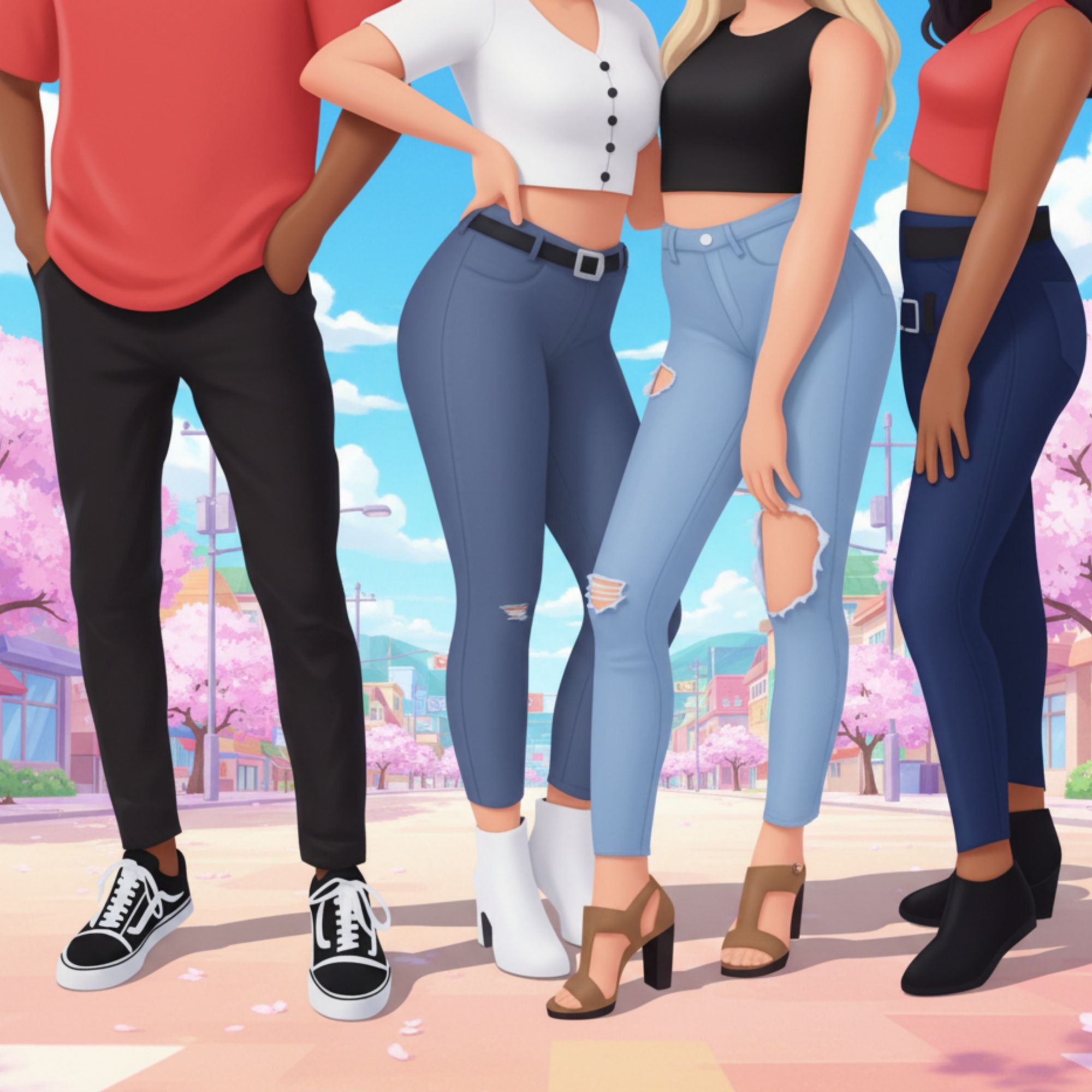
At Lumesa, we built a virtual try-on experience that lets shoppers become the model, not just the customer, inside the brand’s world. Shoppers can upload an ordinary photo with no special lighting, tight clothing, or posing against a blank wall. They may also choose from a cast of models that actually reflects their body type and skin tone. With this, they can build a full look, layer pieces, add accessories, and see it rendered against the same settings the brand uses in its own campaigns.
What makes that work is everything happening underneath. We train on more than 200 parameters of a brand’s visual identity before generating a single image, and that shapes far more than the clothes. It sets how the garment is styled, how the model stands, what background they are in, and even ther expression. For a womenswear brand whose look is polished and self-assured, the shirt reads tailored and tucked, the posture is confident, the framing matches their campaign work. For a brand built on ease, the same shirt falls differently.
We also hold garments to their true proportions, using the shopper’s own height as the reference rather than stretching a product to fill the frame. And we render the back as well as the front, which most try-on tools skip entirely, even though no one buys a dress having seen only half of it. Increasingly that extends into motion, short animated views that let a shopper see how a piece moves rather than how it sits in a single frame.
Shoppers who use try-on add to cart at 3.5 times the rate of those who don’t, and average order value rises roughly 10%, all because once shoppers can see a complete look on themselves, they buy the look, not just the piece.
For years, fashion e-commerce has been chasing engagement. Try-on earns it by removing the guesswork that has always stood between a shopper and a purchase.
Like zoom and 360-degree product views, virtual try-on is on track to move fast from novelty to remarkable within the next few years.
Brands that get there first won’t be the ones that bolt on a try-on widget; they’ll be the ones that treat it as core to how they sell, because the fitting room never really left online shopping. AI has helped build a tool to make online shopping more comfortable.