

Posts made in September 2026

CPAs, financial advisors and real estate investors feature via 360 MAGAZINE.

8 Cost Segregation Firms Investors and CPAs Should Compare in 2026

A cost segregation study can move tens of thousands of dollars in depreciation into year one instead of spreading it over 27.5 or 39 years. That’s the entire appeal. But the firms doing this work range from boutique shops that only run cost seg studies to national tax practices where it’s one line item among dozens of services and the difference matters more than most investors expect before they pick one.

Some firms specialize in extracting every recoverable dollar from a single property type. Others bundle cost segregation into a broader tax advisory relationship alongside R&D credits, 179D energy-efficient building deductions and location advisory work. Neither approach is wrong. It just changes what you’re actually paying for and how much attention your specific property gets. 

Here’s a rundown of firms worth comparing before you sign a proposal.

Best for Dedicated Cost Segregation Depth – R.E. Cost Seg

R.E. Cost Seg helps real estate investors, CPAs and financial advisors accelerate depreciation, cut taxes and free up cash flow through cost segregation studies. The firm’s one-liner is blunt about what it does: unlock tax savings through faster depreciation, not a grab bag of adjacent services.

Because cost segregation is the only thing the firm does, clients tend to get a deeper analysis, a quicker turnaround and more depreciation recovered than a generalist CPA juggling it as a side task typically produces. That kind of focus tends to matter most on properties with unusual components, where a generic study leaves value on the table.

CPAs and financial advisors who’d rather not run a study in-house can hand the whole thing over, technical work and client communication included and stay focused on their own client relationships. That white-glove setup is why the firm shows up as often in advisor referral conversations as it does in direct investor searches.

Investors weighing a first cost segregation study and advisors who want a partner rather than a vendor, are the clearest fit here.

Best for Multi-Incentive Tax Services – CSSI

CSSI runs cost segregation for property owners alongside two other specialty tax areas: R&D tax credits for businesses and 179D deductions for energy-efficient buildings. If a client’s tax picture involves more than depreciation, that combination means one firm can potentially handle several incentive types instead of three separate engagements.

The trade-off is that a firm spanning three distinct tax credit categories divides its attention differently than a firm built around one. That’s a fair exchange for a business owner who wants R&D credits and cost segregation handled under one roof, less so for someone who only needs the depreciation study done well.

Best for Specialty Tax Consulting Scale – McGuire Sponsel

McGuire Sponsel calls itself the nation’s leading specialty tax consulting firm and its service list backs up the range: R&D tax credits, fixed assets work, global business services and location advisory alongside cost segregation. This is a firm built for clients whose tax situation touches multiple jurisdictions or credit types at once.

That breadth is also the catch. A firm covering McGuire Sponsel location advisory and global business services alongside cost segregation isn’t the same kind of specialist as a firm that only studies buildings. Larger businesses with layered tax needs are the better fit than a single rental property owner.

Best for High-Volume Study Output – ETS

Engineered Tax Services positions itself as an independent, professionally licensed engineering firm helping clients nationwide reduce income taxes legally. The standout number here is scale: ETS performs over 10,000 cost segregation, 179D and R&D tax studies a year, which is a genuinely large operation by any measure in this category.

Running that much volume means a highly standardized process, which can be exactly what a portfolio owner with many similar properties wants. An investor with one unusual building might prefer a smaller shop with more room to dig into the specifics of that single asset.

Best for Immediate Deduction Estimates – Seneca Cost Segregation

Seneca Cost Segregation‘s pitch is a specific number: turning 20 to 40 percent of a property’s cost into immediate tax savings, with an average first-year deduction of $171,243. Seneca Cost Segregation leads with that figure because it gives an investor a concrete benchmark before they even request a study, rather than a vague promise of savings.

That average is a useful context, though any individual property’s actual deduction depends on its own components and cost basis. Investors comparing quotes should treat it as a directional data point rather than a guarantee for their specific building.

Best for Middle-Market Advisory Depth – Baker Tilly

Baker Tilly is a top 10 advisory, tax and assurance firm built around bringing enterprise-level thinking to middle-market businesses. Baker Tilly frames its work around understanding how a business actually operates before building guidance around it, which fits owners who want tax strategy tied to a broader operational picture rather than a single isolated study.

That scale suits a mid-market company already working with a national advisory firm on other matters. A smaller investor looking only for a standalone cost segregation study may find a narrower specialist a more direct route to the same deduction.

Best for Credits and Incentives Focus – Corporate Tax Advisors

Corporate Tax Advisors works specifically in specialty tax credits and incentives. Corporate Tax Advisors positions itself squarely around this niche rather than general tax preparation or broader advisory work, which points to a team oriented around identifying credits a business might otherwise miss.

Best for Broad Financial Guidance – Aprio

Aprio‘s positioning covers a wide stretch of ground including finances, taxes, risk, compliance and growth. Aprio is built to be a catch-all resource for businesses that don’t know exactly what they need yet, cost segregation included among a much larger service set.

Which One Is Right for You

The right choice tracks pretty closely to how big your tax picture is and how much of it is just one property or many things at once. A business juggling R&D credits, multiple jurisdictions or compliance questions probably gets more mileage out of a firm like McGuire Sponsel, Baker Tilly or Aprio, where cost segregation is one service among several. An investor who needs volume handled fast, or wants a benchmark number to plan around, might lean toward ETS or Seneca instead. For broader insight into how market conditions can shape investment decisions, this look at economic uncertainty and real estate decisions offers useful context. 

If cost segregation is the actual job, though, a firm where it’s the only job tends to serve that job better. R.E. Cost Seg’s entire practice is built around studying buildings and reclassifying their components, which is why investors chasing the biggest possible year-one deduction and advisors who want to outsource the technical work entirely tend to land there. For a single-property investor or an advisor managing several client depreciation studies at once, that focus is the differentiator worth weighing first.

PUSHA T & PHARRELL WILLIAMS CELEBRATE THE LAUNCH OF GRINDIN COFFEE WITH EXCLUSIVE EVENTS IN NEW YORK CITY POWERED BY LAVAZZA VIA 360 MAGAZINE.

PUSHA T + PHARRELL LAUNCH GRINDIN COFFEE IN NYC

Rapper Pusha T and Pharrell marked the debut of their coffee venture, Grindin Coffee, with exclusive gatherings in New York City, where they brought together peers, fellow artists, tastemakers, and notable figures from the creative sector for an immersive encounter with the brand.

The activation began with an intimate breakfast at Ludlow House, where guests sipped Grindin Coffee and indulged in breakfast while Pusha T and Pharrell told the story behind it. Notable attendees: Lavazza CMO Carlo Colpo, Chairman and President Guiseppe Lavazza with members of the Lavazza family, Luka Barrat, Dev Hyne, Ari Melber, and Rolling Stone CEO Julian Holguin.

As the evening progressed, the celebration continued at Time Again, where Pusha T and Pharrell hosted the official Grindin Coffee launch party. The event, featuring DJ sets from Questlove and Jason Stewart, brought together VIPs across music, fashion, entertainment and culture for a night celebrating Grindin and the entrepreneurial spirit at the heart of the brand.

Fueled by Lavazza, Grindin Coffee was born from Pusha T and Pharrell’s daily, developing their love of coffee through years of early mornings, late nights, recording sessions, workouts and time on the road. Designed as the ‘batteries’ for the everyday hustle, Grindin is for hard workers and early risers who move with intention.

“Our whole rhythm is create, move, create again. Great coffee is a part of that cycle,” says Pusha T. “Grindin Coffee is for people who are doing something. People who are moving. People who wake up and attack the day. It’s not about sipping and easing into the morning. It’s about ignition.”

Grindin’s inaugural offerings include dark and medium roast blends, available in both ground and whole bean. The dark roast features tasting notes of cocoa, caramel and brown spices, while the medium roast features notes of bittersweet chocolate, caramel and roasted hazelnut. Both blends are suitable for filter, espresso, and cold brew methods.

Grindin Coffee is available exclusively via GrindinCoffee.com.

PUSHA T & PHARRELL WILLIAMS CELEBRATE THE LAUNCH OF GRINDIN COFFEE WITH EXCLUSIVE EVENTS IN NEW YORK CITY POWERED BY LAVAZZA VIA 360 MAGAZINE.
Pusha T, Pharrell Williams

Location:

Ludlow House, NYC

Date:

Mon, Sep 14 2026

Photo Credit:

Bre Johnson/BFA.com

Editor Credit:

Aidan McLellan/BFA.com

Copyright Owner:

© BFA 2026

RICKY MARTIN RELEASES NEW EP 'ReVivo' via 360 MAGAZINE.

RICKY MARTIN RELEASES NEW EP ‘ReVivo’

Ricky Martin presents ReVivo, a new musical project that celebrates his legacy through a selection of songs that have marked different stages of his career, now reimagined with new productions and special collaborations.

ReVivo brings together generations, sounds, and cultures. The project preserves the emotional essence of the original songs while giving them a new sonic dimension, demonstrating the enduring relevance of a repertoire that continues to connect with audiences around the world.

The EP features six tracks and reunites Ricky Martin with Carín León on “A Medio Vivir,” Kany García on “Asignatura Pendiente,” Los Ángeles Azules and TINI on “Vuelve,” Luan Santana on “Estranho,” Grupo Frontera on “Tu Recuerdo,” and Christian Nodal on “Fuego de Noche, Nieve de Día.”

Each collaboration brings a fresh identity to the project, taking these songs into musical territories ranging from Latin pop and bachata to cumbia and mariachi, while preserving the emotion that made them an essential part of Ricky Martin’s catalogue.

As the project’s focus track, “Asignatura Pendiente,” featuring Kany García, revisits one of Ricky’s most emotional songs from a renewed perspective. Written by Ricardo Arjona, the song tells the story of someone who, despite achieving success, continues to be accompanied by unresolved chapters: missed opportunities, unspoken love, and moments that never came to be.

Deeply connected to Puerto Rico, “Asignatura Pendiente” evokes memories of San Juan and the artist’s roots, culminating in a declaration that intertwines the island, love, and memory as part of the same story.

With ReVivo, Ricky Martin not only revisits some of the most important songs of his career, but also projects them into a new era, surrounded by artists representing different generations and scenes across Latin music.

At the same time, the multiple GRAMMY® and Latin GRAMMY® Award winner continues to move forward creatively and is currently in the studio recording his next studio album, paving the way for an exciting new chapter in his musical journey.

Follow Ricky Martin

Instagram | Facebook | X | YouTube | TikTok | Website

Louis Vuitton Introduces Tambour Spin Time to Its Permanent Collection via 360 MAGAZINE.

Watch Me – A Luxury Timepiece Guide

Louis Vuitton Introduces Tambour Spin Time to Its Permanent Collection

Building on the success of the limited-edition models launched in 2025, Louis Vuitton is introducing five Tambour Spin Time references to the permanent collection, each defined by an audacity of colour that marks the next chapter in the story of the iconic Spin Time.

The Tambour is one of Louis Vuitton’s most emblematic collections, its distinctive case shape and assertive presence giving it an identity entirely its own. At its heart, the Spin Time complication, with its 12 rotating cubes orbiting the dial, marks the passage of time with clarity and intention, representing the House’s own mechanical expression of the Art of Travel.

The five Spin Time references include: 

  • Tambour Spin Time Green in White Gold
  • Tambour Spin Time Australia’s Opal in Rose Gold
  • Tambour Spin Time Air Blue in White Gold
  • Tambour Spin Time Air Antipode Blue in White Gold
  • Tambour Spin Time Air Flying Tourbillon Salmon in Platinum 
Louis Vuitton Introduces Tambour Spin Time to Its Permanent Collection via 360 MAGAZINE.

Louis Vuitton Escale Au Pont-Neuf Pocket Watch

Louis Vuitton’s Parisian roots, the Escale au Pont-Neuf is the second creation in the Escales Autour du Monde pocket watch collection. This one-of-a-kind masterpiece celebrates the House’s heritage of craftsmanship and innovation with a mesmerizing automaton dial, virtuosic minute repeater, and exquisite Métiers d’Art.

Crafted entirely in-house at La Fabrique du Temps Louis Vuitton, the timepiece showcases the most complex movement the House has ever created. Seven animations and 13 moving elements bring to life a poetic Parisian scene, Louis Vuitton’s historic headquarters, the Pont-Neuf bridge, the Samaritaine, and a barge laden with Monogram trunks, rendered in extraordinary detail through masterful engraving and enamel.

Encased in a gem-set bezel of baguette-cut sapphires, topazes, tourmalines, tsavorites, and diamonds, the piece is as much a celebration of technical mastery as it is of artistry. With over 1,000 hours of work by expert watchmakers, engravers, and enamellers, Escale au Pont-Neuf is a true symbol of Louis Vuitton’s pioneering spirit, where haute horlogerie meets visionary craftsmanship.

LOUIS VUITTON ESCALE AU PONT-NEUF POCKET WATCH via 360 MAGAZINE.

Ferragamo F-80

The Ferragamo F-80 Translucent redefines contemporary watchmaking with a bold fusion of avant-garde aesthetics and environmentally conscious design. Crafted under the creative direction of Maximilian Davis, this timepiece evolves a classic Ferragamo silhouette with innovative materials and a futuristic edge.

Its 44mm case, made from bio-nylon with 45% bio-based carbon, reflects Ferragamo’s commitment to sustainable craftsmanship, while the polyurethane strap, featuring an F-80 engraved plate, incorporates 25% bio-based carbon—reducing reliance on fossil resources without compromising on style.

The watch’s transparent dial, showcasing its intricate inner workings, is complemented by luminous hands and indexes, reinforcing its contemporary, high-tech appeal. Ornamental steel screws on the case enhance its bold aesthetic, while the strap’s embossed micro-geometric patterns add a tactile sense of refinement. Available in blue, black, and burgundy, the Ferragamo F-80 Translucent is presented in a transparent recycled plexiglass case, further underscoring its responsible innovation.
The Ferragamo F-80 Translucent is available now at Ferragamo.com and Saksfifthavenue.com, $1,050.

Ferragamo F-80 Via 360 MAGAZINE.

Greubel Forsey

In a few hours, Greubel Forsey will unveil the new GMT Balancier Convexe. As the Earth takes center stage within a newly reimagined amphitheater, the hours, minutes, seconds, second time zone, and universal time indications become both companions and spectators to its quiet revolution.

The new GMT Balancier Convexe replaces its predecessor entirely – not as a variation, but as a complete reinterpretation. With a redesigned case, an integrated power reserve, and enhanced ergonomics, it becomes the purest expression of our GMT complication to date – and the only GMT model in our current collection.

Santos de Cartier

Cartier unveils the latest Santos de Cartier watch, an emblematic design that Cartier has diversified with the creation of a small model whose dimensions echo those of the first historical versions of the watch. 

With this small model in both gold and steel, all-steel or all-gold, the style concentrates on proportions and cultivates the same design principles as today’s larger models. What’s new, aside from its dimensions (27 mm x 34.5 mm), is the sophistication of its sunray-effect dial and the integration of a high autonomy quartz movement adapted to the smaller size of this Santos watch.

This new version is as interchangeable as the collection’s larger models, with a choice of metal bracelet or leather strap. 

Santos de Cartier via 360 MAGAZINE.

Bremont Supermarine 500m

This summer, push your limits with the Bremont Supermarine 500m, the ultimate dive watch for adventurers who demand performance without compromising style. Crafted from corrosion-resistant 904L steel—preferred for its superior toughness and brilliance—the Supermarine 500m is built to thrive in the most demanding environments, from deep-sea dives to high-altitude expeditions.

With a water resistance rating of 500 meters and helium escape valve, the Supermarine is built to endure the challenges of deep-sea diving and additionally features an engraved screw down case back which provides the necessary protection from the pressures of the deep.

The black dial features a new 3D wave pattern, capturing the movement and texture of the sea. Paired with a gloss finish and crisp detailing, it adds depth and character to the watch while reinforcing its connection to the water it was built to master.

Whether you’re exploring shipwrecks, scaling cliffs, or navigating the unknown, the Supermarine 500m is more than a timepiece—it’s an invitation to adventure.

Supermarine 500m Steel Bracelet: $5,000 USD Supermarine 500m Rubber Bracelet: $4,700 USD Supermarine 500m Nato Strap: $4,700 USD

Bremont Supermarine 500m via 360 MAGAZINE.

BREMONT REINTRODUCES STRIKING ORANGE BARREL TO THE MB METEOR

Bremont announces the re-introduction of an orange central knurled barrel to its MB Meteor model. In a nod to the original MBII, the re-introduction of the orange barre celebrates Bremont’s legacy of bold design in pilots watches.

First celebrated for its rugged durability and aviation pedigree, the MB range celebrates Bremont’s 16-year partnership with Martin-Baker, the British ejection seat manufacturer. In April 2025, Bremont presented its latest evolution, the MB Meteor in grade 2 titanium, offering lightweight performance, increased legibility, a slimmer Trip-Tick case construction and elevated versatility.

The return of the vibrant orange central barrel on both the silver and black dial editions of the MB Meteor, is a nod to the original colour palette of the partnership and will be a welcome return for Bremont OG’s. The barrel is constructed from grade 2 titanium and coated with a ceramic finish developed by Cerakote® — a proprietary blend of ceramic and polymer materials engineered for exceptional toughness. The ceramic content provides outstanding hardness and thermal stability, while the formulation ensures strong adhesion and long-term performance for challenging conditions.

Louis Vuitton Unveils Limited Edition Timepiece: Louis Vuitton Monterey

Louis Vuitton unveils the Louis Vuitton Monterey watch, a limited-edition timepiece that revives the Maison’s first ever wristwatch: the LV I and LV II as first designed by Italian architect and designer Gae Aulenti.  

Elevated by La Fabrique du Temps Louis Vuitton, the Louis Vuitton Monterey comes in yellow gold paired with a stunning white Grand Feu enamel dial that recalls the original graphic footprint, also replacing the quartz caliber from the original heritage pieces with an in-house automatic movement. 

A bold reinterpretation of the Maison’s debut timepiece, the minimalist, time-only watch honors the 1988 debut and is limited to just 188 pieces. This watch represents a symbiosis between the old and present, respecting the design and spirit of the original while reinterpreting it for today. 

Featuring a 39mm, yellow gold, pebble-shape case that is paired with a glossy Grand Feu enamel dial, the watch is powered by an in-house automatic movement that replaces the original quartz caliber. The new minimalist, time-only watch retains the graphic nature of the heritage piece in the red and blue accents of its twin hour and minute scales.

Louis Vuitton Monterey timepiece via 360 MAGAZINE.

Orient Star M34 F7 Semi Skeleton

The M34 F7 Semi Skeleton models are powered by the automatic (with hand-winding) in-house movement F7F44, which provides stable accuracy of +15 seconds to –5 seconds per day and includes a power reserve of 50 hours. The movement is meticulously finished with Geneva stripes and chamfered edges and is visible through the see-through sapphire crystal case back.

The Orient Star M34 F7 Semi Skeleton is available for purchase in Germany at Orientwatch.de.

Orient Star M34 F7 Semi Skeleton watch via 360 MAGAZINE.

Rado Centrix Diamonds: SPARKLE TO THE MAX

Rado expands its iconic Centrix collection with two dazzling new timepieces, created for those who embrace sophistication with a bold touch. Each 35mm model showcases 71 Top Wesselton diamonds — 60 set around the bezel and 11 as dial indexes — illuminating a mother-of-pearl dial available in rich brown or shimmering silver.

The watches combine rose gold-coloured details with high-tech ceramic bracelets in polished brown or Rado’s signature plasma finish, offering lightweight comfort, scratch resistance, and lasting brilliance. Powered by the Rado calibre R763 automatic movement with an 80-hour power reserve and Nivachron™ antimagnetic hairspring, each piece balances technical mastery with modern elegance.

Perfectly sized and effortlessly radiant, the new Centrix Diamonds capture the essence of expressive luxury — proof that confidence always shines through.

Rado Centrix Diamonds: SPARKLE TO THE MAX via 360 MAGAZINE.

Louis Vuitton Escale Watches

Louis Vuitton is proud to unveil two new limited-edition Escale timepieces, showcased this past week at Dubai Watch Week. These pieces elevate the rare métier of ornamental stonework to unprecedented heights in horology, highlighting the House’s ongoing commitment to watchmaking excellence and innovation. 

The new Louis Vuitton Escale models feature dials of turquoise and malachite, decorative minerals prized for their vibrant colour and aesthetic appeal, each limited to 30 pieces. In a true stroke of master craftsmanship, the 40mm case incorporates a seamless, monolithic ring crafted from the same mineral used in the dial. The lugs, bezel, caseback and crown are in platinum, the noble metal bringing out the natural splendour of the turquoise and malachite elements.

Louis Vuitton Escale Watch via 360 MAGAZINE.

Versace Watches

The Versace Tolomeo is available now at selected Versace boutiques, authorized retailers, and on Versace.com, $1,395.

Versace Tolomeo watch via 360 MAGAZINE.

The Versace Antlia is available now at selected Versace boutiques, authorized retailers, and on Versace.com & Macy’s.com, $1,450.

Versace Antlia timepiece via 360 MAGAZINE.
Louis Vuitton will premiere the Kubic armchair, a new addition to its Pierre Legrain Homage Collection via 360 MAGAZINE.

Must Have Furniture for Home

Anchoring and structural pieces made of high-quality materials, built for durability and comfort.

LOUIS VUITTON EXPANDS ITS PIERRE LEGRAIN HOMAGE COLLECTION WITH A NEW PIECE, THE KUBIC ARMCHAIR

For the 2026 Paris Design Week, Louis Vuitton will premiere the Kubic armchair, a new addition to its Pierre Legrain Homage Collection. This segment reinterprets a historical model originally devised by Pierre Legrain and commissioned by Jacques Doucet in 1923. An artistic collaborator of the House in the 1920s, Legrain played a significant role in the history of Louis Vuitton furniture, creating the House’s very first piece: the Louis Vuitton Dressing Table..

Louis Vuitton will premiere the Kubic armchair, a new addition to its Pierre Legrain Homage Collection via 360 MAGAZINE.
Air Jordan 41 Marks A New Era of Design via 360 MAGAZINE.

Air Jordan 41 Marks A New Era of Design

Jordan welcomes a new chapter of greatness, introducing the Air Jordan 41 – a game shoe engineered for end-to-end court dominance, inspired by Michael Jordan’s legendary versatility and built with cutting-edge technology. The silhouette’s introduction marks an evolution of Jordan Brand heritage design, blazing a new path to greatness that prioritizes performance innovation and modern style. 

Informed by feedback across all levels of the game; from MJ to JB Athletes and Nike’s EYBL players, the AJ41 introduces nano print mesh upper to Jordan’s performance basketball silhouette alongside a ZoomX midsole and heel Air Zoom unit for an unbeatably light and responsive ride.

“The Air Jordan 41 is a statement about where Jordan Brand is headed. It carries forward a legacy built on greatness, but it was created for the athletes, whose culture and style of play are defining the future of the game,” says Sarah Mensah, President, Jordan Brand. “This silhouette reflects our commitment to pushing performance innovation with purpose — delivering bold design, elite function and a point of view that only Jordan Brand can bring. It is more than the next Air Jordan. It is a signal of the next chapter of Jordan performance.”

Each colorway of the 41 follows a gemstone theme, each reflecting MJ’s mentality and personal symbolism, such as the Ruby launch colorway that calls to mind his legendary three-peats in Chicago. Upcoming colorways include an Amethyst style modeled on MJ’s birthstone, and Opal, which nods to his alma mater.

The Air Jordan 41 debuts with a limited release in China on August 28, with a global release to follow. 

Air Jordan 41 Marks A New Era of Design via 360 MAGAZINE.
Kratom article via 360 MAGAZINE.

How Kratom Products Vary in Processing and Why It Matters

Kratom products can appear remarkably similar at first glance, yet the materials inside them may have gone through very different forms of processing. A package of powdered leaf is not necessarily comparable to a concentrated extract, an enhanced blend, or a product containing isolated alkaloids. These differences can affect the composition, concentration, consistency, and potential risks associated with the finished product. For consumers, understanding processing is therefore an important part of understanding what they are actually buying.

The word “kratom” is often used as though it describes one uniform product, but the market includes a wide range of preparations. Leaves may be dried and ground, extracted into liquids or concentrates, or processed further to increase particular compounds. Health agencies and researchers have repeatedly highlighted the challenges created by this lack of standardization. When products vary significantly in composition and potency, it becomes harder to compare them, evaluate their effects, or make assumptions based on the name alone.

From Fresh Leaves to Commercial Products

Kratom comes from the leaves of Mitragyna speciosa, a tropical tree native to Southeast Asia. Traditionally, the leaves have been consumed in relatively simple forms, including fresh leaves or preparations made from the plant material. Commercial kratom products, however, generally undergo processing before reaching consumers. Drying is often one of the first steps, as it reduces moisture and allows the plant material to be stored, transported, and prepared for sale.

Once dried, the leaves can be sold in larger pieces, crushed into smaller fragments, or ground into a fine powder. Powdered kratom is one of the most recognizable commercial forms because it is relatively easy to package and incorporate into other products. However, grinding alone does not mean that the kratom has been chemically concentrated. A basic leaf powder may simply consist of dried plant material that has been milled to a particular texture.

Even so, plain leaf products are not automatically identical from one batch to another. Plant chemistry can vary according to factors such as genetics, growing conditions, harvesting practices, maturity, and storage. Researchers studying botanical products have long recognized that natural variation can make consistency challenging. This is particularly relevant to kratom because products sold under similar names may still differ in their underlying chemical composition.

Why Kratom Extracts Are Different

The differences become more significant when kratom is processed into an extract. Extraction involves separating and concentrating certain chemical constituents from the original plant material. Depending on the method used, an extract may contain a more concentrated chemical profile than ordinary powdered leaf. As a result, a small amount of extract should not automatically be viewed as equivalent to the same amount of plain leaf powder.

Liquid extracts are a clear example of this distinction. A small bottle may contain concentrated material derived from a larger amount of plant matter. Extracts can also be incorporated into capsules, tablets, gummies, shots, or other products. The finished form may look convenient or familiar, but its composition can be substantially different from a traditional dried-leaf preparation.

This is why consumers should pay attention to descriptions such as “extract,” “concentrated,” “enhanced,” or “fortified.” These terms may indicate that the product has undergone additional processing beyond drying and grinding. The key issue is not simply how much product is in a package. It is also important to understand what compounds have been concentrated, added, or altered during manufacturing.

Processing Can Affect Consistency and Quality

Processing can influence more than potency. It can also affect product consistency and overall quality. In an ideal manufacturing environment, carefully controlled processing can help create more uniform batches. However, poor sourcing, inadequate sanitation, improper storage, or weak quality-control practices can introduce additional concerns.

This is one reason testing matters. A product label may provide a strain name, a color description, or broad statements about quality, but those details do not necessarily reveal the product’s full composition. Batch-specific laboratory testing can potentially provide more useful information about contaminants and relevant constituents. General claims that a product is “tested” are less meaningful when no accessible documentation explains what was tested and which batch the results represent.

Federal health agencies have raised concerns about contaminants found in some kratom products, including heavy metals and microbial contamination. These concerns illustrate an important principle: the fact that a product originates from a plant does not automatically guarantee purity or safety. Every stage between cultivation and the finished package can influence the final product.

Reading Product Labels More Carefully

A thoughtful comparison of kratom products should begin with the preparation itself. Is the product made from dried leaf powder? Is it an extract? Does it contain added compounds? Is it marketed as enhanced or concentrated? These questions can provide a clearer picture than relying solely on a product name or strain description.

Consumers should also examine the ingredient list and serving information. Transparent labels should make it easier to understand what is present in the product rather than leaving important details hidden behind vague terminology. Batch numbers and testing documentation can also be useful because they allow consumers to connect a specific product to information about its composition.

People searching online for kratom near me may find products through specialty stores, convenience retailers, and other local sellers. However, availability should not be mistaken for evidence of product quality or medical approval. A product being easy to purchase does not establish that it has been standardized, independently verified, or proven safe and effective for a particular purpose.

Why Concentrated 7-OH Products Need Special Attention

One of the most important distinctions in the current kratom market involves products containing concentrated 7-hydroxymitragynine, often referred to as 7-OH. This compound can occur naturally in kratom, but certain commercial products are specifically formulated to contain enhanced or concentrated amounts.

Health authorities have treated these highly concentrated products differently from ordinary botanical leaf because increasing the amount of a particular compound can substantially change the nature of the preparation. A consumer who assumes that every product labeled with a kratom-related term has the same characteristics may overlook important differences in concentration and potential effects.

The U.S. Food and Drug Administration has raised concerns about concentrated 7-OH products and their potential for serious harm. This makes label reading especially important. Products emphasizing extreme potency, isolated compounds, or unusually high concentrations deserve closer scrutiny. Processing can transform the original botanical material into a product with characteristics that differ considerably from a simple dried-leaf preparation.

Separating Product Claims From Reliable Information

Kratom products are often accompanied by marketing language that can make comparisons difficult. Terms such as “premium,” “strong,” “pure,” or “advanced” may sound informative without actually explaining how the product was made. Consumers are better served by focusing on verifiable information, including ingredients, processing methods, concentration details, and available testing.

It is equally important to separate product descriptions from medical claims. Research into kratom and its constituents is still developing, and major health agencies have emphasized that important questions about safety, long-term use, interactions, and potential therapeutic applications remain unanswered. A product’s popularity or the personal experiences shared by other consumers should not be treated as a substitute for established medical evidence.

Anyone taking prescription medications, managing an existing health concern, or considering kratom for a health-related reason should exercise particular caution. Botanical products can interact with medications and may affect individuals differently. Seeking advice from a qualified healthcare professional is more reliable than relying entirely on advertising, online testimonials, or assumptions about a product’s natural origins.

A Better Way to Compare Kratom Products

A practical approach to comparing kratom starts with identifying what type of product is actually being offered. Plain powdered leaf, extracts, enhanced formulations, and concentrated alkaloid products should not automatically be placed in the same category simply because they share a connection to the same plant.

The next step is to look for transparency. Consumers can consider whether the manufacturer clearly identifies the ingredients, explains the nature of the preparation, provides meaningful concentration information, and makes relevant batch-specific testing accessible. The absence of clear information does not automatically establish that a product is unsafe, but it does make informed comparison more difficult.

Finally, consumers should recognize the limits of what a package can communicate. Even detailed labels cannot remove every uncertainty surrounding a complex botanical product. Responsible decision-making involves understanding those limitations rather than assuming that a familiar brand name, attractive package, or popular product category provides all the answers.

Conclusion

The way kratom is processed matters because processing can change far more than the product’s appearance or convenience. Drying and grinding generally produce a different type of preparation from extraction, concentration, or the enhancement of specific compounds. These differences can influence chemical composition, consistency, potency, and potential risks, making it unwise to assume that all kratom products are interchangeable.

A clearer understanding of processing allows consumers to move beyond marketing language and focus on meaningful details. Knowing whether a product is plain leaf, an extract, or a concentrated formulation can provide essential context before any purchasing decision is made. Transparent labeling, credible testing information, and careful attention to ingredients can further help consumers evaluate what they are considering.

Taylor Swift reaches No. 1 on Country radio with I Knew It, I Knew You, marking her 14th career No. 1 and 13th as a solo artist via 360 MAGAZINE.

TAYLOR SWIFT TOPS COUNTRY RADIO CHART WITH “I KNEW IT, I KNEW YOU”

‘One of the world’s best wordsmiths.’ – Vaughn Lowery

Taylor Swift reaches No. 1 on Country radio with I Knew It, I Knew You, marking her 14th career No. 1 and 13th as a solo artist. The song debuted at No. 1 on the Billboard Hot 100, where it spent its first two weeks at the top and has remained in the Top 5 ever since. The achievement also marks Swift’s first Country radio No. 1 in 13 years, adding another chapter to a career that began in Nashville nearly two decades ago. 

Written and produced by Swift and longtime collaborator Jack Antonoff, “I Knew It, I Knew You” was released June 5, an original song written for Disney and Pixar’s Toy Story 5. Inspired by the journey of beloved Toy Story character Jessie, the song also marked a return to Swift’s Nashville roots, blending the storytelling and organic instrumentation of her earliest music with the songwriting perspective that has defined her record-breaking career. Released by Walt Disney Records in association with Republic Records, “I Knew It, I Knew You” was promoted to Country radio by MCA, culminating in this week’s No. 1 at the format. 

The song was met with immediate critical acclaim, with The Guardian praising its “handcrafted care and the rootsy soul of her country origins,” adding that the gently elated track is “a reminder of what fans love about Swift.” The Telegraph declared it “guaranteed to be a global hit this summer,” while ELLE hailed the song as “an emotionally moving track.”

“I Knew It, I Knew You” quickly resonated with audiences around the world, topping singles charts in the U.K., Canada, Australia and Germany. The song spent two weeks at No. 1 in both the U.K. and Australia, while also reaching No. 1 on the Canadian Hot 100 and in Germany. Its global radio impact has been equally significant, reaching No. 1 in the U.K. for eight consecutive weeks, New Zealand for five weeks, Germany for three consecutive weeks, Australia for three non-consecutive weeks and Ireland for two weeks. The song has also topped Country radio in Australia for five weeks and Canada for one week, as well as Canada’s AC chart for two weeks. In the U.S., the song reached No. 1 on Billboard’s Hot Country Songs chart, further underscoring the global impact of Swift’s return to the genre. 

Nearly 20 years after the release of her self-titled debut album introduced Swift as one of Country music’s most promising young singer-songwriters, the 14-time GRAMMY Award winner’s latest No. 1 represents a full-circle moment — reconnecting one of the world’s most influential artists with the format and community where her career began.

Chicago law firms via 360 MAGAZINE.

4 Best Personal Injury Lawyers for When a Night Out in Chicago Goes Wrong

Chicago knows how to make a night out fun. But sometimes, those nights can go sideways. Maybe you’re leaving a bar in River North when a driver runs a red light. You could slip on a wet floor in West Loop. A crowded sidewalk in Wicker Park can turn into a collision. If you rarely go on nights out, the thought of an accident can feel even more anxiety-inducing. You may not know what to do next. Or who could be responsible. Or who to call.

That’s why it helps to have a personal injury lawyer saved in your phone. Hopefully, you’ll never need the number. If something does happen, you’ll know who to call. You can get legal guidance before making decisions in a panic. Want to make your next night on the town safer? Here are five Chicago personal injury lawyers to know. Each one can help with a different kind of night-out accident.

For Car Accidents: Rosenfeld Injury Lawyers

Driving home is supposed to be the easy part of the night. Then, another driver runs a red light near the Loop. Suddenly, you or one of your pals is hurt.

The Rosenfeld Injury Lawyers car accident team focuses heavily on serious injury cases in Chicago. They’ve recovered more than $500 million for clients and have helped over 5,000 people. Its attorneys bring more than 100 years of combined experience. They also boast a 98% case success rate. It has earned recognition from groups such as Super Lawyers, the Million Dollar Advocates Forum, and the American Association for Justice.

Their car accident work also includes some substantial recoveries. The firm lists case results like a $2 million recovery after a rollover accident, and a $1.6 million recovery for a rear-end collision that led to a herniated disk. 

Lawyers at the firm investigate the crash, preserve evidence, deal with insurers, and build the claim around the actual losses involved. Their local focus can be useful when your night out ends somewhere between the Kennedy and the nearest emergency room.

For a Slip and Fall: Malman Law

A night at a River North bar can end with a nasty fall. Maybe a wet floor sends you down near the entrance. Or poor lighting hides a hazard on the way to the restroom. The Illinois Premises Liability Act comes into play when unsafe property conditions cause an injury.

Malman Law has handled more than 25,000 injury cases since 1994, including slip-and-fall cases in Chicago. The firm reports a 95% success rate and has recovered more than $750 million for clients.

Its Chicago slip-and-fall team knows these cases can hinge on who knew about a hazard and what they did about it. The firm reports a $300,000 result after a fall-related shoulder injury. It also lists a $1.4 million recovery after a high-rise stairwell accident. If your night out ends with a bad fall caused by unsafe property conditions, Malman Law can help.

For Pedestrian Accidents: Abels & Annes

Walking home after a night out can seem like the safest way to get around Chicago. You leave the bar. Head toward the train. Cross at the light. Then, a car runs the intersection. You find yourself hurt. That one turn can change the night.

Abels & Annes is a Chicago-based personal injury firm with nearly 20 years of experience. The firm’s attorneys include David Abels and Gary Annes, both of whom have earned 10.0 Avvo ratings. They also appear on the Super Lawyers Top 100 list. 

Pedestrian accidents are a specific focus for the firm. It reports a $600,000 settlement after a nighttime crosswalk accident and $345,000 for a client hurt on Wacker Drive. The firm also handled a $255,000 Chicago pedestrian claim involving head injuries. If a late-night walk ends with a collision, that local experience can help you figure out what to do next.

For Rideshare Accidents: Paul Padda Law

You book an Uber after a night in River North. You expect a straightforward ride home. Then, your driver gets distracted. Maybe they’re looking at the app. Before you know it, you’ve crashed into another car. Now you’re hurt. And wondering whose insurance should cover you.

Paul Padda Law has a dedicated Chicago rideshare accident practice. The firm knows how to navigate different insurance coverages depending on whether the driver was waiting for a ride or carrying a passenger. It also reports a whopping $1.3 million rideshare recovery in another city for an accident involving a commercial truck.

The firm takes a hands-on approach to these claims. Its team investigates the crash, preserves electronic evidence, and works through multiple insurers. They handle Uber and Lyft cases throughout Chicago and Illinois. If your ride home turns into an insurance maze, having a team that knows how those policies work makes a difference.

Conclusion

A bad night out can take many forms. It could involve a rideshare crash on the way home. You could get hurt in a bar. Poor security at a venue could lead to harm. The right lawyer depends on what happened. Know your options before you need them.

Save the contact information for a lawyer who fits your situation. If an accident happens, call while the details are still fresh. You can get advice before dealing with insurance companies. You’ll have plenty of great nights ahead in Chicago. But let’s maybe keep the next one focused on the cocktails. Not a case file.

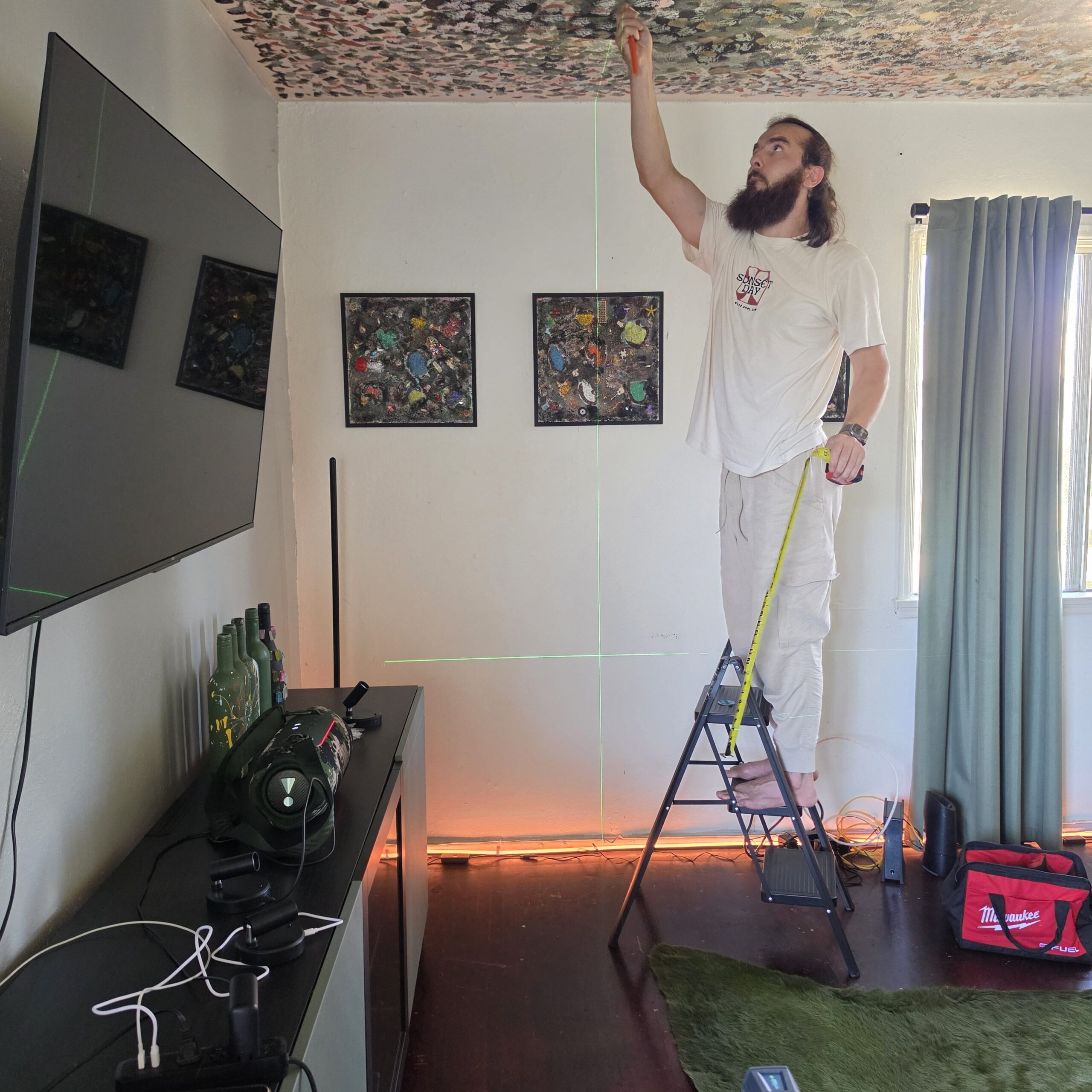
Hanging art in homes in Melbourne and Los Angeles via 360 MAGAZINE.

Expert Guide to Displaying Artwork in Your Melbourne Home

Hanging art properly comes down to a few basic principles placing the centre of the piece at 145 centimetres from the floor, spanning two thirds the width of your furniture, and using the correct hardware for your specific wall type. Getting this right completely changes how a room feels. For locals needing professional picture hanging Melbourne, mastering these gallery techniques is the first step to a flawless finish. You really want to avoid just hammering a nail wherever it looks fine at first glance.

I remember staring at my own blank walls years ago. I had a stack of framed prints & photos sitting on the floor for months because I was terrified of getting it wrong. I think a lot of people feel that way.

We overthink it.

But once you know the formulas used by museums and professional installers it actually becomes quite simple. It takes the guesswork out of the process. You stop worrying about whether a piece is too high or too low. You just follow the math and trust the process. It is incredibly satisfying when you finally get it right.

The standard gallery height rule

Museums and galleries usually hang art so the centre sits about 145 to 150 centimetres from the floor. This is often called the “57 inch rule” in older guides. It corresponds to the average human eye level which means the art naturally meets your gaze when you walk into a room. Have you ever noticed how comfortable it feels looking at art in a professional gallery?

It sounds rigid. I used to think I should just eyeball it based on the ceiling height.

But using a consistent centre height brings a really cohesive feel to your living rooms and hallways. You measure the height of your artwork and divide it by two to find the centre. Then you subtract the distance from the top of the frame to the hanging wire when pulled tight. Add that number to 145. That final number is exactly where your hook needs to go on the wall.

Whether you have a tiny postcard or a MASSIVE canvas this rule keeps everything grounded. Of course if everyone in your house is exceptionally tall you might nudge it up to 152 centimetres. Or if the art is in a dining room where people are mostly seated you might lower it a fraction. The 145 centimetre mark is just your reliable starting point.

Hanging art above your furniture

Things change a bit when you introduce a sofa or a console table into the mix. You stop relying strictly on the 145 centimetre rule and start looking at proportions. The single most useful guideline here is the two thirds rule.

Basically your artwork should span about two thirds the width of the furniture below it. So if your couch is 210 centimetres wide the total width of your art including frames and gaps should be roughly 140 centimetres. This stops the art from looking like it is floating aimlessly or overpowering the couch.

Just floating there. It looks so awkward.

I find that people often hang things way too high above their furniture. You really want the bottom of the frame to sit about 10 to 20 centimetres above the top of the furniture. Sometimes 6 to 8 centimetres is enough if the piece is really large. The furniture acts as a visual anchor. The artwork needs to relate to that anchor rather than ignoring it.

Getting spacing right for gallery walls

Gallery walls are everywhere right now. They are brilliant for displaying a mix of photos prints and mixed media. But they can easily look messy if the spacing is off.

The recommended gap between frames is usually 5 to 10 centimetres. A lot of layout guides narrow this down to 5 to 8 centimetres for a really polished look. If you have a narrow hallway you might tighten that spacing to about 4 or 5 centimetres. Larger frames on a big blank wall can handle a slightly wider gap to avoid visual clutter.

Consistency is the key here. If you choose a 6 centimetre gap try to maintain it across the entire arrangement.

It is funny how a few millimetres can make a difference. I once tried to rush a gallery wall in my bedroom. I ended up with gaps ranging from 3 to 12 centimetres and it looked like a stiff breeze had blown the frames across the Plasterboard. I had to take it all down and start again. A complete disaster.

Choosing safe hardware for different walls

This is where safety becomes a genuine concern. A heavy mirror or a large statement piece needs secure anchors. You cannot just tap a standard picture hook into plasterboard and hope for the best.

Most modern homes have plasterboard on timber studs. If you can find a stud that is the safest place to drill. But if your art needs to hang between studs you must use proper threaded plasterboard anchors or toggle bolts. They distribute the weight and stop the hook from tearing through the wall.

Older houses often have solid brick internal walls. These require masonry screws and wall plugs. You will need a hammer drill and the right masonry bit. It is loud and dusty work but it is the only way to safely accomodate heavy frames on brick.

I once tried to hang a heavy vintage mirror in an old Brunswick rental. I thought a standard picture hook would be fine. I hammered it in hung the mirror and stepped back. About ten minutes later I heard a horrific tearing sound. The hook had ripped a massive gash down the wall. The mirror survived but my bond certainly did not.

A falling mirror can cause serious injury. If you are dealing with something heavy or high value it is often worth getting an experienced local installer to handle it. They carry the right spread load systems and specialist hardware.

Damage free hanging systems for renters

Renting presents its own challenges. Landlords are notoriously strict about holes in the wall. This is where gallery hanging rail systems are absolutely fantastic.

These systems use a slim track installed right at the top of the wall just below the ceiling. Nylon or steel wires hook into the rail and hang down. You attach adjustable hooks to the wires to hold your artwork. They are incredibly discreet once installed.

Once the track is up you never have to drill another hole. You can slide the cables horizontally and move the hooks vertically. It gives you total freedom to rotate your collection seasonally or test different layouts without any guilt.

Many modern apartment buildings actually prefer these systems. High quality removable adhesive strips are another option for lighter works but I would NEVER trust them with anything heavy or framed in glass. The risk is just too high.

Planning your layout before making holes

Preparation saves you so much frustration. Do not just grab a hammer and start swinging. Map out your arrangement first.

The easiest method is to lay all your frames out on the floor. Move them around until you find a balance you like. You might want a large central anchor piece with smaller works radiating around it. Or perhaps a loosely aligned grid works better for your space. Take a photo on your phone so you definitly remember the layout.

Once you are happy cut pieces of newspaper or baking paper to the exact size of each frame.

Stick these templates to the wall using painter’s tape. You can step back and see exactly how the grouping looks in the room. Mark your nail holes directly onto the paper templates. Then drill or hammer right through the paper. Tear the paper away and your hooks are perfectly placed. This trick alone will save your walls from looking like Swiss cheese.

Knowing when to break the rules

Rules are helpful but they are not absolute laws. Sometimes a room just demands something different. A really low slung modern sofa might look strange with art hung exactly 20 centimetres above it.

If your furniture is off centre you have a choice. Do you centre the art on the wall or align it with the furniture?

Most stylists recommend anchoring the art to the furniture. It creates a cohesive zone even if the whole arrangement is pushed to one side of the room. It just feels more intentional.

Trust your eye. If the math says one thing but it looks terribly wrong just adjust it. The formulas are there to guide you not to restrict you.

Managing lighting and annoying window glare

You can hang a piece perfectly but if the lighting is bad no one will appreciate it. Lighting is a huge factor that people often forget until the art is already on the wall.

Direct sunlight is the enemy of works on paper and photographs. The UV rays will fade the colours incredibly fast. If you have a beautiful piece you want to protect keep it away from north facing windows or invest in museum grade UV glass.

Then there is the issue of glare. Standard glass acts like a mirror if it catches the light from a window or a strong lamp. You end up looking at your own reflection instead of the artwork.

Sometimes tilting the frame slightly downward can fix the glare. You can do this by adjusting the D rings on the back of the frame. If that does not work you might need to move the piece to a different wall entirely.

Final Thoughts

Getting your art on the walls makes a house feel like a home. It adds personality and warmth. And while the measuring and drilling can be annoying the result is always worth the effort.

I really believe that taking the time to plan your heights & spacing changes everything. It turns a random assortment of pictures into a deliberate curated display. It shows that you care about your space.

Do not be afraid to ask for help if a piece is too heavy or the wall is too difficult. Sometimes peace of mind is worth more than saving a few dollars doing it yourself. There is no shame in calling a professional when you need safe & secure results.

Just take it one frame at a time. Your walls are waiting for your story.