


A memorable steakhouse earns loyalty by paying close attention to detail before guests reach the dining room. Beef quality matters, yet the full experience depends on sourcing, aging, cooking, service, and a room that supports conversation. Small failures become obvious when the meal centers on a single expensive cut. Diners can judge quality by watching how these details work together, but the beef’s quality remains the starting point.
That quality begins with how the restaurant selects and handles its meat. A diner comparing the best steakhouse Fort Lauderdale options should look beyond a menu label and assess whether the kitchen handles each cut deliberately. They should do this before booking a reservation. Clear information about beef, portioning, and preparation signals a kitchen that treats steak as its central responsibility.
The Beef and Butchery Standards
Great steak begins with a consistent purchasing program. The kitchen needs cuts with dependable thickness, fat distribution, and trim, because each trait affects heat transfer and final texture. A thick ribeye needs enough intramuscular fat to baste the meat, while a lean filet needs careful timing to avoid dryness.
Selection alone does not guarantee quality. Dry aging concentrates flavor through controlled moisture loss, while wet aging produces a milder flavor and a tender texture. Neither method excuses poor raw beef or careless storage. A serious operation tracks temperatures, dates, and rotation before a steak reaches the broiler.
Proper butchery follows that discipline. Clean trimming removes tough silver skin without stripping useful fat. Uniform portions cook predictably, while clean knife work gives every plate a deliberate appearance. These basics give the cook a reliable starting point on service nights.
The Precision Behind the Cook
Even excellent beef fails when a cook treats temperature as guesswork. The cook must briefly temper the steak, season it evenly, and place it on a properly heated surface. That first contact drives browning through the Maillard reaction, creating the savory crust diners expect.
Heat management continues after the sear. The right heat source, broiler, grill, or pan, must suit the cut and its thickness. The cook checks the internal temperature with a thermometer, then lets the meat rest. Resting helps the steak retain more juice when sliced.
Doneness also requires precise language. “Rare,” “medium-rare,” and “medium” describe internal states, not vague colors. Staff should confirm the requested temperature before firing the order, especially when a table shares several cuts. A properly cooked steak reaches the guest promptly because its temperature may continue to rise briefly after cooking.
The Service That Supports Dinner
A polished steakhouse meal depends on timing outside the kitchen as much as cooking skill. Hosts should manage reservations without leaving arrivals uncertain. Servers need to explain cuts, portion sizes, and preparation options plainly, then give diners time to choose.
Knowledge has value only when it helps diners with useful recommendations. A server should ask about appetite, preferred doneness, and side dishes before suggesting a cut. That conversation prevents a heavy ribeye from landing before someone who wanted a lean, smaller steak.
Good service also controls pace. Drinks arrive before the meal, courses clear without interruption, and the steak appears when the table is ready. Staff should check satisfaction soon after delivery, while a correction remains practical. Quiet attentiveness prevents avoidable delays and order mistakes. It also keeps attention on the diners’ conversation and comfort.
The Room and the Value
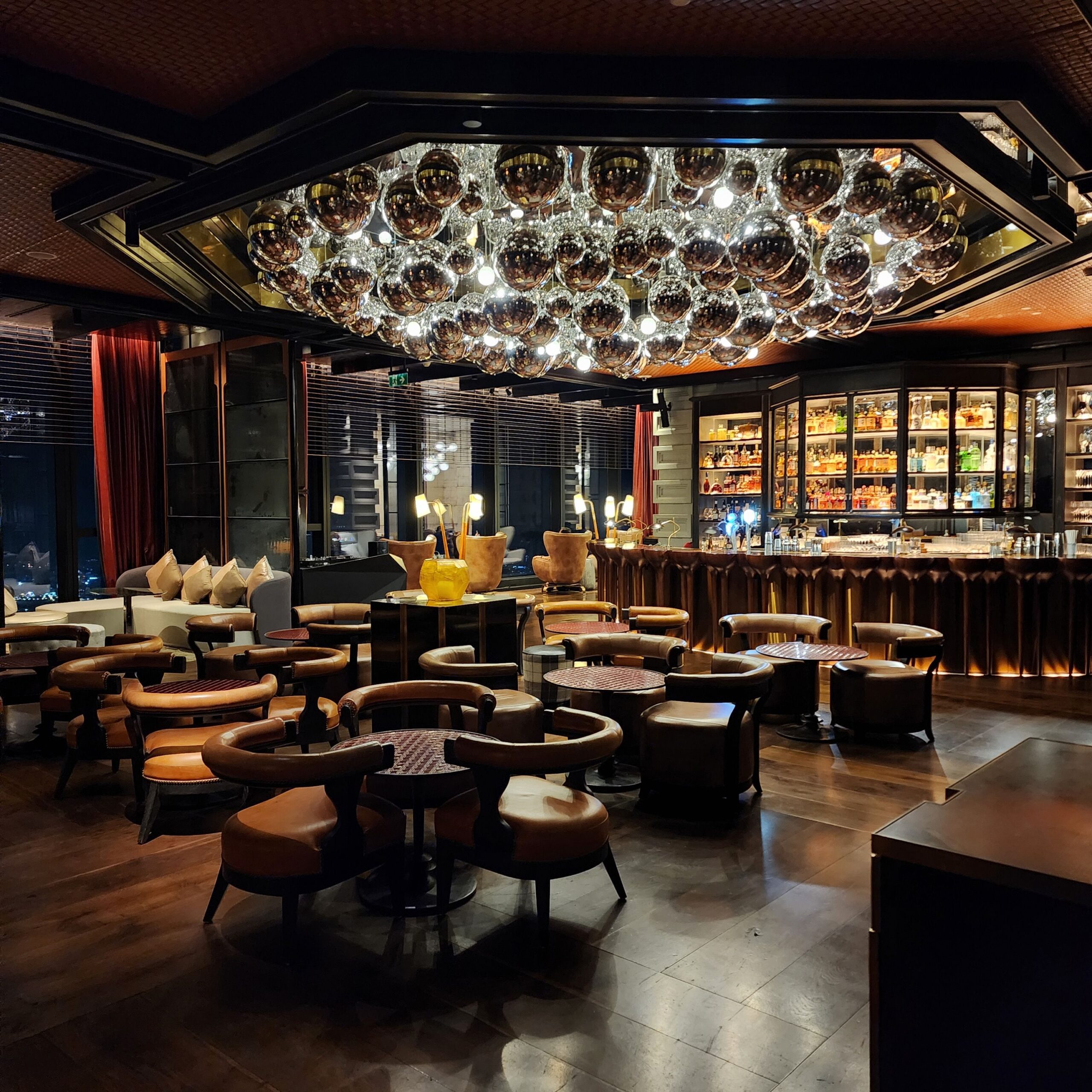
The dining room should support the food, not compete with it. Lighting must let diners read a menu and see a steak’s doneness. Tables need enough space for shared plates, water service, and comfortable movement.
Sound matters because steak dinners often include long conversations. Excessive noise forces guests to repeat themselves and makes a relaxed meal less enjoyable. Cleanliness carries equal weight. Glassware, restrooms, seating, and table settings show whether managers inspect details between services.
Value comes from consistency, not bargain pricing. Diners accept a higher check when the cut arrives as ordered, the room feels cared for, and service respects their time. A disappointing plate costs more than its price because it wastes an occasion. Reliable execution gives guests a reason to return. That judgment forms before dessert and continues after the final bill.
Conclusion
Choose a steakhouse by asking practical questions before booking. Does the menu clearly explain cuts, and does the staff discuss doneness with confidence? During dinner, watch the timing, temperature, and condition of the plate. Those details reveal whether the kitchen and dining room work with discipline. For the next reservation, prioritize consistent execution over dramatic claims, then order a cut that suits the diner’s appetite and preferred texture for a meal that suits the occasion.