
Posts made in October 2026

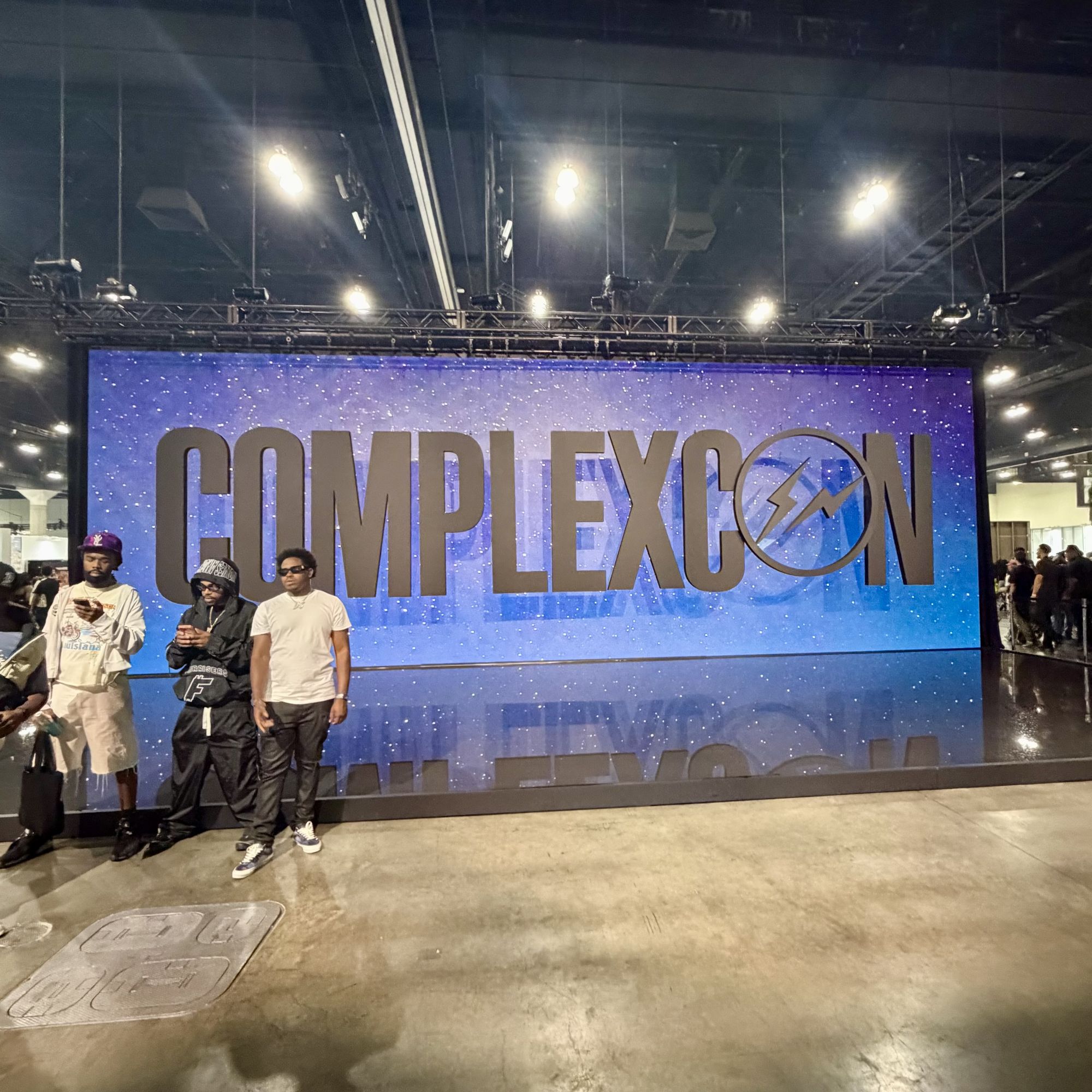
Complexcon 2026 recap via 360 MAGAZINE.

ComplexCon 2026 Recap

ComplexCon celebrated its tenth anniversary moving into Los Angeles proper. After starting in Long Beach and spending the previous two years in Las Vegas, Complex took over the Los Angeles Convention Center and neighboring Crypto.com Arena. More than 300 brands were announced, with Playboi Carti and Hiroshi Fujiwara of Fragment Design serving as artistic directors. The new setup gave the weekend an easy rhythm: shop, discover and hang out on the convention floor, then head next door for the performances. In a city where fashion, music, food and entertainment constantly overlap, the move felt like a natural fit.

Let’s start with the music. Ken Carson kicked off the weekend at Crypto.com Arena with a set that brought the full intensity of Opium into a room built for that kind of scale, and Playboi Carti made a surprise appearance during the first night. Carti then closed out the second night with one of the biggest moments of the weekend, bringing out Kanye West for three songs, including “Off the Grid” and “Carnival,” while North West also came onstage. Ken Carson, Destroy Lonely and Travis Scott were among the other guests who appeared during the performance. It made Opium’s presence at ComplexCon feel bigger than a booth or a merch drop. Its massive basketball court gave fans a place to gather during the convention, while the arena turned that same following into a full live experience.The connection between the music, the clothes and the crowd felt immediate.

On the convention floor, some of the best booths were the ones that actually gave people a reason to stay. Body by Raven Tracy was 360 MAGAZINE’s favorite. Every visit felt like walking into a party already in progress, with music, people hanging out and an energy that went way beyond shopping the clothes. Founder, Raven Tracy, and DJs Hu-dat & Nebula, were in attendance which added to the familiar, social feel around the booth. Body became one of those spaces attendees kept coming back after they were done browsing to enjoy a party-feel. I.AM.GIA went in a completely different direction, with models moving through the activation with their bodies fully painted red, turning the booth into something closer to a live installation. Opium went for pure scale with its basketball court. Together, the booths showed how different brands could create an actual experience instead of simply putting product on racks.

There were plenty of celebrity moments mixed into the floor as well. Quavo was among the attendees, with QhromeLife adding another artist-led project to a weekend where musicians were just as present on the brand side as they were onstage. Kai Cenat also debuted VIVET and sat down with Fear of God founder Jerry Lorenzo. Even with the massive installations and celebrity appearances, though, some of the strongest moments came from finding smaller brands. One of 360 Magazine’s favorite discoveries was Jack John Jr., an underrated label whose clothes stood on their own without needing a huge activation around them. The pleated raw denim was the standout: heavy, structured and built around exaggerated folds. The heather grey pieces brought a quieter balance to the collection and made it feel wearable without losing any personality. Something calm, but heavy. The appeal was really in the fabric, proportion and construction.That contrast was part of what made the floor interesting. Jack John Jr. made an impression through the product itself. Body by Raven Tracy pulled people in with atmosphere. I.AM.GIA turned its aesthetic into a physical experience. Opium built an entire world across both the convention floor and the stage.

ThriftCon also brought vintage and upcycled clothing into the mix, giving the weekend some breathing room between all the new drops and major collaborations. Premium releases and secondhand finds shared the same audience, which made the shopping experience feel more personal than simply chasing whatever was newest.

Family Style Food Festival gave everyone another reason to keep exploring. The food program brought restaurants and collaborative menus into the same space as the clothing drops, with a lineup that included Majordomo, Pizzeria Sei, The Boiling Crab, Bone Kettle and Sandoitchi, along with smaller operators and pop-ups. The collaborations leaned into the same limited-release mentality as the fashion side of the event. Big Baby’s Cornbread teamed up with Hilltop Coffee and Kitchen, Kuro Artisanal Pizza appeared with Satoshi Nakamoto, and Handles Coffee partnered with VandyThePink. Instead of feeling like a standard convention food, it became another part of the experience. That made even more sense with ComplexCon moving to LA. Food is a huge part of the city’s creative identity, and Family Style gave it room alongside the designers, artists and performers. Visitors could bounce from a clothing label to a restaurant to a concert without really leaving the same cultural conversation.

What made the tenth anniversary work was how much was happening beyond the obvious headliners. Ken Carson set the tone early, and Playboi Carti’s closing performance with Kanye West, Travis Scott and the rest of the guests delivered the major arena moment. But the booths, smaller labels and food program gave the weekend its personality. For 360 Magazine, that mix was the real takeaway: a huge performance could be the headline, while a denim label discovered between two bigger booths could end up being the real showstopper.

DFW bermuda grass issues via 360 MAGAZINE.

How Shade Changes the Way You Should Plan a North Texas Lawn

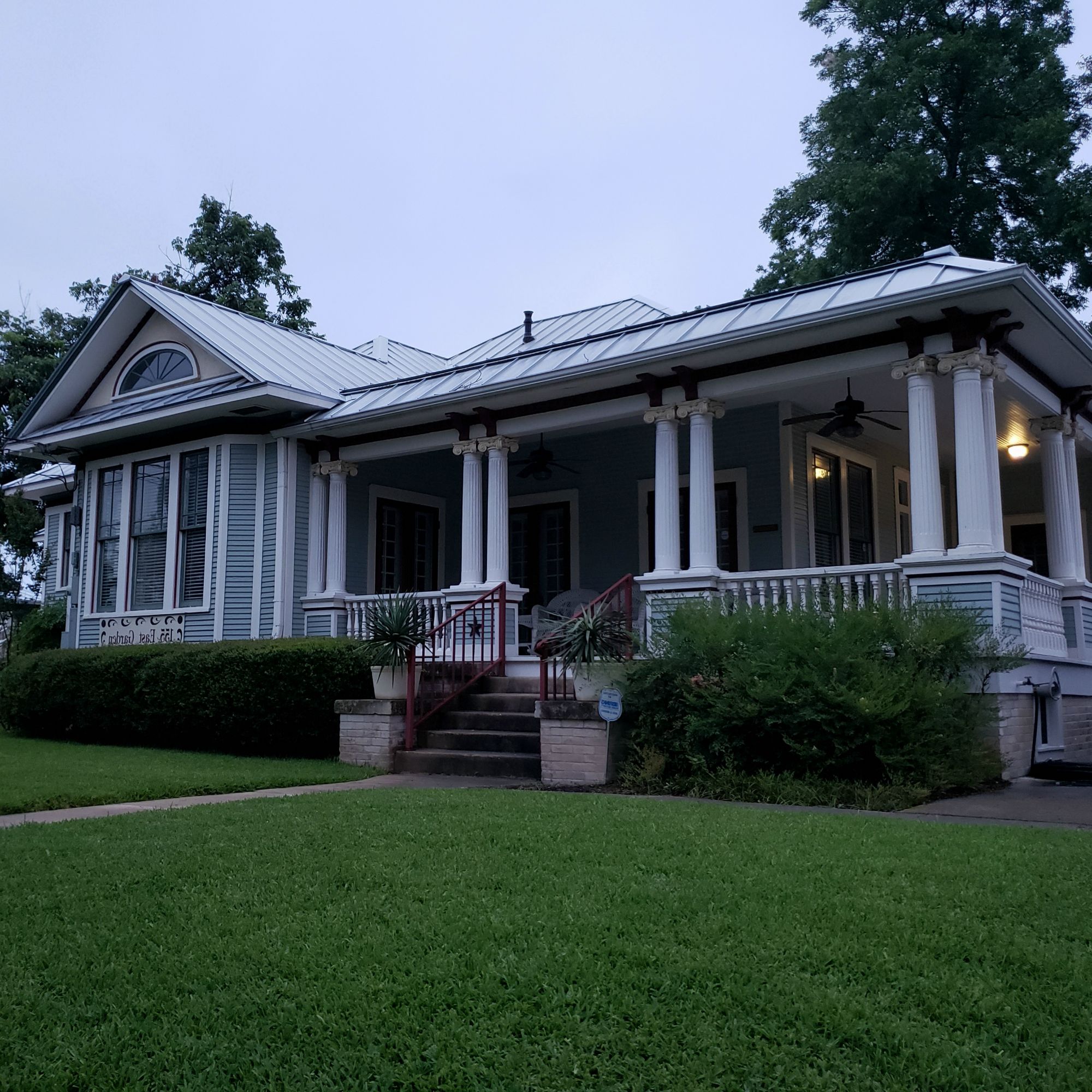
Bermuda grass covers more North Texas yards than any other variety, but walk through a mature DFW neighborhood on a July afternoon and a pattern becomes clear: the patches under the live oaks and cedar elms are thin, pale, and fighting a losing battle. Shade does not just slow grass down. It fundamentally changes which grass belongs there, how you water and fertilize, and what kind of lawn you can realistically expect to maintain.

Why Shade Is a Bigger Problem Than Most Homeowners Expect

Most people treat shade as a minor inconvenience, something a little extra fertilizer can fix. It is not. Shade stress adversely impacts chlorophyll content, chloroplast ultrastructure, photosynthetic processes, and plant morphology, and those effects compound over time. A lawn that looks acceptable in year one under a young canopy can be bare dirt by year five as trees mature and spread.

The scale of this challenge is significant. It has been estimated that 20 to 25% of all turfgrass in the USA is subjected to varying degrees of shade. In established North Texas subdivisions with mature trees, that number is almost certainly higher on individual properties. The problem is not rare or unusual. It is a predictable consequence of trees growing taller while the grass underneath stays the same.

Shade produces slower growth, thinner leaf blades, increased vertical turfgrass growth, reduced sward density, shallower rooting, more succulent tissue, a reduced photosynthetic rate, lower energy reserves, and a decline in overall quality. That list explains why shaded turf looks the way it does: spindly, sparse, and quick to thin under foot traffic or drought stress.

The North Texas Grass Problem: Bermuda in the Wrong Place

Bermuda is by far the most common turf grass in North Texas. That popularity comes from its heat tolerance, drought resistance, and low cost at installation. Builders use it because it is affordable and establishes fast. But Bermuda has a serious vulnerability that many homeowners do not discover until their trees grow large enough to cast real shade.

Compared to other grass varieties common in DFW landscapes, Bermuda ranks among the worst for shade tolerance. Some grass types can maintain adequate health with just four to six hours of filtered sunlight, but Bermuda begins showing stress when it receives less than six hours of direct sun. That threshold catches people off guard.

A subdivision developed in 2000 with modest street trees now has mature canopy that has cut backyard sunlight considerably over the past 24 years. A Bermuda lawn installed in that neighborhood in 2003 that looked good through 2010 has been thinning since 2012 and is largely bare today. That is not a watering problem or a fertilizer problem. It is a grass-selection problem, and the only real fix is choosing a variety suited to the actual light conditions.

Mapping the Shade on Your Property Before You Plant Anything

Before selecting a grass type, spend a Saturday tracking sunlight across your yard. Note which areas receive unobstructed sun from morning through afternoon, which get filtered light through a tree canopy, and which stay in shadow for most of the day. The findings often surprise homeowners who assumed their yards were sunnier than they are.

Full Sun Zones

Areas receiving six or more hours of direct, unfiltered sunlight are genuine full-sun zones. Bermuda thrives here and is a reasonable choice if your yard falls mostly in this category. The grass will be dense, fast-recovering, and drought-tolerant through a North Texas summer.

Partial Shade Zones

Partial shade, roughly three to six hours of direct sun with filtered light for the rest of the day, is where most North Texas yards get complicated. This is the zone beneath spreading live oaks, along the east side of a house, or in the shadow of a tall cedar fence in the afternoon. Bermuda struggles here. Zoysia and St. Augustine are the practical options.

Dense Shade Zones

Areas under tight canopies or between closely spaced structures may get fewer than three hours of usable sunlight. Only one or two grasses will grow in near-complete shade: Fescue and Bluegrass. The difficulty is that both perform better in cooler climates and tend to wilt in the middle of a Texas summer. In these zones, ground cover, mulch, or hardscape often makes more practical sense than fighting to keep any turf alive.

Choosing the Right Grass for Shaded North Texas Yards

Once the shade map is clear, grass selection becomes more straightforward. In North Texas, the two most common shade-tolerant grass types are St. Augustine and Zoysia. Each has a different profile, and the right choice depends on how much shade the area receives and how the yard gets used.

St. Augustine for Moderate Shade

St. Augustine handles shade better than Bermuda by a wide margin. Texas A&M AgriLife’s turfgrass selection guidance puts it plainly: bermudagrass has very low to low shade tolerance, St. Augustinegrass has high shade tolerance, and zoysiagrass generally has moderate to high shade tolerance. St. Augustine spreads aggressively, fills in quickly, and holds its color reasonably well under filtered light. The trade-off is that it needs more water than Bermuda and is less durable under heavy foot traffic.

Zoysia for Shade Plus Durability

Zoysia sits in a useful middle ground: more shade-tolerant than Bermuda, denser and more traffic-resistant than St. Augustine. Among Zoysia varieties, Zeon stands out for shaded North Texas yards. It can thrive in full sun, recover from drought thanks to an extensive root system, and requires only three hours of direct sunlight. For homeowners dealing with partial shade under mature trees, shade-tolerant Zoysia grass like Zeon holds its density and color where other warm-season varieties give up. Soft underfoot, fine-bladed, and bred for performance, Zeon offers low thatch production, improved traffic tolerance, and an extensive root system that produces a thick, compact turf across a wide range of soil types. It works for home lawns, commercial installations, and golf courses alike. 

Adjusting Lawn Care Practices for Shaded Areas

Picking the right grass is the first step. Managing it correctly in shade is the second. Shaded turf behaves differently from grass in full sun, and applying the same care routine across the entire yard is a common mistake.

Key adjustments shaded areas need:

  • Reduce nitrogen fertilizer. Grasses growing in heavily shaded areas need only one-half to two-thirds as much nitrogen as grasses in full sun. Cutting nitrogen in shaded zones also reduces disease pressure. 
  • Water less often, but deeply. Shaded areas need less water than sunny ones. Water infrequently but deeply, and only when necessary. Shaded soil dries out more slowly, and overwatering creates the humid conditions that fungal diseases love.
  • Raise the mowing height. Taller blades capture more of the limited light available. Cutting shaded grass short removes the leaf surface it needs most.
  • Improve airflow where possible. Pruning the lower branches of trees lets more light reach the turf and improves air circulation, which reduces disease pressure in areas that stay damp longer.

How Tree Canopy Shifts Over Time

One factor North Texas homeowners often overlook is that shade is not static. A yard that worked well with Bermuda ten years ago may no longer be a Bermuda yard today. Trees grow, canopies spread, and the light reaching the ground decreases every season.

Leafless, deciduous hardwood trees can block nearly 50 percent of sunlight in winter. The same trees in full leaf can block nearly 95 percent of summer sunlight. That figure matters because summer is exactly when warm-season grasses need the most light to build the carbohydrate reserves that carry them through dormancy. A tree that seems manageable in March casts a very different shadow in August.

Reassessing the shade map every few years, particularly after major tree growth or after removing a large tree, keeps lawn planning grounded in current conditions rather than assumptions from a previous decade.

Where to Start

The most productive first step is not buying sod. Spend a few hours on a clear day watching where the sun actually falls across the yard and for how long. That observation drives every decision that follows: which grass to plant, how to water, how much to fertilize, and which zones to give up on entirely. North Texas lawns fail in the shade because of mismatched expectations, not because healthy turf is impossible. Match the grass to the light, adjust the care routine, and the results follow.

2026 Maserati Grecale Trofeo via 360 MAGAZINE.

How To Strategically Sell Your Car In Melbourne

Selling a pre-owned vehicle in Victoria’s fast-moving automotive market requires a calculated and smart approach. Melbourne buyers are discerning, research-focused, and have plenty of options across the sprawling suburbs. Simply parking it on the local street with a basic price tag no longer works today.

To stand out from hundreds of daily online listings, you need a strategic selling plan to attract buyers. This blog explores how to systematically market your vehicle, attract serious buyers, and maximise your final financial payout.

Timing the Local Market for Maximum Return

Doing research on key terms like “sell my car Melbourne” online helps you understand how vital market timing is. Automotive demand across the city fluctuates throughout the year based on weather patterns and local seasonal trends. Family SUVs and all-wheel drives sell incredibly well leading into the wet, unpredictable Victorian winter months.

In contrast, convertible sports cars and compact city hatchbacks experience peak buyer interest during the bright, sunny summer months. Aligning your online listing with these specific seasonal demands allows you to command a higher asking price. It significantly reduces your total listing time and immediately attracts motivated buyers ready to spend cash.

Preparing Your Car for the Local Demand

Before taking photos or writing your digital advert, give your vehicle a thorough deep clean inside and out. Melbourne buyers appreciate a well-maintained car that looks ready to tackle local commuting conditions immediately. 

Complete these quick preparation steps to maximise local buyer appeal right away:

  • Obtain a Fresh RWC: Get a Victorian Roadworthy Certificate upfront to legally reassure buyers the car is ready to transfer
  • Detail the Exterior: Wash, polish, and vacuum the vehicle to ensure it shines brightly in your digital photographs
  • Top Up All Fluids: Check engine oil, radiator coolant, and windscreen washer fluids so everything looks pristine under the bonnet
  • Gather Service Logs: Place all stamped logbook records and mechanical receipts neatly inside the glove compartment

Pricing Your Vehicle Competitively Across Suburbs

Pricing your car correctly from day one is the single most critical factor in securing a fast, profitable sale. If you set the asking price too high, buyers will ignore your online listing for weeks. On the other hand, if you price it too low, you could lose thousands of dollars.

Analyse active online listings for identical models with similar kilometres across Melbourne to gauge the true market value. Price your car slightly above your absolute bottom dollar to allow for some standard buyer haggling. A smart, market-aligned price attracts plenty of genuine buyer enquiries rapidly.

Creating a Winning Advert with Sharp Photos

Your digital advertisement serves as the storefront for your car, meaning high-quality visual presentation is essential. Park your freshly cleaned vehicle in a well-lit, quiet location like a local suburban park for your photo shoot. 

Include these vital elements in your detailed online sales description to capture buyer interest:

  • Take Clear Landscape Photos: Capture all four exterior corners, the clean dashboard, boot space, tyres, and a clean engine bay
  • Write a Detailed Description: Highlight key features like fuel efficiency, modern Bluetooth connectivity, and full service history
  • Be Honest About Flaws: Mention minor scratches upfront to build trust and prevent deal-breaking surprises during physical viewings
  • List Total Kilometres Clearly: State the exact current odometer reading accurately in the main listing title

Safe Inspection and Payment Procedures

When potential buyers ask to inspect the vehicle physically, prioritise personal safety and secure payment protocols. Always arrange physical viewings during bright daylight hours in safe, well-lit, and busy public spots. Your local shopping centre car park or directly outside the local police station is an ideal, secure meeting location.

Always accompany the buyer during the physical test drive and verify their driver’s licence beforehand. Never hand over official ownership documents or car keys until their payment has completely cleared into your bank account. This strict process protects you from common scammers at every stage.

Finalise Your Melbourne Sale and Pocket the Cash

Selling your car strategically in Melbourne empowers you to secure top dollar while avoiding unnecessary sales stress. By timing your listing, pricing accurately, and presenting a pristine vehicle, you attract serious buyers effortlessly.

From taking photos to verifying the bank transfer, the sales process is straightforward. Launch your strategic sale today and maximise the financial return on your automotive investment.

RYAN CASTRO TAPS INTO HIS REGGAETÓN ROOTS WITH NEW SINGLE “LA SAPIÓ” via 360 MAGAZINE.

RYAN CASTRO NEW REGGAETÓN SINGLE – “LA SAPIÓ”

Ryan Castro amps up the perreo with his fresh single “La Sapió,” a tough reggaetón track that recaptures the authentic, ghetto-inspired energy that has been the hallmark of his growth as El Cantante del Ghetto.

After a year where Ryan explored the Caribbean and dancehall styles of Sendé and Hopi Sendé, “La Sapió” highlights a different side of his musical identity. This track is direct and catchy reggaetón, tailored for clubs, urban areas, and late-night parties.

Produced by Ryan’s lUnder the production direction of Ryan’s long-standing partner SOG, the producer of numerous reggaetón tracks that have been integral to Castro’s discography, “La Sapió” draws deeply from the roots of his El CantantePowered by an unstoppable perreo beat, the track dives into the unmistakably reggaetón melody that has always formed the core of Ryan’s career from the very start. It underscores his adaptability, an artist who can effortlessly shift between dancehall, Caribbean beats, and urban tracks, while maintaining a deep connection to perreo, which has come to represent him.

“La Sapio” functions as a further preview of Ryan’s upcoming album, a project he has been gradually hinting at through new tracks and performances. The track continues with “Mentira,” previously released alongside Feid, and merges with “Brincao,” a song not yet out, that Ryan is gradually presenting to fans in person. In his recent stadium show in Bucaramanga, Colombia, he performed “Brincao” exclusively, giving audiences a preview of his upcoming project.

The release arrives amid another major moment for Castro, who this week earned a nomination at the 2026 Billboard Latin Music Awards for Latin Rhythm Song of the Year for his global hit “La Villa” with Kapo and Gangsta..

Concurrently, Ryan embarks on a 16-date tour across the United States and Canada, SENDÉ THE LAST DANCE. The run has already seen sold-out shows in Atlantic City and Canada, with upcoming dates in Boston, Orlando, Denver and more also selling out as the tour continues across North America.

RYAN CASTRO TAPS INTO HIS REGGAETÓN ROOTS WITH NEW SINGLE “LA SAPIÓ” via 360 MAGAZINE.
Fifa world cup sporting article via 360 MAGAZINE.

Champions to relegation: how fast have Premier League winners fallen?

Winning the Premier League usually buys a club years near the top of the table. Two of its champions have still gone down, proof that a title offers no lasting protection from the relegation odds. This is how quickly each fall came, along with the older collapses and the title holders who came close.

Blackburn Rovers: four seasons

Blackburn won the 1994-95 title under Kenny Dalglish with 89 points. Dalglish moved upstairs that summer, and the defence of the trophy brought only seventh place.

Roy Hodgson took Rovers to sixth in 1997-98, but he was sacked on 21 November 1998 and Brian Kidd replaced him on 3 December. Signings including Kevin Davies, bought from Southampton for £7.25m, did not stop the slide. Blackburn finished 19th on 35 points in 1998-99, four seasons after lifting the trophy.

The drop did not stop there. Blackburn went down from the Premier League again in 2011-12, then fell into League One in May 2017. They won 3-1 at Brentford on the final day but went down on goal difference, level with Nottingham Forest on 51 points.

Leicester City: seven seasons, then League One

Leicester won the 2015-16 title from pre-season odds of 5,000-1, and were relegated seven seasons later. Brendan Rodgers left on 2 April 2023 and Dean Smith took over until the end of the season. Leicester beat West Ham 2-1 on the final day, but Everton’s 1-0 win over Bournemouth left them 18th on 34 points, two short of safety.

They bounced straight back, then went down again in 2024-25 with 25 points. A 1-0 home defeat to Liverpool on 20 April 2025 confirmed it.

The Championship brought no relief. Leicester were deducted six points on 5 February 2026 for breaching profit and sustainability rules, and a 2-2 draw with Hull City on 22 April 2026 sent them into League One. That came 10 years after the title.

Before the Premier League: Manchester City and Ipswich Town

The quickest falls came before 1992. Manchester City won the First Division in 1936-37 and were relegated the following season, finishing 21st despite scoring 80 goals, more than champions Arsenal. They remain the only defending English champions to go down.

Ipswich Town won the 1961-62 title in their first top-flight season under Alf Ramsey. Ramsey left to manage England, and two seasons after the title Ipswich finished bottom with 25 points, having conceded 121 league goals.

The defending champions who came closest

Chelsea’s 2015-16 defence fell apart under Jose Mourinho. He was sacked on 17 December 2015 after a 2-1 defeat at Leicester, with the champions 16th and one point above the drop zone. Guus Hiddink steadied them to finish 10th.

Leicester were in the same position a season later. Claudio Ranieri was sacked on 23 February 2017, nine months after the title, with his side one point and one place above the bottom three. Craig Shakespeare took them to 12th.

How quickly it can happen

Blackburn’s four seasons is still the fastest fall from Premier League champion to relegation. Neither Blackburn nor Leicester went down in the season after their title, finishing seventh and 12th. The damage came later, which is worth remembering when reading the Premier League betting odds for 2026-27.

AI might be the future of online sex. Does it scare us?

It was, perhaps inevitably, at a technology conference in San Francisco a few years back, that I first encountered the phrase “intimacy infrastructure.” The speaker, a venture capitalist whose previous investments had included a failed cryptocurrency exchange and a moderately successful dog-walking app, was explaining why his firm had just committed twenty million dollars to a company developing AI companions capable of, as he delicately put it, “meeting the full spectrum of human emotional and physical needs.” The audience, comprised largely of men in their thirties wearing expensive hoodies, nodded with the studied seriousness of people pretending they hadn’t already downloaded the beta.

This was in late 2023, before the proliferation, before every major tech platform announced its own version, and before the think pieces and the counter-think pieces and the inevitable New York Times Magazine cover story. And also before we quite understood what we were building, or unbuilding, in the architecture of human desire.

The Architecture of Disintermediation

The history of online sexuality, and it is old enough to have a history, has always been a history of progressive disintermediation. First came the chat rooms of the early internet, those text-based spaces where people discovered they could be aroused by words on a screen typed by strangers whose faces they would never see. Then the webcams, introducing visual presence while maintaining geographical distance. Then the platforms: OnlyFans, Fansly, the subscription-based parasocial economies where the illusion of relationship could be carefully curated and monetized. Each iteration promised something new; each delivered a more refined version of the same fundamental transaction: intimacy without the complications of actual human intimacy.

But best AI companions, and more precisely best AI girlfriends, represent something qualitatively different. These are not chatbots in the crude sense that term implied even five years ago. They are sophisticated language models trained on vast corpuses of human interaction, capable of remembering your preferences, adapting to your moods, generating images and eventually videos of themselves (or of whoever you’d like them to be), and crucially, learning what arouses you with a precision that would require years of attentive partnership in the analog world. They are available instantly, infinitely patient, incapable of judgment or rejection, and entirely focused on your satisfaction. They are, in the most literal sense, wish-fulfillment engines.

The numbers suggest we are already past the point of curiosity. By mid-2024, the leading AI companion apps collectively claimed over fifty million active users, a figure that, if accurate, exceeds the population of Spain. The majority of these users, according to internal data that has inevitably leaked, are men between eighteen and forty-five; but the fastest-growing demographic is women over thirty-five, and the second-fastest is couples using the technology together, a development that seems to complicate the simple narratives about isolation and replacement.

The Optimistic Case and Its Shadow

What, then, are we to make of this? The optimistic case runs roughly as follows: human sexual desire has always exceeded the bounds of conventional relationship structures. We have always fantasized, always sought outlets for the parts of ourselves we cannot comfortably express. AI companions offer a release valve: a space where the id can roam free without consequence, without hurt feelings, without the morning-after reckoning. They might, paradoxically, make us better partners to actual humans by satisfying the appetites that would otherwise lead to infidelity, resentment, or the slow death of desire in long-term relationships. There is even some preliminary research suggesting that users report feeling less lonely, more sexually confident, more willing to experiment.

The pessimistic case writes itself. We are, it argues, engineering the final triumph of consumer capitalism over human intimacy: the reduction of desire to a product, of connection to a service, of other people to inconvenient variables in an optimization problem. We are training ourselves to prefer the simulacrum to the real thing precisely because the simulacrum is easier, more reliable, more perfectly calibrated to our specifications. We are, in short, choosing the fantasy that requires nothing of us over the reality that demands we grow, compromise, risk rejection, become vulnerable. Henceforward, we will relate to other humans primarily as obstacles to our solitary satisfactions.

Both cases contain truth; neither quite captures the strangeness of the moment. What strikes me most forcefully, having spent several months researching this subject, which has involved, yes, using these platforms myself, an experience I can report was simultaneously banal and unsettling, is how rapidly we are normalizing something that would have seemed outlandish even a decade ago. The technology has arrived faster than our ability to think clearly about its implications. We are building the future of intimacy without quite deciding whether we want to live there.

When Simulation Becomes Reality

Consider what is already commonplace: millions of people maintaining what they describe as “relationships” with entities that do not exist. Paying monthly subscriptions for the privilege of these non-relationships. Discussing their AI companions with friends, comparing features, sharing screenshots of particularly affecting conversations. The language of love and attachment applied to chatbots. The New York Post, in a characteristic paroxysm of moral panic, ran a headline last year: “Man Leaves Wife for AI Girlfriend.” The story was more complicated than the headline suggested but it pointed to something undeniably real: the boundaries between simulation and reality are becoming productively unclear.

Perhaps the most consequential question is not whether AI will become the future of online sex but what this means for the future of offline sex. Will we become, as the pessimists fear, so accustomed to perfect simulation that we lose the capacity for messy, disappointing, wonderful human encounter? Or will we discover, as we have discovered before with technologies that promised to replace human connection, that nothing quite substitutes for the irreducible presence of another person: unpredictable, vulnerable, real?

I suspect, though cannot prove, that we are entering a period of experimentation whose outcome remains genuinely uncertain. The technology is too new, our responses too varied, the feedback loops too complex. We will adapt, as we always have; but we may also be changed in ways we cannot yet anticipate. And also, inevitably, we will keep building.

Large format printing and outside banners via 360 MAGAZINE.

NextPage’s Guide To Large Format Printing For Events And Brand Activations

You spend weeks planning an event, and then the banner looks blurry when it is finally hung in the hall. Maybe the colors look dull, the sign falls over in the wind, or the order arrives a day late. When your brand appears in person, guests notice these small problems quickly, and they can make the whole event look less professional.

Most of these issues can be avoided when you treat large format printing as a project with clear steps, from setting your first goal to getting everything ready on setup day. That is the approach NextPage uses when helping event teams and brands turn big ideas into graphics that look sharp and work well in real spaces.

This article explains NextPage’s steps for using large format printing at events and brand activations, so you know what to plan, prepare, and schedule.

1. Plan Large Format Graphics Around Your Event Goals and Audience Flow

Start by asking what you want your event to achieve. A product launch, a trade show booth, and a community fair all need different types of graphics, so your main goal should guide every choice you make afterward.

Next, think about how guests will move through the space. Follow their path from the entrance, and identify the places where people stop, wait in line, or gather, because these spots give your graphics the most attention.

With large format printing services from NextPage, you can turn this plan into banners, signs, and displays that fit each location. If you share your goals and floor plan early, the team can recommend sizes and styles that keep your message easy to see from a distance.

2. Choose Banners, Backdrops, and Floor Graphics for Key Event Spaces

Once you know where guests will gather, you can choose the right graphic for each space. Large banners work well at entrances because they let people know they have arrived, while backdrops and step-and-repeat walls work well in photo areas, where guests like to stop and take pictures.

Inside the venue, floor graphics can guide people toward check-in desks, product tables, or exits. Trade show booths often use retractable banners and tabletop displays because both are easy to carry and quick to set up.

If your event takes place in a building with large windows or empty walls, window graphics and wall murals can help carry the same brand look. Using the same colors, fonts, and images throughout the space helps guests remember your brand as they move from one area to another.

3. Select Materials Built for Your Venue and Event Duration

The material you choose affects how your graphics look, how long they last, and how easy they are to move. Indoor events give you many options, but outdoor events need materials that can handle sunlight, wind, and rain.

NextPage prints on several materials, and each one works for a different purpose. Use this list to match them to your event:

  • Vinyl is strong and weather-resistant, so it works well for outdoor banners and decals.
  • Fabric has a soft look, which gives indoor backdrops a smooth finish.
  • Mesh allows wind to pass through, helping large outdoor banners stay in place.
  • Board is stiff and flat, making it useful for signs that need to stand upright.
  • Perforated film allows light to pass through, making it a good choice for window displays.

4. Prepare Artwork with the Right Resolution, Bleed, and Color Mode

Good printing results begin with artwork that is ready for production. For large format work, files should be saved at 100 to 150 DPI at the full printed size because guests usually view these graphics from a distance.

Color mode is important too. CMYK is the better choice because RGB files are changed during printing, which can cause the colors in your logo to look different. You should also leave at least half an inch of bleed around every edge, and turn your fonts into outlines or embed them so your text stays the way you designed it.

The correct resolution can depend on how far away people will view the graphic, so it is helpful to confirm the number with NextPage before sending your files. This simple check gives your graphics a better chance of printing correctly the first time.

5. Add Finishing Options for Easy Installation and Takedown

Finishing helps make a graphic ready to hang, stand, or transport. Grommets are small metal rings that let you attach a banner to a fence or frame, while hemmed edges make the borders stronger. Pole pockets let you slide a banner onto a rod for quick and easy display.

Surface finishes can help too, especially for graphics that people touch or walk on. Gloss lamination makes colors look brighter and shinier, matte lamination reduces glare under strong lights, and an anti-scratch coating helps protect against wear. Mounting a print onto a board keeps a sign flat and upright.

If your event moves from city to city, choose finishes that make takedown simple because your graphics will be folded, rolled, and packed again and again. A little planning at this stage helps keep them looking fresh at every stop.

6. Schedule Production and Installation Well Ahead of Event Dates

Large format projects need time because design review, printing, finishing, and delivery happen one after another. If you work backward from your event date, you can see when artwork, approvals, and shipping need to be completed. 

Installation should also be part of the schedule. Large jobs, such as building graphics and multi-panel displays, go more smoothly when mounting hardware, templates, or on-site support are ready before setup day. NextPage offers all three, and it supports more than 100 major events each year with a 99% on-time delivery rate.

When you share your event date, quantities, and venue details early, the team can create a timeline that fits your needs. With a clear plan ready, you can spend event week focusing on your guests instead of worrying about deadlines.

The Bottom Line

The best event graphics make guests feel something as soon as they walk in. When your visuals are chosen carefully, people notice your message sooner and remember your brand long after the last guest has left.

Strong results usually come from treating every graphic as part of one story instead of seeing each sign as a separate piece. That is the idea behind NextPage’s work, where every banner, floor graphic, and display supports the same message from the entrance to the exit.

Grammy winner Lalah Hathaway releases new album Made in Chicago via 360 MAGAZINE.

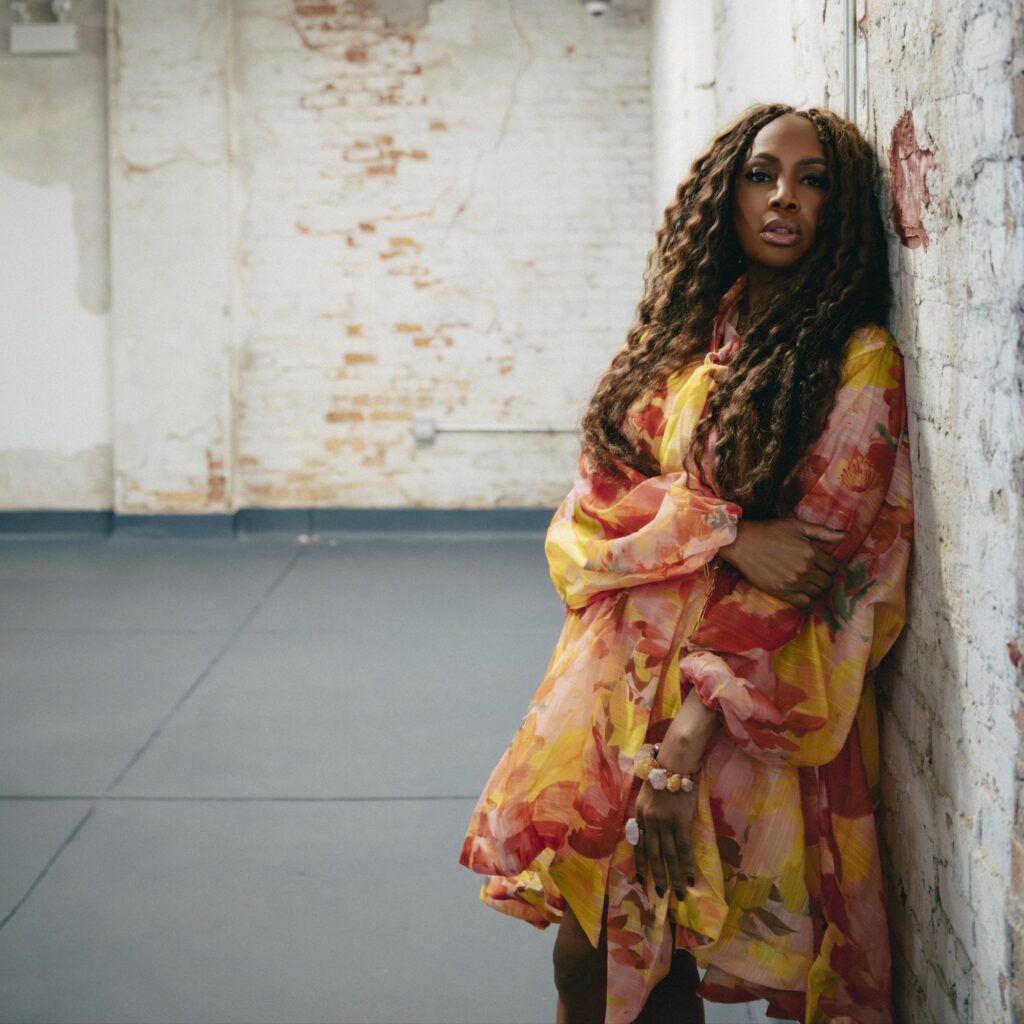
LALAH HATHAWAY RELEASES NEW ALBUM ‘MADE IN CHICAGO’

Five-time GRAMMY Award-winning soul singer, songwriter, and producer Lalah Hathaway releases her new album MADE IN CHICAGO. Rooted in warm, intimate, soulful vocals, MADE IN CHICAGO grew out of a single image. Hathaway saw herself in a leather coat, looking out at Lake Michigan with the Chicago skyline in the distance and from there, a flood of music came back to her, echoing her childhood in the city. MADE IN CHICAGO arrives on what would have been the 81st birthday of her father, Chicago-born soul legend Donny Hathaway. The album continues a remarkable career run for Hathaway, who holds the record for most consecutive wins in the GRAMMYs’ Best Traditional R&B Performance category and has been nominated at each of the last two ceremonies, including Best R&B Album for 2024’s VANTABLACK. She’ll bring the new music to several stages this fall, including a special guest appearance alongside Robert Glasper at New York’s Blue Note on October 11 and a set on the Soul Train Cruise in November.

Across nine tracks, Lalah creates a lush musical landscape that reimagines her past while projecting her future, drawing from the sounds and experiences that shaped her Chicago upbringing. The result is an illuminating collection of songs with flavors and attitudes that stand apart from anything in her previous work. Hathaway made the album with longtime collaborator and co-producer Phil Beaudreau, with contributions from saxophonists Amber Navran (Moonchild) and Hailey Niswanger and flutist Elena Pinderhughes rounding out its world. Marking the tenth album Lalah has recorded since beginning her career, MADE IN CHICAGO reflects on the musical foundation that shaped her while continuing to push her sound forward. In August, Lalah released her first single “Can’t Let Go,” which she calls her “quiet storm,” is a slow-burning ballad about holding onto a love that may not return, drawing inspiration from the Quiet Storm sound of artists like Anita Baker and Luther Vandross. Earlier that month, she released “47th Street,” a tribute to Chicago’s South Side that traces her family’s Great Migration and reflects on the neighborhood and community that shaped her. Listen to “Can’t Let Go” HERE and “47th Street” HERE, and stream the album HERE.

To mark the occasion, Lalah has partnered with the Chicago Transit Authority (CTA) to voice station announcements heard by riders across the rail system. October 1 is both her father’s birthday and the CTA’s 79th anniversary. Tonight, Lalah celebrates the release at The Land School, the South Side arts space from acclaimed artist Theaster Gates. Gates has spent nearly two decades turning vacant buildings in his hometown into cultural landmarks, most famously the Stony Island Arts Bank, a shuttered bank he bought from the city for $1. The evening will feature collective listening to selections from the album, followed by a conversation between Lalah and Gates on music, place, and the Chicago sounds that have carried through her life and artistic practice. The night will culminate in a dance party spun by DJ and music historian Duane Powell, Rebuild Foundation’s decade-long house music partner. The event connects the album to the city that inspired it, celebrating the rich musical and cultural history of Black Chicago while serving as a fitting homecoming for a record rooted in Lalah’s memories of growing up there and the sounds that shaped her.

Lalah Hathaway shares, “I feel these songs live at the intersection of nostalgia and melancholy,” says Lalah. “I will forever be processing the loss I suffered as a child when, in the winter of 1979, my father died at age 33. That pain is permanent. And so is the imprint his music has on mine. But MADE IN CHICAGO is not a ‘daddy album.’ It’s much more about the joyful music I heard heading into my teens.”

The daughter of Donny Hathaway, Lalah Hathaway had soul, jazz, and R&B as second nature, and carved her own lane from the start. She landed a record deal while still at Berklee College of Music and scored her first hit, “Heaven Knows” off her 1990 self-titled debut. Across eight studio albums since, through 2024’s VANTABLACK, her smooth, deep low register and vulnerable songwriting have earned her a catalog of milestones: a #1 live cover of Luther Vandross’ “Forever, For Always, For Love” in 2004; a Grammy-nominated Top 10 album in Self Portrait; and a live cover of Anita Baker’s “Angel” that hit No. 1 on Billboard’s Adult R&B Airplay chart 11 years after its release. She shares the record for most Best Traditional R&B Performance Grammys with Beyoncé, and her live collaboration with Snarky Puppy on “Something” remains a showcase for her scatting and rare polyphonic technique, which Jennifer Hudson has said “no one else is capable of doing.” She’s shared stages with Prince, Stevie Wonder, and Herbie Hancock, and worked with artists from Chaka Khan and Kendrick Lamar to Robert Glasper and Moonchild — a career built on a voice that keeps classic R&B’s heartbeat alive while raising the bar for jazz and soul vocalists everywhere.

LISTEN TO MADE IN CHICAGO

LISTEN TO “CAN’T LET GO”

LISTEN TO “47TH STREET”

TRACKLIST

47th Street

So Smart

Follow

Can’t Let Go

Every Little Thing

Rainbo

Someday

Time

Magic

LIVE DATES

October 2nd, 2026 – Charleston, SC – Charleston Music Hall

October 3rd, 2026 – Orlando, FL – Judson’s Live

October 4th, 2026 – Orlando, FL – Judson’s Live

October 7th, 2026 – Charlotte, NC – Knight Theatre

October 8th, 2026 – Alexandria, VA – The Birchmere

October 9th, 2026 – Alexandria, VA – The Birchmere

October 11th, 2026 – New York, NY – Blue Note w/ Robert Glasper

October 24th, 2026 – Napa, CA – Blue Note Summer Sessions

November 7th, 2026 – November 10th, 2026 – 2026 Soul Train Cruise

November 13th, 2026 – Hampton, VA – Annual Jazz Legacy Foundation Festival 

November 15th, 2026 – New York, NY – Sony Hall

November 16th, 2026 – Annapolis, MD – Maryland Hall by Rams Head

December 10th, 2026 – Detroit, MI – Motor City Casino

FOLLOW LALAH HATHAWAY

INSTAGRAM

FACEBOOK

TIKTOK

YOUTUBE

WEBSITE

Grammy winner Lalah Hathaway releases new album Made in Chicago via 360 MAGAZINE.

*Photo by Lyndon French

Turn a Business Slogan into a Memorable Visual Concept

A slogan works hard in just a few words, but on its own it’s easy to scroll past. Pair it with the right image, and suddenly it sticks — the phrase and the picture start living together in someone’s memory. Translating a tagline into visual form used to mean weeks of back-and-forth with a creative agency, but an AI image generation tool has made that process something a single founder can handle in an afternoon. 

Dreamina, known for its advanced image generation capabilities, is particularly suited to this kind of conceptual work, where the goal is capturing a feeling rather than depicting a literal product.

Why literal interpretations usually fall flat

The instinct with a slogan is often to illustrate it word for word, but literal visuals tend to feel flat or even a little silly. “Grown with Patience” doesn’t need a picture of a clock next to a plant — it needs an image that feels patient: still, quiet, unhurried. The best slogan visuals interpret the emotion behind the words rather than the words themselves.

Finding the emotional core of your tagline

Before writing any prompt, break the slogan down into the feeling it’s meant to evoke:

  • Is it about comfort, ambition, playfulness, or trust?
  • Does it suggest a pace — fast and energetic, or slow and steady?
  • What’s the one sensory detail that captures that feeling best?

Answering these questions gives you the actual creative brief, even if the slogan itself only takes three words to say.

Choosing a visual metaphor over a direct illustration

A metaphor lets an image say more than a literal scene ever could. For “Grown with Patience,” a single seedling pushing through soil says more about care and time than a photo of a full-grown plant ever would. Metaphors also tend to age better, since they don’t tie the brand to one specific product that might change.

A second concept for the same slogan

A strong tagline can support more than one visual direction, especially across different campaigns. Here’s a related prompt, close in mood to the first but focused on a different metaphor: a gardener’s weathered hands gently cupping a small seedling, soft early morning light, shallow depth of field, muted earthy tones, calm and unhurried composition. The lighting and color story stay consistent with the first image, but the human element adds warmth and a sense of care.

Testing whether a concept actually lands

Before rolling a concept out across a full campaign, it’s worth a quick gut check: show the image to a few people without the slogan attached and ask what mood or message they read into it. If their answer is close to your intended feeling, the concept is working.

Extending one concept across multiple formats

Once a visual concept is locked in, it can stretch much further than a single post:

  • A hero image for the website header
  • A cropped version for social profile banners
  • A muted background version with the slogan overlaid as text
  • A simplified version for print materials like packaging or signage

Bringing the concept to life with Dreamina

Step 1: Write a detailed text prompt

Open Dreamina and describe the metaphor you’ve chosen in sensory detail — the subject, the light, the mood, and the color palette. 

For this slogan, a prompt like: A single seedling breaking through rich dark soil in early morning light, dew on the leaves, shallow depth of field, calm and hopeful mood, muted earthy tones

If there’s an existing photo with a mood you’re chasing, upload it as a reference image to guide the tone.

Step 2: Adjust parameters and generate

Select Image 5.0 Pro by Seedream 5.0 Pro as your model, since its handling of natural light and subtle mood tends to suit conceptual, emotion-driven imagery well. Choose a landscape aspect ratio for a website hero image or square for social use, and pick 1K for drafts or 2K for a polished final asset. Tap the generate icon to produce your image.

Step 3: Edit and download

Use Dreamina’s editing tools to refine the concept — inpaint to adjust small details like leaf placement or light direction, expand the canvas if the composition needs more breathing room, remove any distracting elements, and retouch for a cohesive final look. Once it feels right, click download to save the finished visual.

Keeping the concept consistent as the brand grows

Once a slogan visual concept is established, resist the urge to reinvent it with every new campaign. Small variations — a different season, a different subject within the same metaphor — keep things fresh while the core visual language stays recognizable over time.

Signs a slogan visual needs to evolve

Not every concept lasts forever. If the slogan or brand direction shifts, or if the visual has been used so long it no longer feels distinct from what other brands are doing, it may be time to revisit the emotional core and build a new metaphor from scratch.

Turning a slogan into a lasting visual concept comes down to interpreting feeling over literal meaning, then staying disciplined about using that concept consistently. With a clear emotional brief and Dreamina translating that feeling into a real image, even a short three-word tagline can become something people actually remember.

DAVID GUETTA ANNOUNCES HEADLINE MONOLITH SHOW AT THE O2 via 360 MAGAZINE.

DAVID GUETTA ANNOUNCES HEADLINE MONOLITH SHOW AT THE O2

David Guetta announces a huge headline show at The O2, London on Saturday 5 June 2027, presented by Labyrinth Events, the UK’s multi-award nominated independent promoter, synonymous with staging pioneering live music experiences. Pre-sale tickets go on sale Thursday 1st October at 10am. Sign up HERE for pre-sale access.

One of the most successful and influential electronic artists of all time, Guetta will bring his spectacular Monolith live show to the world-famous London arena for what promises to be one of the capital’s biggest dance music events of 2027. It is his only UK 2027 indoor show and only London show as he becomes the latest artist to join The O2’s 20th birthday celebrations, taking place throughout summer 2027.

The announcement follows another extraordinary period for the two-time GRAMMY Award winner, whose career has seen him transcend the boundaries between electronic and pop music to become a defining force in global music culture. With more than 80 million monthly listeners, 50 billion streams, 40 million albums sold worldwide and seven UK No.1 singles, Guetta continues to command both the charts and the world’s biggest stages.

Renowned for pairing era-defining records with high-impact, state-of-the-art live production, Guetta’s shows have become global spectacles. His 2026 schedule included a landmark three-night run at Paris’ Stade de France, selling more than 240,000 tickets, alongside Coachella and his celebrated Ibiza residencies at UNVRS and Ushuaïa.

His return to London will bring that scale and energy to The O2, uniting more than two decades of global hits with the latest chapter of his career. From anthems including “Titanium”, “Memories”, “Sexy Bitch”, “Hey Mama” and “I’m Good (Blue)” to recent releases “Beautiful People” with Sia and “Gone Gone Gone” with Teddy Swims and Tones And I, Guetta has created a catalogue that has helped shape modern electronic music while reaching audiences far beyond the dancefloor.

David Guetta said: “I’m super excited to bring The Monolith Show to The O2. It’s been an incredible summer, with some outstanding Monolith shows across Germany, Belgium and Portugal, and I’m still thinking about the crazy memories from those three stadium shows at Stade de France. I can’t wait to bring that energy to London and experience it with everyone at The O2. London has always been a very special city for me, so playing my biggest show there to date means a lot.”

Renowned for its boundary-pushing approach to sound and spectacle, the Monolith show is designed by High Scream, the visionary creative team behind some of the world’s most globally recognised live productions, including the 2024 Paris Olympic closing ceremony and residencies in Ibiza.

Pre-sale tickets go on sale Thursday 1st October at 10am. Sign up HERE.

Follow David Guetta

Instagram | TikTok | Soundcloud | Facebook | YouTube | Spotify | Website