

Posts made in October 2026

Dental tourism via 360 MAGAZINE.

Dental Tourism and Digital Transformation: What Should Cross-Border Clinics Modernize First?

What used to be a rare case, a patient traveling from another state or another country for a medical consultation, is now the reality for many clinics around the world.

Clinics today receive people who travel with a very clear goal: improve their oral health while racing against the clock and carrying extremely high expectations. But let’s be honest: are dental clinics really prepared for that level of pressure?

Although this phenomenon has transformed the way clinics work and has helped raise the quality of services, it has also revealed that many operations we once considered normal are actually full of cracks.

Dental tourism forces clinics to bring order and close attention to areas where improvisation used to be tolerated, and to build detailed structures that guarantee quality dental work from the very first moment. How many times does a process that seemed to work well end in chaos because information was incomplete, or because work has to be repeated since the diagnosis was not clear from the start?

Modernizing procedures has become the only way to keep up and meet the level of demand patients now bring when they travel, expecting the highest quality in healthcare.

Does dental tourism expose a clinic’s operational weaknesses?

Dental tourism is a day-to-day reality on Mexico’s northern border. Schedules are full, patients are crossing borders with limited time, expectations are high, and, let’s be honest, they have very little patience for mistakes.

This way of working can support that pace, but every year, clinics are forced to face things that used to be ignored and to modernize for the benefit of the patient and the clinic’s reputation. But here comes the uncomfortable question: can this way of working really support that pace? The answer is yes.

Has it ever happened that because of half-clear communication or an incomplete diagnosis, work has to be repeated at the last minute?

That cannot happen when a traveler goes to another country for care, and that is exactly where dental tourism becomes the real test.

You cannot depend on improvisation.

You need order, structure, and technology. In the end, modernization is the only way to deliver flawless service and avoid obsolete processes that leave you far behind the competition.

Modernization starts before the patient ever arrives at the clinic

There is something very important clinics need to understand: treatment does not begin when the patient opens their mouth in the chair.

It starts with the very first contact, when they request information about services. That is where quality care begins.

Are you really going to wait until the patient arrives to understand their case?

Many clinics already conduct digital pre-consultations that make the work much easier today. Thanks to specialized software, the patient can send everything from home: forms, prior studies, photos, and even lab results before setting foot on a plane.

That is a major competitive advantage, because you already know what you are dealing with long before the first appointment.

What makes the difference is gathering as much information as possible in advance for the peace of mind of both the patient and the clinic. Today, many places send digital forms or, depending on the case, request X-rays or photos ahead of time and review the medical history before the first appointment.

Doing all of this is not a luxury.

It is building a foundation so you do not work blindly. But here is the real question: what do you do with that information? It is not enough to collect data. You need to validate it, review it, and decide whether it is sufficient to move forward.

In border zones, this is no longer optional.

The work done before the appointment is the engine that makes the entire treatment function smoothly. In clinics in places like Los Algodones, patients arrive with studies in hand, limited time, and a need for clear answers before they cross the border back home. In that kind of scenario, this matters even more.

How to reduce rework from the very first contact

When information is organized from the start, duplication disappears.

There is no need to repeat studies reopen diagnoses, or rethink decisions at the last minute. This also improves the patient experience, because they feel the process is professional, clear, and structured.

Imaging and clinical documentation have become the new center of workflow

In this model of care, X-rays and photos are no longer just backup files.

They become the engine of everything that will be done. What is the point of having a thousand studies if no one knows how to connect them to what the patient needs today?

X-rays, photographs, prior studies, and traceability

Knowing what study was taken, when, for what purpose, and how it connects to the treatment plan allows decisions to stay consistent at every stage.

This traceability ensures everyone is working from the same foundation when multiple professionals are involved.

Once all imaging and documents are genuinely integrated into the digital chart, the clinic operates at a completely different rhythm, and that becomes obvious immediately.

Today, you no longer need to search through piles of paperwork. With systems that connect automatically, every patient’s X-ray or photo is available exactly where it should be. That means no more duplicate files or lost documents.

When everything is in place, traceability becomes real, and every image has a name, a date, and a reason for being there.

Everyone involved works from the same base. Isn’t it one of the biggest advances today to be able to see the entire case almost instantly and know that every specialist is viewing exactly the same thing? That way, everyone involved works from the same base.

And here is the most current part of all: artificial intelligence.

It has also become an ideal assistant in healthcare because it can classify studies and tag images for you, organizing that sea of data so you only have to focus on what matters.

What happens when information arrives incomplete or scattered?

When data is fragmented, the impact is immediate: delayed diagnosis, duplicated studies, or decisions made with partial information.

Having a clear base ensures everyone works in sync when a case moves through the hands of different specialists, and the same thing happens with traveling patients.

That is why information organization is not just an administrative issue.

It is clinical and absolutely necessary in order to work well.

The failures that appear when there is no modernization

When a clinic begins receiving international patients without adjusting its processes, operational failures become very obvious, and that has to be avoided at all costs.

One of the most common problems is duplicated information. The patient may send studies in advance, but if there is no clear integration system, those studies are not used correctly and end up being repeated. That becomes a frustrating problem for the patient.

Another common issue is a lack of alignment between departments.

Reception, clinic, and lab may all be working from different versions of the same case, and that creates inconsistencies and last-minute adjustments that should never happen in a first-rate clinic. What does that mean?

Another critical point is communication.

Expectations can easily fall out of alignment and may later affect the treatment itself if what was explained to the patient is not properly documented.

Within the context of dental tourism, all of these errors become magnified.

What might be solved in a regular local practice during a later appointment can here become a lost opportunity, wasted money, and reputational damage for the clinic.

Informed consent and clear communication with traveling patients

Distance increases the impact of any misunderstanding, so a clinic must maintain strict communication controls in order to provide precise information that does not compromise the patient’s health.

The patient must understand what is possible within their time window and what is not. Biological timelines that cannot be accelerated, such as healing or the body’s reaction to certain treatments, must be clearly explained. When a patient receives precise information, there is less room for misunderstandings that could later create conflict.

Documentation not only offers legal protection but also ensures continuity.

Recording agreements, treatment phases, and clinical limits helps maintain coherence even if the patient continues care somewhere else.

Treatment planning in cases that must move fast, but never through improvisation

Time pressure should not translate into rushed decisions. When it comes to health, everything has its proper time and place.

Some treatments can be completed in just a few appointments, but others must unfold in several phases. Identifying that from the beginning makes it possible to structure treatment correctly.

For example, a full rehabilitation with all-on-4 may involve diagnosis, extractions, temporary restorations, and lab coordination in a very short time.

Without clear planning, any adjustment can affect the entire sequence.

Coordination between diagnosis, lab, and clinical schedule

Proper planning requires alignment across all elements: accurate diagnosis, lab timing, and clinical availability.

Everything has to work precisely, and this matters even more in high-volume clinics like Olive Dental Solutions, one of the leading clinics in Tijuana, where the team understands that planning must be clear, scalable, and easy to communicate.

Continuity of care after the trip

Another important point is that treatment does not end when the patient leaves.

In many cases, a new phase is just beginning, and it is just as important as the treatment itself. If a person does not follow the aftercare recommendations carefully, their health and all the work done can be put at risk.

Instructions and communication with the local dentist

Instructions must be clear and detailed, and explained as many times as necessary until the patient has no doubt left.

Remote follow-up makes it possible to monitor the case’s progress and solve problems without immediate travel unless there is an unexpected emergency.

Sometimes, a local dentist will be asked to help monitor progress.

Communication between professionals becomes essential, as does communication between doctors and patient if any problem arises.

So what if the record became the bridge that connects every doctor?

This is where a strong digital records system, or EHR, becomes an ideal ally for any dental clinic.

These systems generate automatic summaries containing all the essential information: diagnosis, completed studies, materials used, medication type, and more. Instead of losing time and resources trying to avoid a missing note or depending on what the patient remembers to explain, these systems solve that problem.

With that kind of tool, any doctor reviewing the case can understand everything immediately, without lengthy explanations and with almost no room for error.

Sending information becomes much easier than working with loose files once the patient returns to their city. What gets shared is an organized, professional record that the local dentist can read without difficulty. As you can see, this saves a lot of time and prevents many errors.

This ensures that follow-up happens exactly as you planned, for the full benefit of the patient.

This type of solution is necessary in dental tourism because it is what sustains the quality of your work at a distance, where the patient is far away.

A strong digital system is not just there to store data.

It is the bridge that ensures treatment does not stop or lose quality when the patient crosses the border. It is the best way to make sure your results last for years, no matter where the patient is.

Why does closing the documentation matter as much as the clinical execution?

Proper treatment closure for a traveling patient includes a complete summary of care: diagnosis, procedures performed, and next steps.

Better integration of these workflows makes continuity easier, both for the patient and for the professional providing follow-up. It also offers legal protection for the clinic and for the patient, who knows the entire process has been documented clearly and without ambiguity.

The role of EMR, EHR, imaging workflows, and clinical automation

Sometimes we think technology is only there to make a place look modern, but in reality, it exists to organize the chaos that becomes impossible to control by hand once a clinic grows.

Digital systems that centralize everything matter so much. Who has time to search for lost records when patient flow never stops? That is why these systems matter so much.

They do not just reduce errors, which is already important.

What they really do is eliminate unnecessary administrative processes.

When relevant data is organized in simple software, decisions can be made faster and with greater confidence.

This gives operational time back and that is something very valuable. But the best part is that this gives something very valuable back: operational time.

That is the goal of automation: to stop losing hours in slow processes so the clinic can focus fully on care and the patient can leave happy.

Treatment continuity becomes much easier and more efficient when clinics can access records remotely, share information with laboratories, and standardize formats.

It also allows different professionals to work in coordination, even from different locations.

Which processes are worth unifying first?

Clinics usually get the best results by integrating these areas first:

Initial data capture

Imaging management

Treatment documentation

Patient communication

These are the points where the greatest operational friction concentrates, and once they are solved, every type of operation becomes faster.

When the clinic works well, the patient notices

Sometimes we get obsessed with internal efficiency, but have you noticed how much a patient’s perception changes when they feel everything is under control?

Modernization directly impacts how people experience their treatment and often makes the process easier for them. Modernization is not only about making clinics work better.

When the process is clear and there are no last-minute surprises, the anxiety that so many people feel about going to the dentist drops significantly.

Simply explaining each stage well can transform fear into trust, and that has been scientifically proven.

A patient who understands what is happening is a patient who makes better decisions, feels ownership over the process, trusts the doctors, and relaxes more during treatment.

Organization is obvious. And let’s not pretend otherwise, organization is obvious. Walking into a clinic where everything flows smoothly projects a level of professionalism that makes people feel they are in the best possible hands, and that sense of calm the patient experiences is the best reward and the best advertising a clinic can have.

How do you know if your clinic is ready to take the step toward modernization?

Sometimes we hear the word modernization and imagine a clinic needs a complete remodel, a fresh start, and new equipment, furniture, and staff.

That is far from the truth.

It really means adjusting the pieces you already have, the ones that still work, so the entire system runs better with a bit of modernization.

A clinic that is already playing in the big leagues usually has control from the first moment, information in one place, and above all, the ability to coordinate multiple treatment phases without anyone losing their mind. How do you know if you are on the right track?

The good news is that you do not have to change everything overnight.

The smartest approach is to begin little by little.

You can standardize your forms today, define a new protocol tomorrow, and adopt digital tools gradually.

The return on investment is real. The investment may be significant, but the return on investment is real.

The secret is not to rush, but to identify where the bottlenecks are, the points where you lose speed and precision, and solve them strategically.

It is much better to make real improvements gradually than to sit around waiting for the perfect moment to change.

Cross-border care demands good dentistry and even better coordination

Dental tourism not only increases demand. It also raises the level of operational expectation.

It forces clinics to be more organized, clearer, and more efficient, and that requires serious work.

For clinics focused on cross-border patients, modernization is not only about digitizing records, adding new software, or offering online care.

It is about organizing the patient’s entire clinical journey from the moment they arrive.

The difference is not only in the technical quality of treatment, but in the ability to sustain that quality over time so the final result is truly excellent.

The real competitive advantage is not doing more procedures. It is doing them within a system that guarantees continuity, clarity, and consistent results, even when the patient is no longer physically present and has already returned to their home country.
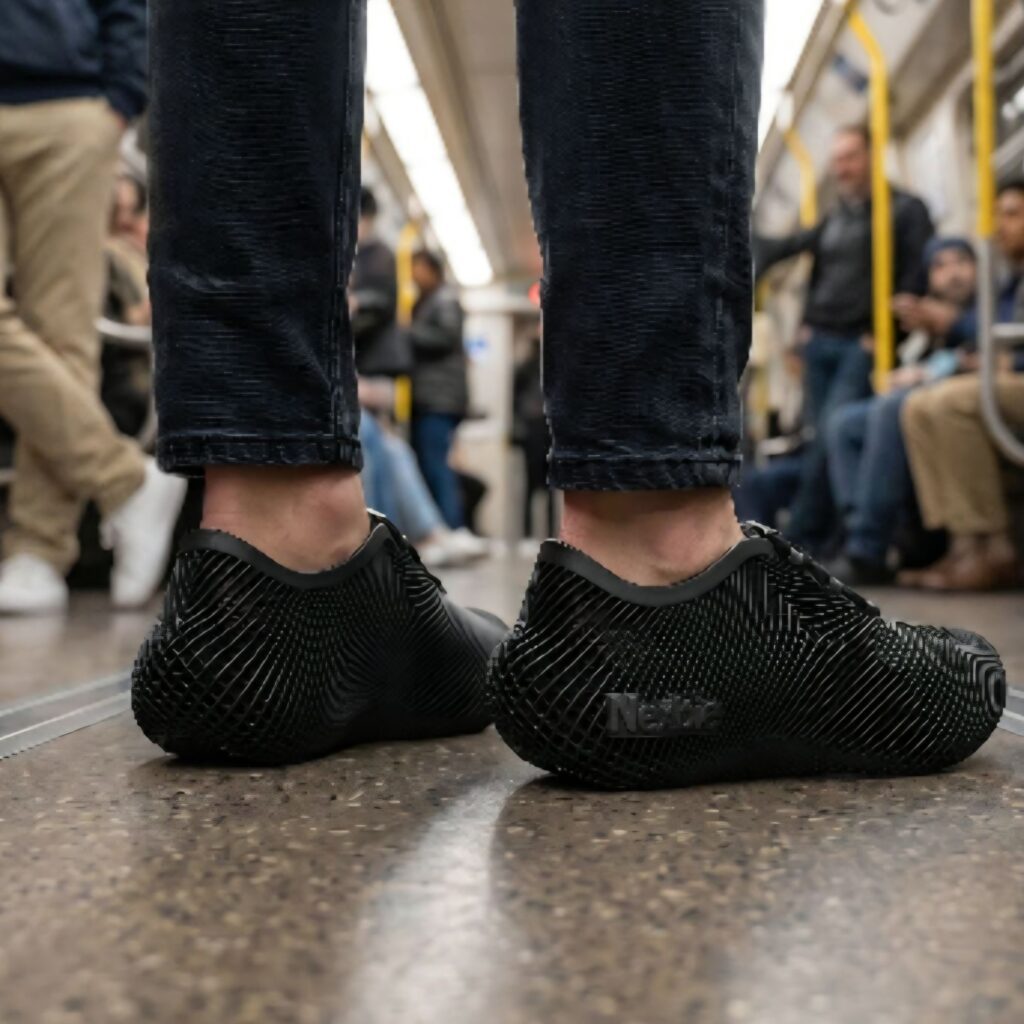
Best Shoes for City Walking, Commuting, and Errands via 360 MAGAZINE.

Best Shoes for City Walking, Commuting, and Errands

City walking puts different demands on your shoes than a short walk around the neighborhood. A normal weekday might include a walk to the train station, stairs, hard sidewalks, office floors, grocery shopping, and several hours of standing. Today, everyday walking footwear ranges from traditional foam-based sneakers to newer options such as 3D printed shoes, which use engineered structures to balance cushioning, airflow, support, and weight.

The best shoes for city walking need to handle all of these situations without feeling heavy, stiff, or uncomfortable by the end of the day.

For commuting and everyday errands, focus on cushioning, support, weight, grip, breathability, and easy maintenance. These features matter more than choosing shoes based on appearance alone.

Nexbie Aeroraise: Best Shoes for Everyday City Walking

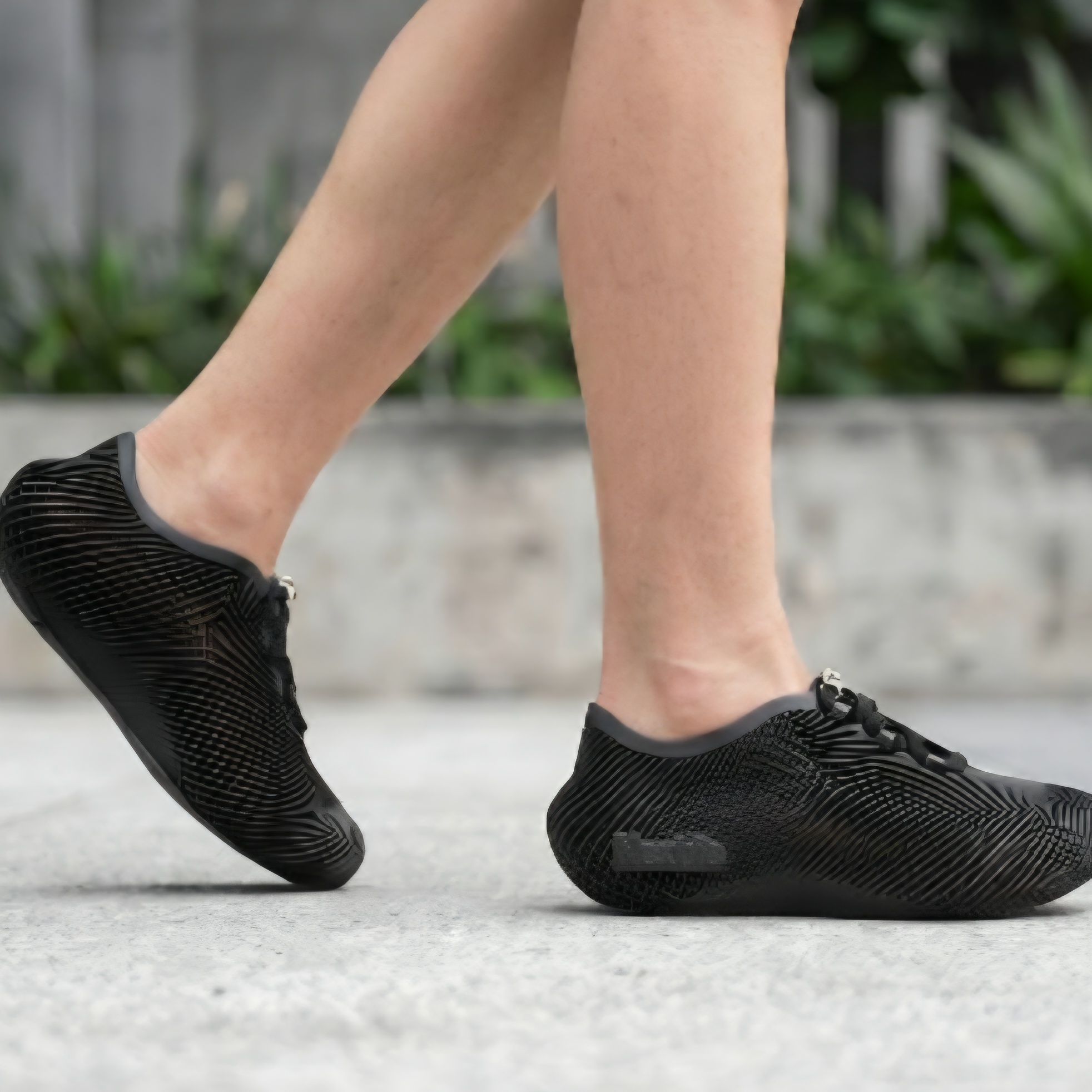
For people interested in an alternative to conventional foam-based sneakers, Nexbie uses 3D printing to build cushioning and support directly into the shoe structure.

The Aeroraise 3D printed sneakers use a one-piece polyurethane-urea lattice rather than a conventional combination of foam midsole, layered upper, and adhesive-based construction.

Several features make Aeroraise relevant for city walking, commuting, and everyday errands.

Lightweight Construction

Aeroraise weighs about 664 g per pair on average, or roughly 332 g per shoe.

This places it within a practical lightweight range for everyday sneakers while maintaining a full lattice structure underfoot.

For commuters who spend long periods walking between stations, offices, stores, and other destinations, reducing unnecessary shoe weight helps make repeated steps feel less cumbersome.

Built-In Cushioning and Support

The printed lattice uses different structural densities across the shoe.

Denser sections provide support around areas such as the arch, while more flexible areas compress under pressure to provide cushioning.

The material also retains about 92% of its cushioning performance after 100,000 flex cycles, which helps reduce the gradual flattening associated with some softer materials.

360-Degree Airflow

One of the most distinctive features is the approximately 80% open lattice structure.

Air moves through the shoe from multiple directions rather than relying only on mesh panels in the upper.

For warm commutes, long city walks, or users whose feet tend to feel hot after several hours, this open construction provides a different approach to ventilation.

Easy Cleaning and Quick Drainage

Urban shoes get dirty quickly.

Aeroraise uses a one-piece, glue-free structure that is machine washable and easy to rinse. The open lattice also lets water drain rather than remain trapped inside thick padding.

This makes maintenance simpler for people who use the same shoes frequently for commuting and errands.

What Makes a Good Shoe for City Walking?

Urban walking involves frequent stops, changes in direction, uneven pavement, hard flooring, and longer periods on your feet.

Unlike hiking shoes, city shoes do not need aggressive tread or heavy protection. They should instead balance comfort and versatility.

Good city walking shoes should provide:

  • Enough cushioning for concrete and hard floors
  • Stable support through the heel and arch
  • A lightweight feel for long walking days
  • Reliable traction on sidewalks and smooth floors
  • Breathable construction
  • Enough toe room for natural movement
  • Easy cleaning for daily use

The right balance depends on your routine, but these factors provide a practical starting point.

1. Choose Cushioning for Hard City Surfaces

Concrete, tile, pavement, and station floors provide little natural shock absorption.

When you walk several miles across hard surfaces, your shoes need to reduce repeated impact under the heel and forefoot.

Look for cushioning that compresses slightly under pressure while still feeling stable. Extremely soft shoes sometimes feel comfortable during the first few minutes but become less stable during longer walks.

For everyday city use, cushioning should support repeated steps without making your feet feel disconnected from the ground.

A supportive midsole or structured cushioning system also helps when your day includes both walking and long periods of standing.

2. Look for Support Around the Arch and Heel

Support becomes more important as walking time increases.

Your shoes should hold the heel relatively securely and provide enough structure through the middle of the foot. This helps control excessive movement inside the shoe while distributing pressure more evenly.

Arch support should feel natural rather than aggressive. A support point that is too high or positioned incorrectly often creates discomfort instead of reducing it.

People who commute on foot or stand for long periods at work should pay particular attention to this area.

3. Keep Weight Under Control

Heavy shoes add unnecessary weight to every step.

For everyday walking shoes, a useful guideline is to look for models weighing around 350 g or less per shoe, depending on shoe size. Shoes under 300 g often feel particularly light during long commutes and travel.

Weight should never come at the expense of basic support, though.

An extremely thin shoe might weigh less but provide limited cushioning on pavement. The better option is a shoe that reduces unnecessary material while keeping enough structure underfoot.

4. Check the Outsole for Urban Grip

City surfaces change constantly.

You might walk across dry sidewalks, polished station floors, wet pavement, tiled building entrances, and painted road markings during one commute.

For this reason, city shoes need dependable outsole contact.

Look for:

  • Textured tread
  • A stable heel base
  • Enough outsole coverage
  • Rubber or another durable contact material
  • Grooves that help maintain flexibility

You usually do not need deep hiking-style lugs. A lower-profile tread often works better for urban environments because it provides more surface contact on flat ground.

Wet tiles and smooth floors deserve particular attention, especially if your commute involves train stations, malls, or office buildings.

5. Prioritize Breathability for Long Days

Your feet generate heat during walking, even in mild weather.

If your shoes trap too much heat and moisture, they often become uncomfortable after several hours.

Breathable mesh, engineered knit, perforated materials, and open structures help improve airflow.

This matters most if you:

  • Walk to work
  • Use public transportation
  • Travel frequently
  • Live in a warm climate
  • Wear the same shoes from morning until evening

Breathability also helps shoes dry faster after light rain or cleaning.

6. Make Sure the Fit Works for Walking

City walking involves thousands of repeated steps, so even a small fit issue becomes noticeable.

Your toes need enough room to move naturally without excessive sliding. The heel should stay secure, and the sides of the shoe should not create pressure points.

When trying on walking shoes, wear the same type of socks you normally use.

Walk for several minutes and check for:

  • Heel slipping
  • Toe pressure
  • Rubbing around the ankle
  • Pressure under the arch
  • Excess movement inside the shoe

If you regularly walk long distances, a slightly roomier toe box often feels better than a narrow fashion-oriented shape.

7. Consider Shoes That Are Easy to Clean

City shoes encounter dust, dirty sidewalks, puddles, public transportation, and occasional spills.

For daily footwear, cleaning should not become a complicated process.

Look for materials that wipe, rinse, or wash easily. Machine-washable construction is especially useful for shoes worn several times each week.

Quick-drying materials also help if you rely on one pair for commuting and daily errands.

City Walking Shoes vs. Running Shoes

Running shoes work well for some people, but they are not always necessary for everyday urban walking.

Running footwear often includes features designed for forward motion, higher impact, and faster movement. City walking places greater emphasis on stability, comfort at slower speeds, standing, and versatility.

For commuting and errands, focus more on:

  • Stable cushioning
  • Comfortable fit
  • Moderate flexibility
  • Good urban traction
  • Breathability
  • Easy maintenance

Choose shoes according to your actual routine rather than assuming a running shoe automatically works best for walking.

Final Thoughts

The best shoes for city walking should make long days easier without adding unnecessary bulk.

Start with cushioning and fit. Then compare arch support, weight, breathability, grip, and cleaning requirements.

For regular commuting and errands, a shoe under roughly 350 g per foot with stable cushioning, dependable grip, and enough ventilation offers a strong starting point.

Traditional walking sneakers remain a solid option, while newer designs such as Nexbie Aeroraise use 3D printed lattice construction to combine lightweight structure, airflow, cushioning, and easy cleaning in a different way.

The best choice depends on how much you walk, where you walk, and how long you expect to stay on your feet each day.

Tate MCRAE new music and video 'Housewife' via 360 MAGAZINE.

TATE MCRAE RETURNS WITH NEW SONG + VIDEO ‘HOUSEWIFE’

Tate McRae releases her new single “Housewife” alongside the music video via RCA Records. The pop anthem is about a woman who can’t be contained and explores themes of love, fame, and independence. 

The cinematic and playful music video, directed by Pierre-Ange Carlotti, was shot in the south of France and choreographed by Sergio Reis (Madonna, Miley Cyrus, Troye Sivan & Charli XCX). It showcases a glamorous illusion that slowly fades into a quiet ache and the empowering but bittersweet truth that claiming your absolute freedom can sometimes mean sacrificing true love. 

This is the first music release since Tate’s critically acclaimed #1 album So Close To What. This Sunday, Tate is set to perform at the Victoria’s Secret Fashion Show live in Los Angeles. 

Earlier this summer, Tate gave a show-stopping headline performance at both Osheaga and Lollapalooza. The star also recently launched her debut fragrance, TATE 01. Inspired by Tate’s effortless confidence and authentic style, TATE 01 introduces a modern signature fragrance formulated to feel like an elevated second skin. You can purchase TATE 01 HERE. 

Follow Tate McRae:

Official Website | YouTube | Instagram | Facebook | TikTok

Photo Credit: Pierre-Ange Carlotti

Tate MCRAE new music and video 'Housewife' via 360 MAGAZINE.
Tate MCRAE new music and video, ‘Housewife’ via 360 MAGAZINE.

Photo Credit: Pierre-Ange Carlotti

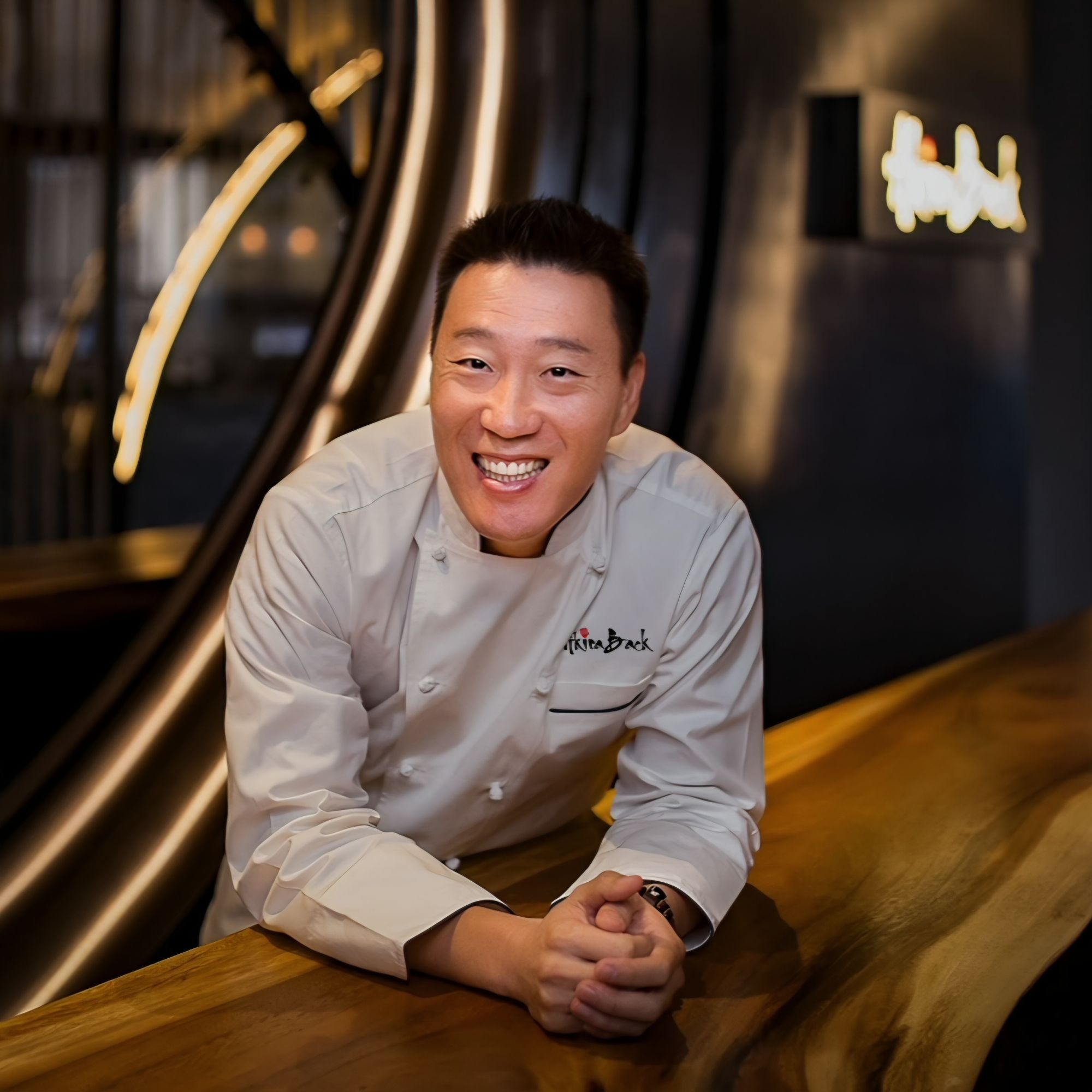
Chef Akira Back at St. Regis Rome hotel via 360 MAGAZINE.

Akira Back Debuts in the Eternal City

Modern Japanese Culinary Art Arrives at The St. Regis Rome

The St. Regis Rome welcomes one of the world’s most celebrated culinary visionaries. Chef Akira Back brings his distinctive interpretation of modern Japanese cuisine, elevated by refined Korean influences. Combining theatrical artistry, revolutionary approach and vibrant energy, every evening becomes a sensory journey designed to surprise and delight.

With 29 restaurants worldwide and 10 new openings scheduled in the next 2 years, Akira Back Rome is poised to become one of the city’s most sought-after dining destinations.

Designed to appeal to both Roman residents and international visitors, the restaurant is open Tuesday through Saturday from 7:00 PM to 1:00 AM.

“I am particularly delighted to welcome Akira Back and introduce his internationally acclaimed culinary vision to the city,” says Giuseppe De Martino, General Manager of The St. Regis Rome. “The opening of Akira Back Rome in the heart of Esquilino, one of the city’s most historic and culturally vibrant districts, represents an exciting addition to Rome’s gastronomic landscape. It enriches our guests’ culinary journey alongside Lumen, while establishing a new destination for both Romans and cosmopolitan travelers.”

Embracing the spirit of hospitality that defines The St. Regis Rome, the restaurant becomes a new destination for lovers of Japanese cuisine, where Rome continues its dialogue with global flavors through authenticity, design and luxury hospitality.

The creative and innovative menu reflects Chef Akira Back’s identity, presenting modern Japanese cuisine deeply influenced by his Korean heritage and international experiences. The culinary offering features both signature dishes and tasting menus. Guests can enjoy some of Chef Back’s most celebrated creations, including the iconic AB Tuna Pizza, featuring bluefin tuna, umami aioli, micro shiso and white truffle oil on a crisp base, alongside Wagyu Tacos, the indulgent Brother From Another Mother Roll with unagi, anago tempura, foie gras and ponzu aioli, as well as an extensive selection of sushi, sashimi and signature rolls.

For adventurous diners, the exclusive NAZO 9 experience presents a theatrical tableside showcase of nine chef-selected creations designed to surprise and delight through bold flavor combinations and unexpected ingredients. Premium products such as black truffle, Alaskan king crab and Wagyu beef are featured throughout the menu.

The restaurant remains open after dinner, as the atmosphere becomes increasingly vibrant. Guests can enjoy a curated selection of desserts and sake accompanied by ambient music, while a regal color palette of gold, powder blue, forest green and amaranth creates the perfect backdrop for an experience that embraces Rome while transporting guests on a global culinary journey.

“There are moments in life that create memories so profound they must be shared with the world,” says Chef Akira Back.“At our restaurants, we invite guests to experience those moments with us and create new ones together. Opening in Rome, a city that has inspired generations through its history, beauty and culture, marks a significant milestone for our brand.”

A Blacksheep Group project by House of Black, it creates a dialogue between Rome’s historic heritage and the immersive identity of the Akira Back brand. Inspired by the concept of “Hidden Portals within the Eternal City,” for the 72-seat restaurant

The main entrance opens directly onto Via Vittorio Emanuele Orlando, adjacent to the hotel and connected through a private passageway to the iconic Fontana del Mosè, part of the Acquedotto Felice commissioned by Pope Sixtus V in 1587. A second entrance reveals the restaurant from within the hotel, creating a seamless connection between The St. Regis Rome and the dining experience. From either entrance, guests embark on a journey toward the city through a newly dedicated street-facing access framed by jasmine and the romantic atmosphere of a Roman sunset.

A sequence of interconnected spaces transforms the venue into a voyage of discovery, combining distinct yet harmonious environments. Shades of tobacco, gold and rust blend with velvet furnishings in powder blue, forest green and amaranth, creating an immersive atmosphere.

Textured glass elements inspired by the stained-glass windows of Rome’s historic cathedrals further enhance the atmosphere. Another destination within the venue is the dramatic open kitchen located on the upper level, where chefs are revealed through carefully framed views and theatrical lighting.

Custom furnishings crafted by Italian artisans, glass installations and artworks by Young Hee Back, mother of Chef Akira Back, enrich the interiors, creating a seamless fusion of contemporary luxury and Roman character.

To further strengthen the restaurant’s connection with Rome’s creative scene, staff uniforms were developed in collaboration with Katia Minniti of Coromandel, offering a contemporary interpretation of the meeting between Eastern aesthetics and local sartorial craftsmanship. Inspired by the restaurant’s interiors and atmosphere, the uniforms combine Western tailoring with details drawn from Japanese tradition, expressed through a refined palette of midnight blue, black, dark brown and burgundy; the same tones that define the restaurant’s interior design. The result is a distinctive and cohesive visual language that becomes an integral part of the Akira Back experience.

The project also reflects a thoughtful approach to preservation and sustainability, enhancing the hotel’s historic spaces through a design intervention that respects their identity while celebrating luxury craftsmanship, in keeping with the enduring legacy of The St. Regis Rome, an icon of Roman hospitality.

Akira Back

The Akira Back brand is a diverse portfolio of restaurants and lounges around the globe which pride themselves on creating innovative culinary experiences combined with a social atmosphere and elegant ambiance. The mission statement is to make unforgettable memories for our guests by revolutionizing the dining experience through one-of-a-kind dishes and gracious service.

Seoul native and former professional snowboarder, Chef Akira Back spent his early years appearing in extreme sports movies and garnering praise from the sport’s top trade publications. Back eventually retired from snowboarding and took his need for speed and desire for adventure to the kitchen.

Chef Back has since brought his culinary expertise and artistry across the globe. He currently operates 29 locations under his banner in cities such as Paris, Hong Kong, Dubai, Delray Beach, Singapore, Toronto and more. He plans to open 10 more over the next 2 years including: Taipei, Manila and Red Sea for a global footprint that is unmatched. For more information, visit the company website at www.akiraback.com

The St. Regis Rome

On January 11, 1894, the Grand Hotel Rome was officially inaugurated by Cesar Ritz with a magnificent dinner for 100 distinguished guests, featuring a refined 16-course banquet prepared by Executive Chef Auguste Escoffier.

Converted into the first St. Regis property in Europe in 2000, the hotel has continuously combined its rich historical heritage with innovation and contemporary sophistication, becoming a landmark for both Romans and the international community. Having celebrated its 130th anniversary in 2024, The St. Regis Rome has embraced a new era of glamour, brilliantly capturing the city’s ever-evolving spirit while preserving its legendary allure and impeccable style.

At the heart of the hotel is Lumen, a modern Roman salon that serves as a true piazza of Bon Vivre, blending heritage and creativity on an ever-evolving stage. Here, every form of art, from gastronomy and hospitality to cinema, fashion, music, entertainment, sustainability and social responsibility, converges in a continuous dialogue between international guests and Roman tastemakers.

Chef Akira Back at St. Regis Rome hotel via 360 MAGAZINE.
KATSEYE world tour via 360 MAGAZINE.

KATSEYE: THE WILDWORLD ARENA TOUR COMES TO NORTH AMERICA

Fresh off the debut of their third EP WILD at No. 1 on the Billboard 200 and their “Saturday Night Live” debut, GRAMMY®-nominated global girl group KATSEYE kicked off the North American leg of their sold-out arena tour at Kaseya Center in Miami, FL last night. The show unfolded across three distinct acts, opening with an “Intro” featuring “Gnarly” visuals before launching into “Hootie Frutti.” Featuring solo moments, dynamic dance breaks and individual member performances, the high-energy setlist included hit singles “PINKY UP,” “Gabriela,” and “Gnarly.”

THE WILDWORLD TOUR, promoted by Live Nation, sold out in under 48 hours and includes two-night stands at UBS Arena in Belmont Park, NY (10/24 & 25), Crypto.com Arena in Los Angeles (November 21 & 22) and Palacio de los Deportes in Mexico City (11/27 & 28). The group will also perform at the Victoria’s Secret Fashion Show, which will air live from Los Angeles on Sunday, October 18, on YouTube. “STARTING STRONG” said Rolling Stone when KATSEYE kicked off the UK/EU leg of the tour last month in Dublin at 3Arena. For further details, visit www.katseye.world.

Today, KATSEYE shared “Unloveu,” a song originally released as an exclusive physical bonus track on WILD. Written by KATSEYE’s Lara Raj alongside acclaimed songwriters Ross Golan and Amy Allen, and produced by Raj and Golan, “Unloveu” provides a more intimate counterpoint to the EP’s bigger, more outward-facing moments, further showcasing the range of KATSEYE’s artistry. Billboard said, “KATSEYE captures what it feels like to gradually reclaim your mind, confidence and peace after a toxic relationship…It’s great to see Lara get into her bag and show the EYEKONS what she’s truly capable of.” Stream “Unloveu” HERE. View the visualizer HERE.

Beginning October 16, KATSEYE: WILD HEARTS will stream on Disney+ and Hulu in the U.S. – and on Disney+ internationally. The film, which previously screened in approximately 1,700 cinemas across 61 countries during its limited release via Trafalgar Releasing, is a captivating journey into the group’s bold new era while celebrating the fans who helped make it possible. Featuring never-before-seen footage, EYEKONS fan videos and intimate interviews from the group members, the film explores the powerful bond between KATSEYE and their global fandom. KATSEYE: WILD HEARTS is produced by Interscope Films and Boardwalk Pictures, in partnership with HYBE x Geffen, and directed by Nadia Hallgren.

The No. 1 debut of WILD on the Billboard 200, marked the decade’s biggest debut by a girl group on the chart and the biggest U.S. debut by a girl group in 18 years. Released via HYBE x Geffen Records, WILD includes the Billboard Hot 100 hits “PINKY UP” and “Animal.” Listen to WILD HERE.

KATSEYE launched WILD with a series of national television performances. The group made their “Saturday Night Live” debut on the show’s season premiere. In addition to performing “Animal” and “Hootie Frutti,” KATSEYE appeared in the “Dream Academy” skit and mentions of the group were sprinkled throughout the show. The group returned to “The Tonight Show Starring Jimmy Fallon” and performed “Animal.” On release day, they performed at the Citi Concert Series on NBC’s “TODAY.”  

Shaped by a defining two-year journey, WILD captures the feeling of a wild ride fueled by growth and transformation. “Across the EP, KATSEYE plays with freedom, flirtation, heartbreak and desire. The girls are growing up — and you can hear it,” said Billboard in this feature, which took a look at each of the songs. GQ noted, “Their new EP, Wild, puts a Y2K-pop-influenced spin on their bubbly radio hits—taking the kind of musical risks usually reserved for artists with at least an era or two under their belts.” 

KATSEYE: THE WILDWORLD TOUR – SOLD-OUT – NORTH AMERICAN LEG

10/15 – Atlanta, GA – State Farm Arena

10/20 – Charlotte, NC – Spectrum Center

10/22 – Washington, DC – Capital One Arena

10/24 – Belmont Park, NY – UBS Arena

10/25 – Belmont Park, NY – UBS Arena

10/28 – Boston, MA – TD Garden

10/30 – Montreal, QC – Bell Centre

11/1 – Hamilton, ON – TD Coliseum

11/3 – Detroit, MI – Little Caesars Arena

11/5 – Chicago, IL – United Center

11/7 – Minneapolis, MN – Target Center

11/10 – Austin, TX – Moody Center

11/11 – Dallas, TX – American Airlines Center

11/14 – Las Vegas, NV – MGM Grand Garden Arena

11/17 – Seattle, WA – Climate Pledge Arena

11/19 – Oakland, CA – Oakland Arena

11/21 – Los Angeles, CA – Crypto.com Arena

11/22 – Los Angeles, CA – Crypto.com Arena

11/24 – Phoenix, AZ – Mortgage Matchup Center

11/27 – Mexico City, MX – Palacio de los Deportes

11/28 – Mexico City, MX – Palacio de los Deportes

*Photo Credit: Rahul Bhatt

The New Wave of Pleasure Tech

A Beginner’s Guide to Modern Sex Toys

Sex toys have Apps? Machines can use remotes to adjust speed and, with a supported setup, change their rhythm with a video? Attachments can even deliver lubricant automatically?

If you have only used common toys such as wearable vibrators, rabbit vibrators or butt plugs—or have never tried a sex machine—you may wonder what these features actually do.

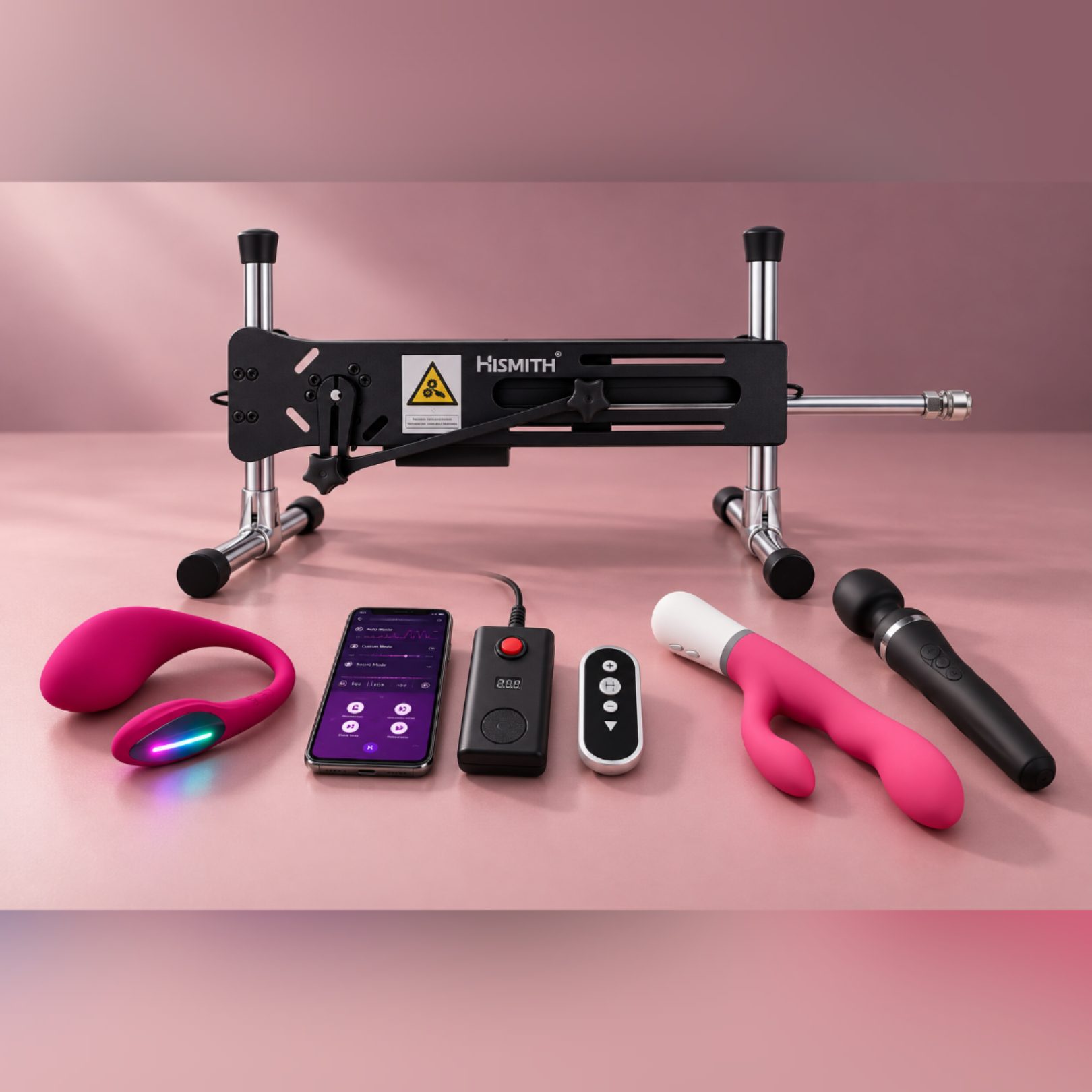
Below, we use Hismith sex machines as an example to explore automatic movement, App interaction, swappable attachments and automatic lubricant delivery. See which features catch your interest.

What Is a Hismith Sex Machine?

A sex machine automatically moves a dildo back and forth. The dildo attaches to a rod at the front of the machine, which is driven by an electric motor. You do not need to keep moving it by hand. Depending on the model, you can adjust speed, choose different modes and stop whenever you want.

Compatible Hismith machines also let you change the attachment. If you want a smaller size or a softer feel, you can choose a compatible attachment and keep using the same machine.

What Does the App Add?

The App puts some controls on your phone. Depending on the device, you may be able to adjust speed, switch modes or create custom settings.

The Hismith App also includes community features. With a compatible setup and both people’s consent, you can connect with other adult users and let someone control your machine remotely. You can explore different speeds and rhythms together, even from different rooms or locations.

If this interests you, first discuss what you are both comfortable trying. Make sure you can always stop the device yourself.

Supported video-sync setups offer another option. Compatible software can adjust the machine’s rhythm as a video plays. This depends on the device, software and content, so you should not assume it works with every video.

Some models also provide a wired speed dial and a wireless remote. These offer convenient ways to adjust settings or hand the controls to your partner for a shared experience.

One Machine Can Use Different Attachments

You may like a device’s movement but want a different shape, size or texture. Modular design lets you make those choices separately: keep the machine you know and change the attachment to suit your preferences.

Compatible Hismith models use the KlicLok quick-connect system. This connects the machine’s rod to the attachment. Once you are familiar with it, changing attachments usually takes about a minute.

To use toys from another brand, choose an adapter that matches the toy’s base. Toys with a standard Vac-U-Lock connection can use a KlicLok-to-Vac-U-Lock adapter.

Toys with suction-cup bases may work with a suitably sized KlicLok suction-cup adapter. Before buying, check that the adapter fits both your machine’s connection and the toy’s base.

Delivering Lubricant at the Press of a Button

Simulated ejaculation adds another feature to a compatible Hismith setup, and the liquid release can be automated.

Compatible squirting dildos have an internal liquid channel. Connected to the Lube Launcher 2.0 Pro, they can deliver and release lubricant through that channel.

Add a suitable lubricant to the reservoir, set the dispensing interval in the App and start the system. It can then deliver lubricant at the set intervals without a manual action each time. You can also use the remote to choose when to release it.

A product reviewer recommends using a thinner water-based lubricant so it can flow more easily through the tubing and internal channel.

Some similar products use a syringe or squeeze bulb. The user must push or squeeze to release the liquid. An automatic dispenser handles that step, offering convenience for people who prefer fewer interruptions.

Modern Design Should Fit Your Life

We have covered automatic movement, App interaction, attachment changes and lubricant delivery. These features may appeal to adults who are curious about sex tech, enjoy a steady rhythm, want less manual work or would like to explore remote interaction with a partner.

But before bringing a machine home, think about where it will go. Size and weight vary by model. Even a compact machine such as the Mini Pro weighs about 6.4 kilograms, or 14 pounds. Larger models can weigh more than 10 kilograms, or 22 pounds. They are heavier than ordinary handheld toys and need more room.

Plan where you will store the machine and how you will protect your privacy, especially if you share your home with others.

One reviewer described the Hismith Premium 3.0 Pro they used as extremely quiet—quieter than many vibrators they owned. Even at the highest setting, they reported only a low, rhythmic hum. This is a personal experience; sound can vary with the model, speed, load and placement.

For people who enjoy exploring new devices, the appeal is having different controls and attachment combinations to try. Start with a feature that interests you, then consider space, sound and cost to find a setup that fits your life.

For more information, visit the Hismith website.

What Should Patients Consider Before Choosing an Aesthetic Treatment via 360 MAGAZINE.

What Should Patients Consider Before Choosing an Aesthetic Treatment?

Choosing an aesthetic treatment requires more than selecting a popular procedure. Before booking, patients should assess their goals, health history, provider qualifications, expected results, recovery time, and total cost. A thoughtful consultation should explain suitable options, possible risks, and realistic limits without pressure. Patients who ask focused questions can compare care more clearly and make decisions that fit their needs, schedule, and comfort level. The following considerations provide a practical framework for that conversation.

1. Start With a Qualified Consultation

Before scheduling, patients should confirm the practice reviews medical history, current medications, allergies, and prior procedures. A consultation at Amason Aesthetics in Saint Augustine helps patients discuss goals, review relevant areas, and determine whether an injectable, laser, facial, or body treatment fits their concern. The appointment should also clarify who performs the procedure and how follow-up works.

Before treatment, patients should confirm where the procedure occurs and whether the setting has appropriate equipment, hygiene practices, and emergency procedures for the planned service.

2. Check Provider Qualifications

Patients should ask who will perform the treatment, what training applies to that procedure, and how complications are handled. Discuss medical credentials, state authorization, and procedure-specific experience directly. The provider should explain whether an assistant will participate and who will remain available after treatment. Clear answers help patients assess clinical responsibility before committing.

3. Review Risks and Recovery

Every procedure has trade-offs, including discomfort, swelling, bruising, redness, pigment changes, infection, or an unsatisfactory result. The exact risks depend on the treatment, the patient’s health, and the technique used. Patients should ask what effects to expect, which symptoms require urgent contact, and how concerns are managed.

Recovery instructions should cover exercise, sun exposure, skin care, makeup, medication use, and follow-up visits when relevant. A patient should know how long visible effects last and when results become assessable. Include work demands, travel plans, and caregiving duties in the discussion because they affect recovery planning.

4. Compare Treatment Fit and Timing

Different treatments address different concerns, so patients should compare expected benefits with recovery burden. Injectable treatments, laser procedures, resurfacing, microneedling, and skin care plans do not produce identical results or follow identical schedules. A provider should explain why one option suits the concern and whether another option carries fewer restrictions.

Timing matters when a treatment involves several sessions or gradual change. Patients should request a written schedule that states preparation steps, appointment spacing, aftercare, and review points. That schedule lets a patient plan around work, events, travel, and other appointments without assuming healing follows a fixed timetable.

5. Calculate Total Cost and Commitment

Discuss pricing before treatment, including consultation fees, product charges, facility costs, maintenance visits, and recommended home care. Patients should ask whether the quoted amount covers the full plan or a single session. A low initial price does not show the total cost if repeated visits or maintenance are necessary.

Patients also need to understand cancellation policies, financing terms, and refund limits before paying a deposit. Written estimates reduce confusion and give patients a record for comparison. Cost should remain one part of the decision, alongside clinical fit and the provider’s plan for managing follow-up care.

6. Assess Communication and Consent

Good communication gives patients room to ask direct questions and decline treatment without pressure. The provider should explain expected results in language the patient understands, discuss reasonable alternatives, and answer questions about uncertainty. Consent requires more than signing a form; patients need enough information to decide freely. A rushed appointment makes careful decision-making harder, especially when the treatment changes appearance immediately or requires several visits. Patients deserve time to consider information, ask follow-up questions, and decide without outside pressure.

Conclusion

An aesthetic treatment deserves the same careful thought as any health-related decision. Patients should define the desired change, verify the provider’s qualifications, review risks, plan recovery, and calculate the full financial commitment. The next step is a consultation with written questions and complete medical information. Patients should leave with a clear treatment rationale, aftercare instructions, emergency contact guidance, and a cost estimate. If those details remain unclear, postponing the appointment is a sensible choice.

How to Style Your Hair Without Damaging It

Why Hair Styling Habits Matter

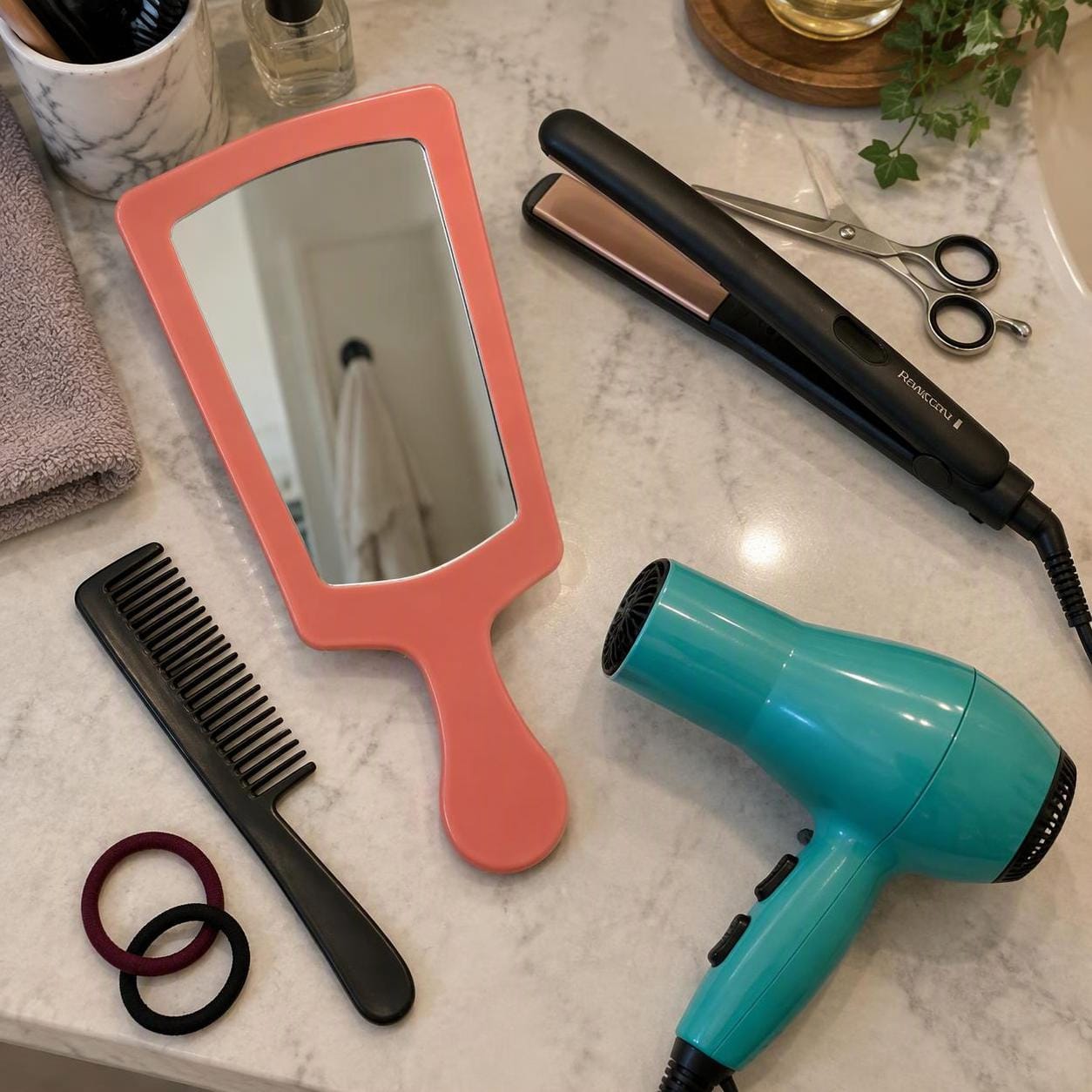
How you style your hair day to day affects more than appearance—it shapes strength, moisture balance, texture, and how manageable your hair stays over the long run. Many people reach for heated tools as part of their regular routine, and using a hair styler can certainly fit into that. But the safest results have less to do with any particular tool and more to do with how hair is prepped, how much heat gets applied, the technique behind it, and how often you style in the first place. This article offers general, evidence-informed guidance rather than product recommendations or medical advice—the goal is simply to help readers cut down on avoidable damage while still getting the look they’re after.

Understand What Causes Styling-Related Hair Damage

Styling-related damage tends to show up as dryness, roughness, split ends, breakage, loss of elasticity, or frizz that won’t quit. Repeated exposure to high heat gradually weakens the hair shaft, leaving strands more likely to snap. It’s worth distinguishing between temporary fixes and actual repair here: conditioners and styling products can smooth the surface and make hair look healthier, but they can’t undo structural damage that’s already happened.

Chemical treatments, frequent tension from tight hairstyles, sun exposure, chlorine, and rough detangling all pile onto heat-related stress. Hair type, texture, porosity, length, and any history of chemical processing also play a role in how vulnerable a given head of hair is to this combined wear and tear.

The outer layer of hair, called the cuticle, consists of overlapping scales that protect the inner structure. Repeated high heat or prolonged contact can lift or disturb these scales, which contributes to moisture loss and breakage over time. There’s no single “safe” temperature that works for everyone—fine or chemically treated hair generally tolerates much less heat than thick, unprocessed hair.

Prepare Hair Before Using Heat

Start with gentle cleansing and conditioning. Conditioner improves slip, which cuts down on friction while detangling and styling. Many people find it helps to apply shampoo mainly to the scalp and let the lather rinse through the lengths, rather than scrubbing the ends directly. How much conditioning you need depends on texture, oiliness, density, and chemical history.

Detangle carefully, working from the ends upward instead of pulling straight through knots from the roots. Wet hair is usually more fragile, though tightly curled or textured hair can actually be easier to detangle when damp and well-conditioned. A wide-tooth comb or detangling brush helps minimize stress on individual strands.

Remove excess moisture by blotting or wrapping hair in a towel rather than rubbing it vigorously. When you have the time, letting hair partially air-dry before picking up a blow-dryer or heated tool makes a real difference. And a tool meant for dry hair shouldn’t be used on visibly wet hair unless the instructions explicitly say otherwise.

Use Heat More Safely

Choose the lowest effective heat setting. Cranking up the heat doesn’t make styling faster or more effective—it just raises the odds of damage. Start low and only increase if you genuinely need to. Fine, fragile, bleached, or chemically treated hair calls for more caution than coarse, unprocessed hair. Heat-protectant products can reduce friction and surface stress, but they don’t make unlimited heat exposure safe.

Limit contact time and repeated passes. Work in manageable sections so you’re not forced to go over the same spot again and again. Keep your hair styler or other tool moving instead of letting it rest in one place, and avoid lingering with curling tools on a single section. Letting hair cool before you manipulate it further also helps a style set without extra heat.

How often you style matters too. Building in heat-free days tends to be more protective than relying on products alone. The American Academy of Dermatology generally recommends limiting heat exposure, using lower settings, and air-drying when it’s practical.

Key Takeaway: The most protective routine combines less frequent heat styling, the lowest effective temperature, short contact time, and careful handling before and after styling.

Select Products According to Hair Needs

Rinse-out conditioners, leave-in conditioners, detangling sprays, heat-protection products, and styling creams or gels all serve different purposes, so reading labels matters. Some products are meant only for damp hair, others for dry hair or specifically before heat styling. Overusing product can lead to buildup, which may then require harsher cleansing to remove. “Repair” claims on packaging usually refer to improved appearance or temporary smoothing rather than any permanent fix for damaged hair. If a product causes irritation or scalp sensitivity, stop using it.

Match Techniques to Hair Type and Condition

Fine or fragile hair generally does better with lighter products, lower heat, and fewer repeated passes—watch for snapping or thinning as warning signs. Thick, coarse, or curly hair often responds best to smaller sections, an unhurried approach, and thorough conditioning, rather than simply turning up the heat. Chemically treated, bleached, or highly porous hair needs extra care, since prior processing often leaves it drier and more prone to breakage; cutting back on heat frequency or opting for heat-free styles can help, and a qualified stylist or dermatologist is worth consulting if damage persists.

Consider two very different routines: one involves styling soaking-wet hair at maximum heat with repeated passes—a recipe for damage. The other involves partial air-drying, careful sectioning, a lower heat setting, and limiting repeated passes, an approach far more likely to keep hair in good condition over time, though outcomes still depend on individual hair characteristics.

Recognize Signs of Damage and Know When to Seek Advice

Keep an eye out for signs of breakage—persistent split ends, short broken hairs, strands that snap during brushing, unusual roughness, or scalp discomfort and irritation. A trim removes existing split ends, but it won’t prevent new damage from forming. Breakage along the hair shaft is a different issue from hair loss originating at the scalp, and sudden shedding, visible thinning, or scalp pain is worth discussing with a dermatologist rather than guessing at the cause yourself.

Build a Lower-Damage Styling Routine

  1. Assess your hair’s current condition before styling.
  2. Cleanse and condition according to your hair’s needs.
  3. Detangle gently, from ends to roots.
  4. Blot excess water and air-dry partially when possible.
  5. Apply suitable products according to their instructions.
  6. Use the lowest effective heat setting.
  7. Style in sections with minimal passes.
  8. Alternate with heat-free styles regularly.
  9. Clean tools and follow manufacturer safety instructions.
  10. Reassess your routine if dryness, breakage, or irritation develops.

Make Consistency the Main Strategy

Healthier hair styling comes down to cumulative habits, not any single tool or product. Gentle preparation, reduced heat, shorter contact time, fewer styling sessions, and attentiveness to warning signs all work together toward that end. Since hair texture, condition, and chemical history vary so widely from person to person, techniques need to be adapted individually. Pay attention to which habits actually improve manageability and reduce breakage over time, then refine your routine gradually based on what your hair really needs.

Innovations in Motorcycle Technology: The Future of Touring

Long-distance riding requires reliability, comfort, and smart design. Modern riders expect seamless gear integration to handle thousands of miles across varying terrain.

New engineering breakthroughs redefine how long-haul trips are planned and executed. Modern machines carry intelligent systems that assist riders through every mile.

Advanced Towing and Luggage Solutions

Long tours require extra storage capacity for camping gear, tools, and personal belongings. Many riders rely on custom mounts and heavy-duty frame accessories to haul extra payload. Heavy cargo setups must maintain strict stability standards at high speeds.

Proper weight distribution keeps long journeys safe and predictable. Installing heavy-duty motorcycle hitches gives riders the freedom to pull lightweight trailers without compromising highway handling. Smooth pulling mechanics make extended cross-country travel far more manageable.

Modern trailer attachments feature quick-release mechanisms for easy detachments at campsites. Lightweight alloys keep structural strength high without adding unnecessary drag. Riders enjoy peace of mind knowing cargo remains secure on rough backroads.

Smart Navigation and Digital Dashboards

Modern motorcycles have color screens that show directions and road information. They can connect to phones without wires and provide live traffic updates. Some screens change their brightness when sunlight changes, making them easier to read.

Riders can control many features using buttons on the handlebars. Useful features include:

  • Tire pressure alerts
  • Live weather updates
  • Vehicle health checks

Modern tools help riders check important information quickly. Simple controls make it easier to use the screen while keeping attention on the road.

Some motorcycles have turn signals and systems that warn riders about nearby vehicles. Voice directions can help riders avoid traffic delays and find another route. 

Adaptive Suspension and Chassis Control

Modern motorcycles have suspension systems that adjust to different roads. Sensors help the bike handle bumps and potholes. These changes help keep the bike steady when turning or riding on rough roads.

Some adventure bikes can change their suspension based on the rider’s weight and road conditions. This can make long rides more comfortable.

Good suspension can help riders feel less tired on long trips. It can make riding on gravel roads and mountain paths easier. These systems help the tires stay in contact with wet and dry roads, giving riders better control.

Personal Safety Gear and Inflatable Airbags

Motorcycle safety gear helps protect riders during crashes. Some jackets and vests have built-in airbags. Sensors can detect sudden movements and help the airbag open when a crash happens.

Some airbag vests have gas canisters that riders can replace after use. This means they may not need to buy a new vest after every crash. The airbag opens very quickly and helps protect the chest and other important body parts.

Some smart vests use sensors to detect crashes. Other safety gear has padding that becomes harder during an impact but stays soft while riding. This gear can give riders extra protection on long trips.

Technological advancements continue to make long-distance motorcycle travel safer and more enjoyable. From adaptive chassis controls to smart protective apparel, modern touring machines offer unprecedented comfort.

Riders can embark on multi-day journeys with improved gear integration and confidence. The future of touring promises even greater freedom on open highways. If you’d like to learn more, check out more articles on our blog.

Understanding the Role of Valve Covers in Engine Performance

Car engines rely on many moving parts working together to run smoothly and deliver power. Drivers focus on pistons, spark plugs, and exhaust systems when looking to improve performance.

A simple cover under the hood affects engine health. This part is called the valve cover: it protects valvetrain parts and keeps engine oil inside. Functions improve daily reliability, extend engine life, and support steady performance.

Continue reading to discover everything you need to know!

Protecting Internal Engine Parts

The top of an engine holds key parts, including rocker arms, camshafts, and intake valves. Upgrading to high performance engine valve covers keeps road dirt and debris away from these sensitive parts. Clean components face less wear and can last longer, even under tough driving conditions.

Valvetrain parts move thousands of times each minute while the engine runs. A proper cover keeps road grit away from moving metal surfaces. Without this protection, dirt can act like sandpaper and cause damage.

Drivers who take their cars to track events need strong covers to maintain steady engine operation. Keeping dust out protects expensive parts from early wear and expensive repairs. Quality covers can lower mechanical noise, and the engine runs more quietly.

Protecting Against Oil Leaks and Power Loss

A tight seal keeps engine oil inside the engine and prevents leaks onto nearby parts. Replacing a damaged valve cover or worn seal can restore proper engine function. A good fit prevents oil from dripping onto hot exhaust pipes and maintains the correct oil level.

Oil leaks and worn seals can impact how the engine runs. A damaged gasket may let extra air enter the engine where it cannot be measured by the air intake system.

The engine computer may supply the wrong amount of fuel. It can create a lean fuel mixture and reduce engine power. Replacing worn gaskets helps restore the right air-to-fuel balance.

Comparing Valve Cover Materials

Manufacturers use different materials to balance weight, strength, and cost. The right choice depends on how well a valve cover handles engine heat and how long it lasts. Each material has its own benefits and limits:

  • Aluminum covers
  • Steel covers
  • Plastic covers

Choose a material that suits your vehicle and how you use it. Metal covers handle heat and heavy loads well. Still, the best option is based on the engine design, the quality of the cover, and the conditions in which you drive.

Regulating Internal Engine Pressure

Many valve covers contain parts of the positive crankcase ventilation (PCV) system. This system sends gases from inside the engine back into the intake to be burned. A faulty PCV valve or blocked passage can upset pressure inside the crankcase. It may lead to rough running, oil leaks, or damage to engine seals.

High internal pressure can force oil past seals or out through the dipstick tube. Keeping ventilation passages clear helps the system control pressure as designed. Proper airflow supports smooth engine operation and can reduce unwanted oil use.

Protect Your Engine for Long-Lasting Performance

A good valve cover seal helps your engine run well for many miles. Replacing worn covers and gaskets protects valvetrain parts, reduces the risk of oil leaks, and prevents problems caused by poor airflow.

Choosing the right material for your vehicle can support long-term durability. Give your engine the care it needs to maintain reliable performance on every trip.

If you are interested in learning more, check out our blog.