About 360 MAGAZINE

360 MAGAZINE is an award-winning international publishing on popular culture and design. We introduce avant trademarks to efficacious architects. We are a LGBTQIA2S+ friendly publication--officially recognized by the NGLCC. Our core demographic ranges from 19 to 39-year-old college-educated trendsetters within their respective international communities. The pages in this art book satisfy their strong interests including music, art, travel, auto, health, fashion, tech, philanthropy, design, food and entrepreneurship. It's an introspective digital/print/tablet portrait series, which encapsulates artists/brands/entities who embody the true essence of our publication- empowerment, equality, sensuality and most important of all, humanity within a global society.

Online slot machines in the UK via 360 MAGAZINE.

How Competing Without Paying Became Entertainment’s Default

Running clubs used to decide who got bragging rights on a given hill. Now an app does it automatically, for free, the moment someone finishes the climb. That shift, letting performance decide the winner instead of who paid to enter, has spread far past fitness apps, and it says something about what people want from competition right now.

Fitness Apps Turned Local Bragging Rights Into a Free Sport

Strava built its entire retention strategy around this idea. Rather than one global leaderboard where only a handful of elite athletes could ever realistically place, the app splits every route into a segment, a specific stretch of road or trail ranked separately, with a leaderboard made up only of the people who have run or ridden it. 

Leaderboard analysis points to the reason it works: a ranking somebody can realistically top matters more than the size of the pool they are ranked against. A global leaderboard tells most users how far they are from mattering. A local one lets them win something real.

Duolingo applies a parallel structure to language learning, sorting free users into weekly leagues purely on how consistently they practice. There is no premium tier that buys a better starting position. Showing up and doing the work is the entire mechanism.

Ranked Play Never Let Spending Buy a Better Rank

Free-to-play ranked modes across major online games work on an identical principle: matchmaking and rank climb entirely on performance, and no amount of spending moves a player up the ladder faster. That design choice is a large part of why ranked play became the format competitive gaming communities built entire cultures around, rather than paid tournament brackets alone. Cosmetic purchases might change how a character looks, but they have never been able to buy rank in a well-designed ladder system, and players have consistently rewarded the titles that hold that line.

Slot Tournaments Run on This Logic With Real Money at Stake

Online casino platforms picked up the identical structure for slot play. Most run on a points system rather than a raw cash count, a win earns points based on the outcome rather than the size of the bet behind it, and the leaderboard tracks who lands the strongest results within a fixed window. 

Free online slot tournaments apply this across most platforms: every entrant starts from identical conditions, and positions shift purely on performance during the event, not on who deposited more beforehand. Some grand leaderboard events run prize pools in the tens of thousands of dollars, split across dozens or hundreds of finishing positions rather than concentrated entirely at first place, which gives a wide group of entrants a genuine shot at winning something for the cost of nothing.

Open Access Is a Design Choice Every Category Made on Purpose

Strava’s segments, Duolingo’s leagues, ranked ladders, and casino free tournaments have almost nothing in common on the surface. What connects them is a shared bet that competition works better when the door is open to whoever shows up, not only to whoever can afford the biggest buy-in. That bet has paid off across every one of these categories, which is why free-to-compete formats keep expanding rather than getting phased out in favour of paid tiers.

A leaderboard anyone can climb regardless of budget is a small thing on its own. Enough of them stacked together, across fitness, gaming, language learning and casino play alike, point to something bigger: entertainment built around who shows up and performs, not who could afford to buy the better seat, and that shift is worth watching as it spreads into whatever comes next.

Microblading and brow tattoo via 360 MAGAZINE.

Can You Use a Brow Serum If You’ve Had Microblading or Brow Tattoos?

Microblading and brow tattoos have become two of the most popular beauty procedures in the US, and it’s not hard to see why. They save time, fill sparse arches, and can last months or even years. But plenty of people who’ve had one of these treatments still want fuller, healthier natural brow hair underneath, and that raises a real question: can you use a brow serum when you’ve already had microblading or a brow tattoo? The short answer is yes. Timing and product choice, though, matter more than most people realize. Use a serum too soon, and you risk disrupting the pigment; use the wrong formula even after full healing, and you may see unexpected fading. Here’s what actually happens to your brows after cosmetic tattooing, how serums interact with treated skin, and exactly how to add one to your routine without putting your results at risk.

What Your Brows Go Through After Microblading or a Brow Tattoo

Cosmetic tattooing puts your skin through a healing process that’s easy to underestimate — and that process determines when a serum is safe to reintroduce. The skin under microblading isn’t just lightly pigmented; it’s been deliberately wounded to deposit color into the upper dermis. Anything applied during recovery can interfere with how the pigment settles, which is why most artists recommend keeping active skincare ingredients off the brow area for at least two weeks post-procedure, often four or longer. Once the area has fully recovered, growth serums come back on the table. RevitaBrow and GrandeBROW are the names most people land on first, though Rodan + Fields and the brow enhancing serum from ForChics work the same territory, all of them aimed at supporting natural hair growth alongside pigmented arches. The timing rule doesn’t change depending on which you pick: wait until your artist clears you, not until the brows look healed. Surface healing and dermal healing aren’t the same thing.

The Healing Timeline That Changes Everything

The typical microblading healing timeline runs in distinct phases. Each phase carries different risks for topical products. In the first few days, the brow area may appear bold, slightly raised, and tender, this is when the wound is most open, and applying a serum to treated skin at this stage can pull pigment out of the micro-cuts before it’s had any chance to bond with the tissue. Don’t. Around days five through ten, most people experience flaking or peeling. The urge to reach for something moisturizing is understandable, but active serums containing peptides, biotin derivatives, or plant-based growth factors can still be too stimulating for compromised skin at this point.

By week four, the surface has typically closed and the pigment has settled into its final color. Brow tattoos are different. Generally placed deeper than microblading, they can stretch that timeline to six to eight weeks, with a touch-up appointment often scheduled around that point, and your artist’s clearance is a solid marker for when your brow care routine can expand again.

Why Natural Brow Hair Growth Still Matters

Here’s the thing: cosmetic tattooing doesn’t fix sparse or weak brow hair. It draws the illusion of hair, fills gaps, and adds shape, but the real follicles underneath are still doing their own thing. For people who’ve over-plucked, experienced hair thinning from stress or hormonal shifts, or simply have naturally fine brow hair, the density of what’s actually growing there still defines how the overall look holds up over time. Fading is inevitable. A brow that’s microbladed over hair that’s getting thinner will eventually look less full as strokes fade and real follicle output drops, which is exactly why many people who’ve had cosmetic brow work still want to invest in actual hair growth. The goal becomes supporting the follicles without damaging the pigment above them, that’s precisely the balance a good serum should help you achieve, provided you apply it at the right time and with the right formula.

Can You Use a Brow Serum If You’ve Had Microblading or Brow Tattoos?

Yes, but only after your brows have fully healed, and only with a formula that doesn’t contain ingredients known to affect pigment retention. Not every brow serum carries the same risk profile for people with cosmetic tattooing. The stakes matter here. The most important factor is whether a serum contains exfoliating actives or certain prostaglandin analogs (like bimatoprost), which can accelerate cell turnover and pull pigment out faster than it would fade on its own, and if you’ve invested several hundred dollars in microblading, that’s not a trade-off worth making. Clean, plant-based formulas built around peptides, biotin, and conditioning botanicals are generally a safer choice because they support the follicle without aggressively changing the skin cell cycle.

And there’s no rule that says you have to choose between keeping your pigment and growing better brows. You just need to be deliberate about how you layer both.

How Serum Ingredients Interact With Pigmented Skin

Microbladed and tattooed brows fade over time partly because skin naturally sheds and regenerates. Speed that process up and you speed up fading. Retinol, AHAs, and certain growth peptides at high concentrations all fall into that category, the concern isn’t dramatic overnight fading, but rather gradual, cumulative thinning of the pigment layer that makes a fresh touch-up appointment necessary sooner than it otherwise would be.

Serums built on gentle, hair-conditioning ingredients are a different story. Biotin, plant stem cell extracts, and milder peptide complexes work at the follicle level rather than pushing skin cell turnover, making them far less likely to disturb deposited pigment as a result. Check the ingredient list. Look for any exfoliants or known skin-resurfacing actives before committing to a product, and your microblading artist can also weigh in, honestly, many artists have seen enough client outcomes that they’ll have clear opinions on which product types have caused problems.

Signs You’re Ready to Start Using a Serum Again

Knowing your skin is fully healed before you start a serum matters more than hitting a specific day count, because everyone heals at a different pace. A few clear markers point to readiness:

  • The brow area feels smooth and flat, with no raised texture or residual tenderness
  • Any flaking or peeling from the initial healing phase is completely finished
  • Your pigment has settled to its true post-heal color, which is typically softer and cooler than the immediate post-procedure look
  • Your artist has cleared you for normal skincare in the brow area, often at a touch-up appointment

But even when all those boxes are checked, keep the application light. Work a gentle serum from the base of the brow toward the tail with clean hands or a clean applicator, a thin pass over the hair-bearing area is enough to reach the follicles. You don’t need to saturate the skin.

Conclusion

So can you use a brow serum after microblading or brow tattoos? Yes, once your skin has fully healed and you’re using a formula that steers clear of aggressive exfoliating actives. Patience is the trick. The early weeks demand restraint, and the weeks after demand real selectivity about what you apply. Your natural brow hair and your cosmetic pigment aren’t competing with each other; they can coexist well when you support both with the right timing and the right products, and working toward both better hair growth and longer-lasting brow color at the same time is absolutely within reach.

Cryptocurrency casino game via 360 MAGAZINE.

How A Crypto Casino Works Behind The Scenes: Providers, Aggregators, And Hot Wallets

Most people who spin a slot on a crypto casino site never think about what happens between the click and the result. They see a spinning reel, a payout, maybe a small “provably fair” badge in the corner. But underneath that simple screen sits a chain of companies, servers, and wallets that most players never notice. And honestly? That’s kind of the point. The whole system is built to be invisible.

Crypto casinos aren’t single, self-contained businesses the way a physical casino floor is. They’re more like storefronts. The operator you interact with rarely builds its own games from scratch. Instead it plugs into a supply chain that includes game studios, content aggregators, payment processors, and wallet infrastructure, all working together in the background. Understanding that chain explains why some platforms feel smoother than others, and why security incidents in this space tend to hit specific weak points rather than the whole system at once.

Game Providers: Who Actually Builds The Slots

The games themselves come from studios that specialize purely in content. Names like Pragmatic Play, Evolution, and PG Soft build the actual math models, animations, and RNG (random number generator) engines behind each title. These studios don’t run casinos. They license their catalogs to operators, sometimes hundreds of them at once, through B2B contracts that can run for years.

A player browsing a crypto casino lobby is basically looking at a licensed catalog, not an in-house product. Some platforms make it easy to try titles before wagering. For example, you can check out PG soft demo slots on BetFury, which lets visitors test mechanics without touching a wallet first, something that’s become fairly standard across the industry since around 2019.

Provider selection matters more than most operators admit. A studio with a Malta Gaming Authority license and independent RTP (return to player) audits, run by labs such as iTech Labs or GLI, brings a level of trust that smaller unlicensed studios simply can’t match. Below is a rough breakdown of how these providers typically differ.

Cryptocurrency casino game via 360 MAGAZINE.

Aggregators: The Middlemen Nobody Talks About

Here’s where things get less obvious. Operators don’t usually sign separate deals with every single provider. That would mean dozens of technical integrations, dozens of contracts, dozens of compliance checks. Instead, most casinos plug into an aggregator, a company that bundles hundreds of provider catalogs into a single API connection.

Aggregators like SoftGamings or BGaming Hub (industry naming varies) function as wholesale distributors. One integration gives an operator access to maybe 3,000 or more game titles across dozens of studios. It’s efficient. It’s also a bit of a black box for players, since the aggregator layer sits invisibly between the studio and the casino brand.

Why does this matter for crypto casinos specifically? Because aggregators typically weren’t built with cryptocurrency in mind. Most were designed for fiat processing rails, and Bitcoin, Ethereum, or stablecoin support gets bolted on afterward through a separate conversion layer. That conversion step, where crypto gets valued against a game’s fiat-denominated stake, introduces a small but real latency window. Not huge. But real.

How The Conversion Layer Works

  • Player deposits crypto (BTC, ETH, USDT, etc.)
  • Platform converts the deposit into an internal fiat-equivalent balance or credits it directly if the game supports native crypto staking
  • Wager amounts get calculated against that internal value
  • Winnings get converted back at payout, often at a locked-in rate to avoid volatility disputes

This is also where things can go wrong. If a coin’s price swings 8% mid-session (not unheard of with smaller altcoins), disputes over “what rate applied” become a real customer support headache. Bigger operators lock exchange rates at the moment of deposit specifically to avoid this.

Hot Wallets: Speed Versus Risk

Now for the part that actually keeps compliance teams up at night. Every crypto casino needs a wallet system to receive deposits and send withdrawals, and almost all of them run on a two-tier structure: hot wallets and cold wallets.

Hot wallets stay connected to the internet at all times. They’re what makes instant withdrawals possible, the feature crypto casinos advertise most aggressively since it’s genuinely one of their biggest advantages over traditional online casinos that can take three to five business days to process a bank transfer. A hot wallet holds enough liquidity to cover expected daily withdrawal volume, nothing more.

Cold wallets, by contrast, sit offline in what’s essentially digital cold storage. The bulk of a platform’s reserves, sometimes 90% or more depending on the operator’s risk policy, sits in cold storage precisely because it’s disconnected from any network an attacker could exploit remotely.

So why not just keep everything cold? Because withdrawals would slow to a crawl, and speed is the entire selling point. It’s a tradeoff, and every operator draws that line differently based on their own risk tolerance and daily transaction volume.

Typical Hot Wallet Safeguards

  1. Multi-signature authorization requiring 2 or more approvals before large transfers
  2. Daily withdrawal caps tied to a rolling liquidity buffer
  3. Automated sweeps that move excess hot wallet balance into cold storage on a schedule, often hourly
  4. Real-time monitoring for unusual withdrawal patterns

Mt. Gox remains the reference point everyone in this industry still brings up, even 12 years after its 2014 collapse, because it’s the textbook example of what happens when hot wallet exposure isn’t managed properly. Roughly 850,000 BTC vanished. Modern operators structure their wallet architecture specifically to avoid repeating that mistake, though smaller unregulated platforms still cut corners here more often than anyone in the industry would like to admit.

Provably Fair Systems: The Trust Layer

Running parallel to all of this is the provably fair mechanism, which is probably the single feature that separates crypto casinos from their fiat counterparts most clearly. Instead of trusting a licensing body’s word alone, players can mathematically verify that a game outcome wasn’t manipulated after the bet was placed.

It works through cryptographic hashing. Before a round starts, the game generates a server seed and shows players its hashed (encrypted) version. After the round finishes, the original seed gets revealed, and the player can run it through a hash function themselves to confirm it matches. If it matches, the outcome wasn’t altered mid-round. If it doesn’t, something’s wrong.

This system doesn’t replace licensing or RTP audits. It supplements them. A game can be provably fair and still carry a poor RTP, so players checking one box shouldn’t assume the other is automatically checked too.

Why This Layered Structure Persists

None of this is likely to simplify anytime soon. Regulatory pressure, particularly from jurisdictions like Curacao tightening its licensing framework since 2023, has actually pushed more operators toward using established aggregators rather than building direct integrations, since aggregators absorb some of the compliance overhead. And as more studios enter the market (there are now well over 150 licensed slot providers globally, by most industry estimates), the aggregator layer becomes more valuable, not less.

For players, the practical takeaway is fairly simple. Check whether a platform discloses its providers directly instead of hiding behind a generic “games powered by leading studios” line. Look for provably fair badges you can actually verify. And pay attention to withdrawal speed claims versus what actually happens when you request one, since that gap tells you a lot about how the hot wallet system underneath is really managed.

Mahmut Orhan Reveals Next Chapter w/ Felix Raphael via 360 MAGAZINE.

Mahmut Orhan Reveals Next Chapter w/ Felix Raphael

Mahmut Orhan continues to reveal the evolving sound of his new chapter with ‘Three’, a captivating collaboration with German producer and vocalist Felix Raphael.

Rewinding the pulse of house music into something deeper and slightly darkened in its permutation, ‘Three’ moves with an ineffable sophistication. A tightly wound groove provides the foundation as shimmering textures of electro synth ebb in and out of focus, cutting through the mix while Raphael’s vocal brings a distinctly human presence to its hypnotic electronic surroundings. Rather than chasing an obvious peak, Mahmut and Felix allow the track to gradually reveal itself, balancing warmth and melancholy against a groove that sits comfortably in the spaces between genres.

It is also another glimpse into the broader musical world Mahmut is constructing around his forthcoming album. Having long blurred the boundaries between electronic music and the sounds and cultures that surround him, this latest period finds the Turkish artist pushing further into the spaces between house, electronica and alternative songwriting.

Across more than a decade, Mahmut Orhan has built one of electronic music’s most distinctive crossover catalogues, blending deep house, indie dance and global influences into records that travel far beyond the club. Recent releases have continued to broaden that palette, from ‘Transatlantic’ with ZHU to collaborations with Francis Mercier, KinAhau and Arodes, as Orhan continues to explore more melodic, emotionally driven territory. ‘Three’ feels like a natural continuation of that evolution.

For Felix Raphael, whose own work has long blurred the distinction between producer, songwriter and live electronic artist, the collaboration feels equally natural. The Berlin-based producer, vocalist and multi-instrumentalist has carved out a distinctive place within melodic house through releases and collaborations with artists including Ben Böhmer, Tinlicker, Booka Shade and Oliver Koletzki, while also establishing his own label YION. His signature blend of organic instrumentation, live vocals and electronic production makes him a seamless counterpart to Mahmut’s increasingly expansive sound.

Mahmut Orhan & Felix Raphael ‘Three’ is out now on Ultra Records.

Mahmut Orhan Online

TikTok | Facebook | Instagram | Spotify

Felix Raphael Online

Facebook | Instagram | Spotify

Listen Here

Black engagement rings designed by Vaughn Lowery via 360 MAGAZINE.

The New Luxury Is Personal: Why Custom Jewelry Is Replacing Off-the-Shelf Designs

Walk into any fine jewelry boutique today and you’ll notice something different: the display cases still shine, but more and more customers are bypassing them entirely. They’re not leaving empty-handed. They’re sitting down with a designer and starting from scratch.

Consumers Want Originality

The pull toward personalization is not a passing trend. It reflects a genuine shift in how people think about what they wear and what they spend their money on. Mass-produced pieces, no matter how well-crafted, carry an inherent sameness. Anyone who wants the same necklace can walk in and buy it. That’s the problem for a growing number of buyers.

More than 65% of consumers now prefer personalized accessories over standardized designs, according to Global Growth Insights data on the jewelry customization market. Approximately 58% of millennial buyers and 62% of Gen Z consumers actively seek customized jewelry options, a pattern that points to a structural shift in purchasing behavior rather than a generational quirk that will fade. Originality has become the baseline expectation. Not the luxury upgrade.

Consumers across the globe, particularly millennials and Generation Z, are moving away from mass-produced jewelry toward pieces that reflect personal identity, commemorate life events, or carry sentimental significance. The display case still has its place, but a growing portion of buyers want to be part of the creation process.

The Story Behind Bespoke Jewelry

Bespoke jewelry has roots that run deep. Royalty and aristocracy commissioned pieces for centuries, and master goldsmiths built entire careers around single clients. What has changed is access. The process that once required connections and considerable wealth is now available to a much wider audience.

The word “bespoke” comes from the tailoring trade, where fabric was said to have been “bespoken” for a particular customer. Applied to jewelry, it carries the same meaning: every element of the piece, from the metal and stone to the setting and finish, is chosen by the person who will wear it. Nothing is selected from a predetermined menu. The result is something that could not exist for anyone else.

This matters beyond aesthetics. Consumers are increasingly willing to pay more for jewelry that carries emotional significance. A bespoke ring or pendant becomes a record of a specific moment, relationship, or milestone. It holds meaning that a shelf piece cannot replicate, regardless of its quality.

Working With Custom Jewelry Designers

Finding the Right Fit

Not all custom jewelers operate the same way. Some specialize in engagement rings and bridal work. Others focus on statement pieces, heirlooms, or contemporary fine jewelry. The right match depends on both aesthetic alignment and the designer’s willingness to collaborate genuinely, not just offer a few preset modifications.

Scottsdale has developed a strong reputation for this kind of work. The custom jewelry designers working in that market are known for pairing technical craftsmanship with a genuine design consultation process, where clients bring references, sketches, or even rough ideas and leave with something fully realized. That collaborative dynamic is what separates true bespoke work from the “semi-custom” options many chain retailers now offer.

What the Process Actually Looks Like

A first meeting with a custom jeweler rarely involves talking about price. It starts with intent. What is the piece for? What should it feel like to wear? Are there materials with personal significance, a grandmother’s stone, a metal that matches something already worn daily? From there, the designer sketches concepts, often moving into computer-aided design (CAD) to produce a 3D rendering before a single piece of metal is touched. The client sees the piece virtually, requests adjustments, and approves the final design. Only then does fabrication begin.

Reading the Craft

Good custom jewelers show their work. They explain their sourcing, walk clients through stone grading, and are transparent about timelines. A willingness to answer detailed questions is a reliable indicator of both expertise and integrity.

Turning Ideas Into Wearable Art

The gap between a concept and a finished piece used to be wide. New tools have narrowed it considerably. The rise of 3D printing and CAD layout tools allows people to achieve customized pieces more affordably than at any previous point in the craft’s history. A client can now visualize a ring from every angle, adjust proportions digitally, and confirm the design before committing to production.

This does not diminish the craft. It focuses it. The artisan’s skill shifts from interpretation to execution with greater precision, and the client ends up with a piece that matches the original vision rather than approximating it. For complex designs involving multiple stones, unusual settings, or asymmetrical forms, that precision matters enormously.

The process also opens the door to materials that might not appear in a standard collection:

  • Lab-grown diamonds, which are chemically identical to mined stones and offer significant cost advantages
  • Colored gemstones sourced to match a specific hue or family birthstone
  • Recycled precious metals for buyers who prioritize sustainability
  • Mixed-metal combinations that would never appear in a ready-made line

Each choice becomes intentional rather than incidental.

Long-Term Value of Personalized Pieces

Custom jewelry holds value in ways that go beyond the resale market. A piece designed around a specific person tends to be worn more, cared for more, and kept longer. It does not go out of style because it was never tied to a trend in the first place. That durability, both physical and emotional, is where the real return lives.

Personalized jewelry has shown greater resilience because consumers often perceive customized pieces as more valuable and meaningful. Even as material costs fluctuate, the perceived worth of a bespoke piece stays stable because its value is not purely material. It is tied to the story behind it.

The customized jewelry market grew from USD 36.98 billion in 2025 to USD 42.25 billion in 2026, and is expected to continue expanding at a CAGR of 16.06%, ultimately reaching USD 104.89 billion by 2032. That trajectory reflects a consumer base that has decided personalized pieces are worth the investment, and the market is responding accordingly.

Heirloom potential adds another layer. A well-made custom piece, built from quality materials with a clear design intention, can move through generations. It carries provenance that a mass-produced item simply cannot claim.

Design Trends That Won’t Date

The most durable custom jewelry tends to ignore trends entirely. A signet ring with a family crest, a pendant set with a stone chosen for its meaning rather than its fashion moment, a band engraved with a specific date: none of these will feel dated in ten years because they were never trend-driven to begin with.

But certain design directions in the custom space do have staying power, precisely because they are rooted in personal expression rather than seasonal aesthetics. Minimalist forms built around a single meaningful element, mixed metals that reflect the wearer’s existing collection, asymmetrical designs anchored by an unusual stone: all of these hold up over time because they were made for a specific person rather than a projected market.

Consumers are valuing personalization, quality materials, emotional significance, and timeless designs over fleeting fashion trends. (source) The pieces that endure are the ones that were never trying to be fashionable. They were trying to be true to the person wearing them.

Where to Start

The shift toward custom jewelry is not about rejecting what’s in the display case. It’s about recognizing that for the pieces that matter most, a more deliberate process produces a better result. Start with a clear sense of occasion and intention, find a designer whose work genuinely resonates, and let the process unfold at its own pace. That combination produces jewelry that lasts far beyond the moment it was made for.

Sources used

Every statistic in the article links to its source inline. This list repeats those sources so a link builder can place them by hand if a host strips inline links.

Online slot machines in the UK via 360 MAGAZINE.

Five UK casino rules that changed and what they mean for how you play

UK gambling regulation has moved through one of its busiest periods in years. Between 2025 and 2026, the Gambling Commission introduced a run of new operating conditions covering how much you can stake, how quickly a game moves, and what information you’re given about your own play.

Some of these changes get plenty of coverage. Others barely get mentioned, even though they affect how digital tables and Slots work day-to-day. Here’s a rundown of five rules that changed, and what each one actually means for you.

One – a maximum stake on online Slots

This is the change most people have heard of. Since April 2025, online Slots have carried a maximum stake per spin. Adults aged 25 and over are capped at £5. Adults aged 18 to 24 are capped at £2.

It’s worth being clear about what this covers. The limit applies to Slots specifically. It doesn’t extend to other casino games such as Roulette or Blackjack, which sit under different rules entirely.

Two – a minimum spin speed away from Slots

Slots already had a two-and-a-half-second minimum between spins. More recently, that principle was extended to other casino games too. A minimum spin speed of five seconds now applies to non-Slot casino titles, aimed at reducing how intense a session can feel on faster-paced games.

In practice, this means a round of Roulette or a hand of Blackjack can’t move faster than that set pace, regardless of how quickly you might want to play through it.

Three – no more autoplay

Autoplay, the feature that let a game continue spinning or dealing without input from you, has been removed. Every spin or round now needs a manual action on your part. It’s a small change on paper, but it changes the pace of play across the board. Each round ends, and it’s on you to decide whether to start another.

Four – one game at a time

Running several casino games at once used to be possible on some sites. That’s no longer the case. Operators can’t offer functionality that lets you play multiple simultaneous games across casino products, bringing this in line with rules that already applied to Slots. If you want to try a different game, you’ll need to finish or leave the one you’re on first.

Five – clearer spend and time information

Slots have long carried a requirement to show net spend and net time data during play. That same requirement now extends to other casino games. In plain terms, you get a clearer, ongoing picture of how much you’ve spent and how long you’ve been playing, rather than having to work it out yourself.

Why this matters

Taken together, these five changes shift the pace and structure of online casino play more than any single headline figure suggests. The stake limit gets most of the attention, but the spin speed, autoplay removal, single-game restriction, and reporting requirements all work in the same direction. Slower pacing, fewer automated shortcuts, and clearer information about what’s actually happening during a session.

None of this changes how a game’s result is decided. A Roulette bet on red or black still carries just under a 50% chance of landing, regardless of these operating rules. What’s changed is the structure around that chance, including how quickly you can play, how much you can stake on certain games, and how much visibility you’re given while you’re doing it.

If you’re playing on any UK-licensed site, these conditions now apply as standard. It’s less about learning new rules for each site you visit and more about understanding that this is simply how online casino play now works across the board.


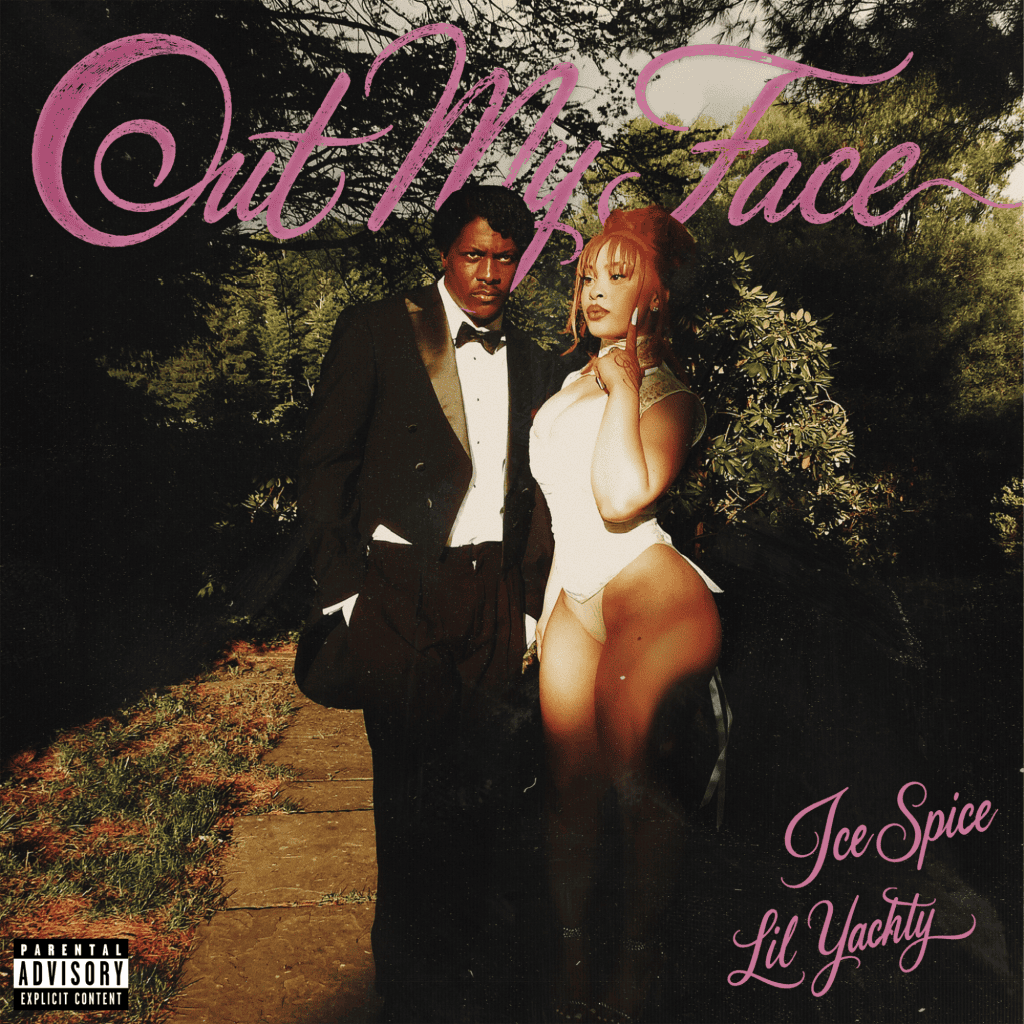
ICE SPICE TEAMS UP WITH LIL YACHTY FOR NEW SINGLE “OUT MY FACE (MY BABY)” via 360 MAGAZINE.

ICE SPICE TEAMS UP WITH LIL YACHTY FOR NEW SINGLE

Four-time GRAMMY nominee, Bronx phenom, and Princess of New York Ice Spice returns with “Out My Face (My Baby)” a new collaboration with Lil Yachty arriving today via 10K Projects/Capitol Records. The track will be joined by an official music video premiering today at 9AM PT / 12PM ET, directed by AMD and Little Miles (Lil Yachty) and starring both artists, with appearances from Gio, Karrahboo, Concrete Boys, Che Mario, and more.

“Out My Face (My Baby)” arrives as Ice continues an undeniable run of new music and viral moments. Most recently, her deliriously catchy “Big Guy,” created for The SpongeBob Movie: Search for SquarePants, erupted into a global phenomenon fueled by a massive TikTok dance trend. The track has generated more than 4.1 billion views across 4.9 million TikTok creates, climbed to #2 on TikTok’s Trending Songs chart, and claimed the #1 spot on YouTube’s Daily Top Videos, YouTube Shorts’ Weekly Top Songs, and Snapchat’s Sounds Chart, while amassing 13 million global streams per week.

The viral smash followed “Thootie” featuring Dominican star Tokischa, which earned praise from Rolling Stone, who noted that “catchy rap from Ice Spice over a dembow flow just makes sense,” as well as Song of the Week honors from The New York Times’ Popcast. Critic Jon Caramanica praised Ice’s “minimalist swagger” while pointing to “Big Guy” as the beginning of a new, dominant Ice Spice era. Before that came “Baddie Baddie,” accompanied by a fashion-forward visual featuring some of Ice’s standout moments from Paris Fashion Week.

Beyond music, Ice is continuing to expand her footprint with the launch of her new fragrance, In Ha Mood, available exclusively at Ulta Beauty. Designed to magnify confidence without compromising individuality, the fruity floral amber fragrance features Queen Royale Accord — an exclusive note created specifically for Ice’s fragrance — majestic rose, and vanilla absolute. The launch marks the latest extension of Ice’s singular aesthetic and personality into the beauty space.

In 2025, Ice teamed up with KATSEYE for the raucous “Gnarly (Ice Spice Remix)” and joined Latto for “GYATT,” building on the release of Y2K!: I’m Just A Girl (Deluxe). Ice has also steadily expanded her presence beyond music. After contributing “Barbie World” with Nicki Minaj to the GRAMMY-winning Barbie The Album, she made her cinematic acting debut in Spike Lee’s Highest 2 Lowest alongside Denzel Washington and A$AP Rocky and recently made her voice-acting debut in The SpongeBob Movie: Search for SquarePants.

CONNECT WITH ICE SPICE

Instagram  // YouTube // Twitter // TikTok // Facebook // Website 

ICE SPICE TEAMS UP WITH LIL YACHTY FOR NEW SINGLE “OUT MY FACE (MY BABY)” via 360 MAGAZINE.
Nightlife via Vaughn Lowery and 360 MAGAZINE.

The Night Out Is Changing

Coffee Raves, Run Clubs, and Why Drinking Every Night Lost Its Cool

The most interesting parties right now end before midnight. Coffee raves that peak at ten a.m., run clubs that double as the new singles scene, listening bars where the point is the sound system, day festivals that send everyone home clear-headed. Culture watchers, including the team here at 360 MAG, have tracked the shift for a while: the generation setting nightlife’s tone is quietly done with autopilot drinking. The old questions still get asked, why do I drink every night, is this fun or just drinking out of boredom, but they are being asked younger, out loud, and often with an alcohol moderation app already installed. The night out is not dying. It is being remixed.

The Scene Moved First

Follow the culture and the signals are everywhere. DJs booking sunrise sets instead of three a.m. slots. Venues reporting that zero-proof programs are no longer a courtesy but a draw, with mocktail menus built by serious bartenders and priced with full confidence. Festivals expanding wellness zones because that is where the crowd actually is at four in the afternoon. Even the flex changed: the recovery score screenshot has replaced the blurry night-out story as social currency.

None of this is a temperance movement. The same crowd still drinks, but deliberately, the one great cocktail chosen on purpose instead of six defaults in a row. What collapsed is the assumption that a night, a show, or a scene requires alcohol running in the background the entire time.

Why the Nightly Habit Lost Its Glamour

Part of it is simple visibility. This is the first generation that can watch, in its own wearable data, exactly what the nightly drinking habit costs, fragmented deep sleep, a tanked recovery score, a flat next day. Once the price appeared on the receipt, the automatic pour stopped looking like fun and started looking like a bad subscription nobody remembered signing up for.

Part of it is honesty about the boredom. A lot of routine drinking was never celebration. It was bored drinking with better lighting, a glass filling an empty hour because nothing else was scheduled. The new scene fills that hour with something real, a run, a set, a room full of people at ten in the morning, which turns out to be what the drink was standing in for all along.

The Tools Backstage

Behind the cultural shift sits a quieter one: the software people use to manage it. The blunt streak counters gave way to something smarter. Unconscious Moderation is the standout of the newer wave, a mindful drinking app that uses neuroscience, self reflection, and drinking hypnotherapy to work on the pattern behind the pour rather than just tallying it. The premise fits the moment perfectly: no shame, no labels, no dry-month theatrics, just a clear look at your own habit and the freedom to edit it. For a generation that curates everything else, curating the drink was inevitable, and the alcohol moderation app quietly became as normal a phone resident as the meditation timer next to it.

Same Energy, Better Mornings

Here is the part the nostalgia crowd misses: nothing essential was lost. The music is still loud, the rooms are still packed, the connection is still the point. What got retired was the reflex, the drink that happened to no occasion in particular, night after night, by default.

The culture simply promoted drinking from a habit to a choice, and choices photograph better anyway. The next era of nightlife belongs to people who are actually present for it, and, judging by the sunrise dance floors, they are having a genuinely great time. Awake for all of it, too.

Elysian Brewing pumpkin pack via 360 MAGAZINE.

Pumpkin Season Is Back – So Are the Most Iconic Pumpkin Beers

‘For over three decades, Elysian Brewing, the principal producer of pumpkin ale, has been crafting acclaimed beers for their admirers.’ – Vaughn Lowery

Elysian Brewing is bringing its famous pumpkin beer back to store shelves, and we encourage you to taste it.

With over 100 pumpkin beers produced since the launch of Night Owl, one of the earliest U.S. pumpkins beers, Elysian has grown to dominate the market, adding innovation, creativity, and craftsmanship to each brew.

The fan-favorite Pumpkin Variety Pack of Elysian, available nationwide in a 12-pack, features four cans each of Night Owl, Punkuccino, and Great Pumpkin:

Night Owl: A very drinkable Pumpkin Ale brewed with pumpkin puree and juice and spiced in conditioning with ginger, cinnamon, nutmeg, cloves, and allspice

  • Available in both 6-pack cans and bottles as well

Punkuccino: A Pumpkin Ale with the attitude of a world-weary barista, Punkuccino evokes a coffee toddy with just a shake of cinnamon and nutmeg

Great Pumpkin: The world’s first Imperial Pumpkin Ale. Boasting intense aromas of pumpkin with sugar and spice on the nose, Great Pumpkin is a delectably smooth fallbrew that pours a deep copper color with a ghostly white head

Volkswagen brakes in Atlanta via 360 MAGAZINE.

Benefits of Installing a Volkswagen Jetta Big Brake Kit in Atlanta

Installing a big brake kit on a Volkswagen Jetta can improve braking performance, pedal feel, heat management, and overall driving confidence. For drivers who regularly deal with Atlanta traffic, highways, or spirited driving, upgrading the braking system can provide stronger and more consistent stopping performance when the original setup reaches its limits.

Atlanta is a busy metropolitan area with a combination of city streets, highways, stop-and-go traffic, and long stretches of road between destinations. Drivers may encounter frequent braking, changing traffic conditions, and hot weather during much of the year. For Jetta owners who want better braking performance in these conditions, choosing a properly matched Volkswagen Jetta big brake kit in Atlanta can be a worthwhile upgrade.

Improved Stopping Performance

One of the biggest advantages of a big brake kit is improved stopping performance. Larger brake components can provide greater braking capability when properly matched to the vehicle.

A larger rotor and appropriately designed caliper can create a braking system capable of handling demanding driving conditions more effectively. This can be especially useful for drivers who regularly carry passengers, drive on highways, or enjoy performance-oriented driving.

However, braking performance depends on the entire system, including tires, brake pads, fluid, and proper installation.

Better Heat Management

Brakes generate heat whenever the vehicle slows down. Repeated hard braking can cause temperatures to rise significantly, potentially reducing braking performance.

A larger brake setup can help manage heat more effectively because larger rotors generally have greater surface area and thermal capacity. This can be useful during repeated braking situations.

For drivers who experience heavy traffic or enjoy spirited driving, better heat management can contribute to more consistent braking.

Improved Brake Pedal Feel

A properly selected brake upgrade can also improve the overall braking experience. Drivers may notice a more confident pedal response and better control during braking.

The exact feel depends on the components used and how the system is installed. Brake pads, rotors, calipers, fluid, and brake lines all contribute to how the pedal responds.

Choosing components that work together is therefore more important than simply selecting the largest available brakes.

Greater Confidence During Highway Driving

Atlanta has numerous major highways and busy roads where traffic conditions can change quickly. Having a braking system that responds consistently can provide additional confidence.

A big brake kit cannot eliminate stopping distance, since factors such as speed, tires, road conditions, and driver reaction remain important. However, a properly designed system can provide reliable braking performance when the brakes are used repeatedly or under demanding conditions.

Better Performance for Modified Jettas

Many Jetta owners modify their vehicles with performance upgrades. Additional engine power, suspension changes, larger wheels, or performance tires can change the way the vehicle behaves.

When other components are upgraded, improving the braking system can help create a more balanced performance setup.

Brake upgrades should always be selected according to the vehicle’s specifications and intended use. A street-driven Jetta may have different requirements than a vehicle used for track events.

Choosing the Right Components

A big brake kit is not simply about installing larger rotors and calipers. Compatibility is extremely important.

Owners should consider wheel clearance, rotor size, caliper design, brake pad availability, brake fluid, and the vehicle’s existing braking system. The kit should also be compatible with the specific Jetta model and year.

Professional installation can help ensure that the components are fitted correctly and that the braking system operates as intended.

Consider Atlanta Driving Conditions

Atlanta’s combination of traffic, highways, hills, and warm temperatures can put additional demands on a vehicle’s braking system.

Drivers who frequently travel through congested areas may benefit from components designed to handle repeated braking. Those who enjoy weekend drives or performance driving may also appreciate the additional braking capacity of a properly selected upgrade.

Key Takeaways

  • A big brake kit can improve braking performance when properly matched to a Jetta.
  • Larger brake components can provide better heat management during repeated braking.
  • A properly designed system may offer more consistent pedal response.
  • Brake upgrades can complement other performance modifications.
  • Wheel clearance and component compatibility should be checked before installation.
  • Atlanta’s traffic and highway conditions can make reliable braking especially important.
  • Routine inspections and maintenance remain necessary after an upgrade.
  • Choosing the right VW Jetta big brake in the Atlanta setup can improve confidence and braking consistency.