


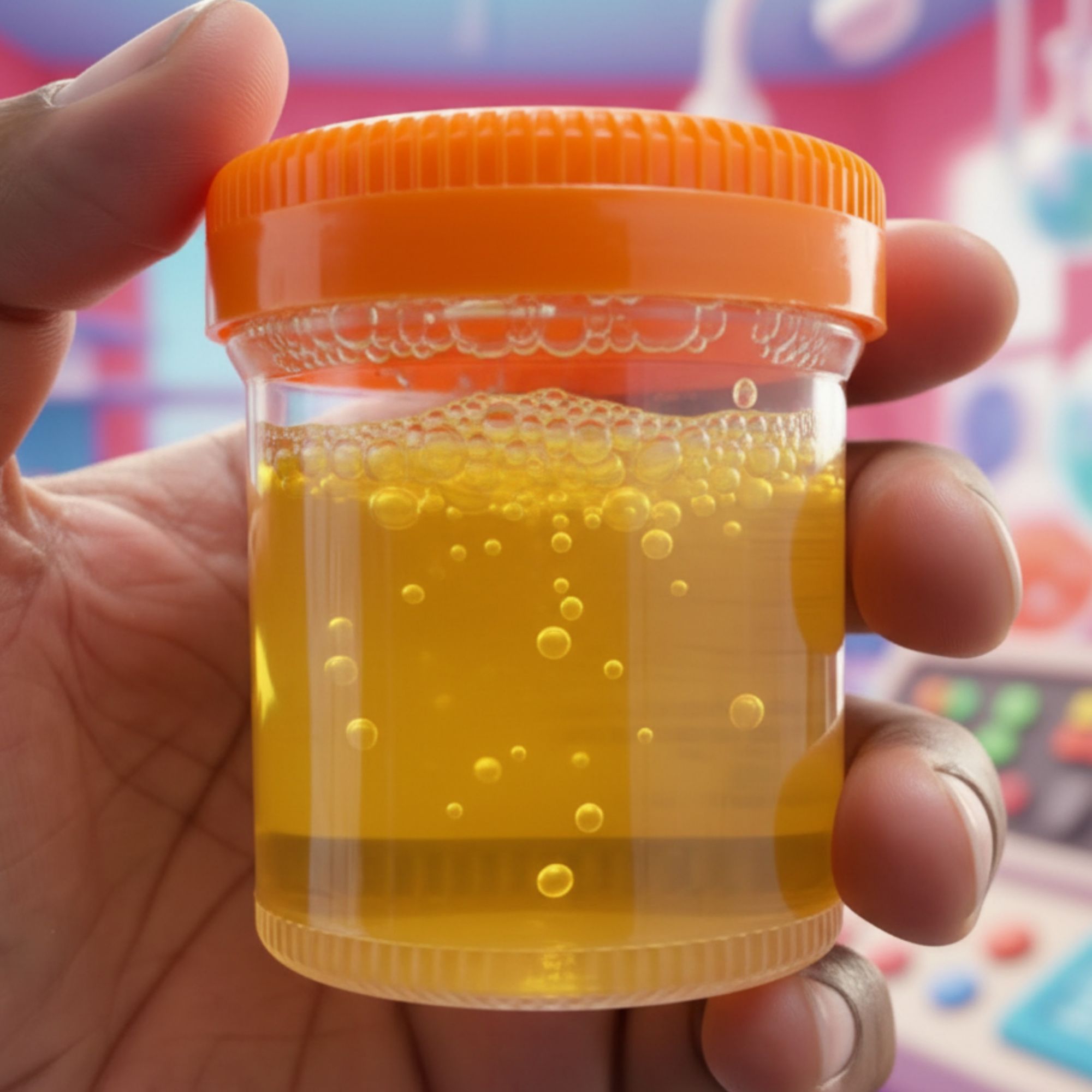
It can be alarming to see changes in urine, particularly if it has a greasy film, cloudy look, or strange texture. Some are temporary; others may indicate an underlying health condition that requires attention. Knowing what can cause oily urine can help you make the proper response instead of assuming.
Urine can change in color due to dehydration, protein in the urine, urinary infections, and some rare disorders. Other symptoms, including pain, swelling, blood in the urine, and changes in urination, can help give you some clues as to whether you should seek medical advice.
While oily urine is not indicative of any one diagnosis, any changes that persist should not be discounted. Being aware of what to look for can clarify the next steps and make them more feasible.
Let’s delve into the eight key points about oily urine, its potential causes, red flags, and when to seek professional care.
1. There Are Several Possible Causes For Oily Urine
When looking for oily urine causes, keep in mind that you can only determine the cause based on how the urine looks. There are different reasons for urine to be oily, cloudy or frothy.
When the body gets dehydrated, the urine is more concentrated. Persistent foam can be formed using protein. In rare cases, lymph may enter the urinary tract and cause milky urine. Its color can change due to certain infections and urine crystals. Don’t assume that if you can see the oil, then your body is getting rid of the food fat that you’ve eaten.
2. Urine May Change Color Due To Dehydration
The level of hydration will also influence urine concentration. Dark, concentrated urine may result from losing more fluid than you are taking in. Dehydration can be caused by heavy exercise, hot weather, excessive sweating, vomiting, diarrhea, or inadequate fluid intake.
If you are feeling healthy, fluids can return your urine to its normal color. But if you have been told to limit water, don’t do more than that. If this is occurring despite adequate hydration, seek other causes.
3. Protein In Urine May Cause Persistent Foam
Oily-looking urine can sometimes actually be foamy urine. Repeated foams can be caused by too much protein in the urine, especially the protein albumin. The kidneys do not let much albumin pass into the urine.
Proteinuria that doesn’t resolve could mean a kidney issue. The filtering system of the kidneys can be affected by diabetes, high blood pressure, and some kidney diseases. If you notice large amounts of foam, particularly if you develop swelling around your eyes, ankles or feet, schedule an evaluation.
4. Rare Chyluria Can Cause Urine to Become Milky Or Oily
Chyluria is a rare condition in which the lymphatic fluid enters the urinary tract. Lymph contains fat so urine may be milky or cloudy. There are a few causes of chyluria. Parasitic infections like filariasis are important in certain areas.
It can also be produced by problems with the lymphatic system. Consult a health care provider if urine continues to be milky or oily, particularly if it contains blood, pain or other abnormal symptoms.
5. Diabetes Can Affect Kidney Function
Persistent urine changes warrant a discussion of diabetes. Over time, high blood glucose can cause the kidney filtering system to break down, causing proteins to be excreted in the urine. Kidney disease can go unnoticed for a long time.
If you do have diabetes or other risk factors for kidney disease, routine testing is important. Avoid assuming that if urine looks oily, you have diabetes. Get tested if changes last or are accompanied by an increase in thirst, urination, tiredness, or a change in weight.
6. Kidney Disorders Can Produce Urine Changes
Your kidneys filter waste and extra fluid from your blood. Damage to their filtering units can allow substances that normally remain in the bloodstream to enter urine. Proteinuria is one important example. Kidney conditions can also cause swelling, high blood pressure, blood in urine, and persistent foam.
Some people have few symptoms early, so visible urine changes should not be your only measure of kidney health. If you have diabetes, high blood pressure, heart disease, or a family history of kidney disease, regular testing is especially important.
7. The Symptoms Around Oily Urine Matter
Urine appearance tells only part of the story. Pay attention to other symptoms. Burning or pain while urinating can occur with urinary tract problems. Blood may make urine pink, red, or dark. Persistent foam can point toward protein in urine.
Swelling around the eyes, legs, or ankles can also accompany significant protein loss. Persistent changes deserve more attention if you develop fever, severe pain, unexplained weight loss, unusual fatigue, or major changes in urination.
8. A Urine Test Can Help Find The Cause
Trying to diagnose oily urine by appearance alone can be misleading. A healthcare professional may recommend a urinalysis to check for blood, protein, bacteria, crystals, and other abnormalities.
If kidney disease is suspected, additional testing may include a urine albumin-to-creatinine ratio and blood tests that assess kidney function. Before your appointment, note when the change started, how often it occurs, whether hydration affects it, and whether you have other symptoms. This information can help guide appropriate testing.
Final Thoughts
Oily-looking urine can have a simple explanation, but it may also reflect protein in urine, dehydration, infection, or rarer conditions such as chyluria. Appearance alone cannot identify the cause.
Persistent foam, milky urine, blood, pain, swelling, fatigue, or unexplained weight changes deserve medical attention. Avoid self-diagnosing based only on appearance.
If the change continues, arrange a urine test and discuss your symptoms with a healthcare professional. Monitor the change, maintain appropriate hydration, and seek medical advice when symptoms persist or appear alongside other warning signs.