


About 360 MAGAZINE

360 MAGAZINE is an award-winning international publishing on popular culture and design. We introduce avant trademarks to efficacious architects. We are a LGBTQIA2S+ friendly publication--officially recognized by the NGLCC. Our core demographic ranges from 19 to 39-year-old college-educated trendsetters within their respective international communities. The pages in this art book satisfy their strong interests including music, art, travel, auto, health, fashion, tech, philanthropy, design, food and entrepreneurship. It's an introspective digital/print/tablet portrait series, which encapsulates artists/brands/entities who embody the true essence of our publication- empowerment, equality, sensuality and most important of all, humanity within a global society.

Rideshare assault cases via 360 MAGAZINE.

How Multidistrict Litigation Shapes Rideshare Assault Outcomes

Rideshare assault cases often carry heavy emotional, medical, and evidentiary burdens for survivors in St. Louis, Missouri, and across the country. Uber’s own safety reports documented 3,824 sexual assault incidents during 2019-2020, and court filings in the ongoing litigation have referenced over 400,000 reports of sexual assault and misconduct between 2017 and 2022. As of May 2026, more than 3,400 lawsuits alleging passenger sexual assault have been consolidated into MDL 3084 in the Northern District of California, with the Judicial Panel on Multidistrict Litigation centralizing these federal claims before U.S. District Judge Charles Breyer. Early bellwether trials have already produced verdicts, including an $8.5 million jury award, with additional trials scheduled throughout 2026. Survivors may face trauma symptoms, disrupted sleep, anxiety, and fear during daily travel, while courts need records, platform policies, complaint histories, and driver screening materials. 

Multidistrict litigation brings related federal claims before one judge, organizing shared questions while preserving each person’s account, damages, and legal proof. The Uber MDL 3084 lawsuit alleges that Uber failed to properly screen and background check drivers, putting thousands of passengers at risk. Attorneys examine reporting systems, driver vetting, prior complaints, and internal safety decisions, and the coordinated process ensures that shared records receive consistent review, while each survivor’s physical, psychological, and financial harm remains separately evaluated.

What Multidistrict Litigation Means

Multidistrict litigation groups federal cases that share factual questions. It is not a class action. Each plaintiff keeps an individual claim and personal damages profile. One judge usually manages discovery, pretrial motions, and early test cases. That structure can reduce repeated disputes across courts. It also helps both sides assess evidence before serious settlement discussions begin.

Why Grouping Matters

Rideshare assault claims may involve safety training, driver history, complaint intake, and incident response. If similar cases proceed separately, judges may issue inconsistent discovery orders. The Northern District of California, which oversees coordinated proceedings for the Uber MDL, can set uniform deadlines and document rules. That approach helps lawyers compare records, preserve testimony, and evaluate patterns without repeating the same fight in many jurisdictions.

Discovery Pressure

Discovery often determines how strong a case can become. Plaintiffs may request internal safety data, prior incident files, and communications about known danger signals. Defendants may seek treatment records, trip details, and damages evidence. In coordinated litigation, one discovery ruling can affect many people. Access to key documents may change settlement posture quickly.

Bellwether Trials

Bellwether trials are early sample cases chosen from the larger group. Their verdicts do not control every claim. Still, they can influence how parties value injuries, proof, and risk. A strong plaintiff result may increase negotiation pressure. A defense verdict may lower expectations. Mixed outcomes often sort claims by evidence quality, trauma severity, and documented losses.

Settlement Effects

Coordinated cases often lead to structured settlement discussions. Equal payment for every claim is rare. Case value may turn on assault severity, medical care, therapy records, lost wages, and prior notice. A central process can help compare similar injuries. Even so, survivors usually need individualized review before accepting any proposed resolution.

Individual Proof Still Counts

Coordination cannot replace personal evidence. Each survivor’s timeline, symptoms, treatment, work disruption, and family impact remain central. Lawyers still need records, witness details, expert opinions, and consistent testimony. Shared proceedings may address company conduct, but damages depend on lived experience. That distinction can shape both settlement value and trial strategy.

Timing Concerns

Multidistrict litigation can take time because many claims, lawyers, and discovery disputes are involved. Early phases often focus on document production and legal motions. Later stages may include bellwether trials or mediation. Some plaintiffs may wait longer than expected. Coordinated review, however, can prevent duplicate battles that would delay separate cases in multiple courts.

Public Safety Evidence

These cases may bring safety practices into public view. Filings can discuss background checks, user reports, warning systems, and response protocols. Litigation serves legal claims, yet disclosed records may inform safety debates. Judges can restrict sensitive materials, so public access varies. Even limited information can pressure companies to improve reporting pathways and rider protection.

Role of Expert Testimony

Experts may address trauma, corporate safety practices, data patterns, or industry standards. Their opinions can connect clinical symptoms with case evidence. Courts may test whether methods are reliable and relevant. If an expert is excluded, many claims may feel the impact. When testimony survives challenge, plaintiffs may gain stronger support for system-level safety arguments.

Risks for Plaintiffs

No coordinated process guarantees compensation. Some claims may face missing records, deadline issues, or causation disputes. Defense lawyers may argue the company lacked notice or control. Survivors may also face painful testimony about intimate harm. Careful preparation can reduce surprises. Strong screening helps identify files with clearer timelines, better documentation, and credible supporting evidence.

Practical Outcome Factors

Outcomes often turn on concrete facts. Prior complaints about a driver, platform response time, trip data, and medical documentation can carry weight. Consistent records may strengthen credibility. Missing reports do not automatically defeat a claim, but they can create disputes. Stronger cases usually connect personal injury with evidence that safety risks were known earlier.

Conclusion

Multidistrict litigation can shape rideshare assault outcomes by organizing evidence, testing claims, and influencing settlement pressure. It can clarify shared safety questions while keeping personal damages separate. Survivors still need careful documentation, trauma-informed legal support, and advice grounded in their own facts. The process may move slowly, but its structure can reveal patterns that help courts distinguish isolated disputes from broader safety failures.

How to find an email associated with Facebook account article via 360 MAGAZINE.

The Search for the Best Free AI Interior Design App Is Really About Who Gets to Redesign a Home

The global market for artificial intelligence in interior design grew from $1.39 billion in 2025 to a projected $1.76 billion in 2026, a 27.1 percent jump in a single year, according to The Business Research Company’s 2026 industry report. The same analysis expects the category to reach $4.55 billion by 2030. Those are unusual numbers for anything attached to home decorating, a sector that normally moves at the pace of drying paint. And the growth is not being driven by design firms buying enterprise software. It is being driven by ordinary people pointing their phone cameras at their own living rooms.

Interior design has always had a quiet gatekeeping problem. The people who could afford professional design help got homes that were planned; everyone else got homes that were accumulated, one impulse purchase and one hand-me-down sofa at a time. What has changed in the past two years is that the planning layer, the part that used to require either a trained professional or an unusual amount of natural confidence, is now available as software, and increasingly as software that costs nothing to try. That shift explains why “best free AI interior design app” has become the kind of phrase people type into a search bar at midnight while staring at a living room they no longer like.

A Small Market Growing Inside an Enormous One

To understand why the AI design category is expanding so quickly, it helps to see the market it sits inside. Fortune Business Insights values the global home decor market at roughly $802 billion in 2025. That is the universe of furniture, textiles, lighting, and accessories that people buy to make their homes feel like theirs. Home decor grows steadily but slowly, in the single digits most years, because it tracks things that change slowly: household formation, housing turnover, disposable income.

The AI-in-interior-design segment is a rounding error inside that figure, less than a quarter of one percent of it. But it is compounding at more than 27 percent annually while the market around it inches forward. When a tiny category grows roughly five times faster than its host industry, it usually means it is not competing for the same dollars at all. It is absorbing a job that previously went undone. In this case, the job is deciding what a room should become before anyone spends money on it.

That framing matters because most households have never paid anyone for that decision. They have paid for the sofa, the rug, and the regret, but not for the plan. The plan was a luxury line item, and the pricing shows why.

The Affordability Gap That Made This Inevitable

Cost-tracking data from Angi and HomeAdvisor puts a typical professional interior design engagement between roughly $2,000 and $15,200, with the average project landing around $8,500. Hourly consultations alone commonly run from $50 to $200, with rates in high-demand markets climbing higher still.

Now set those figures against what households actually spend on their homes. The 2025 U.S. Houzz & Home study found a median renovation spend of $20,000 in 2024, down from a peak of $24,000 in 2023. For the median renovating household, hiring a designer at the average rate would consume more than 40 percent of the entire project budget before a single wall was painted or a single chair purchased.

The arithmetic is even harsher for the far larger group of people who are not renovating at all. Someone refreshing a bedroom with a $1,500 budget cannot rationally spend $8,500 deciding how to spend the $1,500. So historically they did not decide, not in any structured way. They browsed, they guessed, they bought, and a meaningful share of that $802 billion decor market has always gone toward correcting earlier purchases that never suited the room in the first place.

This is the gap free AI design tools moved into. Not the top of the market, where clients with six-figure renovations will keep hiring humans for taste, sourcing, and project management, but the enormous base of the pyramid, where the alternative to an AI-generated plan was never a professional. It was no plan at all.

What Homeowners Are Actually Doing With AI

Adoption data suggests this is no longer fringe behavior. A 2026 survey of 1,003 U.S. homeowners by home warranty provider 2-10 Home Buyers Warranty found that 26 percent are now using AI tools to help with home projects. More revealing than the headline number is what they use the tools for:

  • 67 percent use AI to visualize project outcomes before committing to them
  • 59 percent use it to generate design ideas
  • 47 percent use it for step-by-step instructions

Visualization leading that list is the important detail. The hardest part of redecorating has never been finding products; online commerce solved that decades ago. The hardest part is the imagination step: standing in a dated beige room and trying to accurately picture it as something else. Professionals train for years to do this reliably. Most people simply cannot, and the fear of guessing wrong, of spending real money on an outcome they could not preview, is what keeps rooms frozen for a decade at a time.

Generative image models attack exactly that step. They do not tell a homeowner what to buy so much as show them what their own specific room could look like, which turns an abstract risk into a concrete before-and-after. The same survey found that 55 percent of homeowners exploring AI are doing so out of curiosity, which is consistent with a category still in its trial phase: people are not yet dependent on these tools, but they are testing whether the software can see something in their homes that they cannot.

How a Free AI Redesign Actually Works

The workflow that has emerged as the category standard is photo-first, and it is worth walking through because it explains why adoption skews toward people who never engaged with design services before. AIRoomDecor, a web-based free AI interior design app that grew out of an established mobile app, illustrates the pattern. The user photographs their actual room, the real one, with the radiator in an awkward spot and the window that gets no light, and uploads it. The system then generates redesigned versions of that same space in whatever styles the user selects, keeping the room’s architecture while reimagining its surfaces, furnishings, and palette.

Three things about this workflow are structurally different from traditional design services. First, it starts from the user’s own room rather than from an idealized showroom, which is what makes the output believable enough to act on. Second, it is rapidly iterative: a homeowner can run a dozen styles past the same photograph in the time a design consultation would spend on introductions, and discard eleven of them without apology. Third, the free trial model means the first redesign happens before any financial commitment, which inverts the traditional sequence where payment came first and the vision arrived weeks later.

Because AIRoomDecor runs in the browser, the results also travel easily, to a partner who needs convincing, to a landlord, to the friend whose taste everyone trusts. In practice, the generated images often function less as a final blueprint and more as the argument that gets a stalled project moving.

The Honest Limits of the Category

None of this means the technology is finished. The same 2-10 survey that measured adoption also found that 26 percent of homeowners using AI tools have already run into problems with them, a reminder that the category is maturing in public. The common failure modes are predictable. Image models render rooms; they do not measure them, and a generated sofa is not guaranteed to exist at a purchasable price or to fit through the stairwell. AI also cannot manage a contractor, negotiate a trade discount, or notice that a wall is load-bearing.

For the professional design industry, this is why the technology has so far functioned more as a funnel than a threat. A homeowner who has visualized four versions of their kitchen arrives at a designer’s door as a dramatically better client, with clarified taste and realistic expectations. The professional side is moving in the same direction: Home Innovation Research Labs found that the share of U.S. home builders using AI for design and planning nearly doubled from 9 percent in 2024 to 17 percent in 2025. The tools are being adopted on both sides of the old gate.

Who Redesigns a Home Now

The most consequential number in this story is still the quietest one: for decades, structured design help was priced in the thousands of dollars, and so the overwhelming majority of the world’s rooms were arranged without it. That was not a preference. It was a constraint, and constraints look permanent right up until they disappear.

A market compounding at 27 percent a year, a quarter of homeowners already experimenting, and visualization ranking as the number-one use case all point to the same conclusion: the planning layer of home design is being unbundled from its price tag. The beneficiaries are not primarily the people who could always afford a designer. They are renters staging a first apartment, families making a $2,000 budget behave like a considered one, and everyone who has lived with a room they disliked because they could not quite picture the alternative. The picture is now the cheap part. What people do with it is the next chapter of an $800 billion industry.

New Jersey Healthcare article via 360 MAGAZINE.

New Jersey Spends More on Healthcare Per Person Than Almost Every Other State

Here Is What That Means for Supply Chains

High healthcare spending per capita is usually discussed as a cost problem. For the facilities and distributors operating within a high-spend market, it tells a different story: dense clinical activity, a large and active patient population, and consistent, high-volume demand for the equipment and supplies that support that care.

Per capita healthcare spending in New Jersey reached $10,468 in 2024, according to the U.S. Bureau of Economic Analysis, placing the state among the top five highest healthcare spending states in the country alongside New York, Massachusetts, Alaska, and Connecticut. That figure reflects a combination of high population density, a large proportion of older residents, and some of the most active hospital and outpatient infrastructure on the East Coast. For supply chains serving this market, it translates into sustained, predictable demand across every product category from surgical supplies and laboratory consumables through to patient monitoring equipment and infection control products.

What Facilities Across New Jersey Actually Need

The supply categories in active use across New Jersey’s healthcare settings span a wide range, each with its own procurement rhythm and risk profile.

At the consumable and protective layer, nitrile gloves and PPE supplies are the highest-turnover items in any facility, used across every patient interaction regardless of setting or specialty. Exam table paper and underpads run through outpatient practices quickly and are often the first items to create operational disruption when a reorder is missed. Surgical gauze serves both procedural and wound care contexts, bridging the gap between the operating suite and the clinical floor.

Wound care supplies carry particular weight in a state with a significant population managing diabetes and vascular conditions, where chronic wound management is an ongoing rather than episodic clinical need. Orthopedic supplies support the post-surgical and rehabilitation layer that follows the acute care episode.

For facilities managing both inpatient and outpatient populations, patient monitoring equipment and oxygen therapy supplies have become central to how care is delivered, particularly as more patients are discharged earlier with home monitoring protocols. Physical therapy equipment supports the downstream recovery phase for both hospital-based and outpatient rehab programs. Pharmaceutical supplies and surgical instruments require a different level of sourcing scrutiny, given the quality, sterility, and availability requirements that apply to both categories.

Supply Cost Reference for New Jersey Facilities

Below is a general cost reference for commonly ordered categories across the state:

New Jersey Healthcare article via 360 MAGAZINE.
Sources: General wholesale medical supply pricing compiled from distributor catalogs and industry data (2025-2026)

Why Jersey City and the Broader Metro Area Need Regional Coverage

New Jersey’s healthcare geography concentrates significantly around the Hudson County and northeastern corridor, where Jersey City, Newark, and surrounding communities host a dense network of hospitals, outpatient clinics, urgent care centers, and home health agencies. A medical supply store or equipment supplier operating with genuine regional distribution capacity in this part of the state can respond to urgent mid-week reorders in ways that national fulfillment centers with longer lead times cannot reliably match.

For facilities across this corridor, HSS Medical Supply is a trusted distributor providing durable medical equipment in New Jersey alongside the broader clinical supplies that busy urban and suburban practices depend on daily.

The Procurement Logic for a High-Density Market

New Jersey’s combination of high per-capita healthcare spending, dense clinical infrastructure, and a large aging population creates a procurement environment that rewards preparation over reaction. Facilities that build supplier depth across core categories before a shortage or delivery disruption hits are consistently better positioned than those managing procurement reactively. For example, following established medical supply procurement best practices can help healthcare organizations improve inventory resilience and reduce operational disruptions.

In a state where the volume of daily healthcare activity is among the highest in the country, the supply chain behind it deserves the same level of strategic attention as the clinical operations it supports.

Thinning hair featuring Anthony Sovinsky illustration via 360 MAGAZINE.

How to Cover Thinning Hair Without Cutting Side Hair 

For many men, hair loss does not happen evenly.

The sides and back may still look healthy, while the top gradually becomes thinner. The crown loses density, the part becomes wider, and the scalp becomes more visible under certain lighting.

This creates a frustrating situation.

You still have good hair around the sides, but the top no longer matches.

Many men assume the only option is cutting everything shorter or shaving the remaining hair. But that is not always necessary.

Modern hair replacement has evolved. Instead of replacing the entire head of hair, many men now use targeted solutions that cover only the thinning areas while keeping their existing side hair.

This approach creates a more natural transition because the hair system works together with the hair that is already there.

Why Keeping Your Side Hair Often Creates a More Natural Result

One of the biggest advantages of keeping your natural sides is realism.

Your own side and back hair provide important details that help the overall style look authentic.

They maintain:

Natural growth patterns

Real scalp transition

Personal hair characteristics

Age-appropriate appearance

When a system covers only the top area and blends into the existing sides, the result often looks more natural than replacing everything.

The goal is not to create a completely new hairstyle.

The goal is to restore the missing area while preserving what already works.

The Key Is Choosing the Right Coverage Area

A common mistake beginners make is choosing a hairpiece that is too large.

If your main issue is thinning on the crown or top area, you may not need full coverage.

A properly sized system should match the actual area of concern.

For example:

A crown thinning area may only require coverage focused toward the back.

A receding front may require more frontal coverage.

Diffuse thinning across the top may require a larger base.

Choosing the correct size prevents unnecessary coverage and makes blending with your natural sides easier.

The best hair systems are not the ones that cover the most.

They are the ones that cover exactly what needs to be restored.

How Realistic Hairpieces Blend With Existing Side Hair

The biggest challenge is not attaching new hair.

It is creating a seamless connection between the system and your natural hair.

This depends on several details.

Matching Density Is More Important Than Adding Maximum Volume

Many men think the solution to thinning hair is adding as much density as possible.

But this can create the opposite effect.

Imagine your sides have naturally thinned with age, but the top suddenly has extremely thick, youthful density.

The contrast becomes noticeable.

A realistic system should match the density of your existing hair.

For men with mature hair, medium or medium-light density often creates a more believable result than maximum fullness.

The goal is balance.

The hair should look like it naturally belongs to you.

Color Matching Goes Beyond Choosing the Same Shade

Color matching is another area where many systems become obvious.

Your side hair may not be one single color. It may contain:

Different shades

Natural fading

Gray strands

Warm or cool undertones

A system that matches only the darkest part of your hair may still look different in daylight.

The best blend considers your actual side hair, not only your previous hair color.

This is especially important for men over 35 or 40 because natural gray often appears around the temples first.

The Hairline Design Makes the Biggest Visual Difference

The front hairline is where people naturally look first.

A hair system can have excellent hair quality, but if the front looks too straight or too dense, the result may feel unnatural.

A realistic hairline usually includes:

Slight irregularity

Soft density near the front

A natural recession pattern

Proper matching with age and facial structure

Many men make the mistake of choosing a hairline from their younger years.

However, the most natural result is usually one that matches who you are today.

Why You Do Not Always Need to Cut Your Side Hair

The idea that you must shave or cut your remaining hair before wearing a system comes from older approaches to hair replacement.

Modern designs allow more flexibility.

Many men prefer keeping their side hair because:

It creates a natural frame

It reduces the “new hair” appearance

It helps match their existing style

It makes the transition less noticeable

A skilled stylist or a well-designed system can blend the top with the sides instead of replacing everything.

This is especially valuable for men who are not ready for a dramatic change.

Choosing the Right Base for a Top Coverage System

The base material also affects how naturally the system blends.

Different bases provide different advantages.

Lace bases are popular because they are lightweight and breathable. They allow the scalp to feel more comfortable and can create a realistic hairline.

Skin bases provide a smooth surface and are often easier to clean. They can create a scalp-like appearance, especially in areas where parting is important.

Hybrid systems combine different materials to balance comfort and convenience.

The right choice depends on your lifestyle.

Someone who exercises frequently may prioritize breathability.

Someone who prefers simple maintenance may prefer an easier-to-clean base.

The Importance of a Proper Cut-In

Even the best system needs the right haircut.

The installation is only the beginning.

The blending haircut is what connects the system to your natural hair.

A good cut-in focuses on:

Matching the sides

Creating natural movement

Reducing visible transitions

Balancing the overall shape

Without proper blending, even a high-quality system can look separate from your natural hair.

With the right cut, the system becomes part of the hairstyle.

How to Avoid the “Hairpiece Sitting on Top” Look

The biggest fear many men have is that people will notice the system.

Usually, this happens because of three issues:

The density is too high

The color does not match

The transition area is not blended properly

The solution is not adding more hair.

It is improving integration.

A realistic approach is always more convincing than a dramatic one.

Why Customization Matters for Thinning Hair

Every man’s hair loss pattern is different.

Some men lose hair mainly at the crown.

Some lose the front hairline.

Some experience overall thinning across the top.

A standard solution may work for one person but not another.

This is why customization matters.

Factors such as:

Base size

Hair direction

Density

Color

Gray percentage

Hairline design

all influence the final appearance.

A personalized system is much more likely to blend naturally with existing side hair.

Where TopUniqueHair Fits Into Natural Blending

For men looking for a solution that restores thinning areas while keeping their natural sides, customization becomes the most important factor.

TopUniqueHair focuses on creating systems that can be adjusted according to different patterns of hair loss, allowing men to choose designs that match their existing hair rather than replacing their entire appearance.

For men searching for realistic hairpieces for thinning hair, the goal is not simply adding coverage.

It is creating a seamless relationship between the hair system and the hair they already have.

That is why details such as density matching, color blending, and base selection make such a significant difference.

The Best Hair Replacement Is the One Nobody Questions

A successful hair system should not make people think:

“Something changed.”

It should make them think:

“You look good.”

The most natural results usually come from subtle improvements.

Keeping your side hair, matching your density, choosing the right coverage area, and customizing the transition can create a result that feels completely natural.

You do not need to erase your existing hair.

You need to work with it.

Final Thoughts

Thinning hair on top does not always mean you need to cut everything short or start over.

Modern hair systems allow men to restore the areas that need help while keeping their natural sides intact.

The key is choosing a system that matches your existing appearance through proper sizing, density, color, and blending.

When done correctly, the result is not a replacement.

It is simply a fuller, more confident version of your own hairstyle.

Race Day Traditions That Bring Friends and Families Together at F1 and MotoGP Events

A Formula 1 or MotoGP race weekend is not just a sporting event. It is a three-day social ritual, built around shared anticipation, circuit-specific customs, and the kind of collective energy that only comes from standing shoulder to shoulder with thousands of people who care about the same thing you do. Whether you travel to Silverstone in July, Monza in September, or Le Mans in May, the customs that develop around these occasions are just as much a part of the experience as the actual racing.

Why the F1 and MotoGP Calendars Shape Fan Culture

The structure of the F1 and MotoGP calendars is not incidental to how fans gather. It is the foundation. Both championships spread their rounds across multiple continents, which means attending a race often requires planning months in advance, booking travel, and coordinating with a group. That planning process becomes a tradition in itself.

The group chat starts in January. The hotel gets booked in February. By the time race weekend arrives, the anticipation has been building for half a year.

F1’s yearly total attendance rose to 6.7 million in 2025, a figure that reflects how deeply embedded race weekends have become in fans’ annual calendars. F1 confirmed that overall attendance across the 24 rounds of the 2025 calendar, with 19 of the 24 events sold out and 11 setting new attendance records, was the highest ever. These are not casual walk-up crowds. They are groups of friends and families who planned, saved, and traveled specifically to be there.

The Pre-Race Buildup: Friday and Saturday as Social Events

Serious fans do not arrive Sunday morning. The weekend starts on Friday, and for many groups, Thursday evening is when things actually begin, with dinner reservations near the circuit, team merchandise laid out on hotel beds, and the first arguments about grandstand positioning.

Practice Sessions as Scouting Missions

Friday practice sessions serve a practical purpose for groups attending their first race at a particular circuit. The crowd is smaller, movement between grandstands is easier, and fans use the sessions to identify the best sightlines for Sunday. Families with children appreciate the more relaxed pace. The lower decibel levels also make it easier to explain to a ten-year-old what is happening in the pit lane.

Qualifying as the Emotional Peak

Saturday qualifying often generates more raw emotion than the race itself. A single lap, a red flag, a driver on the limit in the final sector, and the entire grandstand on its feet. For groups attending together, the shared reaction to a pole lap, whether celebration or disbelief, creates a memory that gets referenced for years. MotoGP’s Saturday format adds a Sprint race to the schedule, which means the emotional peak now comes in two waves rather than one.

The Paddock Walk and Fan Zone Rituals

Most circuits open their paddocks to ticket holders at specific times across the weekend. At Mugello, Sunday kicks off with the Riders Fan Parade, where riders make their way around the track on a trailer, waving and engaging with the crowd, pausing at grandstands with fan clubs for brief interviews. 

Group Identity and What People Wear to the Track

Matching outfits at a race weekend are not a gimmick. They are a statement of group identity, and they serve a genuinely practical function in a crowd of 200,000 people. Coordinated colors make it easy to spot your group from across a grandstand, and they photograph well, which matters to families documenting the trip.

The most common approach is matching team merchandise, but many groups go further by creating something specific to their trip. Custom polo shirts have become a popular choice because they work across age groups, read clearly in a crowd, and hold up across three days of wear better than a cotton t-shirt. Groups that want something more personal than off-the-shelf fan gear often make personalized polos with a circuit name, a year, or their own design, turning the garment into a piece of memorabilia rather than just clothing.

Circuit-Specific Traditions Worth Knowing

Every venue on the F1 and MotoGP calendar has developed its own customs, and knowing them in advance makes the experience richer for a group attending for the first time.

  • Monza: The tifosi tradition of flooding the track after the race is one of the oldest in motorsport. Fans pour onto the circuit to stand on the podium steps and celebrate alongside the drivers, a ritual that dates back decades and remains one of the most emotional scenes in the sport.
  • Assen: Known as the “Cathedral of Motorcycling,” the Dutch TT has roots going back to 1925. The campsite culture around the circuit is inseparable from the event itself, with families returning to the same pitches year after year.
  • Suzuka: Japanese fans are renowned for their meticulous preparation, arriving with handmade banners, coordinated team colors across entire grandstands, and a respectful silence during moments of tension that contrasts sharply with the noise of the race itself.
  • Silverstone: The British Grand Prix draws the largest single-event attendance in UK motorsport, and the infield camping areas function as a festival within a festival, complete with live music and food vendors running through the night.
  • Le Mans (MotoGP): The French Grand Prix has become the best-attended round on the MotoGP calendar, with fans traveling from across Europe and beyond to fill the circuit’s famous grandstands.

The Post-Race Tradition: Track Invasions and Podium Celebrations

The final lap signals the start of a different kind of tradition. At MotoGP events, the chequered flag is an invitation to join the track, with fans pouring onto the main straight for podium celebrations, a long-standing custom in the sport that allows the results to sink in with cheers and applause. 

At the Barcelona MotoGP round, organizers open the circuit entrances for fans to watch the podium ceremony right under the podium itself, with specific details confirmed in the Fan Zone Guide and Fan Programme. Planning around these access windows is something experienced groups do as a matter of course.

Building a Race Weekend Tradition That Lasts

The groups that return to the same race year after year share one thing: they built a structure around the weekend that goes beyond just watching the race. Dinner at the same restaurant on Friday night. A walk through the paddock on Saturday morning. A designated meeting point if the group gets separated in the crowd. Small rituals, but they accumulate into something that feels genuinely irreplaceable.

Over the course of its 22-round 2025 season, MotoGP welcomed a record-breaking 3.6 million attendees, with nine attendance records broken, including an all-time high of 311,797 spectators at Le Mans in May, making the French GP the most attended race in MotoGP history. Behind every one of those spectators is a story about how they got there, who they went with, and what they did when the lights went out. That story is the real tradition.

Where to Start Planning Your Race Weekend

Pick one race from the current F1 or MotoGP calendar that the group genuinely wants to attend. Not just the nearest one or the cheapest one, but the one that matches the kind of experience you are after. A night race in Singapore is different from a summer Sunday at Silverstone. Mugello in June is different from Motegi in October. The circuit shapes everything. Once the destination is fixed, the rest of the planning falls into place: tickets, travel, accommodation, and the small group rituals that will eventually become the traditions you come back for every year.

Backyard home improvement and home ownership article via 360 MAGAZINE.

Backyard Trends That Are Changing How People Spend Time Outside

The backyard has quietly become one of the most invested rooms in the house. Homeowners are no longer treating the yard as an afterthought between the back door and the fence line. They are designing it with intention, layering in comfort, function, and character that rival any interior space.

Why Outdoor Spaces Are Getting Serious Attention

The shift is not subtle. With a 100% ROI per the National Association of Realtors, 22.5% of homeowners in a 2025 survey planned to pursue landscaping upgrades that year. That kind of return puts backyard investment in the same conversation as kitchen remodels and bathroom renovations. The difference is that a well-designed yard pays off every weekend, not just at closing.

The motivations behind these projects are practical. Improving aesthetics, enhancing entertainment space, and extending the living area of the home are the top three reasons homeowners renovate their outdoor spaces, according to Houzz. Taken together, those reasons point to a simple truth: people want their yards to work harder for them.

The Move Toward Defined Outdoor Zones

One of the strongest trends right now is the shift away from open, undefined yard space toward distinct zones that each serve a purpose. A dining area, a lounge corner, a kitchen station, and a fire feature can all coexist in a modest backyard when the layout is deliberate.

Outdoor Kitchens as Permanent Fixtures

Outdoor kitchens have been popular for decades but have evolved from a basic grill setup into something far more complete. Homeowners are treating these areas as permanent cooking, dining, and entertaining hubs rather than occasional-use amenities. Built-in countertops, weather-resistant cabinetry, and dedicated prep surfaces all contribute to a space that functions year-round rather than just on summer weekends.

Fire Features and Gathering Points

Adding fire pits and outdoor heating elements ranks as one of the top trends homeowners want to pursue, cited by 38% of respondents in a survey of 2,000 homeowners. A fire feature anchors a seating area and extends usable hours into cooler evenings. It gives the space a focal point and draws people together in a way that scattered furniture simply does not.

Shade Structures

Shade has become a priority that many homeowners underestimated until they actually had it. After decks, shade features were the most requested structural upgrade in 2025, with demand climbing 15 points from the previous year. Pergolas, sail shades, and retractable awnings all solve the same problem. They make a hot afternoon usable.

Lawn and Landscape as the Foundation

Every zone, feature, and furniture arrangement sits on top of the landscape itself. A well-maintained lawn and thoughtfully planted borders do more to set the tone of a backyard than any single piece of furniture or hardware. Bare patches, uneven turf, and overgrown edges undermine even the most carefully chosen pieces.

Choosing the right grass variety for the local climate, soil type, and sun exposure makes a real difference in how much effort upkeep requires. Warm-season grasses handle heat and drought far better than cool-season varieties in southern climates, while the reverse holds true further north. Sourcing quality materials from the start saves significant time and money later. 

Premium landscaping products from a dedicated supplier, rather than a general home improvement retailer, tend to come with better variety selection and more reliable provenance, which matters when establishing new turf.

Edging, aeration, and seasonal overseeding are the kinds of tasks that keep a lawn looking intentional rather than neglected. None of it requires a big budget. But it does require consistency.

Privacy and the Backyard Sanctuary Trend

In 2025, outdoor living is less about status and more about substance. Homeowners are gravitating toward spaces that support wellness, offer privacy, and make it easier to enjoy the outdoors on an ordinary Tuesday afternoon. That means screening out neighbors, cutting street noise, and creating a sense of enclosure that makes the yard feel like a genuine retreat.

Tall ornamental grasses, layered plantings, and lattice panels with climbing vines all accomplish this without the hard, closed-off feel of a solid fence. The goal is a space that feels sheltered without feeling boxed in.

Sustainability Built Into the Design

Sixty-eight percent of homeowners in a recent survey said they are making sure their renovations use eco-friendly materials and energy-efficient designs. Native plants, permeable paving, drip irrigation, and solar-powered path lighting are all practical ways to cut a backyard’s environmental footprint without sacrificing aesthetics. Native plantings in particular reduce water use because they are adapted to local rainfall patterns and soil conditions.

Composite decking and recycled-content pavers have moved into the mainstream, offering durability alongside a lower environmental cost than traditional materials. Composite decking is the top patio flooring pick for 2025, favored by 46% of experts surveyed.

Indoor-Outdoor Continuity

The design principle that has dominated professional landscaping for several years is visual continuity between the interior of the home and the outdoor space. One of the most popular outdoor trends in 2025 is creating a coherent flow between the outdoor area and the interior room that opens onto it, which can mean matching colors, keeping materials and themes consistent, and thoughtfully placing doors and windows to create a unified feel.

How People Are Actually Using These Spaces

The proof that these trends are genuine is in how homeowners are spending their time. Two-thirds of homeowners plan to spend more time outdoors than in previous years, with estimates showing 11.7 hours per week outside at home compared to 9.6 hours the year before, an increase of 22%. That is a meaningful shift in daily routine, and it reflects a real change in how people relate to their homes.

Where to Start

The most effective backyard improvements are not always the most expensive ones. Defining a clear zone with good furniture, fixing the lawn surface, adding one shade element, and planting a privacy screen can transform a flat, underused yard into something that gets used every day. Start with the layer that needs the most work, whether that is the turf, the hardscape, or the furniture, and build outward from there. The trends are useful as a guide, but the best backyard is the one that fits how the people who live there actually want to spend their time.

Auto collision and car accident via 360 MAGAZINE.

What Happens If I Get in a Crash While Driving a Company Car?

If you get into a crash while driving a company car, the next steps depend on who was at fault, the purpose of your trip, your employer’s insurance coverage, and the laws in your state. In many cases, the company’s commercial auto insurance policy may provide coverage, but liability and compensation can vary depending on the circumstances of the accident.

Driving a company vehicle often comes with responsibilities that go beyond operating your own personal car. Whether you’re traveling to meet clients, making deliveries, or running work-related errands, it’s important to understand what happens if an accident occurs while you’re on the job. Knowing your rights and responsibilities can help you respond appropriately after a collision.

One of the most important things to understand before driving a company car is how your employer’s insurance policy works, what incidents it covers, and what reporting procedures you are expected to follow. Being informed ahead of time can make a stressful situation much easier to manage.

Prioritize Safety After the Crash

Your first priority should always be safety.

Check yourself and others for injuries, call 911 if medical assistance is needed, and move to a safe location if possible. If the accident is minor and the vehicles can be moved safely, relocate them out of traffic to reduce the risk of another collision.

Remain calm and cooperate with law enforcement officers at the scene.

Report the Accident Immediately

Most employers require employees to report accidents involving company vehicles as soon as possible.

Notify your supervisor or fleet manager and follow your company’s reporting procedures. Delaying notification may complicate insurance claims or violate company policies.

Provide accurate information about what happened, but avoid speculating about fault until the investigation is complete.

The Company’s Insurance May Apply

In many situations, a commercial auto insurance policy covers accidents involving company-owned vehicles used for work purposes.

Depending on the policy, coverage may include the following:

  • Property damage
  • Medical expenses
  • Liability claims
  • Vehicle repairs
  • Legal defense costs

However, every policy is different, so it’s important to understand your employer’s insurance coverage and any limitations that may apply.

Fault Still Matters

Driving a company vehicle does not automatically protect you from liability.

Insurance companies will investigate how the accident occurred and determine who was responsible. Evidence such as police reports, witness statements, photographs, and traffic camera footage may all be considered.

If another driver caused the crash, their insurance may ultimately be responsible for paying damages.

Workers’ Compensation May Be Available

If you were performing job duties when the accident occurred and suffered injuries, you may qualify for workers’ compensation benefits.

These benefits often cover medical treatment and a portion of lost wages, regardless of who caused the accident. Eligibility depends on your employment status and whether you were acting within the scope of your job responsibilities at the time of the collision.

Discuss your situation with your employer if you’re injured during a work-related crash.

State Laws Can Affect Your Claim

Every state has different rules regarding motor vehicle accidents and employer liability.

For example, California Vehicle Code § 16000 generally requires drivers involved in accidents resulting in injury, death, or significant property damage to report the collision to the appropriate authorities. Understanding your state’s reporting requirements helps ensure compliance after an accident.

Additional state laws may also affect insurance coverage and liability.

Avoid Admitting Fault

Even if you believe you contributed to the accident, avoid making statements that admit fault at the scene.

Allow law enforcement officers and insurance companies to complete their investigations before conclusions are reached. Stick to the facts when speaking with police, your employer, and insurance representatives.

Accurate documentation is often critical during the claims process.

Know Your Rights

Accidents involving company vehicles can involve multiple insurance policies, employer responsibilities, and legal issues.

If liability is disputed or you suffer serious injuries, consulting an attorney can help you understand your rights and determine the best course of action. Legal guidance may also be valuable if insurance companies disagree about coverage or responsibility.

Key Takeaways

  • Company vehicle accidents are typically handled through commercial auto insurance.
  • Always prioritize safety and seek medical attention if needed.
  • Report the accident to your employer as soon as possible.
  • Fault is determined through an investigation, regardless of who owns the vehicle.
  • Workers’ compensation may provide benefits if you were injured while performing job duties.
  • California Vehicle Code § 16000 requires reporting certain motor vehicle accidents.
  • Avoid admitting fault until the facts have been investigated.
  • Understanding your employer’s insurance policy before driving can help you respond confidently if an accident occurs.


Moving professional and company in Hayward via 360 MAGAZINE.

Best Time of Year to Schedule a Move in Hayward

Hayward is a beautiful city in California’s East Bay region, known for its diverse communities, convenient location, and access to major employment centers throughout the Bay Area. With a mix of residential neighborhoods, businesses, and educational institutions, people relocate to and from the city for many different reasons.

The best time of year to schedule a move in Hayward is typically during the fall or winter months when demand is lower, scheduling is more flexible, and moving costs may be more affordable. While people move throughout the year, choosing the right season can make the process smoother and less stressful.

Because timing can significantly impact costs and availability, many residents work with reliable Hayward movers to find the most convenient time for their relocation.

Why Fall Is Often the Best Season to Move

Many moving professionals consider fall one of the best times to relocate. After the busy summer moving season ends, demand for moving services often decreases.

This can provide several advantages:

  • More scheduling flexibility
  • Better availability of moving crews
  • Potentially lower moving costs
  • Less competition for moving dates

Fall weather in the Hayward area is also generally mild, making loading and unloading more comfortable compared to hotter summer days. For families without school-related scheduling concerns, fall can offer an excellent balance of convenience and affordability.

Winter Can Offer Cost Savings

Winter is often the least busy moving season. Because fewer people move during this time, moving companies may have more open schedules.

This lower demand can sometimes result in:

  • Reduced moving rates
  • Greater date flexibility
  • Faster booking availability

Although winter weather can create challenges in some parts of the country, Hayward’s climate is generally moderate throughout the year. This makes winter moves more practical than in regions that experience heavy snow or extreme cold. For budget-conscious movers, winter may provide meaningful savings.

Summer is the most popular moving season.

Summer remains the busiest time of year for moving. Families often prefer summer because children are out of school and schedules are easier to coordinate. The warmer weather and longer daylight hours can also make moving more convenient. However, the popularity of summer moves comes with some disadvantages.

These may include:

  • Higher moving costs
  • Limited availability
  • Earlier booking requirements
  • Increased demand for moving services

People planning a summer move often need to schedule well in advance to secure their preferred date.

Spring Offers a Middle Ground

Spring can be a good compromise for those who want pleasant weather without the peak demand of summer. Many people begin home searches during the spring, and relocation activity starts to increase. While moving costs may be higher than during winter, they are often lower than peak summer rates. The comfortable temperatures can make the physical aspects of moving easier and more enjoyable.

Weekday Moves May Be Better Than Weekends

The time of year is important, but the day of the week also matters. Weekend moves are typically the most popular because many people are off work. As a result, moving companies may have less availability and higher demand during weekends.

Weekday moves often provide the following:

  • More flexible scheduling
  • Greater availability
  • Potential cost savings
  • Less traffic in some situations

If your schedule allows, choosing a weekday move may help reduce stress and improve efficiency.

Book Early Regardless of Season

No matter when you plan to move, early planning is always beneficial.

Booking several weeks or months in advance a renowned Hayward movers can help ensure:

  • Preferred moving dates
  • Accurate cost estimates
  • Better preparation time
  • Reduced last-minute stress

Early planning also gives you time to organize belongings, update addresses, coordinate other moving-related tasks, and reduce the stress often associated with relocating.

Consider Your Personal Situation

While fall and winter may offer practical advantages, the best moving season ultimately depends on your needs. Factors such as work schedules, school calendars, lease agreements, home purchases, and family obligations may influence the ideal moving date. Choosing a time that fits your personal circumstances is often just as important as selecting the lowest-cost season.

Key Takeaways

  • Fall is often considered the best overall time to move in Hayward.
  • Winter may offer lower costs and greater scheduling flexibility.
  • Summer is the busiest and often most expensive moving season.
  • Spring provides a balance between weather and availability.
  • Weekday moves may be easier to schedule than weekend moves.


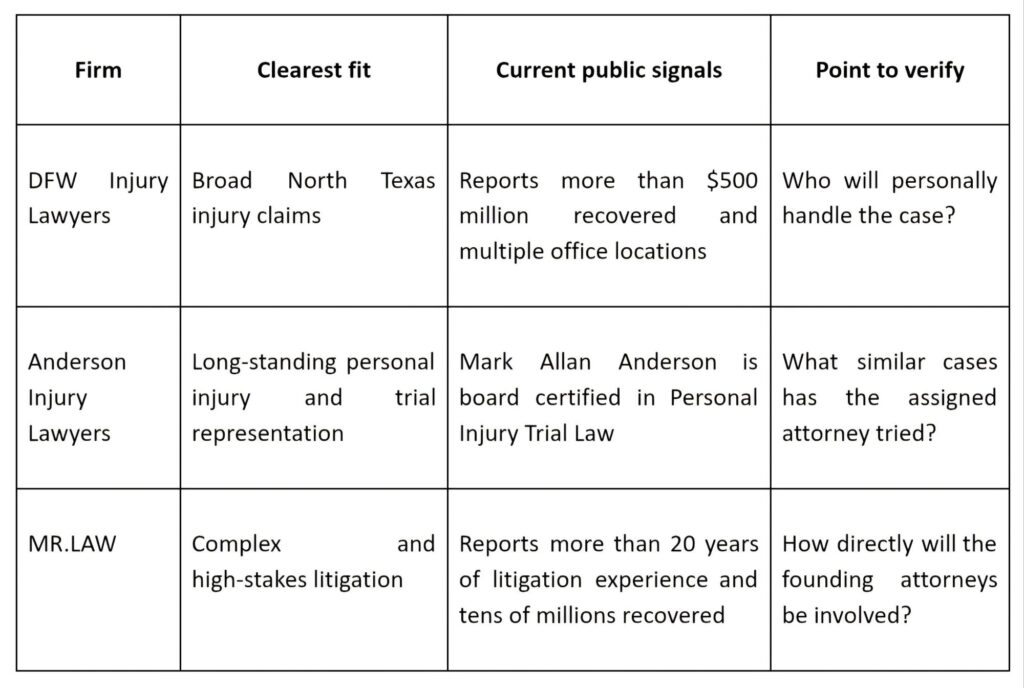
Personal injury law firm via 360 MAGAZINE.

Answers to the Most Common Personal Injury Questions

After a personal injury, people most commonly want to know whether they have a valid claim, what steps they should take, whether they need legal representation, how compensation is determined, and whether their case will go to court. Understanding these common questions can help individuals make informed decisions following an accident.

Many people searching for the most common questions about personal injury are looking for clear, reliable information rather than complicated legal terminology. Although every claim is unique, several questions arise in nearly every personal injury case.

The answers below explain the fundamentals of personal injury claims, from determining whether you have a valid case to understanding compensation and the legal process.

1. What Is a Personal Injury Case?

A personal injury case arises when someone suffers physical, emotional, or financial harm because another person or organization acted negligently. Common examples include car accidents, slip and fall incidents, dog bites, defective products, and certain workplace accidents involving third parties.

To pursue a claim successfully, it is generally necessary to show that another party owed a duty of care, failed to meet that responsibility, and directly caused injuries that resulted in measurable damages. In many jurisdictions, negligence principles are reflected in state civil statutes, such as California Civil Code §1714, which establishes the general responsibility individuals have for injuries caused by their lack of ordinary care.

2. Do I Have a Valid Personal Injury Claim?

Not every accident automatically creates a personal injury claim. In most situations, you must demonstrate that another person’s negligence caused your injuries and that you experienced losses such as medical expenses, lost income, or other damages. Medical records, photographs, witness statements, accident reports, and other evidence often play an important role in evaluating whether a claim is legally supported.

Because each situation is different, gathering evidence as early as possible can significantly strengthen a potential claim.

3. What Should You Do Immediately After an Accident?

Your first priority should always be your health and safety. Seek medical attention promptly, even if injuries appear minor, as some conditions may not become obvious until hours or days later.

If it is safe to do so, document the accident by taking photographs, collecting witness information, reporting the incident to the appropriate authority or property owner, and preserving any available evidence. Keeping organized records of medical treatment, expenses, and insurance communications can also make the claims process more straightforward.

4. Do I Need a Personal Injury Lawyer?

Not every personal injury claim requires legal representation, but consulting an attorney can be beneficial when injuries are serious, liability is disputed, or insurance companies deny or undervalue a claim. An experienced attorney can explain your legal options, gather evidence, negotiate with insurers, and represent your interests if the matter proceeds to court.

Deciding whether to hire an attorney depends on the complexity of the case, the seriousness of the injuries, and whether liability is disputed.

5. How Is Compensation Determined?

One of the most common questions people ask is how compensation is calculated. The value of a personal injury claim depends on several factors, including medical expenses, future treatment costs, lost wages, reduced earning capacity, property damage, and, in some cases, pain and suffering. Every case is evaluated individually, so compensation varies depending on the severity of the injuries, available evidence, and the overall impact the accident has had on the injured person’s life.

6. Will My Personal Injury Case Go to Court?

No. Many personal injury cases are resolved through settlement negotiations before reaching trial. Settlements often allow both parties to resolve disputes more efficiently while avoiding the time and expense associated with litigation.

However, when liability is disputed or a fair settlement cannot be reached, the case may proceed to court. Civil cases that proceed to federal court generally follow the procedures established under the Federal Rules of Civil Procedure, including Rule 56, which governs summary judgment and may resolve certain disputes before trial when there are no genuine issues of material fact.

Key Takeaways

  • Personal injury cases generally involve injuries caused by another party’s negligence.
  • A valid claim requires evidence showing that another person’s actions caused measurable damages.
  • Seeking medical care and preserving evidence immediately after an accident are important first steps.
  • Compensation depends on factors such as medical expenses, lost income, and the overall impact of the injury.
  • While many personal injury claims settle through negotiation, some proceed to court when disputes cannot be resolved.


Las Vegas gambling story with BTS via 360 MAGAZINE.

How BTS Turned Las Vegas Into K-Pop Central, One Sold-Out Stadium At A Time

Four nights. One 65,000-seat NFL stadium. Tickets sold out fast when they went on sale back in January, months before a single show happened. That’s BTS at Allegiant Stadium in late May, four sellouts as part of “ARIRANG,” their global tour named after the latest album. If you needed proof that K-pop’s biggest act is playing a different game to everyone else in music right now, this is it.

The numbers back it up. According to Gambling.com, who offer comprehensive guides to online pokies in New Zealand, Las Vegas has always known how to turn one big night into a citywide jackpot, and BTS handed the Strip exactly that. The band played May 23, 24, 27 and 28, squeezing in an American Music Awards appearance at MGM Grand in between, where they became the first Asian act to win Artist of the Year. Vegas didn’t just host four concerts. It rebuilt itself around them.

A City That Turned Purple, Then Red, For A Week

Las Vegas ran a full citywide activation called “BTS the City: ARIRANG” from May 20 through 31, pop-ups, shopping trips and fan meetups spread through restaurants and cafes well beyond the Strip. The Welcome to Las Vegas sign glowed ARIRANG red. The Eiffel Tower at Paris Las Vegas and the High Roller wheel followed suit. The Sphere ran BTS content across its exterior. Bellagio put in a photo booth with lines so long that by week two, staff had already pulled it down.

It didn’t stop at the Strip either. Chinatown businesses, several of them spots BTS had actually eaten at back in 2022, saw real spikes in foot traffic. One restaurant, Shanghai Taste, reported business up roughly 60% on a normal weekend. That’s not the kind of ripple effect a stadium show usually produces on its own.

Fans Flew In From The Philippines. That’s The Real Story

Forget the shows themselves for a second. The real story is who showed up and how far they travelled to do it. BTS’s fanbase, ARMY, is the textbook case of concert tourism, where the show is the excuse for the trip, not the whole trip. Fans at Allegiant had come from California, Utah, Arizona, the Philippines, Canada. The Guardian found that concert travellers typically spend more than three times their ticket price on travel and entertainment once they land, and “BTS the City” was built specifically to stretch that spending across the entire week instead of letting it cluster around show nights.

The Las Vegas Sun projected the four shows’ economic impact would rival the city’s biggest convention weeks, a comparison usually reserved for championship sport or festivals the size of EDC. For scale: Tampa officials put BTS’s three-show run there at $800 to $900 million in economic impact. Vegas got one more show than that.

Then They Went And Stole The World Cup Final Too

Two months later, BTS proved Vegas wasn’t a one-off. At the FIFA World Cup Final halftime show on July 19, alongside Madonna, Justin Bieber, Robbie Williams and Laura Pausini, they performed “Dynamite” with new, football-rewritten lyrics for a global Spain-Argentina final audience. The streams followed instantly. “Dynamite” jumped 105% on Spotify within hours. Madonna’s “Music”/”Danceteria” mashup climbed 180%. Bieber’s “Everything Hallelujah” surged 240%. Robbie Williams and Laura Pausini’s FIFA anthem “Desire” rocketed 945% after their pre-match set with Nicole Scherzinger. Same pattern as Vegas, really: put BTS in front of a big enough crowd, and something moves fast, whether that’s ticket sales, restaurant receipts, or a Spotify chart.

This Isn’t Even Their Last Vegas Trip This Year

BTS already has their next Vegas date locked in, headlining the iHeartRadio Music Festival on September 18 and 19 at T-Mobile Arena alongside Cardi B, Snoop Dogg and Kenny Chesney. The venue holds 20,000, a fraction of Allegiant’s capacity, so expect demand to badly outstrip supply.

“ARIRANG” proved something simple: ARMY doesn’t just show up. It spends, travels, and rearranges a city’s entire calendar around a handful of nights. Vegas has hosted plenty of spectacle over the years. Not much of it has turned an entire week, casino floors and all, into one unmissable cultural event the way BTS just did, and a World Cup final slot two months later says they’re not done yet. Keep watching where music culture is actually headed, because this is as clear an example as 2026 has offered.