


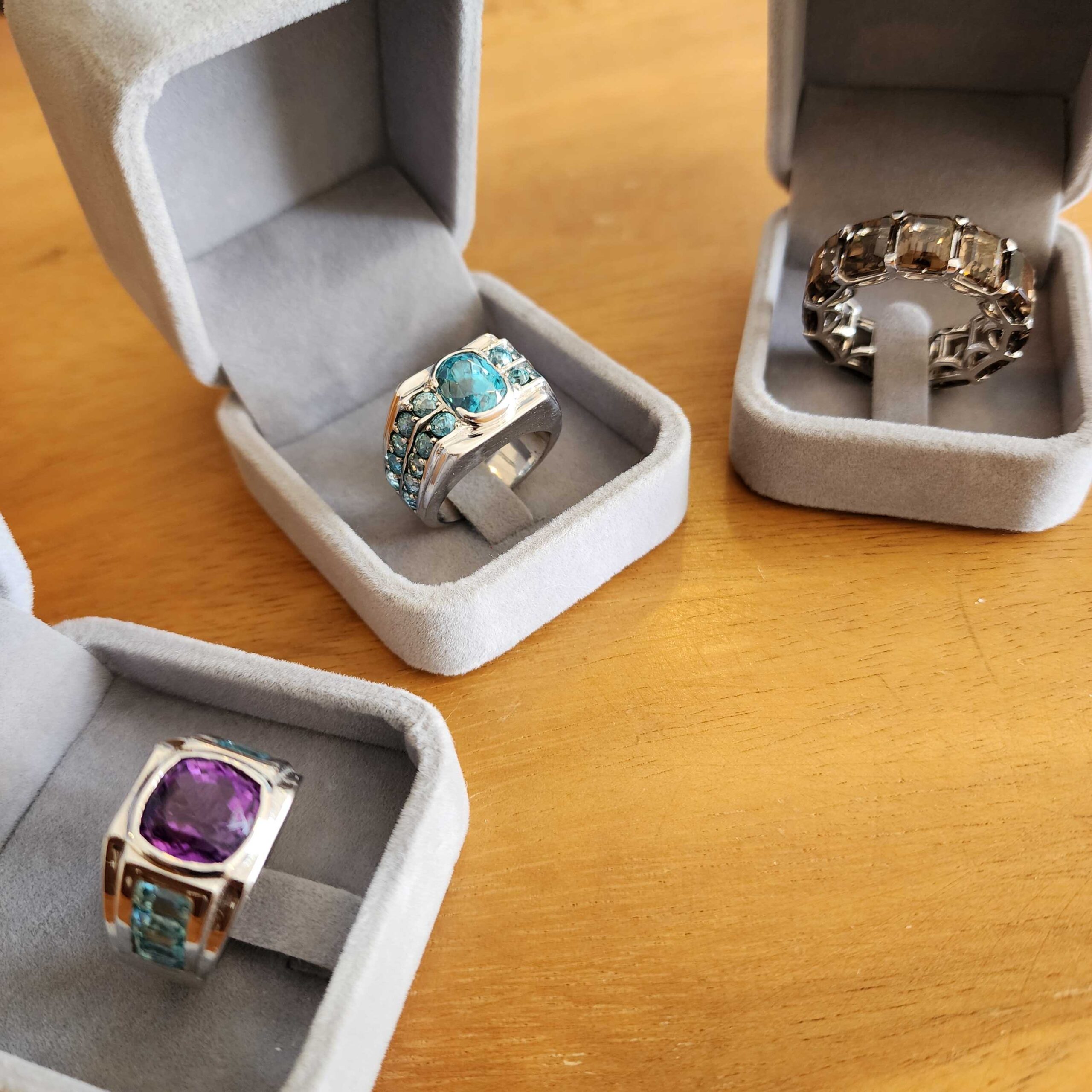
Buying a ring, a diamond, a custom piece — easier when you can actually see it. Hold it. Online listings give you measurements, photos, prices, certification details. Fine. But a physical store gives you craftsmanship up close. Side-by-side comparisons. Real questions, answered on the spot. Visiting a local jewelry store can also help buyers understand how different materials,
Engagement ring. Diamond. Wedding bands. Custom design. Whatever the goal, knowing what to look for makes the whole trip a lot more productive.
Start With Knowing What You Actually Want
Before walking in, have a rough idea. Not every technical detail — just your preferred metal, roughly your budget, stone shape, general style. That’s enough to narrow things down fast.
Someone shopping for an engagement ring might already know: round, oval, emerald, pear-shaped. Someone else might just want a simple gold band, or something custom carrying real personal meaning.
A clear starting point means comparing pieces on consistent criteria. Not getting pulled in ten directions by every shiny thing in the case.
Look at Jewelry Under Different Light
Lighting changes everything with diamonds and gemstones. Store displays use carefully positioned lighting — makes stones look bright, alive, better than they might elsewhere. Ask to see a piece under more than one type of light if possible. Worth the ask.
Look from different angles. Watch how the stone interacts with the setting. For diamonds — brightness, flashes of light, darker patches worth noticing. For colored gemstones — color consistency, transparency, visible inclusions.
Physical inspection catches what photos miss, too. Band thickness. Setting height. How the prongs actually hold the stone in place. Small stuff. Matters a lot.
Compare Materials and Craftsmanship, Not Just the Stone
Quality’s not just about the center stone. Metal, setting, finishing, construction — all of it shapes how a piece looks and holds up over years.
Ask what metal’s actually being used. Solid? Plated? An alloy? Gold comes in different karat levels — changes composition, color, durability, price, all at once. Platinum’s got its own physical characteristics, different from gold — worth considering if that’s the direction.
Check for smooth edges. Secure prongs. Even finishes. Clean alignment. On a ring, gently check how the stone actually sits in its setting. For custom pieces, ask how the design gets built. What steps happen before it’s actually finished and delivered.
Ask About the Actual Documentation
Buying a significant stone? Documentation matters. A diamond grading report covers carat weight, color, clarity, cut-related details — real info for real comparison.
Ask whether the stone comes with an independent grading report. Check the document actually matches the stone being shown — not always a given. For colored gemstones, documentation might cover treatments, origin, identification, depending on the stone itself.
Documentation isn’t just paperwork for the sake of paperwork. It’s information. Lets you compare stones on consistent characteristics instead of just trusting a sales pitch.
Pay Attention to the Actual Service
How a jeweler communicates matters just as much as what’s in the case. A good experience gives real time to examine pieces. Ask questions. No rush. No pressure.
Ask directly — sizing, resizing, warranties, maintenance, repairs, cleaning, return policy. Considering something custom? Ask about design revisions, production time, stone selection, what happens if changes come up mid-process.
Visiting Aura Diamonds or any other local jeweler — same basic questions work everywhere. Use them to make real comparisons between stores.
The goal’s gathering info. Not just sitting through a sales presentation. Clear answers tell you what’s actually included, and what costs extra on top.
Compare Selection — Not Just the Size of the Case
A huge display case doesn’t automatically mean a better selection for you specifically. Look at whether the styles actually match your preferences. Whether there’s real variety in stones and metals to compare.
Pay attention to shape variety, settings, band widths, metal colors, gemstone options, price ranges. A smaller selection can still work fine if it’s got what you’re actually looking for.
For custom jewelry, “selection” means something different too — access to stones, settings, design possibilities. Not just finished pieces sitting under glass.
Understand What You’re Actually Paying For
Price only means something next to the actual specs. Two rings that look nearly identical can differ wildly in diamond characteristics, metal purity, craftsmanship, included services.
Ask whether the price covers the center stone, the setting, taxes, sizing, engraving, whatever else. For custom pieces, get a clear breakdown of major components before approving anything.
Helps to compare several pieces within a similar budget too. Makes it obvious how stone size, quality, metal, and design each move the final price.
Take Your Time. Seriously
Doesn’t need to happen in one visit. Take notes on what you liked. Record specs where allowed. Compare everything after you’ve actually left the store, with a clear head.
Buying an engagement ring or custom piece? Think about how it fits everyday life, not just how it looks under showroom lighting. A ring that looks incredible in the case should also feel comfortable. Practical. Every day, not just the one day you tried it on.
Visiting a physical store turns an online search into something hands-on. Real comparison. Examine the craftsmanship. Check the documentation. Ask the real service questions. Compare materials. Understand the pricing. Put it all together, and the whole search gets a lot more organized. A lot more informed.