

Designing an engagement ring from scratch often begins with curiosity about how a meaningful idea can turn into something real. Many people discover that exploring shapes, stones, and metals helps them understand what feels personal and expressive. This early stage becomes enjoyable because every choice reflects a memory, a preference, or a story worth celebrating. It also sets the foundation for a ring that feels thoughtful rather than rushed.
As the process continues, you start noticing how each detail shapes the final piece. You also learn how style, comfort, and symbolism blend together in a way that feels unique to the relationship. These moments help you connect more deeply with custom engagement rings. They also make it easier to appreciate the creativity behind custom engagement rings.
Understanding Personal Style
As a first step in the design process, we need to ask ourselves about our own style. While some prefer classic looks, others opt for modern designs. Exploring different types could lead to inspiration. You can learn a lot about desired metals, stones, and settings from the jewelry an individual already owns. The key is finding a style that works for you, whether that be minimal or more elaborate.
Selecting the Right Metal
The next important step is choosing the metal that you want your engagement ring to be made out of. It can be classic gold, trendy platinum, or sweet rose gold. Every metal has its own merit when it comes to strength and feel. Gold comes in many shades, including yellow, white, and rose, so it is far more versatile. Platinum also boasts of great strength, which makes it ideal for those with sensitive skin, as it will not cause any allergic reactions. The warm hue of rose gold lends an interesting twist.
Choosing the Perfect Gemstone
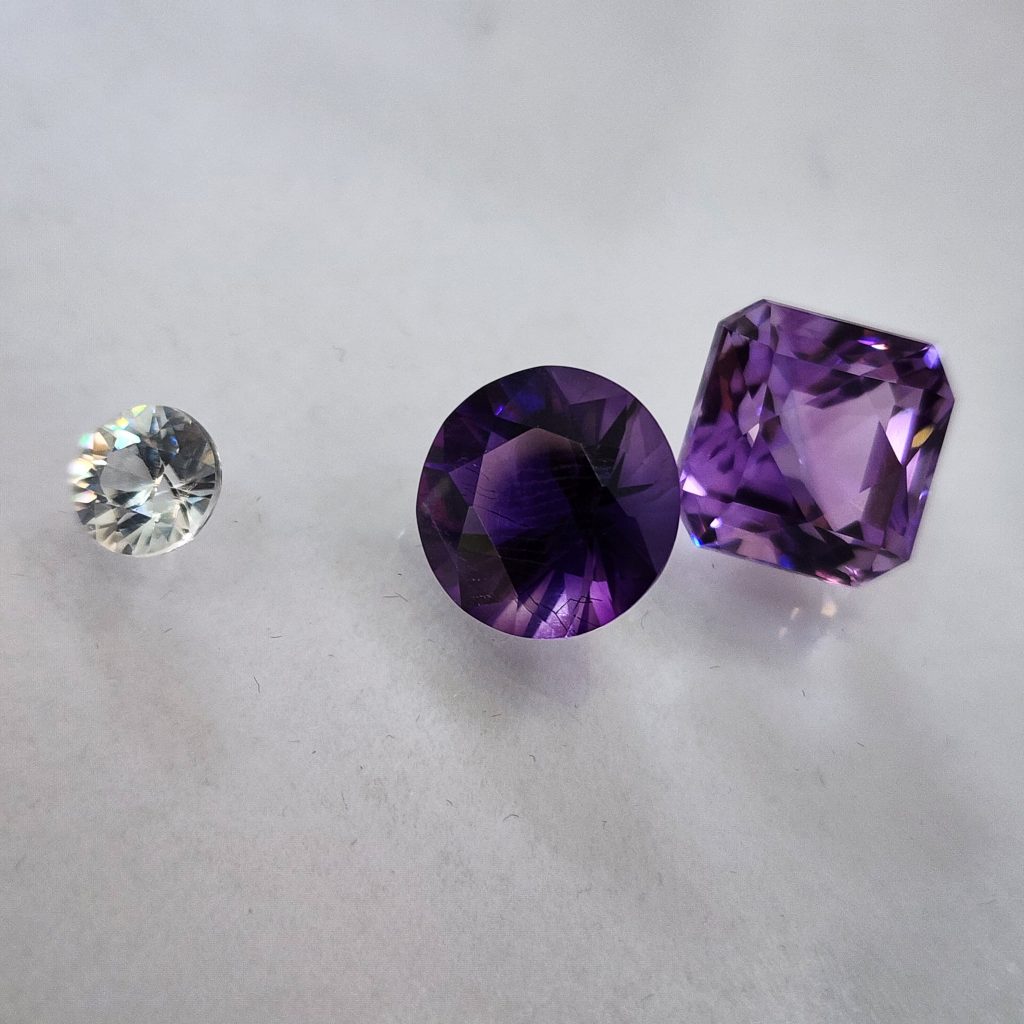
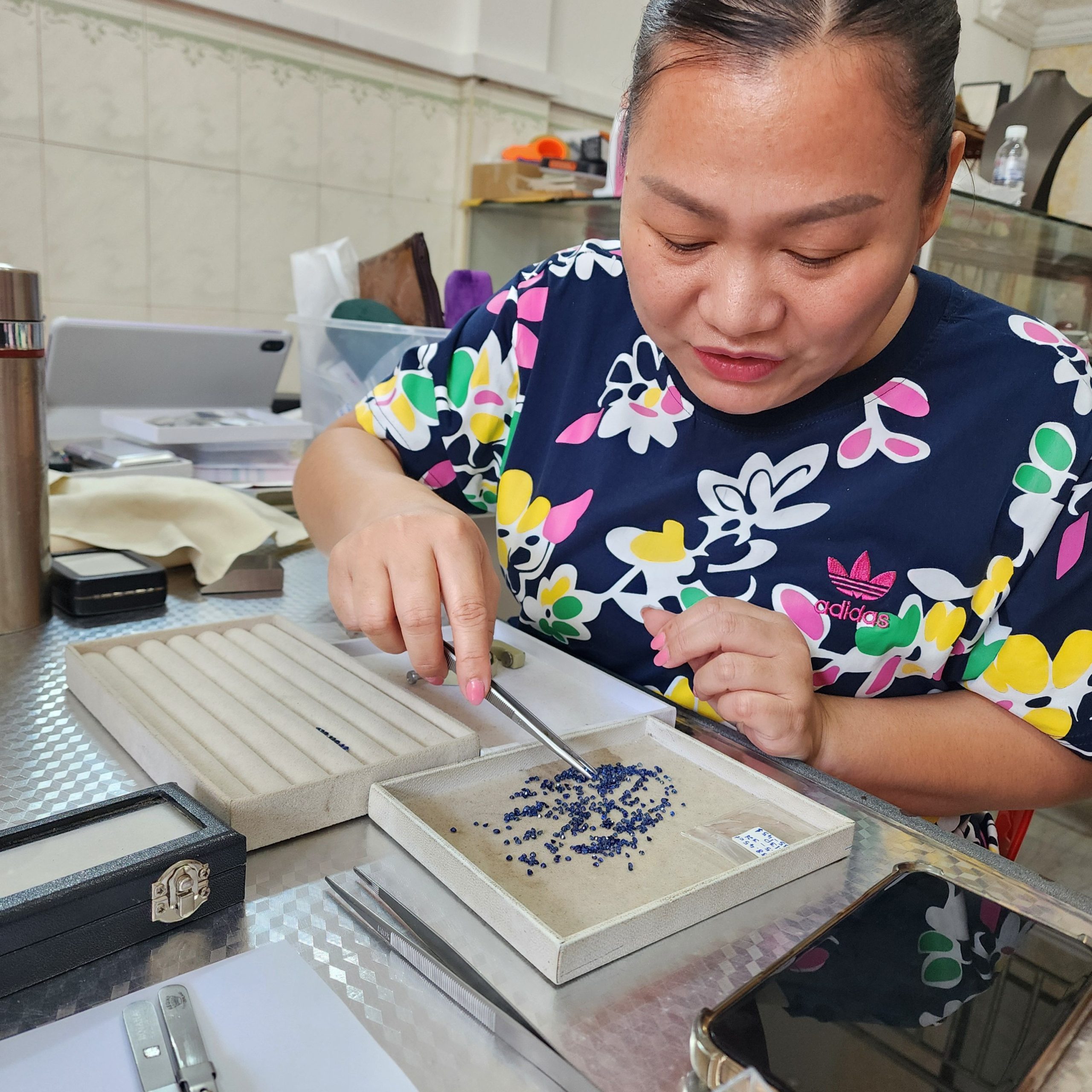
While diamonds have long been the assumed stone for engagement rings, alternative gemstones can offer a touch of the unconventional. Each of these brings its own colors and meanings (sapphires, emeralds, and rubies). Choosing a gemstone is no easy task, as there are several factors to consider, including color, clarity, cut, and carat weight. These factors define the overall look and sparkle of the stone.
Exploring Different Settings
The choice of where a ring is worn affects both its appearance and its security. One of the most well-known styles for highlighting a stone is a prong setting. Bezel settings, which encase the stone with metal all around, provide even more protection. A halo configuration, meanwhile, surrounds a center stone with a circle of smaller stones that make the center stone sparkle. Each style has beauty and purpose, so choose one that suits your taste and lifestyle.
Customizing with Personal Touches
Personal touches can transform an engagement ring from nice to something truly special. Also, you can engrave meaningful dates on your wedding rings (not just initials)—it may bring emotional value. Having a birthstone or a family heirloom stone used can also personalize the design. These components ensure that a ring evolves into a treasured memento.
Balancing Budget and Design
Creating a unique engagement ring doesn’t have to be extremely expensive. The metal type or the gemstone can be prioritized, which helps in decision-making without overspending. The distribution of different jewelry and their prices helps ensure quality within limits. Remember that necessity is the mother of invention, and one can find equally beautiful solutions.
Seeking Professional Guidance
An experienced jeweler has most probably taken on many projects and can streamline the design process for you. Experts provide guidance on material options and design implications. They can also offer sketches or computer-generated images to make the design of the final product clear. Liaising with a jeweler makes sure that the design meets expectations and helps prevent misunderstandings.
Ethical and Sustainable Choices
Ethical responsibility has become an increasingly important aspect of jewelry design over the past few years. There is now a large number of people seeking conflict-free diamonds, as well as gemstones that are mined responsibly. Taking a closer look at recycled metals and lab-grown stones is one sustainable value alignment option as well. Choosing thoughtfully means creating a healthier planet and giving the ring a truly meaningful background.
Conclusion
Creating a custom engagement ring is both an artistic and a challenging endeavor. With a little knowledge of style, a sense of what is needed, and the addition of significant details, a person can create a ring that reflects the journey of their life. Doing what needs to be done, while also exercising creativity and asking for help along the way, ensures that both the journey and the success are fun. In the end, a ring designed with thought and care becomes a lasting symbol of love.