360 MAGAZINE is an award-winning international publishing on popular culture and design. We introduce avant trademarks to efficacious architects.
We are a LGBTQIA2S+ friendly publication--officially recognized by the NGLCC.
Our core demographic ranges from 19 to 39-year-old college-educated trendsetters within their respective international communities. The pages in this art book satisfy their strong interests including music, art, travel, auto, health, fashion, tech, philanthropy, design, food and entrepreneurship.
It's an introspective digital/print/tablet portrait series, which encapsulates artists/brands/entities who embody the true essence of our publication- empowerment, equality, sensuality and most important of all, humanity within a global society.
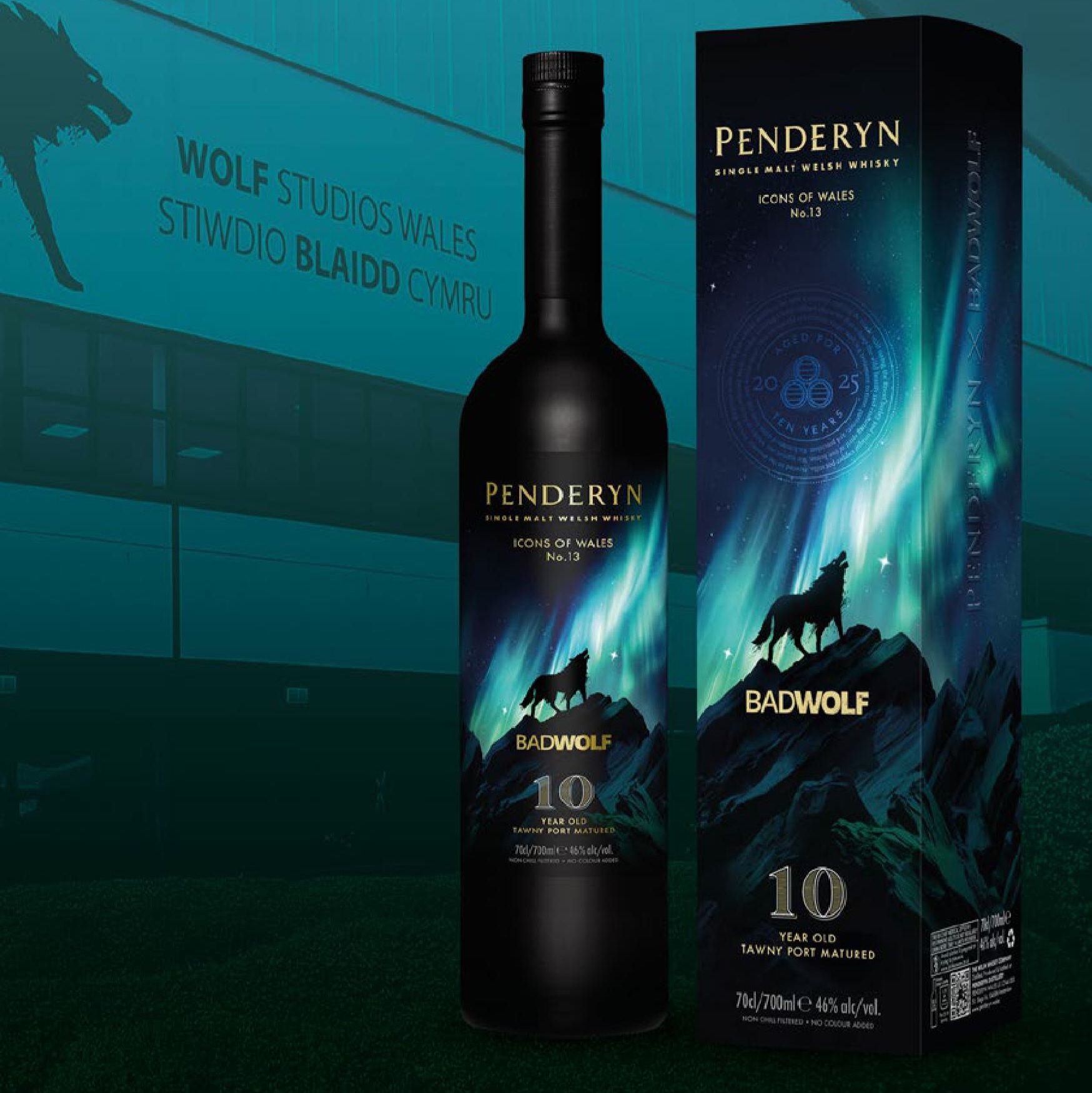
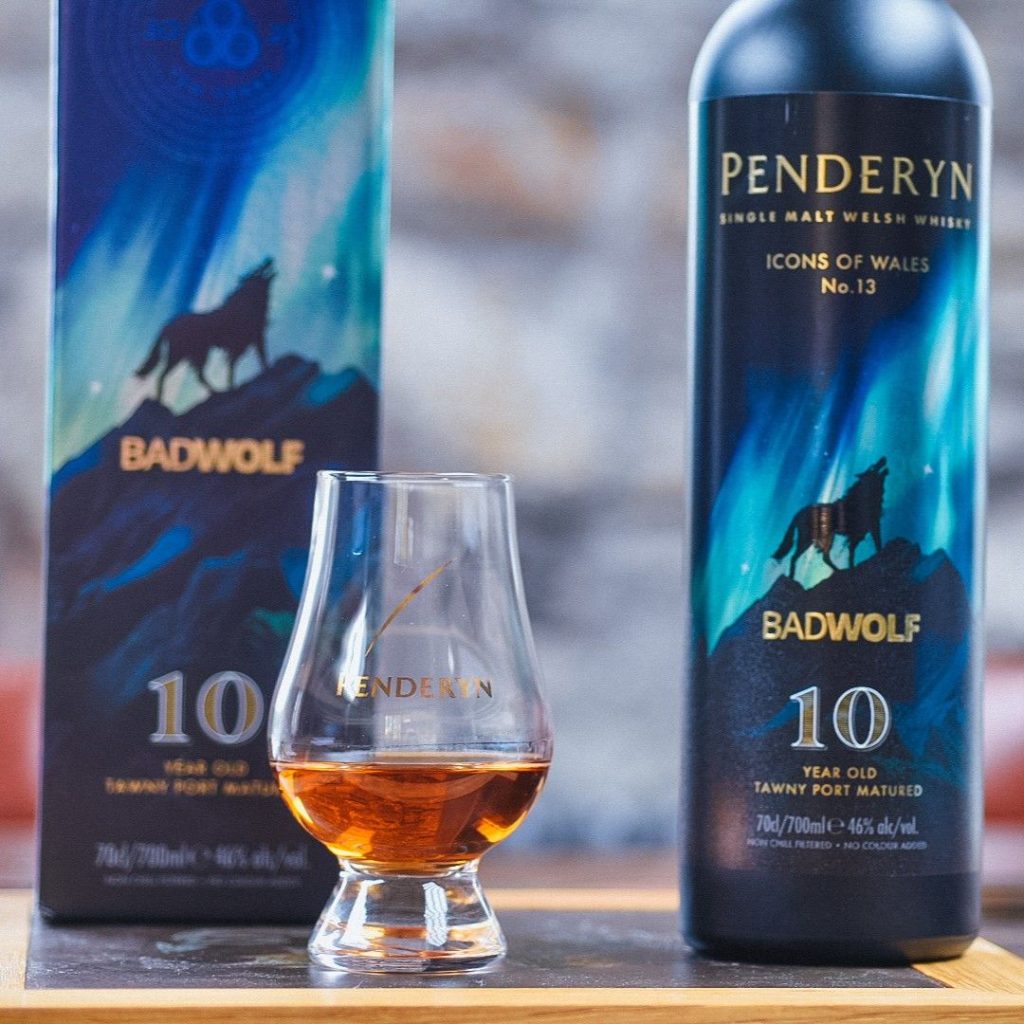
Penderyn ‘Bad Wolf’ number 13 in Penderyn’s Icons of Wales series is a brand new bottling and celebration of contemporary modern arts in Wales and a collaboration with leading production company Bad Wolf in Cardiff.
Penderyn is delighted to be able to celebrate the 10th anniversary of Bad Wolf with the release of this 10-year-old bottle of single malt Welsh whisky.
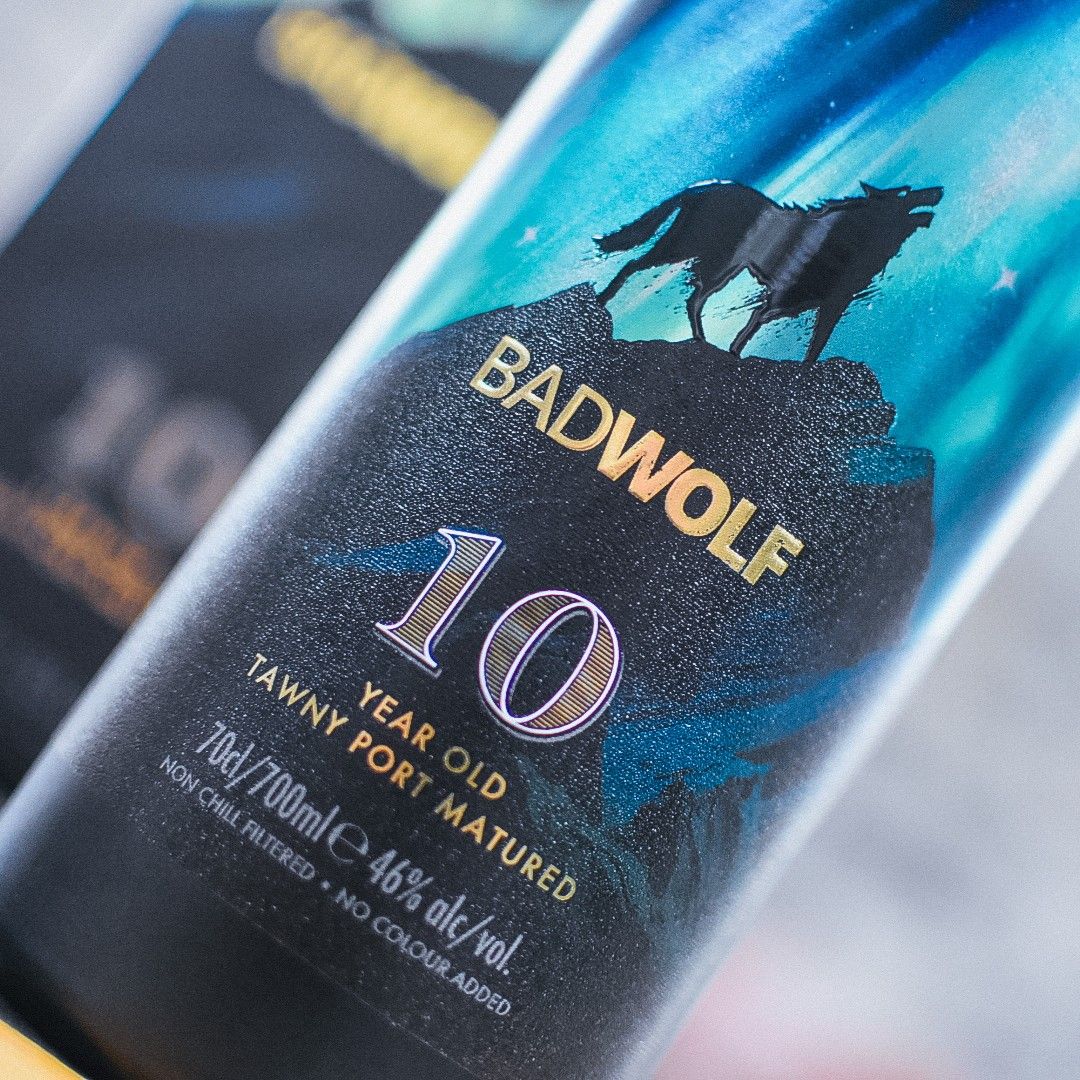
The companies have collaborated to produce a premium bottling, and the whisky was personally chosen from the Penderyn warehouse by Bad Wolf Chief Executive Officer Jane Tranter and her team. Long-term Penderyn collaborator Lauren Tutssel designed the bottle presentation, and it is the first time the iconic Bad Wolf is seen howling.
Penderyn Bad Wolf, Icons of Wales #13, is a 10-year-old whisky fully matured in old Tawny Port pipes, which have previously held port wine for around 60 years.
This latest edition joins the Penderyn Icons of Wales #1 – #12 range that has celebrated iconic people’s milestones, or Welsh events, including highly collectable sold-out bottlings ‘Bryn Terfel’, ‘Dylan Thomas’, ‘Rhiannon’, and many more.
Jane Tranter, CEO and co-founder of Bad Wolf Studios, said, “There is something characteristically badass and unexpected in marking our 10th year of Bad Wolf by having a whisky in our name. I love the idea that while we have been producing hundreds of hours of drama in Wolf Studios Wales, in parallel, this ten-year-old whisky has been quietly biding its time, maturing until ready to be appreciated. Great things come to those who wait.”
Stephen Davies, Penderyn CEO, said, “This is one of the most exciting bottlings we have ever done. Bad Wolf has brought huge creativity to Wales and to the capital city of Cardiff, and through the medium of contemporary arts, it has been telling fantastic stories over the last 10 years. It seems fitting to dedicate a 10-year single malt to the company’s 10-year anniversary and raise a toast to many more years of success to come.”
Philip Pullman’s iconic quote from The Amber Spyglass (above) reflects both Bad Wolf’s and Penderyn’s mission to tell stories that resonate, engage, and entertain our audiences, and makes for a truly compelling bottling in the ‘Icons of Wales’ series.
BAD WOLF
Bad Wolf was founded in 2015 to create ambitious, imaginative, and relevant drama for the global TV marketplace. From their headquarters in South Wales, they have built up an international reputation as one of the foremost independent production companies in the UK, producing 117 hours (as at April 2025) of high-end drama for broadcasters and networks including HBO, BBC, AMC, and Sky.
Since launching, shows including The Night Of (HBO), His Dark Materials (HBO/BBC), A Discovery Of Witches (Sky/AMC Networks), Industry (HBO/BBC), I Hate Suzie (Sky/HBO Max), The Winter King (ITV), Red Eye (ITV) and Doctor Who (BBC/Disney) have all gone on to achieve global recognition and win multiple awards at the BAFTA, BAFTA Cymru, RTS, Emmy and Golden Globe Awards.
In 2025, their latest show, Dope Girls, hit screens worldwide, and they have just wrapped on filming The Other Bennet Sister and Industry 4. Find out more here: www.bad-wolf.com
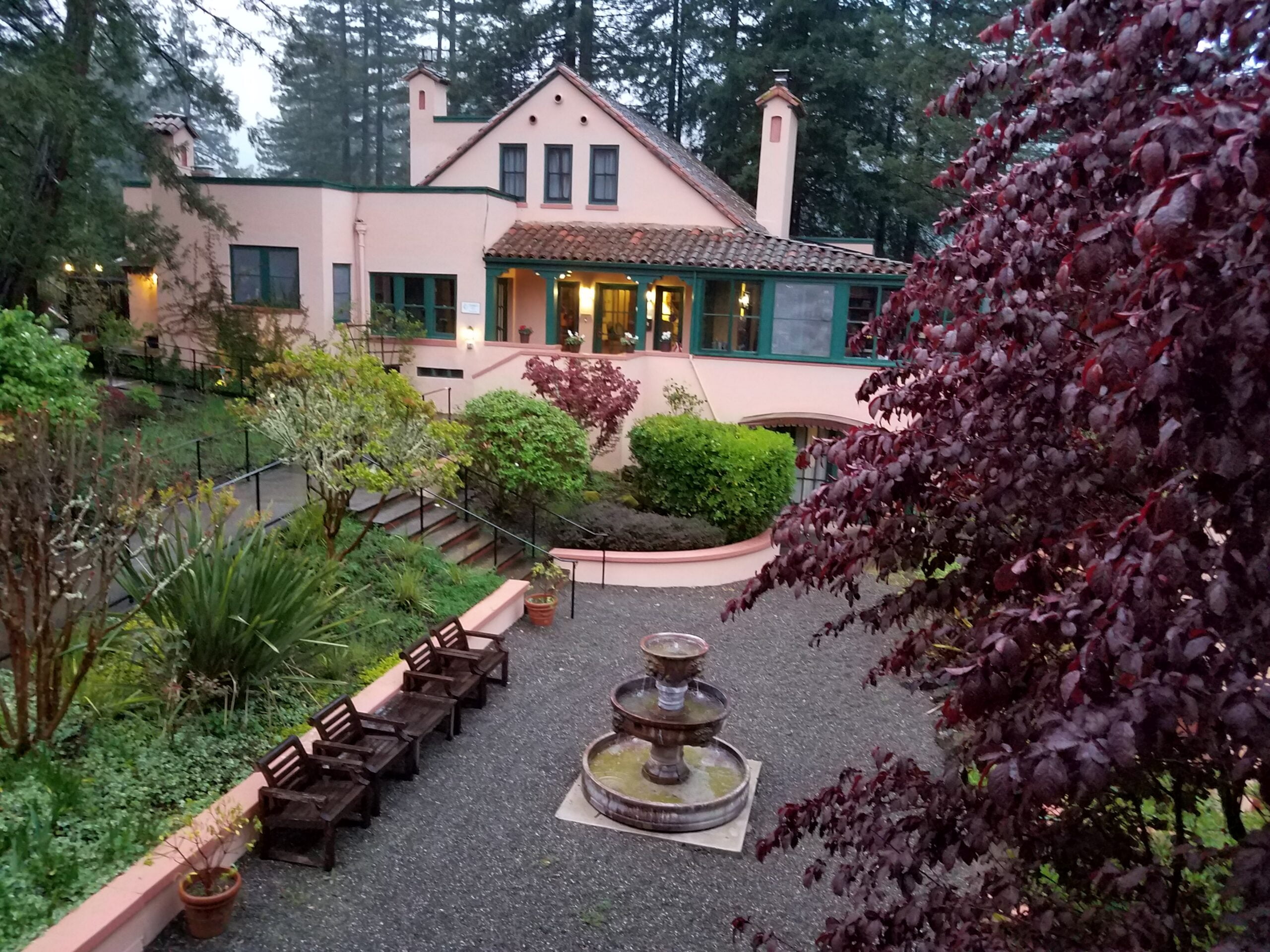
Merely an hour from the Golden Gate bridge, in the heart of Russian River Valley Pinot Noir growing region, there is the finest hideaway you could ever find for those wine lovers. 360 MAGAZINE had the pleasure to spend two memorable nights in such a secluded, peaceful resort while immersing in a wine country living. Applewood Inn was built in 1922, at a carefully selected location to explore Redwood National Park, wineries and the rugged and beautiful Sonoma Coast.
The original structure (Belden Mansion) of the property was built in 1922, and became a hotel in the spring of 1985, when the original owners, Jim Caron and Darryl Notter opened the doors to the public. The restaurant opened on Thanksgiving Day in 1985, quickly garnering an international reputation for fine dining. The property has had numerous improvements over the years, with the most recent renovation being in 2016. The long-awaited restaurat Pinoli Cucina Rustica will be opening at Applewood on May 15th, 2017 under the guidance of Christian Darcoli.
This slightly off-the-beaten path inn offers 19 cozy rooms with a fireplace, comfy beds and even a mini-wine fridge to store all of your Russian River wineries or beer purchases. If you are visiting during this time of year, we suggest swimming in the heated pool/jacuzzi surrounded by a tranquil environment. Furthermore, breakfast at the Applewood Inn Restaurant was superb. Exploring the vineyards is a great deal easier after a two course mouthwatering meal accompanied by bottomless mimosas and spectacular views.
Among other attractions during your accommodation in Applewood, it is nearly mandatory to conduct a wine tasting at Dutcher Crossing Winery (www.dutchercrossingwinery.com) where you can try a wide variety of wines grown in the area. Our top selection was the 2015 Terra de Promissio Vineyard Pinot Noir and 2015 Chenoweth Vineyard Chardonnay. In addition, one of our most unforgettable moments during our journey in Sonoma County was our bike tour with Russian River Cycles (http://www.russianrivercycles.com) helmed by our wine expert Nick Briggs. For those explorers, there’s excellent hiking/walking trails throughout Armstrong Redwoods State Natural Reserve (http://www.parks.ca.gov/?page_id=450) nearby the Russian River, where you can encounter a remarkable stump that washed ashore on Johnson’s Beach in 2006 (donated to the park by then owner Clare Harris).
Applewood Inn Restaurant & Spa believes in the security of the earth’s finite resources and that is why they rely on solar panels and self-sufficiency. Guests can embrace the ultimate “farm to table” experience since the bulk of their produce for the restaurant is grown onsite in the gardens, surrounded by lush vegetation. If this eco-awareness was not enough, they’re also installing additional vehicle charging stations in mid-spring.
This charming hotel is the perfect combination of unpretentious, down to earth-ness mixed with the sophistication of great wine and delicious food. The most pleasant of the choices when you are looking for a romantic stay in Sonoma County or a friendly getaway.
Luxury travel is about savoring life at its richest. From private estate tastings in Napa to quiet cellar tours in Burgundy, wine continues to be a touchstone for travelers who prioritize culture, story, and sensory experience. It is not just about what you see on a journey, but what you taste, who you meet, and the memories you take home in every bottle.
In recent years, seasoned travelers have found creative ways to bring these moments back with them, whether through carefully chosen bottles for their personal cellar or thoughtfully curated wine gifts that impress when shared with fellow explorers and loved ones. Fine wine has evolved into a language of appreciation, giving and receiving equal joy long after the passport stamps stop.
Why Wine Belongs in the Modern Luxury Travel Lifestyle
Walking through ancient vineyards, tasting at sunlit terraces, or uncorking rare vintages in boutique hotel lounges creates moments that feel timeless. Wine, unlike many souvenirs, carries a sense of place. It transports you back to a countryside villa, a hillside chateau, or an ocean-view winery where you first sipped it.
Luxury travelers know that a journey is elevated by experiences that celebrate authenticity and craftsmanship. Fine wine is one of the most powerful ways to do that. It sets the tone for romantic escapes, milestone celebrations, and intimate dinners abroad.
From Champagne houses in Reims to cabernet estates tucked into Napa Valley hills, wine destinations enrich itineraries with heritage, hospitality, and flavor that lingers long after departure.
Collecting and Gifting From Your Travels
For many enthusiasts, travel is the gateway to building a personal wine portfolio. Discovering exceptional vineyards or stumbling upon a rare library release during a winery tour becomes a story worth savoring.
And when it comes to gifting, nothing feels more personal or memorable than sharing a bottle rooted in a destination close to your heart. An elegant Champagne chosen after a private tasting in Épernay, a cult Napa cabernet found during a vineyard drive, or a Bordeaux discovered in a family-run cellar can become more meaningful than any designer gift.
Today’s collectors can continue exploring even when back home, sourcing celebrated bottles from trusted online merchants who specialize in proper provenance, careful temperature-controlled shipping, and transparent bottle condition notes. This gives travelers the freedom to build or expand their cellar from anywhere, without needing to wait for the next long-haul flight.
True Luxury Lies in Detail and Care
The world’s most dedicated wine lovers pay attention to more than flavor. They value pristine storage, expert handling, and clear information about the bottle. Reliable merchants now offer what travelers love most about top-tier hospitality: responsive guidance, personalized recommendations, and confidence in every purchase.
Thoughtful services matter, too, such as:
• Guaranteed authenticity and provenance • Meticulous packaging and climate-conscious shipping • Immediate availability rather than pre-listed inventory • Access to exclusive allocations and VIP offerings
This level of care mirrors the five-star experiences travelers expect on the road.
Bringing Global Flavor Home
Fine wine culture integrates beautifully into a life of global exploration. It supports a lifestyle where experiences continue to unfold long after the trip ends. A chilled Champagne enjoyed after a long flight, a Bordeaux uncorked at a dinner reunion, or a Napa cabernet shared to mark a personal milestone recaptures the emotion of a favorite destination.
Whether gifting thoughtfully or investing in future memories, searching for bottles that remind you of your travels allows every sip to feel like a return ticket.
A World of Taste Awaits
The most refined travelers know that a journey doesn’t end when the suitcase is unpacked. It continues through the textures and aromas of extraordinary wines enjoyed at home, gifted to others, or added to a growing collection.
If your passport is filled and your palate is ready for its next adventure, let the world of fine wine take you farther. Each bottle has a story. Each cork carries a destination. And each shared glass becomes an invitation to travel again.
Raise a glass to the next great journey. The world is full of remarkable vineyards waiting to be discovered, cherished, and shared.
Discover Gisselle Hernandez, a Dominican immigrant who survived the storm and became the founder of an emerging beauty brand, Glamlite Cosmetics.
Her story is a testament to the significance of perseverance, determination, and the ability to pursue dreams despite life’s difficulties.
At age 11, Gisselle was sexually assaulted. To cope with the trauma, she discovered makeup application and began overindulging in food. Both provided her with a way to escape from her newfound harsh reality. As time went by, she was relentlessly bullied about her excessive weight gain.
In 2017, Glamlite Cosmetics was conceived despite strict beauty industry standards. Her initial product offering was lacking, and in less than a year, she was on the brink of bankruptcy due to slumping sales.
She went through periods of depression during this episode because of her full-time job and home-based business. Shortly after, she had a light bulb moment and created an eyeshadow palette based on her favorite food, pizza. It was the final straw and product that captured the essence of her enterprise and in turn generated a profit.
Despite not graduating from high school, being a stay-at-home mom, and lacking investors and/or bank loans, Gisselle was resolute in her resolve to overcome all barriers. Recently, Glamlite Cosmetics has received an $80 million valuation and secured partnership deals with several globally recognized entities, including Kellogg’s, Hershey’s, Universal Studios, Barbie, Warner Bros., and Nickelodeon.
Gisselle Hernandez Q+A
What motivated you to start Glamlite?
I’ve been obsessed with makeup for as long as I can remember — even at just 11 years old, it was my escape. Growing up in poverty, I didn’t have the luxury of traveling or getting expensive gifts, but makeup gave me a way to dream beyond my reality. As a plus-size girl, I loved that makeup was one size fits all. It didn’t matter who you were — with a swipe of lipstick or a touch of shimmer, you could feel powerful, confident, beautiful.
That feeling of freedom and self-expression became the heart of my mission as a CEO. I created Glamlite to remind people everywhere that beauty isn’t about fitting in — it’s about celebrating who you are. Through Glamlite, I wanted to give everyone access to high-quality, affordable products that inspire creativity, confidence, and self-love.
Were there any challenges that arose when you began your journey? Feel free to elaborate. If so, how did you overcome them?
If it were easy, everyone would do it. My biggest challenge was simple — I was completely broke. No savings, no credit score, no investors, no safety net. As a Black woman and single mother, I had to fight for every inch of progress. There was no funding, no outside help — just determination and a dream I refused to give up on.
Glamlite was born in my tiny kitchen with just a $1,900 investment and an unshakable belief in myself. Every product, every collection, every milestone was built from the ground up. Today, people see the success — the sellouts, the millions of followers — but I’ll never forget where it started: a single mom with a credit card and a vision. I’m proud to say I never took financial backing from anyone. I built Glamlite from the mud, and I wouldn’t have it any other way.
Was it difficult to gain the IP for the brand and/or trademark? Do you own any patents?
Surprisingly, no — getting IP rights wasn’t the difficult part. In fact, everything changed when Kellogg’s reached out to me for a makeup partnership. That collaboration opened the floodgates. Suddenly, some of the biggest global brands were watching what I was doing — not just because of the creativity, but because of the quality.
From packaging to concept to execution, Glamlite was going toe-to-toe with industry giants, and the results spoke for themselves. The major corporations started coming to me because they saw how far ahead of the curve we were. Our first licensed collections sparked an entirely new wave in the beauty space — and now, it’s become the standard for makeup brands to chase IP partnerships. What began as a bold, outside-the-box idea became a full-blown trend that reshaped the industry.
When did you realize that Glamlite was going to become SO successful? A viral sell? Sold out product?
I like to call it my million-dollar hour. That was the moment everything changed — when I knew I was truly on the right path. In 2021, during one of our launches, we hit a million dollars in sales… in just 42 minutes. It was surreal.
In that instant, I thought about the little girl who grew up without access to hot water, the same girl who used makeup as her escape. To go from that reality to this moment of success felt like everything had come full circle. It wasn’t just about the money; it was about the journey, the struggle, and finally, seeing the dream I built from nothing turned into something extraordinary.
Who was your first hire at Glamlite? How did you define the company culture?
I’ve always been extremely hands-on with Glamlite. From day one, I wanted every detail to reflect my exact vision — nothing was too small for me to touch. My first hire wasn’t for marketing or creative; it was for packing and shipping. At that stage, I was still personally handling every creative decision, every product concept, every launch.
As Glamlite grew, I slowly expanded the warehouse team — focusing first on logistics and operations before bringing on any creative roles. It wasn’t until we surpassed $5 million in sales that I made my first marketing hire. The culture I built from the ground up has always been rooted in hard work, passion, and authenticity. Everyone at Glamlite knows that no task is beneath anyone — we lead with creativity, hustle, and heart.
Did you ever engage in a SWOT analysis of the brand when it was conceived? Have you always known your strengths, weaknesses, opportunities, or threats?
Yes, I did — but honestly, I’ve never been one to obsess over competition. From the start, I knew my greatest strength was the deep connection I had with my community. That bond has always been the heartbeat of Glamlite.
As for threats? They’ve never really crossed my mind. I’ve always believed the beauty industry is vast enough for everyone to thrive. My focus has never been on who’s next to me — it’s been on staying authentic, innovating fearlessly, and creating products that genuinely resonate with people.
How did you come up with the packaging concepts?
Honestly, it just flows — creating packaging feels like second nature to me. Whenever I’m developing something new for Glamlite, I want it to come to life. Packaging isn’t just a box or a bottle; it’s part of the full experience. I want every customer to feel excited the moment they open their order — like they’re unwrapping a piece of art.
Take our Coffee Lip Kits, for example. They became a viral success on TikTok Shop and sold out within days. The realistic coffee cup packaging instantly resonated with our audience — it wasn’t just makeup. It was an experience. I custom-design all of our components using 3D injection molds to ensure every product feels unique and elevated.
At the end of the day, I always think about the consumer. I’ll never be the brand that cuts corners to save costs — I believe in investing back into Glamlite to keep innovating and creating products that spark joy.
Is there any advice you could offer an aspiring entrepreneur?
No matter what industry you’re in, you have to stand out. The biggest mistake I see new brands make is trying to copy what’s already working for someone else. It might seem like an easy route, but in reality, it’s the fastest way to lose your identity. When you’re focused on mimicking someone else’s moves, you forget who you are as a brand.
You need to offer consumers something they haven’t seen before — something bold, fresh, and true to your vision. Keep experimenting, keep evolving, and never stop surprising your audience.
And my biggest piece of advice? If you’re entering a saturated market and you’re not planning to disrupt it, don’t bother showing up.
Is there anything we haven’t already touched on that you would like to speak about?
Yes — a few things that are deeply important to me.
First, I’m incredibly proud to share that Glamlite now holds a valuation of $80 million, and we’re on track to have our most profitable year yet. I’ve never been one to focus heavily on finances, but in a time where so many peer brands are closing their doors, I believe transparency matters. I started with nothing — no funding, no backing — so reaching this point feels like proof that perseverance pays off. I want every aspiring entrepreneur to know: you owe it to yourself to keep pushing, no matter how impossible it feels.
Secondly, earlier this year I made a $300,000 commitment to Black excellence. Giving back to my community is non-negotiable for me. In September, I hosted an event dedicated to celebrating and uplifting Black creators — not just during Black History Month, but all year round. My goal is to pour that $300,000 directly into supporting Black innovators, leaders, and creatives who continue to shape culture and inspire the next generation. It’s my way of saying thank you to the community that helped me become who I am today.
Dr. Prudence Hall Explains New HRT Guidelines After FDA removed Black Box Warnings
The FDA’s removal of black box warnings from hormone replacement therapy (HRT) medications marks a transformative moment in women’s health, reshaping both public perception and clinical practice regarding menopause management and disease prevention. Dr. Prudence Hall, a renowned gynecologist specializing in menopause and bioidentical hormones, emphasizes that this regulatory pivot. based on up-to-date scientific findings. restores lost opportunities for women to embrace safer, more effective care throughout midlife and beyond.
The Origins and Impact of Black Box Warnings
Black box warnings represent the FDA’s strongest caution for medications, and in 2002, these alerts were added to estrogen and estrogen- progesterone HRT products after the Women’s Health Initiative (WHI) study reported heightened risks of heart attack, stroke, and breast cancer in older postmenopausal women. However, many clinicians, including Dr. Hall, have long criticized these warnings as overly broad, stemming from flawed study designs that focused on women typically in their 60s and 70s and used a hormone formulation less common today. The fallout for women was profound: for over twenty years, both patients and providers were discouraged from considering HRT, limiting relief and preventative options across the U.S..
What Is HRT and Who Benefits Most?
Hormone replacement therapy is the administration of estrogen, often combined with progesterone, to counteract the declining hormone levels that drive menopause symptoms: hot flashes, night sweats, mood shifts, and bone loss. Modern protocols, emphasized by experts like Dr. Hall, frequently employ bioidentical hormones. compounds structurally identical to those the body naturally produces. Properly customized HRT not only brings rapid symptom relief but reduces the future risk of chronic conditions such as osteoporosis, diabetes and cognitive decline such as Alzheimer’s disease.
Restoring Balance: Hormones as the Body’s Operating “Software”
Dr. Hall affirms that hormones function as an intricate internal operating system, sending essential signals that orchestrate everything from metabolism and energy to immune response and mental clarity. When hormone levels drop, especially around menopause, this “software update” is missed, leading to widespread system slowdowns or malfunctions. Balancing and optimizing hormones, she asserts, can yield improvements in vitality far beyond simple symptom relief. For this reason, she has developed her own line of Body Software, a complete line of adaptogens, bioidentical hormones and essential minerals.
Removing Barriers: The New FDA Guidelines
After a comprehensive review of the latest research, including long-term studies indicating that benefits outweigh risks when HRT is used correctly, the FDA, in November 2025, mandated the removal of black box warnings related to cardiovascular disease, breast cancer, and dementia for many systemic HRT medications. The new guidelines stress that the greatest benefits and lowest risks occur when HRT is started within 10 years of menopause or before age 60, a message now front and center in updated patient labeling.
Addressing Persistent Myths: Timing, Safety, and Individualization
A persistent myth — that women must start HRT during perimenopause or very early in menopause — has long kept older patients from seeking help. Dr. Hall has found profound evidence to the contrary. Over her four decades of work supporting women through menopause, Dr. Hall’s patients have consistently reported improved memory and cognition in their 60s, 70s, and 80s as a result of HRT therapy.
Moving Forward: Empowerment and Prevention
With the FDA’s updated stance, clinicians and patients can finally engage in candid, evidence-based conversations about HRT, free from the stigma and confusion of outdated warnings. Dr. Hall’s message is clear: by maintaining balanced, youthful hormone levels through the use of modern, bioidentical options tailored to the individual, women can reclaim not only symptom relief but also lay a stronger foundation for long-term health, energy, and radiant aging.
This regulatory leap represents not just a technical guideline shift, but a cultural watershed, ensuring women are no longer held back by fear, but empowered to make nuanced, informed decisions about their care, longevity, and quality of life.
About Dr. Prudence Hall
Dr. Prudence Hall is a traditionally-trained gynecologist and surgeon who pioneered integrated and regenerative medicine, focusing on natural solutions and holistic health beyond treating symptoms. She founded her practice in Santa Monica, specializing in regenerative medicine and offering virtual consultations and custom treatment plans based on comprehensive hormonal analysis. Dr. Hall is recognized as a top menopause expert and has helped over 40,000 patients during her 35-year career.
Etaily lands strategic investment from Japan’s SMBC – bringing total funding to $24M for Social Commerce enablement platform
etaily, the Philippines’ digital-native retail platform, has secured new strategic investments led by Japan’s Sumitomo Mitsui Banking Corporation (SMBC), through its SMBC Asia Rising fund, bringing its total funding to over $24 million. Other investors in this round include Kaya Founders, JGDEV of the Gokongwei Group as well as other notable Asia-based families.
etaily enables some of the world’s best-known consumer brands in Southeast Asia, including Levi’s, Skechers, Abbott, L’Oreal among others. Etaily operates the eCommerce and marketing arm of more than 80 consumer brands and combines this with brand building, in having built Philippines fastest growing pet food brand Floof Pets next to supplements brands Nutrie among others. Gross Sales have doubled in the last 12 months as it accelerates growth in the region’s $230B retail market.
The Financial Times ranks etaily as one of the fastest growing companies in the Asia-Pacific region in 2025.
Expanding across Southeast Asia with WPP partnership
Headquartered in the Philippines, etaily aims to build a multi-country cluster across Malaysia, Singapore, and beyond, enabling brands to enter and scale in Southeast Asia. A recently announced partnership with WPP Media strengthens etaily’s retail and media enablement capabilities, combining commerce infrastructure with world-class marketing expertise. The WPP Media Partnership aims to address Social Commerce Needs for clients in the cluster Philipines-Malaysia-Singapore, with recently first lifestyle brands onboarded in this cluster.
Southeast Asia’s e-commerce market is projected to reach $230 billion in GMV by 2026, with the Philippines identified as the fastest-growing e-commerce market globally in 2024, expanding 25% year-on-year.
According to Bain & Company, the region is expected to gain 140 million new consumers by 2030, with the Philippines leading in digital adoption. The country also records the highest online utilization rates in Southeast Asia, with users spending an average of eight hours per day on mobile devices.
As part of Etaily’s ongoing growth, the company has further strengthened its board governance. Ayala Corporation will now be represented by Mark Uy, Managing Director and Head of Corporate Strategy and Business Development. Etaily also welcomes Brian Go, Chief Financial Officer of the Gokongwei Group, as a new board member. The board additionally includes representatives from Temasek’s Pavilion Capital and others. This new composition reinforces Etaily’s strategic governance and alignment with its long-term regional expansion goals.
A platform built for global brands
Founded in 2020 by Alexander Friedhoff, etaily has processed over 40 million orders across Lazada, Shopee, TikTok Shop and brand.com channels. Its proprietary commerce engine spans the full value chain, from brand development and operations to fulfillment and analytics, including the recently launched Livestreaming, Affiliates and Shortterm video solution.
Alexander Friedhoff, Founder & CEO of etaily, said: ”For the last five years, we’ve focused on building etaily into a commerce powerhouse for global brands in Southeast Asia. Now it is time to double down on the latest developments in Social Commerce and Livestreaming. With our massive focus on fully controlled livestream studios we will be able to offer asset-light operations, and now strengthened partnerships and investors, we are positioned to lead the next wave of online-first, offline-to-follow retail in our regional cluster.”
Katsufumi Uchida, Head of Asia Pacific Division and Managing Executive Officer of
SMBC added: “As we celebrate 10 years in the Philippines, SMBC Group remains dedicated to our Asia Multi-Franchise strategy, leveraging our extensive branch network to strengthen our presence in the Philippines and across the region, striving for the continued economic growth in the Philippines. We are excited to contribute to the expansion of local commerce ecosystems and to connect financial services with the evolving digital marketplace through strategic partnerships such as with etaily.“
Etaily’s growth has been supported by a range of prominent investors, including major conglomerates like Ayala Corporation, Southeast Asia’s oldest conglomerate, as well as the Gokongwei Group, Landmark’s Cheng family, and the Po family behind Century Pacific Food Corporation. In 2023 Etaily raised its last funding round, a Series A which was led by an investment from Taiwan’s SKS Capital and Singapore’s Pavilion Capital, a private equity firm under Temasek Holdings. Other investors include the Magsaysay Family, Kaya Founders, Japan’s SBI (former Soft bank) ICCP Fund and Foxmont Capital.
Designing an engagement ring from scratch often begins with curiosity about how a meaningful idea can turn into something real. Many people discover that exploring shapes, stones, and metals helps them understand what feels personal and expressive. This early stage becomes enjoyable because every choice reflects a memory, a preference, or a story worth celebrating. It also sets the foundation for a ring that feels thoughtful rather than rushed.
As the process continues, you start noticing how each detail shapes the final piece. You also learn how style, comfort, and symbolism blend together in a way that feels unique to the relationship. These moments help you connect more deeply with custom engagement rings. They also make it easier to appreciate the creativity behind custom engagement rings.
Understanding Personal Style
As a first step in the design process, we need to ask ourselves about our own style. While some prefer classic looks, others opt for modern designs. Exploring different types could lead to inspiration. You can learn a lot about desired metals, stones, and settings from the jewelry an individual already owns. The key is finding a style that works for you, whether that be minimal or more elaborate.
Selecting the Right Metal
The next important step is choosing the metal that you want your engagement ring to be made out of. It can be classic gold, trendy platinum, or sweet rose gold. Every metal has its own merit when it comes to strength and feel. Gold comes in many shades, including yellow, white, and rose, so it is far more versatile. Platinum also boasts of great strength, which makes it ideal for those with sensitive skin, as it will not cause any allergic reactions. The warm hue of rose gold lends an interesting twist.
Choosing the Perfect Gemstone
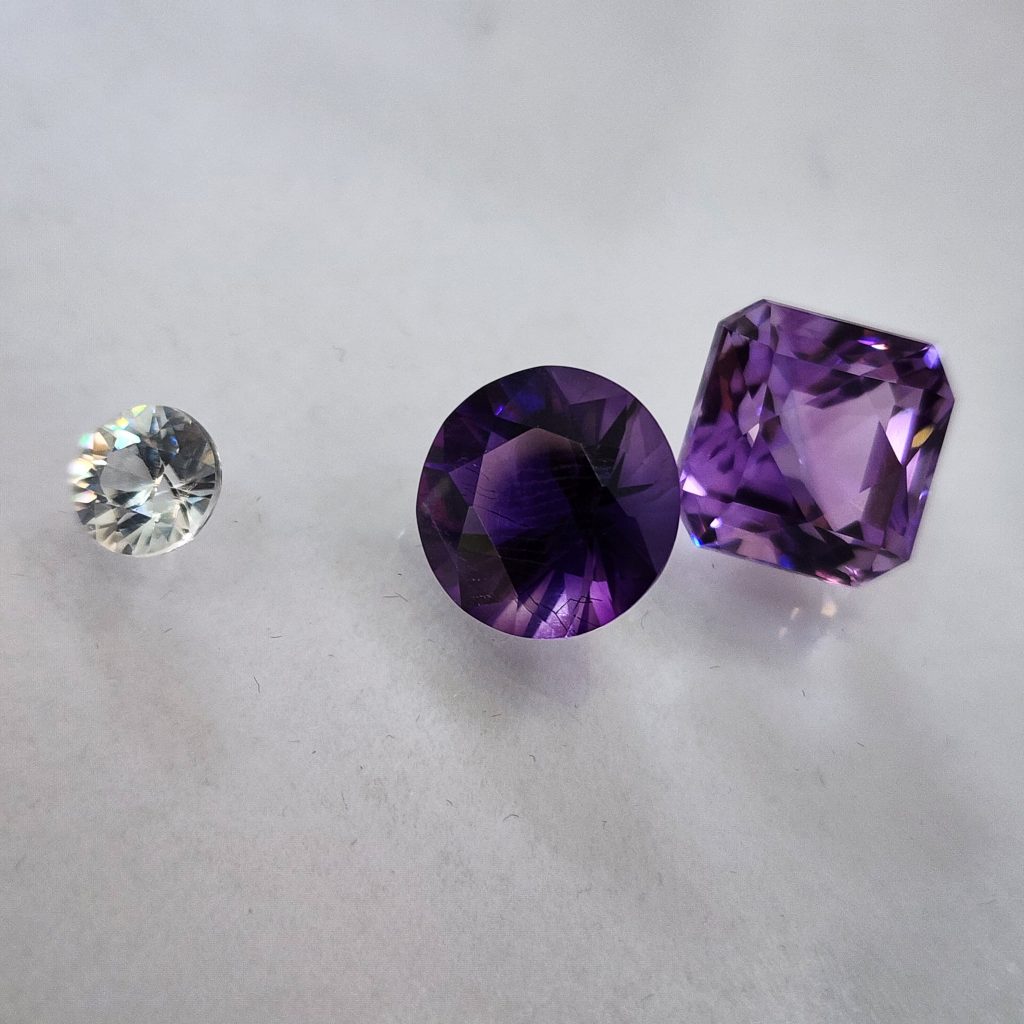
While diamonds have long been the assumed stone for engagement rings, alternative gemstones can offer a touch of the unconventional. Each of these brings its own colors and meanings (sapphires, emeralds, and rubies). Choosing a gemstone is no easy task, as there are several factors to consider, including color, clarity, cut, and carat weight. These factors define the overall look and sparkle of the stone.
Exploring Different Settings
The choice of where a ring is worn affects both its appearance and its security. One of the most well-known styles for highlighting a stone is a prong setting. Bezel settings, which encase the stone with metal all around, provide even more protection. A halo configuration, meanwhile, surrounds a center stone with a circle of smaller stones that make the center stone sparkle. Each style has beauty and purpose, so choose one that suits your taste and lifestyle.
Customizing with Personal Touches
Personal touches can transform an engagement ring from nice to something truly special. Also, you can engrave meaningful dates on your wedding rings (not just initials)—it may bring emotional value. Having a birthstone or a family heirloom stone used can also personalize the design. These components ensure that a ring evolves into a treasured memento.
Balancing Budget and Design
Creating a unique engagement ring doesn’t have to be extremely expensive. The metal type or the gemstone can be prioritized, which helps in decision-making without overspending. The distribution of different jewelry and their prices helps ensure quality within limits. Remember that necessity is the mother of invention, and one can find equally beautiful solutions.
Seeking Professional Guidance
An experienced jeweler has most probably taken on many projects and can streamline the design process for you. Experts provide guidance on material options and design implications. They can also offer sketches or computer-generated images to make the design of the final product clear. Liaising with a jeweler makes sure that the design meets expectations and helps prevent misunderstandings.
Ethical and Sustainable Choices
Ethical responsibility has become an increasingly important aspect of jewelry design over the past few years. There is now a large number of people seeking conflict-free diamonds, as well as gemstones that are mined responsibly. Taking a closer look at recycled metals and lab-grown stones is one sustainable value alignment option as well. Choosing thoughtfully means creating a healthier planet and giving the ring a truly meaningful background.
Conclusion
Creating a custom engagement ring is both an artistic and a challenging endeavor. With a little knowledge of style, a sense of what is needed, and the addition of significant details, a person can create a ring that reflects the journey of their life. Doing what needs to be done, while also exercising creativity and asking for help along the way, ensures that both the journey and the success are fun. In the end, a ring designed with thought and care becomes a lasting symbol of love.
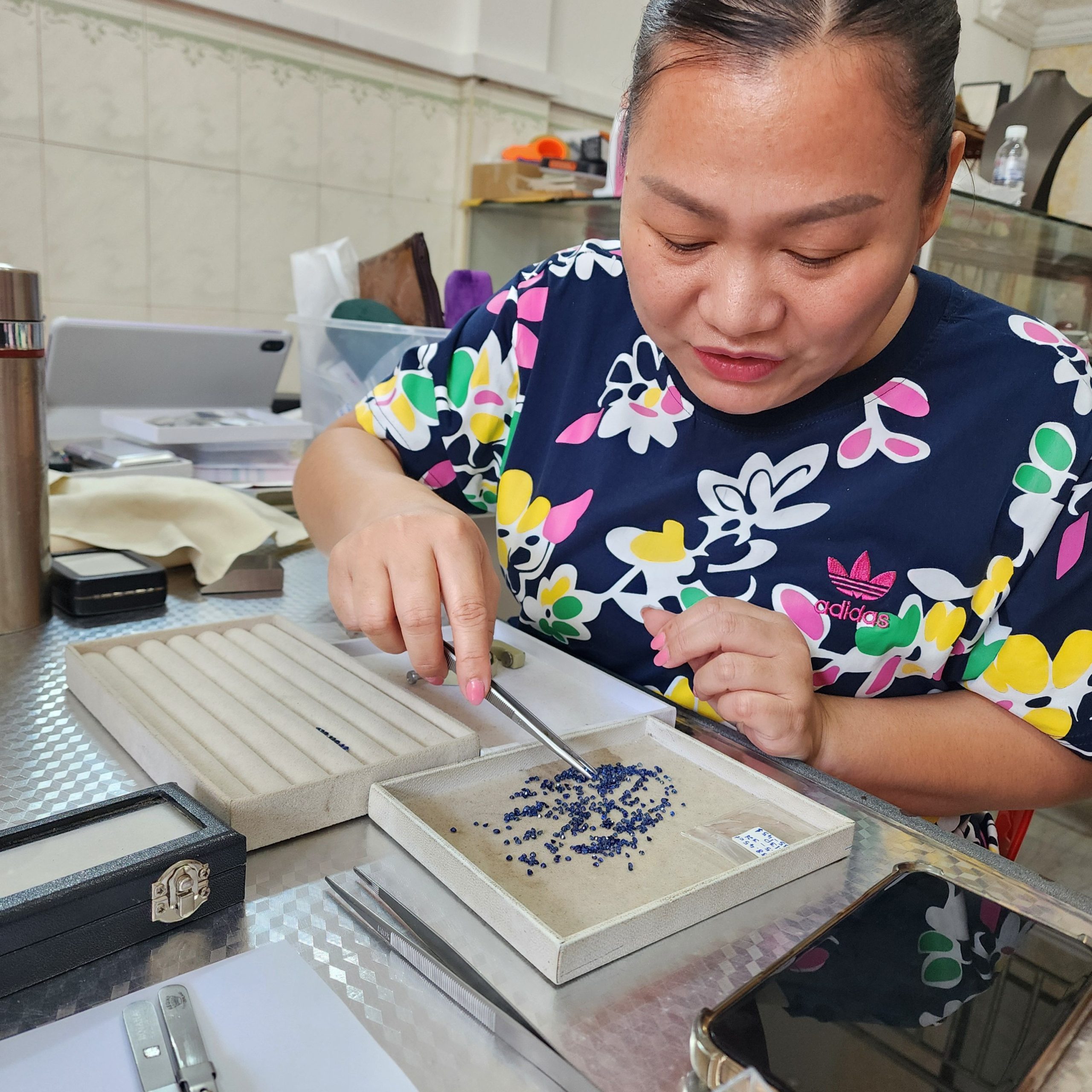
Yi Seng Gemstones in Phnom Penh Cambodia makes beautiful engagement rings via Vaughn Lowery + 360 MAGAZINE.
The Kansas Jayhawks and the UConn Huskies are preparing for a highly anticipated matchup scheduled for December 2 at Allen Fieldhouse in Lawrence. The meeting brings national attention because both programs carry championship expectations every time they step on the floor. Kansas enters this early season test ready to measure its new lineup against one of the strongest non-conference opponents.
As excitement builds for marquee games like this, fans across the state are also paying close attention to the latest offerings from Kansas sportsbooks, which add another layer of engagement to NCAA Basketball season.
The energy surrounding Allen Fieldhouse tends to grow rapidly whenever a nationally respected program visits, and UConn consistently brings that type of intensity. Kansas supporters expect a packed arena, and the environment around this game signals a night that could showcase early momentum for both teams.
Anticipation has already started rising across Lawrence as conversations about strategy, pace, and pressure mount. The combination of history, competitive pride, and the timing of a December matchup creates a compelling atmosphere that draws nationwide interest.
The clash provides an opportunity for Kansas to display how its current roster construction responds to a heavyweight challenge. UConn historically sets a demanding standard and Kansas benefits from facing such opposition before conference play begins.
This early December date stands out for fans who look for measuring sticks that help define the potential ceiling of their favorite program. Allen Fieldhouse plays a central role in shaping the night, with its tradition, noise, and legacy fueling expectations of a memorable contest.
The date of December 2 has already been marked by Kansas followers who enjoy the return of high-level NCAA Basketball in the early stages of winter. The buildup feels substantial because both teams carry national respect and every possession often holds weight in matchups featuring programs with rich histories.
Analysts, alumni, and students understand how games like this influence national perception. The stage is set for a collision featuring competitive identity, disciplined preparation, and a crowd hungry for significant early season action.
Kansas Preparation for a Premier Opponent
Kansas approaches this matchup with a mindset centered on shaping the defining traits of its current group. The coaching staff uses early challenges to reinforce principles, establish expectations for rotation decisions, and build command of the system. With UConn arriving as a respected opponent, Kansas intends to test the reliability of its schemes under pressure.
The preparation phase also includes refining on court communication, recognizing tendencies, and maintaining discipline. Kansas fans expect the team to respond to high stakes competition with energy and purpose, and this early December opportunity supports that objective with a clear target date.
UConn Arrives With National Attention
UConn’s arrival at Allen Fieldhouse brings nationwide interest because the program consistently competes at a high level. The team’s appearance in Lawrence generates excitement and anticipation among those who appreciate matchups featuring prominent national contenders. UConn traditionally embraces challenges on the road, and this visit represents a chance to showcase its competitive standard.
Kansas supporters understand the significance of welcoming a recognized brand that thrives in pressure settings. The early season timing adds intrigue, creating a sense of urgency that enhances the overall spectacle of the evening.
Significance of the Allen Fieldhouse Setting
Allen Fieldhouse provides an environment that influences the rhythm and emotional tone of a game. Fans expect noise levels that test the composure of any visiting team, especially one with UConn’s stature. The building’s history amplifies every possession, and the tradition surrounding Kansas basketball heightens expectations.
The energy in the arena often becomes a factor as players respond to the intensity of the crowd. This December matchup benefits from that electric environment, giving Kansas an important psychological advantage while offering spectators a memorable experience filled with anticipation.
Early Season Momentum and National Impact
Games held early in the season often contribute to national conversation about program direction and potential. Kansas embraces this opportunity to demonstrate strength, consistency, and composure against a respected non-conference opponent.
The December 2 date positions this matchup as a moment that can influence rankings, projections, and confidence levels. UConn’s presence ensures heightened evaluation, and analysts tend to weigh results from high profile contests when forming early impressions. Kansas aims to show that its foundation is solid and that it can handle the pressure associated with national scrutiny.
Coaching Strategies Entering the Matchup
Coaching strategy plays a central role in preparing for a team like UConn. Kansas evaluates tendencies, reviews film, and implements adjustments meant to capitalize on opportunities. Approach, structure, and execution blend into a collective plan designed to withstand intensity during game action.
Coaches pay attention to timing, spacing, and situational responses. The preparation builds toward establishing a rhythm that supports players in moments when defensive pressure or fast paced sequences challenge their decision making. Kansas benefits from intentional strategy work that aligns with the demands of facing a top tier opponent.
Fan Expectations Surrounding the December 2 Event
Fans in Lawrence have already begun generating excitement around the upcoming contest, and the community atmosphere reflects genuine anticipation.
Many recognize the importance of hosting a program like UConn at Allen Fieldhouse, and the discussion surrounding the event adds energy throughout the city. Students, alumni, and residents appreciate how early season games contribute to school pride. The December date engages fans who enjoy the intensity of a nationally highlighted matchup. With anticipation rising, the city prepares for a vibrant environment that showcases the passion associated with Kansas basketball.
Media Coverage and National Spotlight
National media outlets typically highlight matchups that feature programs with historical success and competitive credibility. Kansas and UConn bring that combination, resulting in considerable media attention. Analysts discuss coaching decisions, roster development, and the significance of meeting a major opponent early in the season.
Media coverage also emphasizes the atmosphere at Allen Fieldhouse because it remains an iconic location for NCAA Basketball. The exposure adds to the magnitude of the event and enhances the broader conversation surrounding both programs in early December.
Competitive Stakes for Both Programs
The December 2 date carries competitive meaning for Kansas and UConn as both programs look to shape the direction of their seasons. Kansas aims to verify the stability of its roster and highlight areas of growth, while UConn seeks to reinforce its ability to challenge strong opponents on the road.
The outcome influences early season confidence, and players understand that such matchups offer opportunities to establish momentum. The importance stems from the desire to demonstrate readiness for future challenges while respecting the weight of facing a well-regarded opponent.
Anticipated Pace and Style of the Matchup
The style of play expected in a Kansas versus UConn meeting generally involves disciplined execution, well timed decision making, and competitive physicality. Kansas supporters anticipate a pace that may shift depending on situational demands, with both teams looking to impose their preferred rhythm.
Early season matchups provide opportunities to observe how emerging lineups handle adjustments. Kansas intends to maintain control through spacing and tempo choices, while UConn’s approach traditionally emphasizes poise. These factors combine to create a compelling early season display of strategy and resilience.
The Broader Importance of Non-Conference Tests
Non-conference games provide valuable information about preparedness and competitive identity. Kansas benefits from facing a team like UConn because it creates a scenario where execution carries significant weight. These matchups highlight areas that require refinement and reveal strengths that can be relied upon throughout the season.
The December 2 meeting reflects the broader goal of scheduling opponents who push the team to develop under pressure. Kansas embraces the challenge because it prepares players for future demands and reinforces the value of early season tests against strong national programs.