360 MAGAZINE is an award-winning international publishing on popular culture and design. We introduce avant trademarks to efficacious architects.
We are a LGBTQIA2S+ friendly publication--officially recognized by the NGLCC.
Our core demographic ranges from 19 to 39-year-old college-educated trendsetters within their respective international communities. The pages in this art book satisfy their strong interests including music, art, travel, auto, health, fashion, tech, philanthropy, design, food and entrepreneurship.
It's an introspective digital/print/tablet portrait series, which encapsulates artists/brands/entities who embody the true essence of our publication- empowerment, equality, sensuality and most important of all, humanity within a global society.
If you’ve ever started a new job and magically had access to your email, team chats, and shared folders without lifting a finger – you’ve experienced the magic of provisioning. It might sound technical (and sure, it kind of is), but really, it’s the behind-the-scenes work that makes digital workplaces tick.
We live in a world where a lot happens instantly. Need an app? Request it and it’s there. Got a new hire starting Monday? Their laptop shows up already set up. That’s provisioning at work – an invisible system quietly supporting everything from productivity to security. And in today’s hybrid or remote-first setups, it’s never been more important.
Wait – What Is Provisioning, Exactly?
At its core, provisioning is the process of setting up and assigning digital resources. Think access to email, apps, internal tools, Wi-Fi – basically, everything someone needs to get started. The moment an employee logs in and finds their digital desk ready to go? That’s the result of provisioning done right.
It doesn’t stop there. Provisioning happens when someone changes roles, gets promoted, or even when they leave – revoking access is part of the process, too. Today, a lot of this happens automatically. One click from HR, and suddenly, all the right systems are lined up. It’s something that is often done by IT in collaboration with a business analyst to get the best ROI and most streamlined process possible.
Provisioning covers a few major areas: setting up users, configuring servers, managing access to apps, and handling network permissions. You don’t see it happen, but when it doesn’t? You feel it.
Automation Made It Smarter (and Safer)
Not that long ago, provisioning was a bit clunky. IT teams had to set everything up by hand – creating user accounts, installing software, checking boxes. It was time-consuming, and mistakes happened. These days? It’s a whole different game.
With automation, companies can onboard dozens of employees without breaking a sweat. You could hire someone in Berlin, another in Chicago, and they’d both be fully set up before they even log in. Automation handles speed, accuracy, and – maybe most importantly – security.
Why security? Because provisioning is closely tied to access control. And in a world where data breaches are way too common, it matters. Proper provisioning helps prevent people from seeing things they shouldn’t. It also makes life easier when someone exits the company – access is revoked automatically, no awkward surprises later. All of this is part of the backbone of solid IT infrastructure.
It’s Not Just IT’s Problem Anymore
Sure, provisioning lives in the tech world – but it touches every corner of a business. Think about it: when someone joins the team, do they get what they need to do their job? If a contractor logs in, can they access the files they need (and only those files)? That’s provisioning.
Everyone from HR to operations plays a role. And behind the scenes, there’s usually a sysadmin making it all work – quietly solving problems before you even know they exist.
Bad provisioning slows people down. Good provisioning? You barely notice it’s there.
Where It’s All Going
As work keeps shifting away from offices and toward the cloud, provisioning is going to become even more important. Companies need to be able to grant – and remove – access quickly, wherever people are. That means smarter tools, AI-assisted setups, and systems that adapt on the fly.
The future of work is fast, flexible, and remote-friendly. Provisioning is the foundation that supports it. Want to stay in the loop on how tech is changing the workplace? Head over to our technology section.
Provisioning isn’t flashy. You won’t see it trending on social media. But without it? Your digital workspace would be a mess. It’s the silent hero of modern work life – and the reason things just work when they’re supposed to.
Visual artist Daniel Dover is entering an exciting and expansive new phase in his creative career, with several major projects currently in motion – across fine art, large-scale murals, and animated storytelling.
Best known for an evocative body of work that merges fine art sensibilities with dynamic storytelling, Daniel Dover is preparing for a series of upcoming solo exhibitions in New York and beyond. These new exhibitions will showcase Dover’s continued exploration of form, connection, and everyday life, reflecting both a curiosity about human experience and his ever-evolving engagement with public space and visual narrative.
At the same time, Dover is launching a new cycle of mural work, with several large-scale projects slated to appear across New York City in the coming months. Building on the momentum of earlier public artworks, including prominent murals across Tel Aviv and a celebrated animated installation at Tel Aviv City Hall. These new pieces will bring Daniel’s bold visual language into direct dialogue with the city’s communities and streetscape.
Building on recent animation work, Dover is also continuing to develop visual content and direction for several documentary projects currently in production, contributing both animated sequences and conceptual design. These collaborations represent a natural extension of Dover’s illustrative storytelling, layering his distinct aesthetic into nonfiction formats.
Throughout his career, Daniel Dover has built a broad and diverse presence across public spaces and galleries in Israel, Europe, and New York. His work has drawn wide recognition for its rich interplay of personal symbolism and intrinsic narrative storytelling, often weaving together remarkable experiences, underlying tensions and emotional nuance. In addition to gallery exhibitions, Dover’s site-specific installations have garnered critical attention, including a celebrated series of plastic animal sculpture sprawling across recycling collection sites in Israel. A valued commission at the Center for Jewish History in New York City, and the animated installation at the entrance of Tel-Aviv City Hall, which continues to resonate as a public landmark.
This next part of Daniel Dover’s career builds on these achievements with a renewed sense of scale, ambition, and cross-medium fluency. His ability to move fluidly between the intimate space of animation and the monumental scale of muralism has become a defining trait, as has Dover’s instinct for narrative structures – whether told through a canvas, a wall, or the unfolding movement of animation.
As Dover moves into this next chapter, his work continues to evolve in scale, format, and tone – while staying grounded in a consistent visual language shaped over years of practice. With upcoming exhibitions, murals, and animated collaborations taking shape, this period marks both a continuation and a quiet shift for Dover. One that leans further into narrative, collaboration, and the interplay between public and personal, and continues to build on familiar themes.
Your work spans across painting, illustration, and animation. How do you approach each medium differently, and what draws you to work in all three?
DD:
I think each medium offers something different and has its own unique way of making me think about a piece. Each lets me explore different aspects of what I’m looking to express. With painting, I’m more interested in the physicality of it, dealing with expressive textures and color – and most of all, working on a large scale. It’s usually less about telling a detailed story and more about capturing a moment, a mood or feeling that will occupy a physical space. Painting is a slower and more reflective process compared to the immediacy of illustration. Animation, on the other hand, allows me to add another layer of depth by bringing things to life, which feels like a whole different kind of storytelling.
When you’re starting a new project, do you have a specific medium in mind from the beginning, or do you let the concept determine the approach?
DD:
It pretty much depends on the project, and at times might even shift in the middle, or span across a couple of different mediums – if the idea’s right for it. I usually let the concept lead, but It’s nice to have options.
Is there a particular subject or theme that you feel best expresses itself across these mediums? How does your approach change from one medium to the next?
DD:
I tend to focus a lot on characters and their environments, and find that I’m drawn to creating moments that, although absurd and exaggerated – feel genuine and lived-in. In painting, I focus more on the mood of the scene and how the composition can tell a story on its own. In illustration, it’s more about capturing a specific moment or expression. With animation it’s about bringing those characters and scenes to life and exploring how they evolve. The core idea stays the same though.
How do you approach color in your work across painting, illustration, and animation? Are there any common threads that tie these mediums together for you?
DD:
I tend to use color in a more subtle, often muted way, focusing on creating a mood rather than using bright or intense hues. In painting, I might play with softer or more surreal tones to set a certain atmosphere. In illustration I try to keep things simple, using basic colors to keep the focus clear. I guess animation falls somewhere in the middle.
How do you’re painting, and illustration skills influence your animation style, and vice versa? Is there a seamless flow between these practices for you?
DD:
There is a pretty natural crossover, and they all influence each other in many ways. Painting allows me to concentrate more on the mood and setting, which I try to carry over into animation in terms of atmosphere. Illustration makes me focus on clear design and expression, which is useful for animation as well. Each medium kind of informs the next, and I try to bring what I have learned from one into the others.
Do you ever mix traditional painting techniques with animation? If so, what are some examples, and how does it change the overall aesthetic?
DD:
Yes, I use traditional hand-painted techniques for both the character drawings and backgrounds. I feel this gives the animation a more natural and personal feel overall, and also keeps me more engaged with the process, as I’d rather work with physical materials over a screen.
What role do you think art should play in a person’s life—should it challenge, comfort, or something else entirely?
DD:
I suppose a bit of both, but preferably not at the same time. I mostly like when it offers an idea or a point of view – and hopefully makes people think about it, but sometimes it’s simply about giving a sense of relief or connection.
How do you view the relationship between art and audience expectation? Do you feel a pressure to meet expectations, or is your focus more on personal exploration?
DD:
There’s always some balance between both, but I try not to worry too much about meeting expectations and rather follow with personal exploration. I focus more on what feels right for the work. If people connect with it, that is a nice bonus.
This upcoming solo show marks a shift back toward painting. What drew you to focus on that medium right now?
DD:
I have been wanting to explore some characters in a more thorough and detailed way for quite some time. Painting gives me the chance to push them further, with more room for exploration. It is a medium that allows me to expand on ideas I have worked with in illustration and animation.
How has your background in animation and illustration shaped the way you approach this new body of work?
DD:
Very much, as I’m used to thinking in terms of movement and storytelling, and I try to bring that sense of fluidity and narrative into my new work as well. The precision of illustration also carries over and helps me to focus on detail while still allowing for more experimentation.
Riding an eBike used to be all about convenience—get on, get where you need to go, and you’re done. That was fine for a while. But now, technology has added a new twist. Rides aren’t just about movement anymore. They’re about motivation, goals, streaks, and fun.
Gamification is showing up in all sorts of places, from fitness apps to language learning. And now it’s finding a natural home in the world of eBiking. Whether you’re riding around your neighborhood or heading out on weekend adventures, smart features are helping turn every ride into something more rewarding.
This article breaks down exactly how gamification works in eBiking—and why it makes every ride feel a little more exciting.
Ride Stats, Apps, and Motivation Boosters
When you know how far you’ve ridden or how fast you’re going, something clicks. It’s not just a ride anymore—it’s a challenge, a personal record, or a target you want to beat. That’s the first layer of gamification in eBikes: real-time data.
Some eBikes now come equipped with displays that show your ride stats instantly. Others connect to apps that log every ride, track trends, and let you dig into the details. This helps you spot improvements and patterns over time. It also helps keep you riding longer and more often.
Heybike is one brand leaning into this idea with models like the Heybike Tyson. It includes a built-in TFT-4G display that shows real-time stats like speed, distance, and battery level. The Tyson connects to the Heybike app, where you can see your ride history, track your routes, set ride goals, and even check the bike’s health. Features like pedal assist level adjustment, trip distance resets, and app-controlled settings make it easier to stay in control. You can even get alerts if your bike is moved or tampered with—another little bonus for staying connected.
It’s not just about numbers, though. Seeing progress—like riding longer distances each week—can be incredibly motivating. You might not think of yourself as competitive, but once you’ve ridden 40 miles one week, it’s natural to want to hit 45 the next. When your rides feel like a streak or a challenge to complete, the habit sticks more easily.
Friendly Competition: Leaderboards and Group Challenges
Once you’re tracking your own rides, it’s only natural to start comparing with others. That’s where leaderboards and group challenges come in.
Many eBike and fitness apps include public rankings or invite-only groups. Some track top speeds, longest rides, or total distance over a set time. It’s not about being the best—it’s about joining the game. Friendly competition adds pressure in a good way. It makes a solo ride feel more social and a weekend spin more exciting.
Group challenges also give you a shared goal. You might ride more just to keep up with your friends or push a little harder to hit your part of a group target. These challenges build community while adding fun structure to your biking routine.
Virtual Races and Route Exploration
Gamified eBiking doesn’t stop at the neighborhood. With virtual races and route tracking, you can turn any ride into an event. These features let you compete against yourself or others without having to show up to an official start line.
Apps now offer time trials, personal best challenges, and route leaderboards. You ride at your own pace and compare results later. These features are great for people who want a challenge without the pressure of an actual race.
Route tracking adds another layer. It lets you explore new paths, find loops, or follow other people’s favorite rides. Some apps suggest local trails based on your riding style or how much time you have. It turns “Where should I ride today?” into a fun decision instead of a stressful one.
Reward Systems: Unlocking Gear, Levels, or Perks
We all love earning rewards. That’s why so many apps—fitness or otherwise—use points, levels, and badges. In eBiking, this can look like earning medals for reaching milestones or completing a ride streak. It might also include unlocking special app features, discounts, or in-app perks.
You might earn a badge for riding five days in a row or get recognized for your total yearly mileage. Even digital rewards make the ride feel more meaningful. They serve as little markers of your commitment and consistency.
This kind of system is simple, but it works. You know the ride isn’t just about distance anymore—it’s also about seeing what you can earn, unlock, or complete next. And it doesn’t take a lot of effort to make it fun. The rewards don’t need to be big to be effective. Sometimes, just a new badge on your profile can give you a reason to go ride again tomorrow.
How Gamification Keeps You Consistent
All of these tools—tracking, goals, rewards, and challenges—add up to one major benefit: consistency. Staying consistent with any habit can be tough. Life gets busy. Schedules shift. Motivation dips.
But gamification helps fight that. A streak makes you want to keep going. A missed goal pushes you to ride a little farther next time. A challenge with friends gives you accountability.
These features create a cycle. You ride, you earn, you improve, and you want to do it again. Over time, it turns riding from a once-in-a-while thing into part of your weekly rhythm. You’ll find yourself riding not just for fitness or errands—but because it’s genuinely fun and rewarding.
And the best part? You’re still in control. You can take it easy or push hard. Ride for leisure or for goals. Gamification doesn’t change the ride itself—it just makes it feel more like something you want to come back to again and again.
Tech is changing how we ride—one app, challenge, and goal at a time. eBikes are no longer just about getting somewhere faster. They’re about making each ride feel like progress, like achievement, like play. Whether it’s tracking stats, earning badges, or racing your friends virtually, the game layer makes it all more engaging.
You don’t need to be a competitive rider to enjoy it. Even a small goal—like riding three days a week—can feel more satisfying when you see it checked off on an app. And with so many tools now built right into the bikes or their companion apps, it’s easier than ever to join the fun.
A rolled ankle on a warehouse floor. A slipped disc from lifting one box too many. A stress breakdown after months of impossible deadlines. Workplace injuries don’t always come with flashing lights or dramatic moments—but they can still upend lives. For many injured workers, the real pain starts after the incident: the paperwork, the doubt, the employer silence, or worse, pressure to “just get over it.”
But here’s the truth: getting hurt on the job doesn’t mean you have to surrender control. In fact, it’s your moment to reclaim it.
Whether your injury was physical, psychological, or both, the right information—and support—can make all the difference. This guide breaks down what every worker should know about asserting their rights, avoiding common traps, and leaning on the right professionals (like experienced workers compensation lawyers in Perth to back them up when it counts.
You’re Not Overreacting—You’re Injured
Let’s start with this: if something at work caused or contributed to your injury, you’re not “making a fuss.” You’re not weak. You’re not being difficult. You’re protecting your health—and your future.
That injury could lead to time off work, medical expenses, reduced income, or even long-term complications. Workers’ compensation exists to offset those consequences. But the system is only helpful if you use it—and use it smartly.
Common Employer Tactics That Derail Claims
Unfortunately, not all workplaces make it easy. Here are some tactics injured workers report across industries:
Minimizing the incident – “You’ll be fine,” or “It’s just a strain.”
Discouraging claims – Subtle nudges like “We’ll sort this out internally” or “Let’s not make it official.”
Delaying paperwork – Holding off on reporting to insurers or not providing incident reports on time.
Blaming the worker – Suggesting the injury was caused by “carelessness” rather than conditions or expectations.
These responses aren’t just frustrating—they’re strategic. Many employers know that if they delay or discourage action, you might give up entirely. Don’t.
Report the Incident, in Writing
The very first thing to do—if you haven’t already—is to report your injury to your employer. Not verbally. Not casually. Do it in writing. Keep a copy for your records. This creates a paper trail, which can protect you later.
Even if your symptoms seem minor now, they could get worse. And without a timely report, your chances of getting support later drop sharply.
Pro tip: If your boss “loses” your report or asks you not to document it, that’s a red flag. Send it via email, or submit a hard copy and note the date and recipient.
See a Doctor—Not Just the Company One
You’re entitled to choose your own doctor. While some workplaces recommend a preferred provider, you don’t have to stick with them. Get an independent assessment. Explain clearly that it’s a work-related injury and ask for documentation—ideally a WorkCover certificate (or equivalent).
Be honest with your doctor. Downplaying symptoms out of fear or loyalty won’t help your case—or your health.
Keep a Record Like a Detective
Think of yourself as the lead investigator of your own case. Keep track of:
The date, time, and location of the injury
What happened before, during, and after the incident
Any communication with your employer (texts, emails, calls)
Medical appointments and expenses
Days off work or modified duties
If things escalate, this documentation becomes your safety net.
File the Workers’ Comp Claim (Don’t Wait)
In Western Australia, workers’ compensation claims are filed through WorkCover WA. You’ll need to submit a Worker’s Compensation Claim Form along with a First Medical Certificate from your doctor.
Waiting too long can be costly. Strict deadlines apply, and the longer you delay, the more likely insurers are to question the seriousness or cause of the injury.
If your employer refuses to give you the form or is uncooperative, you can download it directly from WorkCover WA’s website or contact a legal advisor.
What You’re Entitled To (It’s More Than You Think)
Most people assume workers’ comp only covers medical bills—but there’s more. Depending on your case, you might be eligible for:
Weekly payments while you’re off work
Coverage for treatment, rehab, and medication
Travel costs related to medical care
Lump-sum payouts for permanent impairment
Vocational retraining, if you can’t return to your job
A good legal advisor will ensure you’re not shortchanged by an offer that’s too quick or too low.
When to Call a Lawyer (Hint: Sooner Than You Think)
Not every claim needs legal help—but many do. Here’s when it’s smart to reach out:
Your employer disputes the injury or denies responsibility
The insurer delays approval or offers a low payout
You’re under pressure to return to work early
You’ve been sacked or demoted after making a claim
You’re unsure if the claim is worth pursuing
Lawyers who specialize in workers’ compensation can decode the fine print, push back on delays, and represent you if the case goes to arbitration. Better still, most offer free consultations—so there’s no risk in getting advice.
What Sets Perth’s Legal Landscape Apart
Workers in Perth face unique challenges. From mining and construction to retail and logistics, the city’s industries come with distinct risks. Having local representation that understands WA’s regulations, medical networks, and insurer habits can be a major advantage.
Many [workers compensation lawyers in Perth] have seen hundreds of similar claims and can spot when an insurer is stalling or lowballing. They’re also plugged into regional nuances that a national firm might overlook.
What If the Injury Is Psychological?
Psychological injuries are real—and just as valid as physical ones. Bullying, harassment, trauma from witnessing accidents, or sustained burnout can lead to serious mental health impacts.
In WA, these injuries can be claimed under workers’ comp. But they’re often more difficult to prove. That’s where detailed documentation and professional support become essential. If your mental health has been affected, talk to your GP and consider legal help early.
Returning to Work Doesn’t End the Story
Once you’ve recovered (or partially recovered), your employer should offer suitable duties. But “suitable” is the keyword. You can’t be forced back into your old role if it puts your recovery at risk.
Some workplaces pressure staff to return early, take reduced pay, or quietly resign. Know your rights. You’re not required to accept a role that undermines your recovery—or your dignity.
Red Flags to Watch for During Your Claim
As your claim progresses, keep an eye out for:
Sudden surveillance (yes, it happens—especially in disputed claims)
Request for unnecessary medical exams by doctors you’ve never met
Mysterious delays in payment or treatment approvals
Subtle retaliation at work, such as being passed over for shifts or projects
These tactics are designed to frustrate or intimidate. Document everything, and don’t hesitate to call in support.
Your Health Comes First—But Don’t Let the System Push You Around
At the end of the day, workers’ compensation isn’t a gift. It’s a right. You’re not begging—you’re applying for something that exists to protect people like you.
Yes, it can be frustrating. Yes, there’s red tape. But standing up for yourself sets a powerful precedent—for your coworkers, your community, and your own future.
So if you’ve been injured, don’t downplay it. Don’t delay. Take it seriously—and take control. With the right steps and the right allies, you can come out of this stronger, smarter, and unshaken.
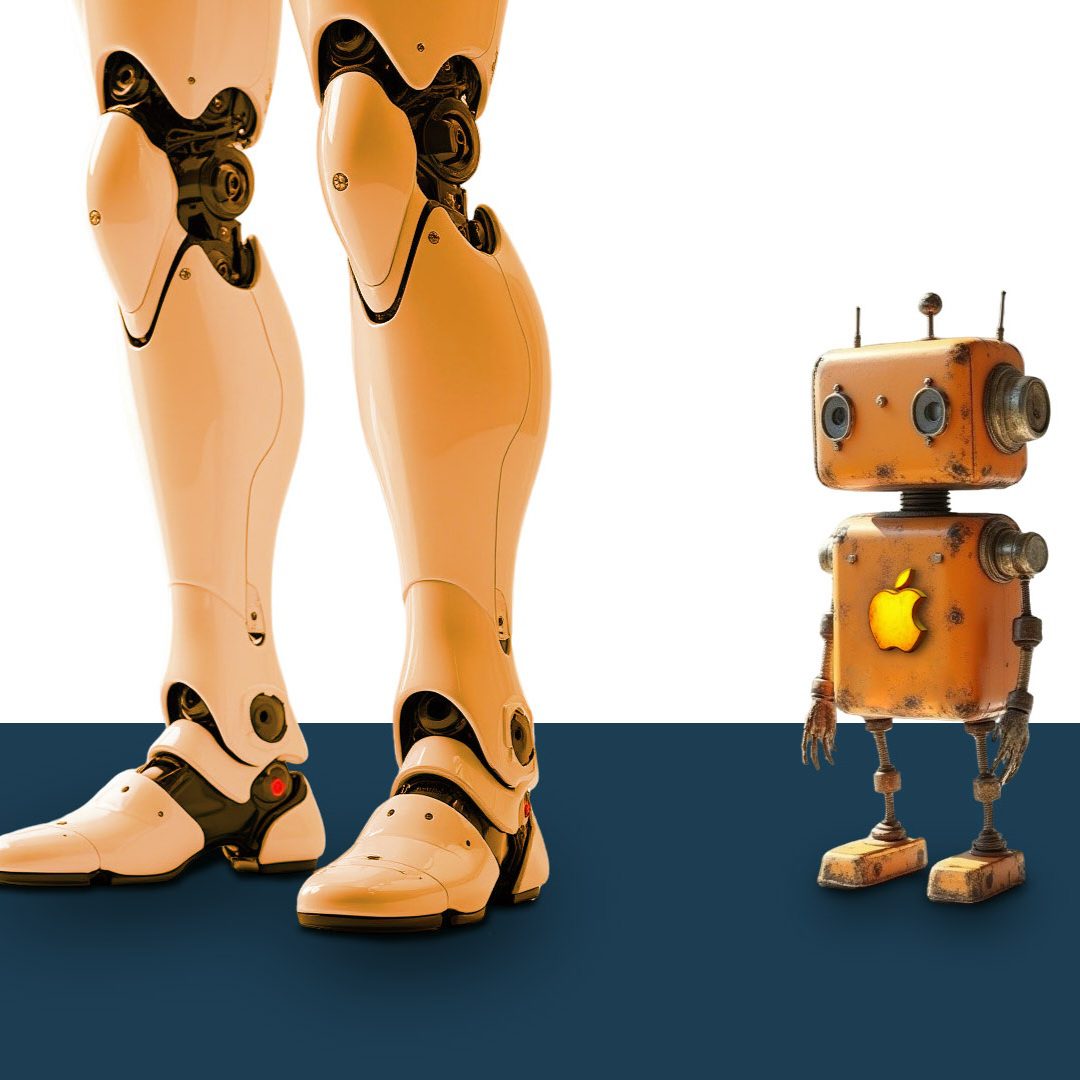
At WWDC 2024, the Californian giant and iPhone maker introduced their latest software feature, Apple Intelligence, and conveniently jumped onto the AI bandwagon. Tim Cook, the current CEO of the company, called it “indispensable.”
As you would usually expect it from Apple, the demo was polished, the music swelled at the right moments and the crowd cheered at every little thing. But outside the keynote bubble, the rollout was disappointing, and the internet soon stopped buying into the promise that the new AI integration would make our beloved iPhones “even more useful and delightful.”
The expectation of an improved Siri has largely fallen flat, as netizens complain that the digital assistant cannot even set an alarm efficiently.
One X user in particular mentioned that in the world of incredible AI chatbots, it’s honestly embarrassing for Apple how bad Siri is, and we can’t agree more.
According to this expert’s article on Medium, Apple Intelligence feels “more of a ‘toy’ or a glorified spell-grammar-sentence-phrase-mood checker for emails.” The same article, titled, “Hey Siri, I Expect More,” describes Apple’s shot at AI as “a half-baked product that was released way too early.”
Ideally, “too early” should not be in the same sentence with Apple when it comes to AI integration. This is Apple, the company that revolutionized the technology sector! That gave us the M-series chips, the iPhone, and the App Store. And yet, it is stumbling into the biggest software shift since the App Store is slower and weirder than anyone expected.
Everyone’s hyped on Apple becoming an AI powerhouse, but I can’t even get Siri to reliably set an alarm.
The question isn’t just what Apple announced, but why it feels so underwhelming. Is this the cost of obsessive caution?
A case of perfectionism gone wrong?
Corporate arrogance?
Or is Apple’s best-in-class hardware now being held hostage by flawed software that can’t keep up?
Let’s unpack how such a giant among technology companies in the world managed to make artificial intelligence feel… Disappointingly artificial.
What Apple Promised vs. What It Delivered
For some years now, AI has been the battlefield of Big Tech. Google launched Gemini. Microsoft embedded Copilot into Office and Windows. Meta threw generative AI into WhatsApp and Instagram. And Apple?
It waited.
Then in June 2024, Apple finally made its move with “Apple Intelligence,” a name that tried to reframe the acronym everyone else had been using for years. The promise? Smart notifications that summarize and prioritize messages, as well as on-device writing suggestions and email summaries. Apple also presented a system-wide index that helps Siri answer contextual questions like, “When does Mom’s flight land?”, “Genmoji” (custom emoji from text prompts), and integration with ChatGPT (sort of… more on that soon).
But there were problems. First, the rollout was limited. Only M1 Macs, iPhone 15 Pro models, and newer iPads would support these tools. Second, the features trickled out slowly. Despite the iPhone 16 being “built from the ground up” for Apple Intelligence, AI features didn’t ship with the device and some of these features did not arrive for months. Others like the AI-powered, more personalized Siri still haven’t materialized, despite being key to Apple’s AI pitch. Very disappointing, as the promise of the advanced, personalized AI features that allow Siri to leverage a user’s personal data and carry out actions on their behalf was what got everyone excited at WWDC 2024.
The more personalized Siri was initially targeted for April. April turned to May. Now, it’s delayed indefinitely. It turns out that the Siri demo shown at last year’s WWDC was a dramatized video of a prototype and not the live tech many thought it was. The features weren’t ready then. And judging from Apple’s senior vice president of software engineering Craig Federighi’s keynote speech at the WWDC 2025, they’re not ready now. According to the software engineering executive, “This work needed more time to reach our high quality bar, and we look forward to sharing more about it in the coming year.” In other words, “keep waiting.”
The punting definitely won’t work in some quarters, as some customers who bought the iPhone 16 expecting full AI features have now joined class-action lawsuits over false advertising. Are they to be blamed? Afterall, the company’s Apple Intelligence announcement did show an iPhone user asking Siri about her mother’s flight and lunch reservation plans based on information from her Mail and Messages apps.
Where Apple Dropped the Ball The Long Silence
While competitors had been deploying real-time language models into consumer tools for over a year, Apple appeared to be lying on its oars. In no time, Google’s Gemini and Microsoft’s Copilot were already baked into core workflows. OpenAI redefined how people interact with computers. Apple, on the other hand, treated AI like a cautious footnote.
It also did not help that Apple seemed to be relying heavily on OpenAI under the hood. ChatGPT integration was optional, and not made to be a part of Safari, Mail, or other built-in apps. It’s almost like Apple showing up to a Formula 1 race on a Segway.
The Disappointment Called Siri
Siri is Apple’s most visible AI interface, and its most dated. Unfortunately, it remains the weakest link in Apple’s chain. Launched in 2011, Siri once felt futuristic. But while Alexa and Google Assistant have evolved, the Apple-developed digital assistant still struggles with basic tasks even though it’s been over thirteen years since its launch. Not only can it not set two timers at the same time as promised, it seemingly cannot even set one without multiple attempts.
The disappointment is palpable, as a certain conservative influencer on X expressed his recently, writing, “The fact that Siri isn’t the leading AI assistant shows how big Apple fumbled the program.”
I don’t get why the state of Siri and Apple Intelligence isn’t a five alarm fire at Apple. Siri is astonishingly bad. Even setting a timer is a roll of the dice. It’s such a stain on the Apple brand.
The new Siri was supposed to fix some of the interface’s core weaknesses, with the ability to see what’s on screen, search across apps, and take contextual actions. But the overhaul is no longer to be expected this year anymore. Wait until at least 2026, Federighi basically told the crowd at June 9’s WWDC.
The Privacy Trade-Off During his WWDC 2024 keynote, Cook said that Apple has “been using artificial intelligence and machine learning for years… It has to be built with privacy from the ground up.”
The company’s commitment to privacy is commendable. But its insistence on on-device AI restricts how powerful its tools can be. While other companies like Google and Microsoft lean on cloud supercomputers to run massive language models, Apple uses small, optimized models that run locally. This keeps user data safe but also equals smaller models, less nuance, fewer capabilities and slower adaptability. Hence, OpenAI’s models get smarter by the day while Apple’s remain sandboxed and can’t match the creativity, speed, or depth of its rivals.
Fragmented, Incomplete Rollout
Another problem with Apple Intelligence is that it is more of an exclusive club. Devices without M1 chips or the A17 Pro processor are excluded. iPhone 15? No luck. iPhone 14? Forget it. Now, the question is: Why build AI features if only a slim fraction of users can access them? How does Apple not see how that fractures the Apple ecosystem?
It also does not help that features were promised before they were ready. Apple heavily marketed AI with the iPhone 16, claiming the model was “built from the ground up” for AI…only to delay the actual functionality. This bait-and-switch approach is seen by many for what it is – a product marketing trap. While the company hasn’t commented publicly on the lawsuits crying false advertisement, its credibility has sure taken a hit.
Didn’t Pass the Vibe Check
One look at social media and Developer forums, and the verdict is clear: Apple fumbled. More than ever, this year’s Apple event generated heavy criticism and memes. What should have been a triumphant return to AI relevance instead felt like a keynote held together with duct tape in form of disclaimers and explanations. The level of dissatisfaction is easily seen across X and on developer forums on Reddit.
A Reddit user wrote, “Apple Intelligence reminds me of Battlefield 2042, where the marketing team did a better job marketing the product instead of the actual development and implementation so it doesn’t suck. Sadly both sucked.”
Come to think of it! Apple may be taking the long view, as it is trying to build AI around privacy, on-device intelligence, and tighter UX control. The current AI race is messy, afterall, with Google and Microsoft constantly issuing updates, patches, and retractions as their AIs misstep. Amidst all these, Apple might just be deliberately slow-walking its entrance to avoid all of that (and avoid the lawsuits Microsoft and Google keep facing over data misuse).
So maybe Apple isn’t late or slow but just “deliberate and thoughtful” in its deployment, as Cook told Wall Street in May 2023. Perhaps by 2026, the company’s quiet groundwork will pay off and it will actually deliver smarter, safer, more polished tools. This would be a nice turnout and maybe worth the wait. The only problem here is that the delay is giving competitors space to define user expectations before Apple catches up.
However low the expectations have gotten, there is a chance that when Siri’s upgrade finally lands, it could still surprise us. Afterall, Cook said in October 2024 that the company “is following its policy of ‘Not first, but best.’” Apple does have a history of being late, then getting it right. Remember the iPod? The iPhone? The Apple Watch? All entered established markets and changed the game.
Where Apple Is on Track
It would be unfair to pretend like Apple lost the plot completely. There are silver linings, some of which are:
Hardware-Software Optimization
This remains Apple’s secret weapon, as its hardware-software optimization is unrivaled. No other company can match the way iOS, macOS, and custom silicon interlock so smoothly.
On-Device LLMs
With its iOS 26, iPadOS 26, MacOS 26, VisionOS 26, WatchOS 26, and TVOS 26 announcements, Apple is providing access to its on-device AI large language model (LLM) to developers. This would remove the friction involved in adding AI to apps. If Apple can scale its models to be as useful as cloud-based ones, this could become a long-term strategic win.
New Developer APIs
Apple’s new APIs for developers show potential, as they could lead to a wave of useful third-party integrations eventually. While they aren’t sexy like ChatGPT, they lay the foundation for a user-first, privacy-focused AI framework.
Others
Some of Apple’s innovations like Personal Context and Semantic Indexing might not generate many headlines, but they’re meaningful. Having your device actually understand you instead of just responding to keywords is a powerful shift.
While these victories need to be acknowledged, they are very small compared to what the moment demanded.
The Real Danger for Apple
Here is the problem – while Apple slow-cooks its AI, its users are already adopting others. ChatGPT, Gemini, Claude, and Copilot are now part of millions of iPhone users’ daily routines. And if Apple doesn’t catch up soon, its devices risk becoming mere vessels for someone else’s intelligence.
Has Apple lost the war? I’d say it hasn’t. Yet.
However, there is a pressing need to give users and investors more than just “Liquid Glass,” a “Workout Buddy” and a host of underwhelming features. The gap between Apple and other tech giants is widening with the days, as its biggest smartphone rival, Samsung, and Google-manufactured Pixels continue to lean heavily into AI. Yet, Android is not the only enemy the Silicon Valley powerhouse needs to be worried about right now. Open AI’s recent recruitment of iPhone designer Jony Ive work on a yet-to-be-known AI hardware device also spells another set of competitive troubles for Apple.
There’s danger on many fronts for Apple, as it is fast losing the narrative. Just like Google Maps eclipsed Apple Maps and iPhone users go the extra mile to download Google Maps despite their phones coming with a built-in map, generative AI tools could eclipse Siri, Apple Notes, Mail, and more. The AI era is here. And Apple needs to stop delaying its RSVP, or it may find that the party has moved on without it.
DIABLO, Executive Produced by Bill Shadorf of HIGHLIGHTSTAR, the trailblazing content creator powerhouse and Social Media Superstar Francisco Carrillo, from Grindstone Entertainment Group, held its official LA Screening at Lionsgate last night ahead of the June 13th release in theatres, Amazon and Apple iTunes
Ahead of the highly anticipated film release of DIABLO, which debuts today, Friday, June 13, 2025 in theatres and on-demand (ITUNES, AMAZON), starring Scott Adkins, Marko Zaror, Juan Camilo Castillo, and Alanna De La Rossa, the official Los Angeles screening took place in Santa Monica, California at Lionsgate, hosted by Grindstone Entertainment Group and Highlightstar.
The pre-film reception included TOMA Empanadas by Sofia and Manolo Vergara, as well as Wavers by David Dobrik’s The Original Doughbrik’s Snacks. Social media sensation and multi-talented actor-comedian Francisco Carrillo, widely recognized as CiscoKid (@Kennalovescisco), made his Executive Producer debut with DIABLO in partnership with his management company, Highlightstar, and Grindstone Entertainment Group.
The film was executive produced by Highlightstar, the social media company led by CEO Bill Shadorf, and Francisco “CiscoKid” Carrillo, and directed by Ernesto Diaz Espinoza.
Notables and talent in attendance at the screening: Diablo stars Marko Zaror, Alanna De La Rossa, executive producers Francisco Carrillo “Cisco,” Bill Shadorf and Stan Wertlieb. Director Ernesto Diaz Espinoza, producers Clay Epstein, Alberto Portillo, Nicolas Troya, Alvaro Gutierrez. Actress Laysla De Oliveira (star of Paramount Plus’ Lioness), actor Jonathan Keltz, Callie Rose Deets (Griselda), J.Valentino, actor Jairo Orozco, director James Madigan, actor and producer Jason Gurvitz, actress Lola Manzini, actress Blanca Blanco, Toma founder Manolo Vergara, internet personality Nick Nayersina, DJ Steven Franz, producer Alberto Portillo, actor Chimechi Oparanozie, actress Druscilla Delgado, actor Fabian Alomar, actress Fernanda Urrejola, Carlos Ayala, music artist Michelangelo Falcon, Jose “Conejo” Martin, actress Oksana Orlan, Logan Winter, Maria Y Laura Estrada, actress and model Natalie Burn, DJ Adel Nur, Sakenah Samarah, Sam Shadorf, film editor Ernesto Diaz Espinoza, Arturo Arevalo. Actresses Sloan Waltz, Thali Garcia, Livia Pillmann, Alex Ordonez, Daniela Aita, Constanza and Daniela Palavecino, Charis Michelson, Cass Cardelle, Megha Bajaj, Skyler Aboujaoude, DJ Sebastian Topete, Christopher Romero, Sergio Farias, Violet Vanalden, Aaliyah Sheika, Poppy-Coco Fava, Ana Torres, Angel Rodriguez, Sakenah Samarah, Alfredo Vivar, among others. Additional attendees included Bryan Rojo, Mary McBain, Nicole Muj, Brandon Bouye, Ashley Figgins, Nicolas Friedemann, artist Jono Smithers, Andrea Herrera, Christian Osorio, Tatiana Shadorf, Deniss Rakovich, Ariel Bielberg, Manny Urrego, Amy Lanier, Liz Ward, Michael Traa, director Michael Olmos, Naomi Hall, Rick Dixon, Ryan Self, Seana Shadorf, Seth Craig Bateman, Soron Blomquist Eggerting, Trish and Jeff Piraino, Ellie and Santi Dominquez, Aaron Therol, Alex Litvak, Angel Rodriguez, Angie Bivian, Ariel Bleiberg, Charlotte Mott and Jon Brooker.
Details
Diablo, starring Scott Adkins, Marko Zaror, and Alana DeLa Rossa, will host a special screening in Los Angeles on June 12th, 2025. Alanna De La Rossa, who stars in Diablo, also stars in Grindstone’s release of Dominique, which was co-produced by Highlightstar. Produced by Scott Adkins, Craig Baumgarten, Clay Epstein, Jason Gurvitz, and Alvaro Gutierrez.
“Diablo is non-stop action with powerful performances from Scott, Marko, and Alanna. Highlightstar social media reach with Bill Shadorf and Francisco will garner the marker awareness that this film deserves.” – Stan Wertlieb, Grindstone Entertainment Group
Bill Shadorf, CEO of Highlightstar and Executive Producer of Diablo, expressed his full support for Francisco’s new role, saying, “We are thrilled to see Francisco take on the role of Executive Producer. His unique background as a trend-setting influencer and actor brings a fresh, innovative vision to storytelling. Diablo is poised to captivate audiences worldwide, and Francisco is ready to make a lasting impact on the film industry by showcasing his talents beyond the digital world.” The film will premiere on June 13, 2025.
Highlightstar’s mission Collaboration between traditional production and distribution companies and the Creator Economy can transform the entertainment landscape. By working together, we can elevate the future of entertainment, drawing on the expertise of experienced Hollywood professionals, strategic marketers, and influential creators. Together, we can revolutionize the way stories are told and experienced.
The phrase “walk a mile in someone else’s shoes” might need an update. In 2025, you might just walk that mile as a pixelated avatar wearing $2,000 NFT sneakers that exist only in a digital closet. From Instagram flexes to Metaverse dance floors, virtual shoes are no longer gimmicks. They’re the next frontier in digital self-expression, ownership, and (believe it or not) identity.
What started with a few crypto-savvy streetwear brands has snowballed into a legit fashion movement. NFT sneakers are disrupting resale economies, upending traditional sneaker culture, and forcing even legacy brands like Nike and Adidas to rethink what it means to “wear” fashion.
Let’s dive into how these kicks went from JPEG jokes to multimillion-dollar assets shaking up global style.
Why Digital Sneakers Became a Thing
It all started with hype. Sneaker culture has always thrived on exclusivity. Limited drops, resale markups, and the flex factor were already baked into the sneaker economy. NFTs (non-fungible tokens) simply digitized that hunger for rarity and ownership.
But something unexpected happened: people actually wanted to wear their digital kicks. Not just in a blockchain wallet, but in games, on avatars, in AR filters, and on social platforms. Suddenly, these NFTs weren’t just collectibles, they were extensions of personality.
A 2023 report from Deloitte predicted that by 2030, virtual fashion could be a $55 billion industry, with sneakers leading the charge. The appeal? No storage space needed, no scuffed soles, and infinite outfit swaps.
Ownership Redefined: What It Means to “Own” a Sneaker Now
In real life, you buy sneakers, maybe wear them once, and watch their resale value skyrocket. In the NFT world, buying digital kicks often gives you:
· A wearable in games like Decentraland or Roblox
· Access to exclusive drops or real-life merchandise
· A unique serial number that proves authenticity
· Royalties if your sneaker gets resold
Some even come with physical twins, real sneakers shipped to you, but the clout now lives online.
This kind of digital ownership has sparked debates in fashion law and copyright circles. What does it mean to own “design” in a decentralized world? Can you copyright a virtual Air Max? Some answers are still legally murky, but the trend is clear: consumers care less about material and more about meaning.
The Brands That Are Winning the Virtual Race
Big brands were slow to move. Then RTFKT (acquired by Nike) showed up and flipped the game. Their NFT sneakers sold out in minutes. Other brands like Puma, Gucci, and Adidas followed suit, each launching their own NFT-based fashion pieces.
· Nike’s CryptoKicks: Integrated with Ethereum, some have auto-evolving designs.
· Gucci’s Virtual 25: A $12 sneaker that only exists in AR filters, sold more than 500,000 units.
· Adidas x BAYC: Adidas partnered with Bored Ape Yacht Club for limited-edition virtual gear.
These collaborations prove that digital goods aren’t “less than” physical ones, they’re often more engaging, with community built right into the purchase.
Not Just for Flex: Functional Digital Fashion
The idea of wearing shoes in the Metaverse may sound ridiculous until you realize how often we already style avatars. Fortnite, NBA2K, and even workplace platforms like Spatial have fully customizable avatars. NFT sneakers let people bring their IRL aesthetic into those worlds.
But it doesn’t stop at cosmetics. Some NFT sneakers include “level-ups” in games, speed boosts, or brand perks IRL. That blend of utility and identity is what’s driving next-gen adoption.
Bridging the Virtual and Physical With AR
If you’ve seen people post Instagram Stories of glowing sneakers floating on their feet, you’ve seen the AR wave. Snapchat and TikTok filters now allow digital shoes to overlay your real feet using AI pose tracking.
AR tech has taken digital sneakers out of screens and into streets, virtually. Try-on apps are becoming more sophisticated, with companies like Wanna, Overly, and Vyking developing plug-ins for retail brands to offer virtual fitting.
This has even trickled into sneaker drop events, where fans line up not at stores, but in AR-powered lobbies with proof-of-attendance NFTs. The line between physical and digital is now more blurred than a low-light iPhone selfie.
Dressing Digital Avatars: Identity in Unexpected Places
One of the quieter but no less important shifts is happening in online entertainment platforms. As digital identities get more fleshed out, people want to dress their avatars, even in places they didn’t use to think about fashion.
Online casinos are now part of this digital fashion boom. Take BetZillo, for example. Known for its immersive and gamified environment, BetZillo is exploring the potential for visual customization. Although the platform doesn’t currently offer avatar design features, the idea of personalization is being floated in community forums and beta test circles. If adopted, it could allow players to bring a touch of their real-world style into virtual gaming lounges, tournaments, or social hangouts.
That kind of integration, where fashion meets functionality, could create a more compelling experience for users who already spend hours online. Whether you’re into sneakers, formalwear, or flashy digital suits, the potential for expression is real, even in environments you wouldn’t traditionally associate with fashion.
Are NFT Sneakers Here to Stay?
Cynics said they were a trend. But digital sneakers have outlived the initial NFT crash and are evolving with new tech. AI-generated fashion, AR adoption, and rising gaming engagement are all signs that the virtual sneaker is no longer a novelty.
Even Web2 brands are going all in. Nike’s .SWOOSH platform allows users to co-design digital shoes. Reebok and Under Armour have virtual showrooms. The future? Possibly subscription sneaker NFTs that update monthly or unlock perks over time.
If that sounds dystopian, just remember, people used to scoff at online dating too.
Final Laces: What It All Means
NFT sneakers are redefining fashion not by replacing physical shoes but by expanding what ownership and style mean in the digital age. They’re symbols, access points, and, yes, status flexes.
As platforms like Roblox and AR filters continue merging identity with interaction, fashion will only grow weirder and more dynamic. And if nothing else, you’ll finally be able to own that pair of glowing sneakers your mom would never buy you in real life.
Aging is a natural process that brings with it a variety of changes in both physical and cognitive functions. One of the most common concerns that arise is memory loss.
It’s often perceived as a trivial side effect of getting older, but how normal is it? While some forgetfulness is indeed a part of aging, not all memory loss is typical.
By understanding what constitutes normal age-related memory changes, you can better determine when it might be necessary to seek further assistance.
Understanding Normal Age-Related Memory Changes
As we age, it’s common for certain cognitive functions to decline. For instance, many people experience small lapses in memory, such as forgetting names or misplacing items. These gradual memory changes often occur due to structural changes in the brain.
Specifically, the hippocampus, a region crucial for memory formation, tends to shrink with age. Normal age-related memory loss does not interfere with daily life.
For example, someone might find they take a bit longer to recall a name from the past, but they can still manage their daily routines without much trouble. Understanding the distinction between benign forgetfulness and concerning memory issues is essential for maintaining peace of mind.
Common Types of Memory Issues in Older Adults
While some memory loss is typical, recognizing the types of issues that might warrant further investigation is critical. Mild Cognitive Impairment may include forgetting appointments or being unable to find the right words during a conversation.
These episodes often occur more frequently than typical age-related forgetfulness. Understanding these differences is crucial for knowing when to seek help.
When Is Memory Loss Concerning?
It’s essential to be vigilant about memory changes that may indicate more severe issues. If memory loss begins to interfere with daily activities-such as forgetting to pay bills or losing track of personal hygiene-it could point to a more serious condition. The following signs should prompt a visit to a healthcare professional: difficulty completing familiar tasks, confusion about time or place, loss of ability to retrace steps, and declining judgment or decision-making capabilities.
Failing to recognize symptoms can lead to unnecessary risks, especially in older adults who might already be more vulnerable to health issues. If you or a loved one begins to exhibit such symptoms, it’s vital to seek an evaluation.
Enhancing Memory and Cognitive Function in Older Adults
Engaging in regular mental exercises, such as puzzles or reading, can keep the brain active. Additionally, physical activity supports brain health by increasing blood flow and promoting neurogenesis- the creation of new brain cells.
Nutrition also plays a key role. Foods rich in antioxidants and omega-3 fatty acids are beneficial for brain health and can combat the effects of aging. Hydration is another crucial factor, as even mild dehydration can affect cognition.
Building a sturdy support structure is vital for older adults facing cognitive challenges. Connecting with family, friends, and healthcare providers can create an environment that fosters well-being. For those needing assistance, locating a secure senior memory care community helps in providing the support and supervision necessary while maintaining independence.
Embracing Aging with Knowledge
Memory loss is a normal part of getting older for many people. But it’s important to know what is normal and what might be a sign of a bigger problem. Some forgetting is harmless, but it’s still important to pay attention to changes.
If memory loss worries you, it’s a good idea to get help. You can face aging with the right information and steps to keep your mind healthy.
Like this article? Read more about these topics on our blog.
Imagine a path that builds strength, clears your mind, and boosts confidence. That’s the power of martial arts. More and more people are turning to these ancient skills-not just to get fit, but to grow in focus, discipline, and self-belief.
It’s not just about fitness; it’s about learning control, gaining respect, and feeling stronger. If you’re ready to make a real change, martial arts could be the first step. Keep reading to see how it can shape your life for the better.
1. Enhanced Physical Fitness
Starting martial arts quickly improves your fitness. The moves build strength, flexibility, and stamina. Each class gives your whole body a good workout.
As you keep training, you burn more calories and build muscle. This helps you stay in shape and feel stronger. Over time, you’ll have more energy and notice real changes in your body.
2. Improved Mental Focus
Martial arts help you stay focused and in control. Every move needs your full attention, which trains your brain to stay sharp. This can improve your memory and help you focus longer.
The focus you build in training also helps in daily life. You may find it easier to concentrate at work or school. This helps you complete tasks and feel more confident.
3. Boosted Confidence
Martial arts play a significant role in developing self-confidence by promoting steady progress through disciplined practice. As individuals master techniques and achieve higher ranks, they experience a deep sense of personal accomplishment. This achievement fosters a belief in one’s abilities, reinforcing the idea that consistent effort leads to measurable success.
The confidence gained through martial arts extends beyond the dojo and into daily life. It encourages individuals to face challenges with resilience, speak with greater assurance, and maintain composure under pressure. This mindset fosters personal growth, helping practitioners handle personal and professional situations with greater self-belief.
4. Stress Relief
In today’s busy world, managing stress is more important than ever. Martial arts offer a strong mix of movement and focus that calms the mind. Training helps release built-up stress and alleviate everyday worries.
Putting your energy into each class helps you feel more relaxed and in control. The focus needed in practice takes your mind off problems and clears your head. Many find support and friendship in their martial arts class, enhancing the journey.
Take the First Step
Ready to make a real change in your life? Martial arts can help you build strength, boost confidence, and find balance- all while keeping you active and focused. It’s more than just training; it’s a way to improve your body, mind, and daily routine.
Martial arts offer more than just a workout- they build focus, discipline, and lasting confidence. As your body grows stronger, your mind becomes sharper and more balanced. This practice helps you stay grounded, handle stress, and move through life with purpose.
Starting martial arts is a powerful step toward becoming your best self. It provides the tools to remain fit, focused, and confident when facing challenges. Now is the time to take that step and experience the difference.
Your journey doesn’t end here. Keep exploring more tips, insights, and stories on our blog.