


About 360 MAGAZINE

360 MAGAZINE is an award-winning international publishing on popular culture and design. We introduce avant trademarks to efficacious architects. We are a LGBTQIA2S+ friendly publication--officially recognized by the NGLCC. Our core demographic ranges from 19 to 39-year-old college-educated trendsetters within their respective international communities. The pages in this art book satisfy their strong interests including music, art, travel, auto, health, fashion, tech, philanthropy, design, food and entrepreneurship. It's an introspective digital/print/tablet portrait series, which encapsulates artists/brands/entities who embody the true essence of our publication- empowerment, equality, sensuality and most important of all, humanity within a global society.

Teaching Kids About AI + Games to Get You Started

By: Ed Kim, VP of Education & Training, Code Ninjas

Gen Alpha is the first generation to be born into the heavily technology-dependent world that we live in today, and they learned how to use the internet before they learned other soft skills that older generations learned. Gen Alpha was also born during the time when every company adopted and integrated technology into more aspects of their business, so by the time Gen Alpha joins the workforce, technology will have advanced even further and AI will most likely be a daily part of their lives in multiple ways.

Because of this, Gen Alpha needs platforms, learning pathways, and project-based learning that integrates the latest technology to streamline how their learning experience blends with their adult life.Today’s kids should be learning a balanced blend of leveraging technology to problem solve and build strong interpersonal skills so that they can both solve problems and present them in effective ways to others.

Adaptability and digital fluency have become very critical for success in the future workforce as the world continues to evolve at an increasingly rapid pace. As many adults are resistant to change, change management is one of the most difficult workplace challenges today. Due to the rapidly evolving world they are growing up in, the next generation is more resilient to change, and that will help in their future careers.

Technology used to be exclusive to high-level use cases or very specific jobs, but in the last 20 years, it has become a more daily part of our lives and work across all industries. Today’s kids use more technology in more parts of their lives at a young age, far more than previous generations. Because of this, kids are learning about digital citizenship, social good, and leveraging the right technology to be more effective and efficient. These are all critical components of digital fluency that we need to begin teaching at a young age, even in early education.

Parents and educators play a strong role in shaping how children interact with technology, engage with others, and build resilience to change. Children can participate in summer camps and after school activities to build both technical and interpersonal skills, or even learn through online games at home. Here are five safe, kid-friendly, AI-powered games that families can explore together. Each one highlights a different way AI can think, create, or solve problems in fun, engaging ways.

* Parent Reminder: AI tools may produce unpredictable results. As always, adult supervision is recommended to ensure that kids are using these tools responsibly.

1. Quick, Draw!

This silly sketch game from Google asks you to draw an object while AI tries to guess what it is. Sometimes it’s spot-on, other times hilariously wrong. But that’s the fun! Kids get to see how AI “learns” to recognize shapes and patterns.

2. Infinite Craft

What happens when you mix “fire” and “water”? Or “music” and “robot”? Infinite Craft uses AI to endlessly combine ideas and generate unexpected creations. It’s a great way to show how AI can “imagine” by connecting concepts.

3. Google Labs Experiments

Google Labs offers a collection of safe, creative AI experiments where kids and families can explore how AI learns, creates, and plays. From Say What You See, which teaches how AI reads images, to Food Mood, a playful recipe generator, there’s something for every curious mind.

4. Are You Smarter Than ChatGPT?

In this trivia game, kids test their knowledge against AI. Sometimes the AI nails it, sometimes it misses, but that’s where the learning happens. It’s a fun reminder that while AI can be smart, humans still have unique strengths.

These games make AI approachable and fun, showing kids that artificial intelligence isn’t just about robots or code. It’s also about creativity, curiosity, and problem-solving.Teaching our children critical technology skills, like coding and AI, at an early age ensures that they master critical thinking skills to become successful workers by being creative, modifying, and problem-solving. The rise of advanced technologies like AI presents unparalleled opportunities to innovate and expand our technological capabilities. By integrating these technologies into our lives, we free ourselves from the constraints of specialized knowledge, allowing us to focus on creativity and problem-solving. To fully leverage these benefits, we must continue to teach our children invaluable tech skills like coding to prepare them to thrive in a future where technology and creativity go hand in hand.

About the Author

Ed Kim, VP of Education & Training, Code Ninjas, the world’s largest and fastest-growing kids’ coding franchise offering STEM-focused summer camps and after school programs for kids aged 5-14. Its game-based curriculum fuels creativity, and critical thinking skills, and prepares children for success and fun in the tech-driven world.

'Modernize Your Business For The Customers Of Tomorrow' business article via Vaughn Lowery + 360 MAGAZINE.

The App Culture Boom: How Mobile Tech Is Changing the Way We Play

The digital revolution has redefined how people interact, relax, and entertain themselves. What began as a convenience has evolved into a culture — the app culture — transforming everything from fitness and finance to gaming and social life. Mobile applications now drive behavior, build communities, and shape modern identity. This article examines how mobile technology has changed the way we play, work, and connect, with a focus on how entertainment and play have become deeply integrated into daily digital experiences.

The Age of the App

Mobile apps have become the backbone of modern living, replacing traditional habits with instant, interactive, and personalized systems. Every industry — from transportation to entertainment — has been reshaped by app ecosystems. Globally, users downloaded over 250 billion apps in 2024, with an estimated $190 billion in mobile app revenue, according to Statista. This explosion of mobile use reflects how people prefer seamless digital environments over static platforms. Apps are no longer tools; they are extensions of identity. Whether streaming music, buying groceries, or booking workouts, users move through curated ecosystems designed for instant gratification.

Technology and the Psychology of Instant Play

Smartphones have not just made entertainment portable — they have made it constant. Studies show that the average user checks their phone over 150 times a day, seeking microbursts of engagement that satisfy emotional and cognitive needs. This constant interaction has redefined the psychology of play. Instant access, push notifications, and personalized algorithms ensure users remain connected. Minimalist design, short-form content, and one-touch transactions have become central to user experience (UX) innovation. Mobile technology now delivers entertainment that adapts to the user’s rhythm rather than requiring their time and focus — turning waiting lines and commutes into moments of play.

Case Studies in Innovation

From entertainment to e-commerce, app culture is shaping every part of daily life — even gaming, where casino apps represent the next evolution of mobile play. These platforms combine secure financial frameworks, gamified UX, and real-time social engagement to redefine mobile entertainment. According to industry reports, mobile gaming now accounts for over 50% of global gaming revenue, surpassing console and PC sectors combined. The best casino apps feature biometric authentication, in-app payment encryption, and algorithmic personalization that tailors each experience. They mirror lifestyle apps in their sophistication — blending luxury design, speed, and interactive community features that appeal to both casual users and tech-forward audiences.

App Culture and the Reinvention of Social Connection

Social interaction has been reinvented through mobile design. Group fitness challenges, live-streamed concerts, and multiplayer gaming sessions demonstrate how apps blend connection and competition. Platforms like TikTok and Spotify have become social networks as much as creative outlets, while dating and friendship apps expand emotional ecosystems. Studies show that over 70% of Gen Z users define friendship through shared digital spaces rather than physical interaction. App culture has redefined belonging, turning screens into stages and chats into communities, while virtual interactions often feel as meaningful as in-person ones.

Entertainment Meets Efficiency

Entertainment and convenience have merged into a single expectation. Streaming platforms, educational apps, and mobile gaming now emphasize ease and efficiency. According to Data.ai, users spend an average of 5.2 hours per day in apps, combining leisure and productivity. Whether learning languages through Duolingo, playing interactive trivia games, or managing smart homes via apps, users seek smooth experiences. casino apps demonstrate this perfectly: secure payments, intuitive design, and instant access make play effortless. This model of “on-demand joy” defines how technology influences recreation, productivity, and even wellness — making downtime as streamlined as work.

The Role of Design in Digital Engagement

App success depends on emotional design as much as function. Developers focus on micro-interactions — like the haptic buzz of a notification or the soft animation of a button — to create emotional bonds. Apple’s design ethos of simplicity has influenced the global UX trend toward minimalist elegance. Studies indicate that users form first impressions within 0.05 seconds of opening an app, proving that aesthetics and function must merge flawlessly. This is particularly evident in lifestyle and entertainment apps, where visual design shapes loyalty. Color psychology, intuitive navigation, and adaptive layouts are now the silent languages of engagement.

Gaming Beyond Consoles

Mobile technology has expanded gaming beyond traditional boundaries. Cloud gaming services such as Xbox Cloud Gaming and NVIDIA GeForce Now bring console-quality titles to smartphones. Mobile esports tournaments attract millions of live viewers, proving the legitimacy of handheld gaming. Developers increasingly optimize experiences for vertical play, touch-based mechanics, and low-latency networks. The democratization of gaming access means that entertainment is no longer confined to hardware — it is accessible to anyone with a device and a connection. The line between “casual” and “competitive” has blurred as mobile play becomes a professional and social arena.

Apps and the Transformation of Consumer Behavior

App ecosystems thrive on the psychology of speed. According to McKinsey, 53% of users abandon a mobile site if it takes more than three seconds to load — a statistic that drives the relentless pursuit of efficiency. Mobile commerce, food delivery, and streaming all succeed by minimizing friction. Consumers expect immediate results, personalized recommendations, and adaptive interfaces. This behavioral evolution has extended into entertainment — users now crave “micro-pleasures” that fit between tasks. App culture rewards attention with instant reward loops, merging dopamine-driven design with everyday convenience.

The Economic Impact of App Ecosystems

The app economy has become a dominant global force, generating over $935 billion in revenue by 2025, according to App Annie projections. This ecosystem supports developers, influencers, and digital marketers in a self-sustaining loop of creation and consumption. Companies like Meta, Google, and Tencent have built multi-billion-dollar infrastructures powered by mobile engagement. The rise of subscription-based models and in-app microtransactions illustrates how digital behavior directly drives global GDP growth. Apps are not only entertainment tools; they are economic engines shaping 21st-century commerce.

Innovation Across Lifestyle Sectors

App culture extends beyond leisure. Fitness apps like Strava and Calm combine data science with personal wellness, while fintech platforms such as Revolut and Cash App make finance interactive. These tools merge analytics with accessibility, empowering users to monitor health, money, and habits seamlessly. As of 2025, over 1.2 billion people use mobile banking apps monthly, reflecting a broader shift toward autonomy and control. App ecosystems redefine agency — allowing individuals to personalize every aspect of life through digital interfaces.

The Future of Digital Play

The evolution of play mirrors the evolution of life itself. The next generation of apps will merge augmented reality, artificial intelligence, and biometrics to create hyper-personalized experiences. Whether for entertainment, education, or wellness, the convergence of lifestyle and gaming is inevitable. Analysts predict that by 2030, 75% of global entertainment revenue will originate from mobile-first ecosystems. The fusion of fintech, social media, and gaming continues to shape modern identities, turning every device into both playground and platform. The age of the app is not slowing down — it is becoming the architecture of culture itself.

Vaughn Lowery in Phnom Penh Cambodia in Chroy Changvar with custom tank top via 360 MAGAZINE.

What to Know About Quality Screen Printing Services

Hold a well made band tee and you feel smooth ink, crisp edges, and steady color. Wash it many times and the print stays flat, keeps detail, and resists cracks. Shops that produce this result follow clear steps, test materials, and keep a steady process. Those steps are repeatable, visible, and measurable during any order.

If you are comparing vendors in central Pennsylvania, look for accurate quotes and clean proofs first. Reliable shops share samples, list garment blanks, and specify ink systems, curing, and aftercare. If you want a neutral overview and a local contact point, custom printing Harrisburg is a simple place to start. The phrase points to a service hub that can answer fabric, color, and turnaround questions without pressure.

Fabric And Ink Compatibility

Good prints start with fabric, because fiber type affects adhesion and hand feel. Cotton accepts many ink systems, so it is forgiving and consistent across sizes. Polyester and blends need low heat ink sets, blockers, or both to control dye migration. Nylon and stretch garments often need special adhesion promoters and lower dryer settings.

Ask your shop which garment blanks pair best with your design and wear needs. For athletic use, blends breathe well, yet may require barrier layers under light inks. For fashion work, ringspun cotton feels soft, holds detail, and washes predictably. The right blank reduces returns, saves reprints, and protects your launch calendar.

Water based inks give a soft hand and suit fashion or eco focused drops. Plastisol builds opacity fast and covers dark garments with fewer strokes. Discharge can strip dye from cotton and replace it with bright color, which feels very soft. Each approach works, as long as the ink and fabric match the job.

Mesh Count, Detail, And Ink Deposit

Screens act like stencils with a measured thread grid, called mesh count. Higher mesh counts allow fine lines and small type, because each opening deposits less ink. Lower mesh counts push more ink and suit bold shapes, large fields, and underbases. Your art and garment color guide the mesh choice for each screen station.

A dependable vendor will share mesh counts used for a sample strike off. If you want to learn the basics, Rochester Institute of Technology’s guide explains how mesh count ties to detail and ink flow for consistent results. It also defines related terms that often appear on work orders and shop notes. The mesh note on your invoice should match the sample you approved.

Color Accuracy And Brand Consistency

Accurate color begins with a clear reference, not a guess on press. Provide Pantone codes, a printed swatch, or both, and ask for a daylight viewing check. Expect a labeled drawdown that shows ink over your actual garment blank. That drawdown lets you judge coverage on darks, lights, and blends before full production.

Brightness on screen rarely matches fabric under room lighting. Fluorescents spike certain wavelengths and can shift how neons and pastels read. Natural light helps you see undertones that cheap bulbs can hide or exaggerate. A quick window check often prevents a full run with slightly off midtones.

Large prints can band or show stroke marks if floods are inconsistent. To reduce this risk, crews keep a steady squeegee speed and pressure on every pass. Automatic presses help here, yet a trained operator still matters, especially on blends. Clean stencils and fresh tape lines also keep edges sharp across long runs.

Order Planning, Proofing, And Fit For Inclusive Merch

Screen printing serves movements, clubs, and events that center many voices and bodies. Plan your size run with extended sizes, cropped cuts, and relaxed fits when budgets allow. Check how your art scales so crop tops, youth sizes, and extended sizes read the same. Inclusive fit planning builds trust and reduces awkward exchanges on pickup day.

A short checklist keeps planning calm and reduces avoidable waste on press.

  1. Confirm garment blank model numbers, colors, and fabric content for every size.
  2. Approve a digital proof and one physical strike off on the actual garment blank.
  3. Ask for a labeled wash test, plus a care note sized for a quick add to bags.
  4. Request final counts per size, including any extras reserved for defects and swaps.

If your audience includes Pride events or gender inclusive teams, plan alternate placements. Back yoke prints and sleeve hits give options when chest art feels too loud. Care cards can mention pronouns or event language, which signals respect without fuss. Small choices like these align your merch with your message, and they travel well.

Safe Shop Practices And Worker Health

A safe shop protects workers and produces steady quality on long press days. Solvent flashes, dryer heat, and dust from prep areas all affect air quality. Local exhaust ventilation reduces chemical exposure near ink stations and washout booths. In the United States, OSHA’s general industry ventilation rules explain how systems should function under normal operations.

Ventilation is not a “nice to have” for health alone, it also stabilizes ink behavior. Stable air flow helps water based sets dry predictably between flashes and final cure. It also helps solvent fumes leave the work zone instead of drifting toward operators. Ask your vendor how they handle air movement, filter changes, and dryer maintenance.

A quality reviewed shop also tracks cure checks and wash tests by order. Good crews test several pieces per run, not just the first few shirts. They maintain logs for dryer temperatures and belt speeds for each fabric class. Simple records like these backstop quality claims and help crews hit reprint windows quickly.

Make one last check on sustainability and waste. Reclaim systems that recover emulsion and filter waste water lower disposal volumes. Reuse plans for misprints, test squares, and overruns reduce landfill trips during busy seasons. Clear scrap plans show a vendor cares about more than hitting a date.

A practical takeaway for buyers is simple. Ask for a sample strike off, a mesh plan, and a labeled drawdown before you approve. Confirm garment blanks, size runs, and care notes match your audience and your message. Ask about ventilation, cure checks, and wash testing, then keep those answers with your invoice.

So You’re Thinking About Moving? Buckle Up, Nomad

Okay, so let’s be honest – moving is not exactly the shiny new beginning everyone’s Instagramming about. No one’s really showing off those moments when you’re drenched in sweat wrestling with a million cardboard boxes or trying to wrangle those charger cables that somehow became a mess of their own. But hey, that’s life, isn’t it? Change is always messy, but it can also be kinda exciting if you go with the flow.

Moving can feel like hitting a restart on your whole vibe – new place, new neighborhood hangouts, maybe even finding your late-night pizza squad. Of course, sometimes it’s just endless tape, way-too-heavy boxes, and that one IKEA shelf that absolutely refuses to fit through the door. That’s when having a solid team with you really counts.

Enter the Heroes with the Boxes

There’s a quiet kind of magic in finding people who actually get the chaos of moving – people who won’t just toss your stuff into a truck like they’re pitching for the Yankees. That’s where Elate Moving NYC comes in. These folks have basically turned the art of moving into a science (but, like, a fun science – not the one with lab coats and exploding beakers). They know that every move is a story, not just a logistical nightmare.

They handle the boring stuff so you can focus on the cool part – the «new chapter» energy, the playlist for the first night in your new place, the satisfaction of eating takeout straight from the box on your bare living-room floor. You handle the life changes; they handle the logistics. Simple as that.

The Real Talk: Moving Isn’t Just Boxes and Tape

Moving is weirdly emotional. You find that random hoodie from your first road trip or a half-burnt candle that still smells like your ex’s place – and suddenly, you’re spiraling down memory lane. Packing up means sorting through old versions of yourself. Every drawer and closet holds a different mini-era of your life. You decide what’s still «you» and what belongs to another time. That’s not just moving – that’s growth, my friend.

How to Survive the Move Without Losing Your Mind

  • Pack smart, not sad. Don’t just throw things in boxes crying over old concert tickets. Label your stuff like your future self will thank you (because they will).
  • Purge like a minimalist on a mission. If it doesn’t spark joy – or if you forgot it existed – donate it, toss it, or gift it. Lighter move, lighter mood.
  • Playlist = sanity. Moving without music should be illegal.
  • Snacks. Always snacks. A hangry mover is a dangerous mover. Keep granola bars or leftover pizza nearby – survival essentials.
  • One box of «first-night stuff». Toothbrush, phone charger, pajamas, and something comforting. Don’t dig through twenty boxes at 2 AM hunting for your toothpaste.

The Aftermath: Settling Into the New You

You did it. Sure, it’s chaos right now, but give it a few days – you’ll start to recognize your reflection again, surrounded by your stuff in a new rhythm.

Here’s a secret: that first night, when the city hums outside your window and everything feels slightly too quiet – that’s the sound of your new life beginning. It’s weird and awkward and absolutely perfect. Unpacking will happen eventually (or it won’t, and you’ll just live with one «miscellaneous» box forever – no judgment).

The Bottom Line

Moving’s not just swapping one zip code for another – it’s flipping your whole world a little. New walls, new habits, maybe even a new version of you. It’s chaotic, kinda emotional, and totally worth it in the end. You’re not just hauling boxes – you’re leveling up.

And yeah, it might not look like that perfect Instagram setup with fairy lights and spotless vibes. But it is the kind of messy, meaningful chaos that makes life interesting. Grab your tape, your courage, and a killer playlist – your next chapter’s waiting. «Ready to roll?»


How Texas A&M’s Charlie Pitner Turned a Childhood Coat Drive into a Lifelong Mission via 360 MAGAZINE.

Charlie Pitner ’28: 9,500 Coats Donated + Counting

Texas A&M student nationally recognized for community service after more than a decade of bringing warmth to those in need

Charles “Charlie” Pitner ’28 dedicated himself to serving others early. At just 6 years old, he launched “Charlie’s Kids-4-Kids Coat Drive,” a small neighborhood project that has since grown into a 13-year community effort collecting and distributing more than 9,500 coats to families in need.

Now an agribusiness student in the Texas A&M College of Agriculture and Life Sciences Department of Agricultural Economics, Pitner is being recognized nationally for his service-driven leadership. He was named one of only three nationwide recipients of The Storage Center’s 2025 Space to Succeed Scholarship, a $5,000 award honoring students who make lasting impacts in their communities.

What started as a simple act of compassion has become a defining part of Pitner’s life and character. His long-standing commitment to serving others continues to guide his work both at home in Lubbock and now as a student at Texas A&M University.

Childhood idea turns into a community movement

For Pitner, who was born and raised in Lubbock, the honor reflects more than a decade of work. The project began one night when Pitner heard a radio fundraiser asking for donations to send coats to children. His family couldn’t contribute financially, so he came up with another solution: what if he just started his own coat drive?

How Texas A&M’s Charlie Pitner Turned a Childhood Coat Drive into a Lifelong Mission via 360 MAGAZINE.
Charlie Pitner’s desire to serve others began at age 6, when he heard a radio announcement asking for coat donations. (Courtesy photo/Charlie Pitner, Michael Miller/Texas A&M AgriLife)

That first year, his church and local partners helped gather more than 200 coats. Over the years, the effort expanded through word of mouth, local businesses, and media support. Today, Kingdom Come Ministries helps distribute coats to elementary schools and community members across Lubbock.

“My absolute favorite part about the coat drive is getting to see a kid’s face just light up when you hand them a coat,” Pitner said. “It really puts things into perspective that you shouldn’t take anything for granted.”

Carrying service into Texas A&M

Despite both of his parents graduating from Texas Tech University, Pitner knew from an early age he wanted to be an Aggie.

“I honestly just woke up one day and decided I was going to Texas A&M, and no one was really going to change my mind,” he said.

Pitner chose to study agribusiness in the Department of Agricultural Economics because he was drawn to the family-oriented nature of agriculture. Growing up in Lubbock, he admired the tight-knit community built through agricultural connections.

“I really like the family aspect of everything, how close people are, the relationships you build in the agricultural community,” he said.

Although Pitner’s parents and church community back home now help lead the drive while he studies, he continues to stay involved. He returns home over breaks to help distribute coats and is working to establish a similar effort in Bryan-College Station.

On campus, he has found more ways to give back to the community by participating in The Big Event and is pursuing a leadership role with the university’s student-run day of service.

“I think the big thing looking back is you don’t have to be a certain age or a certain type of person to be able to help the people around you,” he said.

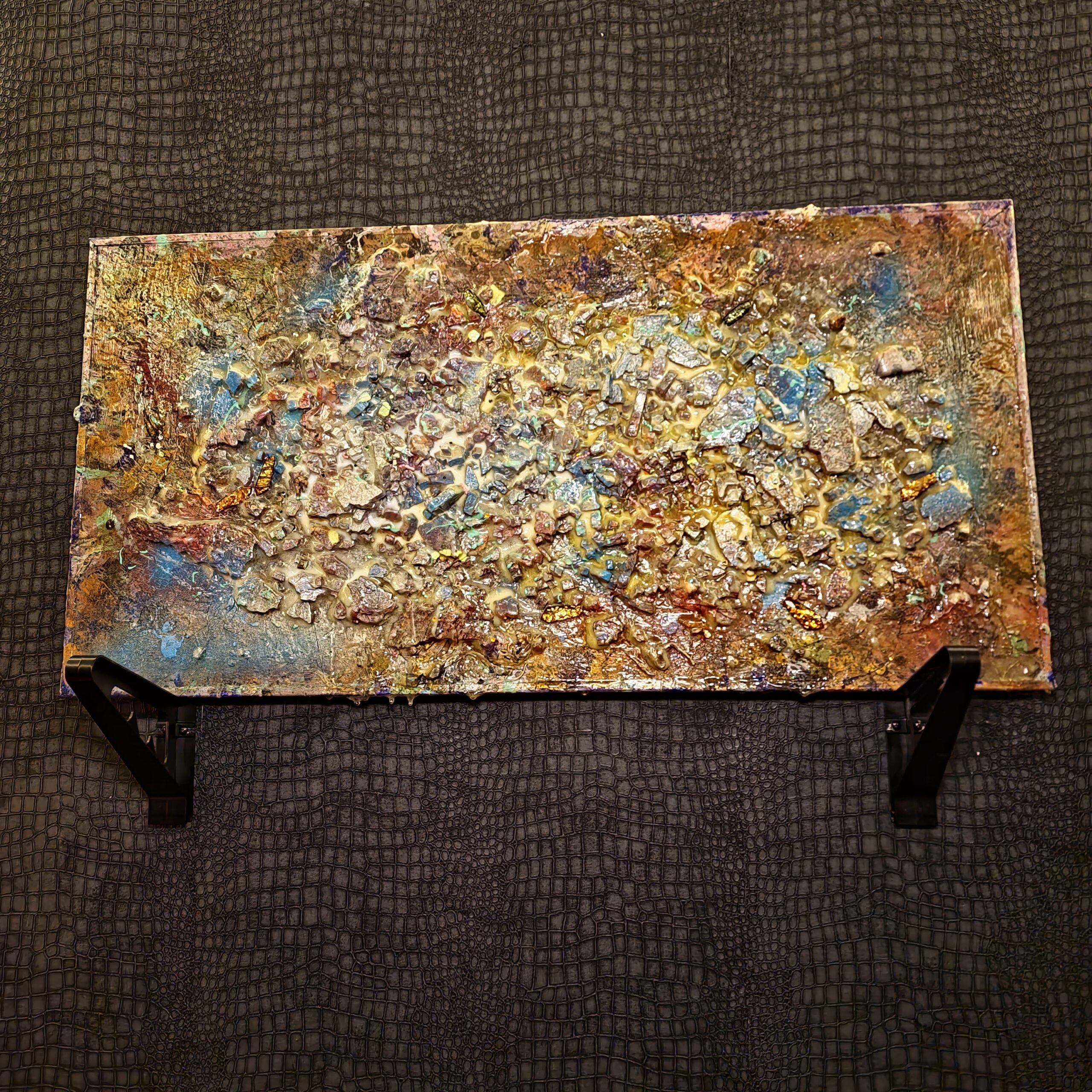
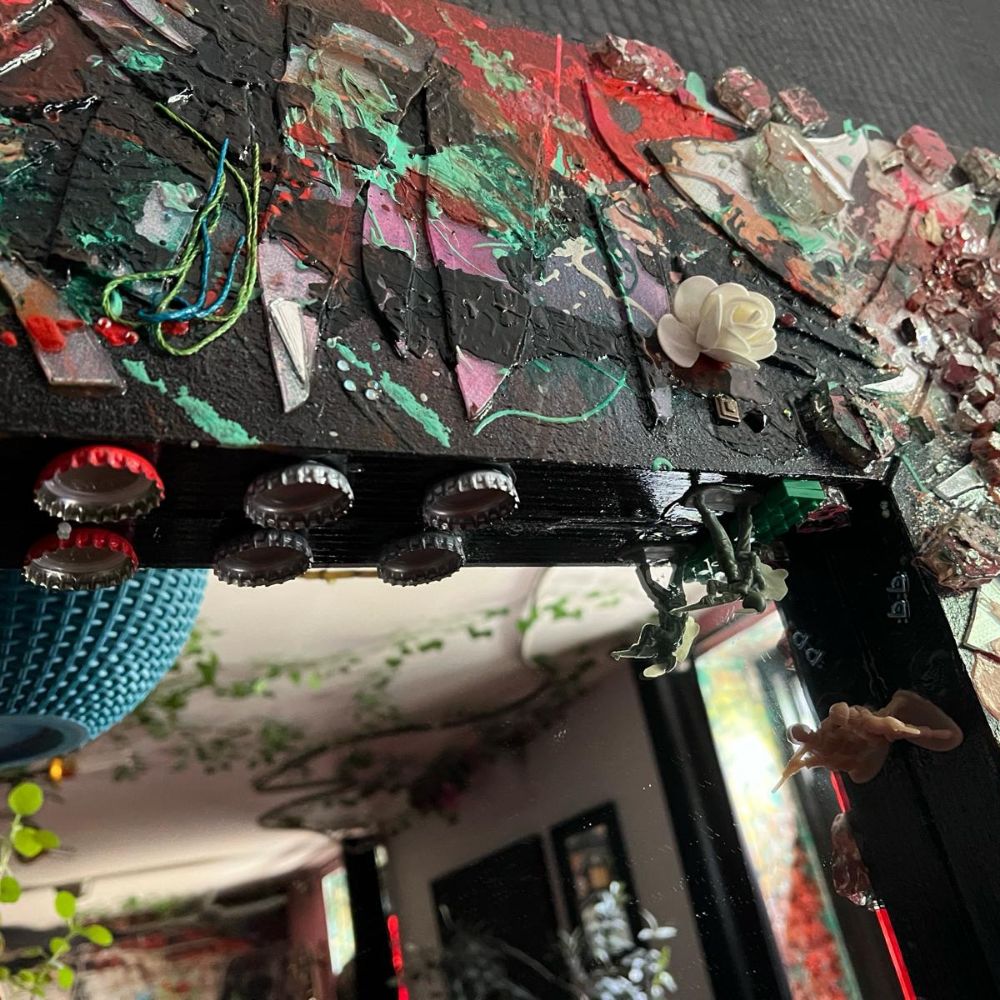
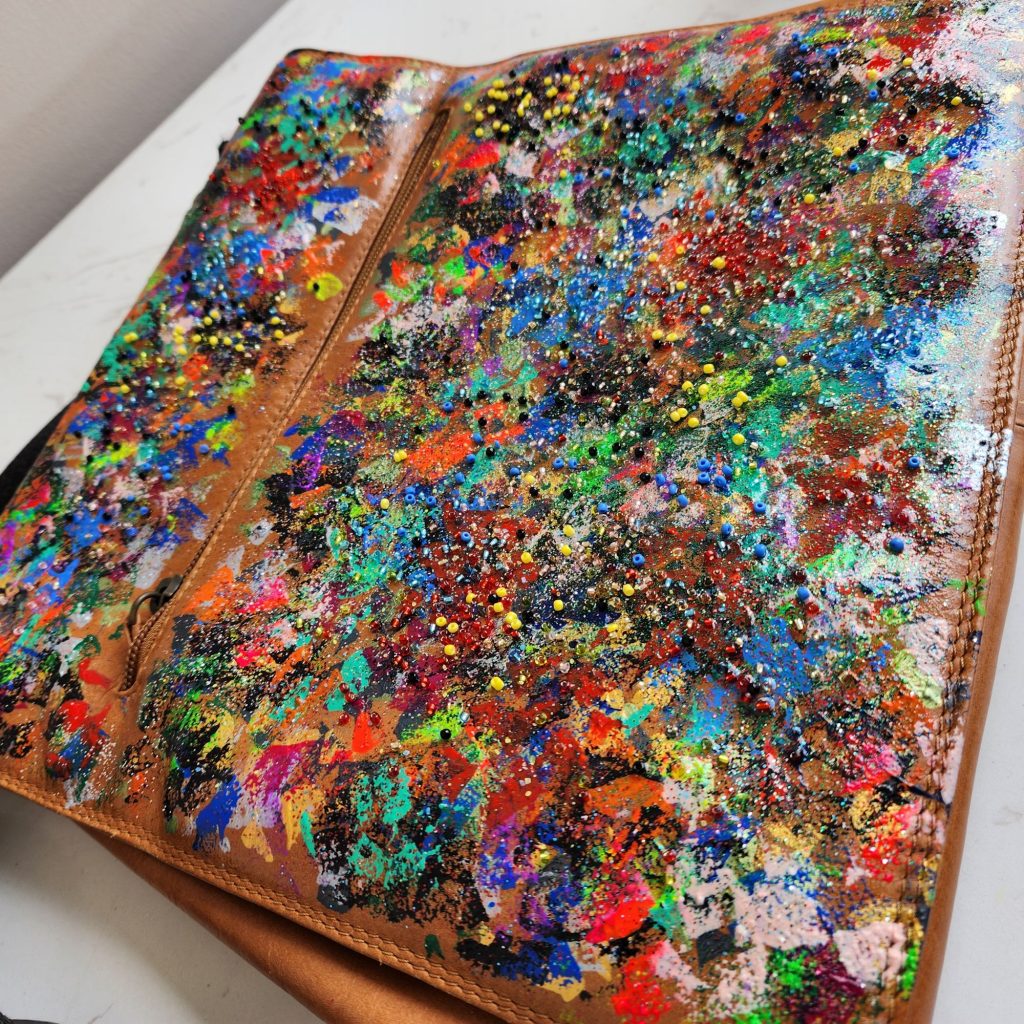
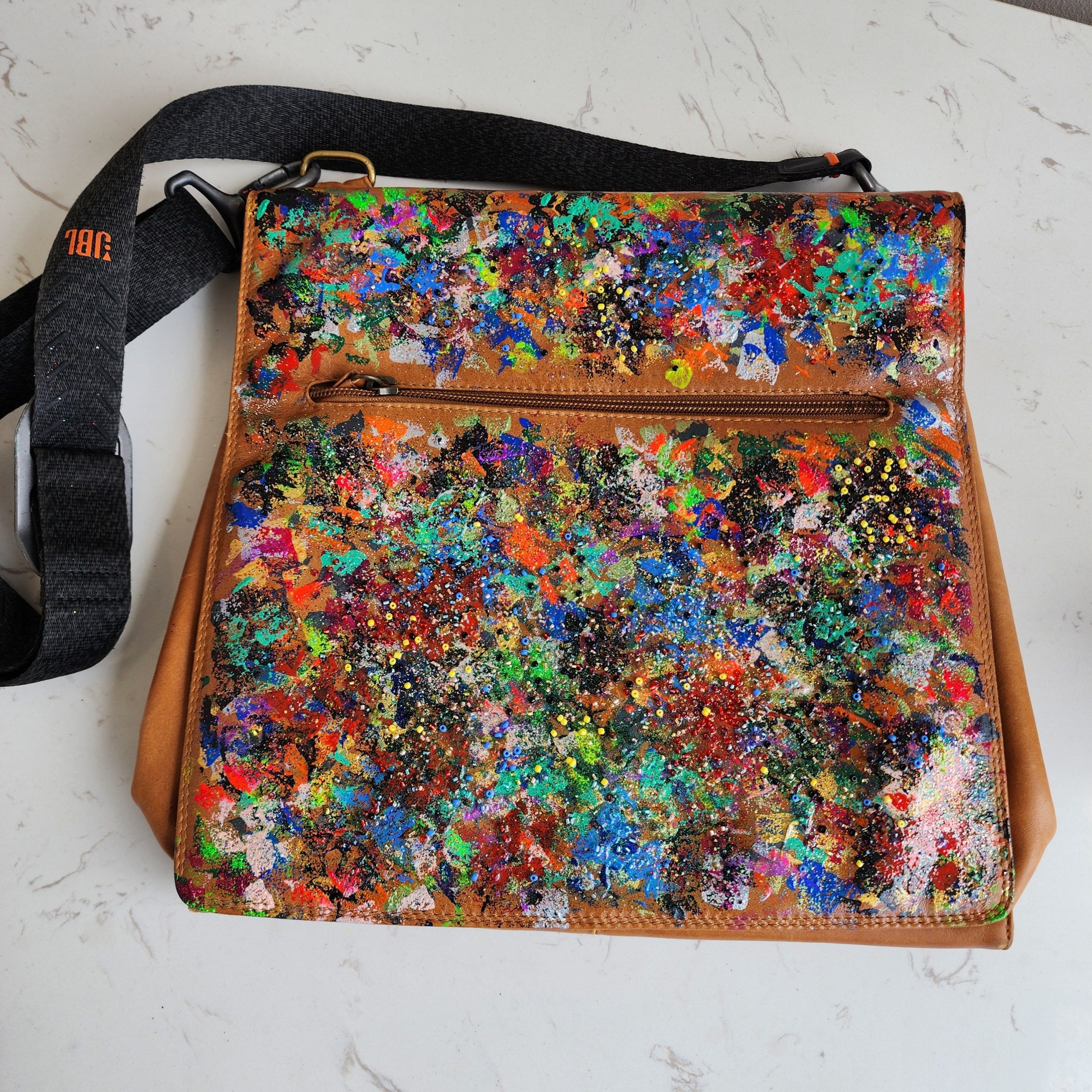
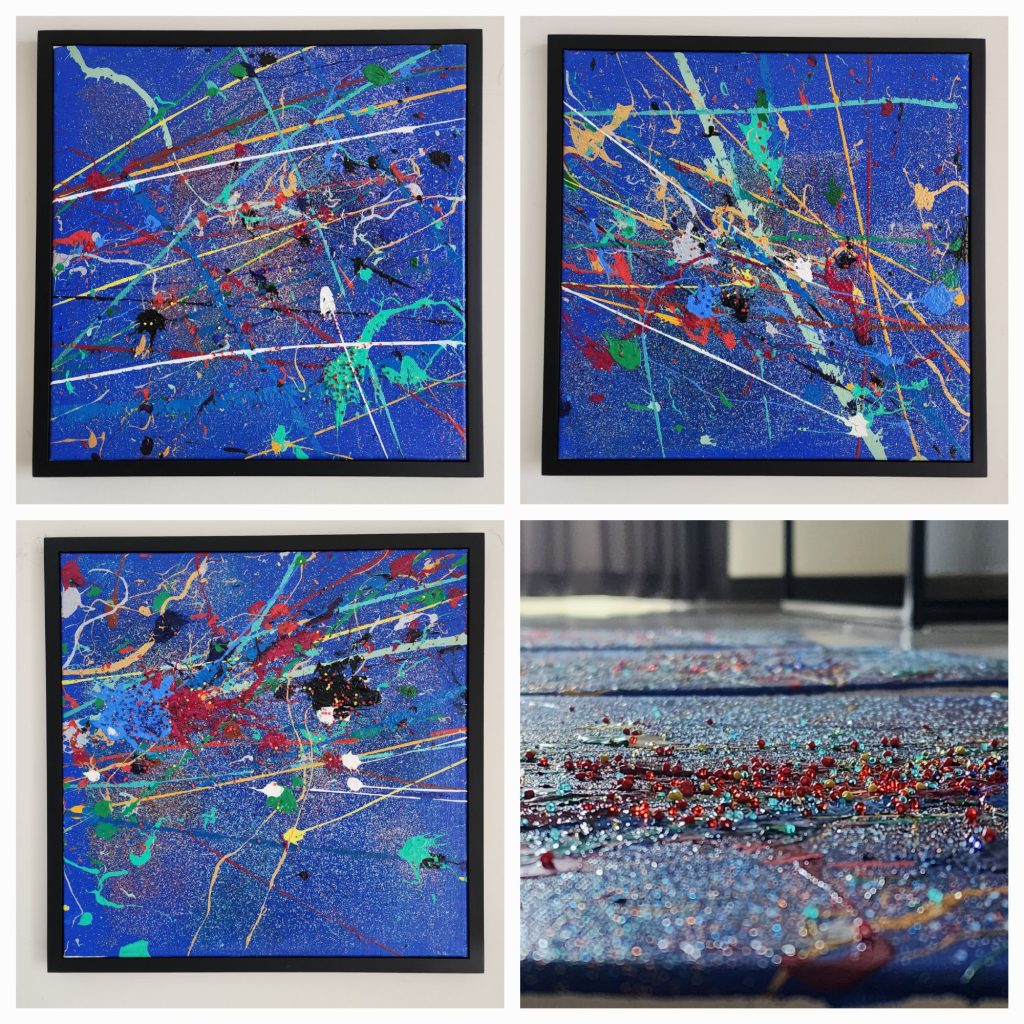
Interior design article, featuring artworks by Vaughn Lowery via 360 MAGAZINE.

The Role of Texture in Interior Design


In the realm of interior design, texture is often an unsung hero. While color schemes and furniture choices typically take center stage, texture plays a crucial supporting role; bringing depth, interest, and a sense of cohesion to a space. Whether through the roughness of a brick wall, the softness of a velvet cushion, or the sleekness of a glass table, textures can transform a room from flat and uninviting to rich and engaging.  

The Significance of Texture in Interior Design 

Texture refers to the surface quality of a material; how it feels and how it looks. It can be tactile – how it physically feels – or visual – how it appears to feel. Adding a sensory dimension to your design, texture can make spaces feel more dynamic and livelier.  

Creates Visual Interest: A room filled with smooth, flat surfaces can appear dull. Incorporating a variety of textures – rough, soft, shiny or matte – keeps the eye moving around the room; discovering new details and layers. 

Adds Depth and Dimension: Texture can create the illusion of depth in a space. For instance, a textured wallpaper or a plush rug can make a room feel more substantial and multi-dimensional. 

Enhances Comfort and Cosiness: Textures contribute to the physical and psychological comfort of a space. Think about how soft fabrics, warm wood grains and comfortable carpets can make a room feel inviting.  

Defines Spaces: In open-plan living areas, textures can help delineate different zones. For example, a smooth, laminate flooring in the kitchen area can transition to a soft, textured carpet in the living room; subtly marking the change in function. 

Exploring Different Textures and Their Impact 

To effectively use texture in your interior design, it’s essential to understand how different textures can affect a space.  

Smooth and Sleek Textures: Materials like glass, metal and polished stone have smooth textures that can create a modern and clean aesthetic. These textures reflect light, making spaces feel larger and more open. For instance, a glass coffee table or a stainless-steel kitchen countertop can add a contemporary flair to your home. 

Soft and Plush Textures: Textures like brick stone and reclaimed wood add a natural, rugged charm to interiors. These materials can introduce an organic feel, grounding the space and introducing character. A stone fireplace or a reclaimed wood dining table can serve as focal points that bring an element of nature inside.  

Textured Fabrics: Incorporating different fabrics – linen, silk, burlap, etc. – can add layers of texture to your décor. For example, silk curtains can add a touch of elegance, while a linen tablecloth can offer a more casual and relaxed vibe. 

Patterned Textures: Patterns can also contribute to the textural richness of a space. Think about wallpaper with embossed patterns, a rug with a geometric design, parquet flooring in a herringbone pattern or a throw pillow with intricate embroidery. These can all add visual texture and interest to your home. 

Practical Tips for Using Texture 

Incorporating texture into your interior design doesn’t have to be daunting.  

Mix and Match: Don’t be afraid to combine different textures. Mixing smooth and rough ones, for example, can create a balanced and dynamic look. Consider pairing a sleek modern table with rough-hewn wooden chairs to add contrast and interest. 

Layer Textures: Layering is a powerful technique for adding depth to a space. Start with a base layer, such as a textured rug, and build upon it with other elements like cushions, throws and decorative objects. 

Consider the Room’s Function: The textures you choose should align with the function of your room. For instance, soft, plush textures are ideal for a bedroom as comfort is key; but smoother, more durable textures are better suited for busy areas like the kitchen. 

Balance is Necessary: While texture adds interest, it’s still important to strike a balance. Too many different textures can make a room feel chaotic. You want to aim for a harmonious bled that complements each other without overwhelming your space. 

Use Texture to Highlight Features: You can use texture to draw attention to architectural features or focal points in a room. Think about how a textured accent wall could highlight a fireplace or a piece of art. 

Don’t Forget Visual Texture: Even if you’re not changing the physical texture, you can add visual texture through patterns and colours. A monochromatic room can still be interesting if different shades and subtle patterns are used. 

Seasonal Textures: Consider changing your textures with the seasons to keep your home feeling fresh and in tune with the time of year. During the summer months, think about using light and airy fabrics like cotton and linen. As the weather gets colder, heavy and warm textures are perfect; think about wool and velvet for the winter months. This approach can keep your décor feeling current and adaptable as it’s easy to change the textures of textiles.  

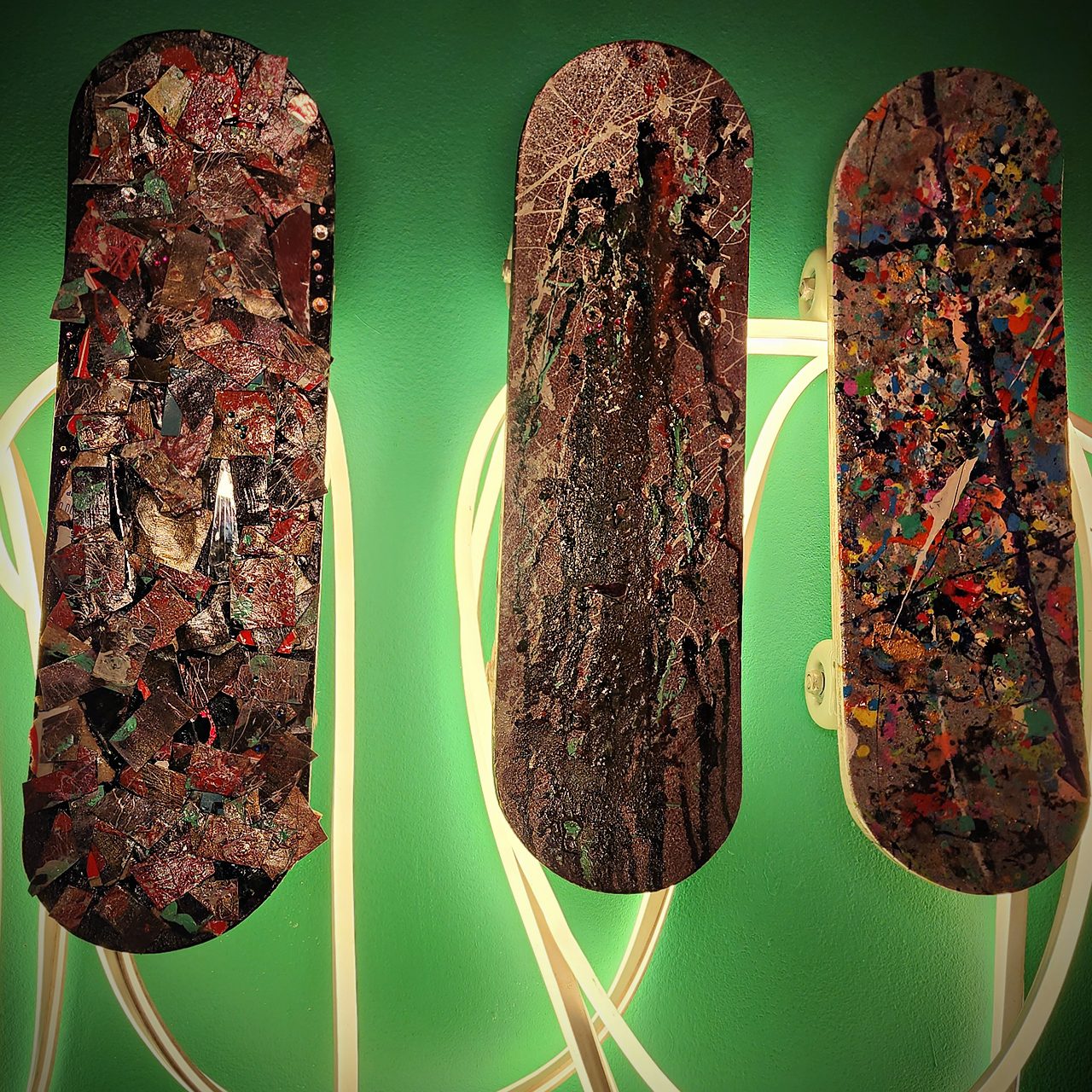
Interior design article, featuring artworks by Vaughn Lowery via 360 MAGAZINE.

Turnkey Tech For Culture-First Digital Experiences

Today’s audience expects digital services that are personalized, secure, and fast. Brands that deliver win loyalty; those that don’t, fade. That’s why many publishers and lifestyle platforms choose a modular, ready-to-launch stack built around a turnkey casino solution. Although the term may sound niche, the approach—plug, configure, and go—translates cleanly to culture-driven experiences on any screen.

Why Turnkey Matters To Lifestyle And Culture Brands

Readers on sites like the360mag.com move quickly from discovery to decision. They scroll, skim, and share. Turnkey architecture shortens the distance between a creative idea and a live activation. Teams can ship features faster, test content formats, and align user journeys with editorial calendars. Less waiting around means more timely stories and longer, richer sessions.

Seamless Journeys Start With Frictionless Onboarding

If sign-ups feel clunky, people bounce. A turnkey stack offers prebuilt flows for registration, preferences, and consent that your team can tailor without rebuilding the wheel. Think progressive profiling, privacy-first controls, and optional social sign-ins. Each step reduces friction, keeping audiences engaged and creating space for deeper editorial storytelling and brand partnerships that feel natural.

Security And Trust Are The New UX

Culture media thrives on community. That only works when users trust the platform. Turnkey systems typically include robust authentication, role-based access controls, and comprehensive audit logging. Add automated monitoring and you’ve got fewer late-night surprises. Trust shows up as speed, stability, and predictability—the sort of reliability readers notice, even if they can’t name it outright.

Content Meets Commerce Without The Chaos

Lifestyle storytelling is increasingly intersecting with limited drops, collaborations, and exclusive event access. Instead of stitching together ten tools, turnkey frameworks integrate catalogs, inventory logic, and order messaging behind one pane of glass. Editors can launch a capsule collection alongside a feature, while marketers orchestrate segments and offers. The creative work stays front and center; the technical aspects fade away.

Personalization That Respects The Reader

Good personalization doesn’t shout. It whispers helpful suggestions at the right time. With turnkey modules, recommendation engines, and rules-based targeting, editorial tools sit beside them. You can spotlight a designer profile after a fashion recap, or surface a city guide when someone reads a travel feature. Crucially, consent choices follow the user, honoring their preferences across devices.

Payments Without The Headaches

Audiences expect modern payment options and straightforward refunds. Turnkey stacks connect to multiple processors, reconcile payouts, and surface clear status updates. That steadiness supports collaborations with creators and small brands who value transparency. When payments just work, your team spends less time on back-office tasks and more time crafting stories that people actually want to read and share.

Data You Can Act On Tomorrow Morning

Dashboards should inform editors of what to try next, rather than overwhelming them with noise. Turnkey analytics highlight content momentum, returning-visitor cohorts, and drop-off points in plain language. With clean attribution, you can run tidy experiments: new headline styles, richer photo essays, or shorter mobile intros. Small wins compound quickly when decisions are measurable and repeatable.

Mobile-First Doesn’t Mean Mobile-Only

Yes, the phone rules the day, yet big-screen sessions still matter for lookbooks and long reads. Turnkey design systems maintain visual coherence across breakpoints, ensuring that typography and imagery retain their character. That polish pays off when a story travels from a subway scroll to a living-room browse. Consistency supports brand memory, and brand memory fuels return visits.

Collaboration Tools For Fast-Moving Teams

Creativity is a team sport. Turnkey platforms include shared calendars, approval flows, and templated briefs. Designers, editors, and partners work from the same source of truth. You’ll move from brainstorm to published package without Slack threads turning into an archaeological dig—less chaos, more craft. And when new teammates join, onboarding takes hours, not weeks.

A Realistic Path To Future-Ready Features

Technology trends move fast, but not every trend deserves a rewrite. Turnkey architecture favors extensions and connectors over fragility. When your audience requests a fresh format—such as short videos, interactive maps, or audio slideshows—you can pilot it quickly. If it resonates, scale it. If not, roll back cleanly. Either way, the brand looks decisive and in tune with culture.

Quick Wins Teams Can Launch In Weeks

  • Reader preference center with opt-in topics and alerts.
  • Curated city guides with dynamic, time-sensitive embeds.
  • Creator collaboration hub for drops and limited releases.
  • Lightweight memberships with perks, previews, and newsletters.
  • Visual dashboards mapping content paths and repeat behaviors.

The Case For Crypto-Ready Infrastructure

Some audiences prefer digital assets due to their benefits, accessibility, or ease of cross-border purchases. Exploring these options doesn’t have to be difficult. A turnkey approach can connect to vetted providers and transparent reporting. If your team evaluates that path, it is helpful to consult a trusted partner with hands-on delivery, such as a crypto casino software development company, to understand standards, custody choices, and integration guardrails.

Performance Is Culture, Too

Speed shapes perception. When pages load instantly and interactions feel snappy, the brand reads as modern and credible. Turnkey stacks often bundle edge delivery, image optimization, and caching by default. That foundation enhances Core Web Vitals and organic visibility, which in turn fuels discovery. In plain terms: better performance brings more readers to the work your team cares about.

Measuring What Matters For Editorial Impact

Vanity metrics look good on slides; actionable metrics change behavior. Track read-through rates, save-for-later usage, newsletter conversions, and return cadence by section. Tie those signals to experiments and share learnings across desks. With a turnkey setup, instrumenting those loops is straightforward, allowing the organization to keep improving without burning out its people.

Onboarding Partners Without Losing Your Voice

Partnerships can add value or distract from your editorial core. Template-driven landing pages and offer modules maintain the brand’s voice consistency while providing partners with a clean space. The result feels like an extension of your magazine, not a detour. Audiences reward that coherence with time and trust—the ultimate currency in today’s attention economy.

Conclusion: Build Fast, Stay Human

Culture changes daily, and readers feel the shift. Turnkey technology provides creative teams with a reliable backbone, enabling stories, visuals, and collaborations to shine truly. Maintain low friction, protect trust, and experiment in measured steps. Do that, and your platform earns repeat visits for the right reasons: clarity, character, and experiences that meet people where they are—on their terms, and on their time.
 

B R I G A D E –    luxury life mgmt


branding + mktg | concierge | ntwk


vip@the360mag.com

+13478416544


  • web dsgn | dev
  • art | creative
  • foto studio | editing
  • int | set dsgn
  • trvl logistics | pop-ups
  • brick + click
  • apprenticeship

Contact page for Brigade Management, Bodega 4470, and 360 MAGAZINE.

Casino Illustration 2 Alex Bogdan

Small Bets, Big Thrills: The Rise of Micro-Stakes Real Money Blackjack

Few games are as iconic and exciting as blackjack. The game’s fast-paced action, strategic depth, and chance for big wins have made it a favorite among casino enthusiasts for decades. Over time, both casual and experienced players have sought ways to enjoy the game with lower risk and greater flexibility.

But over the past few years, a new trend has emerged that has made blackjack more accessible and exciting than ever before, micro-stakes real money blackjack. Let’s dive into what micro-stakes blackjack is, why it’s gaining traction, and what it means for players.

What is Micro-Stakes Blackjack?

Micro-stakes blackjack refers to blackjack games that allow players to place minimal bets, typically ranging from $0.10 to $1 per hand. These low betting limits make it possible for a broader range of people to play in real money blackjack game without risking a significant portion of their bankroll. The concept of micro-stakes has revolutionized the accessibility of blackjack by creating a more inclusive environment where anyone, regardless of their financial situation, can enjoy the game.

Benefits of Micro-Stakes Blackjack

Micro-stakes blackjack offers a unique blend of excitement and accessibility, making it the perfect choice for players seeking low-risk thrills. Here’s a look at some of the key benefits:

Reduced Financial Risk

The most apparent benefit of micro-stakes blackjack is the significantly lower financial risk. Traditional blackjack tables often require players to wager higher amounts, which can lead to substantial losses if a bad streak hits. Micro-stakes tables offer players the thrill of real money blackjack without putting large sums at risk. For those who enjoy casino excitement but want to limit their financial exposure, micro-stakes blackjack provides the ideal balance.

Low-Cost Training Ground

For newcomers to blackjack, micro-stakes tables provide an excellent opportunity to learn the game in a stress-free environment. These low-bet tables enable players to familiarize themselves with the basic rules, practice essential strategies, and become comfortable with the game’s flow, all without the risk of losing significant amounts of money. It’s the perfect place to build confidence before moving on to higher-stakes tables.

Even experienced players can take advantage of micro-stakes games. These tables provide a low-risk environment for testing new strategies, refining existing skills, and experimenting with advanced tactics. Players can work on their decision-making and improve their game without the pressure of risking a large bankroll, making micro-stakes an ideal training ground for anyone looking to sharpen their blackjack skills.

More Game Time

Micro-stakes blackjack allows players to enjoy longer gaming sessions thanks to smaller bets. With reduced financial risk, your bankroll lasts much longer, giving you the chance to play more hands and practice strategies without quickly running out of funds. This extended playtime allows you to refine your skills, test different approaches, and enhance your decision-making at a relaxed pace. The ability to play more frequently without the pressure of high-stakes games provides valuable opportunities for learning and growth as a player.

Enhanced Features and Side Bets

Micro-stakes blackjack tables often come with a variety of exciting features that can elevate the gameplay experience. For instance, side bets like Perfect Pairs and 21+3 offer additional ways to win, providing extra excitement with every hand. These side bets add layers of complexity and thrill, giving players the chance to secure bigger rewards without increasing their main bet.

In addition, many tables allow the option to “Bet Behind” other players, enabling you to place a wager on their hand while waiting for a seat at the table. This feature keeps the action fast-paced and engaging, even if you’re not actively participating in every round. Together, these features enhance the game’s dynamic, allowing for more opportunities to win, all while keeping the financial commitment low and the fun factor high.

Factors Driving the Growth of Micro-Stakes Blackjack

Several factors are contributing to the rise of micro-stakes blackjack. Let’s examine why these games have gained such popularity.

  • Market Accessibility– Online platforms have made micro-stakes blackjack available to players worldwide, allowing anyone with an internet connection to participate,
  • Technological Innovation– Mobile betting has made micro-stakes blackjack more convenient, allowing players to place bets anytime, anywhere,
  • Changing Player Demographics– Younger players with fluctuating incomes are drawn to micro-stakes games due to their affordability and accessibility,
  • Operator Adaptation– Online casinos have adapted by offering more micro-stakes tables to meet growing demand, attracting a wider range of players.

As more players flock to micro-stakes blackjack tables, the future of these games looks promising. We can expect to see further innovations in both the gameplay and the technology behind these platforms. The growth of mobile gaming will continue to make low-stakes betting more accessible, allowing players to enjoy micro-stakes blackjack from anywhere at any time.

As the demand for affordable gaming options increases, operators are likely to introduce even lower-stakes games to cater to the growing number of budget-conscious players. Micro-stakes blackjack is expected to remain a popular choice for both beginners and seasoned gamblers seeking a low-risk, high-thrill experience.

Chasing Big Wins with Small Bets

Micro-stakes real money blackjack is changing the way people enjoy casino games. It offers an exciting, low-risk way to play with real money, making it accessible to everyone. With its ease of access, ability to practice strategies, and smaller bets, micro-stakes blackjack is becoming more popular. As technology advances and more players seek affordable gaming options, micro-stakes blackjack is set to continue growing, offering even more fun and opportunities for everyone.

The Comeback of Horse Racing in the Digital Age

The digital revolution has reached every corner of the entertainment world, and horse racing is no exception. Once struggling with limited reach and a shrinking fanbase, the sport has found a second wind in the digital age. Thanks to digitalization, horse racing is now accessible to a wider audience, creating new opportunities for growth and engagement. This digital shift is redefining the sport’s future, making it more inclusive and exciting for fans everywhere.

Here’s how digital innovations are reshaping the landscape of horse racing and driving its resurgence in the modern era:

Online Betting

The resurgence of horse racing has been significantly driven by the growth of online betting platforms. Gone are the days when betting on races was confined to the racetrack or physical betting shops.

Today, fans can place wagers from the comfort of their homes or on the go using smartphones and websites. This convenience has made betting much more accessible, drawing in a wider audience of all ages, particularly the younger, tech-savvy generation. The rise of online betting has had a profound effect on the horse racing industry. It has not only expanded the sport’s reach but also contributed to a significant increase in revenue.

FanDuel Racing and other online platforms tap into new horse betting markets and engage a global audience, boosting its popularity worldwide. As a result, the industry is seeing a fresh influx of fans and bettors, all of whom contribute to the sport’s continued growth and revitalization.

Streaming and Digital Coverage

Streaming platforms have played an essential role in the sport’s comeback. With the rise of digital streaming, horse racing fans can now watch races live from anywhere in the world. This level of accessibility was once unheard of, but now fans don’t need to be at the track to enjoy the excitement. Whether at home or on vacation, viewers can follow the action in real-time, making the sport more inclusive and available to a broader audience.

The availability of on-demand content has also changed how fans engage with the sport. Beyond live streaming, many platforms offer highlights, race replays, and in-depth coverage, giving fans the chance to catch up on races they may have missed. This flexibility has created a more dynamic fan experience, allowing followers to engage with horse racing at their convenience. The ease of accessing content from any device has made the sport feel more immediate and personal.

Social Media and Fan Engagement

Social media has become a crucial tool in connecting horse racing with a new generation of fans. Platforms provide a space where fans can follow their favorite horses, jockeys, and events. Teams, tracks, and race organizers use these platforms to build relationships with their audiences, sharing real-time updates, behind-the-scenes content, and exclusive race insights. This constant interaction helps keep fans engaged and invested in the sport, strengthening their connection to it.

The growth of online communities around horse racing has been equally important. Fans no longer have to be at the track to feel involved. Through social media, they can join discussions, participate in fan polls, and share their predictions for upcoming races. This level of engagement fosters a sense of belonging and excitement, especially on race days. Fans sharing their passion and excitement on social media have turned horse racing into a more interactive, global event.

Mobile Apps and Real-Time Updates

Mobile apps have transformed how fans interact with horse racing. Many horse racing apps provide users with live race results, real-time odds, and race statistics, allowing fans to stay updated no matter where they are. This accessibility has made the sport much more convenient for those who want to follow races but can not attend in person. Betting, results, and statistics are all available in the palm of their hands, creating a seamless experience for fans on the go.

In addition to providing race information, mobile apps offer interactive features that engage fans more directly. Race trackers, personalized notifications, and even the ability to communicate with other fans or experts provide a level of interaction that was previously unavailable. These features have made the fan experience more immersive and participatory, helping to grow interest in the sport and cement its comeback in the digital age.

Digital Marketing and Expanding the Audience

Digital marketing has played an instrumental role in the resurgence of horse racing. Through targeted ads on social media platforms and influencer partnerships, the sport has found new ways to reach younger, more diverse audiences. The shift from traditional advertising methods to digital marketing has enabled horse racing to break free from its niche status, attracting new fans who may not have previously considered the sport.

Promotional strategies have also been refined, with more focus on engaging fans before major races. Digital tools allow race organizers to generate excitement and build anticipation by providing sneak peeks, interviews with trainers and jockeys, and interactive content. This increased visibility helps draw attention to upcoming events, boosting ticket sales and online engagement. Expanding the sport’s presence online has enabled horse racing to position itself for sustained growth in the future.

The Future of Horse Racing’s Digital Comeback

In the future, horse racing is expected to continue evolving with digital advancements. Mobile apps, online betting platforms, and live streaming will enhance the fan experience. At the same time, digital marketing strategies will target younger, tech-savvy audiences. With these innovations, horse racing is poised to grow further, providing more opportunities for fans to engage with the sport while ensuring its continued global popularity and success.