

For manufacturers, engineers, and maintenance teams, finding the right industrial automation supplier can make a huge difference. When a PLC fails, a drive needs replacing, or an older machine requires a discontinued component, having a reliable source for the right part can help to minimize downtime, which can otherwise cost a lot.
The industrial automation market is also broad. Some suppliers take the time to specialize in new equipment from major manufacturers, where others focus on obsolete, refurbished, or surplus components. There are also other companies that combine supplying parts with repair services, technical support, and other solutions.
This means that no single supplier will be the best choice for every business. You need to consider all of the factors before you go ahead and make a decision, which is where we come in. We’ve rounded up some of the best industrial automation suppliers worth considering this year so that you don’t have to go scouring the internet. Here’s what we think of them.
If you’re looking for a specialist supplier of industrial automation and control equipment, EU Automation should be one of the top contenders. They help manufacturers and engineering teams source components for both current and older systems. Their range is extensive, working with a wide range of established manufacturers, and going from there.
One of their key selling points though is their focus on obsolete, discontinued, and hard to find components. This can be very useful for businesses that are operating with older machinery, and replacing an entire system for the failure of one component is going to be ridiculously expensive.
On top of this, they offer new equipment, as well as refurbished and reconditioned equipment, as well as repairs and a service exchange program. This gives customers a lot of options to consider if they don’t want to go down the standard brand new component route. With their operation being international, they are a strong option for businesses that need specialist parts across various markets.
Pros:
They have a huge focus on obsolete parts, making it perfect for those who require parts for their older pieces of machinery
They also offer a service exchange program where they can hand back their failed components
Their international reach makes them a fantastic choice for companies around the world
They also have a fantastic product range to ensure they are able to cater to as many people as possible
Cons:
The price of obsolete or difficult to source products can vary depending on availability or demand
Availability changes constantly, so what is available one minute might not always be available the next
Some companies want common, readily available components, which means that EU Automation may be a little too much for them
Automation24 is an online supplier specializing in industrial automation technology. They offer products for factory automation, process automation, and safety applications. The UK online shop stocks more than 10,000 products, covering a whole range of areas to ensure that they are able to appeal to as many people as possible.
This company takes a slightly different approach from suppliers that focus on obsolete components. They focus on new automation equipment, with products supplied in their original manufacturer packaging to verify their authenticity. They work with brands such as WIKA, Eaton, ifm, and more.
Automation24 says that its prices average around 24% below manufacturer recommended retail prices, while their warehouse holds more than 300,000 products, allowing them to dispatch quickly. They operate an online first model, and it works well for them. They also offer a product comparison tool, technical support, and more.
Pros:
Products are new and in their original packaging, which may appeal to those who specifically need new equipment
They are working with well known manufacturers, with their catalogue having some big names
They are also able to offer fast dispatch due to their extensive stock on the items they offer, and their efficiency
They are one of the best when it comes to competitive pricing, and you don’t have to do a large minimum order to receive it
They have a range of useful online tools, including technical support
Cons:
Businesses looking for discontinued or obsolete parts may not find them here
If someone prefers a face to face procurement process, they won’t have that here
Not every product is going to be immediately available even though they have a large amount of stock
MRO Electric and Supply focuses on industrial automation equipment, replacement parts, and repair services. With over 20 years operating in the industry, they are now able to supply automation products to customers all over the world. Their catalogue covers a wide range of equipment, ensuring that they are able to provide their services to as many people as possible.
They work with products from major industrial automation manufacturers including FANUC, KUKA, ABB, and more. As such, teams looking for replacements for these specific manufacturers are going to find MRO Electric an appealing option.
There is also quite a large focus on repair and remanufacturing with this company, as technicians are able to repair certain pieces of equipment.
Pros:
They have a wide range of products to choose from, making it a near all in one solution
They work with a number of major manufacturers
Repair services are one of their most popular ways to avoid people needing to replace a whole unit because of one component
Fast shipping options available
Rapid quote responses, the company says they can do this during business hours within 10 minutes
Cons:
They are not an authorised manufacturer distributor – businesses with specific procurement requirements need to consider this before making a purchase
Availability can vary depending on the component
Components will still need checking for compatibility – never assume
We hope that you’ve found this article helpful, and now see some of the companies that you should be considering here. We know that sometimes it’s hard to find the company that’s right for you, but we’re confident they are in this list.
Rolls-Royce Motor Cars is delighted to present a range of exquisite accessories, designed to surprise and delight by extending the marque’s peerless design and craftsmanship into its clients’ homes, leisure activities, and lifestyles. Like every Rolls-Royce motor car, each of these items is crafted using only the finest materials and a blend of traditional and modern techniques. Timeless, beautiful, and built to the same uncompromising standards of excellence as the marque’s motor cars, these accessories make wonderful gifts for family, friends, and business associates—or as a treat for oneself.
Like all Rolls-Royce Motor Cars commissions, each accessory presents a different opportunity for Bespoke attributes. The designers and artisans at Goodwood, Home of Rolls-Royce work on these projects not only to provide our clients with a Rolls-Royce lifestyle experience, but also to encourage thoughts and imagination on how one can Bespoke their Phantom, Spectre, Cullinan or Ghost. Rolls-Royce Accessories are part of the Rolls-Royce ownership experience and lifestyle.
Items can be viewed on the Rolls-Royce Motor Cars NA Boutique and are available only through an authorized Rolls-Royce Motor Cars dealer.
Rolls-Royce Cameo
Made from solid wood and polished aluminium, the Rolls-Royce Cameo has been designed to captivate and delight. This charming model comes complete with self-levelling Rolls-Royce centre caps and its very own driver. A perfect display of dedicated artisanry. Constructed with European Oak wood and Grace White interior details.
From: $5780
Rolls-Royce Replica Car Model 1:18
Every detail of the Rolls-Royce Chess Set exudes elegance. The embedded chess pieces are ceremoniously unveiled, evoking the sense of occasion synonymous with the arrival of a Rolls-Royce motor car. This statement piece offers a seamless blend of the finest materials (RR Leather and veneer) and refined artisanry, designed to elevate the chess-playing experience into a performance of style and elegance. Obsidian Tulip and Blackwood veneer. Cashmere Grey leather exterior and Peony Pink.
From $1,870.
Rolls-Royce Amphitheatre
Experience unparalleled audio with our lightweight and versatile wireless Bluetooth headphones, designed exclusively for your Rolls-Royce motor car. Enjoy noise-cancelling functionality and uncompromised sound quality, ensuring an immersive listening experience.
From: $2,065
Spirit of Ecstasy Cufflinks
Elevate your everyday with these Spirit of Ecstasy Cufflinks. Crafted in 925 Sterling Silver with either Rhodium plated or Dark Ruthenium finish, these cufflinks will add a touch of sartorial elegance to any wardrobe.
From: $875
Spirit Of Ecstasy Ball Point Pen
Inspired by nautical forms and crafted from premium materials, the Spirit of Ecstasy ballpoint pen features a subtle engraving of the marque’s iconic mascot on its polished clip. This painstakingly hand-polished writing instrument is available in Black or Gunmetal.
From: $420
Rolls-Royce Infinity Stylus
A statement of timeless design and elegant artisanry, the Infinity Stylus is not limited by the traditions of ink or graphite. A truly unique writing instrument crafted from solid aluminium, with the choice of two striking anodized finishes, and complemented by subtle Spirit of Ecstasy detailing.
From: $516
Rolls-Royce Stone Paper Notebook
Lined in black reclaimed leather fibres, this A5 Rolls-Royce notebook will add a fashionably formal look to any writing desk. Subtly detailed with a debossed Spirit of Ecstasy this beautifully crafted notebook is designed specifically to work well with our Infinity Stylus or Ballpoint Pen.
From: $595
Rolls-Royce Organiser Pouch
Made from Rolls-Royce natural grain leather and is available in three striking colours – Tailored Purple, Tan, and Navy. Elegantly debossed with Rolls-Royce Spirit of Ecstasy.
From: $1,387
Black Badge Ball Point Pen
Make a statement with the Black Badge Ballpoint Pen. Beautifully. Finished in Vapour Violet with dark chrome detailing, the pen is complemented by a Rolls-Royce leather pouch with a debossed Black Badge infinity symbol for those who dare to be different.
From: $360
Spectre Spirit of Ecstasy Plinth
Evoking the classic elegance of monogrammed luggage, the Duality Luggage Collection introduces an exquisite Rolls-Royce embroidery design, available in a selection of striking thread colours to reflect your personal style.
From: $3,660
Spirit of Ecstasy Plinth
The iconic Rolls-Royce umbrella has been reimagined with striking colors, finished with a polished color tone handle. Featuring our signature Rolls-Royce monogram, it is the ultimate everyday accessory.
From: $3,640
Rolls-Royce Key Rings
A finely crafted leather keyring loop, available in a palette of striking colours. With tonal stitching and Spirit of Ecstasy engraving on a polished metal ingot, these make for the perfect accessory for any Rolls-Royce key.
From: $160
Rolls-Royce Leather Key Wrap
Protect your Rolls-Royce motor car key with a beautifully crafted Leather Key Wrap. These striking leather pouches are available in a selection of carefully curated colours, with a vibrant contrasting interior shade. A monochromatic black option is also available for those who prefer a more understated aesthetic.
From: $390
Rolls-Royce Chrome Umbrella
The iconic Rolls-Royce umbrella has been reimagined with striking colors, finished with a polished color tone handle. Featuring our signature Rolls-Royce monogram, it is the ultimate everyday accessory.
From: $750
Rolls-Royce Picnic Hamper
Making entertaining as pleasurable as driving, the Rolls-Royce Picnic Hamper embodies the golden age of picnicking, when the picnic was an occasion to be savoured. The Picnic Hamper welcomes and entices social delight.
Including lead crystal wine glasses, Wedgwood crockery and handmade stainless steel cutlery. The Picnic Hamper is handcrafted from oiled teak, saddle leather and polished aluminium and features everything essential for the finest picnic for four people.
From: $56,000
Champagne Flutes
For life’s true connoisseurs. Two crystal flutes nestle in a striking gift box accompanied by two beautifully embroidered cotton napkins. The perfect ensemble to accompany those special moments of celebration.
From: $780
Whisky Decanter and Tumbler
For those who appreciate the best. Two crystal tumblers alongside a beautiful whisky decanter with subtle Rolls-Royce detailing, the perfect ensemble for those special moments of reflection or celebration.
From: $1,390-
Rolls-Royce Chess Set
Every detail of the Rolls-Royce Chess Set exudes elegance. The embedded chess pieces are ceremoniously unveiled, evoking the sense of occasion synonymous with the arrival of a Rolls-Royce motor car. This statement piece offers a seamless blend of the finest materials (RR Leather and veneer) and refined artisanry, designed to elevate the chess-playing experience into a performance of style and elegance. Obsidian Tulip and Blackwood veneer. Cashmere Grey leather exterior and Peony Pink.
From: $40,000
Pet Accessories: Dog Collar and Lead, Seat Mat
This beautiful matching collar and lead set is made from the finest natural-grain leather, as used in Rolls-Royce interiors, with contrast stitching and finished with a polished metal Spirit of Ecstasy charm. Available for lounge and individual rear seats, the Pet Seat Mat is crafted from soft lambswool, matching the celebrated Rolls-Royce carpets and leather with personalized embroidery.
Collar and Lead from: $1,200.
Seat Mat from $5,500.
Dog Collar and Lead
Reward the loyalty of your canine companion with this beautiful collar and lead, crafted from the finest Rolls-Royce natural grain leather with contrast stitching, and finished with a polished metal Spirit of Ecstasy stud.
From: $1,880
Black Badge Escapism Luggage
Black Badge is for those who live on their own terms – innovators, trailblazers, rule-breakers. Now, capturing the essence of its bold older ego, Rolls-Royce has created the Black Badge Escapism Luggage Collection.
The Collection comprises of five pieces – available in two colourways – which can be ordered individually or as a 5-piece set.
Crafted from the finest leather and new material inspired by the intricate technical weave in our Black Badge motor cars, this exquisite new range of luggage fits in any vehicle. Choose from eight eye-catching leather colour options which are derived from the Black Badge colour pleat.
Pricing from:
Holdall: $10,570
Organiser Pouch: $1,995
Tote: $8,750
24hr Weekender: $11,225
48hr Weekender: $11,225
Set: $38,440
Rolls-Royce Kinetic Luggage
Innovative engineering meets exquisite artisanry and an elegant aesthetic. The six-piece collection, including two Grand Tourers, three long weekenders and a Garment Carrier, has been designed to fit perfectly into the luggage compartment of your Rolls-Royce Wraith. The striking two-tone styling of the leather and stitching can be personalised, giving you opportunity to choose from a selection of available colours, or your favourite colours if you prefer.
The Spirit of Ecstasy adorns each piece as a token reminder of the Rolls-Royce tradition: taking the best that exists and making it better. A carbon fibre and high-grade aluminium frame makes the Grand Tourer effortless to manoeuvre, while also providing your belongings with superior protection.
The uniquely designed wheel holds true to the smooth handling of your motor car and feature a self-levelling central monogram. Practical and lightweight, the Long Weekender is an ideal accessory for any journey. The piece features a unique magnetic zip that keeps your belongings safe and secure, as well as distinctively crafted handles to ensure maximum comfort when carried. Lastly, the Garment Carrier keeps your formal attire in pristine condition throughout your journey.
Pricing from:
Garment Carrier: $4,390
Grand Tourer: $20,980
Long Weekender: $4,355
5 Set: $53,135
6 Set: $46,960
Rolls-Royce Escapism Luggage
Capturing the essence of the wandering spirit, Rolls-Royce presents the Escapism Luggage Collection. The essential luggage range for those who travel for enriching experiences and spontaneous moments of discovery. Crafted from exquisite leather and durable canvas. This essential range of pieces is beautiful in form, yet relaxed and contemporary. Choose from a collection of curated colour ways or for the ultimate bespoke interpretation of your personality choose from ten leather colours and eleven fabric hues.
Pricing from:
Holdall: $6,65845
Organiser Pouch: $1,235
Tote: $5,620
24hr Weekender: $6,870
48hr Weekender: $6,870
Set: $21,800
Duality Luggage Collection
Evoking the classic elegance of monogrammed luggage, the Duality Luggage Collection introduces an exquisite Rolls-Royce embroidery design, available in a selection of striking thread colours to reflect your personal style.
JEAN GREY by Jed MacKay and Rogê Antônio, a five-issue limited series spinning directly out of DNX, launches this November.
Jean Grey is coming home—and she’s bringing the fire.
Following her intergalactic adventures as Phoenix, Jean Grey returns to Earth this November in JEAN GREY #1, the start of a five-issue limited series from X-Men writer Jed MacKay and acclaimed artist Rogê Antônio, known for his recent work on Cyclops. Announced earlier today in AIPT Comics’ X-Men Monday column, the series comes hot on the heels of DNX, the upcoming X-Men and Fantastic Four crossover from MacKay and artist Federico Vicentini. The shocking conclusion of DNX sends Jean racing back to Earth, only to find the X-Men’s world dramatically changed. The fallout she was too late to stop will ignite a new era for MacKay’s work on X-Men, and it all begins here!
BURNING ON RE-ENTRY IN THE AFTERMATH OF DNX!
The Phoenix is headed to Earth. Jean Grey is aflame within. When she touches down, will she consume all she touches…or will she maintain control of the life-giving, life-taking power coursing through her?
“More than anything, it felt like it was time—Jean coming into X-Men was largely precluded by the Phoenix series that was running when we launched, and even after that wrapped, I continued to hold off on it until the time seemed right,” MacKay explained to AIPT. “After all, adding the Phoenix to your team book throws off the balance in a pretty dramatic way. Now, post-DNX, we’re going to see the X-Men in a position to need Jean Grey—and Jean Grey in a position to need the X-Men. Dovetailing that into this moment being one where Jean is in the public consciousness more than she has previously just worked.”
Speaking to AIPT about the impact of DNX, X-Men Editor Tom Brevoort shared, “In terms of after-effects, you already know about one thing that’ll be coming straight out of it: JEAN GREY. And it’ll have an impact on the launch of Maximum X-Men as well, though not to the point where you’ll have to have read one to follow the other. The effects will also ripple out to some degree across the other books. But the biggest place it will hit is in Alaska and in Jed’s slice of the pie, where it will be relatively seismic.”
Check out JEAN GREY covers by Joëlle Jones, Miguel Mercado, and Nogi San. Preorder the series at your local comic shop and discover what sparks Jean Grey’s new chapter by picking up DNX starting on September 2. For more information, visit Marvel.com.
Pharmaceutical access is measured at the bedside, not at the time of approval. A medicine may have a clear review yet still be out of reach because coverage, cost, site readiness, or documentation stalls treatment. These barriers affect patients, caregivers, clinicians, payors, and manufacturers across our health system. Strong access planning brings clinical evidence, payment logic, and care delivery into a single practical path before launch day.
Access Starts Before Approval
Before approval, teams need a clear view of pricing review, formulary evidence, prescribing steps, and benefit design. These challenges in market access for pharma often surface early, when clinical data must translate into coverage value. Better preparation helps reviewers see patient need, budget impact, and real care implications without guesswork.
Evidence Must Prove Value
Payors rarely base decisions on efficacy alone. They look for signals that a therapy improves function, reduces hospital use, or prevents disease progression in routine care. Trial endpoints should connect with economic outcomes and patient-reported measures. When evidence shows both health gain and cost impact, coverage discussions become more precise.
Pricing Pressure Shapes Decisions
High-cost therapies receive intense review because budgets are finite. A strong value case identifies eligible patients, expected response, treatment duration, and possible savings elsewhere in care. Assumptions should be visible and defensible. Inflated claims weaken trust, while balanced models help payors assess whether payment aligns with measurable benefit.
Coverage Rules Add Friction
Prior authorization, step therapy, and tier placement can delay treatment after a prescription is written. These tools control spending, but paperwork can disrupt clinical timing. Manufacturers should map requirements by plan type and indication. Clear forms, correct coding, and complete chart notes can reduce avoidable denials.
Stakeholder Goals Often Differ
Each group enters into access decisions with different pressures. Payors manage risk and spending. Clinicians need a therapy path that fits the clinic flow. Patients face symptoms, travel, copays, and fear. Manufacturers seek appropriate adoption. Shared measures, including time to therapy, response, safety, and total care cost, can align decisions.
Specialty Care Needs Coordination
Specialty medicines may require infusion capacity, cold-chain handling, genetic testing, monitoring, or patient training. Any missed step can delay the first dose. Specialty pharmacy partners can support benefits checks, education, refill timing, and adherence follow-up. Roles need to be set early so handoffs do not fail at the start of treatment.
Data Quality Builds Trust
Access claims are only as strong as the data behind them. Payors may question outcomes drawn from unclear sources or mixed definitions. Manufacturers should define measures for persistence, discontinuation, adverse events, and resource use before collection begins. Consistent reporting makes trends easier to interpret and improves program adjustment after launch.
Patient Costs Cannot Be Ignored
Insurance coverage does not guarantee affordability. Deductibles, coinsurance, accumulator policies, and benefit limits can stop therapy even after approval. Assistance programs may help when compliant with the law and plan rules. Teams should estimate patient expenses across commercial, public, and uninsured groups. That analysis exposes pressure points that threaten adherence.
Provider Burden Affects Uptake
Clinics may hesitate when a therapy requires lengthy forms, unclear lab criteria, or repeated payer calls. Staff time is a real access constraint. Field feedback before launch can reveal bottlenecks in documentation, portals, and referral patterns. Simple instructions and cleaner enrollment pathways help clinicians start treatment with fewer interruptions.
Health Policy Can Shift Plans
Coverage standards, payment models, and assessment methods can change after launch. A plan that worked upon approval may need revision within months. Teams should monitor payer bulletins, health technology reviews, coding updates, and policy signals. Regular review keeps evidence packages, contracts, and provider support aligned with current decision rules.
Collaboration Must Be Early
Late outreach leaves little time to correct evidence gaps or operational barriers. Payors, clinicians, patient advocates, and pharmacy partners should be consulted before final launch decisions are made. Early discussion can test assumptions about endpoints, cost offsets, and care delivery. It also helps teams prepare materials that answer real decision questions.
Measurement Keeps Access Practical
Access work continues after launch. Teams should track approval rates, denial reasons, time to first dose, persistence, support use, and abandonment. These measures show where barriers remain. Regular reporting can guide education, contracting, and service changes, so resources follow the problems patients and clinics actually face.
Conclusion
Breaking access barriers requires more than regulatory success. It calls for evidence that payors can trust, workflows that clinicians can manage, and support that patients can use without confusion. Pharmaceutical companies that plan early, measure carefully, and coordinate across care partners improve the chance of timely treatment. Better access means fewer delays between approval and meaningful patient benefit.
Anxiety doesn’t wait for a convenient time, and neither should your care. Finding the best psychiatrists in Los Angeles is genuinely hard right now, especially when wait times stretch weeks, insurance coverage feels like a puzzle, and half the specialists you find don’t take your plan. After reviewing dozens of providers across LA, from telehealth startups to decades-old specialty institutes, one pattern keeps showing up: the right fit matters more than proximity. This guide covers five standout options for anxiety disorders, so you can stop guessing and start getting care that actually works.
The vetting process for this list
Public-facing information guided every decision here. Review platform data, directory listings, official practice websites, and documented patient outcomes were all factored in. Only providers with a clear, verifiable track record in mental health services, in anxiety treatment, made the cut.
→ See the full research breakdown
Reimagine Psychiatry – Best for telehealth psychiatric medication management and integrated mental health treatment
Westwood Institute for Anxiety Disorders – Best for severe and treatment-resistant OCD, Body Dysmorphic Disorder, and related anxiety disorders
Rogers Behavioral Health – Best for mental health and addiction treatment services
Century City Psychiatry – Best for psychiatric care and medication management
Pacific Mind Health – Best for mental health treatment with advanced therapy modalities
The Difference the Right Psychiatrists In Los Angeles Make
Choosing the right psychiatrist in a city like Los Angeles isn’t just a preference decision. It’s a clinical one. LA’s demand for psychiatric care is high, appointments book fast, and costs can feel out of reach without the right insurance match. The wrong fit means delayed care, which means delayed recovery.
When a provider actually specializes in anxiety disorders, treatment moves faster. PHQ-9 and GAD-7 scores drop sooner. Follow-up rates stay higher because patients feel understood, not shuffled through a system. That kind of clinical alignment is rare, but it changes everything about how quickly someone starts to feel better.
The 5 Best Psychiatrists In Los Angeles: Quick Comparison
Note: All data in this table is sourced from review platforms and the official websites of the listed companies.
Reimagine Psychiatry provides telehealth psychiatric medication management across California, treating anxiety, ADHD, depression, PTSD, OCD, bipolar disorder, and insomnia. Led by UCLA-trained psychiatrist Dr. Sham Singh, they go beyond prescriptions by pairing medication management with genetic testing, nutrition guidance, sleep hygiene coaching, and mindfulness practices. Same-week appointments are available through their secure telehealth platform, and they accept most major commercial insurance plans, which makes them genuinely accessible for LA patients who are tired of long intake waits.
Why Is Reimagine Psychiatry a Contender for Psychiatrists In Los Angeles?
Reimagine Psychiatry directly addresses two of the biggest frustrations in LA psychiatric care: long wait times and the feeling that medication is the only tool on the table. Their integrated model, combining pharmacotherapy with lifestyle-based support, reflects what current evidence actually supports for anxiety treatment, not just what’s fastest to prescribe.
From the User Reviews:
Patients consistently flag the same-week appointment availability as a standout feature, especially given how backed-up most LA practices are. The combination of accessible telehealth and a provider who factors in sleep, nutrition, and genetics, not just symptom checklists, leaves a strong impression. That kind of personalized attention is hard to find at this price point.
Westwood Institute for Anxiety Disorders – Best for Treatment-Resistant OCD and Anxiety
Which Functions Does Westwood Institute for Anxiety Disorders Handle?
The Westwood Institute for Anxiety Disorders has been working with severe OCD, Body Dysmorphic Disorder, and related anxiety spectrum conditions since 1997. Founded by Dr. Gorbis, the institute uses Exposure and Response Prevention Therapy combined with cognitive components, medication management, and group therapy. Both intensive in-person programs and remote services are available, which gives them reach well beyond LA. Their reported 70% improvement rate for treatment-resistant cases is among the highest documented in the country (not a number you see thrown around often).
Why Is Westwood Institute for Anxiety Disorders a Contender for Psychiatrists In Los Angeles?
The institute fills a significant and underserved gap: patients who have already tried standard treatment and haven’t responded well. That kind of clinical rigor, backed by decades of documented outcomes, builds real trust in a space where overpromising is common.
From the User Reviews:
The institute’s media presence on programs like 20/20 and 60 Minutes has raised its public profile, and patient sentiment reflects genuine trust in Dr. Gorbis’s clinical knowledge. Most reviewers aren’t casual anxiety patients. They’re people who tried multiple providers first and describe the institute as a turning point.
Rogers Behavioral Health – Best for Mental Health and Addiction Treatment
Which Functions Does Rogers Behavioral Health Handle?
Rogers Behavioral Health is a nonprofit organization with over a century of experience treating OCD, anxiety, depression, addiction, eating disorders, trauma, and PTSD. They operate across ten states and offer a full continuum of care: inpatient, residential, outpatient, and virtual. Their Research Center runs ongoing outcome studies, and their measurement-based care model tracks patient progress at every stage. Joint Commission accreditation, NCQA Top Performer status, and ASAM Level of Care Certification all sit in their credentials (indicating organizational-level credibility, not a solo practice).
Why Is Rogers Behavioral Health a Contender for Psychiatrists In Los Angeles?
Rogers brings over 118 years of research-backed clinical experience to a space where newer entrants often rely on reputation alone. Their investment in long-term outcome studies means treatment decisions are shaped by real data, not just clinical intuition.
From the User Reviews:
Patients value Rogers most for the structure and depth of their treatment programs. Reviews often mention the thoroughness of care and the sense that the team is working from an actual plan, not improvising. That consistency across multiple states is hard to match.
Century City Psychiatry – Best for Boutique-Level Care with Insurance Access
Which Functions Does Century City Psychiatry Handle?
Century City Psychiatry is a physician-owned practice offering psychiatric evaluations, medication management, and ongoing care for depression, anxiety, PTSD, ADHD, and bipolar disorder. Every clinician on staff is personally selected, trained, and supervised by Dr. Mike Mah, which keeps clinical standards consistent across the practice. Services are available both in-person and via secure telepsychiatry throughout California. The fact that they accept insurance while delivering what feels like a boutique experience is a combination that’s genuinely hard to find in a market like LA.
Why Is Century City Psychiatry a Contender for Psychiatrists In Los Angeles?
A lot of LA practices make patients choose between quality care and affordability. Century City Psychiatry’s physician-led, insurance-accessible model challenges that trade-off directly. Their 5-star Standards of Excellence recognition reflects a practice where clinical oversight isn’t a formality but a daily operational commitment.
From the User Reviews:
Patients frequently mention the personalized attention and the sense that their provider actually knows their history. The physician-led structure creates a level of accountability that feels different from larger corporate practices. And the insurance accessibility gets called out as a genuine differentiator, not just a marketing claim.
Pacific Mind Health – Best for Advanced Treatment Modalities
Which Functions Does Pacific Mind Health Handle?
Pacific Mind Health operates across Los Angeles and Orange County, offering Theta-Burst TMS, Spravato (esketamine), ketamine therapy, cognitive behavioral therapy, dialectical behavioral therapy, EMDR, grief counseling, and couples therapy. They also run pharmacogenomic testing and lifestyle coaching to personalize treatment pathways. Telepsychiatry is available statewide, and they accept major in-network insurance plans. Worth mentioning: their Theta-Burst TMS sessions take roughly three minutes each, which is a real differentiator for busy LA patients.
Why Is Pacific Mind Health a Contender for Psychiatrists In Los Angeles?
Pacific Mind Health fills the gap for patients whose anxiety hasn’t responded to standard medication and talk therapy alone, offering clinical alternatives like TMS and ketamine that most outpatient practices don’t carry. Their multi-location Southern California footprint, combined with statewide telehealth access, means they can meet patients where they are.
From the User Reviews:
Patient testimonials on their website and Yelp reflect strong satisfaction with the clinical team’s depth of knowledge. The most common theme is that patients felt genuinely heard during intake, which isn’t a small thing when you’re walking in after other treatment attempts. The variety of modalities available in one practice gets mentioned repeatedly as a relief.
The Process Behind This Ranking
Pulling together a list like this takes more than a Google search. The research for this ranking started broadly and got more focused at every stage.
Data Assembly for Analysis
The initial pool was built by pulling from mental health directories, patient-facing review platforms, state licensing databases, and practice-level websites. The goal was to capture a wide range of psychiatric providers operating in Los Angeles or serving LA patients through telehealth. Specialty focus, years operating, service breadth, and geographic reach were all noted during this phase. Providers without a clear anxiety-related service offering were removed early in the process.
Pre-Verification Phase
Once the initial pool was narrowed, review patterns across multiple platforms were analyzed for consistency. Providers with thin review histories, inconsistent ratings across platforms, or vague clinical descriptions were flagged. This phase filtered out practices that looked solid on the surface but lacked the kind of sustained patient feedback that reflects real operational consistency. The emphasis here was on patterns, not individual data points.
The Verification Phase
Each shortlisted provider’s public-facing claims were cross-checked against what real patient reviews actually described. When a practice said it offered same-week appointments, reviews were checked to see if patients confirmed that. When an institute claimed industry-leading success rates, external references to that figure were reviewed. Discrepancies between marketing language and patient-reported experience were treated as a signal to dig deeper or remove the provider from consideration.
Tracking Authority Markers
Credibility was considered as a separate layer. This included accreditations, recognition from national health organizations, media mentions, and any published clinical research. These markers don’t replace patient outcomes, but they do indicate whether a provider is operating at a level that earns recognition beyond their own patient base. Providers with documented peer recognition, whether from nonprofit certifications or national media coverage, were weighted accordingly.
Psychiatrists In Los Angeles: Proof Points
The final filter was clarity of focus. Providers needed clear, dedicated evidence of anxiety disorder knowledge, not just a general psychiatry practice that listed anxiety among fifteen other conditions. Verified patient reviews mentioning anxiety treatment, dedicated service pages, and documented clinical outcomes related to anxiety spectrum disorders all contributed to the final ranking. Practices that treated anxiety as a specialty, rather than a line item, made the final list.
How to Pick Your Best Match
Picking a psychiatrist for anxiety treatment in LA comes down to more than who has the fastest availability. The right provider should match your specific condition, your budget, your schedule, and your treatment preferences. Here’s what to focus on:
Industry/Domain Experience: Look for a provider who has documented experience with your specific anxiety condition. OCD, generalized anxiety, PTSD, and social anxiety all respond to different approaches, and a specialist in one area may not be the best fit for another.
Features and Services: Some practices offer medication management only. Others combine it with therapy, genetic testing, or advanced modalities like TMS. Know what you need before you book.
Pricing Structure: Check whether the provider accepts your insurance before you reach out. Out-of-pocket psychiatric care in LA can be expensive, and the billing question is worth settling in the first phone call.
Results Measurement: Ask how the practice tracks treatment progress. Providers who use standardized tools like PHQ-9 or GAD-7 scores are generally more accountable to real outcomes.
Industry Knowledge and Compliance: Confirm that the provider meets California Medical Board standards, holds any relevant DEA licensing for controlled substance management, and follows HIPAA protocols for telehealth. These aren’t optional considerations.
Closing Thoughts
Anxiety treatment in Los Angeles doesn’t have to mean month-long waits and generic care. The five providers on this list each bring something valuable: telehealth accessibility, specialty knowledge, research-backed protocols, boutique-level oversight, or advanced clinical tools. The best fit depends on what your situation actually requires. As telehealth expands and awareness around mental health care grows, options in this space will only get better, but the need to choose thoughtfully remains the same.
The Department of Health and Social Care published a consultation in July containing an unusual, unexpected collection of words for a government document concerned with the perils of nicotine addiction. Brownie is in there, along with cheesecake, chocolate, candy, bubblegum, and cola. Unicorn Dream also makes an appearance, although that one is being considered under a slightly different category of offense.
Hopefully, the unicorn references render the following clarification unnecessary, but for the avoidance of doubt, none of these things are being prohibited as food. The government is considering whether their names should be allowed on vape packaging.
The proposal forms part of the regulation now being developed under the Tobacco and Vapes Act, which became law in April. Ministers want vaping products to become less attractive to children, and flavor descriptions are one of the areas they have decided to attack.
Fair enough, and for the record, we agree entirely, as do most people in the vape industry. Under the new regulations, manufacturers would generally be expected to use a simple description of a recognizable flavor, while names associated with confectionery, desserts, drinks, or assorted marketing nonsense could be restricted. Mint Blast, for example, is cited as an example of the sort of sensory description the government has in mind.
Before anybody becomes too enraged about this being administered by a growing nanny state, it is worth pointing out that the vaping industry supplied some fairly convincing evidence for the prosecution. There have been products whose names and packaging looked absurdly juvenile, and manufacturers who chose to decorate nicotine products like sherbet fountains should hardly be astonished that politicians eventually noticed.
An industry selling an age-restricted product has responsibilities, and pretending otherwise is not a particularly serious position.
What the Government Is Actually Proposing
The interesting part begins when regulation moves from preventing childish marketing to deciding which flavors sound sufficiently grown-up.
At present, the consultation concerns flavor descriptions rather than a straightforward ban on the ingredients producing those flavors. The government says work on ingredients and other possible restrictions is continuing separately. It is therefore entirely possible that a liquid resembling cheesecake could remain lawful while the word “cheesecake” disappears from the label, which would be an impressive victory over the written word without necessarily inconveniencing the cheesecake itself.
The assumption behind some of this is easy enough to understand. Sweet things appeal to children, therefore removing sweet-sounding names ought to reduce the appeal of vaping to children. Again, fair enough. Unfortunately, adults have spent several thousand years demonstrating a similar enthusiasm for sweet things, and the current vaping figures make the distinction a bit awkward.
Action on Smoking and Health’s 2026 survey found fruit flavors used by 60 percent of adult vapers in Great Britain. Among 11- to 17-year-olds who currently vape, the figure is 61 percent. That is about as close as survey data ever gets to telling policymakers to find a better dividing line. Sweet flavors show a more meaningful difference, at 16 percent among younger users compared with 6 percent among adults, so there is plainly room to argue about the more confectionery end of the market.
But what the figures do not support terribly well is the notion that enjoyable flavor is itself evidence of a product being intended for children.
Britain applies this idea rather selectively, in any case. It has spent years turning gin into liquid fruit salad, coffee into pudding, and protein powder into something called Birthday Cake Supreme without anyone from the Department of Health demanding that middle-aged consumers return immediately to juniper, Nescafé, and boiled chicken. The adult drinks industry can put rhubarb, marshmallow, salted caramel, or whatever else it likes on the label and is generally congratulated for innovation. Add nicotine, however, and an interest in cheesecake suddenly begins to look rather sinister.
Nicotine obviously changes the public-health calculation. It is addictive, it should not be sold to children, and responsible retailers should expect proper enforcement of age restrictions. But none of that alters the demonstrably inconvenient reality that adult smokers who switch to vaping often prefer something that does not taste like the cigarettes they have just stopped smoking.
That is how the market for e-liquids that UK consumers encounter became so varied in the first place. Tobacco flavor has fallen to just 9 percent of adult preferences, compared with 33 percent a decade ago, while fruit has moved decisively in the opposite direction. The people making those choices include millions of former smokers, not merely adolescents skulking behind leisure centers.
The Parts That Are Harder to Regulate
There is a broader political habit at work here which extends well beyond vaping.
British public health has become increasingly comfortable with the idea that an adult may be allowed a vice provided it is made sufficiently ugly, expensive, or embarrassing. Cigarettes disappeared behind shutters and acquired photographs of diseased organs. Alcohol carries increasingly stern warnings. Food arrives with traffic lights explaining that the delicious thing one has deliberately purchased contains fat. None of this is necessarily irrational, but it does reveal a particular philosophy of adulthood in which informed choice is tolerated more enthusiastically when the choice itself looks miserable.
Vaping creates a problem for that philosophy because government policy still acknowledges that it can help smokers quit and is less harmful than smoking. Officials are therefore regulating a product they do not actually want to eliminate, used substantially by people whose behavior they would like to encourage, while simultaneously attempting to drain it of the characteristics that made many of those people prefer it to cigarettes.
Some restrictions will probably be sensible. Packaging aimed at children should disappear, and retailers selling to minors deserve more attention than they have sometimes received. The consultation also proposes plain packaging, restrictions on device appearance, and tighter rules around shop displays, all of which can at least be debated on their likely effect rather than treated as self-evident wisdom.
But the fascination with flavor names suggests that policy is drifting toward the easier end of enforcement. It is considerably simpler to inspect a bottle and object to the word “brownie” than to deal consistently with illegal sales, social-media promotion, and shops prepared to ignore age restrictions. One produces a tidy regulation and an easily recorded breach; the other involves the tedious business of finding the people who were breaking existing rules before Parliament supplied them with several new ones.
The consultation closes in October, so cheesecake has not yet been convicted of anything, and whether removing its name from a bottle prevents teenagers from vaping is a question the government will eventually have to answer with evidence rather than typography.
Celebrated Author Brings Her Signature Israeli-Inspired Cooking to Kosher.com’s Popular Culinary Series
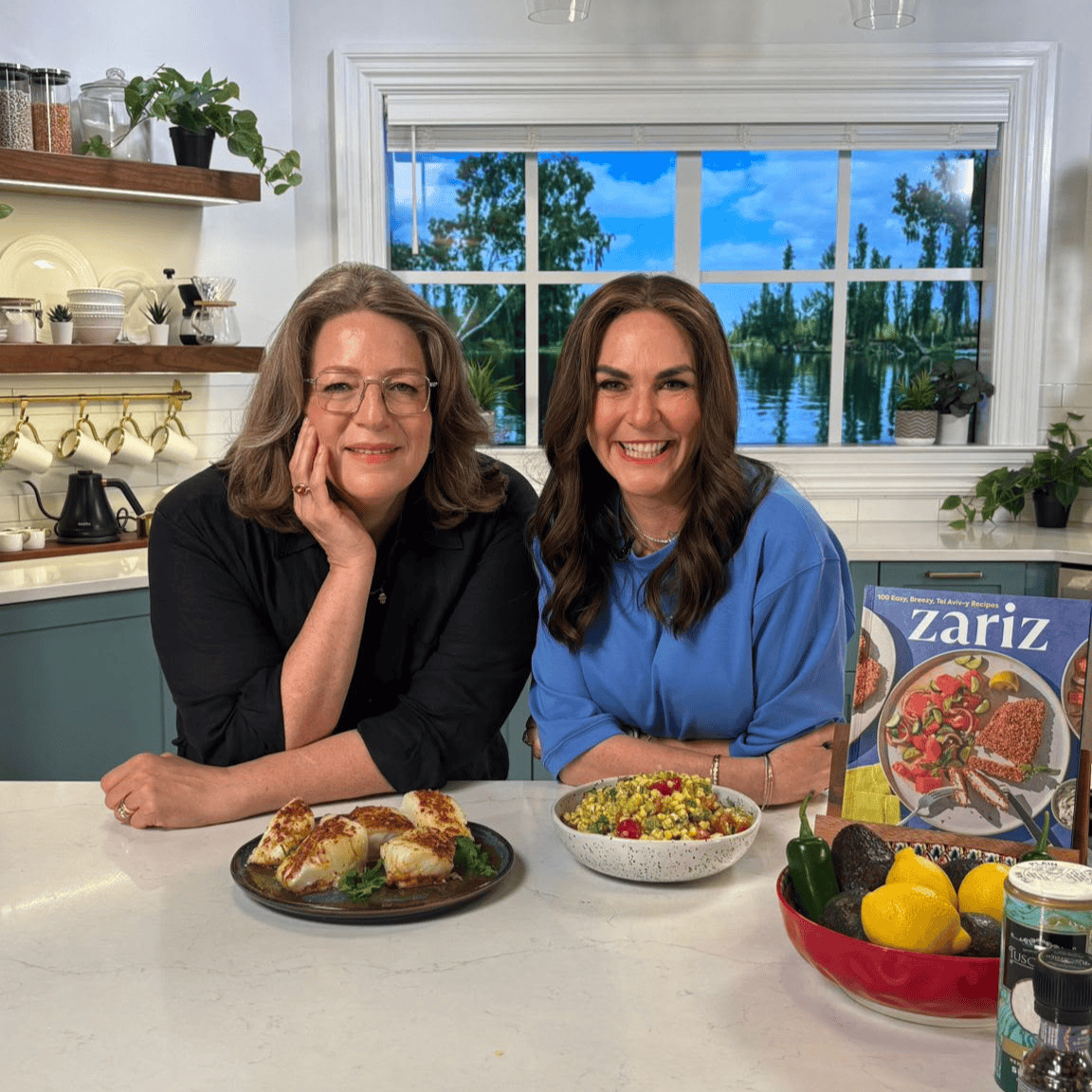
Kosher.com, a leading destination for kosher recipes, cooking videos, holiday inspiration and Jewish food content, welcomes acclaimed cookbook author and food writer Adeena Sussman to its popular culinary series, Sunny Side Up with Naomi Nachman. Adeena shares her fresh, easy approach to cooking in a 30-minute recipe from her cookbook, Zariz: 100 Easy, Breezy, Tel Aviv-y Recipes, with Naomi exclusively on Kosher.com.
CREDITS: Excerpted from Zariz: 100 Easy, Breezy, Tel Aviv-y Recipes by Adeena Sussman with permission of Avery, an imprint of Penguin Publishing Group, a division of Penguin Random House LLC. Copyright Adeena Sussman, 2026.
The episode will be available beginning August 18 on Kosher.com.
Hosted by cookbook author, professional caterer and culinary personality Naomi Nachman, Sunny Side Up is one of Kosher.com’s signature cooking series. Across more than 100 episodes, Nachman has welcomed an eclectic mix of chefs, cookbook authors, food personalities, entrepreneurs and culinary innovators from around the world.
The series celebrates the diversity of today’s kosher and Jewish food world, exploring traditional dishes, creative twists on classics, international cuisines and emerging culinary trends. Nachman brings her signature warmth, energy and culinary expertise to each episode, combining lively conversation with recipes and techniques viewers can bring to their own tables.
In her episode, Sussman joins Nachman in the kitchen to prepare Harissa Butter Roasted Fish with Corn, Tomato, Avocado & Feta Salad, sharing the inspiration behind the dish along with tips and techniques for recreating it at home.
Sussman is known for bringing the vibrant flavors, ingredients and energy of Israeli cooking to home cooks around the world. She is the author of the acclaimed cookbooks Sababa: Fresh, Sunny Flavors from My Israeli Kitchen and Shabbat: Recipes and Rituals from My Table to Yours, as well as her newest cookbook, Zariz. She has also co-authored numerous cookbooks, including Chrissy Teigen’s bestselling Cravings and Cravings: Hungry for More.
Living steps from Tel Aviv’s Carmel Market, Sussman draws inspiration from the ingredients, cultures and traditions that surround her. Her recipes combine the flavors of Israel and the broader Jewish culinary world with a fresh, contemporary approach designed for the way people cook and entertain today.
“We are thrilled to welcome Adeena to Sunny Side Up,” said Goldy Guttman, Director of Kosher.com. “Adeena has an incredible ability to celebrate the traditions and flavors of Israeli and Jewish cooking while making them feel fresh, exciting and approachable. Sunny Side Up has always been about bringing together fascinating voices from across the food world, and having Adeena join Naomi in the kitchen is a perfect example of what makes this series so special.”
“People want to cook a good home-cooked meal for a weeknight. They want to make fresh food,” Adeena Sussman said. “I set this goal for myself that the recipes wouldn’t suffer any flavor for simplicity.”
“Harissa, schug, amba…All these condiments are also the stories of the history of the Jewish people,” adds Sussman. “That’s what I love to do, tell their story.”
For Nachman, Sunny Side Up is as much about the people behind the food as the recipes themselves. Guests represent a wide range of backgrounds, cuisines and culinary traditions, offering an engaging look at how food connects families, communities and cultures.
The episode also reflects Kosher.com’s larger mission to showcase how diverse kosher cooking has become. Alongside beloved Jewish classics, the platform introduces audiences to global Jewish cuisines, contemporary food trends, new culinary personalities and creative ideas for everything from weeknight dinners to Shabbat and holiday entertaining.
Adeena Sussman’s appearance on Sunny Side Up with Naomi Nachman will be available beginning August 18 on Kosher.com, along with her featured recipe so viewers can recreate the dish at home.
Harissa Butter Roasted Fish with Corn, Tomato, Avocado & Feta Salad
Serves: 4–5 Active Time: 20 minutes Total Time: 30 minutes
Along with Yemenite schug, harissa ties for first as the hot sauce of our home. It has notes of paprika, hot peppers, and garlic in every spoonful without a lot of vinegary bite, making it a balanced, flavor-packed pantry staple. Here, I combine it with butter and even more garlic to make a compound butter that tops the fish with richness and heat. The accompanying salad, with its fresh market produce and za’atar dressing, would be just as good as a side dish or light lunch on its own.
Ingredients
Harissa Butter Fish
½ stick (4 tablespoons) unsalted butter, softened
1 tablespoon harissa
1 large garlic clove, finely minced
1 teaspoon kosher salt, divided
½ teaspoon freshly ground tuscaniani black pepper, divided
4–5 skinless whitefish fillets (5–6 ounces each), such as sea bass or snapper
1. Arrange a rack in the center of the oven and preheat to 375°F.
2. In a shallow bowl, combine the butter, harissa, garlic, ½ teaspoon salt, and ¼ teaspoon pepper. Mash with a fork until smooth.
Arrange the fish in a 10-inch round or square baking dish and pat dry. Season lightly with salt and pepper. Spread each fillet with 1 tablespoon of the harissa butter, adding any extra butter to the baking dish.
Roast, basting once midway through with the melted harissa butter, until the fish is opaque and the butter is bubbly, about 12–13 minutes. Remove from the oven, baste again with the melted butter, and season with additional salt.
3. While the fish is roasting, cut the corn kernels off the cobs into a medium bowl (you should have about 2 generous cups). Add the tomatoes, za’atar, chives, jalapeño, lemon juice, olive oil, remaining ½ teaspoon salt, and remaining ¼ teaspoon pepper. Toss gently to combine.
Fold in the avocado and feta just before serving.
4. Serve the salad alongside the fish.
You can also use 2 cups drained canned corn or 2¼ cups frozen corn, thawed and drained.
Planning a night out in Las Vegas can feel like you’re at a huge buffet with a thousand amazing choices. There are so many world-class shows, restaurants, and clubs that it can be hard to pick. But if you have a bit of a plan, you can create a truly unforgettable experience that’s more than just walking around the Strip. A great night in Vegas is all about getting the timing and choices just right. From dinner, which is like the opening act, to the grand finale, here’s how to plan a night you won’t forget.
Set the Vibe with Dinner and Drinks
Every legendary night needs a strong start, and in Vegas, that means dinner. The restaurant you pick sets the whole mood for the evening. Do you want something super fancy and glamorous? Then book a table at a celebrity chef’s restaurant inside one of the big resorts. If you’re looking for something more lively and trendy, check out the busy dining scenes in the Arts District or Fremont East.
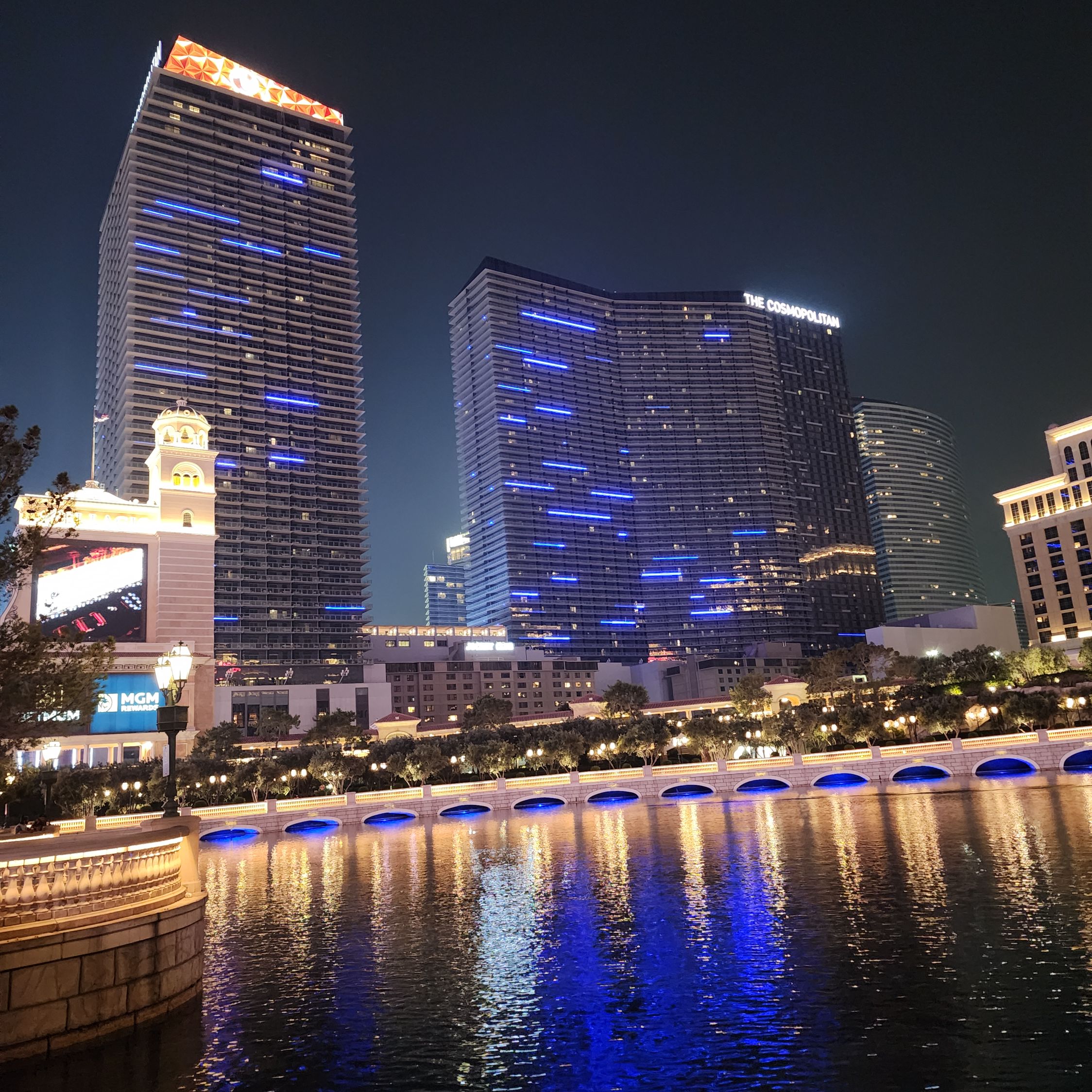
Don’t just think about the food; think about the vibe. Having a pre-show cocktail at a lounge with a view of the Strip can be an event all on its own. Places like the Chandelier Bar at The Cosmopolitan or Skyfall Lounge at Delano offer stunning views with your drink. Small high-end travel choices, like booking a standout dining experience or choosing a setting that feels special, can make the entire night feel more memorable. This first part of the night is all about building excitement for the main attractions of Las Vegas after dark.
Choose Your Main Event
This is the main event of your evening. Las Vegas is known as the entertainment capital of the world, so you have endless choices. You could see an amazing Cirque du Soleil show, catch a superstar like Adele or Bruno Mars, or dance all night at a huge club with a famous DJ. Make sure to book these tickets far in advance, because popular shows and events sell out fast.
If you’re looking for a different kind of show, Vegas has that too. For a classic experience that’s a bit more daring, the city has some of the best strip clubs, offering high-energy entertainment in a fancy setting. Whatever you pick, make sure it’s something you’re really excited about. This is the highlight of your night, so make it count.
Navigate the Night Like a Pro
Getting around Las Vegas takes a little planning. The Strip might look walkable, but distances are tricky. A “short walk” from one casino to the next can easily take 20 minutes. For a big night out, you’ll want comfortable but stylish shoes.
For longer distances, rideshare services are everywhere, but be ready for higher prices during busy times. Also, use the specific pickup and drop-off spots at each resort. The Las Vegas Monorail is another good choice if your stops are along its route on the east side of the Strip. It’s clean, fast, and can help you avoid the bad traffic. A little smart travel planning goes a long way when you have several stops in one evening, especially if reservations or showtimes leave little room for delays. Planning how you’ll get between dinner, your show, and your next stop will save you time and stress.
Find the Perfect After-Hours Spot
In a city that never sleeps, the main event doesn’t have to be the end of the night. What you do after the show or club can be just as memorable. Many people go for a late-night meal. You can find anything from a slice of fancy pizza to a full steak dinner at 3 a.m.
If you’re not ready to go home but want to relax, find a chill lounge for one last drink. These places offer a more laid-back atmosphere where you can actually talk and think about the night’s adventures. Sometimes the best thing to do is just take a walk to see the Bellagio Fountains or the lights of Fremont Street one last time before heading back.
Pace Yourself for a Legendary Night
The secret to a great night in Vegas is having stamina. It’s a marathon, not a sprint. The desert air is super dry, so drink lots of water throughout the night. It’s one of the simplest but most effective tips for planning a fun night. Also, decide on a budget before you even leave your hotel room. It’s easy to get caught up in the moment and spend too much.
Most importantly, be flexible. You might have a detailed plan, but sometimes the best memories happen when you change things up. If you find a cool bar or hear about a party, don’t be afraid to check it out.
A truly amazing Las Vegas night mixes smart planning with spontaneous fun. With your main reservations made and a general idea of how the night will go, you’re free to soak up the city’s energy and see where the night takes you.
Parents usually choose youth programs through a mix of trust, convenience, and recommendations from people they know. A coach has a good reputation. A church group has been around for years. A camp looks polished online. An after-school program feels welcoming during the first visit. Those things matter, but they do not always show what is happening behind the scenes.
The deeper questions are the ones parents may not think to ask right away. Who is supervising the adults? How can a child or parent report a concern? What happens if a child says something feels wrong? The best youth programs can answer those questions clearly, because real safety takes more than a friendly face or a familiar name.
Reputation Can Hide What Parents Really Need to Know
A respected name can make a youth program feel safe before a parent asks anything difficult. That trust is understandable. Many programs are led by caring adults, longtime volunteers, and community leaders who want young people to feel supported and connected.
Still, reputation should be the beginning of a parent’s review, not the end. A program can look organized from the outside while its internal rules are unclear. Parents should feel comfortable asking how staff and volunteers are screened, how children are supervised, and whether adults are ever alone with a child without another trained person nearby.
Strong programs do not treat these questions as a problem. They expect them. A clear answer shows that safety has been considered before anything goes wrong. A vague or defensive answer is a reason to pause and look more closely.
The Best Youth Programs Make Safety Visible
A strong youth program should be able to explain how it protects children without making parents feel awkward for asking. Safety should show up in everyday details: who supervises activities, how volunteers are trained, how transportation is handled, how private conversations are managed, and how concerns are passed to the right adult.
The most reliable programs make those answers easy to find. They talk openly about boundaries, communication, and emotional support because young people need more than activities to feel secure. Programs that take young people seriously understand that emotional and physical safety should be part of the environment before a concern is ever raised.
Consistency matters as well. A program may have written rules, but those rules mean little if daily habits do not match them. Clear check-in procedures, visible staff roles, two-adult supervision, and direct reporting options all send the same message: safety is part of how the program works, not something promised after a problem appears.
Why Youth Program Oversight Can Look Different From Place to Place
Youth programs often feel local, even when they are connected to larger systems. A parent may know the coach, pastor, counselor, or volunteer in front of them. At the same time, the program itself may answer to a school network, church leadership, nonprofit board, or regional organization.
In Ohio, a family might pay close attention to how a familiar community program handles supervision and parent communication. In California, similar questions may come up in a larger school, camp, or youth organization where families expect written policies and visible accountability. In Michigan, church-connected youth programs can carry both the familiarity of a local community and the added complexity of a larger religious institution. Questions involving Michigan clergy misconduct claims can raise concerns about authority, reporting, institutional response, and whether survivors have a clear path to be heard.
The same concern could feel different in the Southeast, where churches and community programs often play a central role in family life, or in another region where youth programs are tied to schools, camps, nonprofits, or athletic organizations. That is why parents should look past reputation and ask how problems are handled before a crisis occurs. Clear answers do not remove every risk, but they help families see whether safety is treated as a real system or only as a promise.
A Strong Response Matters When Concerns Are Raised
A youth program’s response to a concern can tell parents as much as its written policies. A safe program should not rush to protect its image, dismiss a child’s discomfort, or make families feel like they are causing trouble by asking questions. The first response should be calm, direct, and focused on the young person’s safety.
A youth program that takes concerns seriously understands that safe and supportive environments depend on emotional security, clear communication, and adults who know how to respond when a child feels uncomfortable or afraid.
Parents should also notice whether a program learns from concerns instead of treating them as one-time issues. Strong youth programs review what happened, communicate carefully, and adjust their systems when needed. That kind of response shows that safety is part of the culture, not a line in a brochure.
Better Questions Lead to Safer Choices
Parents do not need to approach every youth program with suspicion, but they should feel comfortable asking direct questions. Questions about supervision, boundaries, reporting, or accountability will not unsettle a strong program. It will already have answers.
The goal is not to find a perfect program. It is to find one that treats safety as a daily practice. Adults should know their roles. Children should know who they can talk to. Families should understand what happens when a concern is raised.
The best youth programs earn trust through transparency. They make parents feel informed, not difficult. They make children feel heard, not ignored. When those values are visible before a child joins, families can make decisions with more confidence and less guesswork.