


About 360 MAGAZINE

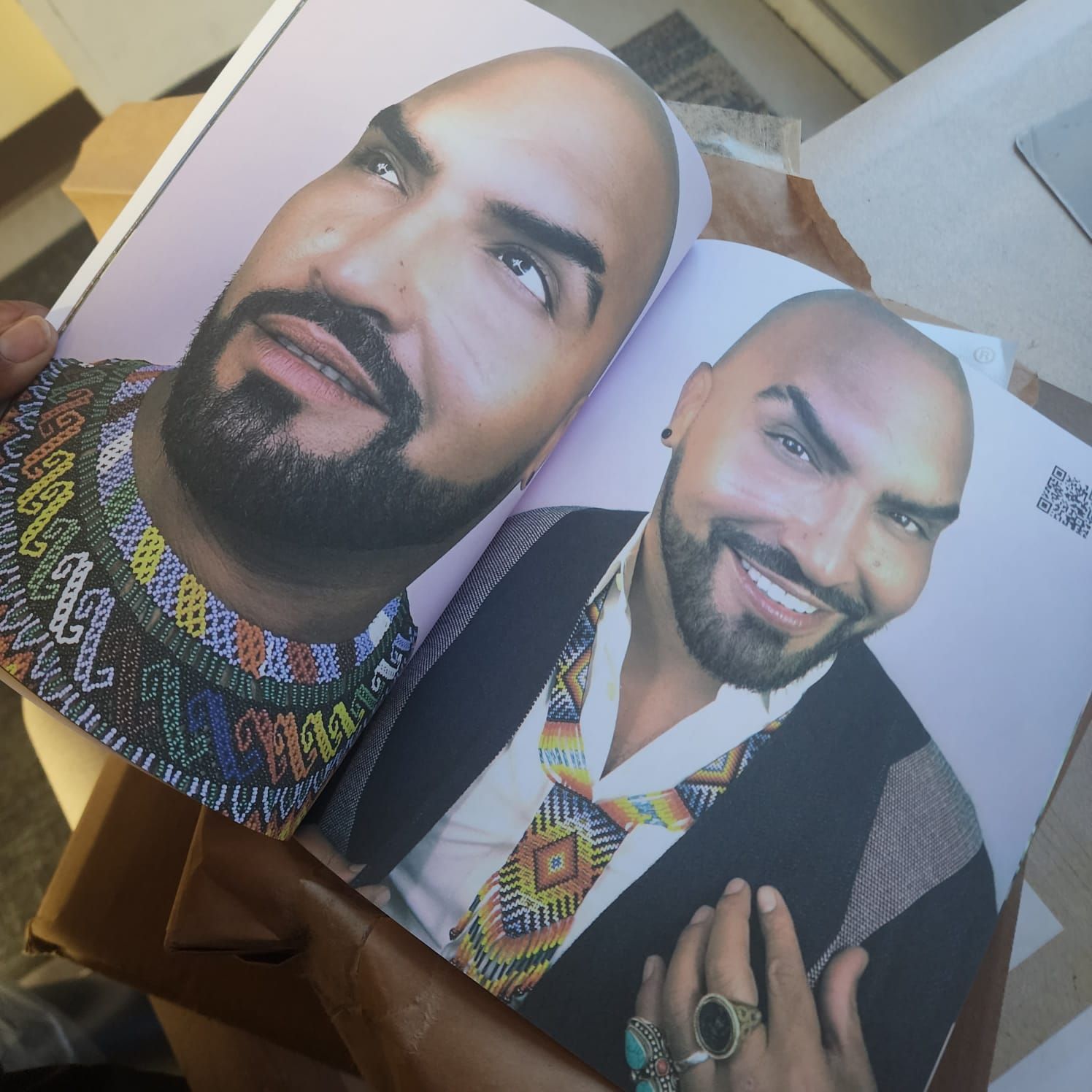
360 MAGAZINE is an award-winning international publishing on popular culture and design. We introduce avant trademarks to efficacious architects. We are a LGBTQIA2S+ friendly publication--officially recognized by the NGLCC. Our core demographic ranges from 19 to 39-year-old college-educated trendsetters within their respective international communities. The pages in this art book satisfy their strong interests including music, art, travel, auto, health, fashion, tech, philanthropy, design, food and entrepreneurship. It's an introspective digital/print/tablet portrait series, which encapsulates artists/brands/entities who embody the true essence of our publication- empowerment, equality, sensuality and most important of all, humanity within a global society.

Dating Style Tips for Older Men Who Want to Look Modern

A man in his 50s opens his closet and finds a decade of clothes that no longer match the face above them. The jackets fit at the shoulder. The lapels, the trouser width, and the wash of the denim place him somewhere around 2010. None of it looks broken, and that is the trap. Dressing modern after a certain age comes down to a few specific corrections, most of them about fit and restraint.

The Primacy of Fit

Fit decides almost everything. A $200 jacket cut to the body looks better than a $2,000 jacket hanging off the shoulders, and most men past 40 own some version of the second one. The fix is a tailor, and the rules are simple. Sleeves should end at the wrist bone. Trousers should break once at the shoe and no more. A jacket should taper at the waist enough to suggest a shape.

Most cities have a tailor within a short drive, and basic alterations run from roughly $15 for a hem to about $40 for taking in a jacket. Against the price of new clothing, few upgrades in menswear pay off better.

Stylists tend to rank the priorities as fit, fabric, and function, in that order. Fabric matters because wool, cashmere, and high-grade cotton hold their shape and color far longer than polyester blends. Function matters because a wardrobe a man actually reaches for beats an aspirational one he avoids. The relaxed tailoring of 2026 helps here. Cuts are softer and more forgiving than the very slim fit of the last decade, which suits an older body without looking careless.

A Short List of Wardrobe Staples

A modern wardrobe does not need to be large. A blazer or two matters most here, since a blazer adds shoulder structure and turns separates into an outfit. Dark, straight denim works for most occasions a man over 50 will face. White and light blue shirts handle the rest. Add a few pieces of knitwear in wool or fine cotton and a pair of well-kept leather shoes, and the core is done.

A well-cut overcoat in camel or charcoal works through winter and looks expensive even when it is not. Beyond that, quality beats volume. A core of 10 considered pieces that mix cleanly outperforms a closet of 40 that do not work together.

Appearance and the First Impression

In dating, presentation gets judged in seconds, long before a man has said anything worth hearing. Clean, well-fitting clothes and cared-for shoes signal self-respect and a degree of order. They say nothing about character, though most people grasp that distinction. What they buy is the first few minutes of attention, the window in which character can show.

The label high-value man gets attached to someone who has the rest of his life in order, and grooming and fit are a small, visible part of that picture. A sharp coat earns a man the chance at a better conversation, nothing more.

The Modern Casual Wardrobe

Most older men do not live in blazers. They live in casual clothes, and that is where looks tend to fall apart. Worn joggers, a faded hoodie, and old running shoes are comfortable, and together they make a man look like he has stopped trying.

The replacements are not much less comfortable. Dark jeans or chinos, a knit polo or a plain crewneck, and an overshirt in place of the hoodie will do for most casual days. A clean pair of minimalist sneakers finishes the look. The aim is clothing that looks chosen while still feeling easy to wear on a Saturday.

Color and Pattern Discipline

Color separates a modern outfit from a dated one for many older men. Neutrals form the base, mostly grey, navy, charcoal, stone, and white. From there, a single accent per outfit is plenty, drawn from burgundy or a deep olive. These look deliberate without drawing attention.

Two cautions are worth keeping. A full outfit of soft pastels tends to wash out an older face and add years to it. Loud, busy patterns cause the same problem from the other direction. A single textured piece, a herringbone jacket or a quiet check, does more for a look than a bright print ever will.

Glasses, Watches, and Restraint

Eyewear ages a man faster than almost anything else on this list. Thick, boxy frames and thin wire rims both tend to date a face. The better frame materials are angular acetate or titanium, cut as a rectangular or soft wayfarer in tortoiseshell or matte black. An optician can copy an existing prescription into a better frame in under a week, which makes this one of the easier fixes on the list.

The same restraint applies to everything that shines. A single good watch, and one more piece at most, makes the point. Stacked bracelets, layered chains, and oversized novelty watches make a man look like he is trying too hard to seem young.

Modern Footwear Choices

Shoes finish an outfit or undo it. Chunky trainers and dated dad sneakers date a look no matter what is worn above them. The modern replacements are simple, starting with Chelsea boots, suede derbies, clean leather monk straps, and minimalist white leather sneakers for easier days. Boots in particular look current, and a single pair of brown suede Chelsea boots quietly upgrades jeans and chinos alike.

Condition counts as much as style. Scuffed soles and creased, tired loafers undercut even a sharp outfit. A man who keeps 3 pairs in good repair is better dressed than one who owns 20 neglected ones.

Grooming and the Barber

Clothes are half the picture. A good barber who knows mature hair is the other half. Short, textured cuts, a clean classic crew, an ivy league, or a tidy shave for thinning hair all beat a comb-over or the gelled volume of 20 years ago. The goal is a cut built for the hair a man has now.

Skin counts too. A simple skin care routine does more for an aging face than any product marketed to men in a panic, and the basics are a daily moisturizer and a sunscreen. Small habits close out the rest. Trimmed nails, tidy brows, a neat beard line, and clean shoes do more for how a man comes across than any single garment. Grooming is the cheapest upgrade available and the one most often skipped.

The Change to Make First

The fastest improvement is also the dullest. Take 3 or 4 things a man already owns and wears, and bring them to a tailor this week. That means a jacket brought in at the shoulders, trousers hemmed to a single break, and a shirt taken in at the sides. The clothes are already paid for, so the only cost is the alteration, and the difference shows up in the very next photo. Replace pieces one at a time after that, as the budget allows. Modern is mostly fit, and fit is mostly a tailor.

Madonna Wears THOM SOLO's Hot Pink Satin T-Spine Pumps for TikTok LIVE Album Release Celebration in London​ via 360 MAGAZINE.

Madonna Wears THOM SOLO’s Hot Pink Satin T-Spine Pumps

For TikTok LIVE Album Release Celebration in London

Madonna wore THOM SOLO‘s Hot Pink Satin T-Spine Pumps, hand-embellished with Swarovski® crystals, during her exclusive TikTok LIVE album release interview and celebration in London.


The fashion meets culture moment showcases THOM SOLO’s signature sculptural aesthetic, blending couture craftsmanship with bold architectural design. Crafted in vibrant pink satin and covered in Swarovski crystals, the Satin pumps completed Madonna’s pink look (reminiscent of her iconic Material Girl wardrobe) throughout the live broadcast and the evening’s celebration, marking the latest collaboration between the acclaimed footwear designer and the legendary performer.

MADONNA MOMENT DETAILS:

  • Artist: Madonna
  • Designer: Thom Solo
  • Style: Custom Pink Satin T-Spine Pumps with Swarovski® Crystals
  • Shop: www.thomsolo.com/products/t-spine-pump
  • Event: TikTok LIVE Album Release Interview & Celebration
  • Location: London, United Kingdom
Steampunk style and fashion wardrobe via 360 Magazine and Vaughn Lowery.

10 Essential Pieces Every Steampunk Wardrobe Needs

Steampunk fashion is a fascinating blend of Victorian elegance, industrial design, and retro-futuristic imagination. Whether you’re just discovering the aesthetic or looking to expand your collection, building a complete steampunk wardrobe doesn’t have to be overwhelming. Rather than buying random accessories or elaborate costumes, it’s better to focus on timeless pieces that can be mixed and matched to create countless outfits.

The beauty of steampunk lies in its versatility. A few carefully selected garments can be styled for conventions, themed events, photoshoots, or even incorporated into everyday alternative fashion. If you’re wondering where to start, these ten essential pieces form the foundation of every great steampunk wardrobe.

1. A Victorian-Inspired Shirt or Blouse

Every outfit starts with a solid foundation, and in steampunk fashion, that foundation is usually a Victorian-inspired shirt or blouse. High collars, ruffled fronts, lace trims, and elegant cuffs immediately evoke the 19th century while remaining surprisingly versatile.

Neutral shades such as white, ivory, cream, or black are ideal because they pair effortlessly with waistcoats, jackets, corsets, and accessories. A well-made Victorian shirt works across multiple outfits, making it one of the smartest investments for anyone building a steampunk wardrobe.

Rather than chasing overly elaborate designs, choose a classic piece that can be dressed up or down depending on the occasion.

2. A Steampunk Vest

If there is one garment that truly defines the steampunk aesthetic, it’s the steampunk vest. Inspired by traditional Victorian waistcoats, this piece adds structure, elegance, and depth to almost any outfit.

Available in materials such as brocade, tweed, velvet, leather, or jacquard, a vest instantly transforms a simple shirt into something that feels distinctly steampunk. It’s also one of the easiest garments to wear beyond cosplay. Pair it with tailored trousers for a refined gentleman’s look, or combine it with leather belts and accessories to create the appearance of an inventor, engineer, or explorer.

Because it’s so versatile, many experienced enthusiasts recommend buying a quality steampunk vest before investing in more elaborate costume pieces. It’s a wardrobe staple that you’ll find yourself wearing again and again.

3. A Long Coat or Tailcoat

Few garments make as dramatic an impression as a Victorian-inspired coat. Long frock coats, tailcoats, military jackets, and trench-style outerwear instantly elevate an outfit and create the elegant silhouette associated with classic steampunk fashion.

Dark colors like black, brown, charcoal, or deep burgundy work particularly well because they reinforce the vintage atmosphere. Details such as brass buttons, decorative embroidery, or structured shoulders add character without overwhelming the design.

A good coat also enhances layering, one of the defining characteristics of the steampunk aesthetic.

4. A Corset or Waist Belt

Corsets are among the most recognizable elements of steampunk fashion. Traditionally associated with Victorian women’s clothing, they have become a staple across many different interpretations of the genre.

Leather corsets create a rugged industrial appearance, while brocade or velvet designs emphasize elegance and aristocratic influences. If you’re looking for a subtler option, corset belts or structured waist belts offer many of the same visual benefits while being easier to style with everyday clothing.

Beyond aesthetics, these pieces help create a balanced silhouette and add another layer of texture to the outfit.

5. A Pair of Victorian-Inspired Boots

Footwear often determines whether an outfit feels authentic or unfinished. Modern sneakers can instantly break the illusion, while the right pair of boots ties everything together.

Leather lace-up boots remain the most popular choice, thanks to their timeless appearance and practicality. Victorian ankle boots, military boots, or riding boots also fit naturally within the aesthetic.

Look for details like buckles, antique eyelets, distressed leather, or subtle brass hardware. Comfortable footwear is especially important if you plan to attend conventions or spend an entire day wearing your outfit.

6. Steampunk Goggles

No list of steampunk essentials would be complete without goggles. Originally inspired by early aviators and engineers, they’ve become one of the defining symbols of the genre.

Although they may not be practical for everyday wear, goggles instantly communicate the adventurous, retro-futuristic spirit of steampunk. They can be worn over the eyes, resting on the forehead, around the neck, or attached to a top hat for a more decorative effect.

Brass frames, leather straps, and tinted lenses remain classic choices, although many modern designs incorporate intricate mechanical details for added personality.

7. A Pocket Watch

Pocket watches perfectly capture the elegance of Victorian fashion while reinforcing one of steampunk’s favorite themes: time.

Traditionally attached to a waistcoat with a decorative chain, they bring sophistication and authenticity to almost any outfit. Antique finishes, engraved covers, and skeleton designs with visible gears are particularly popular because they reflect the mechanical inspiration behind the genre.

Even if your pocket watch isn’t functional, it serves as both a stylish accessory and an excellent conversation piece.

8. Leather Gloves

Gloves may seem like a small detail, but they contribute significantly to the overall look of a steampunk outfit. Leather fingerless gloves create the impression of an inventor or mechanic constantly working with machinery, while full leather gloves add refinement and authority.

For more elegant interpretations of the aesthetic, lace or satin gloves inspired by Victorian fashion can provide a softer, aristocratic touch.

Like many accessories in steampunk fashion, gloves are most effective when they complement the rest of the outfit rather than dominate it.

9. A Top Hat or Bowler Hat

Headwear has always played an important role in Victorian fashion, making hats a natural addition to any steampunk wardrobe.

The classic top hat remains the most iconic choice, often decorated with goggles, feathers, gears, chains, or brass embellishments. Bowler hats offer a more understated alternative, while military caps and fascinators provide additional opportunities for personalization.

A well-chosen hat not only completes the outfit but also helps define your character, whether you’re portraying an airship captain, an aristocrat, or a brilliant inventor.

10. Steampunk Jewelry and Accessories

The final layer of every great steampunk outfit is found in the accessories. Rather than wearing every available decoration at once, focus on a few carefully selected pieces that reinforce your chosen aesthetic.

Gear-shaped necklaces, brass earrings, mechanical rings, vintage brooches, leather belts, decorative chains, and key pendants all fit naturally within the genre. These small details create visual interest while helping tell the story behind your outfit.

Steampunk fashion is ultimately about craftsmanship and individuality, and accessories provide the perfect opportunity to express your own personality.

Final Thoughts

Building a steampunk wardrobe doesn’t require dozens of elaborate costumes or expensive custom pieces. Instead, focus on versatile essentials that can be layered and combined in different ways. A Victorian shirt, a quality steampunk vest, a tailored coat, sturdy boots, and a handful of carefully chosen accessories will allow you to create a wide variety of outfits while staying true to the spirit of the aesthetic.

As your collection grows, you’ll naturally discover the style that suits you best. Whether you’re drawn to elegant Victorian fashion, rugged industrial designs, or adventurous explorer looks, these ten essential pieces provide the perfect foundation for a wardrobe that’s both timeless and uniquely your own.

Property damage claims article via 360 MAGAZINE.

Everything You Should Know About Property Damage Claims

A property damage claim is a formal request for compensation when someone else’s negligence or wrongful actions damage your property. It can arise from a car accident, a neighbor’s tree falling on your fence, a contractor’s mistake, or a natural disaster covered under your insurance policy. The process seems straightforward until you are in the middle of it.

Most people underestimate how much documentation, negotiation, and legal knowledge a property damage claim actually requires. Filing correctly and understanding your rights from the start is what determines whether you recover the full value of your loss or settle for far less than you deserve.

What Property Damage Claims Actually Cover

Property damage claims are broader than most people realize. They are not limited to vehicle damage after a car accident.

Covered losses can include real property like homes and land, personal property like vehicles and belongings, and, in some cases, loss of use when damaged property cannot be used during repairs.

Common Types of Property Damage Claims

  • Vehicle damage from car accidents, hit-and-run incidents, or uninsured drivers
  • Home damage from neighbor negligence, falling trees, or contractor errors
  • Business property damage caused by vandalism, accidents, or third-party negligence
  • Rental property damage beyond normal wear and tear
  • Personal belongings damaged during a move, storage, or service provider error

How Insurance Companies Value Your Claim

Insurance companies do not automatically pay what your property is worth. They use one of two valuation methods, and the difference between them is significant.

Actual Cash Value vs. Replacement Cost

Actual cash value pays what your property was worth at the time of the damage, factoring in depreciation. A five-year-old vehicle or an aging roof will be valued well below what it costs to replace.

Replacement cost coverage pays what it actually costs to repair or replace the damaged property with a comparable item at current prices. This is almost always the higher number and the one worth fighting for.

Your policy language controls which method applies. Reading that language carefully before filing is essential.

Fault and Liability in Third-Party Claims

When someone else caused the damage, you file against their liability coverage rather than your own policy. That process works differently and comes with its own set of challenges.

The other party’s insurer has no obligation to treat you like its own customer. Their job is to minimize the payout on behalf of their policyholder. Establishing clear fault early strengthens your position significantly.

What Strengthens a Third-Party Claim

  • Police reports or incident documentation confirming the other party’s fault
  • Photographs taken immediately after the damage occurred
  • Witness statements supporting your version of events
  • Repair estimates from licensed, independent contractors
  • Records showing the property’s condition and value before the damage

When a Claim Becomes a Lawsuit

Insurance negotiations do not always produce fair results. When an insurer denies a valid claim, delays without justification, or offers a settlement far below actual loss, legal action becomes an option worth considering.

Under most state laws, insurers have a duty of good faith and fair dealing. A bad faith denial or unreasonable delay can expose the insurer to damages beyond the original claim value. Some states allow plaintiffs to recover attorney fees and punitive damages when bad faith is proven.

Steps to Take When Filing a Property Damage Claim

  1. Document all damage immediately with photographs, videos, and written descriptions.
  2. File a police report or incident report, where applicable, before contacting any insurer.
  3. Review your insurance policy carefully to understand coverage limits and valuation methods.
  4. Get at least two independent repair or replacement estimates from licensed professionals.
  5. Submit your claim in writing and keep copies of every document, email, and communication.
  6. Do not accept a settlement offer until you fully understand what you are releasing and whether it covers your total loss.

Key Takeaways

  • A property damage claim covers vehicles, homes, personal belongings, and business property damaged by negligence or covered events.
  • Insurance companies use either actual cash value or replacement cost to calculate payouts, and the difference can be substantial.
  • Third-party claims against another person’s insurer require clear fault documentation from the start.
  • Insurers have a legal duty of good faith and can face additional liability for bad-faith denials or delays.
  • Repair estimates from independent contractors carry more weight than those from insurer-appointed assessors.
  • Policy language controls your rights, so reading coverage terms before filing protects your position.
  • Accepting a settlement offer releases your right to seek additional compensation for the same loss.


Crosswalk article via 360 MAGAZINE.

The Crosswalk Rules Many California Residents Get Wrong

Crosswalks seem straightforward, but they are one of the most misunderstood parts of California traffic laws. Drivers and pedestrians often assume they know the rules, yet many make mistakes that can lead to accidents or citations.

These misunderstandings are especially common at intersections, during turns, and at crossings without painted lines. Understanding crosswalk driving rules is important because the crosswalk rule many California residents get wrong is that pedestrians do not always have unlimited right of way, and drivers must yield at both marked and unmarked crosswalks while still expecting pedestrians to cross responsibly.

Many people are surprised to learn that a crosswalk can exist even when there are no painted stripes on the road. This misunderstanding alone creates confusion for both drivers and pedestrians and can increase the risk of accidents.

Not Every Crosswalk Has Painted Lines

One of the most common mistakes is believing that a crosswalk only exists when it is marked with white lines.

In California, many intersections include unmarked crosswalks. Even without visible paint, pedestrians may still legally cross at these locations. Drivers who only watch for marked crossings may fail to notice someone crossing at an intersection.

This misunderstanding is especially common in residential areas, where many intersections do not have clearly painted crosswalks.

Pedestrians Do Not Have Unlimited Right of Way

Many people assume that pedestrians always have the right of way no matter the situation. While pedestrians are protected in crosswalks, that does not mean they can step into traffic without considering safety.

Pedestrians should make sure drivers have enough time to see them and react. Entering a roadway suddenly can create dangerous situations for everyone involved.

Crosswalk safety works best when both drivers and pedestrians act carefully and predictably.

Drivers Often Overlook Pedestrians When Turning

Turning vehicles are involved in many crosswalk-related incidents.

When making a left or right turn, drivers often focus on other vehicles and traffic signals. As a result, they may miss a pedestrian already crossing the street.

Before completing a turn, drivers should always check the crosswalk. Taking a few extra seconds to look can prevent a serious collision.

Crosswalk Rules Apply Without Traffic Signals

Another misunderstanding is that crosswalk protections only apply where traffic lights are present.

Pedestrians frequently cross at intersections that do not have signals. Drivers should approach every intersection with caution and be prepared for people crossing the street.

Assuming that an intersection without a traffic light does not require extra attention can lead to costly mistakes.

Distracted Driving Increases the Risk

Distracted driving continues to be a major safety concern.

Looking at a phone, adjusting navigation, or responding to a message can take a driver’s eyes off the road for just long enough to miss a pedestrian entering a crosswalk.

Crosswalks require full attention because situations can change quickly.

Pedestrians Can Be Distracted Too

Drivers are not the only people who become distracted.

Many pedestrians cross streets while texting, scrolling through social media, or wearing headphones. These distractions can make it harder to notice approaching vehicles or changing traffic conditions.

Remaining alert while crossing is one of the simplest ways to stay safe.

Visibility Matters More Than Many People Realize

Poor weather and low-light conditions can make crosswalks more dangerous.

Rain, fog, and darkness reduce visibility and make it harder for drivers to spot pedestrians. At the same time, pedestrians may overestimate how visible they are to drivers.

Slowing down, staying alert, and being visible can help reduce the risk of accidents during these conditions.

Key Takeaways

  • Crosswalks can exist even when there are no painted markings.
  • Drivers must pay attention at both marked and unmarked crosswalks.
  • Pedestrians do not have unlimited right of way in every situation.
  • Turning vehicles pose a significant risk to pedestrians.
  • Crosswalk protections apply even at many intersections without traffic signals.
  • Distracted driving and distracted walking increase accident risks.
  • Poor visibility requires extra caution from everyone on the road.
  • Crosswalk safety depends on shared responsibility between drivers and pedestrians.


How to Back Out of a Divorce Petition in California

California is home to millions of married couples from different backgrounds and lifestyles. While many divorce cases move forward to completion, some couples choose to stay together despite their differences. When that happens, understanding California’s legal process for withdrawing a divorce petition becomes essential.

Backing out of a divorce petition in California requires a few legal steps. These include determining the current case status, filing the appropriate dismissal paperwork, obtaining any required approvals, and confirming that the court has officially closed the matter. The exact process can vary depending on whether the other spouse has filed a response and how far the case has progressed.

If you are looking to cancel a marriage dissolution, it is important to act promptly and follow the proper court procedures. Further, an experienced divorce lawyer can help ensure that the court officially closes the matter. 

Step 1: Determine the Current Status of Your Divorce Case

Before taking any action, find out where your case stands.

Ask yourself:

  • Has the divorce petition been served on your spouse?
  • Has your spouse filed a response?
  • Have any court hearings taken place?
  • Has the family court already entered a final judgment?

The answers will determine which dismissal procedures apply to your situation.

Step 2: Check Whether Your Spouse Has Filed a Response

This step is crucial because California courts treat these situations differently.

  • If No Response Has Been Filed: You generally have more control over dismissing the case. In many instances, the spouse who filed the petition can request a dismissal without needing the other spouse’s participation.
  • If a Response Has Been Filed: Both parties may need to agree to the dismissal. Additional paperwork and signatures are often required before the court will close the case.

A divorce lawyer can review the court file and confirm what is needed.

Step 3: Complete the Required Dismissal Forms

To formally stop the divorce, you must file the appropriate dismissal documents with the court.

The most commonly used form is a Request for Dismissal. The information entered on the form must match the details of your existing divorce case.

Mistakes on court documents can delay the process, which is why many people seek legal guidance before filing.

Step 4: Obtain Any Required Signatures

Depending on the case’s status, your spouse’s signature may be required.

This often applies when:

  • A response has already been filed
  • Both spouses have appeared in the case
  • Financial or custody matters have been addressed

Make sure all required signatures are obtained before submitting the paperwork.

Step 5: File the Dismissal Request with the Court

After completing the necessary forms, submit them to the court where the divorce petition was originally filed.

Under California Code of Civil Procedure § 581, a petitioner generally has the right to dismiss an action before trial. Hence, early-stage divorce cases are often easier to withdraw.

Once submitted, the court clerk will process the paperwork and add it to the case record. Keep copies of everything you submit for your personal records.

Step 6: Wait for Court Approval

Filing the paperwork does not automatically end the case.

The court must review and approve the dismissal request. Once approved, the divorce proceedings are officially terminated.

Until that happens, continue monitoring any court notices or deadlines related to your case.

Step 7: Confirm the Case Has Been Dismissed

After approval, obtain documentation showing that the dismissal was entered into the court record.

This confirmation provides proof that:

  • The divorce case is closed
  • No further divorce proceedings are pending
  • The marriage remains legally intact

Keeping these records can be helpful if questions arise in the future.

Final Note

  • Backing out of a divorce petition in California requires formal court action.
  • Start by determining whether your spouse has filed a response.
  • Complete and file the required dismissal forms.
  • Obtain any necessary signatures before filing.
  • Wait for court approval rather than assuming the case is closed.
  • Work with a divorce lawyer to avoid procedural mistakes and delays.
A BATHING APE® Introduces Fall/Winter 2026 "Timeless Culture" Campaign & Collection via 360 MAGAZINE.

A BATHING APE® INTRODUCES FALL/WINTER 2026

“TIMELESS CULTURE” CAMPAIGN & COLLECTION

The past is never static. It shifts, overlaps, and redefines itself through the lens of the present. From the precision of Japanese craftsmanship to the raw energy of American street culture, history continues to evolve through style, attitude, and identity.

For Fall/Winter 2026, A BATHING APE® presents “Timeless Culture,” a unified collection that brings heritage and rebellion into dialogue. Rooted in Japanese artistry and American vintage street codes, the season explores the intersection of workwear, military references, and classic streetwear, where tradition meets disruption and individuality comes into focus.

This season embraces contrast, balancing structure with expression and archival references with a contemporary edge. Classic elements are reworked through updated fits and material innovation, while layering, pattern combinations, and unexpected pairings reflect a new approach to styling. At its core, BAPE® continues to champion fearless self-expression, where individuality is not only encouraged but defined through style. Anchored in freedom and shaped by cultural expression, FW26 captures BAPE®’s ongoing role in defining modern street identity.

Reflecting this cultural dialogue, the campaign features R&B artist JayDon (JD McCrary), one of the most exciting emerging voices of his generation. As a multi-disciplinary talent spanning music, performance, and screen, he brings a natural sense of rhythm and presence that aligns with the spirit of the collection. His perspective represents a new wave of expression, where sound, movement, and style come together as a unified form of identity.

Across the season, music, sport, and art serve as key pillars, each offering a distinct viewpoint while contributing to a unified narrative. From sound and movement to craftsmanship, these influences come together as wearable statements that connect past and present.

More than a seasonal collection, “Timeless Culture” is an exploration of identity shaped by different worlds coming together. Music, sport, and art converge to form a unified narrative—one that reflects the diversity, creativity, and individuality of global street culture.

By blending Japanese craftsmanship with American vintage influences, BAPE® continues to push boundaries while staying rooted in its heritage. FW26 is a celebration of contrast and connection, where past and present coexist, and style becomes a form of self-expression.

Wear BAPE®. Define culture. Stay timeless.

The men’s, women’s, and kids’ collections launch globally on Saturday, July 4, available at BAPE STORE® locations and online at BAPE.COM.

A BATHING APE® Introduces Fall/Winter 2026 "Timeless Culture" Campaign & Collection via 360 MAGAZINE.
Online casino game article via 360 MAGAZINE.

Why casino games are going vertical for a new generation of players

Younger audiences consume almost everything vertically now. Video, shopping, news, social feeds, all of it lives in a single scrollable column on their phones, held in one hand. Casino games are catching up to that habit fast, and casino games like crash games are the clearest sign of a product built for it from the ground up, rather than squeezed into a different aspect ratio.

These new games are faster, more attractive, and better than ever. You can try out casino games with a bet365 casino bonus code to help get you started courtesy of Vegas Insider. So is the shift working? Is it better or worse for the industry? How much will the industry actually change?

The shift from horizontal slots to vertical-first design

For years, online slots were designed the way land-based machines and desktop websites always had been: wide screens, multiple reels, and layouts built for a horizontal frame. Mobile play just meant shrinking that same layout down or asking players to rotate their phone sideways.

Vertical-first design flips that approach entirely. Games are built in a single-column, full-screen format from the start, with fast load times and a stripped-back interface that never asks a player to turn their phone.

It mirrors a shift that already happened elsewhere in mobile entertainment. Short-form video and mobile-first shopping apps went through the same transition, where the vertical frame became the default rather than an afterthought bolted on later.

Why crash games fit the format so well

Crash games are built around one simple mechanic: a multiplier climbs, and the player decides when to cash out before it collapses. That entire experience fits comfortably inside a single vertical screen, with nothing else competing for space or attention.

Round length matters just as much as layout. A crash game round often lasts only a few seconds, which suits an audience raised on quick-hit content loops like Instagram Reels and TikTok far better than a slower, multi-minute slot spin ever could. 

The format rewards fast decisions and immediate feedback, the same qualities that make short-form video so easy to keep watching well past the point a viewer meant to stop. 

What this means for operators and game studios

Studios are increasingly designing new titles vertical-first rather than retrofitting horizontal games after launch, a pattern that echoes streaming’s own move from widescreen video toward the 9:16 frame that now dominates social platforms.

There is also a streaming crossover worth noting. Crash games have become genuinely popular content on platforms like Twitch and Kick, partly because a vertical, single-screen format is so easy to clip and reshare. A short, dramatic multiplier crash makes for a clean, shareable moment in a way a five-reel slot animation rarely does. 

That crossover is likely to keep shaping how new titles get built, since a game that plays well and clips well now serves two audiences at once: the player in the moment, and the much larger audience who might watch a highlight of that moment later.

None of this changes the basic nature of these games. Crash titles and other vertical-first formats are still games of chance, and the same responsible play principles apply regardless of screen orientation. Set limits before playing, and treat any session as entertainment rather than a way to make money.

What is changing is the shape of the product itself. This is less a story about a new type of casino game than about an entire category rebuilding itself around how a younger generation actually holds a phone, scrolls a feed, and pays attention. 

Attorney Bryan Freedman and the World Behind Hollywood via 360 MAGAZINE.

Attorney Bryan Freedman and the World Behind Hollywood

For most people, Hollywood is synonymous with actors, directors, producers, and studios. Legal disputes are usually viewed as the aftermath of creative disagreements rather than a defining part of the industry itself. Yet behind many of entertainment’s biggest business decisions is a network of attorneys whose work helps determine how contracts are enforced, partnerships evolve, and companies navigate increasingly complex legal landscapes.

Among those attorneys, Bryan Freedman has become one of the most recognizable names.

Based in Los Angeles, Freedman has spent more than three decades building a litigation practice focused on entertainment, media, employment, and commercial disputes. During that time, he has represented everyone from individual performers and filmmakers to production companies, executives, talent agencies, and businesses operating throughout the entertainment ecosystem.

His career illustrates how specialized litigation has become an increasingly important part of Hollywood’s business infrastructure.

Unlike transactional entertainment lawyers who primarily negotiate contracts before projects move forward, trial lawyers are typically called when relationships have deteriorated. Whether the issue involves employment agreements, intellectual property, partnership disputes, or commercial contracts, litigation often requires attorneys to balance legal strategy with the unique realities of an industry built on public visibility and long-term professional relationships.

That is where Freedman has established his reputation.

From Law School to Los Angeles

After earning his undergraduate degree from the University of California, Berkeley, Freedman attended the University of the Pacific’s McGeorge School of Law before being admitted to the California Bar in 1991. He later became a founding partner of Freedman Taitelman + Cooley LLP, a Los Angeles litigation firm that developed a strong focus on entertainment and commercial disputes.

While celebrity clients often attract the most attention, Freedman’s practice has never been limited to Hollywood personalities alone. Throughout his career, he has represented companies, agencies, management firms, and executives alongside actors, directors, and musicians. That combination has allowed him to work across a wide spectrum of legal issues affecting both creative talent and the businesses supporting them.

His client roster reflects that diversity.

Over the years, Freedman has represented filmmaker Christopher Nolan, director Quentin Tarantino, actors Julia Roberts, Robert Downey Jr., Octavia Spencer, Vin Diesel, Seth Rogen, and Gabrielle Union, along with recording artists including Mariah Carey and Alanis Morissette. He has also advised production companies, entertainment businesses, and management organizations involved in complex commercial disputes.

The breadth of those clients speaks to another characteristic of modern entertainment law: versatility.

Today’s legal issues rarely fit neatly into a single category. A dispute may involve contract interpretation, employment law, intellectual property, digital rights, or corporate governance simultaneously. As streaming services, social media platforms, and creator-driven businesses have expanded the entertainment landscape, attorneys have increasingly needed experience that extends well beyond traditional film and television work.

Freedman’s practice has evolved alongside those changes.

One example came following the 2014 cyberattack against Sony Pictures, which generated significant litigation concerning employee information and corporate responsibility. Freedman represented plaintiffs in litigation connected to the incident, with the matter ultimately concluding through a multi-million-dollar settlement. The case highlighted how technology and cybersecurity had become integral components of entertainment law rather than separate legal disciplines.

Earlier in his career, Freedman also represented Academy Award-winning actress Octavia Spencer in litigation involving a promotional agreement, resulting in a favorable judgment. Cases such as these helped establish his profile as a litigator capable of handling disputes involving both public figures and complicated contractual issues.

Success in litigation, however, is not measured solely by courtroom verdicts.

Many of the most consequential disputes conclude through negotiated settlements, mediation, or other forms of resolution long before a trial begins. In industries where business relationships often continue after litigation ends, reaching an efficient and practical outcome can be just as valuable as prevailing before a jury.

This practical dimension has long been part of Freedman’s work.

Entertainment companies regularly face situations where legal outcomes must be balanced against business realities, public perception, scheduling concerns, and ongoing commercial relationships. Attorneys working in this environment often function not only as litigators but also as strategic advisers helping clients navigate difficult decisions during periods of uncertainty.

Recognition from industry publications suggests Freedman’s peers have taken notice of that approach.

The Hollywood Reporter has repeatedly included him among Hollywood’s leading attorneys, while Variety selected him for its Legal Impact Report and inaugural Variety 500, honoring individuals who influence the global entertainment business. He has also received recognition from organizations including Super Lawyers and Lawdragon for his litigation work.

Awards alone rarely define a legal career, but consistent recognition over multiple decades often reflects sustained influence within a profession where reputation carries considerable weight.

A Career Defined by Longevity

Longevity may ultimately be one of the most notable aspects of Bryan Freedman’s career.

Entertainment has changed dramatically since the early 1990s. Streaming transformed distribution. Social media created entirely new categories of public figures. Independent creators now operate businesses with audiences that rival traditional media companies. Artificial intelligence, digital licensing, and online branding continue introducing legal questions that scarcely existed when Freedman began practicing law.

Despite those changes, the underlying need for experienced litigators has remained constant.

Contracts continue to govern creative partnerships. Intellectual property remains central to entertainment economics. Employment disputes, business disagreements, and commercial litigation remain inevitable parts of an industry built around valuable ideas and complex collaborations.

For attorneys working in that environment, adaptability often proves just as important as legal expertise.

Freedman’s career offers an example of that adaptability in practice. Over more than thirty years, he has remained active during periods of significant change while continuing to represent clients across entertainment, media, and business litigation. In an industry known for rapid shifts and evolving business models, that consistency has become one of the defining characteristics of his professional legacy.

While audiences naturally associate Hollywood with what appears on screen, the legal profession remains one of the forces operating behind it. Attorneys such as Bryan Freedman play a role in resolving the disputes, protecting the agreements, and navigating the business relationships that help keep one of the world’s largest entertainment industries moving forward.

ROLLS-ROYCE MOTOR CARS CELEBRATES AMERICA'S 250TH ANNIVERSARY WITH THREE BESPOKE COMMISSIONS via 360 MAGAZINE.

ROLLS-ROYCE CELEBRATES AMERICA’S 250TH ANNIVERSARY

WITH THREE BESPOKE COMMISSIONS

Rolls-Royce Motor Cars unveiled three Bespoke commissions celebrating the 250th anniversary of the United States
•The commissions—Bohemian Red Cullinan, English White Phantom and Iguazu Blue Ghost—paid tribute to the colors of the Stars and Stripes
•The celebration took place at the Residence of His Majesty’s Ambassador to the United States in Washington, D.C.
•Distinguished guests were hosted by Rolls-Royce Motor Cars and His Majesty’s Ambassador to the United States of America
•Each commission was handcrafted at the Home of Rolls-Royce in Goodwood, England, for American clients

“For more than a century, the United States has played a defining role in the Rolls-Royce story. Today it is our largest market globally, home to clients who continually inspire us through their creativity, appreciation for craftsmanship and passion for Bespoke. These three commissions celebrate not only the 250th anniversary of the United States, but also the enduring friendship between our two nations and the remarkable relationship Rolls-Royce shares with American clients.”Gerry Spahn, Head of Communications, Rolls-Royce Motor Cars North America

Rolls-Royce Motor Cars commemorated the 250th anniversary of the United States with the unveiling of three extraordinary Bespoke motor cars during an exclusive reception hosted by Sir Christian Turner KCMG, the British Ambassador to the United States, in Washington, D.C. The celebration brought together leaders from government, diplomacy and industry, including His Majesty’s Ambassador and members of the United States Administration, and recognized the enduring partnership between the United Kingdom and the United States. Created exclusively for the occasion, the three Bespoke commissions drew inspiration from the colors of the American flag. Together they represented a celebration of American heritage interpreted through British craftsmanship.

The collection comprises:
•Bohemian Red Cullinan – represented the strength, courage and entrepreneurial spirit that have defined America for 250 years.
•English White Phantom – reflected the nation’s founding ideals, timeless elegance and enduring pursuit of excellence.
•Iguazu Blue Ghost – symbolized innovation, optimism and the limitless horizons that continue to define the American spirit.

Each commission was meticulously handcrafted at the Home of Rolls-Royce in Goodwood, West Sussex, where designers, engineers and artisans transformed each motor car into a unique expression of Bespoke craftsmanship. The unveiling also celebrated the exceptional relationship between Rolls-Royce and the United States. North America remains the marque’s largest global market, with more Bespoke commissions delivered to American clients than any other region in the world.

The opening of Private Office New York further strengthened that relationship, providing clients with an exclusive environment to collaborate directly with Rolls-Royce designers on increasingly sophisticated commissions. The connection between America and Rolls-Royce stretches back more than a century. The United States remains the only country outside England ever to manufacture Rolls-Royce motor cars, with the celebrated Springfield, Massachusetts factory producing Rolls-Royce motor cars for American clients during the early twentieth century.

The three commemorative commissions stand as a tribute to two nations linked by innovation, craftsmanship and an enduring appreciation for excellence.

ROLLS-ROYCE MOTOR CARS CELEBRATES AMERICA'S 250TH ANNIVERSARY WITH THREE BESPOKE COMMISSIONS via 360 MAGAZINE.