

Posts made in July 2026

Best Trading Courses Online in 2026 via 360 MAGAZINE.

Best Trading Courses Online in 2026

Picking the best trading course online is hard when every school promises real skill. The claims read the same, so the true differences stay hidden. The guide below runs five schools through five plain questions. The facts then let a reader match one school to a personal goal.

Key Takeaways

  • Match a course to one goal first, whether income skill, retirement planning, or active trading.
  • Check who built the school and what real market work supports the teaching.
  • Weigh the tools and live support, not just the count of recorded lessons.
  • Read honest student reviews before paying, and note how the school handles complaints.
  • Confirm the price, refund terms, and any qualification before enrolling.

Each course was measured against five criteria:

  • Proprietary Tools
  • Instructor Credibility
  • Student Reviews
  • Risk Management Education
  • Number of Trained Students

1. Goat Academy

Goat Academy is an online trading school for new traders and people who already trade. The program teaches how the market really works through its Wall Street Protocol method. Felix Prehn, a former investment banker and economist, leads the academy.

Proprietary Tools

Goat Academy builds software that reads the market, not just charts to stare at. The Winston App launched in May 2026 and reads 10,800+ stocks plus ETFs and metals. GOAT Scores rate every stock from 0 to 100. Metal Minute tracks precious metals, Stock Radar surfaces market movers, and ETF Edge maps fund holdings. Goat Academy also offers TradeVision.io, the screening and charting platform Felix co-founded.

Instructor Credibility

Felix Prehn states plainly that he is not a registered financial advisor and never tells anyone what to buy or sell. What he shares is the rules and playbooks Wall Street experts know, so people can make better decisions. The public record supports him. His YouTube channel “Felix and Friends” launched in 2020. It now holds 680,000+ subscribers, 2,700+ videos, and 80 million+ views, growing weekly.

Student Reviews

Goat Academy holds 620+ Trustpilot reviews at 4.7 stars, growing weekly. Trustpilot flags verified reviews. Trading Coach Reviews rates the program 9/10, its top score in a lineup of trading courses. Traders Union rates it 4.1 out of 5, marked Very Good.

Risk Management Education

Risk management forms the core of The Wall Street Protocol, not a bonus module at the end. The course drills stop-loss placement, position sizing, exit planning, and emotional discipline. Felix frames the stakes bluntly: “Would you learn to drive a car by going on the freeway and figuring it out?” Readers can learn a trading system for free through the academy’s free masterclass.

Number of Trained Students

Goat Academy confirms 25,000+ students, growing weekly. The academy also operates a free trading education program for US military veterans.

2. HowToTrade

HowToTrade centers on forex and CFDs, with coverage of commodities and indices.

Proprietary Tools

HowToTrade gives members a deep forex and CFD toolkit. The kit includes a Forex Swap Calculator, a Lot Size Calculator, and a real-time Currency Strength Meter.

Instructor Credibility

The teaching comes from named site instructors, including Shain Vernier, who hosts live trading streams. The team publishes daily analysis under named authors.

Student Reviews

HowToTrade holds 2,000+ Trustpilot reviews at 4.5 stars, among the largest review bases of the schools here. Reviewers point to the content, the structure, and the live streams.

Risk Management Education

Risk management is built into the course, backed by a Value at Risk calculator and Monte Carlo simulation. Position-sizing math is built into the lot size calculator, and the Economic Calendar flags scheduled news events.

Number of Trained Students

HowToTrade does not publicly list a verified enrollment figure.

3. Bullish Bears

Bullish Bears launched in 2016, founded by Lucien Bechard and partners in Connecticut.

Proprietary Tools

Bullish Bears equips members with stock scanners and screening tools. Options flow tools reveal unusual activity. The team posts daily watchlists before the market opens.

Instructor Credibility

A team of active traders shares daily trade ideas in stocks, options, and day trading. Each contributor lists a public trading background.

Student Reviews

Bullish Bears holds a 4.7-star Trustpilot rating. Reviewers point to the community, the content, the low price, and the trade room.

Risk Management Education

Risk management is woven into the courses, covering position sizing and stop-loss placement. The daily watchlists give members defined levels to plan entries and exits.

Number of Trained Students

The Bullish Bears community includes thousands of traders.

4. Prosper Trading Academy

Prosper Trading Academy is led by CEO Scott Bauer, a former Vice President and trader in the Goldman Sachs Equities Division.

Proprietary Tools

Prosper builds proprietary scanners and indicators into its live sessions, and members get the full kit with membership.

Instructor Credibility

Bauer leads the teaching team after trading options at Goldman Sachs. Several named instructors bring Wall Street backgrounds in options, futures, and stocks. Bauer has appeared on financial media.

Student Reviews

Prosper draws positive reviews on several sites. Readers single out the live sessions and the clarity of the trade breakdowns.

Risk Management Education

Prosper teaches risk management inside its options method, covering position sizing and trade management.

Number of Trained Students

Prosper does not publicly list a verified enrollment figure.

5. London Academy of Trading (LAT)

London Academy of Trading (LAT) is the UK’s first accredited trading academy, based in central London.

Proprietary Tools

LAT gives students professional trading platforms used in the finance industry. Live sessions run in a dealing-room setting with industry-standard software.

Instructor Credibility

Tutors bring experience from HSBC, Merrill Lynch, Credit Suisse, and Bloomberg. LAT holds triple accreditation from BAC, CPD, and ABE.

Student Reviews

Reviews on Trustpilot and Google point to academic rigor and quality of instruction. Graduates leave with a recognized UK qualification.

Risk Management Education

Risk management belongs inside the accredited curriculum and gets tested within the graded coursework.

Number of Trained Students

LAT does not publicly list a verified enrollment figure.

Frequently Asked Questions

What should a good online stock trading course cover?

A well-built course teaches technical analysis, fundamental analysis, risk management, and trading psychology together. Good trading strategies read the financial markets through charts and market fundamentals. The goal is repeatable financial trading, not a list of buy signals.

What matters most when choosing an online trading academy?

Instructor credibility and hands-on training rank at the top with any online trading academy. Additional research into the company or a university-backed program builds knowledge before enrollment. Real market insights and proven trading skills matter more than a headline number of hours. Many courses look alike, so readers interested in real value weigh other aspects like mentor access.

Are free trading resources worth using before paid courses?

Yes. Free courses and financial education, including YouTube videos and free masterclasses, let a reader learn trading at no cost. Free material helps build skills before any paid enrollment. A course website, a broker demo, and additional resources give beginners more to study. Goat Academy, for example, offers a free masterclass alongside a library of 2,700+ videos.

How important is risk management in trading education?

Capital protection keeps an investor in the market through losing streaks. Core methods include stop-loss placement, trade sizing, exit planning, diversification, and portfolio management. Sound money habits and account security protect capital before any gain. The Pareto principle, focusing effort on the few factors with the most weight, is widely cited.

What is technical analysis in stock trading?

Technical analysis reads price charts to identify trends and patterns. It spans support and resistance through advanced indicators and trend analysis. Most structured courses pair the technical side with fundamental analysis for a fuller view of the capital markets. Coverage often extends to derivatives and broader financial instruments.

What trading styles and skill levels do online courses teach?

Programs cover day trading, swing trading, options trading, and longer-term investing. Content fits many skill levels, from a first look to advanced work for day traders. Each style has a different holding period and a different risk profile. The right choice depends on time, capital, and personal goals.

Can trading skills be built at a self-paced schedule?

Yes. On-demand webcasts, virtual workshops, and recorded video help visual learners build trading skills at a flexible schedule. Self-paced formats suit anyone balancing study with work. A community or mentor adds accountability, and a paper-trading account tests strategies without risking money. Practice first gives a beginner a real advantage.

Disclaimer

No brand paid to appear on this list. The content is for general education only and is not financial, investment, or legal advice, nor a recommendation to buy any course or security. Trading carries risk, including loss of capital, and past performance does not predict future results. Readers should do additional research and consult a licensed professional before any financial decision. All figures were accurate at the time of writing and may change.

Travel to beach front luxury suites via 360 MAGAZINE.

How to Choose the Perfect Luxury Suite for Your Next Beach Escape

There’s something funny about beach vacations. We spend weeks researching the perfect destination, then book the first decent-looking hotel room with an ocean view and call it a day. But ask anyone who’s stayed somewhere truly special, and they’ll tell you the suite often becomes one of the best parts of the trip.

The right space changes the whole mood of a vacation. Suddenly you’re lingering over coffee on the balcony instead of rushing out the door. You actually want an afternoon break between beach trips. Even ordering room service feels like part of the experience.

That’s exactly why Miami luxury one bedroom suites have become such a favorite among travelers looking for something that feels equal parts stylish, comfortable, and wonderfully easy.

Start With How You Actually Travel, Not Just How the Suite Looks

The biggest mistake travelers make when booking luxury accommodations? Falling in love with the photos before thinking about their own habits.

Before booking, think about how you’ll realistically use the space. Are you planning a romantic escape where you’ll spend quiet mornings together? Are you working remotely and need a comfortable place to sit? Do you prefer grabbing coffee nearby, or do you want a kitchen where you can make breakfast in your pajamas?

A separate living area can make a huge difference during longer stays. It gives you somewhere to unwind after the beach without feeling like you’re sitting in the same spot where you sleep.

The best suites aren’t just beautiful. They support the way you want your days to unfold.

Miami Luxury One-Bedroom Suites Offer the Perfect Balance of Space and Comfort

Bigger isn’t always better. Sometimes it’s just… more square footage you’ll never use.

That’s why one-bedroom suites hit such a sweet spot. Basically, you get the privacy and comfort of a larger residence without losing the service and convenience of a luxury resort.

When comparing options, pay attention to practical details that don’t always stand out in marketing photos. Look for a well-designed floor plan, generous storage space, a comfortable seating area, and a balcony or terrace you will actually want to use.

A beautiful view is a major perk, but ask yourself what kind of view fits your trip. Sunrise-facing balconies are perfect for early risers who love quiet mornings, while sunset views create a completely different evening experience.

The little details often become the things you appreciate most after a few days.

Don’t Just Choose a Suite, Choose the Right Location

A luxury suite can be incredible, but the neighborhood determines the rhythm of your vacation.

Before booking, consider what you want outside your door. If your perfect vacation includes rooftop cocktails, shopping between beach sessions, and never needing an Uber, stay somewhere lively.

If your dream afternoon sounds more like reading a book with nothing but waves in the background, a quieter stretch of coastline will probably make you happier.

Also think about convenience. How far is the beach access? Are restaurants nearby? Will you need a car every day? A stunning suite can lose some of its magic if every simple plan requires complicated transportation.

The best location isn’t necessarily the most popular one. It’s the one that makes your ideal vacation feel natural.

Look Beyond the Luxury Extras and Focus on Everyday Comfort

Here’s something frequent travelers learn pretty quickly: hotel photos are supposed to make you book. Reviews tell you whether you’ll actually enjoy staying there.

Pay attention to comments about noise levels, service quality, cleanliness, and whether the property feels relaxing after the initial excitement wears off.

Small comforts matter more than many people expect. A comfortable bed, good lighting, reliable Wi-Fi, and thoughtful service can completely change your experience.

Before booking, it can also help to ask questions directly. Want a quiet room? Need extra privacy? Curious about the best views? A great property team should be happy to guide you.

The Best Luxury Suites Make Vacation Planning Feel Easy

The true sign of a great luxury suite is how little effort everything requires. You shouldn’t spend your vacation solving problems.

The right accommodation gives you the freedom to change your plans. Maybe you stay by the pool longer than expected. Maybe you order dinner in because the balcony view is too good to leave. Maybe you wake up early just to enjoy the ocean before the day begins.

Those are the moments travelers remember, and that’s what you’re really booking. Not just a room, but the backdrop for all those little vacation moments that end up meaning the most.

Find a suite that fits the way you actually like to travel, and the beach becomes only half the reason you’ll want to come back.


 

How to find an email associated with Facebook account article via 360 MAGAZINE.

SuccessKPI Powers Next Generation Hybrid Contact Centers with WEM for Webex Cloud

New integration combines Webex Contact Center with SuccessKPI’s AI-native WEM platform to optimize performance across human and AI agents

SuccessKPI, a leading AI-powered Workforce Engagement Management (WEM) provider, today announced its partnership with Cisco to deliver new solutions for Webex Contact Center by integrating advanced Workforce Engagement Management (WEM) and workforce intelligence with Webex Contact Center into a single cloud-native platform. The integration will help organizations improve human agent and agentic productivity, elevate customer experience, and drive measurable operational outcomes.

Built for enterprise-scale contact centers, this integration enables Webex customers to unify and automate workforce planning, quality, coaching, performance insights, and conversational intelligence across voice and digital channels without disrupting existing Cisco investments.

As customer service organizations rapidly adopt AI agents, virtual assistants, automation, and agentic AI capabilities, the traditional contact center is evolving into a hybrid contact center — an environment where human agents and AI agents work together to deliver customer experiences. This shift requires a new operational model capable of governing, managing, measuring, coaching, and optimizing both human and digital workforces as a unified system.

“Enterprises are looking for a cloud-native platform to help improve agent productivity, elevate customer experience, and drive measurable operational outcomes, especially when building hybrid workforces where AI agents handle routine interactions, humans focus on higher-value engagements, and automated workflows orchestrate outcomes across both,” said David Rennyson, CEO of SuccessKPI.  “Utilizing AI-based WEM solutions, SuccessKPI provides the agentic governance layer that helps organizations optimize this hybrid model while maximizing the value of their Cisco foundation.”

The combined solution brings Workforce Management, Quality Management for both humans and agentic AI, Speech Analytics, Coaching, Performance Intelligence, and Operational Analytics into a single cloud-native platform. By integrating with Webex Contact Center, organizations gain a unified operational control center that transforms interactions into actionable business intelligence.

Built for the Era of Agentic AI

While many organizations have deployed AI capabilities, few have established the operational framework required to manage AI agents alongside human employees and capabilities such as Deep Prompts which enable governance at scale. SuccessKPI addresses this challenge by connecting conversation intelligence, operational signals, quality management, and business outcomes into a single ecosystem.

The SuccessKPI solution is designed to:

  • improve service levels while reducing labor costs,
  • increase quality assurance coverage without expanding QA teams,
  • manage human + agentic CX resolution, quality and customer experience;
  • reduce average handle time through targeted coaching,
  • improve employee engagement and retention,
  • accelerate operational decision-making with real-time intelligence, and
  • optimize workforce performance across human and AI resources.


The platform enables organizations to optimize staffing across both human and AI-assisted workflows while consistently measuring the effectiveness of AI and human interactions, monitoring customer sentiment, and surfacing emerging trends across voice and digital channels.  In addition, it can automate operational responses through business rules and playbooks and align workforce decisions with real-time customer demand.


SuccessKPI was named a top provider in Workforce DMG Consulting’s “Management in the Age of AI: 2026 CX Market Report” and continues to advance among the market leaders of Frost & Sullivan’s Frost Radar: Workforce Engagement Management (WEM) for the third straight year. Frost & Sullivan also named SuccessKPI as a Global Customer Value Award Leader winner based on their competitive workforce management, conversation analytics, automated quality monitoring, and agent assistance combined into a single SaaS-based solution.

Digital Networks

Web: https://www.successkpi.com

Blog: https://successkpi.com/resources/

LinkedIn: https://www.linkedin.com/company/successkpi


Luxury pet fashion, collars and accessories via 360 MAGAZINE.

When Pet Accessories Became Part of Modern Design Culture

You get dressed with intention. The jacket, the boots, the watch, all chosen. Then you clip a leash onto your dog that came free with a bag of kibble, or got picked at random during a 2am online shopping spiral, and you walk out the door like that’s normal. It is normal. It’s also a strange blind spot, once you notice it. You’ve styled yourself. You haven’t styled the other half of the walk.

That gap didn’t used to matter. It matters now, and it happened fast.

Why Nobody Clocked This Until Recently

Dogs stopped living at the edge of the household and moved into the center of it. They’re in the group photos, the apartment tours, the “day in my life” videos, sitting in frame next to the furniture people spent months picking out. Somewhere in that shift, the leash and collar became visible in a way they rarely were before, and visible things get judged the way everything else in a curated home gets judged.

It’s not that people stopped caring how things look. It’s that pet gear was rarely in the category getting reconsidered. When you rethink your closet or your apartment, you’re not thinking about the leash hanging by the door, it’s filed under “pet stuff,” a box you checked once and moved on from. So while everything else in the house went through a slow decade of getting rethought, the leash sat still, doing its job, invisible to the same eye that was busy upgrading everything around it. People aren’t just replacing a broken leash anymore. They’re shopping for one the way they’d shop for a bag or a belt.

Not Just You. The Whole Category Shifted.

This isn’t just a personal awakening, it’s an industry one. Interior and product designers who spent careers thinking about proportion, material honesty, and how an object ages started applying that same thinking to pet gear, not because dogs suddenly needed it more, but because the same owners buying considered furniture and considered clothing started expecting the same rigor from a leash. Pet objects stopped being sold next to squeaky toys and started being sold next to leather goods and home accessories, held to the same questions: what’s it made of, how does it wear, does it look like someone made a decision or just filled a shelf. That’s the actual shift worth naming. Not that you personally got pickier. That an entire category got pulled into a conversation it used to be excluded from.

Luxury pet fashion, collars and accessories via 360 MAGAZINE.

The Two Broken Answers

Two kinds of gear tried to meet this moment, and both missed.

Fast pet fashion nailed the look and skipped everything else. Bright colors, trend prints, checkout in under a minute, and stitching that starts giving out within a season. It photographs fine for exactly one post.

Tactical gear went the other way. Heavy-duty, over-engineered, built like it’s meant for a job site instead of a Sunday walk. It holds up, but looking good was rarely part of the design brief, and it shows.

Neither one solved the actual problem, which is that a dog’s comfort and a dog’s appearance were treated as different decisions when they should have been one.

What Actually Closes the Gap

The material does the talking here, not the marketing. Full grain vegetable tanned leather and solid brass hardware aren’t new inventions, they’re old ones, borrowed from goods that were built to be handled daily for years: belts, bags, boots. That’s not a coincidence. The same qualities that make an object age well on a shelf make it age well on a dog’s body.

Vegetable tanned leather is firm at first and breaks in gradually, molding to how the dog actually moves instead of staying stiff the whole time you own it. Brass resists rust and corrosion and develops a patina that genuinely improves with time, so the piece looks more lived in, not more worn out, the longer it’s used. People are also getting more specific about what they’re actually asking for. It’s not “leather collar” anymore, it’s vegetable tanned leather, named outright, the way someone asking for a bag now says full grain instead of just leather. That specificity is new. It means the material itself has become part of the pitch, not a footnote buried in a product description nobody reads.

Luxury pet fashion, collars and accessories via 360 MAGAZINE.

The Tell

Here’s the part most people skip, and it’s the fastest way to spot the difference between gear that’s actually built this way and gear that just photographs like it. Run your thumb along the edge of the leather. Cheap leather goods are usually built from layered pieces glued together, and you can feel the seam. Genuine full grain construction is a single piece from edge to edge, so there’s nothing to peel apart and nothing to fail at the seam over time. It’s a ten second check, and it tells you more than any product description will.

It’s the kind of detail that separates something built to last from something built to sell. Once you know to check for it, a bargain bin leash stops looking like a shortcut and starts looking like exactly what it is.

The Mismatch, Resolved

None of this requires a design background or a design budget most people don’t have. It requires noticing the gap between how you dress yourself and how you dress the dog standing next to you, and deciding it doesn’t need to exist. Brands built around that idea, treating comfort and craftsmanship as one decision instead of two, like The Lille Björn, a luxury dog boutique working in full grain leather and brass, are the ones actually closing it.

Next walk, look down. See what you’re actually saying about the dog next to you.

Fashion Lifestyle publication via 360 MAGAZINE.

The Luxury Brands Winning Female Attention

Contrary to the idea that women are stepping back from luxury spending, they actually remain the largest consumer group in the luxury market. Female shoppers make up more than half of the global luxury fashion audience and are responsible for around 56% of luxury goods purchases worldwide, according to stats. However, women are being more selective about where they spend their hard-earned cash, weighing purchases more carefully and so the brands breaking through are pairing strong identities with cultural relevance, accessible entry points, and products that fit naturally into everyday life.

Why Attention Is Moving

Luxury hasn’t lost its appeal it has simply changed what it looks like. A decade ago, a recognisable logo or a hefty price tag was often enough to signal exclusivity. Today, though, consumers are asking different questions: Is it well made? Does it align with my style? Is it worth the investment?

Much of that change has been driven by how we discover brands. TikTok, Instagram and YouTube have become modern-day shop windows, where a handbag can sell out overnight after going viral or a celebrity’s street-style look can spark a waiting list. Consumers now have instant access to reviews, styling advice and price comparisons, making purchases far more considered than they once were.

Traditional luxury houses are also having to work harder to stay culturally relevant. Louis Vuitton’s collaboration with Yayoi Kusama, Tiffany & Co.’s partnership with Beyoncé and Jay-Z, and Loewe’s rise from a niche fashion house to one of the world’s most talked-about brands all show that heritage alone isn’t enough. Today’s luxury leaders are creating moments that people want to engage with, not just products they want to buy. This is key.

At the same time, many shoppers are embracing a quieter approach to luxury. Rather than choosing bold logos, they’re investing in timeless tailoring, premium fabrics and pieces that can be worn for years. Brands such as The Row, Brunello Cucinelli and Loro Piana have built devoted followings by focusing on understated design and exceptional craftsmanship, proving that exclusivity doesn’t always have to be loud.

Ultimately, luxury today is about more than status. It’s about storytelling, craftsmanship, cultural relevance and creating products that feel genuinely worth investing in which are all qualities that continue to shape which brands capture consumers’ attention and admiration.

What Women Want

When it comes to physical luxury purchases, women continue to gravitate towards categories they can incorporate into everyday life. Jewellery, beauty, handbags, shoes, eyewear and fragrance consistently remain among the most desirable purchases because they balance aspiration with practicality.

Investing in a signature fragrance from Dior, a pair of Prada sunglasses or a Gucci card holder offers more than just a designer label. These are pieces that become part of a daily routine, allowing consumers to express their personal style while enjoying the quality and craftsmanship associated with luxury brands. Jewellery and fragrance, in particular, hold lasting appeal because they’re both deeply personal and designed to be used time and again, making them popular choices for both self-purchases and milestone gifts.

This combination of emotional value and everyday wearability helps explain why these categories continue to perform well, even as consumers become more selective with discretionary spending.

Luxury Is Also an Experience

Luxury today extends far beyond physical products. Increasingly, consumers are seeking premium experiences that reflect the same attention to detail, exclusivity and quality they expect from established fashion and beauty brands.

This is where brand identity becomes just as important as the product itself. Whether it’s an immersive retail environment, a personalised beauty consultation or a premium digital platform, the experience can be just as influential as the purchase.

Borgata Online Casino is an example of how this translates beyond traditional luxury retail. Rather than competing through products alone, the brand has built a premium identity through its presentation, customer experience and polished digital environment. Much like luxury fashion houses, the focus is on creating an experience that feels distinctive, considered and memorable.

As consumers become increasingly selective with both their time and spending, brands that deliver a consistent premium experience whether through fashion, beauty or digital entertainment are often the ones that earn long-term attention and loyalty.

Luxury Is an Ecosystem

The world’s biggest luxury brands don’t rely on a single product to build loyalty. They create entire ecosystems that consumers can buy into over time.

Take Dior, for example. A customer might first discover the brand through a tube of Dior Addict Lip Glow or a bottle of Miss Dior, later invest in Dior sunglasses or fine jewellery, and eventually aspire to own a Lady Dior handbag. Each purchase strengthens their relationship with the brand, regardless of price point.

Chanel has mastered the same approach. Someone may never own a Chanel flap bag, but they can still experience the brand through Coco Mademoiselle, a Rouge Coco lipstick, skincare, sunglasses or fine jewellery at a much lower entry cost to the brand, making consumers feel part of the Chanel world without requiring a five-figure purchase.

This is what makes luxury brands so resilient. Rather than relying solely on high-ticket fashion, they build portfolios that span beauty, fragrance, accessories, jewellery, watches, eyewear and even hospitality. Each category supports the others, creating multiple ways for consumers to engage with the brand while reinforcing its identity at every touchpoint.

For women in particular, these everyday luxury purchases often become the foundation of long-term brand loyalty. A signature fragrance, a favourite lipstick or a pair of designer sunglasses may be used hundreds of times a year, creating far more regular interaction with the brand than an occasional handbag purchase. Luxury is no longer defined by a single iconic product it’s the cumulative experience of belonging to a brand’s wider ecosystem.

The Brands Women Can’t Stop Talking About

The brands generating the strongest momentum today all have one thing in common: they’re consistently finding new ways to stay culturally relevant.

Loewe has transformed itself from a relatively niche leather goods house into one of fashion’s most desirable labels, driven by playful campaigns, celebrity ambassadors and instantly recognisable accessories such as the Puzzle Bag.

Miu Miu has become one of luxury fashion’s biggest success stories by embracing youth culture rather than chasing timeless minimalism. Viral runway collections, collaborations and celebrity styling have helped the brand dominate social media while driving demand for everything from ballet flats to handbags.

Meanwhile, Cartier continues to prove that heritage never goes out of style when paired with iconic design. Collections such as Love and Juste un Clou have remained desirable for decades because they’re instantly recognisable without needing seasonal reinvention, making them popular investment purchases and milestone gifts.

Outside of fashion, brands such as Diptyque, Byredo and Le Labo have turned fragrance into a status symbol. Rather than relying on logos, these brands have built loyal communities through distinctive scents, carefully designed stores and strong storytelling, demonstrating that luxury today is often experienced through lifestyle as much as fashion.

It’s Not About Spending More It’s About Buying Better

One of the biggest shifts across luxury isn’t necessarily how much women are spending, but where they’re choosing to spend it.

Instead of purchasing multiple trend-led items each season, many consumers are investing in fewer, longer-lasting pieces. That might mean buying one pair of Cartier earrings they’ll wear for years instead of several fast-fashion alternatives, or choosing a signature fragrance they’ll repurchase repeatedly rather than following every new launch.

This mindset has also fuelled the growth of resale platforms such as Fashionphile, Vestiaire Collective and The RealReal, where luxury handbags, watches and jewellery are increasingly viewed as purchases with long-term value rather than one-off indulgences. Consumers are becoming more conscious of craftsmanship, resale potential and longevity, making luxury feel less like impulse spending and more like considered investment.

What Luxury Brands Can Learn

The brands succeeding with women today aren’t simply the oldest or the most expensive, they’re the ones creating reasons to stay relevant.

Whether it’s Dior turning lip oil into a viral beauty essential, Miu Miu dominating TikTok through celebrity styling, Loewe reinventing itself through design, or Cartier continuing to define modern jewellery icons, the strongest luxury brands understand that aspiration has to be earned continuously.

Heritage may open the door, but relevance is what keeps consumers coming back. In a market where attention is increasingly valuable, luxury brands that combine craftsmanship with culture, accessibility and memorable experiences are the ones most likely to remain at the centre of the conversation.


Crosswalk article via 360 MAGAZINE.

Why Debt-Related Stress is So Bad for Your Mental Health

Do you find that debt-related stress is much worse than stress caused by other life events? There are several reasons for that. Stress caused by debt takes root in your entire life, making you feel like you can’t get away from it. The route out may feel endless, and you may worry that you’ll never earn enough to be free from its restraints. Here’s why debt-related stress is so bad for your mental health (and why you should seek out professional help or a dedicated debt relief program sooner rather than later).

Debt Doesn’t Go Away Instantly

Debt isn’t something that goes away when you make a single payment. Many people are in a lot of debt, meaning it hangs over them every single day.

While you can’t get rid of debt instantly, some solutions will help you feel more in control. Debt consolidation from Achieve.com is a good option for those wanting their life back. With a consolidation loan, you can unify your debt bills, leading to the end in sight. It means one easy payment where you can get rid of your debt much faster, and there are tailored plans to suit you.

You May Feel Like a Failure

Even though debt is common, feeling out of control of debt can leave you spiraling. It may get to the point where you feel like a failure. This may be triggered by the fact that you don’t have enough money to be able to pay off your debts, so you don’t feel like you are succeeding in life.

It’s crucial to remember that debt is common, and it definitely doesn’t mean you have failed. Life can be hard, especially when it comes to the cost of living, so don’t beat yourself up for getting into situations where you need to borrow money.

It May Stop You Experiencing Life

If you have a lot of overwhelming debt, there’s a chance you don’t have a lot of money left over for yourself at the end of each month. As such, you may start saying no to activities like going on a weekend break, going to a new restaurant with a friend, or even simply paying for the gas to drive to your family’s house. Being able to enjoy life is important for your mental health, and taking that away can have a serious impact on you.

The Cost of Therapy

You may hear that therapy is a good option if you are experiencing high levels of debt-related stress. However, you may be disappointed when you realize just how expensive therapy can be. If you can’t afford your bills, how can you afford to pay a therapist?

Remember that there are options for those who are struggling. There are some state-funded community clinics, for example. Look into any government programs near you, and if you are ever in a crisis, call a 24/7 hotline to talk to someone quickly.

Sony Electronics launches high noise isolation in-ear headphones via 360 MAGAZINE.

Sony Electronics Launches High Noise Isolation

In-Ear monitor earphones to elevate stage performance experiences, providing a secure, comfortable fit for a wide range of performers, from aspiring musicians to seasoned professionals.

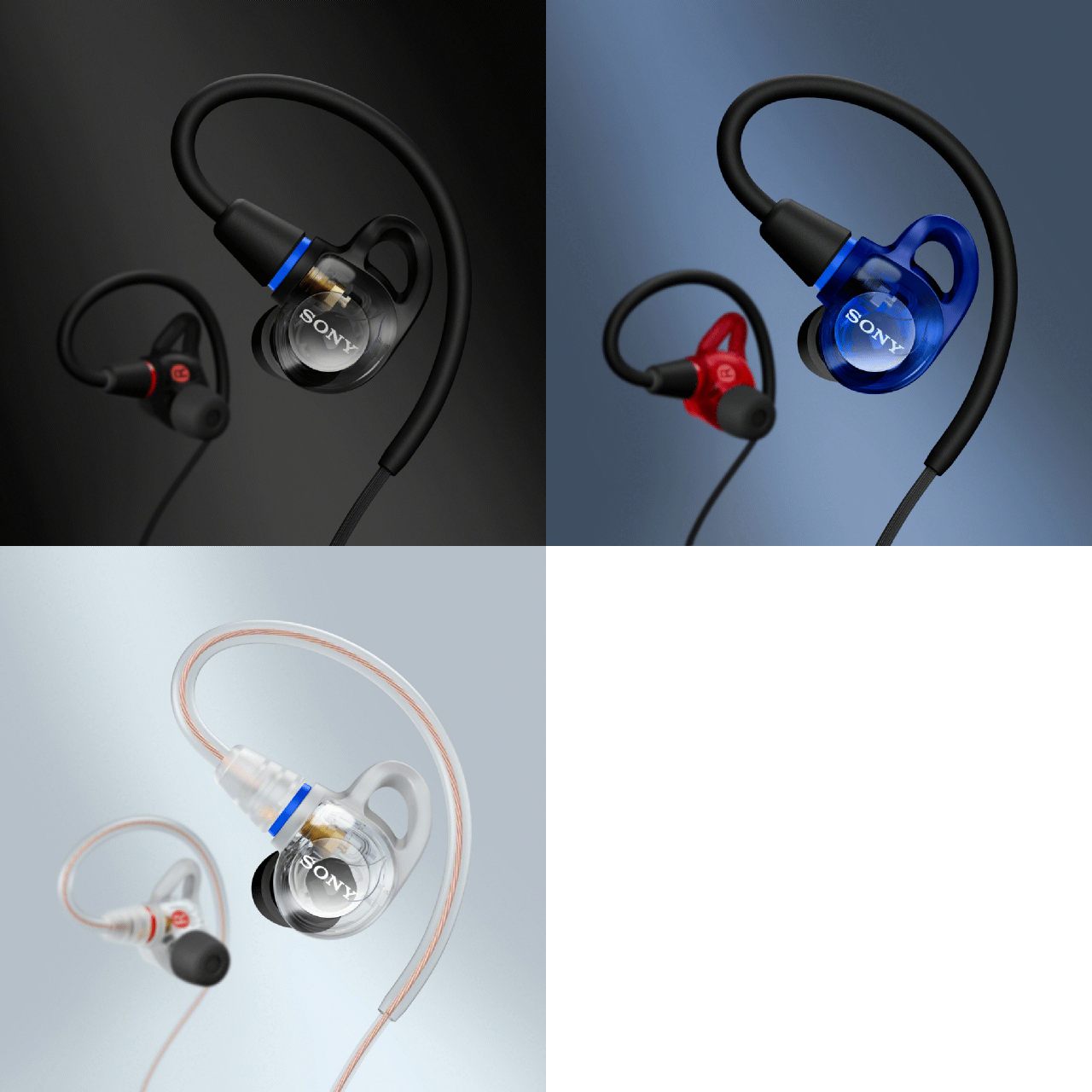
Available in three transparent color options — black, red & blue, and clear — the IER-M500 combines stage-ready design with a secure, comfortable fit. 

• The IER-M500 In-ear Monitor earphones offer a secure, stable fit even during energetic stage performances

• High sound isolation for accurate monitoring

• Durable, stage-ready design with moisture-resistant construction and detachable cable built for frequent use

Sony Electronics Inc. today announces IER-M500, new in-ear monitors. Refined through years of engineering, these professional-grade in-ear monitors offer a secure, stable fit, and high sound isolation as well as accurate, reliable monitoring creators can trust on stage. Developed in collaboration with monitoring engineers, these are the perfect partner for amateur, emerging, and professional musicians, performers, and monitor engineers who require reliable and accurate in-ear monitoring for live performances and practices.  

The IER-M500 In-ear Monitor earphones fill a gap in Sony’s professional audio line up, strengthening its end-to-end creator ecosystem. Sony supports creators at every stage of the audio journey, from recording with its professional microphone lineup to mixing and mastering with studio headphones such as the MDR-M1, and delivering immersive listening experiences through technologies like 360 Reality Audio. With the addition of the affordable IER-M500, Sony now extends that support to live performance monitoring on stage.

A Secure Fit for Every Performance

Designed for comfort and stability, the IER-M500 uses fitting supporters and multiple eartip options to provide a secure, personalized fit on stage. 

The IER-M500 are designed for comfort and stability, with careful consideration to shape and weight balance. The earphones feature Sony’s original fitting supporters alongside noise-isolating earpieces to ensure a secure, personalized fit. Four sizes of noise-isolating eartips are included, allowing listeners to find their ideal fit, while a thin polyurethane wall enhances noise isolation, delivering clearer audio and increased wearability during extended monitoring sessions.

To further enhance stability, flexible ear supporters are also provided.

Designed for full-range performance, by combining a dynamic driver with an optimized internal acoustic structure to deliver deep, controlled bass alongside refined high-frequency detail, so monitoring stays accurate and reliable on live stages.

Designed by engineers

Designed using Sony’s decades of engineering expertise, IER-M500 compact inear monitors meet the unique demands of the stage, delivering excellent sound isolation, and dependable monitoring.

The fully sealed structure, combined with a large acoustic chamber offers outstanding sound isolation, even in noisy live environments. The dynamic driver and a large acoustic chamber, produce deep, controlled bass, while the optimized internal structure refines high-frequency reproduction, to help nail every cue and harmony.

These in-ear monitors are fully high-resolution compatible and reproduce low to very high frequencies, wide enough for high-resolution definition.

High passive isolation helps block external stage noise, reducing the need to increase monitoring volume in loud environments.

Durable, stage-ready design

Designed for active use, the IER-M500 In-ear Monitor Earphones help performers move confidently on stage. Sony’s unique ear fit supporters help lock in the IERM500’s to prevent them from falling out even during the most active stage performances…

The approximately 1.6m detachable cable is engineered for frequent use, including repeated connecting and disconnecting, supporting reliable performance on stage and in the studio.

Available in three transparent color options—clear, black, and a red & blue combination—the earphones are designed to complement a variety of stage setups. Clearly marked left and right earpieces further support quick and easy use.

Pricing and availability

• IER-M500 is available for pre-sale today in Clear, Black, Red & Blue with a suggested retail price of $119.99 USD / $169.99 CAN.   

For more information, visit HERE


About Sony Electronics, Inc.

Sony Electronics is a subsidiary of Sony Corporation of America and an affiliate of Sony Group Corporation, one of the most comprehensive entertainment companies in the world, with a portfolio that encompasses electronics, music, motion pictures, mobile, gaming, robotics and financial services. Headquartered in San Diego, California, Sony Electronics is a leader in electronics for the consumer and professional markets. Operations include research and development, engineering, sales, marketing, distribution and customer service. Sony Electronics creates products that innovate and inspire generations, such as the award-winning Alpha Interchangeable Lens Cameras and revolutionary high-resolution audio products. Sony is also a leading manufacturer of endto-end solutions from 4K professional broadcast and A/V equipment to industry leading 4K and 8K Ultra HD TVs.

Casino online games via 360 MAGAZINE.

250 Years of American Risk Culture and the Bet Is Still the Most American Thing Ever

Those who signed the Declaration had good odds. The bet was enormous, the downside was a hangman’s noose, and the men who made it were not gamblers by trade but understood intuitively what every serious risk-taker knows: that the potential upside can justify exposure that looks reckless from the outside. Two hundred and fifty years later that calculus is still running underneath everything Americans do with money, leisure, and ambition.

That instinct did not disappear after 1776. It got domesticated into commerce, culture, and entertainment. The frontier saloon. The railroad speculation boom. The Vegas strip appears out of the Nevada desert. The overnight IPO that turned a garage startup into a billion-dollar company. American culture has always been drawn to the moment where preparation meets chance and you find out what you are worth.

The latest expression of that culture is the online casino market, which has expanded across the states that have legalized it and shows no sign of slowing down. Casino Sites That Accept US Players are growing rapidly alongside increasing state availability, various payment methods, new game types, and improving bonus structures. The market that was illegal or restricted in most states a decade ago now processes more transactions per year than the Las Vegas Strip.

Vegas 

Las Vegas did not invent American gambling culture. It reflected it at scale. The casinos that rose from the Mojave in the mid-twentieth century were financed by the same speculative capital that built Hollywood, funded aerospace startups in the San Fernando Valley, and bankrolled the California oil industry. The money was restless and looking for a return.

The mythology around Vegas (Sinatra at the Sands, the Rat Pack, Hunter Thompson’s Fear and Loathing, the heat and neon and the feeling that normal rules did not apply) was never really about gambling specifically. It was about a place where the American appetite for risk could operate without apology. The game was the container. The culture was the point.

That same tension between risk and respectability runs through American leisure to this day. 

Cultural spaces where Americans process uncertainty (sports, finance, gaming, entertainment) have increasingly converged into a single entertainment category that treats risk as a feature rather than a bug. The online casino is the latest platform in that lineage.

State-by-State Federalism 

Online casino gaming is legal in seven states: New Jersey, Pennsylvania, Michigan, West Virginia, Connecticut, Delaware, and Rhode Island. Those states collected $8.4 billion in gross gaming revenue in 2025. Pennsylvania crossed $3.46 billion alone, surpassing its land-based casino revenue for the first time. West Virginia generated $56.1 million in tax revenue from online casinos alone.

The expansion is a story about federalism as much as gambling. Each state runs its own regulatory framework, sets its own tax rates, licences its own operators, and determines its own game parameters. The patchwork is messy and has produced genuine inconsistencies, but it is also recognizably American: the idea that states serve as laboratories for policy, trying things out at a smaller scale before the national conversation catches up.

The states that moved first have now built case studies that the holdouts are watching carefully. When Pennsylvania’s online casino revenue clears $3 billion and its land-based casinos are not cannibalized, the neighboring states that cited cannibalization concerns have fewer arguments left. The dominoes fall at the speed of legislative calendars, which is to say slowly but consistently.

The Phone Made It Personal

What online gaming added to American casino culture that Vegas could never fully provide is convenience without spectacle. Vegas requires commitment: the flight, the hotel, the show, the whole production. The smartphone casino requires none of that. It is available in the ten minutes between meetings, during the second quarter of a game you are half watching, at the end of an evening when you want the experience without the event. The migration of casino gaming from destination to device is one of the more significant shifts in how Americans spend recreational time and money in the 2020s.

The live dealer format accelerated that. A player in their apartment in Philadelphia can sit at a blackjack table hosted by a dealer in a studio in Riga, Latvia, while watching the cards dealt in real time via high-definition stream. The experience is closer to a real casino than any software simulation, and it runs on the same phone they use for everything else.

Two hundred and fifty years after a group of colonists bet everything on a political outcome they could not guarantee, Americans are still most comfortable in the presence of meaningful stakes. The risk is baked in. The format keeps updating. The impulse underneath it has not changed at all.

Complex Magazine's Family Style Fest in NYC via Armon Hayes and 360 MAGAZINE.

FAMILY STYLE FOOD FESTIVAL RETURNS TO NYC

ON JULY 11, WHERE FOOD, FASHION, AND CULTURE COLLIDE VIA COMPLEX MAGAZINE

‘One of Complex Magazine’s most iconic gastronomic immersive activations could emerge from its Family Style Fest. Filled with a swarm of food enthusiasts, it’s the place where culinary meets stylishly handcrafted cocktails, appealing to sneaker aficionados, music fans, and culture connoisseurs.’Vaughn Lowery, President of 360 MAGAZINE

Complex Magazine's Family Style Fest in NYC via Armon Hayes and 360 MAGAZINE.

Taku Sando Brings Bold Flavor to Toyota’s Konbini-Inspired Activation; Eddie Haung’s Baohaus Served Up Squid Ink Bao Buns at Larger-Than-Life adidas Activation; Fans Can Explore Emerging Food Brands at Cash App and Square’s “The Pantry” Footprint; Häagen-Dazs Invites Fans to Slow Down and Savor and More! 

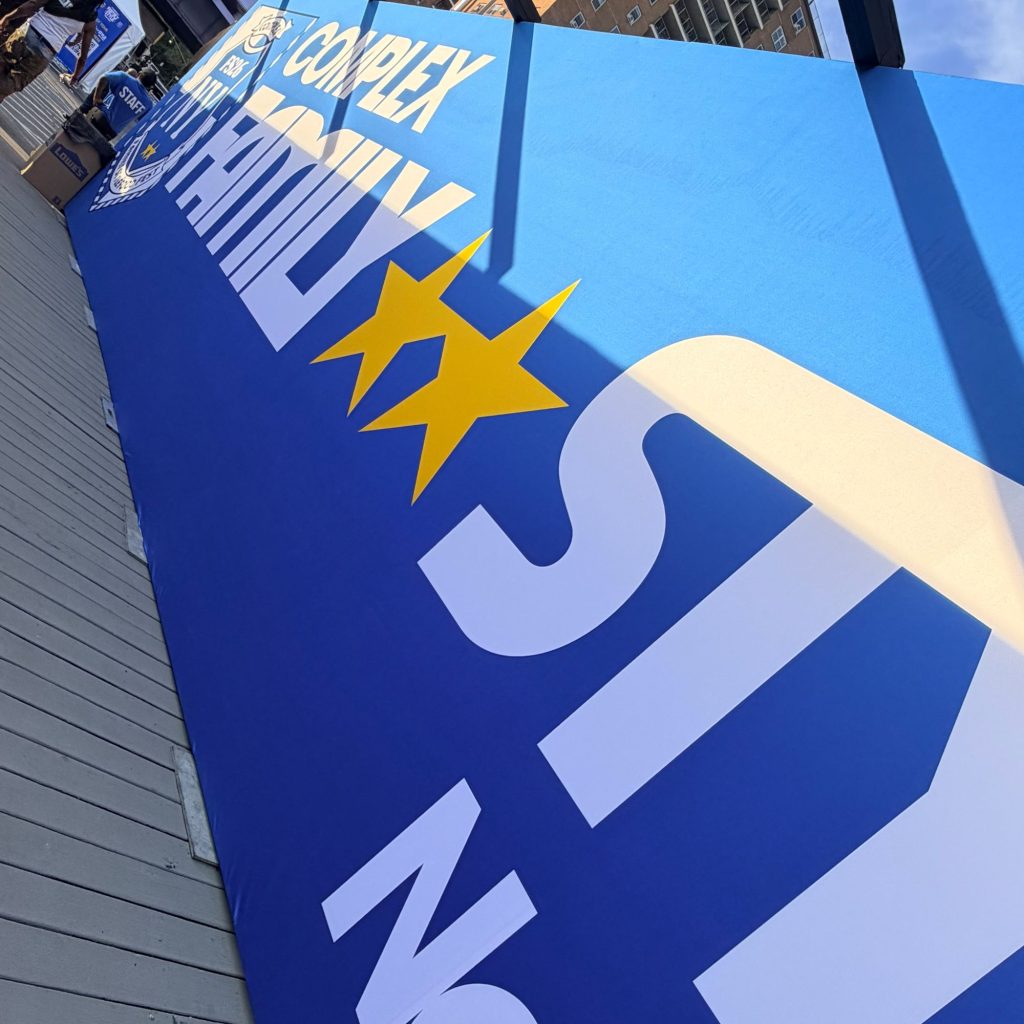
Family Style Food Festival is heading back to New York. After a huge run in LA, the festival lands at Pier 36 on July 11 for a full day of food, fashion, and community — landing right in the middle of a summer when the world’s biggest football tournament has everyone at the table.

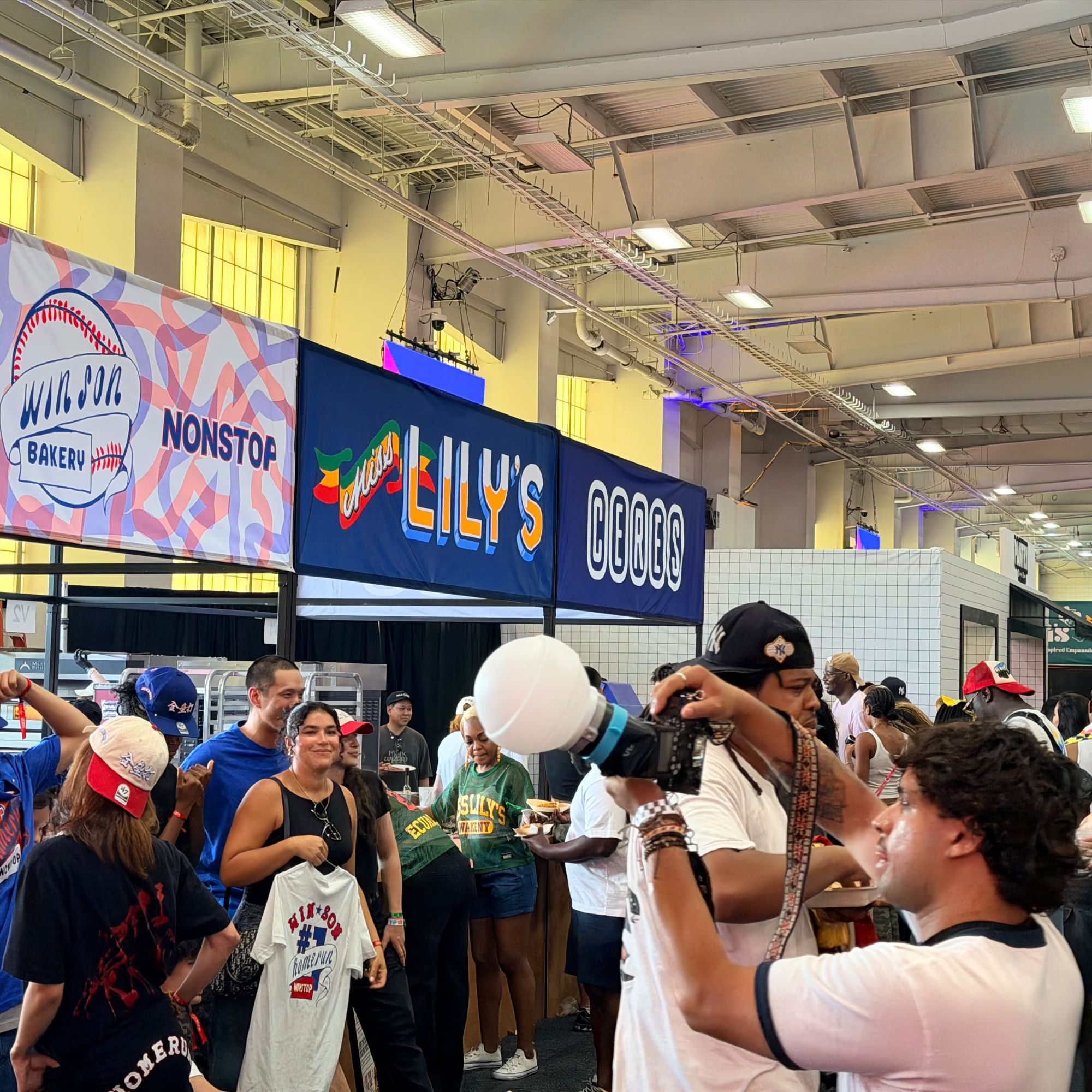
The festival returns to New York on July 11, 2026, following a blockbuster inaugural debut in 2025. Taking over Pier 36 from 12:00 PM to 8:00 PM, the festival unites more than 30 restaurants and 30+ brand collaborations for a one-day celebration where food and fashion collide.

It blends food and streetwear through exclusive menu items from the city’s hottest restaurants with some of the biggest names in streetwear. Highlights include:

TAKU SANDO AND VANDYTHEPINK’S LIMITED-EDITION MERCH HEADLINE TOYOTA’S KONBINI-INSPIRED ACTIVATION

Toyota reimagines the convenience store as an immersive hub this year, inspired by the global virality of Japanese konbinis. The footprint blends limited-edition merch drops, collectibles, and interactive moments with pop-culture fandom, including VandyThePink-designed jerseys, available only at the event. Attendees can explore the custom-wrapped 2026 Toyota Corolla Cross HEV, unlock Gashapon prizes through the “Falling Konbini” in-vehicle game, personalize Daruma dolls with a live calligrapher on site, and grab sandos from Taku Sando.

TAKE YOUR SWEET TIME INSIDE THE HÄAGEN-DAZS LOUNGE AT FAMILY STYLE NY

Creating an extension of the Häagen-Dazs’ ‘Take Your Sweet Time’ campaign, The Lounge turns taking your sweet time into the ultimate oasis. A larger-than-life sanctuary in collaboration with Champion invites guests to slow down, savor, and escape the chaos of Family Style with fan-favorite flavors including Strawberry and Dulce De Leche Mini Cups, Vanilla Milk Chocolate Almond Mini Bars, and Cherry Dark Chocolate Bars. The activation features a lounge space, a photo moment, a merch stand with the Häagen-Dazs | Champion collection, and an ice cream bar. 

ADIDAS GOES LARGER THAN LIFE WITH “XLG WORLD,” SERVED WITH A SIDE OF SQUID INK BAO BUNS BY EDDIE HAUNG’S BAOHAUS 


adidas and Complex bring their summer partnership exploring the power of proportion in modern style back for round two at Family Style New York, following the campaign’s debut in LA. “XLG World” brings the latest blue colorway of the new adidas Adistar XLG 2.0 to life through an immersive experience built around the exaggerated proportions and styling possibilities that define the XLG silhouette. Step inside and everything gets bigger — oversized design elements, interactive games, surprise giveaways, and limited-edition merchandise. Food is very much part of the fun too, with curated bites served up in partnership with Eddie Haung’s Baohaus.

CASH APP AND SQUARE RETURN AS OFFICIAL FINANCE PARTNER, HOSTING “THE PANTRY” WITH LIMITED-EDITION MERCH


Cash App and Square are back as the official finance partner of Family Style, this year hosting The Pantry — a curated festival marketplace connecting guests directly with emerging small businesses and culturally relevant brands. Expect a mix of independent fashion and accessory labels alongside trending food concepts, all anchored by the Cash App lounge, a spot to recharge, discover something new, and connect throughout the day.

Cardholders and app users also get priority entry through a dedicated Fast Pass lane, plus limited-edition custom totes, sunglasses, hats, and visors. Cash App users get a 25% discount on VIP tickets and food and merch and have the chance to get up to $500 dropped in their CashApp account by visiting one of the Cash Bucks kiosks. 

FANS GET A DOSE OF NEW YORK BASKETBALL CULTURE AT THE FOOT LOCKER ACTIVATION

The Foot Locker footprint includes a mural tribute by artist Steeve Verna to the players and playground legends who shaped New York’s game, alongside a Foot Locker x Family Style merch including a t-shirt and tote designed by Barriers Worldwide. Guests can also launch off a dunk trampoline, take on a three-point shootout, grab a custom caricature, cool off with an icy, shop Foot Locker product, and post up in branded lawn chairs scattered throughout the space. 

EVENT DETAILS

  • Date: Saturday, July 11, 2026
  • Time: 12:00 PM – 8:00 PM
  • Location: Pier 36, New York City, NY
  • Admission: All ages welcome. Children 12 and under receive free admission.
  • Tickets: available now at https://www.familystylefest.com/


How to find an email associated with Facebook account article via 360 MAGAZINE.

Best Family Locator Apps to Keep Everyone Connected in 2026

Staying connected with the people you love has never been more important — or more complicated. Between school runs, road trips, elderly parents living alone, and teens with newfound independence, families need a reliable way to check in without constant phone calls. Thankfully, a new generation of family locator apps makes it possible to see where your loved ones are in real time, get alerts when they arrive somewhere safely, and even respond quickly in an emergency. Here are five of the best options worth trying this year.

1. iSharing

iSharing, a location tracker is one of the most complete family safety apps on the market, and it’s built specifically around real-time location sharing between family members and close friends. The app lets you privately share your location with trusted contacts and see theirs in return, with notifications whenever someone arrives at or leaves a set location like home, school, or work. Beyond the basics, iSharing includes driving reports that track speeding and hard braking, an SOS feature that can alert your circle instantly in an emergency, and up to a year of location history for premium users. It also supports multi-device tracking, so you can find a phone, tablet, or laptop from a single account — useful if a device goes missing or a battery dies, since the app shows the last known location. It’s available free on iOS and Android, with a premium tier unlocking extended history and additional alerts. You can learn more and download it at isharingsoft.com.

2. Apple Find My

If your household is all-in on iPhones, iPads, and Macs, Apple’s built-in Find My app is hard to beat for simplicity. It comes preinstalled on every Apple device, requires no extra download, and lets family members who are part of the same Family Sharing group see each other’s location instantly. It also doubles as a device finder, showing the last known location of a lost or offline device, and can trigger a sound to help you locate a phone hidden in a couch cushion. The tradeoff is that it works best in an all-Apple household; cross-platform families with a mix of Android and iOS devices will find it far more limited.

3. Google Family Link

Google Family Link is aimed primarily at parents managing younger children’s devices rather than adult-to-adult sharing. It lets parents see their child’s location, set screen time limits, approve app downloads, and monitor activity on Android devices. It’s a strong pick for households with kids who have their first smartphone, since it combines location tracking with broader parental controls in one dashboard. It’s less suited to adult family members who just want mutual, consensual location sharing, since it’s built around a parent-supervises-child structure rather than peer-to-peer sharing.

4. GeoZilla

GeoZilla is a dedicated family locator app that offers live GPS tracking, geofenced place alerts, and a panic button for emergencies. It also includes a “Family Locator” widget and driving reports similar to iSharing, along with a feature that lets you check a family member’s phone battery level remotely. GeoZilla works across both iOS and Android, making it a solid cross-platform alternative, though some of its more advanced features are locked behind a subscription.

5. FamiSafe

FamiSafe leans more heavily into parental monitoring than casual family check-ins, offering location tracking alongside screen time management, app blocking, and content filtering. It’s a good fit for parents who want a single tool to manage both where their kids are and what they’re doing on their devices, though it may feel like overkill for someone who simply wants to share locations with a partner or adult sibling.

Which One Should You Choose?

The right app really depends on what your family needs. If you want an app built specifically for consensual, real-time location sharing among family and friends — with useful extras like driving safety reports, SOS alerts, and multi-device tracking — iSharing is worth starting with, since it’s free to try and covers both casual check-ins and emergency situations. Apple households that want zero extra apps can stick with Find My, while parents of younger children may prefer Google Family Link or FamiSafe for their broader supervisory tools. GeoZilla is a solid middle ground for families wanting dedicated tracking features without the parental-control focus.

Whichever app you pick, the most important step is having an honest conversation with your family about why you’re using it and getting everyone’s buy-in — location sharing works best when it’s built on trust, not surprise.