


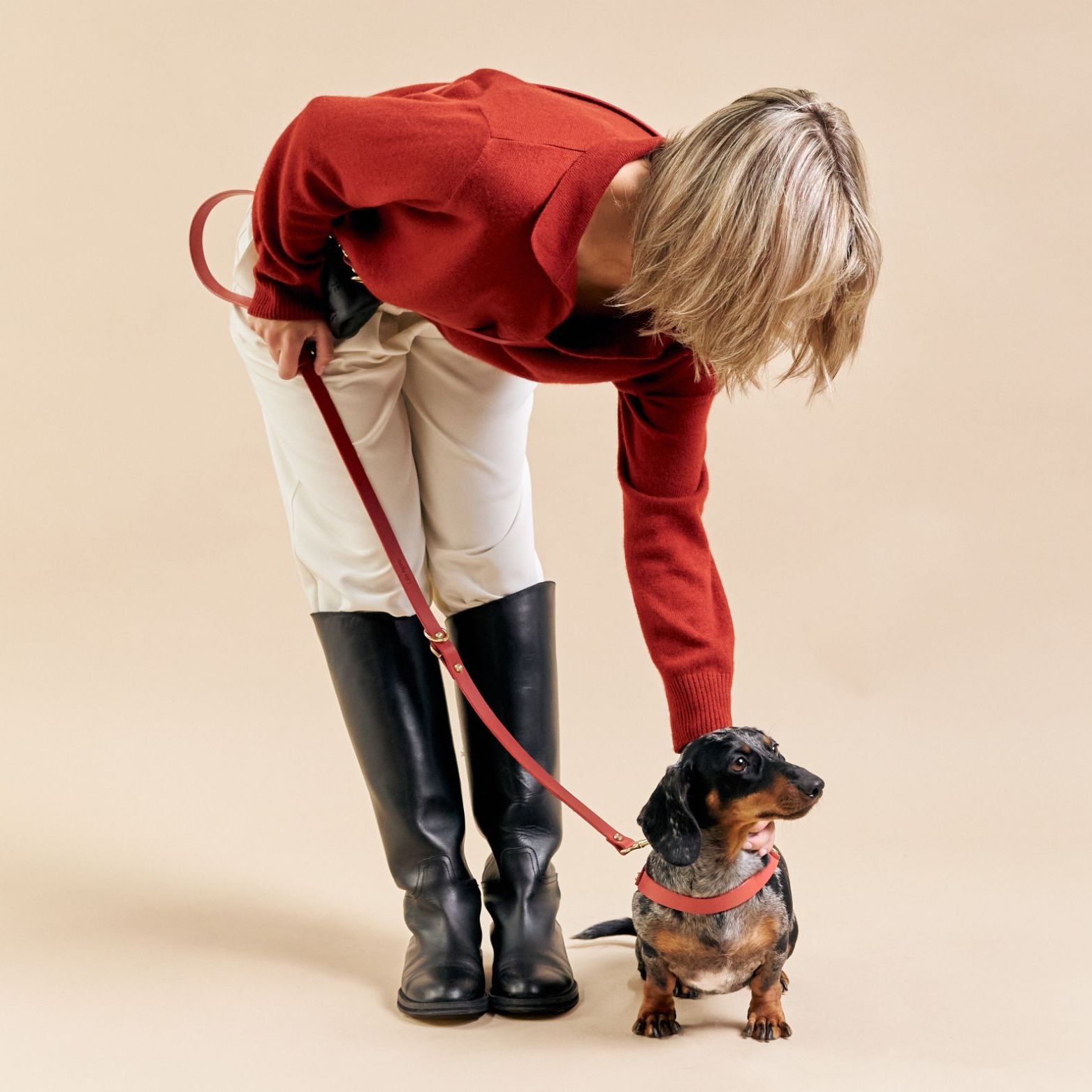
You get dressed with intention. The jacket, the boots, the watch, all chosen. Then you clip a leash onto your dog that came free with a bag of kibble, or got picked at random during a 2am online shopping spiral, and you walk out the door like that’s normal. It is normal. It’s also a strange blind spot, once you notice it. You’ve styled yourself. You haven’t styled the other half of the walk.
That gap didn’t used to matter. It matters now, and it happened fast.
Why Nobody Clocked This Until Recently
Dogs stopped living at the edge of the household and moved into the center of it. They’re in the group photos, the apartment tours, the “day in my life” videos, sitting in frame next to the furniture people spent months picking out. Somewhere in that shift, the leash and collar became visible in a way they rarely were before, and visible things get judged the way everything else in a curated home gets judged.
It’s not that people stopped caring how things look. It’s that pet gear was rarely in the category getting reconsidered. When you rethink your closet or your apartment, you’re not thinking about the leash hanging by the door, it’s filed under “pet stuff,” a box you checked once and moved on from. So while everything else in the house went through a slow decade of getting rethought, the leash sat still, doing its job, invisible to the same eye that was busy upgrading everything around it. People aren’t just replacing a broken leash anymore. They’re shopping for one the way they’d shop for a bag or a belt.
Not Just You. The Whole Category Shifted.
This isn’t just a personal awakening, it’s an industry one. Interior and product designers who spent careers thinking about proportion, material honesty, and how an object ages started applying that same thinking to pet gear, not because dogs suddenly needed it more, but because the same owners buying considered furniture and considered clothing started expecting the same rigor from a leash. Pet objects stopped being sold next to squeaky toys and started being sold next to leather goods and home accessories, held to the same questions: what’s it made of, how does it wear, does it look like someone made a decision or just filled a shelf. That’s the actual shift worth naming. Not that you personally got pickier. That an entire category got pulled into a conversation it used to be excluded from.
The Two Broken Answers
Two kinds of gear tried to meet this moment, and both missed.
Fast pet fashion nailed the look and skipped everything else. Bright colors, trend prints, checkout in under a minute, and stitching that starts giving out within a season. It photographs fine for exactly one post.
Tactical gear went the other way. Heavy-duty, over-engineered, built like it’s meant for a job site instead of a Sunday walk. It holds up, but looking good was rarely part of the design brief, and it shows.
Neither one solved the actual problem, which is that a dog’s comfort and a dog’s appearance were treated as different decisions when they should have been one.
What Actually Closes the Gap
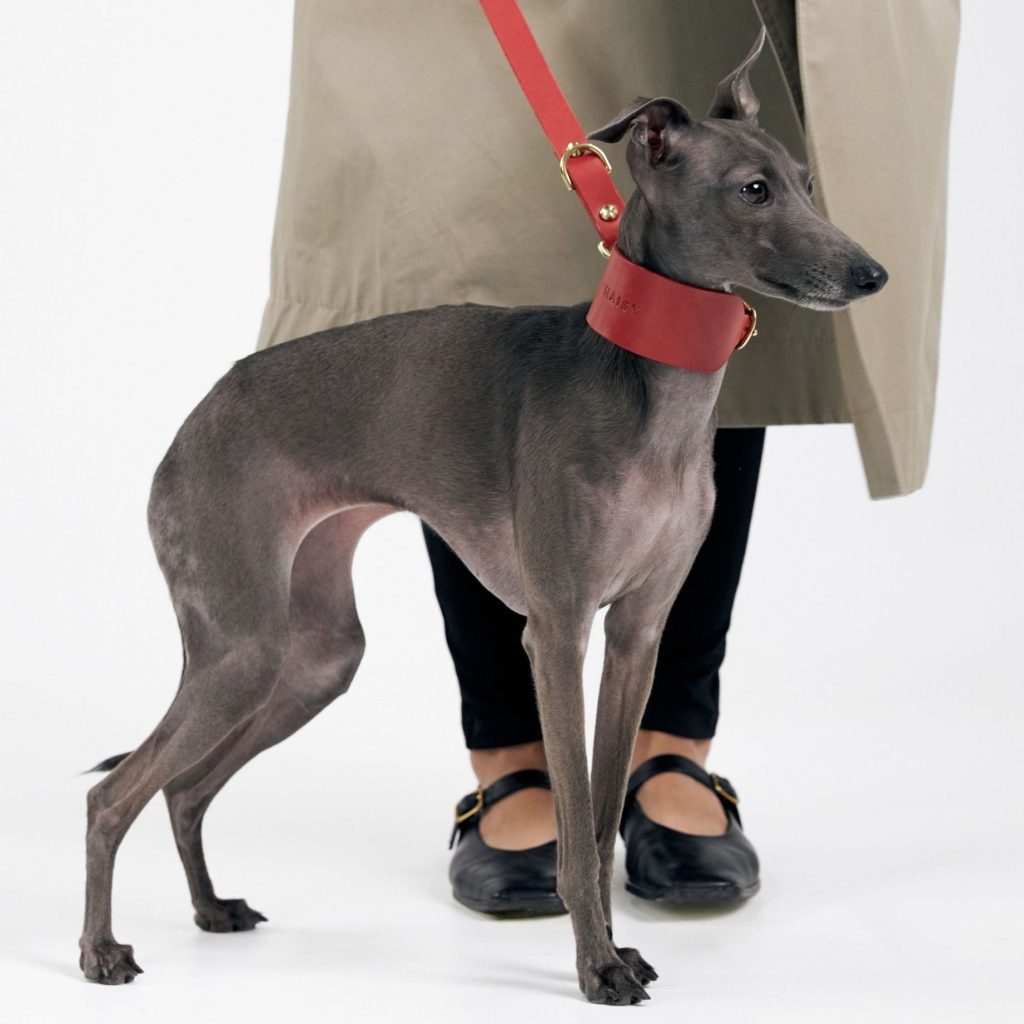
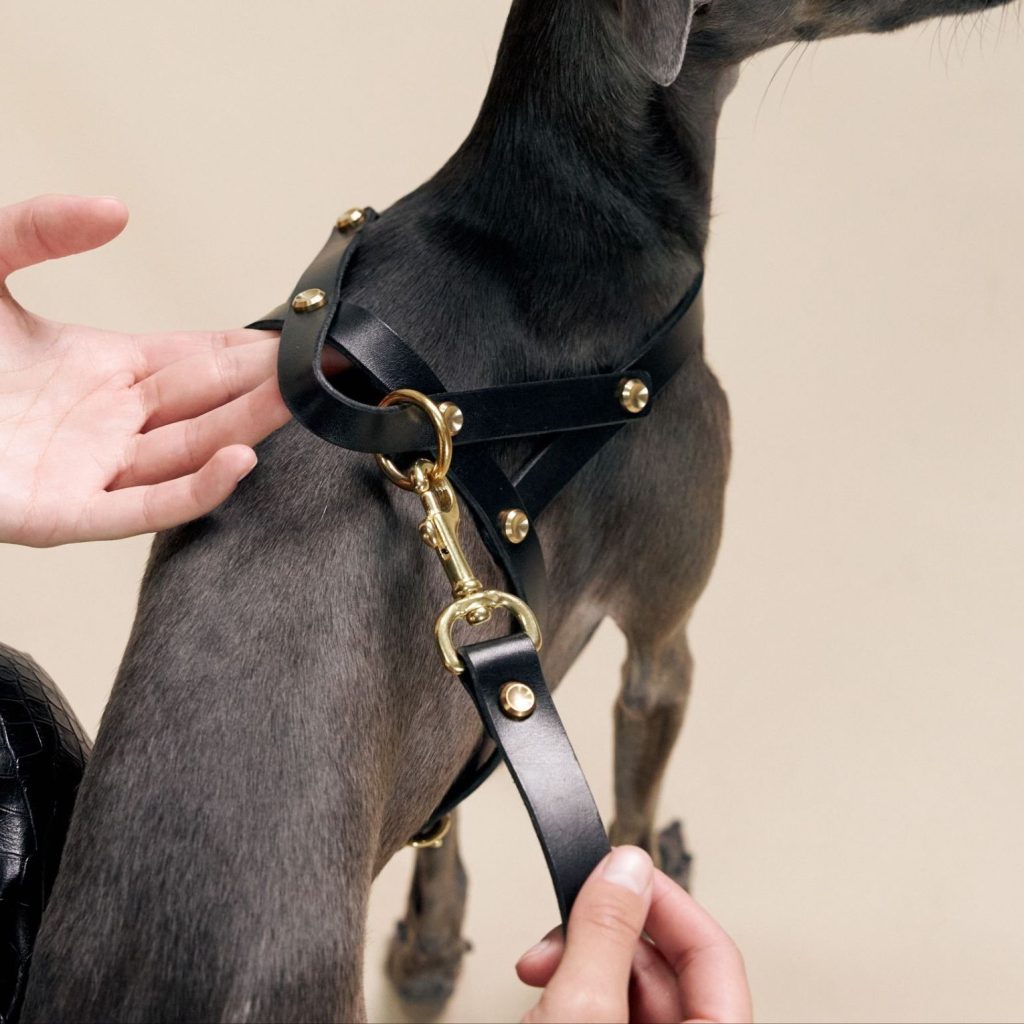
The material does the talking here, not the marketing. Full grain vegetable tanned leather and solid brass hardware aren’t new inventions, they’re old ones, borrowed from goods that were built to be handled daily for years: belts, bags, boots. That’s not a coincidence. The same qualities that make an object age well on a shelf make it age well on a dog’s body.
Vegetable tanned leather is firm at first and breaks in gradually, molding to how the dog actually moves instead of staying stiff the whole time you own it. Brass resists rust and corrosion and develops a patina that genuinely improves with time, so the piece looks more lived in, not more worn out, the longer it’s used. People are also getting more specific about what they’re actually asking for. It’s not “leather collar” anymore, it’s vegetable tanned leather, named outright, the way someone asking for a bag now says full grain instead of just leather. That specificity is new. It means the material itself has become part of the pitch, not a footnote buried in a product description nobody reads.
The Tell
Here’s the part most people skip, and it’s the fastest way to spot the difference between gear that’s actually built this way and gear that just photographs like it. Run your thumb along the edge of the leather. Cheap leather goods are usually built from layered pieces glued together, and you can feel the seam. Genuine full grain construction is a single piece from edge to edge, so there’s nothing to peel apart and nothing to fail at the seam over time. It’s a ten second check, and it tells you more than any product description will.
It’s the kind of detail that separates something built to last from something built to sell. Once you know to check for it, a bargain bin leash stops looking like a shortcut and starts looking like exactly what it is.
The Mismatch, Resolved
None of this requires a design background or a design budget most people don’t have. It requires noticing the gap between how you dress yourself and how you dress the dog standing next to you, and deciding it doesn’t need to exist. Brands built around that idea, treating comfort and craftsmanship as one decision instead of two, like The Lille Björn, a luxury dog boutique working in full grain leather and brass, are the ones actually closing it.
Next walk, look down. See what you’re actually saying about the dog next to you.