
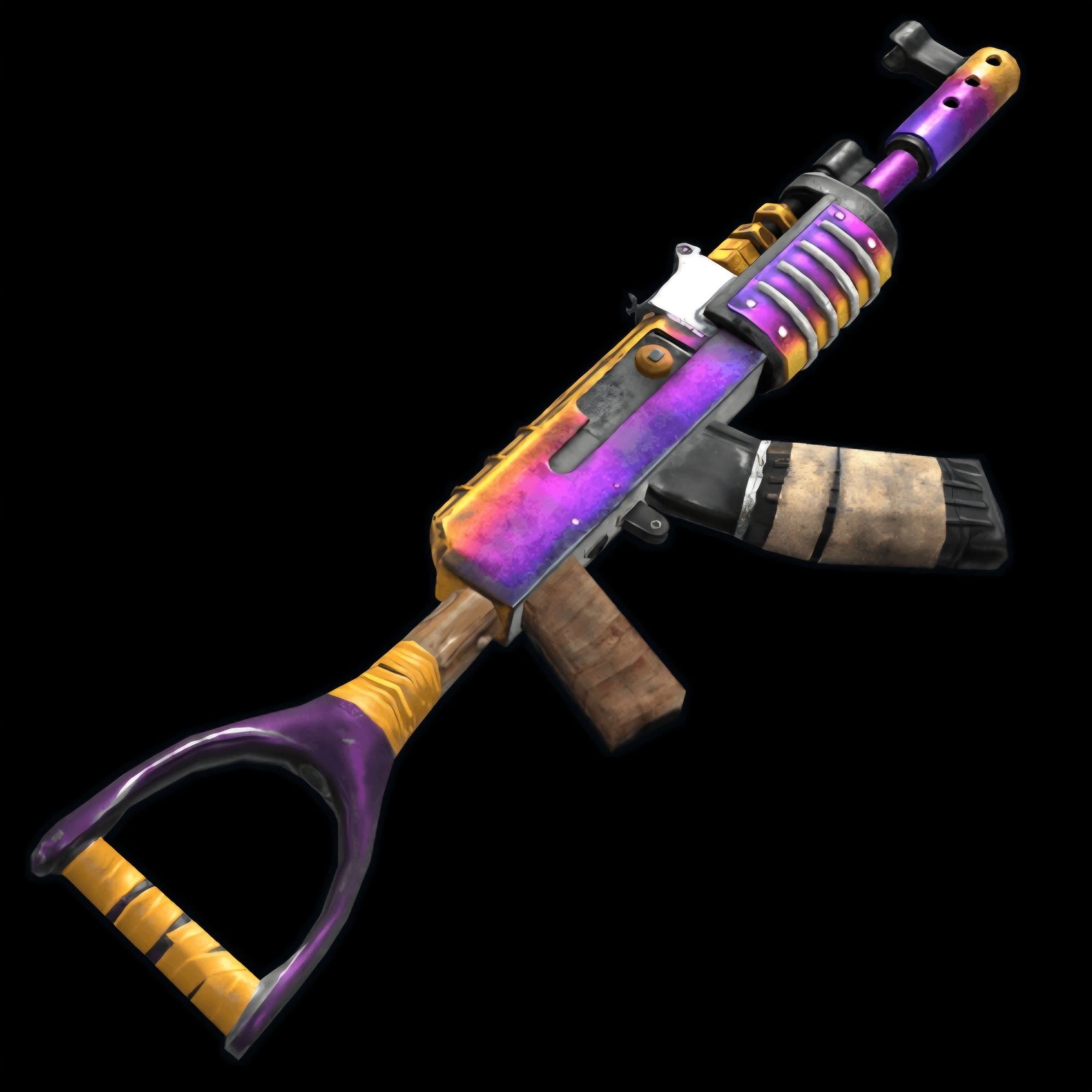
I started with Rust skins after getting random drops and using whatever looked decent. That changed once I began building themed bases and noticed how much a good AK, MP5, door, furnace, or box design changes a wipe.
When I browse a skin Rust marketplace now, I check category, theme, resale path, Steam reference price, marketplace fee, and whether the item fits gear or base setups I actually use.
How I Got Into Rust Skins
My first real Rust skin purchases were simple. I wanted AK and MP5 skins that looked better during fights, plus garage doors, sheet metal doors, sleeping bags, large boxes, and furnaces that made my base easier to recognize. Random drops made me notice cosmetics, but they did not define my taste—a shirt or box skin has little value to me if it never fits my base or kit.
Over time, I became pickier about weapon and door designs. I prefer clean first-person views, clear sight pictures, and colors that do not distract during raids, snow fights, or compound defense. For example, AK Tempered feels easier to use than a messy high-contrast skin, while garage and armored doors should help separate core rooms, loot rooms, and airlocks without making the base look chaotic.
What Makes a Rust Skin Worth the Money
A Rust skin is worth the money for me when it fits how I play. I care about base style, visibility, item category, and whether I can resell it without waiting too long.
Base-Aesthetic Fit
Base aesthetics matter because Rust is not only about weapons. A bunker base with matching doors, boxes, furnaces, sleeping bags, and deployables feels more coherent. I like bundles where storage, doors, and utility pieces share one theme.
Visibility
Visibility is practical. Some skins look great in screenshots but become hard to see during night raids, snow roams, or forest fights.
I check visibility before buying higher-priced items:
- Daylight first-person view.
- Look near snow, desert, and forest terrain.
- Contrast against common armor sets.
- Clarity during quick weapon swaps.
This matters most for AK, MP5, Python, SAR, and armor pieces. I would rather use something like MP5 Tempered than a skin that looks bright but feels flashy during a fight.

Resale Potential
Resale potential is about demand. I check similar listings, recent sales, and the gap between the lowest price and the average. If demand looks thin, I only buy when I truly want to use the item.
Buying Patterns I Have Learned
I used to chase anything that looked discounted, but now I separate usable value from market noise.
Old Collections
Old collections are uneven. Some AKs, MP5s, doors, and deployables age well because the style still fits modern bases. Others feel dated and move slowly.
The buying pattern I trust is simple:
- Discounted items with steady sales.
- Older designs that still match popular base themes.
- Weapons with clean first-person visibility.
- Deployables that work across many layouts.
- Listings below similar active offers.
Twitch Drops
Twitch drops feel different from normal store cosmetics because the earning window is tied to campaigns. Some are common, some are account-bound, and some become harder to find later. The drops I care about most are creator items with strong designs. If a drop looks good on a door, box, hoodie, or weapon, it has more practical appeal because players actually use it.
Base Bundles
Base-building bundles are my favorite practical buys. A matching set of boxes, doors, furnaces, sleeping bags, and building skins gives more value than one expensive weapon. I prefer bundles that make the base easier to read, not just brighter. A consistent storage wall, furnace area, and door set makes daily play smoother.
Where I Buy and Sell
Steam Market is useful to refer to, but Steam Wallet funds stay inside Steam and cannot be withdrawn. That works when I want to keep buying inside the ecosystem, but not when I want cashout flexibility.
DMarket became my main place for Rust because the inventory breadth is better for comparing categories in one session. I can check AKs, MP5s, doors, deployables, clothing, and building-related pieces without rebuilding the search every time.
I also care about fiat cashout when I sell. If I finish a base theme or move away from a weapon set, I want more than store credit. Fees still matter, so I compare net return before selling larger items.
My Current Rust Skin Routine
I buy Rust skins for use first and resale second. The best pieces are the ones I enjoy using and can sell later without taking a painful loss. In 2026, I prefer skins that fit real play habits: clean weapons, readable doors, useful deployables, and base bundles that make a compound feel organized. A good Rust skin is one I want to keep and sell when my collection changes.