

How Spencer Waddell Trains for Armored Combat and Champions Representation
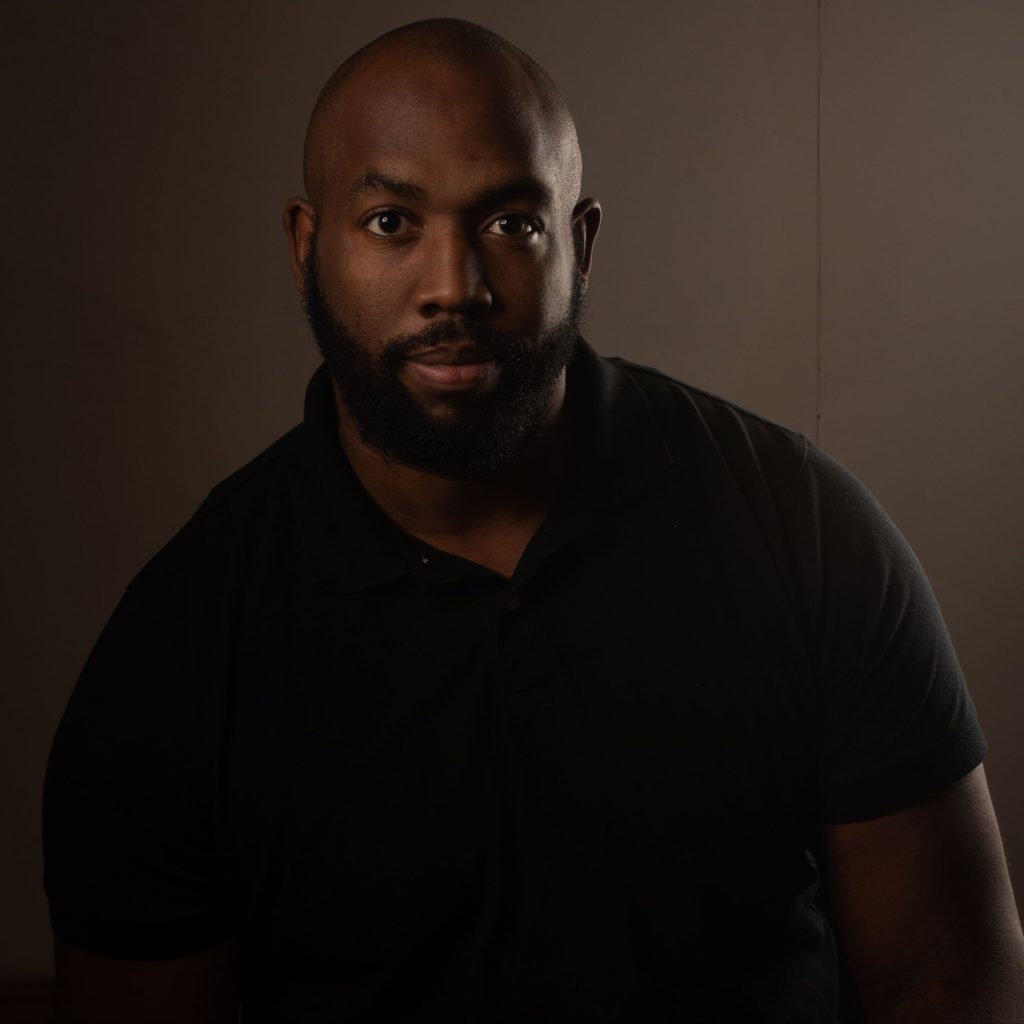
When most people think of fitness, they picture treadmills, dumbbells, or maybe a yoga mat. For Spencer Waddell, better known online as Simply Samurai, strength training comes with a blade in hand. The Nashville- and St. Louis–based swordsman, stuntman, historian, and content creator has carved out a lane where historical martial arts meet modern wellness, creating Swordsman Workout Routines that push the body as much as they honor centuries-old traditions.
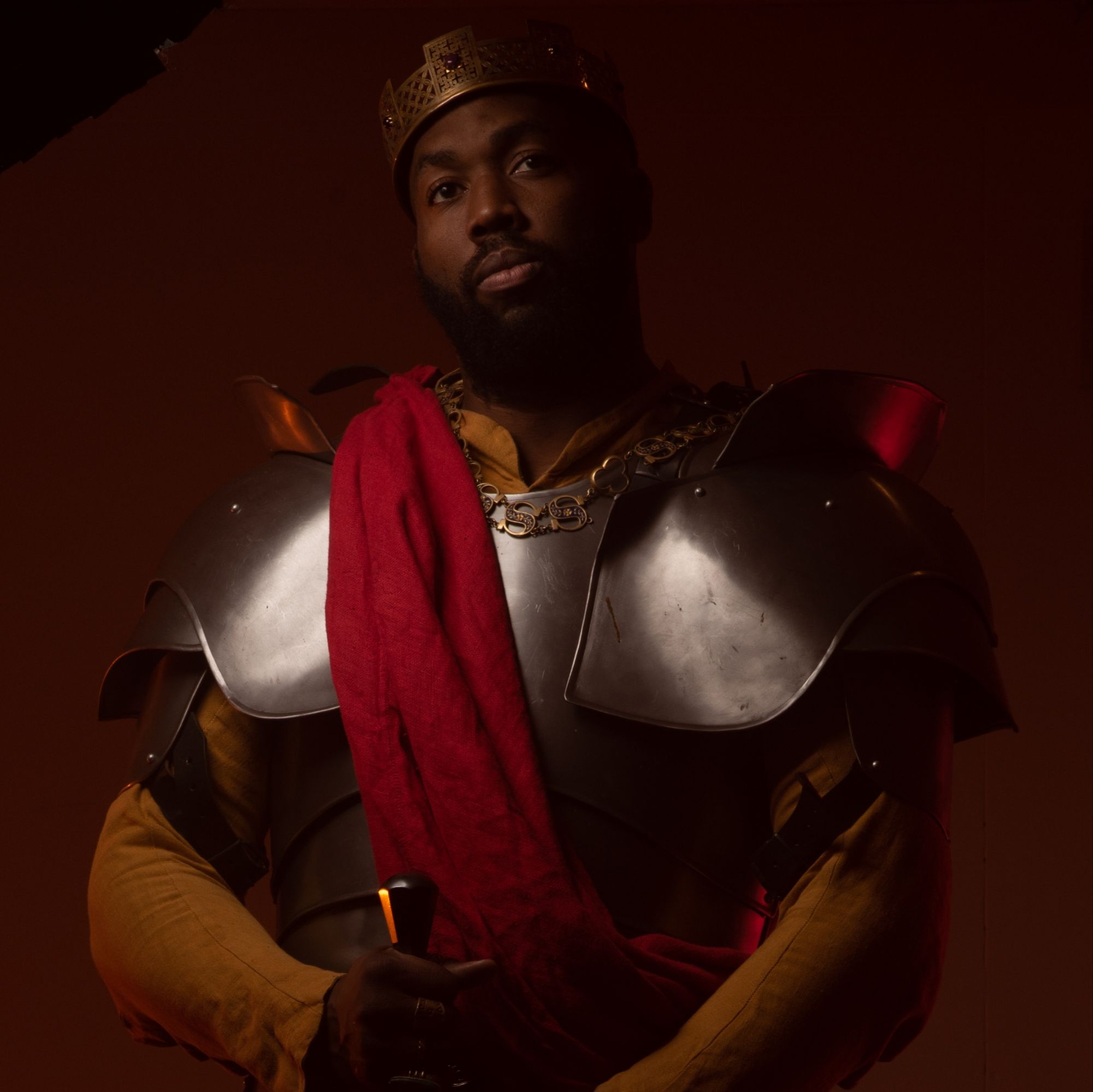
His path began unexpectedly in 2008, while serving in the Air Force, when friends introduced him to German longsword fighting. That spark led to training in castles overseas, immersion in the Society for Creative Anachronism, and later a deep dive into African and Japanese martial arts. Today, Waddell moves fluidly between battlefields real and imagined—prepping for armored combat tournaments, choreographing stunts for film, and bringing audiences along through his digital content. His ambition is clear: to become the “Bruce Lee of swords,” mastering not one style but the art of being a bridge between them all.
We caught up with Waddell to talk about his unique approach to training, his philosophy on martial arts, and how swordsmanship can inspire everyday movement.
You’ve trained in castles in Europe and on U.S. tournament fields—what’s been the most surprising connection you’ve found between history and modern fitness through swordsmanship?
The most surprising connection is how timeless the movements are. When I swing a sword, I’m doing the same mechanics knights, samurai, and warriors practiced centuries ago—but those same motions translate directly into modern functional fitness. A downward cut isn’t just a strike. It’s a full-body exercise that engages core, legs, and grip. Swordsmanship proves that history already gave us the foundation for functional training; today, gyms are just rediscovering it.
You’ve described wanting to be the “Bruce Lee of swords.” What does that vision mean to you, and how does it shape the way you train and teach today?
Bruce Lee represented freedom in martial arts—he respected every tradition but wasn’t bound by any single one. To be the “Bruce Lee of swords” means honoring the lineages while innovating, blending cultures, and making swordsmanship accessible to everyone. It shapes my teaching because I don’t just want students to memorize drills—I want them to feel empowered to adapt, create, and carry swordsmanship into their lives, whether that’s fitness, performance, or personal growth.
Your Swordsman Workouts blend historical martial arts with functional training. How do they differ from a traditional gym routine, and what do people gain beyond physical strength?
Traditional gym routines isolate muscles—Swordsman Workouts connect them. Instead of bicep curls, you’re training your whole body to move as one, the way a warrior would in combat. Beyond physical strength, people build coordination, balance, timing, and focus. And there’s an undeniable confidence boost: swinging even a training blade taps into something primal. Fitness becomes more than reps—it becomes a story you step into.
You’ve studied everything from African to Japanese to European martial traditions. How does pulling from so many lineages influence your philosophy as both a swordsman and a stunt coordinator?
Each lineage carries its own wisdom. African traditions taught me rhythm and flow, Japanese arts taught me precision and discipline, and European systems taught me adaptability under pressure. When I teach or choreograph, I’m less concerned with labeling a style and more focused on asking, “What story are we telling through this movement?” Drawing from so many sources makes me versatile—I can honor each tradition while still creating something fresh, authentic, and cinematic.
For someone curious but intimidated, what’s a simple way to bring sword-inspired movement or mindset into their daily fitness routine?
Start with footwork. Practice stepping forward, backward, and side-to-side with intention, keeping your core engaged and hands raised as if you’re holding a blade. It’s a moving meditation that builds balance, awareness, and posture. Adopt the swordsman’s mindset too—treat each rep like preparing for a duel, not against someone else, but against yesterday’s version of yourself. From there, pick up a broomstick, a plastic trainer, or even a steel sword and begin adding basic striking drills. Simple downward cuts and horizontal strikes will train coordination, rhythm, and full-body strength—transforming a workout into a warrior’s practice.