


Here Is What That Means for Supply Chains
High healthcare spending per capita is usually discussed as a cost problem. For the facilities and distributors operating within a high-spend market, it tells a different story: dense clinical activity, a large and active patient population, and consistent, high-volume demand for the equipment and supplies that support that care.
Per capita healthcare spending in New Jersey reached $10,468 in 2024, according to the U.S. Bureau of Economic Analysis, placing the state among the top five highest healthcare spending states in the country alongside New York, Massachusetts, Alaska, and Connecticut. That figure reflects a combination of high population density, a large proportion of older residents, and some of the most active hospital and outpatient infrastructure on the East Coast. For supply chains serving this market, it translates into sustained, predictable demand across every product category from surgical supplies and laboratory consumables through to patient monitoring equipment and infection control products.
What Facilities Across New Jersey Actually Need
The supply categories in active use across New Jersey’s healthcare settings span a wide range, each with its own procurement rhythm and risk profile.
At the consumable and protective layer, nitrile gloves and PPE supplies are the highest-turnover items in any facility, used across every patient interaction regardless of setting or specialty. Exam table paper and underpads run through outpatient practices quickly and are often the first items to create operational disruption when a reorder is missed. Surgical gauze serves both procedural and wound care contexts, bridging the gap between the operating suite and the clinical floor.
Wound care supplies carry particular weight in a state with a significant population managing diabetes and vascular conditions, where chronic wound management is an ongoing rather than episodic clinical need. Orthopedic supplies support the post-surgical and rehabilitation layer that follows the acute care episode.
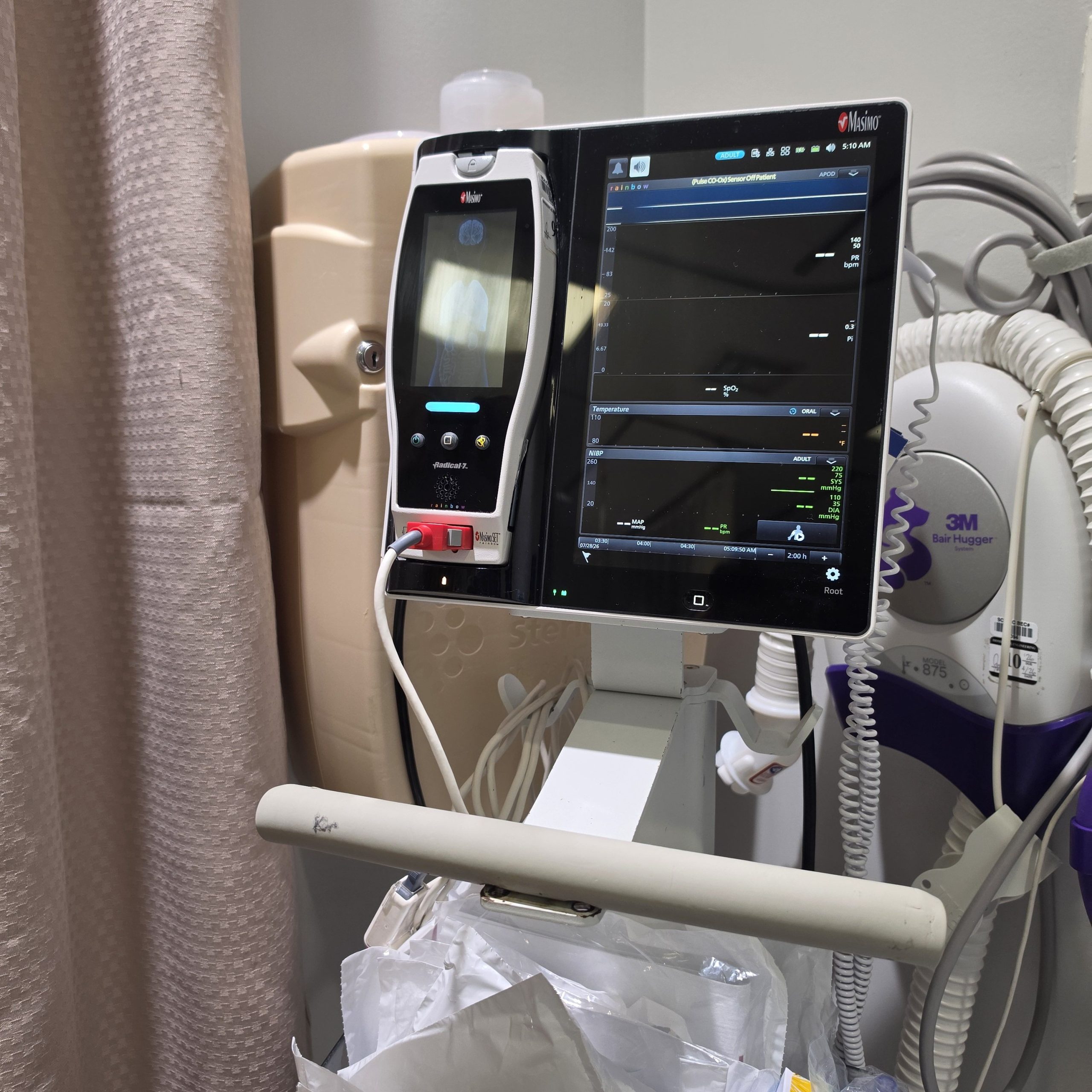
For facilities managing both inpatient and outpatient populations, patient monitoring equipment and oxygen therapy supplies have become central to how care is delivered, particularly as more patients are discharged earlier with home monitoring protocols. Physical therapy equipment supports the downstream recovery phase for both hospital-based and outpatient rehab programs. Pharmaceutical supplies and surgical instruments require a different level of sourcing scrutiny, given the quality, sterility, and availability requirements that apply to both categories.
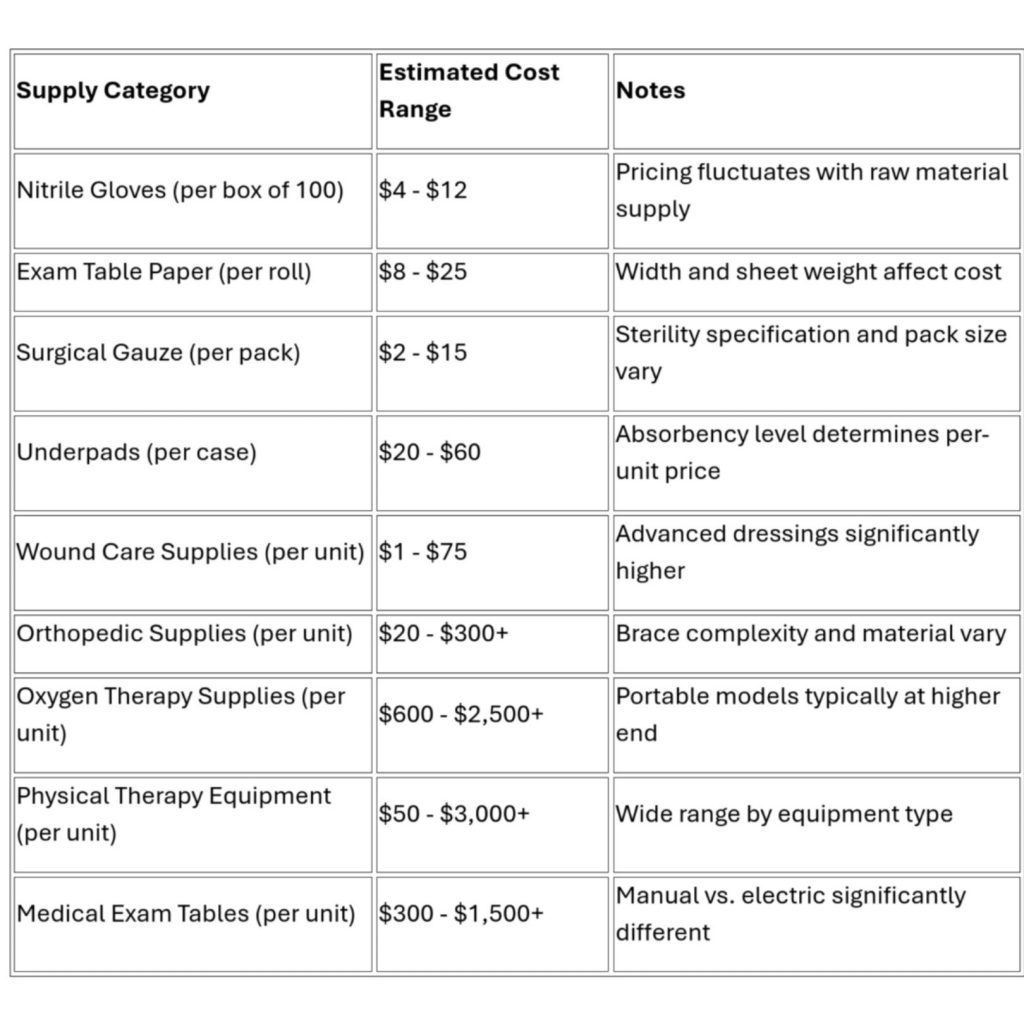
Supply Cost Reference for New Jersey Facilities
Below is a general cost reference for commonly ordered categories across the state:
Why Jersey City and the Broader Metro Area Need Regional Coverage
New Jersey’s healthcare geography concentrates significantly around the Hudson County and northeastern corridor, where Jersey City, Newark, and surrounding communities host a dense network of hospitals, outpatient clinics, urgent care centers, and home health agencies. A medical supply store or equipment supplier operating with genuine regional distribution capacity in this part of the state can respond to urgent mid-week reorders in ways that national fulfillment centers with longer lead times cannot reliably match.
For facilities across this corridor, HSS Medical Supply is a trusted distributor providing durable medical equipment in New Jersey alongside the broader clinical supplies that busy urban and suburban practices depend on daily.
The Procurement Logic for a High-Density Market
New Jersey’s combination of high per-capita healthcare spending, dense clinical infrastructure, and a large aging population creates a procurement environment that rewards preparation over reaction. Facilities that build supplier depth across core categories before a shortage or delivery disruption hits are consistently better positioned than those managing procurement reactively. For example, following established medical supply procurement best practices can help healthcare organizations improve inventory resilience and reduce operational disruptions.
In a state where the volume of daily healthcare activity is among the highest in the country, the supply chain behind it deserves the same level of strategic attention as the clinical operations it supports.