


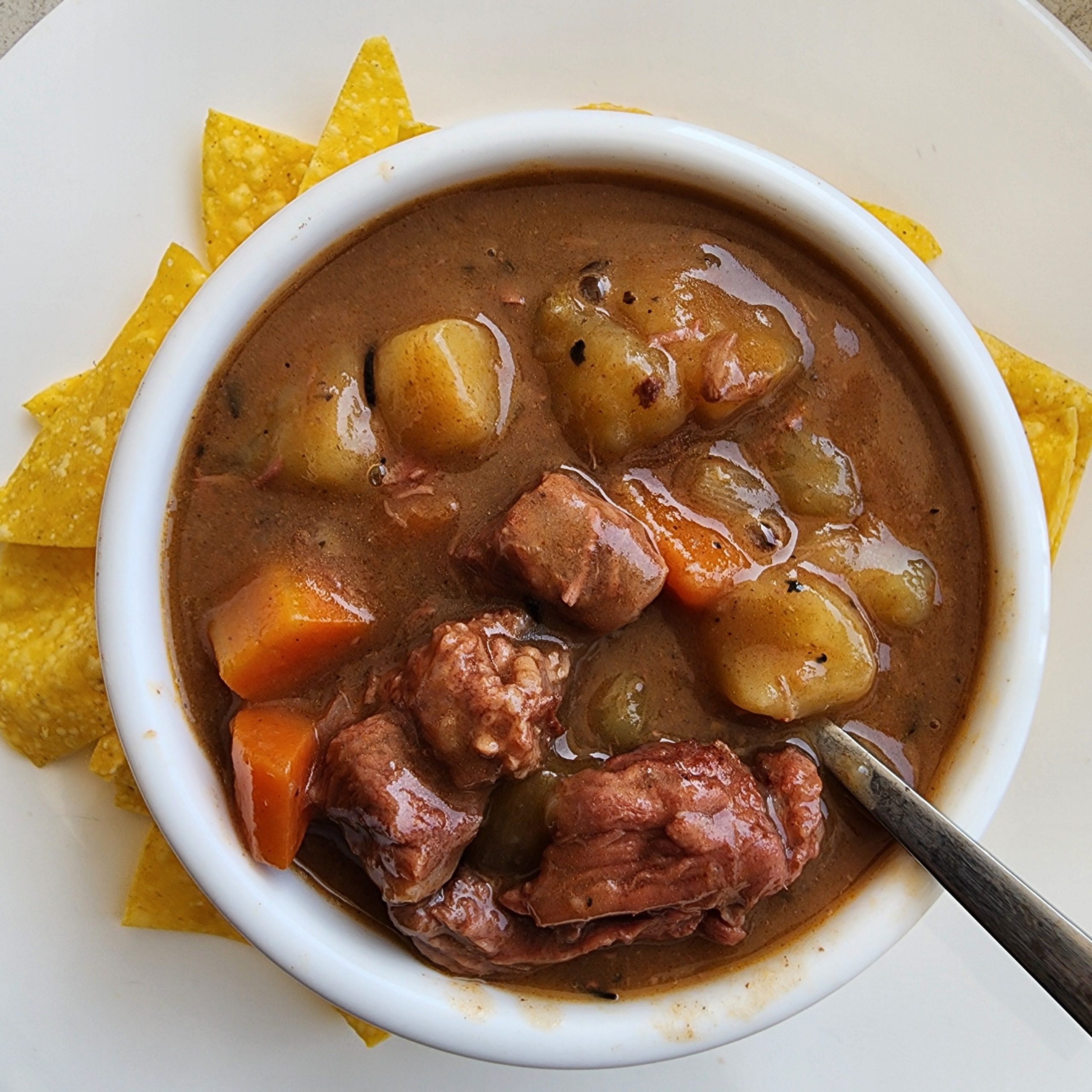
Food like soups and puddings requires a thickener for the appropriate consistency. Thickening products make the dishes creamy and sometimes help them hold their shape. Using thickening products can be a safe way to ensure the health of the people eating these food items. Learning the correct techniques and precautions guarantees tasty, safe meals every time.
Selecting the Appropriate Thickener
The appropriate thickener will depend on the soup or pudding. Certain thickeners, like Simply Thick, perform better in hot mixtures and cold dishes such as puddings, which often include gelatin, agar, and various starches. You should be aware of this so you don’t end up with the wrong ingredients or allergens.
Measuring the Product Accurately
The amount you use is key to safety and to getting the right texture. While excess thickener can lead to a sad, claggy dish, not enough thickener leaves the soup or pudding too runny. Using a kitchen scale or a spoon to measure the amount added can result in good results.
Mixing and Dissolving Properly
Most thickening agents should be dissolved in a smaller amount of liquid and then added to the rest; this avoids lumps and ensures they’re properly spread. With soups, you need to incorporate the thickener with a cold liquid before gradually adding it to the warm soup for a smooth outcome. Heating pudding slowly and stirring frequently to prevent lumps or scorching.
Cooking Temperatures Matter
The difference in the temperature at which thickening agents are added can be a safety issue and also affects the texture of the food. Heat can break down starches, and heat can denature whatever has been thickening, some of which may be even at this time. Increasing the temperature over time and stirring ensures consistency. Puddings often benefit from gentle simmering—not boiling—to avoid burning and achieve a creamy finish.
Avoiding Cross-Contamination
With thickening agents, it is important to be organized, as they can be a main source of allergies. By not using the same utensils and equipment on, say, meats and vegetables, you can lower the chances of cross-contamination. Ensure that you wash your hands before and after handling thickeners.
Keep an Eye Out for Allergens and Dietary Restrictions
Certain gluten-thickening products, dairy, or other allergens may not work for everyone. Reading the ingredient lists can help you discover or identify anything wrong. If you have a dietary restriction, you can use alternatives like tapioca or rice flour as a safe thickening agent. You can also consult a physician or a dietitian to receive advice.
Storage and Shelf Life
Storing thickening products in a cool, dry place preserves their quality and prevents spoilage. Sealing containers tightly eliminates moisture, prevents clumping, and keeps the goods from spoiling. Old thickeners might not function properly or could support dangerous bacteria, so always check the expiration date before use.
Gradual Addition for Best Results
By incorporating a thickener in small portions, the final consistency can be managed. Don’t add too much at a time. When the thickener is slowly sprinkled while constantly stirring, it results in a smooth roux with no lumps.
Tasting and Adjusting
You can taste-test the soups and puddings while cooking. Add a bit more liquid if the mixture is too thick, and if it’s too thin, add more cornstarch mixed with water gradually.
Serving and Cooling Safely
Soups and puddings should cool down before serving. This is how you avoid getting burnt, and it also allows the thickening agent to set in the right way. When making a chilled pudding, resting it in the fridge gives it a firm, perfect texture. Keeping everything cool also minimizes the risk of bacterial growth.
Conclusion
Thickening soups and puddings with these products is quite easy and very rewarding with proper care. This means that with suitable thickeners, precise measurements, and care, anyone can prepare filling and safe meals. Careful preparation ensures that each serving arrives with proper texture and taste when serving.