


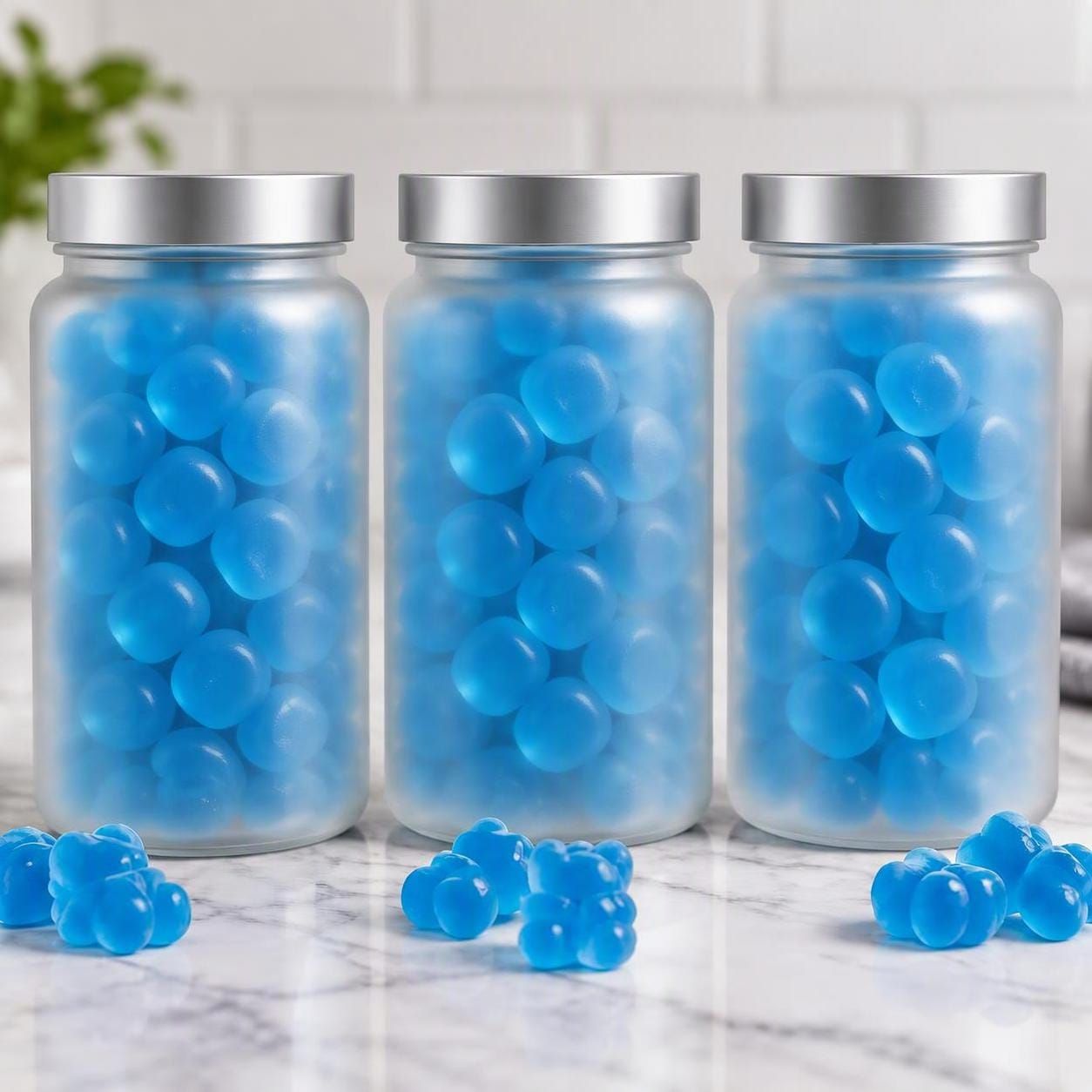
Intimacy concerns often involve more than physical response. Desire, arousal, emotional closeness, and orgasm satisfaction all depend on different biological pathways. Peptide-based compounds address those pathways in distinct ways, which explains the interest in combination formulas. PT-141 activates melanocortin receptors linked with desire, while oxytocin relates to touch, bonding, and orgasm response. Understanding each active ingredient makes it easier to assess what a compounded gummy contains and what evidence supports its use.
A prescription gummy combines two active ingredients in one measured dose, which simplifies timing and daily tracking. For those considering options, PT-141 oxytocin gummies contain 1.5 mg of PT-141 and 500 IU of oxytocin per gummy. A licensed clinician reviews the patient’s medical history, medicines, blood pressure, and heart history before prescribing the formula. That review helps determine whether the treatment fits the patient’s circumstances.
What Each Active Ingredient Contributes
PT-141, also called bremelanotide, is a synthetic analog of alpha-melanocyte-stimulating hormone. It acts at MC3R and MC4R melanocortin receptors in the brain, where desire and arousal begin.
That pathway differs from medicines that act further downstream on blood flow. PT-141 therefore addresses sexual desire and arousal rather than treating intimacy concerns as a circulation issue alone.
Oxytocin is a hormone the body releases with touch and orgasm. Human research has examined its relationship with closeness, orgasm intensity, contentment, relaxation, and changes in blood pressure.
The two ingredients address different parts of the experience. PT-141 focuses on desire and arousal, while oxytocin relates to connection and post-sex satisfaction. A combined dose puts both actives in the same gummy.
Why the Combination Uses Two Pathways
A single ingredient cannot address every part of intimacy. Desire can be low even when physical attachment is possible, while emotional closeness and orgasm satisfaction involve separate biological signals.
The formula therefore uses distinct mechanisms rather than repeating the same action. PT-141 acts through melanocortin receptors, and oxytocin acts as a hormone associated with touch, bonding, and orgasm.
This approach also reduces the need to time separate products. Each gummy contains the same stated strengths, while the prescribing clinician determines when and how often the patient takes it.
What the Research Actually Shows
Published human research supports findings about each compound, but the evidence doesn’t establish the combined gummy as a tested treatment. Bremelanotide research has examined injected forms, while oxytocin research has examined intranasal administration.
A 2014 placebo-controlled study involving 29 couples reported greater orgasm intensity and contentment after intranasal oxytocin. The clearest effects appeared in men, while women reported greater relaxation. Desire and arousal scores didn’t change in that study.
The formulation’s research boundary matters. No clinical trial has tested PT-141 and oxytocin together in a chewable gummy. Evidence about the individual compounds shouldn’t be presented as proof of the combined product’s results.
What the Prescription Label Controls
A standard package can contain 30 gummies, with each gummy providing 1.5 mg of PT-141 and 500 IU of oxytocin. Reputable providers source them from licensed 503A compounding pharmacies that prepare the medication for one named patient.
The prescription label supplies the directions, timing, frequency, and storage instructions. Patients should follow those instructions instead of copying dosing schedules from research studies or other medications.
A licensed clinician reviews the patient’s responses and medical history before prescribing. Patients should report new symptoms, side effects, medicine changes, or questions about timing to the care team.
Safety Comes Before Results
Bremelanotide is contraindicated for people with uncontrolled high blood pressure or known cardiovascular disease. Patients should therefore disclose their blood pressure, heart history, medicines, supplements, naltrexone use, pregnancy status, and breastfeeding status.
Reported reactions include nausea, flushing, and headache. Bremelanotide can also temporarily raise blood pressure, lower heart rate, and darken skin patches. Hives, swelling, breathing trouble, chest tightness, or fainting require urgent medical care.
Oxytocin can cause headache, nausea, temporary blood pressure changes, and mood changes. It can also cause uterine contractions, so pregnant or potentially pregnant individuals shouldn’t use the gummy.
Conclusion
The value of a peptide combination depends on matching each active ingredient to a distinct intimacy concern. PT-141 addresses desire and arousal through melanocortin receptors, while oxytocin relates to closeness and orgasm contentment. The formula contains fixed strengths, but a clinician sets the directions after reviewing personal health information. Anyone considering this treatment should read the prescription label, disclose all medications and supplements, and discuss expected benefits with the prescribing provider.