


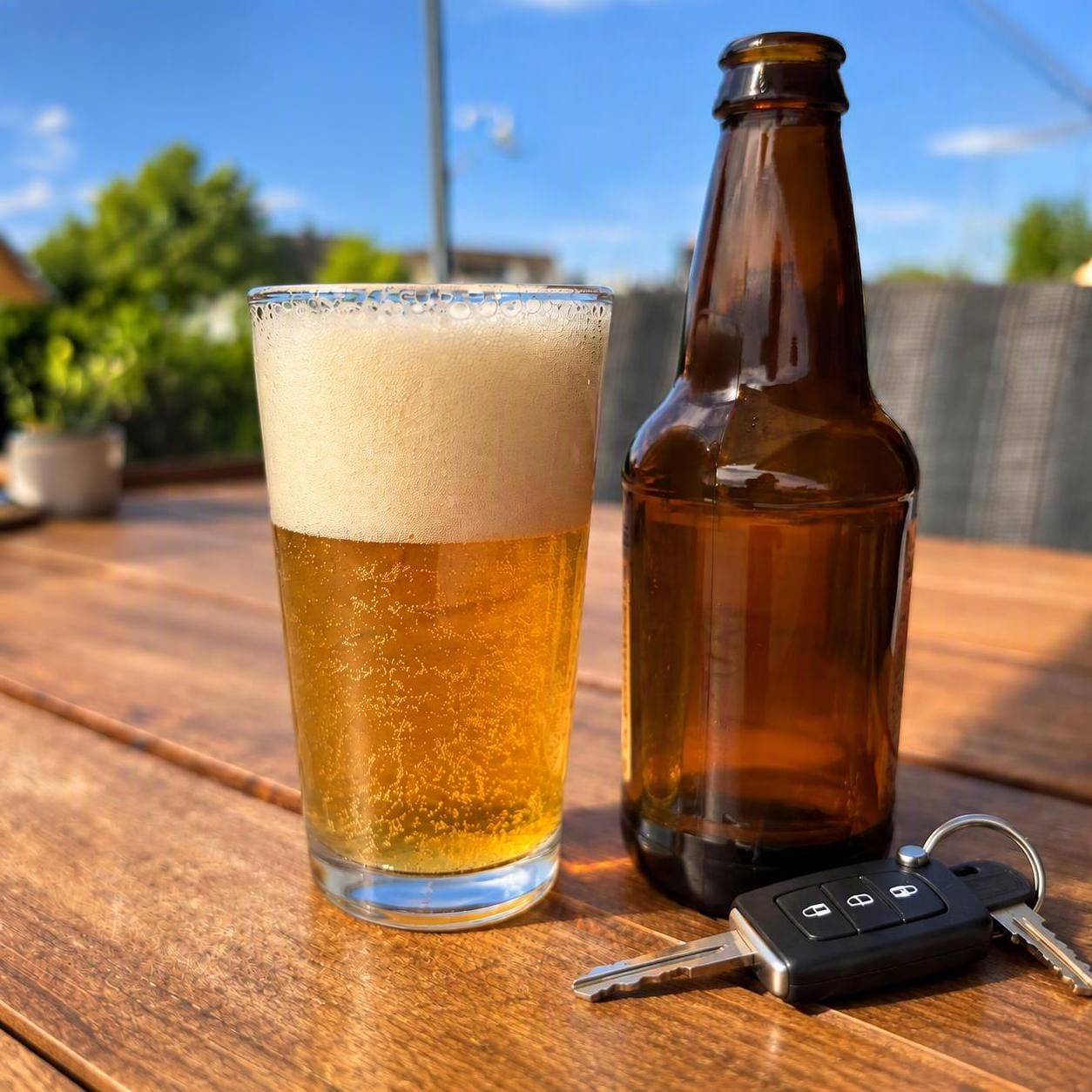
A DUI arrest in Los Angeles can trigger license consequences before a criminal court resolves the case. California separates the Department of Motor Vehicles action from the criminal charge, so a driver must address both tracks quickly. Deadlines begin when an officer serves suspension paperwork, and missing a deadline can forfeit the opportunity to challenge the action. Knowing the first steps helps protect driving privileges as the criminal case proceeds.
After an arrest, the officer often issues an order that follows a separate schedule from court proceedings. A driver seeking advice on a DMV hearing, license suspension, or restricted driving options can contact a Los Angeles DUI attorney for case-specific guidance. That review should happen before the short hearing-request deadline expires. An attorney can also examine the arrest record and chemical-test paperwork.
The First Ten Days Matter
A driver generally has 10 days from the arrest or service of the suspension order to request a DMV hearing. A timely request usually delays the suspension until the DMV decides the matter. The driver should keep proof of the request and confirm the hearing date, location, and required documents. Missing the deadline can leave the DMV suspension in place without a hearing. The driver should read every page of the paperwork because the exact notice controls the response period. Calling the DMV or obtaining legal guidance promptly prevents avoidable delays.
What Does the Hearing Examine?
The hearing can examine whether the officer had reasonable cause to make the arrest. It can also address whether the arrest was lawful and whether the driver had a prohibited alcohol level. Reports, testing records, officer statements, and other documents can affect the DMV’s decision.
Suspension Rules Depend on the Facts
California suspension periods depend on the driver’s history, test results, and conduct after the arrest. A first offense involving a chemical test result of 0.08 percent or higher generally brings a four-month suspension. A second offense within 10 years generally brings a longer suspension.
Refusing a required chemical test creates a separate problem. A first refusal generally results in a one-year suspension, even if the criminal case has a different outcome. Additional consequences apply to repeat refusals and drivers who already have DUI-related actions.
Some drivers qualify for a restricted license after meeting specific conditions. Those conditions can include an ignition interlock device, proof of financial responsibility, enrollment in an approved program, and payment of required fees. Eligibility depends on the driver’s record and the type of suspension.
Steps That Protect Driving Privileges
A driver can take several practical steps immediately after receiving suspension paperwork:
- Read the order of suspension and note the date of arrest, service, and temporary driving period.
- Request a DMV hearing within the stated deadline, then save confirmation of the request.
- Preserve the citation, police paperwork, test records, and any documents received from the DMV.
- Avoid driving after the temporary license expires unless the driver has a valid replacement or restriction.
- Confirm whether work, school, medical care, or family obligations require a restricted-license application.
- Follow every testing, insurance, program, and device requirement attached to an approved restriction.
Driving while under the influence of an active suspension can constitute a separate offense and complicate the criminal case. A driver should verify license status before operating a vehicle, especially after receiving additional DMV notices.
The Criminal Case Still Matters
After a conviction, the criminal case may result in fines, probation, classes, vehicle restrictions, or other penalties. The result does not automatically decide the DMV action because the two proceedings use different rules and address different questions. A dismissal or acquittal also does not automatically restore driving privileges. The driver must confirm the DMV status and satisfy any separate reinstatement requirements. Court paperwork should be reviewed alongside DMV records before the driver assumes the license is valid.
The criminal defense strategy can still affect license planning. A lawyer may identify testing issues, arrest problems, notice defects, or other facts that matter in both proceedings. Early review gives the driver time to preserve records and meet agency deadlines.
Conclusion
A DUI arrest can place a driver’s license at risk before the first criminal court date. The 10-day DMV hearing deadline warrants immediate attention, and the temporary license period should not be mistaken for permanent driving authority. The next practical step is to read the suspension order, record all deadlines, and confirm the license status with the DMV. Prompt legal review can help identify hearing issues and determine whether restricted driving is available.