
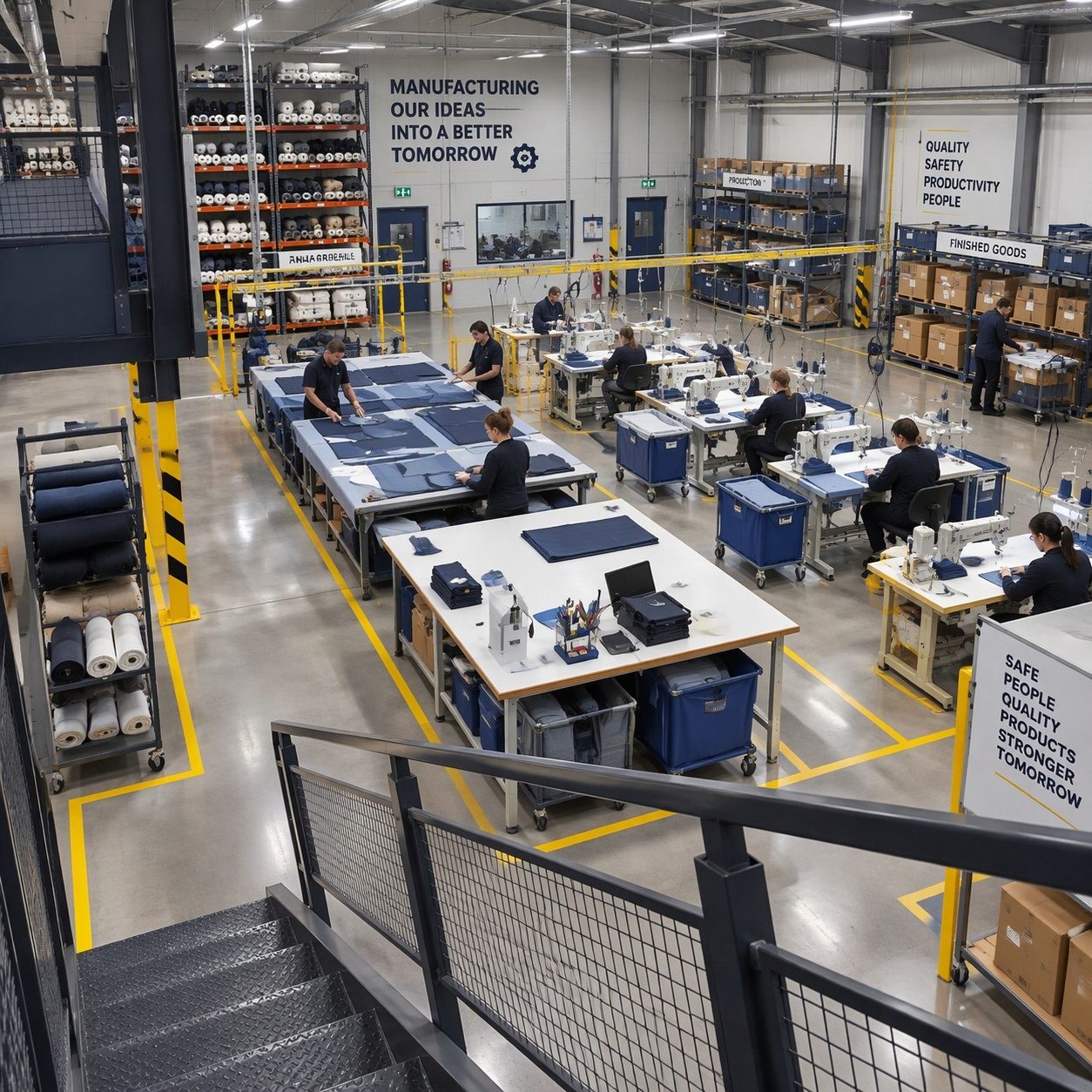
Manufacturing teams work around machinery, chemicals, energy, and strict production controls. A missed lesson can lead to injury, failed inspections, or delayed shipments. Safety training must therefore be consistent, up to date, and easy to verify across shifts and facilities. A manufacturing-focused learning management system (LMS) links instruction to assigned courses, completion records, and renewal dates. The right system turns compliance from a paper-based task into a controlled operating process. The following practices show why that distinction matters.
A beneficial LMS gives supervisors a single record of required lessons and hands-on checks. It shows who completed a course, when they completed it, and when retraining is due. Teams comparing systems can use an LMS for manufacturing to narrow choices by industry fit. The selection supports site-specific assignments without losing a common compliance standard. This approach helps managers act before an expired qualification creates staffing problems.
Safety Training Needs Operational Control
Manufacturing safety training includes site rules, equipment procedures, hazard communication, emergency actions, and job-specific qualifications. An LMS places these requirements into assigned learning paths instead of scattered files or informal reminders. Supervisors can connect each course to a role, location, or task, so employees receive instruction relevant to their work.
A controlled assignment process also limits gaps during shift changes. The LMS records required courses for each employee and displays unfinished work in one queue. Supervisors can review status before a worker begins a restricted task, reducing reliance on memory or spreadsheets.
Compliance Records Must Withstand Review
A completion record needs more than a check mark. It should identify the learner, course, completion date, assessment result, and renewal deadline. These fields give safety managers evidence that training occurred and provide a clear basis for follow-up.
Searchable records also simplify internal reviews. A manager can locate training history for a department, job, or facility without collecting paper forms from several supervisors. When a requirement changes, administrators can identify affected employees and assign the updated course without rebuilding the entire program.
Standardized Learning Supports Multiple Facilities
Manufacturers often use shared procedures across plants while applying local rules at each site. An LMS can preserve a common core course and add location-specific lessons where conditions differ. Employees receive the same baseline instruction, while supervisors retain control over local hazards and emergency procedures.
This structure also improves transfer between facilities. A worker moving to another plant can complete additional site training without repeating every general lesson. Administrators can compare completion data across locations and identify areas that need attention, such as assignments or follow-up.
Refresher Training Should Follow Risk
Safety knowledge loses value when employees complete a course once and never revisit it. An LMS assigns refresher training based on renewal dates, job requirements, or changes to equipment and procedures. Automated reminders keep due dates visible and prevent qualifications from lapsing.
Managers can also use assessment results to direct review. If employees miss questions about lockout procedures or protective equipment, the LMS can assign targeted content. This approach keeps retraining connected to observed knowledge gaps rather than applying the same schedule to every employee.
Onboarding Must Reach the Floor Quickly
New hires need safety instruction before they handle equipment, enter restricted areas, or work independently. An LMS organizes onboarding into a sequence that covers general rules, site procedures, and role-based requirements. Supervisors can see whether each employee completed the required lessons before assigning work.
Digital access also reduces delays between hiring and training. Employees can complete suitable modules during scheduled onboarding time, while trainers reserve in-person sessions for demonstrations and practical checks. The LMS then stores learning records and completion evidence in a single employee profile.
Managers Need Usable Reports
Reporting should answer practical questions without requiring manual data collection. Managers need to see overdue courses, upcoming renewals, incomplete assessments, and completion rates by location or department. Clear filters help supervisors act on specific records instead of reviewing an undifferentiated list.
Reports also support staffing decisions. A supervisor can check whether enough qualified employees are available for a shift, planned maintenance task, or new production line. That visibility helps the operation schedule work around training requirements instead of discovering gaps after assignments are made.
Choose the System Around Daily Work
A suitable LMS should match the way a manufacturing team assigns work, documents qualifications, and manages multiple locations. Buyers should examine role-based learning paths, renewal alerts, assessment records, searchable reports, and access for shift-based employees. The system must also support practical training records when classroom instruction or equipment demonstrations remain necessary.
Before selecting a system, managers should map current safety requirements and identify the records an auditor or supervisor needs. They can then compare those needs against available manufacturing LMS options and test common workflows with actual users. A focused evaluation keeps decision-makers from getting distracted by unnecessary features.
Conclusion
A manufacturing LMS gives safety teams a reliable way to assign training, record completion, track renewals, and review qualifications. Its value depends on how closely the system matches daily operations, facility rules, and job requirements. Managers should begin by listing every required course, practical check, renewal date, and report used during reviews. That list creates a clear evaluation standard and helps the team select an LMS that supports compliance before training gaps affect people or production.