


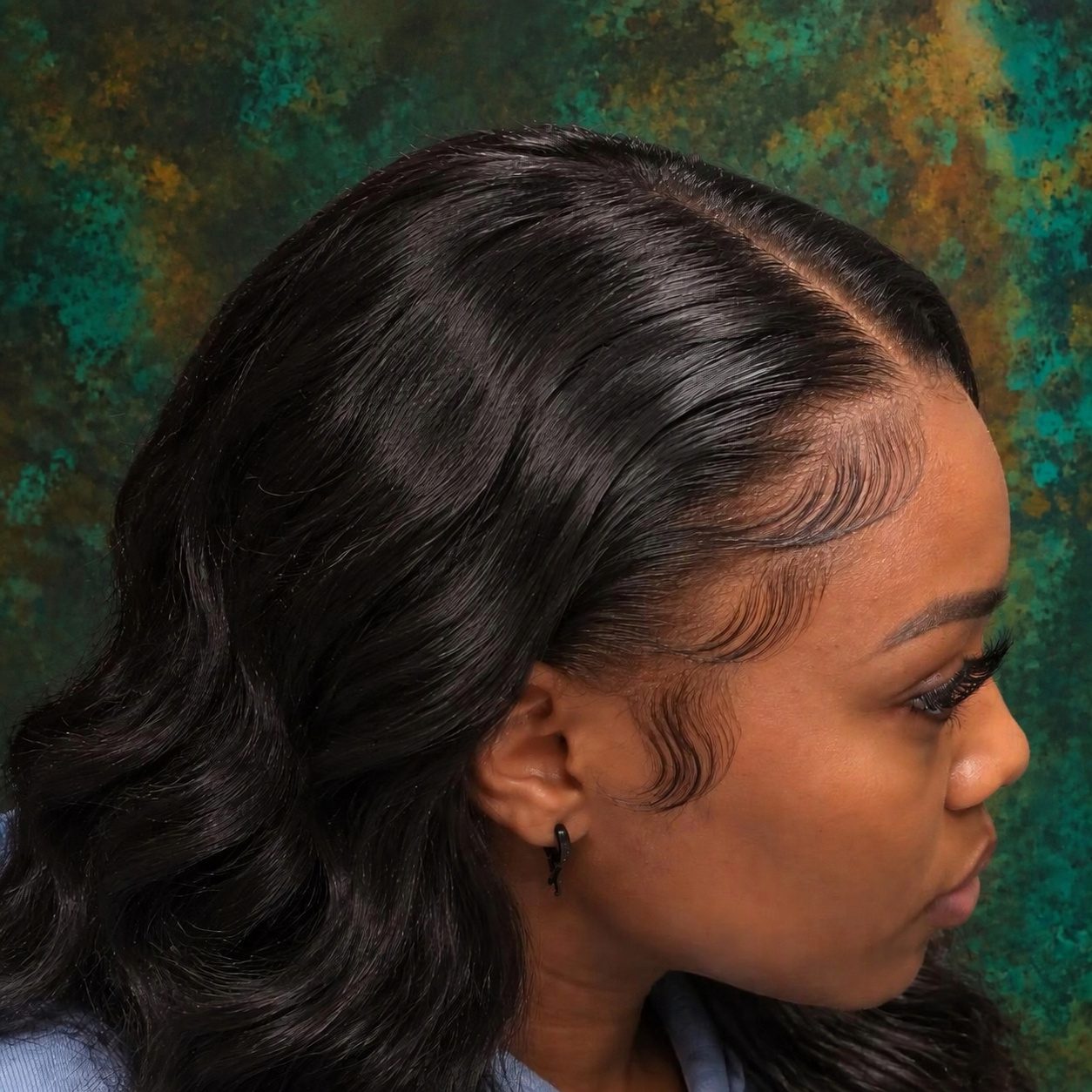
A fashion look can change dramatically without changing a single piece of clothing. Move the hair from a centre part to a deep side part, and a tailored blazer suddenly feels more glamorous. Pull the same hair into a half-up style, and the outfit takes on a softer, more playful character.
Fashion stylists have long understood the relationship between hair and clothing. On editorial sets and red carpets, hairstyles help establish the mood of a look, draw attention to particular features and create a recognisable silhouette. Hair is not simply the finishing touch. It is part of the visual composition.
Wigs have made this relationship especially interesting because they allow stylists to experiment with different looks without making permanent changes to the wearer’s natural hair.
But versatility is not just about owning several wigs. Sometimes, the more creative approach is discovering how much can be achieved with one carefully chosen piece.
Hair Has Become Part of the Fashion Silhouette
Think about the difference between a sleek centre part and voluminous side-swept waves.
The first creates symmetry and a relatively controlled shape. It can complement minimalist clothing, structured tailoring or an outfit built around clean lines.
The second introduces movement and asymmetry. It can soften a sharp neckline, balance an architectural dress or add drama to a relatively simple outfit.
Neither hairstyle is inherently more fashionable. They communicate different visual ideas.
In fashion photography, this distinction becomes particularly important because the camera captures an entire composition. Hair can frame the face, reveal an earring, create volume around the shoulders or draw attention away from a garment’s details.
Red carpet styling works in a similar way.
A dramatic gown may benefit from hair that stays close to the head, allowing the dress to remain the focal point. A simpler outfit may leave more room for sculptural curls, exaggerated volume or an elaborate updo.
The growing appeal of versatile hair styling reflects this flexibility. Instead of treating a hairstyle as a fixed accessory, stylists can use it as an adaptable part of the outfit.
And that approach is not limited to professional fashion settings.
The same person might want understated hair for work, a more dramatic look for dinner and something playful for a weekend event.
One well-constructed wig can sometimes accommodate all three.
What Lace Frontal Construction Changes
The styling possibilities of a wig depend partly on how its base is constructed.
A lace frontal provides a lace-covered area across the front of the head, allowing the hairline and parting to appear more natural when the wig is fitted appropriately.
Two common configurations are 13×4 and 13×6 lace frontals.
Both generally provide approximately 13 inches of lace across the front, although actual dimensions and construction can vary by manufacturer. The main distinction is the nominal front-to-back depth: approximately four inches for a 13×4 and six inches for a 13×6.
That additional depth can make a meaningful difference when creating longer parts or styles that expose more of the scalp near the top of the head.
It does not, however, mean that every hairstyle becomes possible.
The lace is still limited to a defined section of the cap. Areas beyond it may use different construction methods, and the placement of tracks or other cap components can restrict how the hair is separated or lifted.
This is where the distinction between styling flexibility and unlimited styling freedom becomes important.
A 13×6 frontal may offer more room for certain looks than a comparable 13×4 design, but the finished result still depends on the wig’s density, length, hair direction and installation.
To understand the practical difference, consider three looks created from the same wig.
Look One: The Middle Part for Clean, Modern Styling
The middle part is one of the simplest ways to give a hairstyle a polished, intentional appearance.
Its symmetry works particularly well with tailored jackets, minimalist dresses and clothing that relies on strong proportions rather than decorative details.
For this look, imagine a long human hair wig styled with a smooth centre part and relatively straight lengths.
The hair falls evenly on both sides of the face, creating a balanced silhouette that draws attention to the eyes, cheekbones and neckline.
A 13×6 lace frontal can be useful because its deeper lace area allows the centre part to extend farther back before reaching the non-lace portion of the cap.
That extra depth can make the exposed parting appear more continuous, particularly when the hairstyle is worn flat.
However, a 13×4 frontal can also create an attractive middle part.
The difference becomes more relevant when the wearer wants a longer visible part or greater freedom to adjust its position.
Hair density matters as much as lace depth.
Excessive volume around the roots can make a sleek style difficult to achieve, while careful styling and an appropriate density can help the hair lie naturally.
For a fashion shoot, the middle part also creates a useful foundation for accessories.
Statement earrings, a narrow headband or a structured collar can become more prominent when the hair is kept close to the face.
Look Two: The Deep Side Part for Red Carpet Drama
Now imagine the same wig with the part moved dramatically to one side.
The change immediately introduces asymmetry.
Hair falls across one side of the forehead, while the opposite side can be tucked behind the ear or styled closer to the head.
This is a familiar red carpet technique because it creates movement without necessarily requiring an elaborate hairstyle.
The result can feel glamorous with a satin gown, sophisticated with a tailored suit or deliberately dramatic with an off-shoulder dress.
A lace frontal allows the parting to move within its available lace area.
With a 13×6 construction, the additional depth may support a longer diagonal or off-centre part, provided the desired line remains inside the lace section.
But the number 13×6 does not mean that the lace extends six inches backward at every point across the head.
Actual lace shapes vary, and the usable depth near the sides may be different from the centre.
This is especially important for a deep side part.
If the chosen part extends beyond the lace into the machine-wefted portion of the cap, the underlying construction may become visible.
Hair direction can create another limitation.
A wig that has been heavily styled or set in one direction may require heat styling, washing or additional preparation before it sits naturally in a different part.
The most versatile option is not necessarily the wig with the largest advertised lace area. It is one whose construction supports the specific styling changes the wearer wants to make.
Look Three: The Half-Up Hairstyle for a Softer Silhouette
The half-up hairstyle creates a different kind of transformation.
Instead of changing only the part, it changes the distribution of volume.
Some of the hair is lifted away from the face and secured toward the crown, while the remaining lengths fall around the shoulders.
The result can be romantic, youthful or sophisticated depending on the finish.
Loose waves and face-framing strands create a softer appearance, while a smooth half-up ponytail can look more structured.
Accessories offer another layer of styling.
A ribbon, decorative clip or understated metallic barrette can shift the same hairstyle from casual daytime dressing to an evening look.
For a lace frontal wig, however, the half-up style requires more planning than a simple part change.
A 13×6 frontal can provide useful lace coverage near the front and top, but it does not automatically conceal the construction farther back on the cap.
If too much hair is lifted, tracks or cap sections outside the lace area may become visible.
The amount of hair gathered, the position of the clip and the remaining coverage all affect the result.
Longer hair often makes this style easier to arrange because the lifted section can be secured while leaving enough length below to maintain the intended silhouette.
Density also matters.
A wig with insufficient coverage in the areas being exposed may not support the look convincingly, while an extremely dense wig may create unwanted bulk at the crown.
The attachment method is another consideration.
Styles that pull firmly against the hairline can place additional tension on the lace or attachment points. A comfortable, secure installation and gentle styling are important, especially with delicate lace.
A half-up hairstyle is possible with many lace frontal wigs, but the exact result depends on the construction rather than the frontal dimensions alone.
Does HD Lace Make a Wig More Versatile?
HD lace is frequently associated with natural-looking hairlines, but its contribution to versatility is sometimes misunderstood.
The term generally describes fine, sheer lace intended to appear less noticeable against the skin.
This can be helpful when a hairstyle exposes the front hairline or visible parting.
However, HD lace does not inherently create a larger styling area.
A 13×6 HD lace frontal and a 13×6 frontal made with another lace construction may provide similar nominal parting dimensions.
The difference lies primarily in the properties and appearance of the lace itself.
For shoppers comparing 13×6 HD lace wigs, it is useful to consider both characteristics separately: the 13×6 configuration describes the nominal lace coverage, while HD refers to the lace’s intended visual subtlety.
Neither specification explains everything about the finished wig.
Hairline preparation, knot visibility, cap fit and styling technique still influence how natural the result appears.
A very fine lace material may also require more careful handling, particularly when changing styles frequently.
Versatility involves not only the number of hairstyles a wig can create, but also how comfortably and reliably it can support those changes.
The Details That Determine Whether One Wig Can Do More
The appeal of a versatile wig is easy to understand.
A single piece that works with several outfits can simplify styling decisions, reduce the need for multiple purchases and create more opportunities for experimentation.
But flexibility depends on a combination of features.
Hair length determines whether there is enough material to create waves, ponytails or partially lifted styles.
Density influences the overall silhouette and whether the hair can be gathered without exposing unwanted areas.
Texture affects how easily the wig moves between sleek and voluminous looks.
Cap construction determines where parting and lifting can occur without revealing the underlying structure.
And installation influences how securely the wig stays in place during styling.
Beeos offers lace frontal wigs in configurations such as 13×6, giving shoppers options for deeper parting and different styling preferences. As with any wig brand, the suitability of a particular product depends on its full specifications rather than the lace dimensions alone.
For fashion-focused wearers, it is worth thinking about the hairstyles they actually intend to create before choosing a construction.
Someone who primarily wears a middle part may not need the same flexibility as a person who regularly switches between centre parts, dramatic side parts and half-up looks.
The most useful design is the one that supports those habits without unnecessary complexity.
Fashion Versatility Is About Possibilities, Not Endless Changes
Hair has always helped shape the identity of a fashion look.
What makes modern wig styling particularly interesting is the opportunity to experiment with that identity without committing to a permanent haircut, colour or texture.
A centre part can create a clean, architectural silhouette. A deep side part can introduce glamour and movement. A half-up hairstyle can soften the look and make room for decorative accessories.
All three may be achievable with one appropriately constructed wig.
But the creative possibilities are not unlimited, and they shouldn’t be presented that way.
Lace coverage, hair density, length and installation all influence what can be achieved comfortably and convincingly.
Understanding those details allows wearers and stylists to make more intentional choices.
The future of versatile hair styling is not simply about having more wigs or chasing increasingly elaborate constructions.
It is about recognising how much visual expression can come from one piece when its design and the wearer’s styling goals work together.