


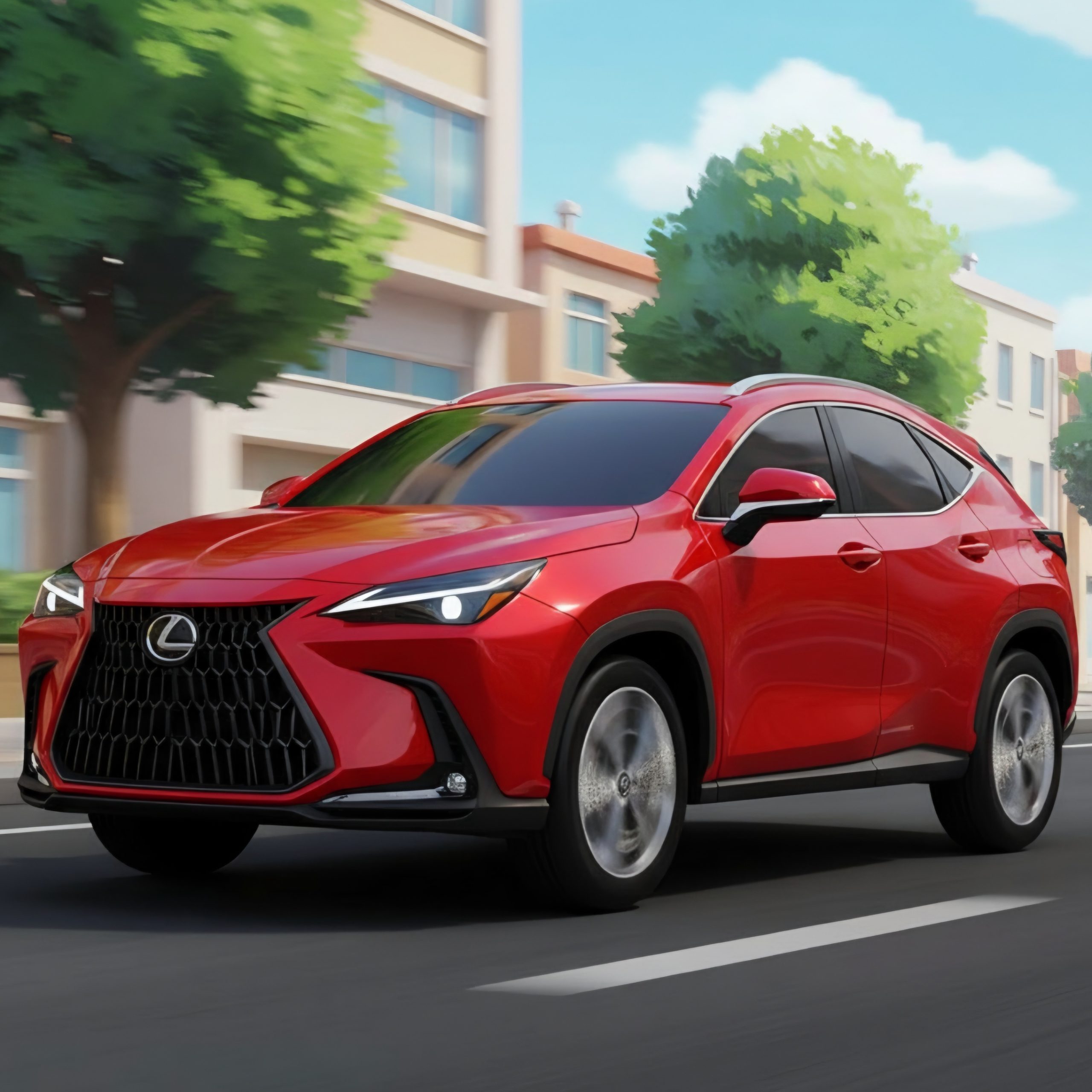
If you get into a crash while driving a company car, the next steps depend on who was at fault, the purpose of your trip, your employer’s insurance coverage, and the laws in your state. In many cases, the company’s commercial auto insurance policy may provide coverage, but liability and compensation can vary depending on the circumstances of the accident.
Driving a company vehicle often comes with responsibilities that go beyond operating your own personal car. Whether you’re traveling to meet clients, making deliveries, or running work-related errands, it’s important to understand what happens if an accident occurs while you’re on the job. Knowing your rights and responsibilities can help you respond appropriately after a collision.
One of the most important things to understand before driving a company car is how your employer’s insurance policy works, what incidents it covers, and what reporting procedures you are expected to follow. Being informed ahead of time can make a stressful situation much easier to manage.
Prioritize Safety After the Crash
Your first priority should always be safety.
Check yourself and others for injuries, call 911 if medical assistance is needed, and move to a safe location if possible. If the accident is minor and the vehicles can be moved safely, relocate them out of traffic to reduce the risk of another collision.
Remain calm and cooperate with law enforcement officers at the scene.
Report the Accident Immediately
Most employers require employees to report accidents involving company vehicles as soon as possible.
Notify your supervisor or fleet manager and follow your company’s reporting procedures. Delaying notification may complicate insurance claims or violate company policies.
Provide accurate information about what happened, but avoid speculating about fault until the investigation is complete.
The Company’s Insurance May Apply
In many situations, a commercial auto insurance policy covers accidents involving company-owned vehicles used for work purposes.
Depending on the policy, coverage may include the following:
- Property damage
- Medical expenses
- Liability claims
- Vehicle repairs
- Legal defense costs
However, every policy is different, so it’s important to understand your employer’s insurance coverage and any limitations that may apply.
Fault Still Matters
Driving a company vehicle does not automatically protect you from liability.
Insurance companies will investigate how the accident occurred and determine who was responsible. Evidence such as police reports, witness statements, photographs, and traffic camera footage may all be considered.
If another driver caused the crash, their insurance may ultimately be responsible for paying damages.
Workers’ Compensation May Be Available
If you were performing job duties when the accident occurred and suffered injuries, you may qualify for workers’ compensation benefits.
These benefits often cover medical treatment and a portion of lost wages, regardless of who caused the accident. Eligibility depends on your employment status and whether you were acting within the scope of your job responsibilities at the time of the collision.
Discuss your situation with your employer if you’re injured during a work-related crash.
State Laws Can Affect Your Claim
Every state has different rules regarding motor vehicle accidents and employer liability.
For example, California Vehicle Code § 16000 generally requires drivers involved in accidents resulting in injury, death, or significant property damage to report the collision to the appropriate authorities. Understanding your state’s reporting requirements helps ensure compliance after an accident.
Additional state laws may also affect insurance coverage and liability.
Avoid Admitting Fault
Even if you believe you contributed to the accident, avoid making statements that admit fault at the scene.
Allow law enforcement officers and insurance companies to complete their investigations before conclusions are reached. Stick to the facts when speaking with police, your employer, and insurance representatives.
Accurate documentation is often critical during the claims process.
Know Your Rights
Accidents involving company vehicles can involve multiple insurance policies, employer responsibilities, and legal issues.
If liability is disputed or you suffer serious injuries, consulting an attorney can help you understand your rights and determine the best course of action. Legal guidance may also be valuable if insurance companies disagree about coverage or responsibility.
Key Takeaways
- Company vehicle accidents are typically handled through commercial auto insurance.
- Always prioritize safety and seek medical attention if needed.
- Report the accident to your employer as soon as possible.
- Fault is determined through an investigation, regardless of who owns the vehicle.
- Workers’ compensation may provide benefits if you were injured while performing job duties.
- California Vehicle Code § 16000 requires reporting certain motor vehicle accidents.
- Avoid admitting fault until the facts have been investigated.
- Understanding your employer’s insurance policy before driving can help you respond confidently if an accident occurs.