


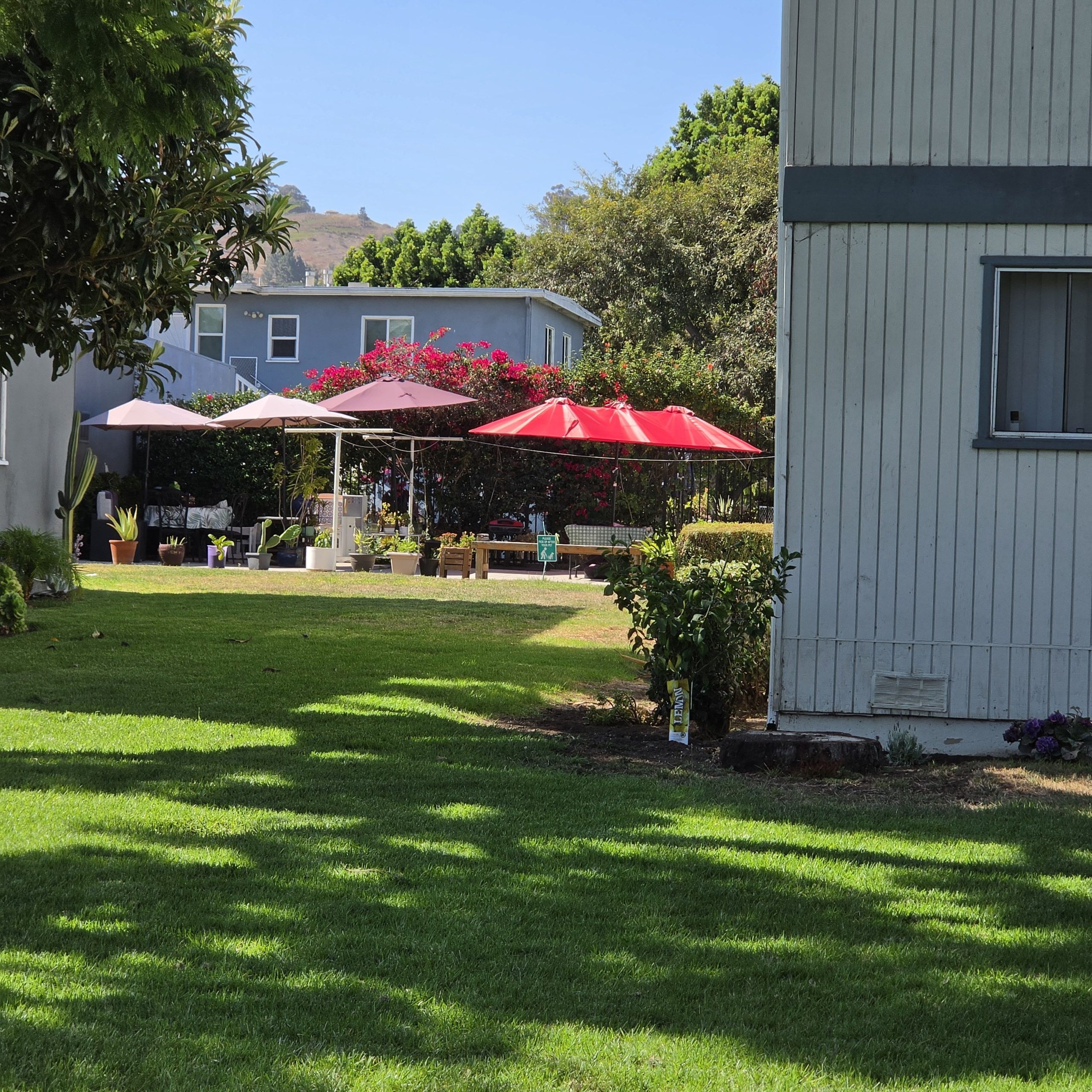
The backyard has quietly become one of the most invested rooms in the house. Homeowners are no longer treating the yard as an afterthought between the back door and the fence line. They are designing it with intention, layering in comfort, function, and character that rival any interior space.
Why Outdoor Spaces Are Getting Serious Attention
The shift is not subtle. With a 100% ROI per the National Association of Realtors, 22.5% of homeowners in a 2025 survey planned to pursue landscaping upgrades that year. That kind of return puts backyard investment in the same conversation as kitchen remodels and bathroom renovations. The difference is that a well-designed yard pays off every weekend, not just at closing.
The motivations behind these projects are practical. Improving aesthetics, enhancing entertainment space, and extending the living area of the home are the top three reasons homeowners renovate their outdoor spaces, according to Houzz. Taken together, those reasons point to a simple truth: people want their yards to work harder for them.
The Move Toward Defined Outdoor Zones
One of the strongest trends right now is the shift away from open, undefined yard space toward distinct zones that each serve a purpose. A dining area, a lounge corner, a kitchen station, and a fire feature can all coexist in a modest backyard when the layout is deliberate.
Outdoor Kitchens as Permanent Fixtures
Outdoor kitchens have been popular for decades but have evolved from a basic grill setup into something far more complete. Homeowners are treating these areas as permanent cooking, dining, and entertaining hubs rather than occasional-use amenities. Built-in countertops, weather-resistant cabinetry, and dedicated prep surfaces all contribute to a space that functions year-round rather than just on summer weekends.
Fire Features and Gathering Points
Adding fire pits and outdoor heating elements ranks as one of the top trends homeowners want to pursue, cited by 38% of respondents in a survey of 2,000 homeowners. A fire feature anchors a seating area and extends usable hours into cooler evenings. It gives the space a focal point and draws people together in a way that scattered furniture simply does not.
Shade Structures
Shade has become a priority that many homeowners underestimated until they actually had it. After decks, shade features were the most requested structural upgrade in 2025, with demand climbing 15 points from the previous year. Pergolas, sail shades, and retractable awnings all solve the same problem. They make a hot afternoon usable.
Lawn and Landscape as the Foundation
Every zone, feature, and furniture arrangement sits on top of the landscape itself. A well-maintained lawn and thoughtfully planted borders do more to set the tone of a backyard than any single piece of furniture or hardware. Bare patches, uneven turf, and overgrown edges undermine even the most carefully chosen pieces.
Choosing the right grass variety for the local climate, soil type, and sun exposure makes a real difference in how much effort upkeep requires. Warm-season grasses handle heat and drought far better than cool-season varieties in southern climates, while the reverse holds true further north. Sourcing quality materials from the start saves significant time and money later.
Premium landscaping products from a dedicated supplier, rather than a general home improvement retailer, tend to come with better variety selection and more reliable provenance, which matters when establishing new turf.
Edging, aeration, and seasonal overseeding are the kinds of tasks that keep a lawn looking intentional rather than neglected. None of it requires a big budget. But it does require consistency.
Privacy and the Backyard Sanctuary Trend
In 2025, outdoor living is less about status and more about substance. Homeowners are gravitating toward spaces that support wellness, offer privacy, and make it easier to enjoy the outdoors on an ordinary Tuesday afternoon. That means screening out neighbors, cutting street noise, and creating a sense of enclosure that makes the yard feel like a genuine retreat.
Tall ornamental grasses, layered plantings, and lattice panels with climbing vines all accomplish this without the hard, closed-off feel of a solid fence. The goal is a space that feels sheltered without feeling boxed in.
Sustainability Built Into the Design
Sixty-eight percent of homeowners in a recent survey said they are making sure their renovations use eco-friendly materials and energy-efficient designs. Native plants, permeable paving, drip irrigation, and solar-powered path lighting are all practical ways to cut a backyard’s environmental footprint without sacrificing aesthetics. Native plantings in particular reduce water use because they are adapted to local rainfall patterns and soil conditions.
Composite decking and recycled-content pavers have moved into the mainstream, offering durability alongside a lower environmental cost than traditional materials. Composite decking is the top patio flooring pick for 2025, favored by 46% of experts surveyed.
Indoor-Outdoor Continuity
The design principle that has dominated professional landscaping for several years is visual continuity between the interior of the home and the outdoor space. One of the most popular outdoor trends in 2025 is creating a coherent flow between the outdoor area and the interior room that opens onto it, which can mean matching colors, keeping materials and themes consistent, and thoughtfully placing doors and windows to create a unified feel.
How People Are Actually Using These Spaces
The proof that these trends are genuine is in how homeowners are spending their time. Two-thirds of homeowners plan to spend more time outdoors than in previous years, with estimates showing 11.7 hours per week outside at home compared to 9.6 hours the year before, an increase of 22%. That is a meaningful shift in daily routine, and it reflects a real change in how people relate to their homes.
Where to Start
The most effective backyard improvements are not always the most expensive ones. Defining a clear zone with good furniture, fixing the lawn surface, adding one shade element, and planting a privacy screen can transform a flat, underused yard into something that gets used every day. Start with the layer that needs the most work, whether that is the turf, the hardscape, or the furniture, and build outward from there. The trends are useful as a guide, but the best backyard is the one that fits how the people who live there actually want to spend their time.