
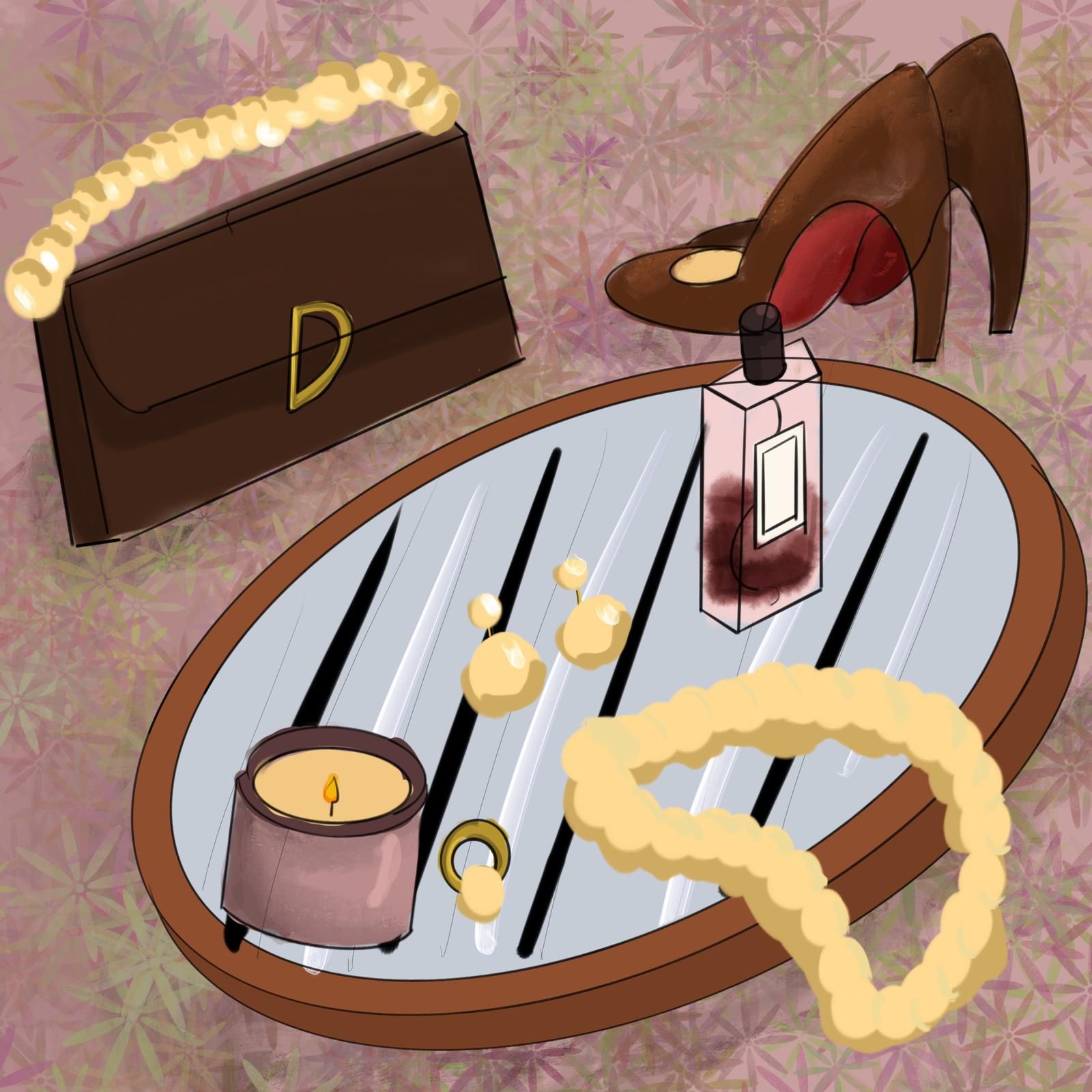
Fashion has always been a language. What we wear says something before we open our mouths — about our taste, our mood, the version of ourselves we’re presenting to the world that day. But there’s one element of personal style that operates on an even deeper level, and it’s the one most people give the least thought to. Fragrance is the part of your look nobody can see, and arguably the part that stays with them longest.
There’s a reason scent works differently from everything else in your wardrobe. It bypasses the analytical part of the brain and connects straight to memory and emotion. An outfit lives in the moment someone sees it; a fragrance lingers in the space you’ve just left. In a culture increasingly obsessed with self-expression and standing out, leaving that particular signature to chance feels like a missed opportunity.
For decades, fragrance was dominated by a handful of mass-market designer names — the scents advertised on billboards and stacked at every department store counter. You could walk through a crowded room and recognise three or four of them instantly. But style culture has shifted, and fragrance is finally catching up. The same instinct that moved fashion away from head-to-toe logos and toward independent labels, vintage finds and quiet luxury is now reshaping how people think about scent. The interesting conversation has moved to niche houses: smaller, more experimental perfumers making things that smell genuinely unlike anything else.
The appeal is obvious. A well-chosen niche fragrance is the olfactory equivalent of a piece nobody else is wearing. It makes people notice without being able to name it — exactly the kind of understated distinction that defines modern style. The catch is that discovering these scents has always been harder than discovering a new designer. You can see a garment before you buy it; you cannot see a fragrance. A bottle of something obscure and expensive is a genuine gamble, and the very obscurity that makes it exciting is what makes it risky to buy unseen.
That barrier is quietly coming down. The smarter way to explore fragrance now mirrors how we approach the rest of our wardrobe: you try before you commit. Rather than gambling on a full bottle, you can test a scent properly — on your own skin, across a full day — in a small 2ml or 5ml size first. It has turned fragrance discovery into something closer to browsing: low-stakes, exploratory, even fun. A growing number of style-minded people now build their collections through perfume decants, working through the interesting and hard-to-find before committing to anything full-size.
If you’re starting to treat scent as seriously as the rest of your style, a few things help. Match the character of a fragrance to how you actually dress and live rather than to how it performs in a shop. Apply to skin at the pulse points, keep it light, and give it time — the best fragrances, like the best outfits, reveal themselves slowly rather than shouting on first impression. And think seasonally: fresh, citrus-led scents breathe in warmer months, while richer, woodier compositions come alive under a coat, exactly the way you rotate the rest of your wardrobe.
There’s also something freeing in choosing scent for yourself rather than for approval. A fragrance that a magazine crowns the scent of the year can still be wrong on you, because your skin rewrites every formula. The most stylish approach is the most personal one — finding the scent that feels like you, not the one everyone else is wearing.
Style has always rewarded attention to the details most people overlook. Fragrance is the last of those details to get its due: invisible, personal, and impossible to fake. Get it right and it does what every great element of a look does — it makes the whole thing land harder, and it stays with people long after you’ve left the room.