

A man in his 50s opens his closet and finds a decade of clothes that no longer match the face above them. The jackets fit at the shoulder. The lapels, the trouser width, and the wash of the denim place him somewhere around 2010. None of it looks broken, and that is the trap. Dressing modern after a certain age comes down to a few specific corrections, most of them about fit and restraint.
The Primacy of Fit
Fit decides almost everything. A $200 jacket cut to the body looks better than a $2,000 jacket hanging off the shoulders, and most men past 40 own some version of the second one. The fix is a tailor, and the rules are simple. Sleeves should end at the wrist bone. Trousers should break once at the shoe and no more. A jacket should taper at the waist enough to suggest a shape.
Most cities have a tailor within a short drive, and basic alterations run from roughly $15 for a hem to about $40 for taking in a jacket. Against the price of new clothing, few upgrades in menswear pay off better.
Stylists tend to rank the priorities as fit, fabric, and function, in that order. Fabric matters because wool, cashmere, and high-grade cotton hold their shape and color far longer than polyester blends. Function matters because a wardrobe a man actually reaches for beats an aspirational one he avoids. The relaxed tailoring of 2026 helps here. Cuts are softer and more forgiving than the very slim fit of the last decade, which suits an older body without looking careless.
A Short List of Wardrobe Staples
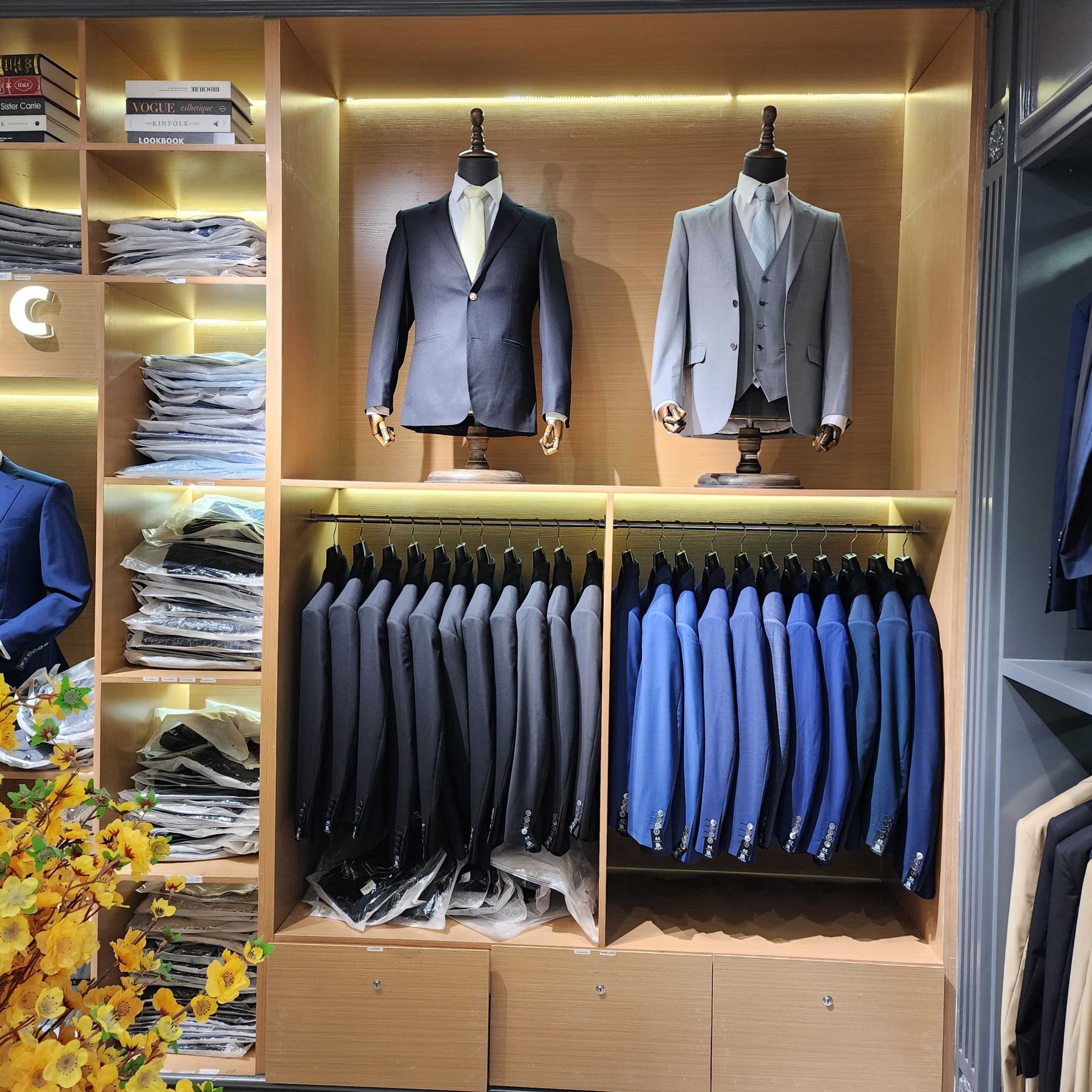
A modern wardrobe does not need to be large. A blazer or two matters most here, since a blazer adds shoulder structure and turns separates into an outfit. Dark, straight denim works for most occasions a man over 50 will face. White and light blue shirts handle the rest. Add a few pieces of knitwear in wool or fine cotton and a pair of well-kept leather shoes, and the core is done.
A well-cut overcoat in camel or charcoal works through winter and looks expensive even when it is not. Beyond that, quality beats volume. A core of 10 considered pieces that mix cleanly outperforms a closet of 40 that do not work together.
Appearance and the First Impression
In dating, presentation gets judged in seconds, long before a man has said anything worth hearing. Clean, well-fitting clothes and cared-for shoes signal self-respect and a degree of order. They say nothing about character, though most people grasp that distinction. What they buy is the first few minutes of attention, the window in which character can show.
The label high-value man gets attached to someone who has the rest of his life in order, and grooming and fit are a small, visible part of that picture. A sharp coat earns a man the chance at a better conversation, nothing more.
The Modern Casual Wardrobe
Most older men do not live in blazers. They live in casual clothes, and that is where looks tend to fall apart. Worn joggers, a faded hoodie, and old running shoes are comfortable, and together they make a man look like he has stopped trying.
The replacements are not much less comfortable. Dark jeans or chinos, a knit polo or a plain crewneck, and an overshirt in place of the hoodie will do for most casual days. A clean pair of minimalist sneakers finishes the look. The aim is clothing that looks chosen while still feeling easy to wear on a Saturday.
Color and Pattern Discipline
Color separates a modern outfit from a dated one for many older men. Neutrals form the base, mostly grey, navy, charcoal, stone, and white. From there, a single accent per outfit is plenty, drawn from burgundy or a deep olive. These look deliberate without drawing attention.
Two cautions are worth keeping. A full outfit of soft pastels tends to wash out an older face and add years to it. Loud, busy patterns cause the same problem from the other direction. A single textured piece, a herringbone jacket or a quiet check, does more for a look than a bright print ever will.
Glasses, Watches, and Restraint
Eyewear ages a man faster than almost anything else on this list. Thick, boxy frames and thin wire rims both tend to date a face. The better frame materials are angular acetate or titanium, cut as a rectangular or soft wayfarer in tortoiseshell or matte black. An optician can copy an existing prescription into a better frame in under a week, which makes this one of the easier fixes on the list.
The same restraint applies to everything that shines. A single good watch, and one more piece at most, makes the point. Stacked bracelets, layered chains, and oversized novelty watches make a man look like he is trying too hard to seem young.
Modern Footwear Choices
Shoes finish an outfit or undo it. Chunky trainers and dated dad sneakers date a look no matter what is worn above them. The modern replacements are simple, starting with Chelsea boots, suede derbies, clean leather monk straps, and minimalist white leather sneakers for easier days. Boots in particular look current, and a single pair of brown suede Chelsea boots quietly upgrades jeans and chinos alike.
Condition counts as much as style. Scuffed soles and creased, tired loafers undercut even a sharp outfit. A man who keeps 3 pairs in good repair is better dressed than one who owns 20 neglected ones.
Grooming and the Barber
Clothes are half the picture. A good barber who knows mature hair is the other half. Short, textured cuts, a clean classic crew, an ivy league, or a tidy shave for thinning hair all beat a comb-over or the gelled volume of 20 years ago. The goal is a cut built for the hair a man has now.
Skin counts too. A simple skin care routine does more for an aging face than any product marketed to men in a panic, and the basics are a daily moisturizer and a sunscreen. Small habits close out the rest. Trimmed nails, tidy brows, a neat beard line, and clean shoes do more for how a man comes across than any single garment. Grooming is the cheapest upgrade available and the one most often skipped.
The Change to Make First
The fastest improvement is also the dullest. Take 3 or 4 things a man already owns and wears, and bring them to a tailor this week. That means a jacket brought in at the shoulders, trousers hemmed to a single break, and a shirt taken in at the sides. The clothes are already paid for, so the only cost is the alteration, and the difference shows up in the very next photo. Replace pieces one at a time after that, as the budget allows. Modern is mostly fit, and fit is mostly a tailor.