


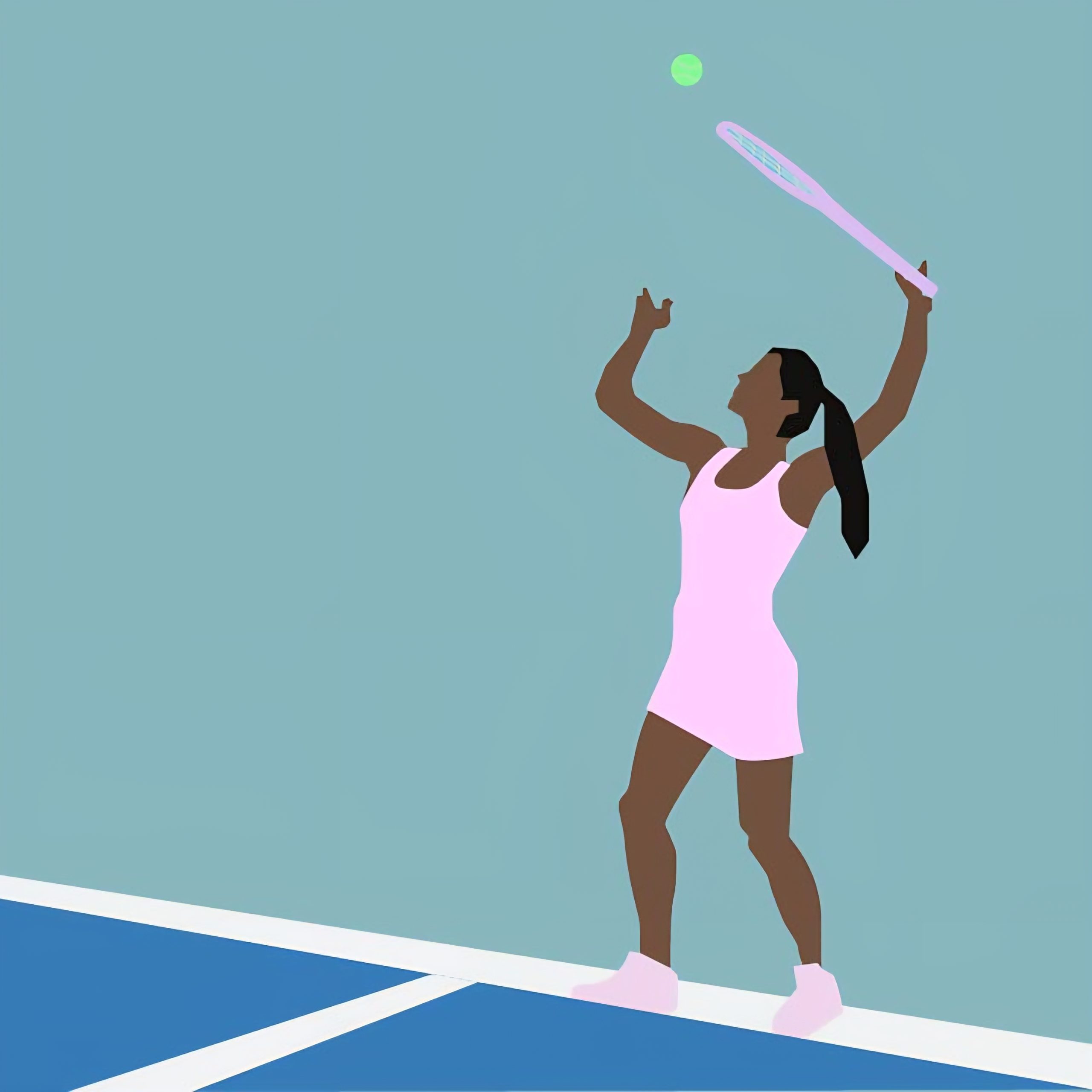
Tennis players are always looking for the perfect place to practice. For many, indoor tennis courts are an attractive option. Understanding how these facilities influence an athlete’s development can help players make informed decisions about their training routine.
Consistent Playing Conditions
Indoor tennis courts provide a stable environment for focused practice. Without wind or changing light, shots go exactly where intended, making tracking the ball easier. Players can dedicate themselves to honing accuracy, timing, and focus without weather-related interruptions. This consistent environment is essential for learning new skills and developing muscle memory effectively.
Year-Round Access
Outdoor practice is often interrupted by rain, heat, or cold, slowing progress. Indoor courts are available year-round, ensuring athletes can train consistently regardless of weather. Regular practice reinforces technique, improves muscle memory, and accelerates performance gains over time. This reliability allows players to stick to structured training schedules, maintain motivation, and steadily track improvements, ultimately leading to more rapid skill development and greater confidence during matches.
Improved Physical Comfort
Extreme temperatures outdoors can lead to fatigue, discomfort, or injury. Indoor courts are climate-controlled, allowing longer, more intense practice sessions in comfort. Maintaining physical ease reduces risks like heat-related illness, dehydration, or muscle strain, supporting long-term health, sustained performance, and consistent skill development throughout the year. This controlled environment also enables athletes to focus fully on technique, endurance, and tactical training without worrying about weather disruptions, promoting more efficient practice sessions and helping maintain peak physical condition for competitions across all seasons.
Surface Uniformity
Indoor surfaces are usually more consistent than outdoor ones. These are usually made of approximately 10% softer materials to increase the safe play and reduce uneven bounces. The homogeneity of the surface promotes repetition, a necessary condition for the acquisition of skills. This removal of luck takes away the second-nature feel of play and allows players to focus on spacing, footwork, and shot selection. Such guided environments provide a better understanding of different strokes and strategy usage.
Reduced Distractions
Outdoor courts can be full of distractions like noise and bugs. Such interruptions are comparatively fewer in indoor facilities, enabling deeper focus. Indoor courts eliminate outside distractions, developing the perfect environment for distraction-free practice. Concentrating on training like this can accelerate skill acquisition and boost confidence during matches. This controlled environment allows players to fine-tune footwork, shot selection, and strategic thinking without external interruptions, promoting more efficient learning and reinforcing mental discipline, which is crucial for performing under pressure in competitive matches.
Opportunities for Advanced Training
Many indoor centers offer professional coaching, video analysis, training equipment, and specially-designed fitness gear to enhance performance. These tools help athletes identify areas for improvement, monitor progress efficiently, and tailor training to specific goals. Instant feedback and expert guidance accelerate skill development and optimize training outcomes. Additionally, access to specialized drills, personalized workout plans, and real-time performance metrics allows players to refine techniques faster, build strength strategically, and address weaknesses systematically, ensuring a more comprehensive and effective approach to improving their overall game and achieving competitive success.
Encouragement of Competitive Play
Indoor courts often host organized leagues and tournaments, especially during seasons when outdoor play is difficult. Competing indoors exposes players to diverse styles and strategies, simulating match conditions in a controlled environment. Regular competition indoors can boost confidence, resilience, mental toughness, strategic thinking, and adaptability, helping athletes respond effectively under pressure and enhancing overall game performance.
Potential Drawbacks to Consider
While indoor courts offer many advantages, they do not replicate all outdoor challenges. Sun, wind, and temperature variations are integral to tennis. Players who train exclusively indoors may struggle with outdoor conditions. Incorporating occasional outdoor sessions builds adaptability, improves situational awareness, enhances shot selection under varying elements, and ensures comprehensive preparation for all competitive environments.
Conclusion
Indoor tennis courts provide consistent, reliable environments that support skill development, advanced training, and competitive play. Climate control, surface uniformity, and high-tech resources enhance performance, safety, and comfort. Combined with occasional outdoor practice, they prepare players for all conditions, build confidence, and allow focused, uninterrupted training, ultimately fostering long-term improvement and versatility on the court.