


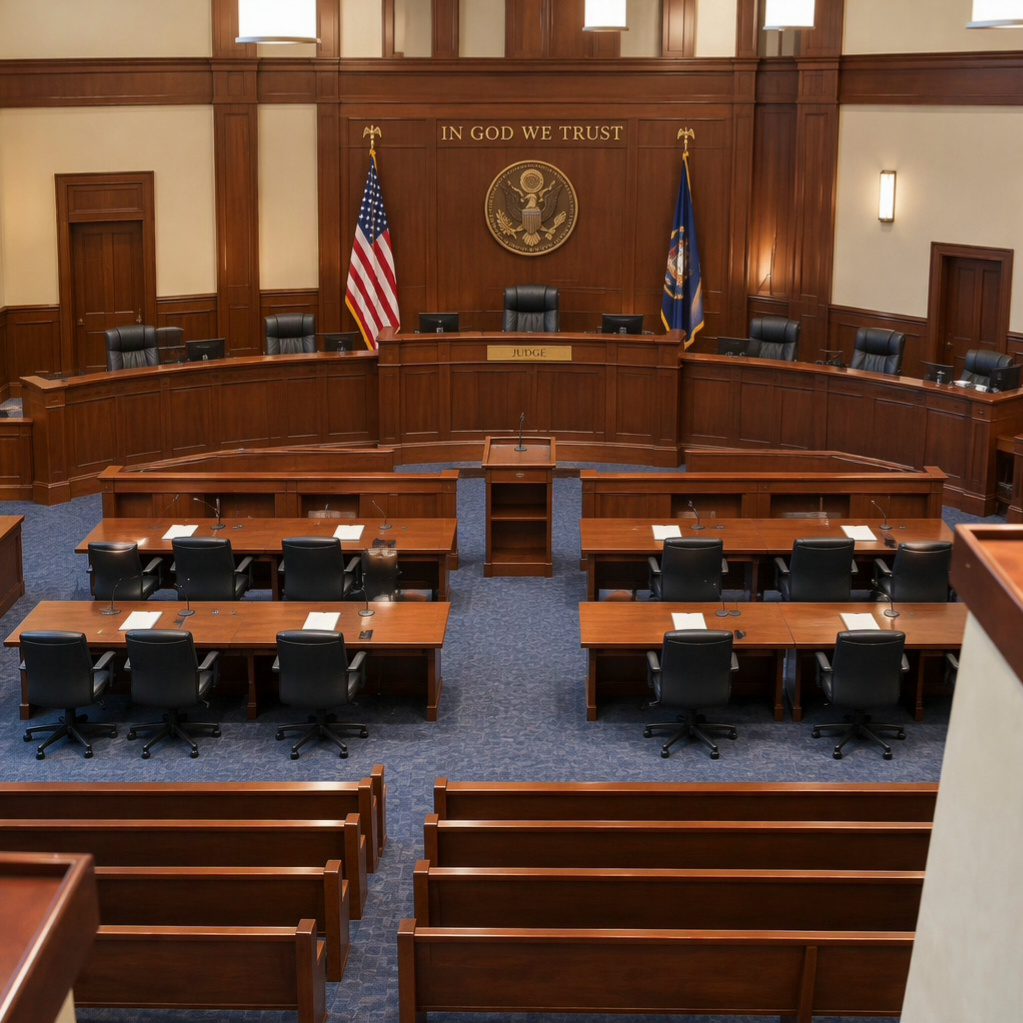
If you follow major legal disputes, you’ve probably noticed that courtroom strategy now starts long before opening statements. Lawyers are using more refined testing, better audience analysis, and faster feedback loops to predict how a case may land with real people. For complex civil and criminal matters, jury research has become a serious part of trial prep, shaping arguments, witness order, visuals, and even settlement pressure before a case ever reaches a verdict.
Why trial strategy now depends on audience testing
A strong legal argument can still fail if jurors don’t trust the messenger or can’t connect the facts into a clear story. That gap is where jury research has become far more influential. Trial teams no longer rely only on instinct from senior litigators who have “seen it all.” They test case themes, damages claims, witness impressions, and liability narratives with structured feedback.
When you look at how firms prepare today, the shift feels similar to how political campaigns use polling before a debate. In litigation, mock juries and focus groups reveal where confusion starts, what facts trigger skepticism, and which phrases sound evasive. A service like The Trial Concierge fits into that reality by helping legal teams evaluate how a case may actually play in front of decision-makers, not just how it reads in a brief.
What jury research actually looks like behind the scenes
A lot of people picture a mock trial as a watered-down courtroom performance. The real process is more technical than that. Depending on the case, researchers may recruit participants who match the venue’s jury pool, present condensed evidence, track reactions, and collect both qualitative and quantitative data. You’ll often see issue testing, witness scoring, deliberation analysis, and post-session debriefs.
For you as an observer, the interesting part is how granular this has become. Jurors may react differently to the same evidence depending on sequence, language, and visual framing. A damages chart that seems persuasive in chambers may look inflated to a lay audience. A polished executive witness may come off as rehearsed. Those details matter because verdict risk often turns on credibility architecture, not just raw facts.
How lawyers use findings without letting data run the whole case
Good trial lawyers don’t hand over strategy to a spreadsheet. They use jury research to pressure-test assumptions, not to replace legal judgment. If a mock panel dislikes a key witness, the answer isn’t always to hide that witness. Sometimes the move is tighter direct examination, cleaner document selection, or a more candid acknowledgment of weak facts before opposing counsel weaponizes them.
You can see the value most clearly in cases with technical subject matter. Patent disputes, mass tort claims, white-collar prosecutions, and catastrophic injury suits often involve dense records and jargon-heavy testimony. Research helps lawyers identify where simplification is essential and where oversimplification feels manipulative. It also shapes voir dire preparation by highlighting attitudes that may predict resistance, sympathy, or punitive leanings among jurors.
The settlement impact is bigger than most people realize
Jury research doesn’t only matter for the final trial presentation. It can change the economics of the case months earlier. When both sides get a clearer sense of verdict exposure, mediation posture often shifts. A defendant facing serious reputational facts may stop assuming that liability confusion will save them. A plaintiff with a weak causation story may rethink an unrealistic demand.
If you’re tracking litigation from a business angle, this is where things get especially practical. General counsel and insurers want numbers they can model. They care about risk bands, venue sensitivity, and likely juror reactions to corporate conduct. A carefully run mock exercise can expose whether a case is a manageable nuisance, a settlement candidate, or a trial that could produce a nuclear verdict. That kind of intelligence affects reserves, board reporting, and negotiation leverage.
Technology is making jury feedback faster and more precise
The newest development isn’t just that more teams use jury research. It’s that the methods are getting faster, more remote, and more data-rich. Online testing platforms, digital exhibit presentation, and rapid-turn feedback tools allow trial consultants to gather useful reactions without the scheduling burden of traditional in-person sessions for every matter. That matters when hearings move quickly, or budgets are tight.
Speed, though, doesn’t solve every problem. Remote research can miss some of the emotional dynamics that show up in live deliberation rooms. Nonverbal cues, group dominance, and fatigue patterns still matter. The strongest teams know when to use quick-turn online testing and when a full mock trial is worth the cost. Precision comes from matching the method to the stakes, the venue, and the complexity of the evidence.
What separates useful jury research from expensive theater
Not every exercise produces insight. Some become performative, with too much emphasis on slick presentation and not enough on case design. If the sample is poorly recruited, the facts are unrealistically edited, or the moderators push participants toward certain conclusions, the output can mislead everyone involved. That’s one reason experienced litigators care so much about methodology.
You should look for whether the process captures authentic reactions instead of confirming what the trial team already wants to believe. Reliable work usually includes balanced fact presentation, disciplined questioning, and careful attention to venue-specific attitudes. In a polarized environment, social identity, institutional trust, and class perceptions can influence verdicts in ways that old-school instincts miss. The point isn’t to manufacture a perfect story. It’s to understand what real jurors are likely to do with the one you have.
Why this matters beyond the courtroom
The broader implication is hard to ignore: modern litigation is becoming more audience-aware, more empirical, and more interdisciplinary. Trial lawyers still need command of evidence, procedure, and advocacy. They also need fluency in communication strategy, behavioral research, and decision science. Cases are increasingly won by the side that can translate complexity into credibility without insulting the intelligence of jurors.
For you, that means high-stakes trials are less mysterious than they appear from the outside. Verdicts don’t emerge from pure drama or legal genius alone. They’re shaped by preparation systems that test what people hear, doubt, remember, and repeat in deliberations. As jury research keeps evolving, expect trial strategy to keep moving toward sharper message discipline, earlier case assessment, and fewer assumptions left untested before the stakes become irreversible.