
WITH EXHIBITIONS, MURALS, AND ANIMATION PROJECTS
Visual artist Daniel Dover is entering an exciting and expansive new phase in his creative career, with several major projects currently in motion – across fine art, large-scale murals, and animated storytelling.
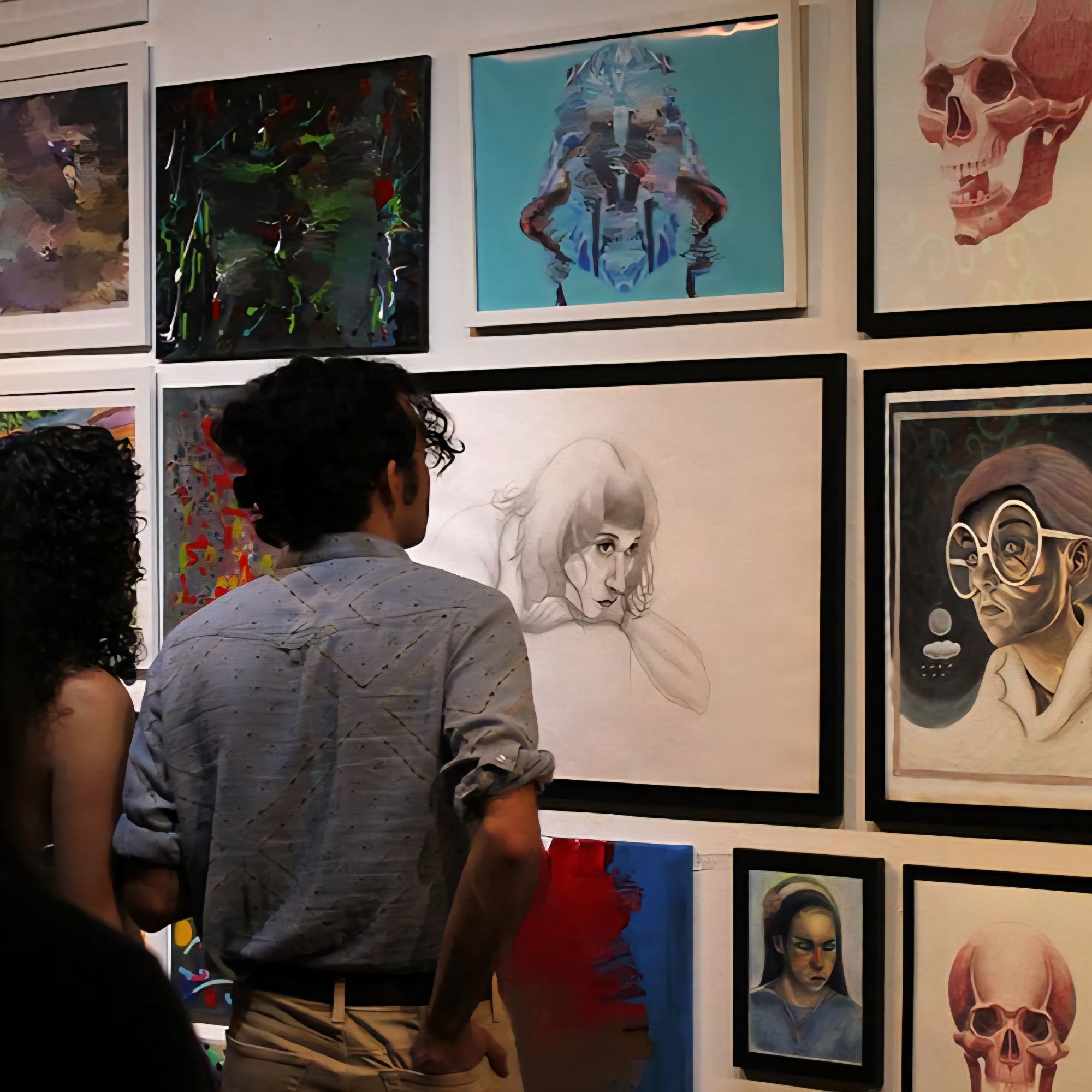
Best known for an evocative body of work that merges fine art sensibilities with dynamic storytelling, Daniel Dover is preparing for a series of upcoming solo exhibitions in New York and beyond. These new exhibitions will showcase Dover’s continued exploration of form, connection, and everyday life, reflecting both a curiosity about human experience and his ever-evolving engagement with public space and visual narrative.
At the same time, Dover is launching a new cycle of mural work, with several large-scale projects slated to appear across New York City in the coming months. Building on the momentum of earlier public artworks, including prominent murals across Tel Aviv and a celebrated animated installation at Tel Aviv City Hall. These new pieces will bring Daniel’s bold visual language into direct dialogue with the city’s communities and streetscape.
Building on recent animation work, Dover is also continuing to develop visual content and direction for several documentary projects currently in production, contributing both animated sequences and conceptual design. These collaborations represent a natural extension of Dover’s illustrative storytelling, layering his distinct aesthetic into nonfiction formats.
Throughout his career, Daniel Dover has built a broad and diverse presence across public spaces and galleries in Israel, Europe, and New York. His work has drawn wide recognition for its rich interplay of personal symbolism and intrinsic narrative storytelling, often weaving together remarkable experiences, underlying tensions and emotional nuance. In addition to gallery exhibitions, Dover’s site-specific installations have garnered critical attention, including a celebrated series of plastic animal sculpture sprawling across recycling collection sites in Israel. A valued commission at the Center for Jewish History in New York City, and the animated installation at the entrance of Tel-Aviv City Hall, which continues to resonate as a public landmark.
This next part of Daniel Dover’s career builds on these achievements with a renewed sense of scale, ambition, and cross-medium fluency. His ability to move fluidly between the intimate space of animation and the monumental scale of muralism has become a defining trait, as has Dover’s instinct for narrative structures – whether told through a canvas, a wall, or the unfolding movement of animation.
As Dover moves into this next chapter, his work continues to evolve in scale, format, and tone – while staying grounded in a consistent visual language shaped over years of practice. With upcoming exhibitions, murals, and animated collaborations taking shape, this period marks both a continuation and a quiet shift for Dover. One that leans further into narrative, collaboration, and the interplay between public and personal, and continues to build on familiar themes.
“Outtakes” by Daniel Dover opens on July 11th.
The Greenpoint Gallery – 390 McGuinness Blvd. Brooklyn, NY 11222.
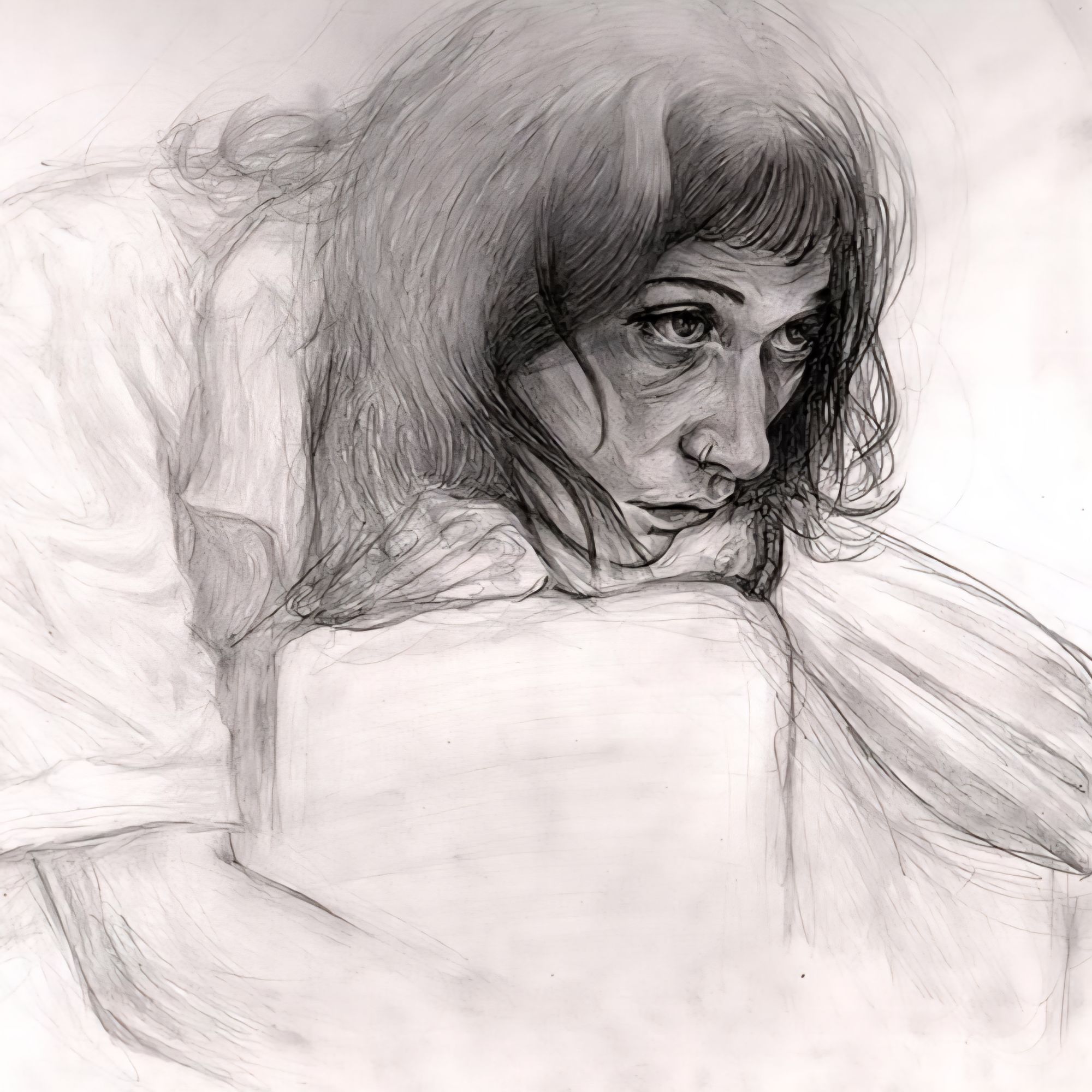
Daniel Dover – Q+A
Your work spans across painting, illustration, and animation. How do you approach each medium differently, and what draws you to work in all three?
DD:
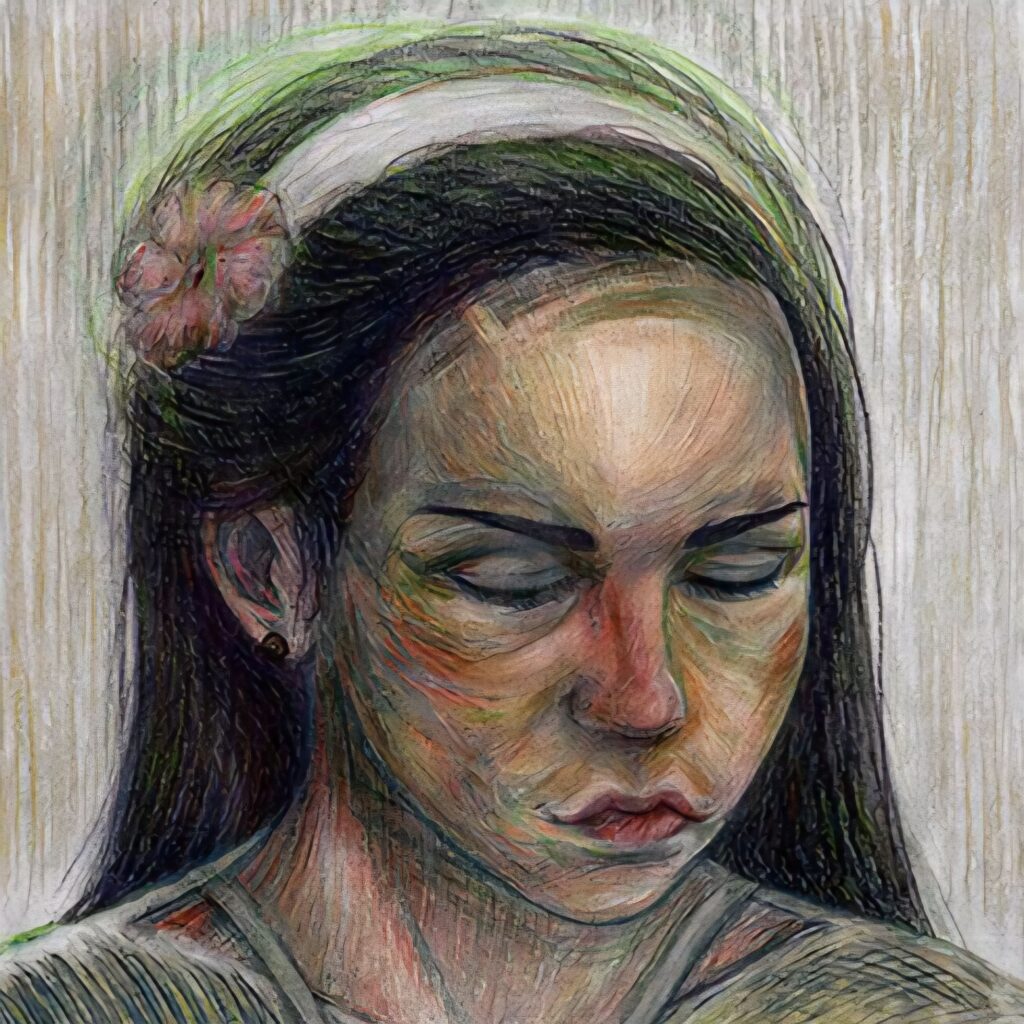
I think each medium offers something different and has its own unique way of making me think about a piece. Each lets me explore different aspects of what I’m looking to express. With painting, I’m more interested in the physicality of it, dealing with expressive textures and color – and most of all, working on a large scale. It’s usually less about telling a detailed story and more about capturing a moment, a mood or feeling that will occupy a physical space. Painting is a slower and more reflective process compared to the immediacy of illustration. Animation, on the other hand, allows me to add another layer of depth by bringing things to life, which feels like a whole different kind of storytelling.
When you’re starting a new project, do you have a specific medium in mind from the beginning, or do you let the concept determine the approach?
DD:
It pretty much depends on the project, and at times might even shift in the middle, or span across a couple of different mediums – if the idea’s right for it. I usually let the concept lead, but It’s nice to have options.
Is there a particular subject or theme that you feel best expresses itself across these mediums? How does your approach change from one medium to the next?
DD:
I tend to focus a lot on characters and their environments, and find that I’m drawn to creating moments that, although absurd and exaggerated – feel genuine and lived-in. In painting, I focus more on the mood of the scene and how the composition can tell a story on its own. In illustration, it’s more about capturing a specific moment or expression. With animation it’s about bringing those characters and scenes to life and exploring how they evolve. The core idea stays the same though.
How do you approach color in your work across painting, illustration, and animation? Are there any common threads that tie these mediums together for you?
DD:
I tend to use color in a more subtle, often muted way, focusing on creating a mood rather than using bright or intense hues. In painting, I might play with softer or more surreal tones to set a certain atmosphere. In illustration I try to keep things simple, using basic colors to keep the focus clear. I guess animation falls somewhere in the middle.
How do you’re painting, and illustration skills influence your animation style, and vice versa? Is there a seamless flow between these practices for you?
DD:
There is a pretty natural crossover, and they all influence each other in many ways. Painting allows me to concentrate more on the mood and setting, which I try to carry over into animation in terms of atmosphere. Illustration makes me focus on clear design and expression, which is useful for animation as well. Each medium kind of informs the next, and I try to bring what I have learned from one into the others.
Do you ever mix traditional painting techniques with animation? If so, what are some examples, and how does it change the overall aesthetic?
DD:
Yes, I use traditional hand-painted techniques for both the character drawings and backgrounds. I feel this gives the animation a more natural and personal feel overall, and also keeps me more engaged with the process, as I’d rather work with physical materials over a screen.
What role do you think art should play in a person’s life—should it challenge, comfort, or something else entirely?
DD:
I suppose a bit of both, but preferably not at the same time. I mostly like when it offers an idea or a point of view – and hopefully makes people think about it, but sometimes it’s simply about giving a sense of relief or connection.
How do you view the relationship between art and audience expectation? Do you feel a pressure to meet expectations, or is your focus more on personal exploration?
DD:
There’s always some balance between both, but I try not to worry too much about meeting expectations and rather follow with personal exploration. I focus more on what feels right for the work. If people connect with it, that is a nice bonus.
This upcoming solo show marks a shift back toward painting. What drew you to focus on that medium right now?
DD:
I have been wanting to explore some characters in a more thorough and detailed way for quite some time. Painting gives me the chance to push them further, with more room for exploration. It is a medium that allows me to expand on ideas I have worked with in illustration and animation.
How has your background in animation and illustration shaped the way you approach this new body of work?
DD:
Very much, as I’m used to thinking in terms of movement and storytelling, and I try to bring that sense of fluidity and narrative into my new work as well. The precision of illustration also carries over and helps me to focus on detail while still allowing for more experimentation.