


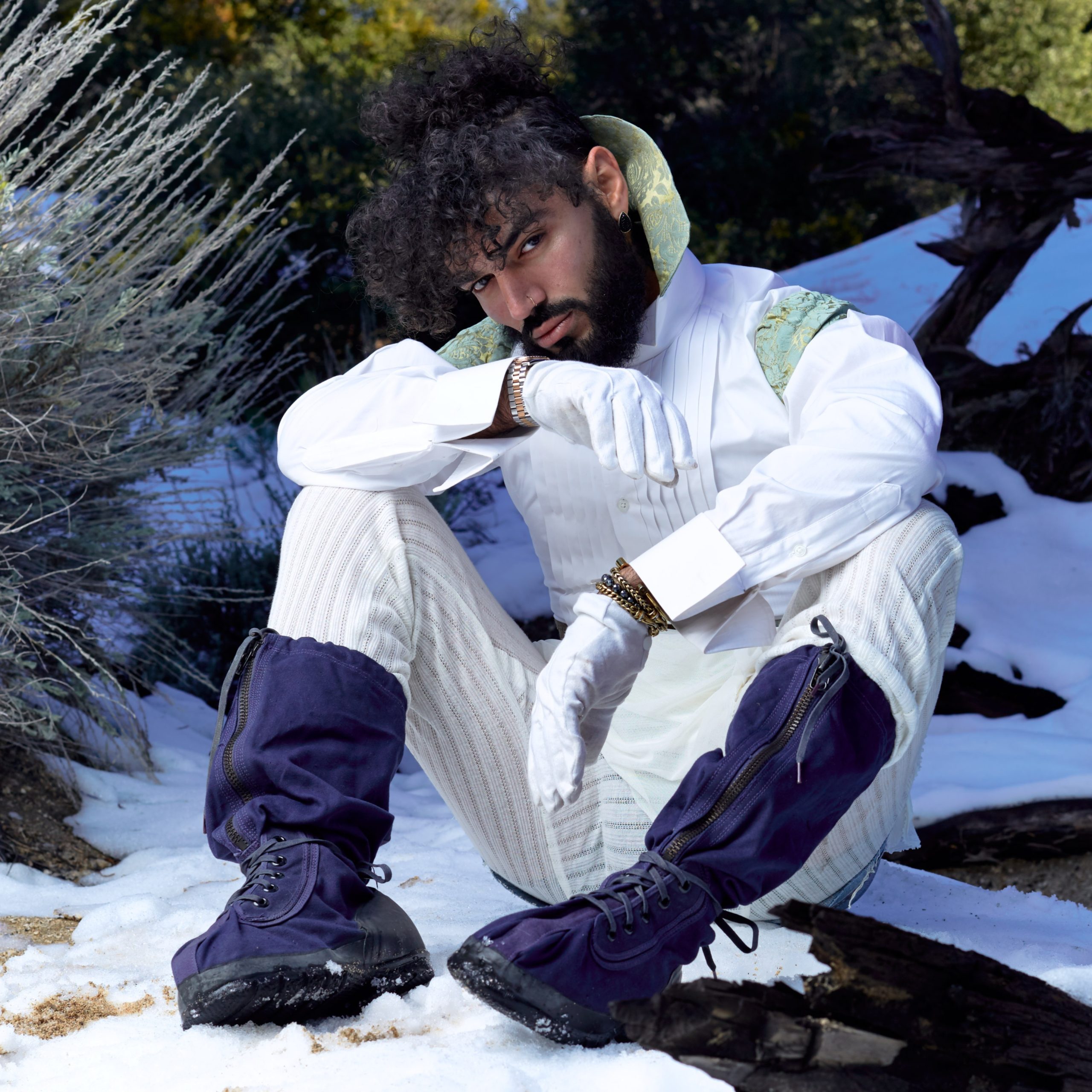
Dyeing your beard should improve your appearance, not create new problems. Yet many men end up with unnatural color, irritated skin, or uneven results simply because they overlook basic steps.
Men’s beard dyeing requires more precision than head hair, which is why choosing the best beard dye for men matters so much. Small mistakes can become highly visible, but when you understand where most men go wrong, you gain full control over the final result.
In this guide, you will learn the seven most common beard dyeing mistakes, why they happen, and how to avoid them. Let’s dive in!
Misjudging the Right Shade for Your Beard
One of the most common mistakes men make involves choosing a shade that looks good on the box but not on their face. Beard hair reflects light differently from scalp hair and often appears darker once dyed. When you select a shade that matches your natural hair exactly, the result often looks too intense or artificial.
You achieve better results by choosing a shade slightly lighter than your natural beard color. This approach creates depth and avoids harsh contrast. Your beard should blend naturally with your complexion rather than dominate it. Testing color subtly helps maintain realism and balance.
Ignoring Beard Texture and Density Differences
Beards rarely grow evenly. Some areas appear dense and coarse, while others remain lighter or finer. Applying dye uniformly without accounting for these differences leads to patchy or uneven results. Dense areas absorb color more quickly, while thinner sections require less exposure.
You should apply dye strategically, not aggressively. Focus first on areas that need coverage and blend outward gradually. Understanding how your beard grows allows you to work with its structure rather than against it.
Skipping Skin and Allergy Testing
Many men underestimate how sensitive facial skin can be. Beard dye sits close to pores, lips, and sensitive areas. Skipping a patch test increases the risk of irritation, itching, or inflammation. Even products labeled as gentle can trigger reactions.
You protect your skin by testing every new product before full application. Apply a small amount behind the ear or along the jawline and wait for a reaction. This step prevents discomfort and ensures safe use.
Applying Dye to an Unprepared Beard
A dirty or oily beard prevents even color distribution. Natural oils, leftover styling products, and dead skin cells block pigment from adhering properly. When you apply dye without preparation, the color fades unevenly or fails to bind.
You should always cleanse your beard thoroughly before dyeing. Dry it completely before application. Clean hair absorbs color more predictably and produces consistent results.
Overprocessing and Leaving Dye on Too Long
More time does not equal better coverage. Overprocessing leads to overly dark color, dryness, and stiffness. Beard hair absorbs pigment faster than scalp hair, which makes timing critical.
You must follow the application timing carefully. Check progress early and remove dye once desired coverage appears. Controlled exposure preserves natural texture and prevents harsh results.
Neglecting Beard Shape and Edge Precision
Dyeing without respecting beard lines causes color to bleed onto skin or exaggerate uneven edges. This mistake makes the beard look painted rather than groomed. Precision matters as much as color choice.
You should shape your beard before dyeing. Clean edges guide application and prevent unwanted staining. Defined borders create a sharper, more professional appearance.
Failing to Maintain Dyed Beard Hair Properly
Dyeing is not the final step. Many men forget that colored beard hair requires maintenance. Harsh cleansers strip pigment quickly and dry out hair. Lack of conditioning causes brittleness and dullness.
You maintain results by using gentle cleansers and hydrating beard products. Proper care extends color life and keeps hair healthy and flexible.
How Blackbeard for Men Helps Avoid Common Mistakes
Blackbeard for Men focuses on giving you control rather than forcing permanent commitment. The brand offers instant, temporary beard coloring designed to reduce common dyeing errors. You can target specific areas, adjust intensity, and correct mistakes easily. This approach helps you avoid over-darkening, uneven coverage, and skin irritation.
Conclusion
Beard dyeing mistakes often happen because men rush the process or overlook preparation. Choosing the wrong shade, ignoring beard structure, skipping skin tests, and overprocessing all lead to avoidable problems. When you slow down and apply dye with strategy, you gain consistent, natural results.
The right approach protects your skin, enhances your beard, and supports confidence. Beard dye should work with your grooming routine, not against it. When used correctly, it becomes a reliable tool for maintaining a polished and intentional appearance.