

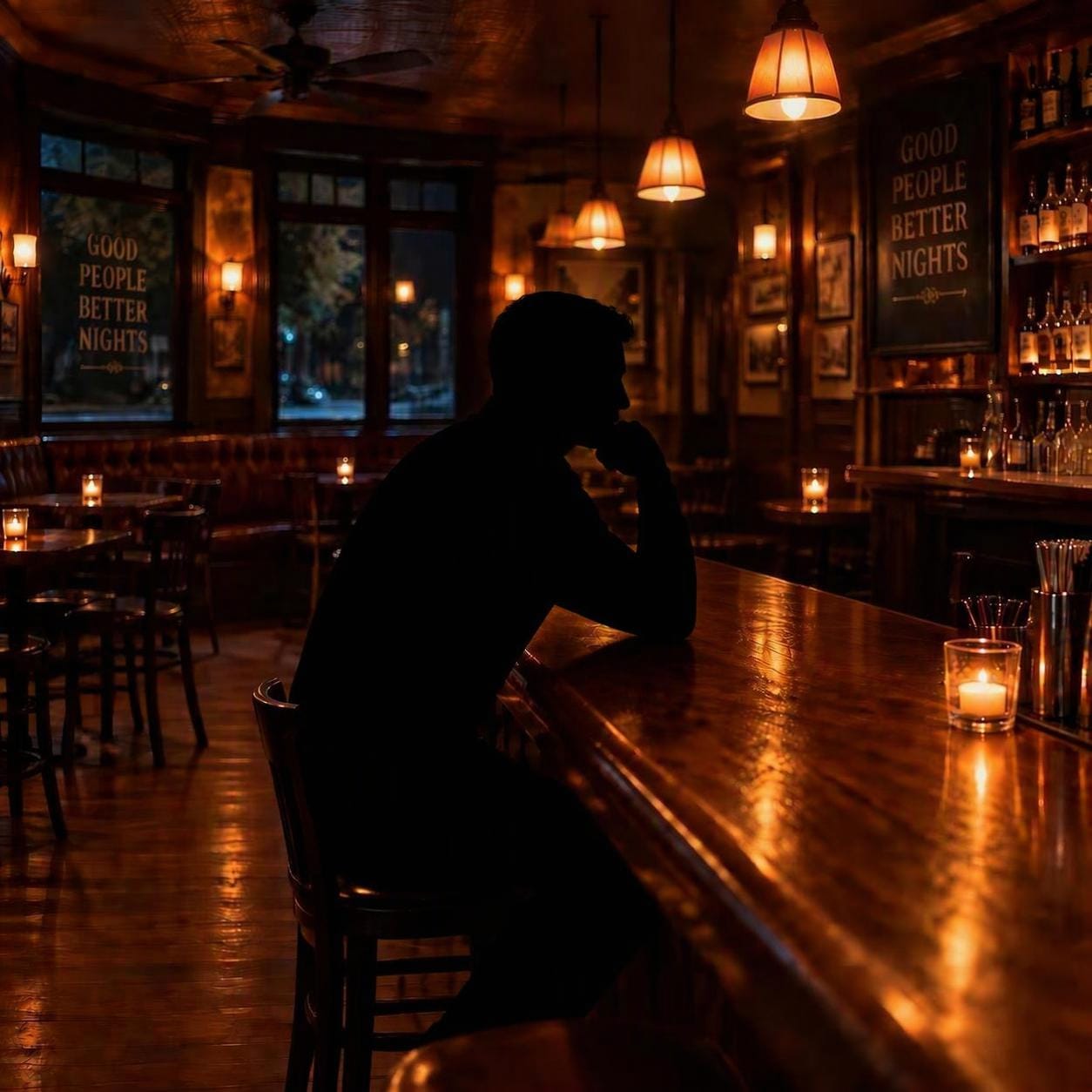
Every wedding, every company party, every opening night: for most of the last half century, the open bar was the measure of a generous host, judged by how freely the glasses were refilled. A guest who did not drink held a glass anyway, since the alternative was a conversation. Lately, the shape of the evening has changed, and not because anyone gave a speech about it. The bar is still open. Fewer people are treating it as the whole point.
The Default Drink Order Changed
The numbers have caught up with the mood. Gallup has asked Americans about their drinking since 1939, and its 2025 survey found the share who drink had fallen to a record low: 54 percent of American adults. Before that run of declines, the rate had dipped below 60 percent fewer than ten times in the poll’s history. The same 2025 survey found that 53 percent called moderate drinking bad for health, the first time that view had held a majority. A younger crowd shows the shift in miniature: nonalcoholic beer and zero-proof spritzes sit on menus beside the classics, and a clear morning has turned into something people brag about.
Sober Curious Is Not Sober
There is a name for the lane between a glass of wine and stopping entirely, and it has less to do with willpower than with intention. Younger adults are drinking less, but many of them are not quitting. They order a beer and then a soda. They skip the third round, choose a Tuesday without alcohol and say so out loud.
The shift usually gets filed under sober curious, though the word sober is doing a lot of misleading work there. Moderation is its own destination, and moderate drinkers are the largest group in it. They still drink, just less and more deliberately. They would rather not be sorted into a category at all. That is the quiet center of mindful drinking, the habit that programs like Sunnyside are built around: paying attention rather than prohibition.
What the Bar Industry Noticed
Bars read a room long before a trend piece does. The zero-proof list stopped being a courtesy and became a competitive detail, and bartenders now treat a nonalcoholic negroni with the same fuss as the gin version. Smaller pours and lower-alcohol cocktails moved from novelty to standard. Daytime events, the kind that end before dinner, became reliable business. Hospitality follows the money, and the money is drifting toward nights that do not cost a tomorrow. Somewhere in that drift is a quieter decision: people saying out loud that the cost of a night out is not worth the morning after.
The same willingness to say the cost is too high is turning up where the stakes are higher. Athletes have pushed the conversation about mental health in professional sport into the open, and organizations like Athletes for CARE have backed competitors who speak plainly about pressure, burnout and asking for help. When the people paid to be invincible say the cost is too high, everyone else gets permission to say it too, and the bar is one of the places they say it.
The open bar is not closing. It is becoming one option in a room that now offers several, and a host who can read that room is a better host than one who only knows how to pour. The next going-out culture looks less like a ritual with a drink at the center and more like a table where the drink is beside the point. The bar will still be there. It just will not be doing all the talking.